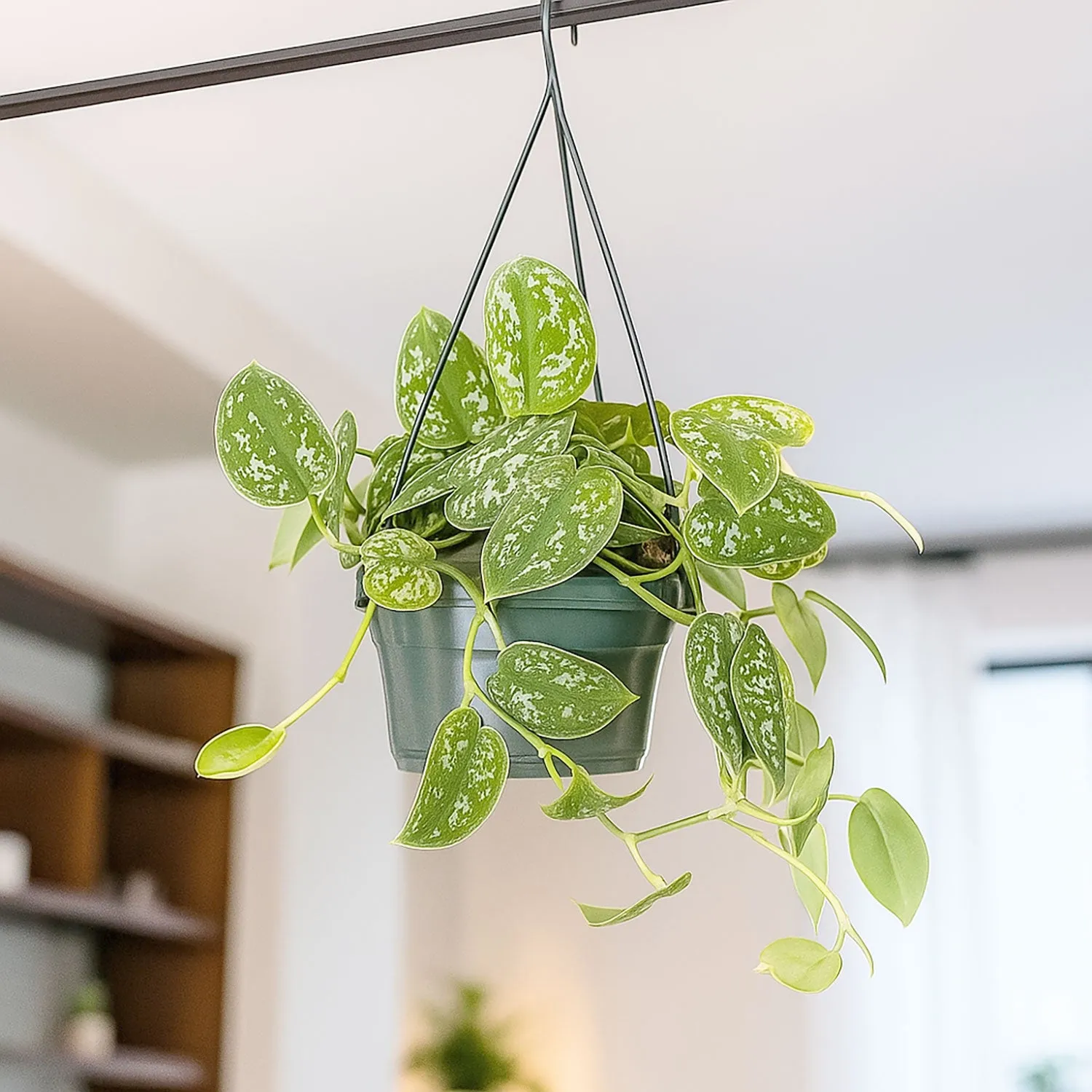
30 - 40cm Epipremnum Trebie Satin Pothos in Hanging Pot 15cm House Plant
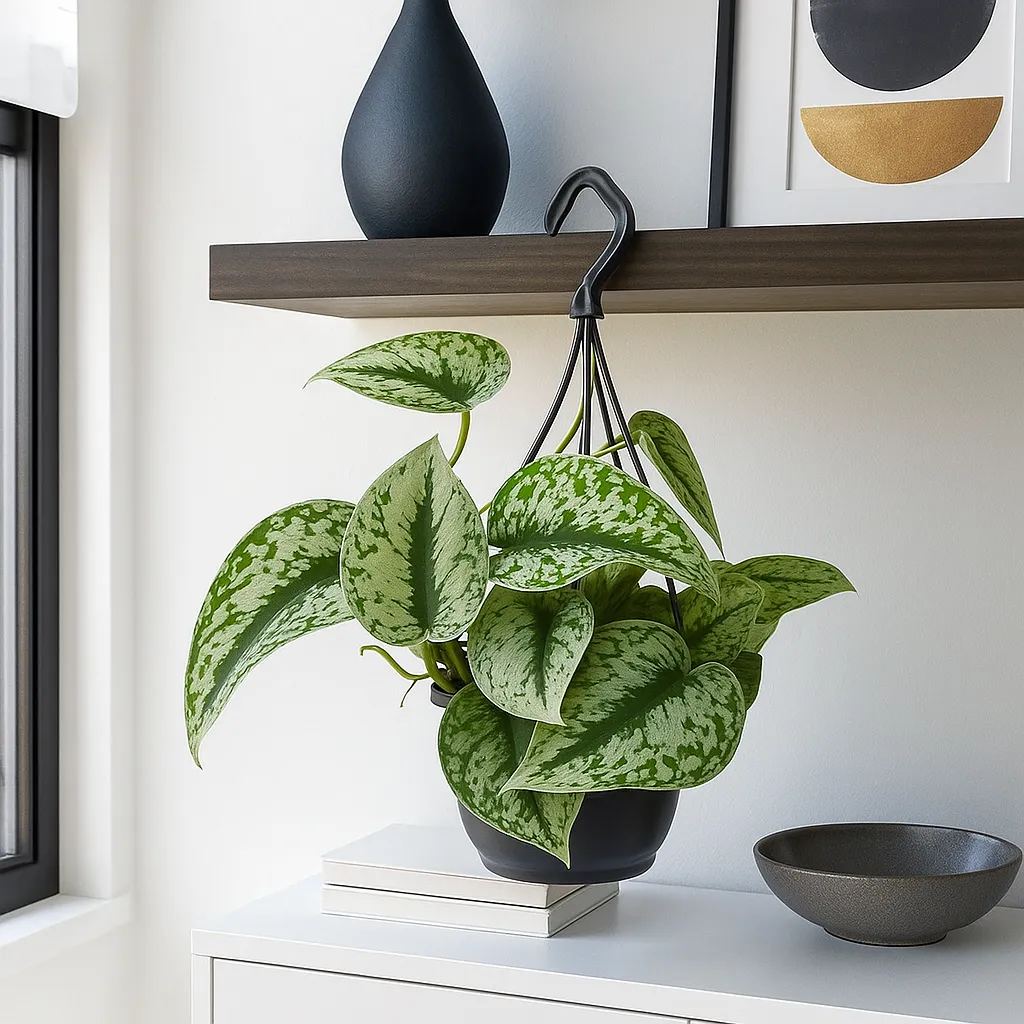
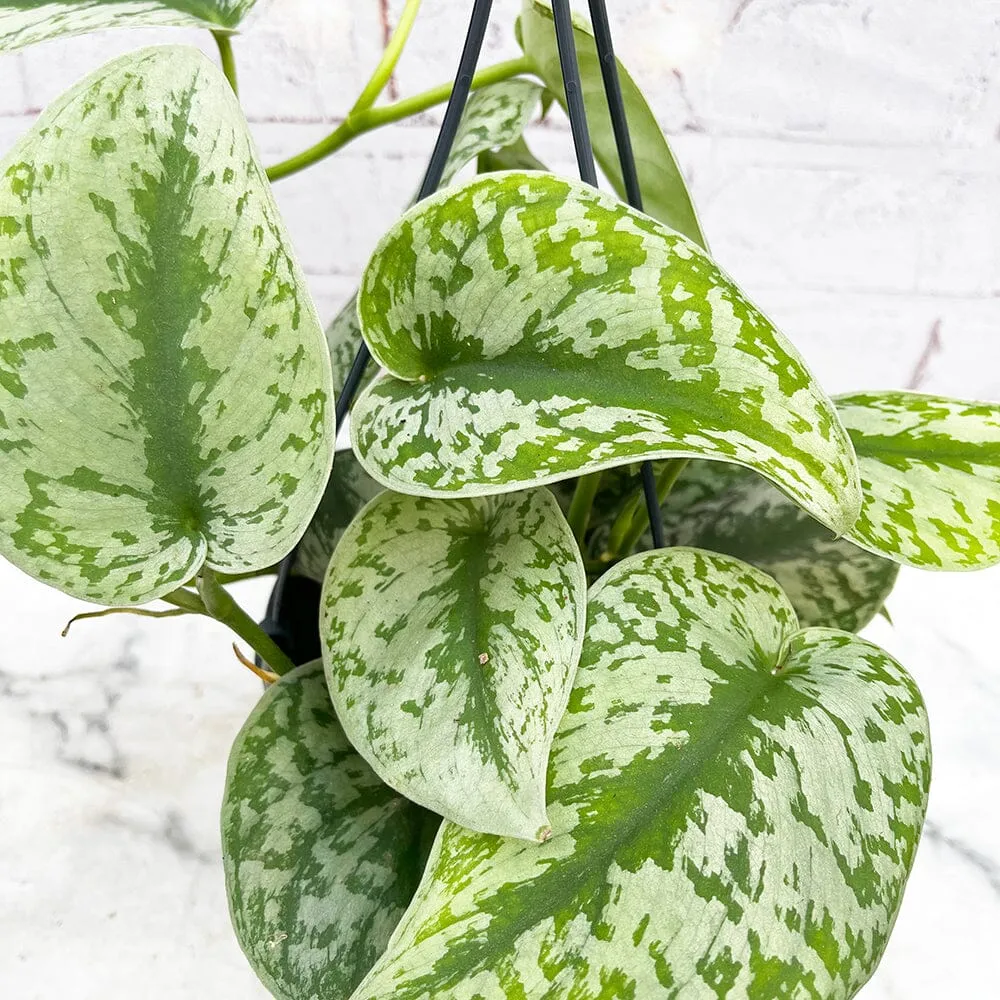
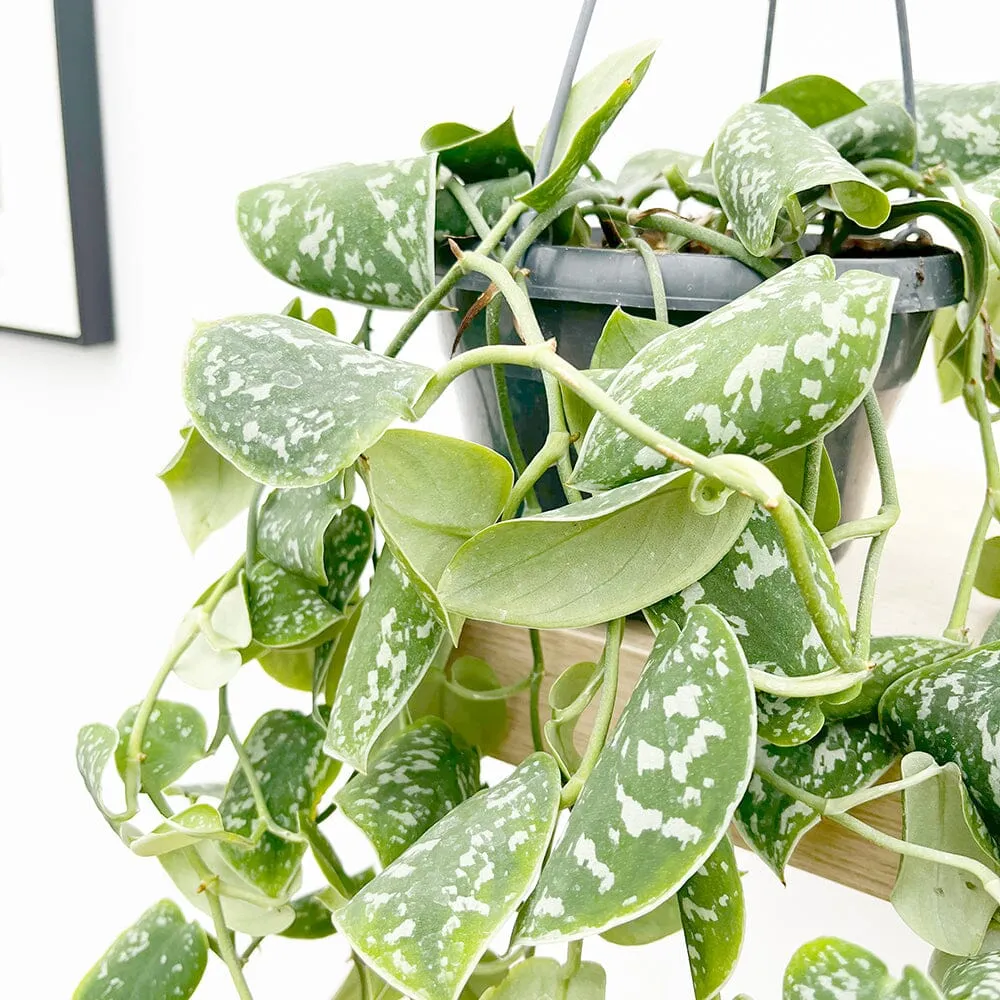
Epipremnum pictum ‘Trebie’, also known as the Satin Pothos ‘Trebie’, is a stunning tropical trailing plant cherished for its large, velvety, silver-patterned leaves and easy-care nature. A member of the Araceae family and native to the humid rainforests of Southeast Asia, this cultivar of Epipremnum pictum stands out for its lush texture and silvery marbling that shimmers beautifully under soft light.
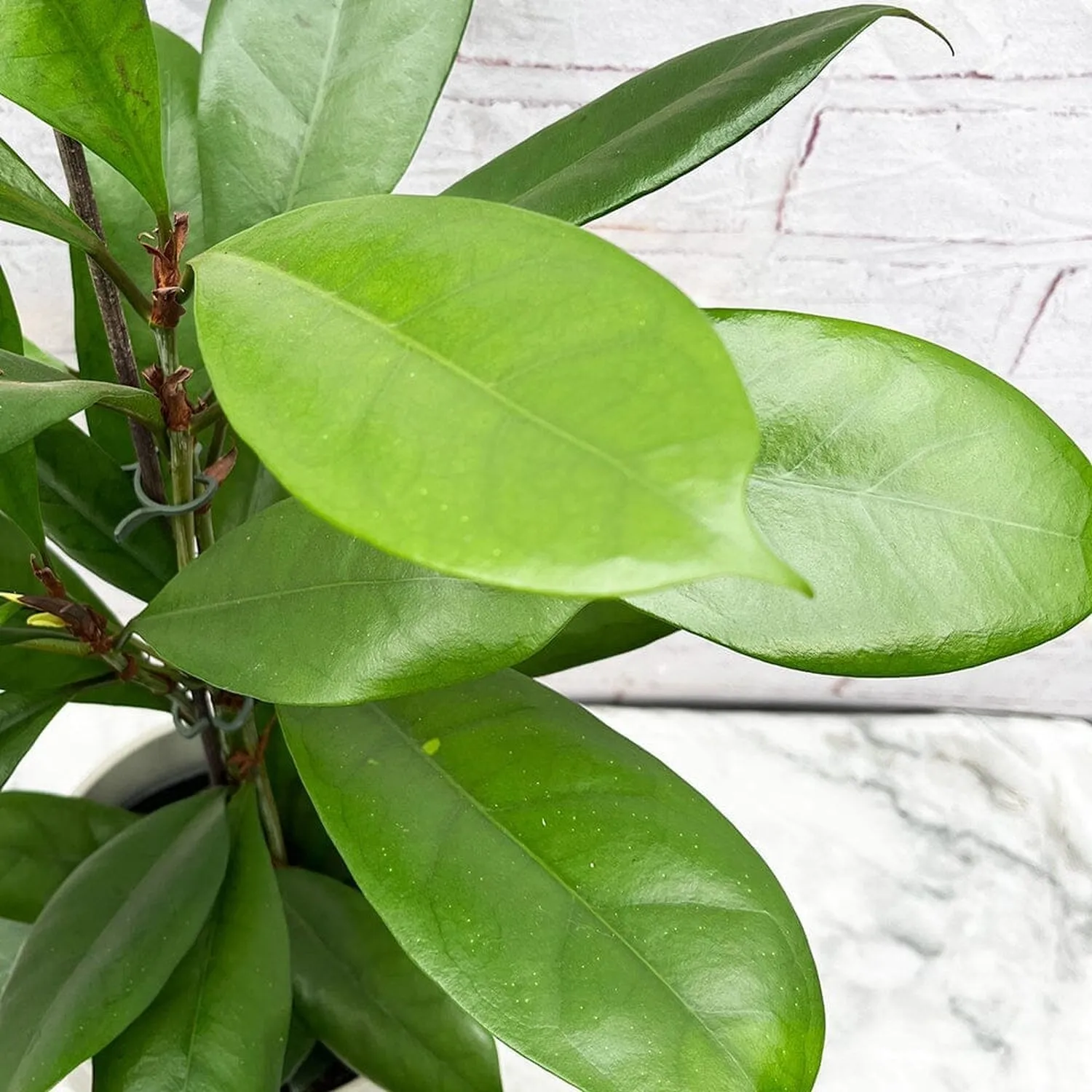
Each heart-shaped leaf displays a deep green base with generous silver variegation that appears painted or dusted across its velvety surface. Slightly broader and bolder than the Exotica variety, ‘Trebie’ adds a rich, luxurious touch to any plant display. Its vining habit allows it to trail gracefully from shelves or hanging baskets, or climb up moss poles for a more tropical, sculptural effect.
Elegant, adaptable, and effortlessly beautiful, Epipremnum ‘Trebie’ is a must-have for anyone seeking a resilient statement plant with a refined, silvery glow.
Epipremnum pictum ‘Trebie’ – Care Guide
Light
Thrives in bright, indirect light, which enhances its silver variegation. It tolerates medium light levels but may lose some of its distinctive patterning in lower light. Avoid direct sunlight, which can scorch the leaves. East- or north-facing rooms are ideal.
Watering
Keep the soil lightly moist but not soggy. Water when the top 2–3 cm of soil feels dry to the touch. In winter, reduce watering slightly while maintaining gentle moisture. Always ensure the pot has good drainage, as Epipremnum ‘Trebie’ is sensitive to overwatering.
Temperature and Humidity
Temperature: Prefers warmth between 18–28 °C. Avoid drafts and temperatures below 15 °C.
Humidity: Moderate to high humidity (60–80%) helps maintain healthy, glossy foliage. Mist occasionally or group with other tropical plants for best results.
Soil and Potting
Use a well-draining, rich aroid mix — compost combined with perlite, orchid bark, and coco coir provides an ideal balance of moisture and aeration. Repot every 1–2 years in spring to refresh the soil and promote strong growth.
Feeding
Feed every 4–6 weeks during the growing season with a diluted, balanced liquid fertiliser. Over-fertilising can cause tip burn or salt build-up. Pause feeding in autumn and winter when growth naturally slows.
Pruning and Maintenance
Prune to control length and encourage bushier growth. Cuttings root easily in water or moist soil, making propagation simple. Wipe leaves occasionally with a damp cloth to remove dust and accentuate their velvety sheen. Rotate the plant regularly for even light exposure.
Growth and Maturity
A moderately fast grower, Epipremnum ‘Trebie’ can reach 1–2 metres in trailing or climbing length indoors. Provide a moss pole or trellis for upward growth and larger leaves, or let it spill naturally for a cascading effect. With consistent care, it develops into a lush, silvery-green curtain of tropical elegance.
Common Issues
-
Yellow leaves: Overwatering or poor drainage.
-
Brown tips: Low humidity or inconsistent watering.
-
Faded pattern: Insufficient light.
-
Pests: Occasionally affected by spider mites or mealybugs — treat with neem oil or insecticidal soap.
Background and Benefits
Native to Southeast Asian rainforests, Epipremnum pictum varieties grow as epiphytes, climbing trees and absorbing filtered light through the canopy. The ‘Trebie’ cultivar is admired for its bold silver variegation and slightly thicker leaves, giving it a more luxurious and sculptural appearance than other forms.
Like other Pothos, ‘Trebie’ is also an excellent air purifier, filtering toxins such as formaldehyde and xylene while thriving in a range of indoor conditions. Symbolically, Pothos plants represent resilience, prosperity, and growth — qualities perfectly embodied by this shimmering, tropical beauty.
Quick Care Summary
-
Light: Bright, indirect light; tolerates medium light
-
Water: Keep soil lightly moist; allow top few cm to dry
-
Temperature: 18–28 °C; avoid below 15 °C
-
Humidity: Moderate to high (60–80%)
-
Soil: Aroid mix – compost, perlite, orchid bark, coco coir
-
Feed: Every 4–6 weeks in spring/summer
-
Growth: 1–2 m trailing or climbing vine; deep green leaves with silvery variegation
⚠️ Toxicity note: Toxic to pets and humans if ingested; may cause mouth or skin irritation.
Styling Tip
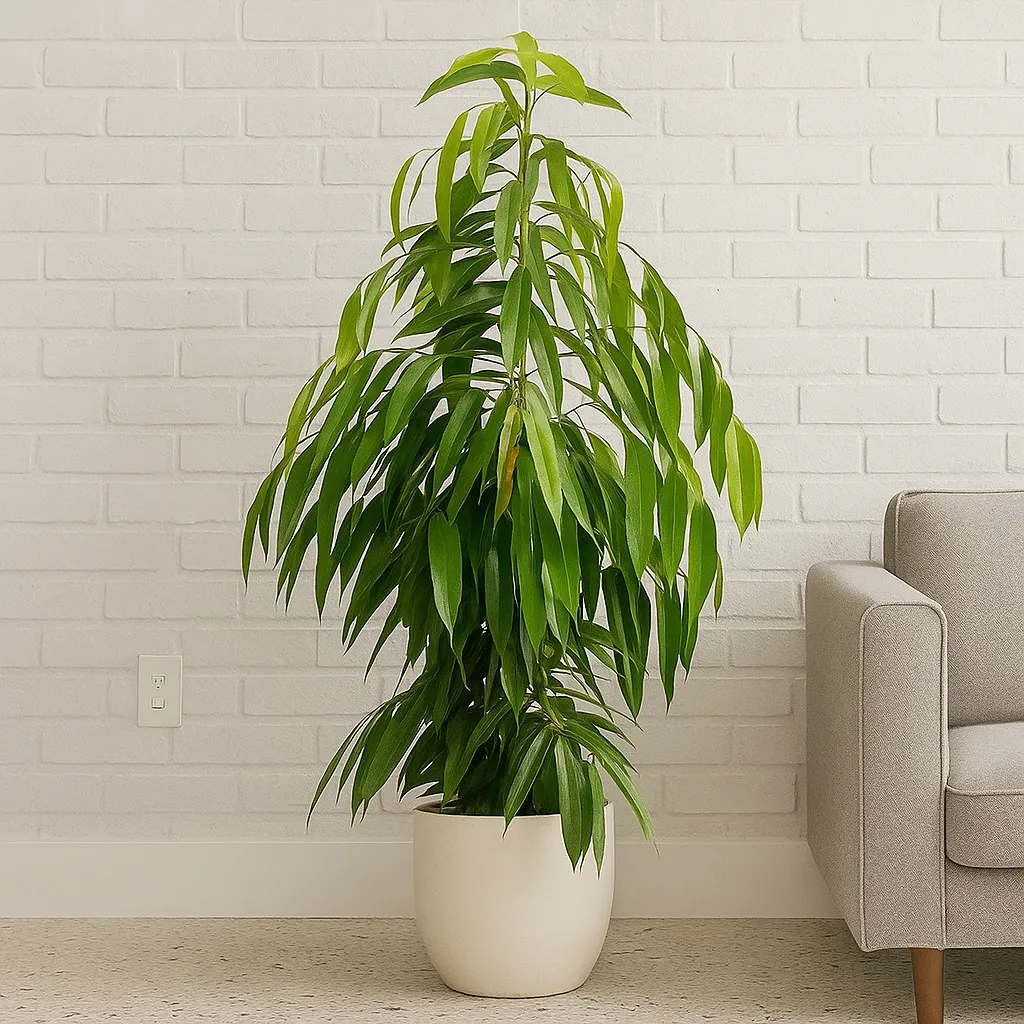
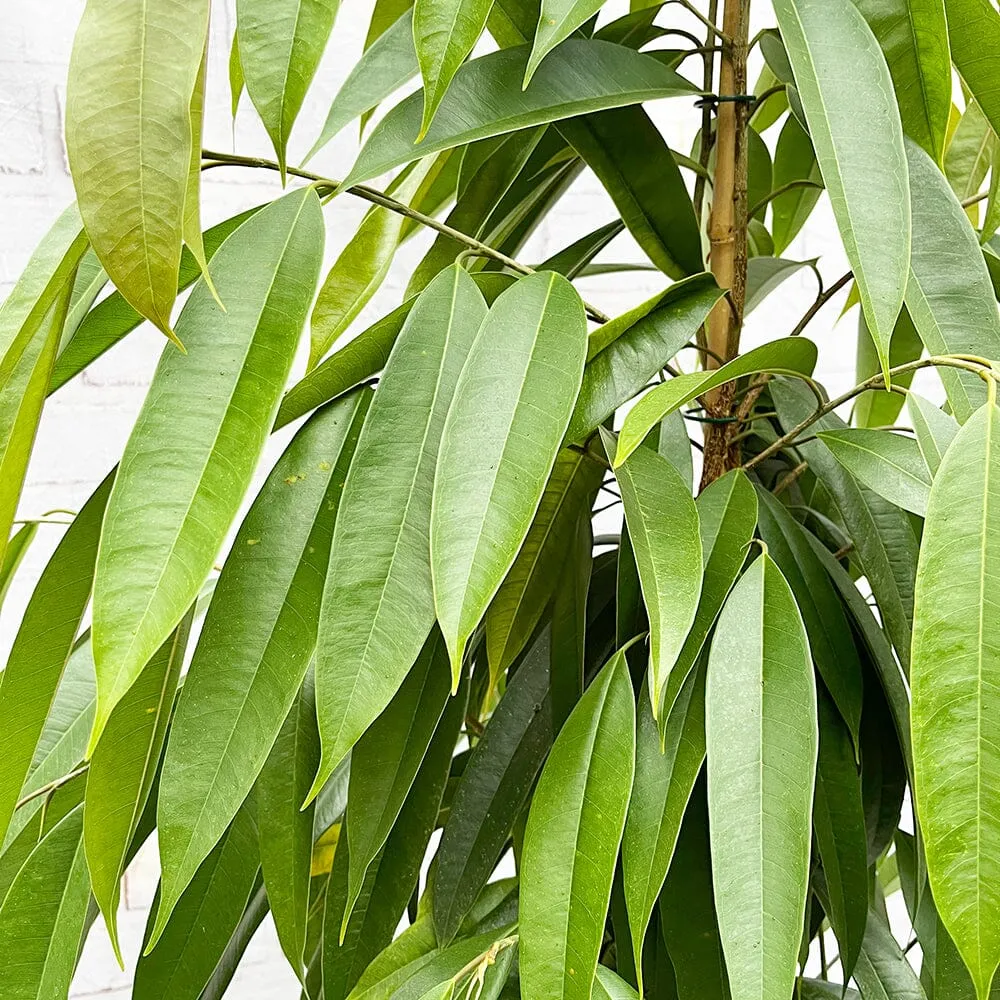
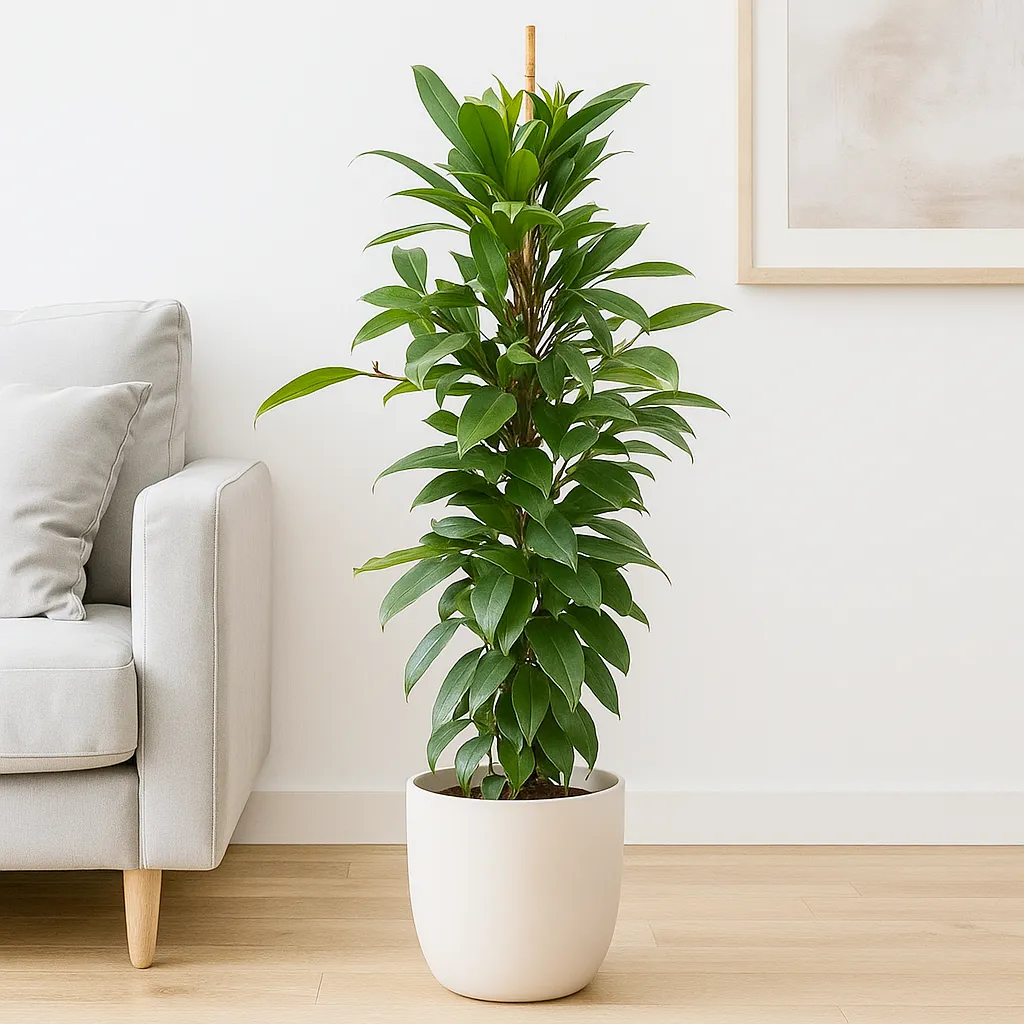
Showcase Epipremnum ‘Trebie’ in a hanging planter or tall decorative pot where its vines can cascade elegantly. It also looks stunning climbing up a moss pole, allowing the leaves to grow larger and more pronounced. Pair with contrasting foliage such as Philodendron ‘Micans’ or Ficus elastica ‘Belize’ to highlight its silver tones. Perfect for living rooms, offices, or bright kitchens, ‘Trebie’ adds texture, depth, and sophistication to any tropical display — a silvery statement that thrives with minimal care.
Original: $35.62
-70%$35.62
$10.69Product Information
Product Information
Shipping & Returns
Shipping & Returns
Description
Epipremnum pictum ‘Trebie’, also known as the Satin Pothos ‘Trebie’, is a stunning tropical trailing plant cherished for its large, velvety, silver-patterned leaves and easy-care nature. A member of the Araceae family and native to the humid rainforests of Southeast Asia, this cultivar of Epipremnum pictum stands out for its lush texture and silvery marbling that shimmers beautifully under soft light.
Each heart-shaped leaf displays a deep green base with generous silver variegation that appears painted or dusted across its velvety surface. Slightly broader and bolder than the Exotica variety, ‘Trebie’ adds a rich, luxurious touch to any plant display. Its vining habit allows it to trail gracefully from shelves or hanging baskets, or climb up moss poles for a more tropical, sculptural effect.
Elegant, adaptable, and effortlessly beautiful, Epipremnum ‘Trebie’ is a must-have for anyone seeking a resilient statement plant with a refined, silvery glow.
Epipremnum pictum ‘Trebie’ – Care Guide
Light
Thrives in bright, indirect light, which enhances its silver variegation. It tolerates medium light levels but may lose some of its distinctive patterning in lower light. Avoid direct sunlight, which can scorch the leaves. East- or north-facing rooms are ideal.
Watering
Keep the soil lightly moist but not soggy. Water when the top 2–3 cm of soil feels dry to the touch. In winter, reduce watering slightly while maintaining gentle moisture. Always ensure the pot has good drainage, as Epipremnum ‘Trebie’ is sensitive to overwatering.
Temperature and Humidity
Temperature: Prefers warmth between 18–28 °C. Avoid drafts and temperatures below 15 °C.
Humidity: Moderate to high humidity (60–80%) helps maintain healthy, glossy foliage. Mist occasionally or group with other tropical plants for best results.
Soil and Potting
Use a well-draining, rich aroid mix — compost combined with perlite, orchid bark, and coco coir provides an ideal balance of moisture and aeration. Repot every 1–2 years in spring to refresh the soil and promote strong growth.
Feeding
Feed every 4–6 weeks during the growing season with a diluted, balanced liquid fertiliser. Over-fertilising can cause tip burn or salt build-up. Pause feeding in autumn and winter when growth naturally slows.
Pruning and Maintenance
Prune to control length and encourage bushier growth. Cuttings root easily in water or moist soil, making propagation simple. Wipe leaves occasionally with a damp cloth to remove dust and accentuate their velvety sheen. Rotate the plant regularly for even light exposure.
Growth and Maturity
A moderately fast grower, Epipremnum ‘Trebie’ can reach 1–2 metres in trailing or climbing length indoors. Provide a moss pole or trellis for upward growth and larger leaves, or let it spill naturally for a cascading effect. With consistent care, it develops into a lush, silvery-green curtain of tropical elegance.
Common Issues
-
Yellow leaves: Overwatering or poor drainage.
-
Brown tips: Low humidity or inconsistent watering.
-
Faded pattern: Insufficient light.
-
Pests: Occasionally affected by spider mites or mealybugs — treat with neem oil or insecticidal soap.
Background and Benefits
Native to Southeast Asian rainforests, Epipremnum pictum varieties grow as epiphytes, climbing trees and absorbing filtered light through the canopy. The ‘Trebie’ cultivar is admired for its bold silver variegation and slightly thicker leaves, giving it a more luxurious and sculptural appearance than other forms.
Like other Pothos, ‘Trebie’ is also an excellent air purifier, filtering toxins such as formaldehyde and xylene while thriving in a range of indoor conditions. Symbolically, Pothos plants represent resilience, prosperity, and growth — qualities perfectly embodied by this shimmering, tropical beauty.
Quick Care Summary
-
Light: Bright, indirect light; tolerates medium light
-
Water: Keep soil lightly moist; allow top few cm to dry
-
Temperature: 18–28 °C; avoid below 15 °C
-
Humidity: Moderate to high (60–80%)
-
Soil: Aroid mix – compost, perlite, orchid bark, coco coir
-
Feed: Every 4–6 weeks in spring/summer
-
Growth: 1–2 m trailing or climbing vine; deep green leaves with silvery variegation
⚠️ Toxicity note: Toxic to pets and humans if ingested; may cause mouth or skin irritation.
Styling Tip
Showcase Epipremnum ‘Trebie’ in a hanging planter or tall decorative pot where its vines can cascade elegantly. It also looks stunning climbing up a moss pole, allowing the leaves to grow larger and more pronounced. Pair with contrasting foliage such as Philodendron ‘Micans’ or Ficus elastica ‘Belize’ to highlight its silver tones. Perfect for living rooms, offices, or bright kitchens, ‘Trebie’ adds texture, depth, and sophistication to any tropical display — a silvery statement that thrives with minimal care.