40 - 50cm Aeschynanthus Pink Polka XXL in Hanging Pot 15cm Pot House Plant
Aeschynanthus 'Pink Polka' XXL Care Guide
Aeschynanthus 'Pink Polka' XXL
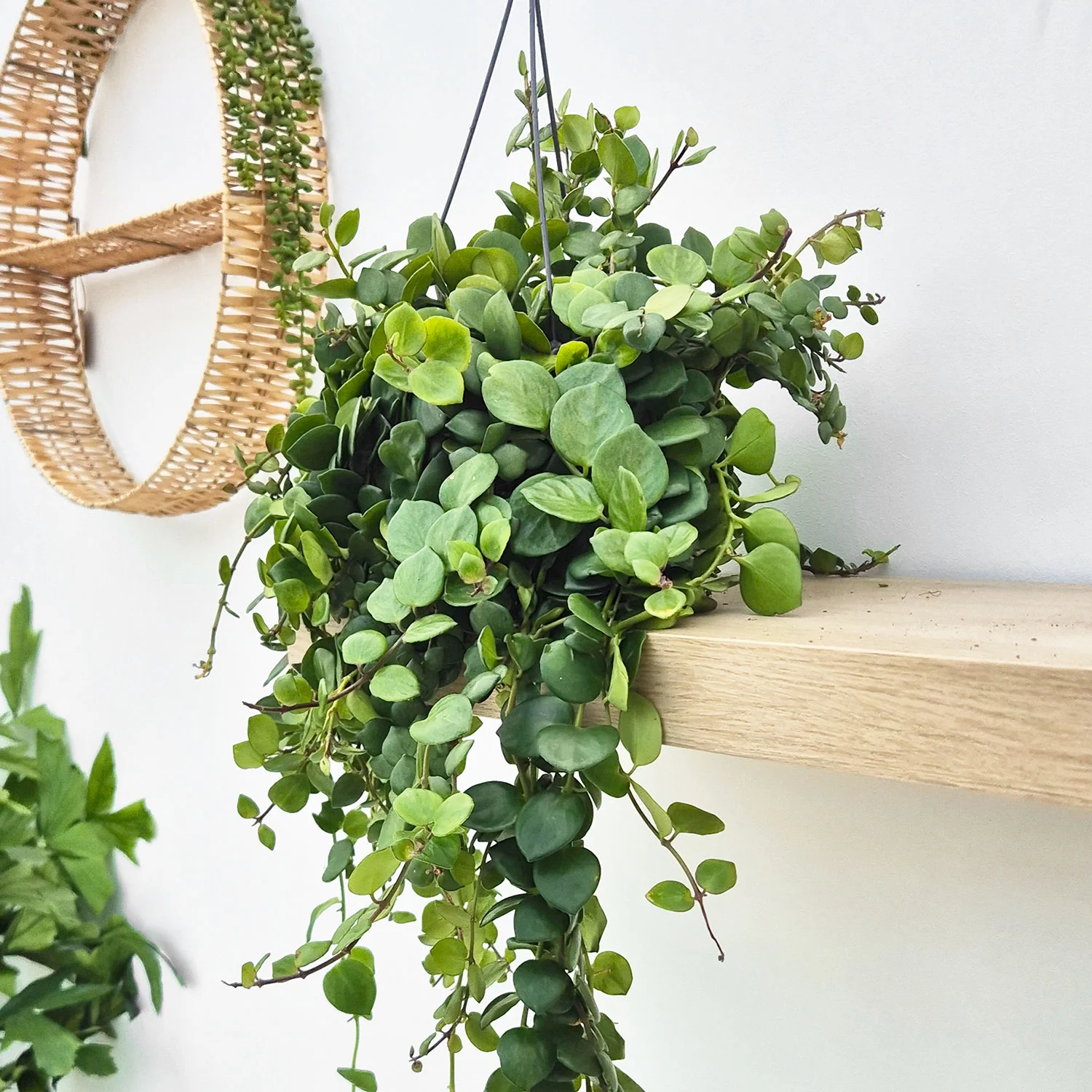
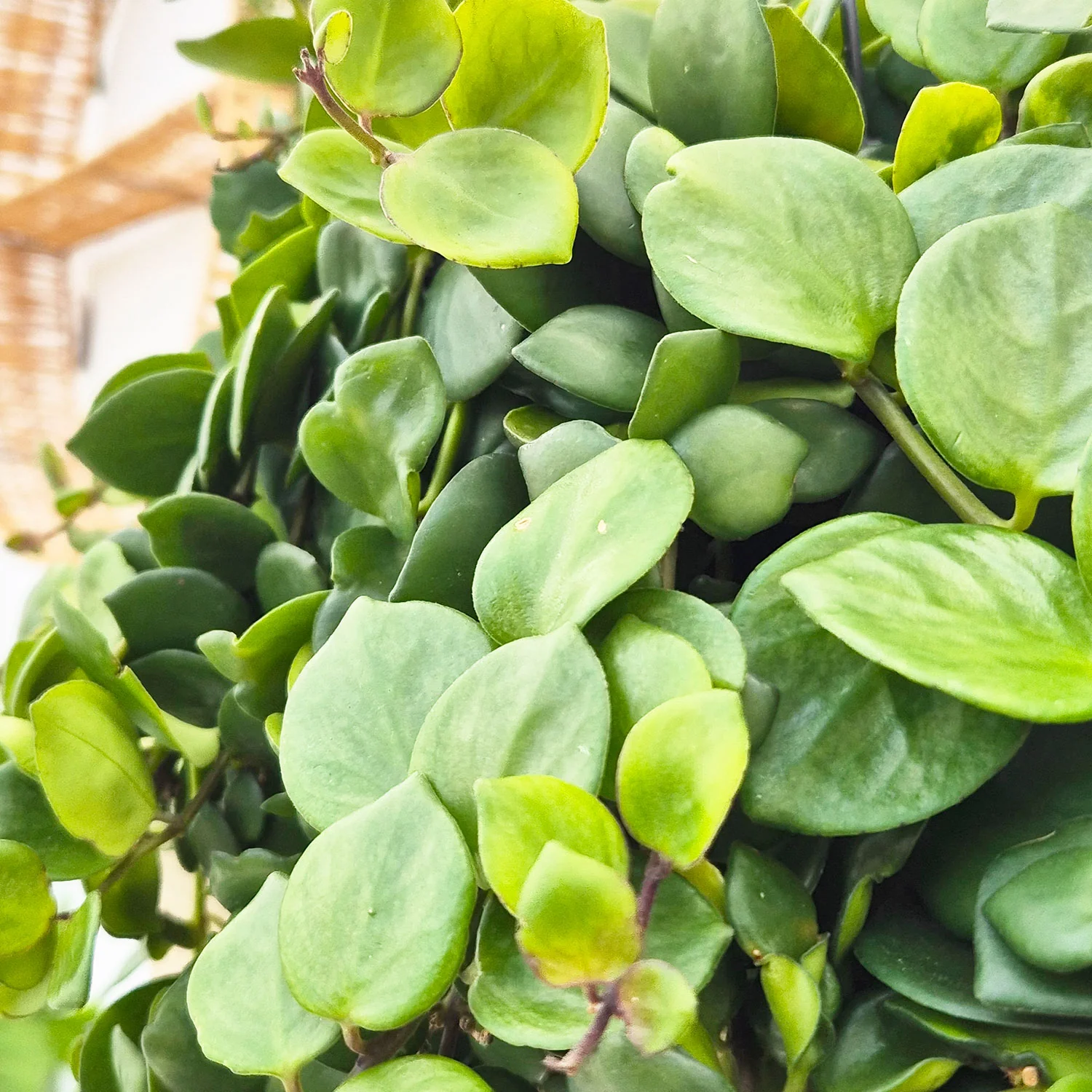
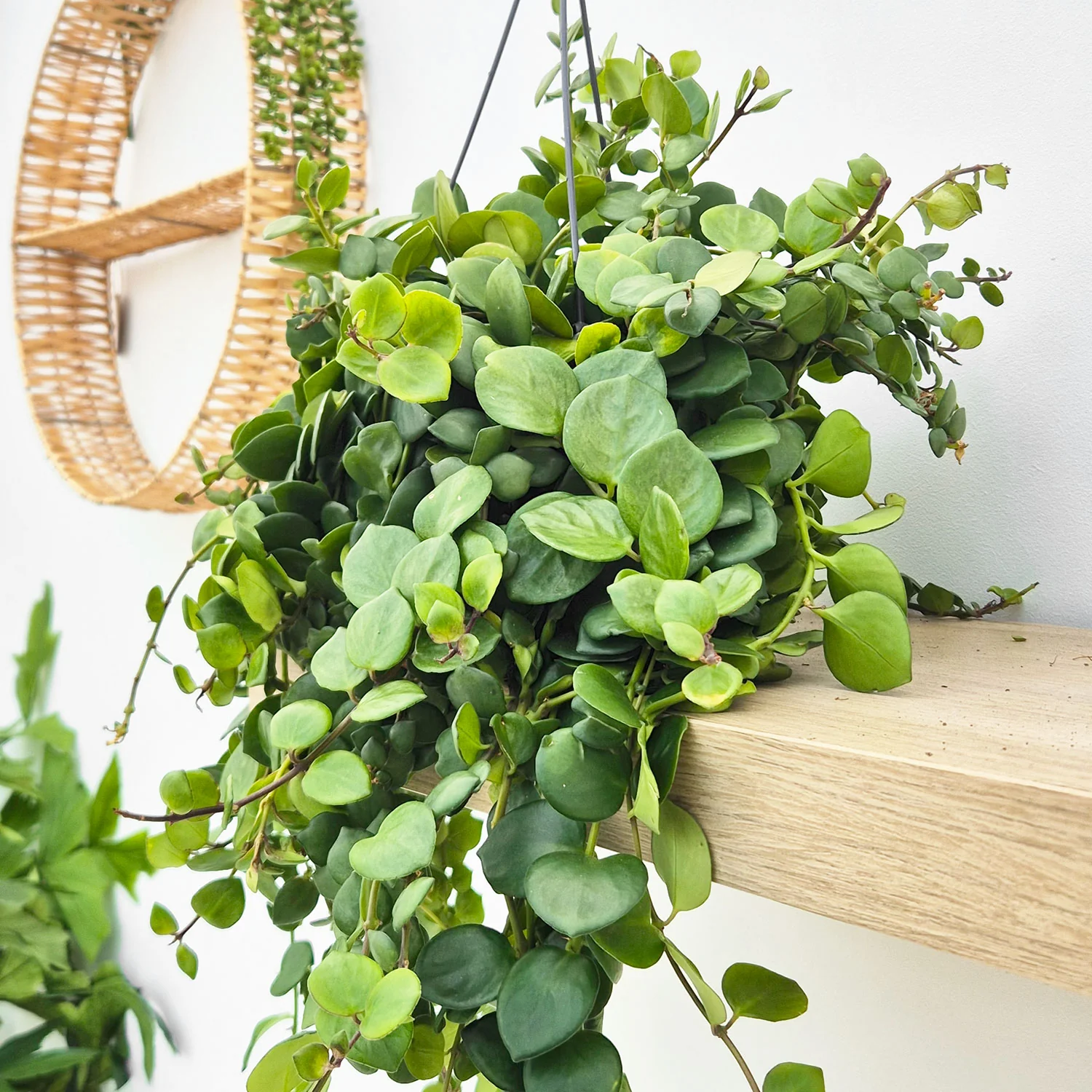
Aeschynanthus 'Pink Polka', commonly known as the Pink Polka Lipstick Plant, is a stunning trailing houseplant loved for its glossy foliage, cascading stems, and spectacular pink flowers. The XXL form offers an even more impressive display, with long trailing vines that create instant impact in hanging baskets, plant shelves, and elevated planters.
Native to the tropical forests of Southeast Asia, Aeschynanthus species naturally grow as epiphytes on trees, where they enjoy warm temperatures, bright filtered light, and excellent air circulation. Under the right conditions, 'Pink Polka' produces an abundance of vibrant tubular flowers that emerge from dark buds, resembling tubes of lipstick and giving the plant its common name.
Its combination of easy care, trailing growth, and prolific flowering makes Aeschynanthus 'Pink Polka' XXL an outstanding choice for anyone looking to add colour and tropical character to their home.
Plant Information
-
Botanical Name: Aeschynanthus 'Pink Polka'
-
Common Name: Pink Polka Lipstick Plant
-
Family: Gesneriaceae
-
Origin: Southeast Asia
-
Growth Habit: Trailing epiphyte
-
Difficulty: Easy to Intermediate
-
Pet Safe: Generally considered non-toxic to cats and dogs.
Light Requirements
Bright, indirect light is essential for healthy growth and reliable flowering.
Ideal conditions:
-
Bright indirect light
-
East or west-facing windows
-
Bright conservatories
-
Filtered light near a south-facing window
Avoid:
-
Direct midday sun
-
Deep shade
-
Dark corners
Plants grown in brighter conditions are more likely to flower prolifically and maintain compact growth.
Watering
Aeschynanthus 'Pink Polka' enjoys lightly moist compost but dislikes sitting in wet soil.
Water when:
-
The top 3–5 cm of compost feels dry
-
The pot feels lighter when lifted
Avoid:
-
Waterlogged compost
-
Standing water in decorative pots
-
Allowing the soil to remain constantly saturated
As an epiphytic plant, it prefers periods of slight drying between waterings.
Humidity
This tropical species appreciates moderate to high humidity.
Ideal humidity:
-
50–80%
For best results:
-
Group with other houseplants
-
Use a humidifier during winter
-
Place in kitchens or bathrooms with good natural light
Although it tolerates average household humidity, higher levels often encourage stronger growth and flowering.
Temperature
Warm temperatures promote healthy growth throughout the year.
Ideal range:
-
18°C – 28°C
Minimum temperature:
-
15°C
Avoid:
-
Cold draughts
-
Sudden temperature changes
-
Frost
Consistent warmth helps maximise flowering potential.
Soil and Potting Mix
A light, airy mix that mimics its epiphytic growing conditions is ideal.
Recommended mix:
-
Peat-free houseplant compost
-
Orchid bark
-
Perlite or pumice
-
Coco coir
The growing medium should provide excellent drainage while retaining some moisture around the roots.
Feeding
Feed regularly during the growing season to encourage flowers.
Recommended:
-
Balanced liquid fertiliser
-
Every 2–4 weeks during spring and summer
Once buds begin forming, a flowering houseplant fertiliser can help support prolonged blooming.
Growth and Size
The XXL form offers exceptional trailing growth.
Mature characteristics:
-
Long cascading stems
-
Glossy green foliage
-
Clusters of pink tubular flowers
-
Dense trailing habit
Typical indoor size:
-
Trail length: 60–120 cm+
-
Spread: 40–80 cm
Given enough time, mature plants can create a spectacular waterfall effect from hanging baskets.
Flowering
One of the main attractions of Aeschynanthus 'Pink Polka' is its colourful blooms.
Flower characteristics:
-
Bright pink tubular flowers
-
Produced from dark buds
-
Long flowering season
-
Attractive contrast against glossy foliage
To encourage flowering:
-
Provide bright indirect light
-
Avoid overpotting
-
Maintain consistent watering
-
Feed regularly during active growth
Slightly root-bound plants often flower more freely than newly repotted specimens.
Common Problems
Failure to Flower
Usually caused by insufficient light.
Yellow Leaves
Often linked to overwatering or poor drainage.
Leaf Drop
Can occur following cold temperatures, draughts, or sudden environmental changes.
Wrinkled Leaves
May indicate underwatering or prolonged dry conditions.
Sparse Growth
Typically caused by inadequate light.
Repotting
Aeschynanthus 'Pink Polka' prefers being slightly root-bound.
Repot:
-
Every 2–3 years
-
When roots begin circling the pot
Choose a container only slightly larger than the existing one.
Propagation
This plant is easy to propagate from stem cuttings.
Methods:
-
Stem cuttings in water
-
Stem cuttings in moist compost
-
Propagation in sphagnum moss
Rooting is usually quickest during spring and summer.
Styling and Display
The cascading growth habit makes this an excellent display plant.
Perfect for:
-
Hanging baskets
-
High shelves
-
Plant walls
-
Conservatories
-
Tropical indoor displays
Its long trailing stems create a dramatic effect as the plant matures.
Why Collectors Love Aeschynanthus 'Pink Polka' XXL
Aeschynanthus 'Pink Polka' XXL combines lush trailing foliage with an abundance of vibrant pink flowers, creating a display that is both elegant and tropical. Its manageable care requirements, long flowering season, and impressive cascading growth make it one of the most rewarding hanging houseplants available. Whether displayed in a bright living room, conservatory, or indoor jungle, this beautiful Lipstick Plant is guaranteed to become a focal point in any collection.
Original: $52.78
-70%$52.78
$15.83Product Information
Product Information
Shipping & Returns
Shipping & Returns
Description
Aeschynanthus 'Pink Polka' XXL Care Guide
Aeschynanthus 'Pink Polka' XXL
Aeschynanthus 'Pink Polka', commonly known as the Pink Polka Lipstick Plant, is a stunning trailing houseplant loved for its glossy foliage, cascading stems, and spectacular pink flowers. The XXL form offers an even more impressive display, with long trailing vines that create instant impact in hanging baskets, plant shelves, and elevated planters.
Native to the tropical forests of Southeast Asia, Aeschynanthus species naturally grow as epiphytes on trees, where they enjoy warm temperatures, bright filtered light, and excellent air circulation. Under the right conditions, 'Pink Polka' produces an abundance of vibrant tubular flowers that emerge from dark buds, resembling tubes of lipstick and giving the plant its common name.
Its combination of easy care, trailing growth, and prolific flowering makes Aeschynanthus 'Pink Polka' XXL an outstanding choice for anyone looking to add colour and tropical character to their home.
Plant Information
-
Botanical Name: Aeschynanthus 'Pink Polka'
-
Common Name: Pink Polka Lipstick Plant
-
Family: Gesneriaceae
-
Origin: Southeast Asia
-
Growth Habit: Trailing epiphyte
-
Difficulty: Easy to Intermediate
-
Pet Safe: Generally considered non-toxic to cats and dogs.
Light Requirements
Bright, indirect light is essential for healthy growth and reliable flowering.
Ideal conditions:
-
Bright indirect light
-
East or west-facing windows
-
Bright conservatories
-
Filtered light near a south-facing window
Avoid:
-
Direct midday sun
-
Deep shade
-
Dark corners
Plants grown in brighter conditions are more likely to flower prolifically and maintain compact growth.
Watering
Aeschynanthus 'Pink Polka' enjoys lightly moist compost but dislikes sitting in wet soil.
Water when:
-
The top 3–5 cm of compost feels dry
-
The pot feels lighter when lifted
Avoid:
-
Waterlogged compost
-
Standing water in decorative pots
-
Allowing the soil to remain constantly saturated
As an epiphytic plant, it prefers periods of slight drying between waterings.
Humidity
This tropical species appreciates moderate to high humidity.
Ideal humidity:
-
50–80%
For best results:
-
Group with other houseplants
-
Use a humidifier during winter
-
Place in kitchens or bathrooms with good natural light
Although it tolerates average household humidity, higher levels often encourage stronger growth and flowering.
Temperature
Warm temperatures promote healthy growth throughout the year.
Ideal range:
-
18°C – 28°C
Minimum temperature:
-
15°C
Avoid:
-
Cold draughts
-
Sudden temperature changes
-
Frost
Consistent warmth helps maximise flowering potential.
Soil and Potting Mix
A light, airy mix that mimics its epiphytic growing conditions is ideal.
Recommended mix:
-
Peat-free houseplant compost
-
Orchid bark
-
Perlite or pumice
-
Coco coir
The growing medium should provide excellent drainage while retaining some moisture around the roots.
Feeding
Feed regularly during the growing season to encourage flowers.
Recommended:
-
Balanced liquid fertiliser
-
Every 2–4 weeks during spring and summer
Once buds begin forming, a flowering houseplant fertiliser can help support prolonged blooming.
Growth and Size
The XXL form offers exceptional trailing growth.
Mature characteristics:
-
Long cascading stems
-
Glossy green foliage
-
Clusters of pink tubular flowers
-
Dense trailing habit
Typical indoor size:
-
Trail length: 60–120 cm+
-
Spread: 40–80 cm
Given enough time, mature plants can create a spectacular waterfall effect from hanging baskets.
Flowering
One of the main attractions of Aeschynanthus 'Pink Polka' is its colourful blooms.
Flower characteristics:
-
Bright pink tubular flowers
-
Produced from dark buds
-
Long flowering season
-
Attractive contrast against glossy foliage
To encourage flowering:
-
Provide bright indirect light
-
Avoid overpotting
-
Maintain consistent watering
-
Feed regularly during active growth
Slightly root-bound plants often flower more freely than newly repotted specimens.
Common Problems
Failure to Flower
Usually caused by insufficient light.
Yellow Leaves
Often linked to overwatering or poor drainage.
Leaf Drop
Can occur following cold temperatures, draughts, or sudden environmental changes.
Wrinkled Leaves
May indicate underwatering or prolonged dry conditions.
Sparse Growth
Typically caused by inadequate light.
Repotting
Aeschynanthus 'Pink Polka' prefers being slightly root-bound.
Repot:
-
Every 2–3 years
-
When roots begin circling the pot
Choose a container only slightly larger than the existing one.
Propagation
This plant is easy to propagate from stem cuttings.
Methods:
-
Stem cuttings in water
-
Stem cuttings in moist compost
-
Propagation in sphagnum moss
Rooting is usually quickest during spring and summer.
Styling and Display
The cascading growth habit makes this an excellent display plant.
Perfect for:
-
Hanging baskets
-
High shelves
-
Plant walls
-
Conservatories
-
Tropical indoor displays
Its long trailing stems create a dramatic effect as the plant matures.
Why Collectors Love Aeschynanthus 'Pink Polka' XXL
Aeschynanthus 'Pink Polka' XXL combines lush trailing foliage with an abundance of vibrant pink flowers, creating a display that is both elegant and tropical. Its manageable care requirements, long flowering season, and impressive cascading growth make it one of the most rewarding hanging houseplants available. Whether displayed in a bright living room, conservatory, or indoor jungle, this beautiful Lipstick Plant is guaranteed to become a focal point in any collection.