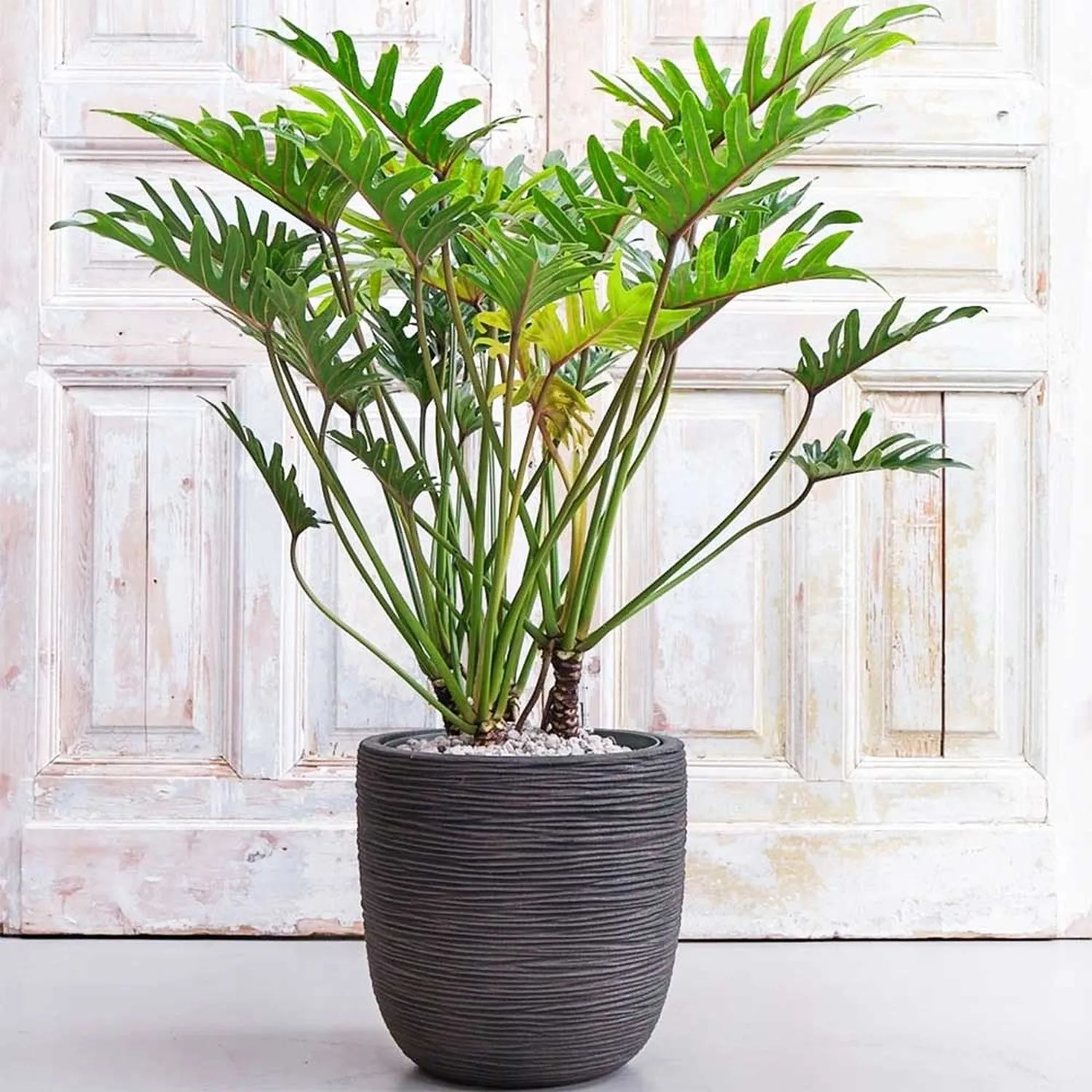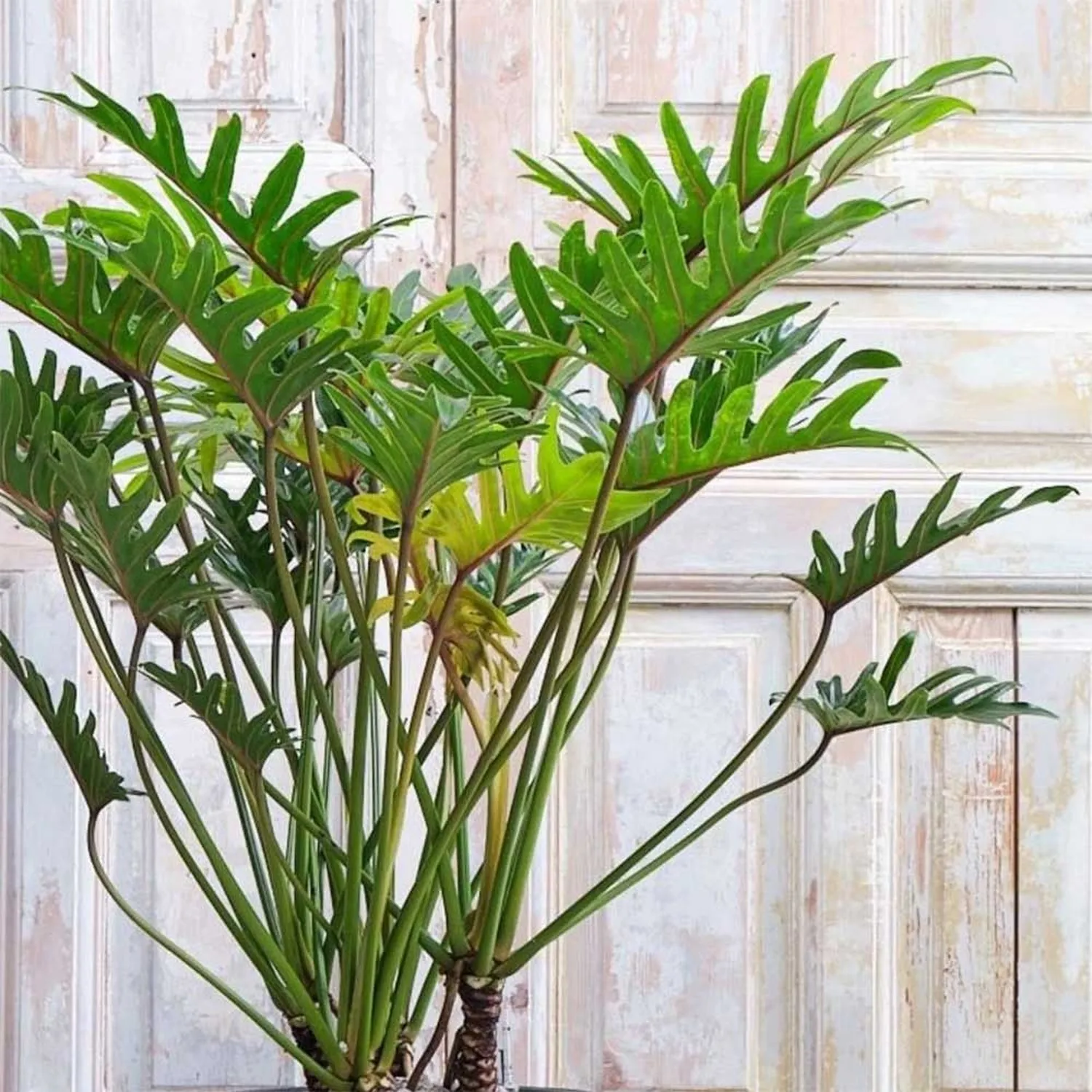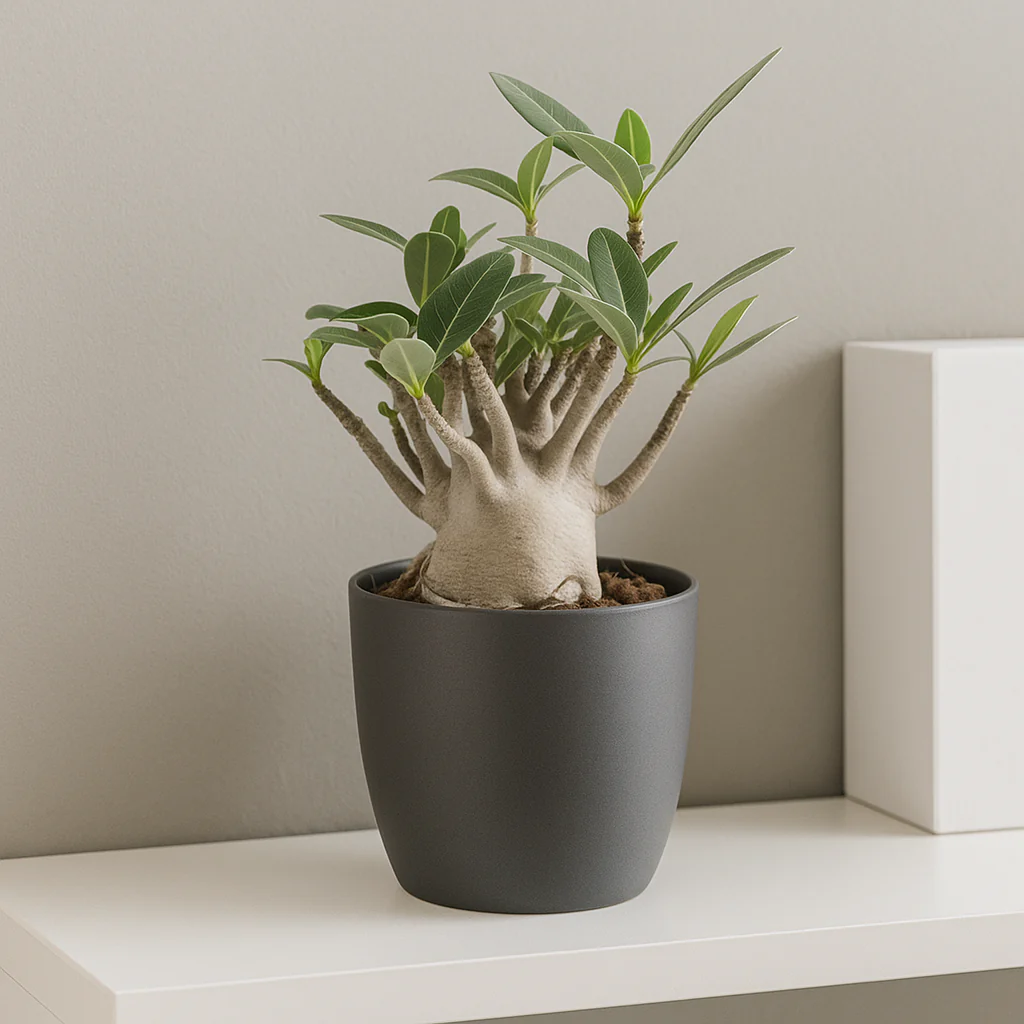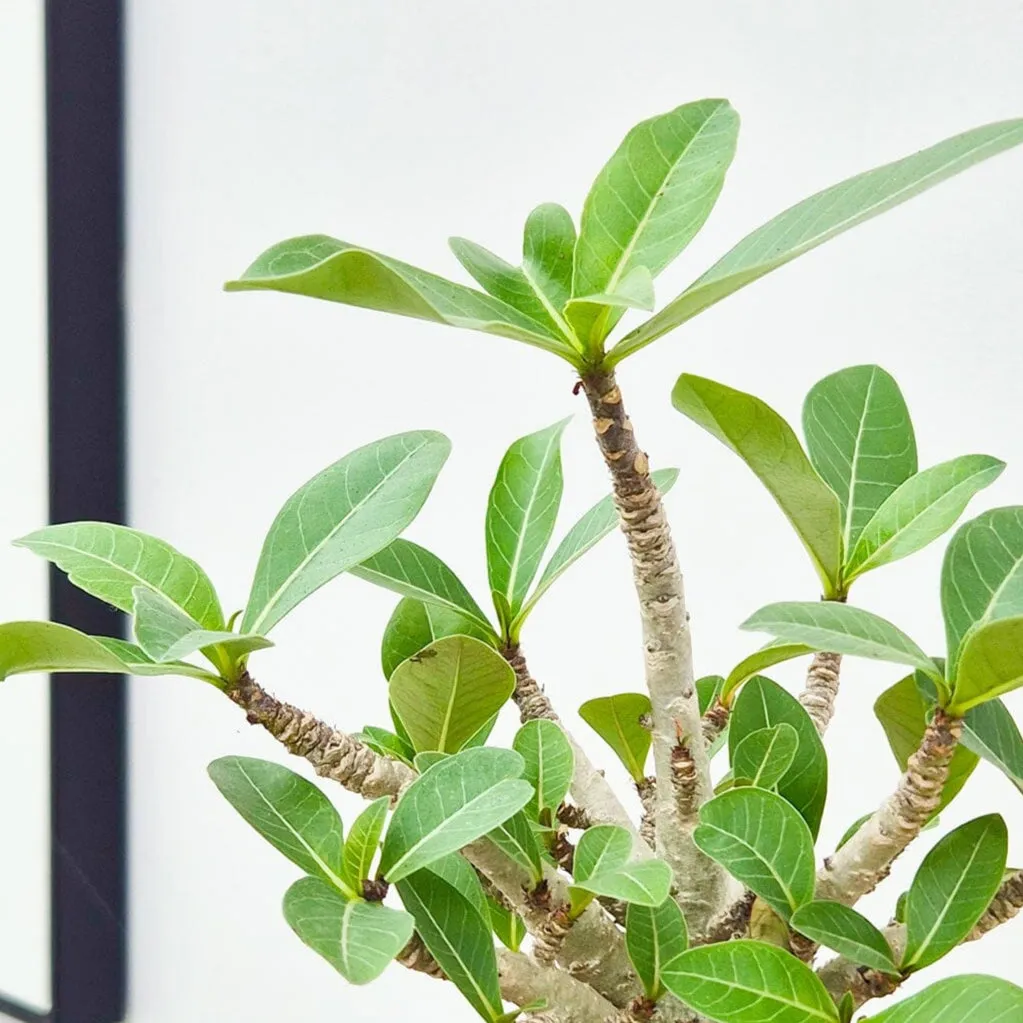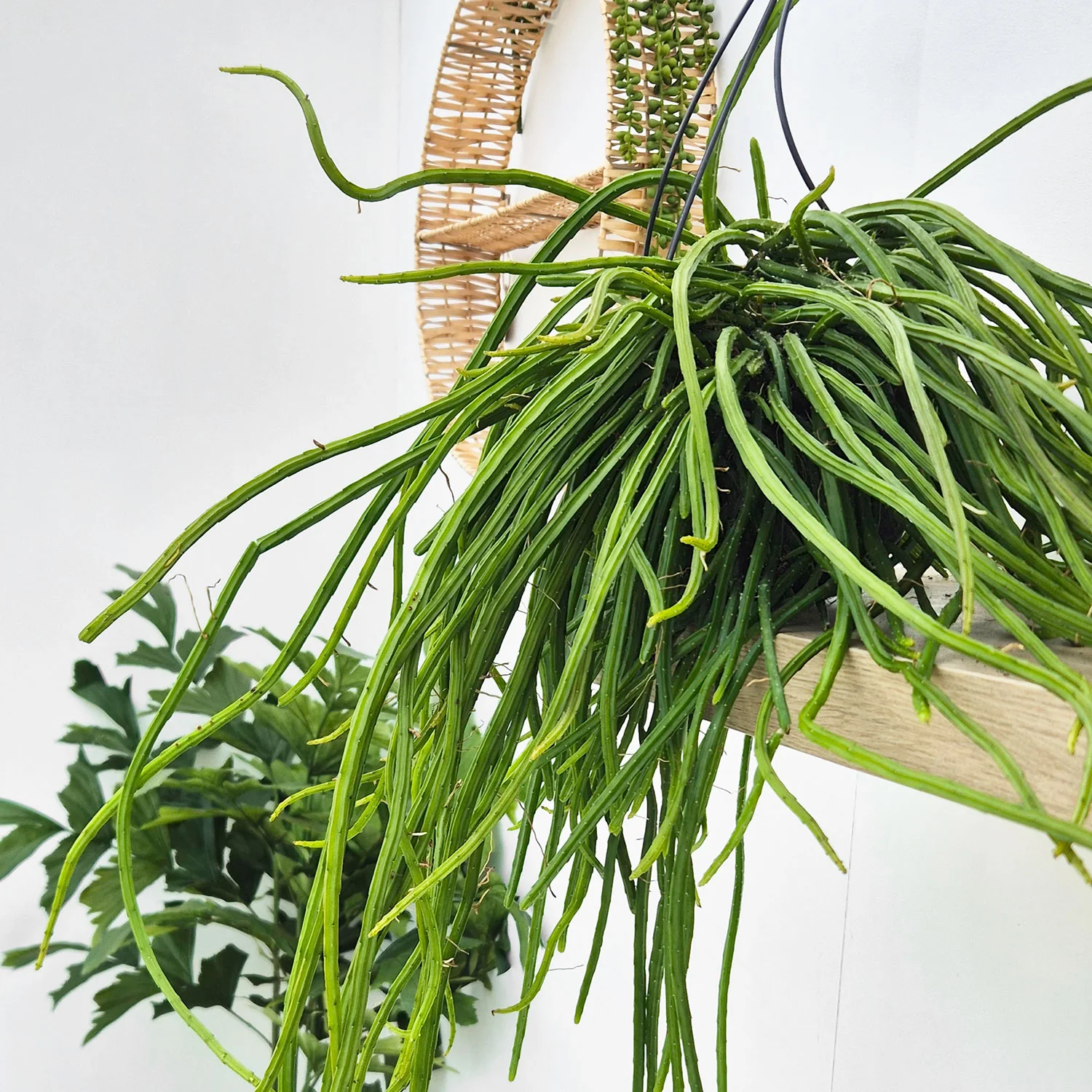
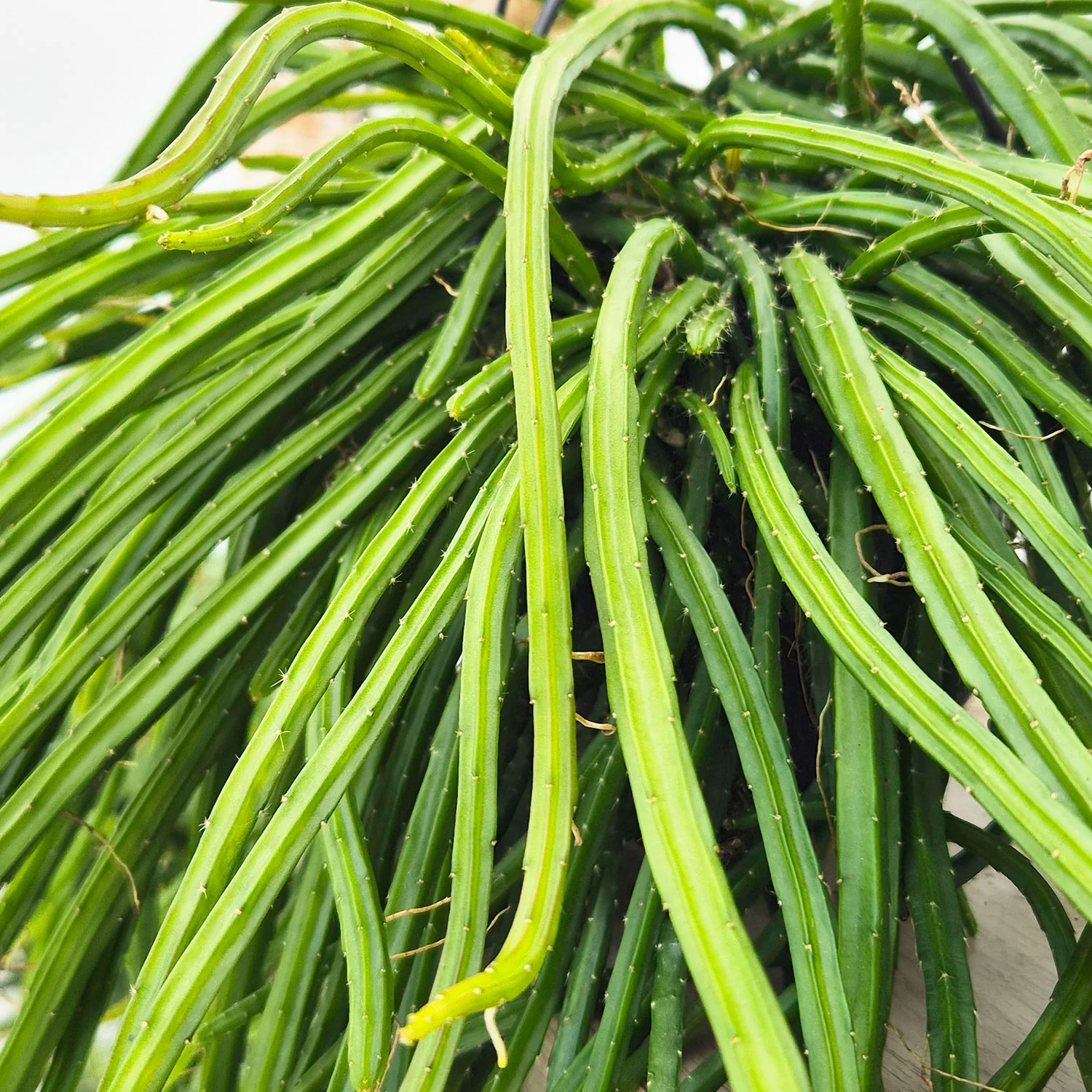
40 - 50cm Selenicereus Wercklei XXL in Hanging Pot 15cm Pot House Plant
Selenicereus wercklei Care Guide
Selenicereus wercklei
Selenicereus wercklei is a rare and fascinating epiphytic cactus native to the tropical forests of Central America, particularly Costa Rica. Unlike desert cacti, this unusual species grows naturally in warm, humid forests where it climbs trees and rocks, using aerial roots to anchor itself as it searches for light.
Known for its long, trailing or climbing stems and spectacular nocturnal flowers, Selenicereus wercklei is closely related to the famous Queen of the Night cacti. Mature plants can produce large, fragrant blooms that open after sunset and last for just a single night, making flowering a truly special event for collectors.
Its combination of exotic growth, unusual habitat requirements, and impressive flowers has made Selenicereus wercklei a highly desirable plant among rare cactus and tropical plant enthusiasts.
Plant Information
-
Botanical Name: Selenicereus wercklei
-
Common Name: Wercklé's Night-Blooming Cactus
-
Family: Cactaceae
-
Origin: Costa Rica
-
Growth Habit: Climbing or trailing epiphytic cactus
-
Difficulty: Easy to Intermediate
-
Pet Safe: Generally considered non-toxic, although ingestion should be discouraged.
Light Requirements
Selenicereus wercklei enjoys bright conditions but is adapted to filtered forest light rather than harsh desert sun.
Ideal conditions:
-
Bright indirect light
-
Morning sun
-
East or west-facing windows
-
Bright conservatories
Avoid:
-
Intense midday sun
-
Deep shade
-
Dark indoor locations
Bright light encourages stronger growth and improves the chances of flowering as the plant matures.
Watering
Unlike desert cacti, Selenicereus wercklei appreciates more regular watering.
Water when:
-
The top 3–5 cm of compost feels dry
-
The pot feels noticeably lighter
During active growth:
-
Water thoroughly
-
Allow excess water to drain away
During winter:
-
Reduce watering frequency
-
Allow the compost to dry more between waterings
Avoid:
-
Constantly wet compost
-
Standing water around the roots
-
Prolonged drought during active growth
Humidity
As a tropical epiphytic cactus, Selenicereus wercklei appreciates moderate humidity.
Ideal humidity:
-
50–70%
For best growth:
-
Group with other tropical plants
-
Provide good airflow
-
Avoid excessively dry environments
Higher humidity can encourage stronger aerial root development and healthier stems.
Temperature
Warm temperatures support vigorous growth.
Ideal range:
-
18°C – 30°C
Minimum temperature:
-
10°C
Avoid:
-
Frost
-
Cold draughts
-
Extended periods below 10°C
Consistent warmth helps encourage flowering and healthy stem development.
Soil and Potting Mix
A loose, airy mix that mimics its epiphytic habitat works best.
Recommended mix:
-
Orchid bark
-
Peat-free houseplant compost
-
Perlite or pumice
-
Horticultural charcoal
Excellent drainage is essential, but the roots should not be allowed to remain bone dry for extended periods.
Feeding
Feed regularly during the growing season.
Recommended:
-
Balanced liquid fertiliser
-
Every 2–4 weeks during spring and summer
Reduce feeding during autumn and winter.
Growth and Size
Selenicereus wercklei is a vigorous climber when provided with support.
Mature characteristics:
-
Long, trailing or climbing stems
-
Aerial roots
-
Fast-growing habit
-
Large nocturnal flowers on mature plants
Typical indoor size:
-
Stems can exceed 2–3 metres in length
-
Growth is often faster than many traditional cacti
A moss pole, trellis, or hanging basket can be used depending on the desired display.
Flowering
Flowering is one of the most exciting aspects of growing Selenicereus wercklei.
Flower characteristics:
-
Large white flowers
-
Sweet fragrance
-
Night-blooming habit
-
Blooms typically last for a single night
To encourage flowering:
-
Provide bright light
-
Maintain regular feeding during the growing season
-
Allow the plant to reach maturity
-
Avoid excessive root disturbance
Flowering often occurs only on mature specimens.
Common Problems
Yellowing Stems
Usually caused by overwatering or poor drainage.
Wrinkled Stems
May indicate underwatering.
Slow Growth
Often caused by insufficient light or cool temperatures.
Root Rot
Typically linked to waterlogged compost.
Failure to Flower
Usually due to immaturity, low light levels, or insufficient feeding.
Repotting
Repot every 2–3 years or when roots outgrow the container.
Best time:
-
Spring
Choose a pot with excellent drainage and avoid oversized containers.
Propagation
Selenicereus wercklei is easy to propagate.
Methods:
-
Stem cuttings
-
Rooting in a well-draining mix
Allow cuttings to callous for several days before planting to reduce the risk of rot.
Why Collectors Love Selenicereus wercklei
Selenicereus wercklei offers something truly different from traditional cacti. Its tropical origins, climbing habit, aerial roots, and spectacular night-blooming flowers make it an intriguing addition to any plant collection. Whether grown trailing from a hanging basket or climbing a support, this rare species brings an exotic rainforest feel while rewarding patient growers with one of the plant world's most remarkable floral displays.
Original: $52.78
-70%$52.78
$15.83Product Information
Product Information
Shipping & Returns
Shipping & Returns
Description
Selenicereus wercklei Care Guide
Selenicereus wercklei
Selenicereus wercklei is a rare and fascinating epiphytic cactus native to the tropical forests of Central America, particularly Costa Rica. Unlike desert cacti, this unusual species grows naturally in warm, humid forests where it climbs trees and rocks, using aerial roots to anchor itself as it searches for light.
Known for its long, trailing or climbing stems and spectacular nocturnal flowers, Selenicereus wercklei is closely related to the famous Queen of the Night cacti. Mature plants can produce large, fragrant blooms that open after sunset and last for just a single night, making flowering a truly special event for collectors.
Its combination of exotic growth, unusual habitat requirements, and impressive flowers has made Selenicereus wercklei a highly desirable plant among rare cactus and tropical plant enthusiasts.
Plant Information
-
Botanical Name: Selenicereus wercklei
-
Common Name: Wercklé's Night-Blooming Cactus
-
Family: Cactaceae
-
Origin: Costa Rica
-
Growth Habit: Climbing or trailing epiphytic cactus
-
Difficulty: Easy to Intermediate
-
Pet Safe: Generally considered non-toxic, although ingestion should be discouraged.
Light Requirements
Selenicereus wercklei enjoys bright conditions but is adapted to filtered forest light rather than harsh desert sun.
Ideal conditions:
-
Bright indirect light
-
Morning sun
-
East or west-facing windows
-
Bright conservatories
Avoid:
-
Intense midday sun
-
Deep shade
-
Dark indoor locations
Bright light encourages stronger growth and improves the chances of flowering as the plant matures.
Watering
Unlike desert cacti, Selenicereus wercklei appreciates more regular watering.
Water when:
-
The top 3–5 cm of compost feels dry
-
The pot feels noticeably lighter
During active growth:
-
Water thoroughly
-
Allow excess water to drain away
During winter:
-
Reduce watering frequency
-
Allow the compost to dry more between waterings
Avoid:
-
Constantly wet compost
-
Standing water around the roots
-
Prolonged drought during active growth
Humidity
As a tropical epiphytic cactus, Selenicereus wercklei appreciates moderate humidity.
Ideal humidity:
-
50–70%
For best growth:
-
Group with other tropical plants
-
Provide good airflow
-
Avoid excessively dry environments
Higher humidity can encourage stronger aerial root development and healthier stems.
Temperature
Warm temperatures support vigorous growth.
Ideal range:
-
18°C – 30°C
Minimum temperature:
-
10°C
Avoid:
-
Frost
-
Cold draughts
-
Extended periods below 10°C
Consistent warmth helps encourage flowering and healthy stem development.
Soil and Potting Mix
A loose, airy mix that mimics its epiphytic habitat works best.
Recommended mix:
-
Orchid bark
-
Peat-free houseplant compost
-
Perlite or pumice
-
Horticultural charcoal
Excellent drainage is essential, but the roots should not be allowed to remain bone dry for extended periods.
Feeding
Feed regularly during the growing season.
Recommended:
-
Balanced liquid fertiliser
-
Every 2–4 weeks during spring and summer
Reduce feeding during autumn and winter.
Growth and Size
Selenicereus wercklei is a vigorous climber when provided with support.
Mature characteristics:
-
Long, trailing or climbing stems
-
Aerial roots
-
Fast-growing habit
-
Large nocturnal flowers on mature plants
Typical indoor size:
-
Stems can exceed 2–3 metres in length
-
Growth is often faster than many traditional cacti
A moss pole, trellis, or hanging basket can be used depending on the desired display.
Flowering
Flowering is one of the most exciting aspects of growing Selenicereus wercklei.
Flower characteristics:
-
Large white flowers
-
Sweet fragrance
-
Night-blooming habit
-
Blooms typically last for a single night
To encourage flowering:
-
Provide bright light
-
Maintain regular feeding during the growing season
-
Allow the plant to reach maturity
-
Avoid excessive root disturbance
Flowering often occurs only on mature specimens.
Common Problems
Yellowing Stems
Usually caused by overwatering or poor drainage.
Wrinkled Stems
May indicate underwatering.
Slow Growth
Often caused by insufficient light or cool temperatures.
Root Rot
Typically linked to waterlogged compost.
Failure to Flower
Usually due to immaturity, low light levels, or insufficient feeding.
Repotting
Repot every 2–3 years or when roots outgrow the container.
Best time:
-
Spring
Choose a pot with excellent drainage and avoid oversized containers.
Propagation
Selenicereus wercklei is easy to propagate.
Methods:
-
Stem cuttings
-
Rooting in a well-draining mix
Allow cuttings to callous for several days before planting to reduce the risk of rot.
Why Collectors Love Selenicereus wercklei
Selenicereus wercklei offers something truly different from traditional cacti. Its tropical origins, climbing habit, aerial roots, and spectacular night-blooming flowers make it an intriguing addition to any plant collection. Whether grown trailing from a hanging basket or climbing a support, this rare species brings an exotic rainforest feel while rewarding patient growers with one of the plant world's most remarkable floral displays.