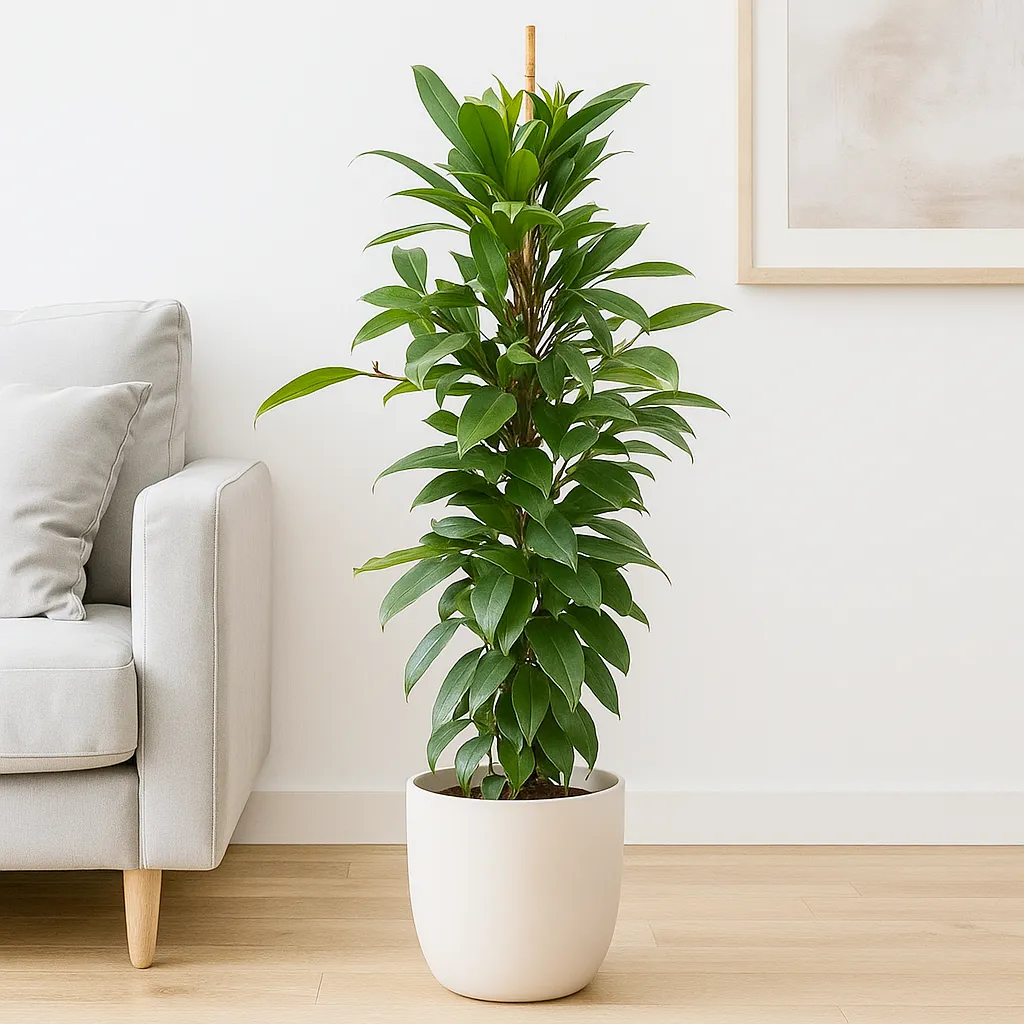
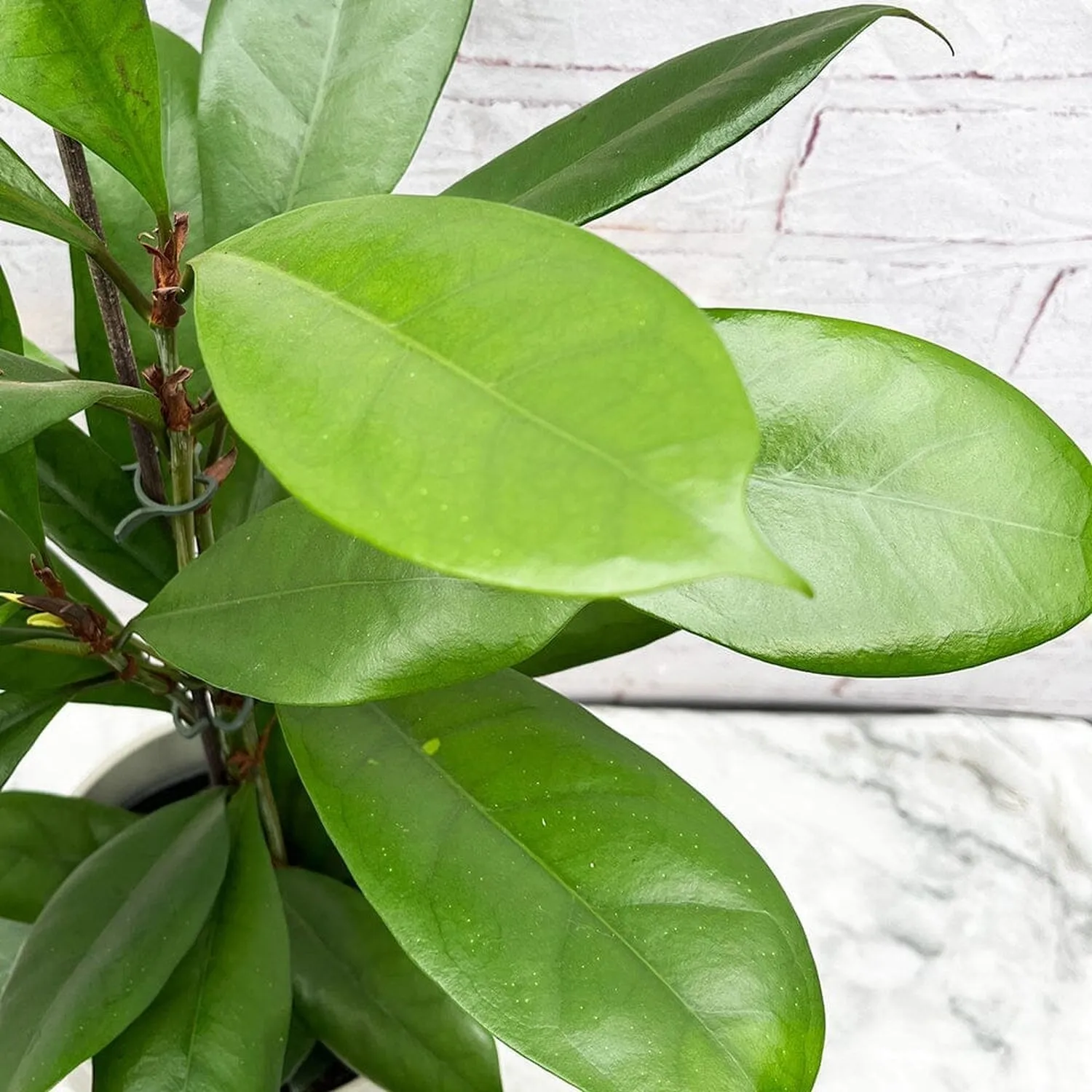
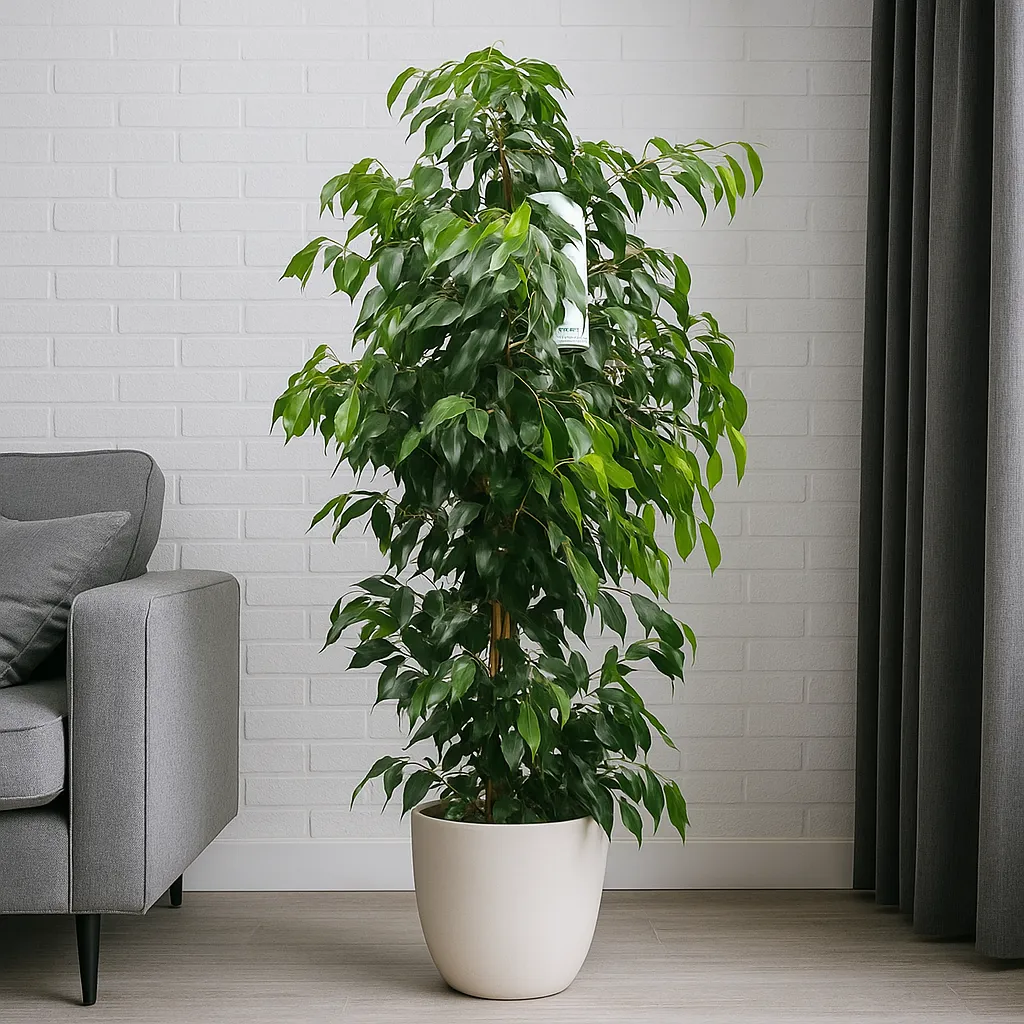
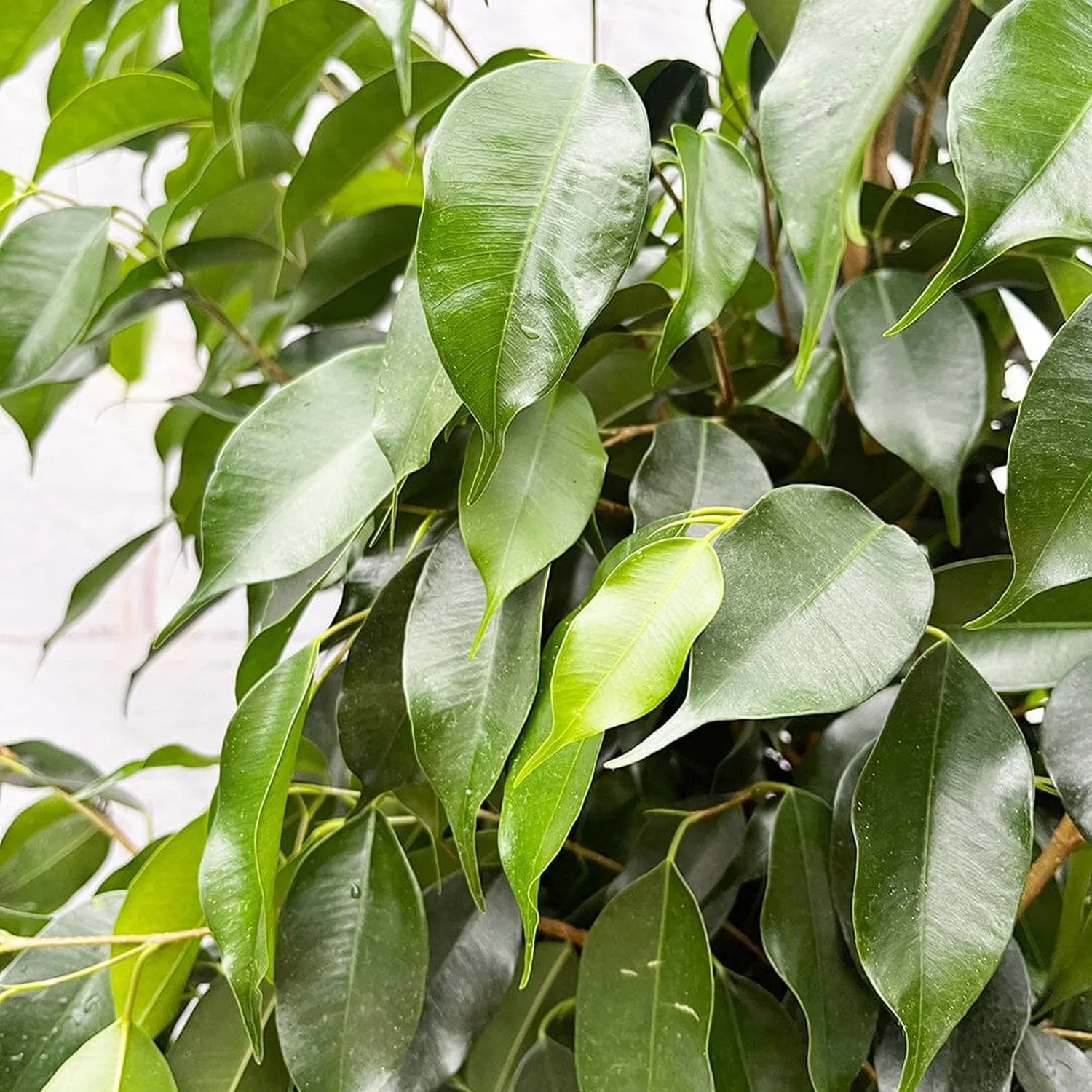
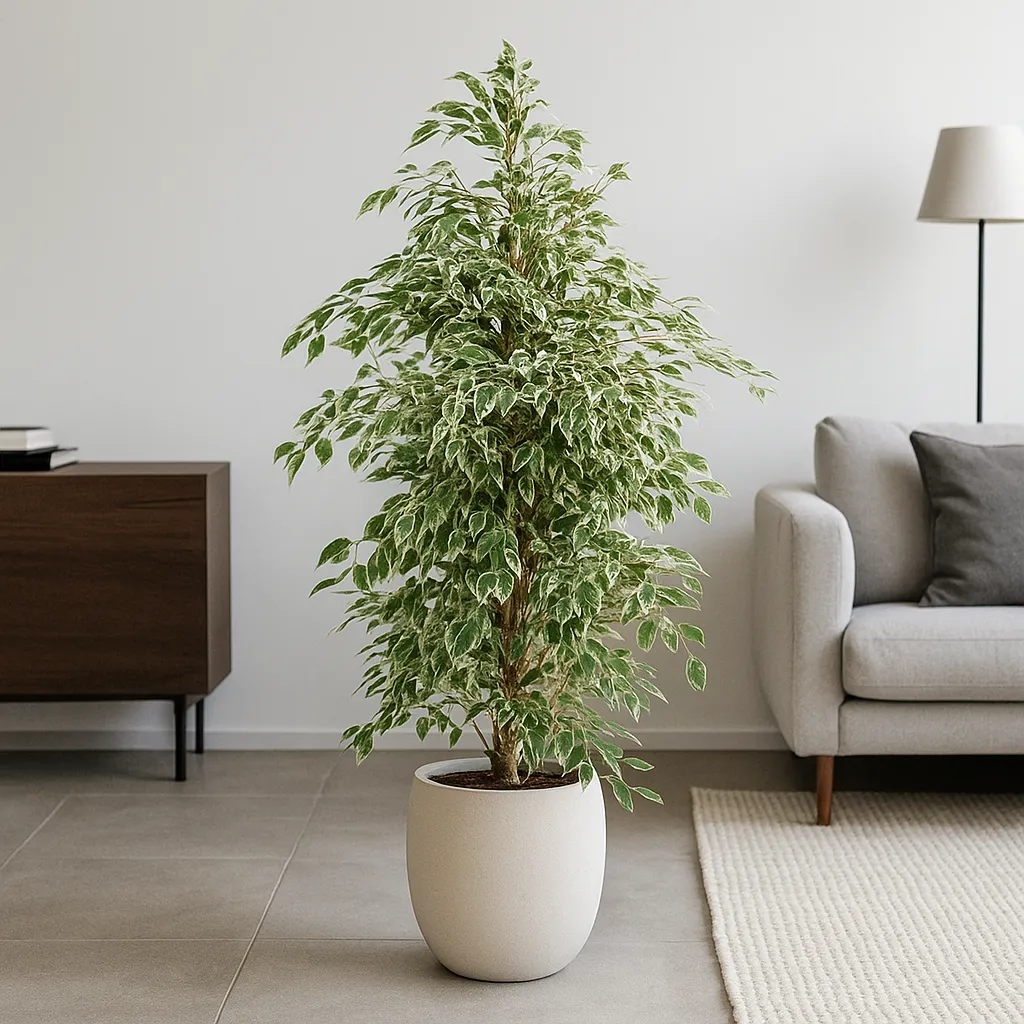
55 - 65cm Epipremnum Manjula on mosspole Scindapsus Pothos 17cm Pot House Plant
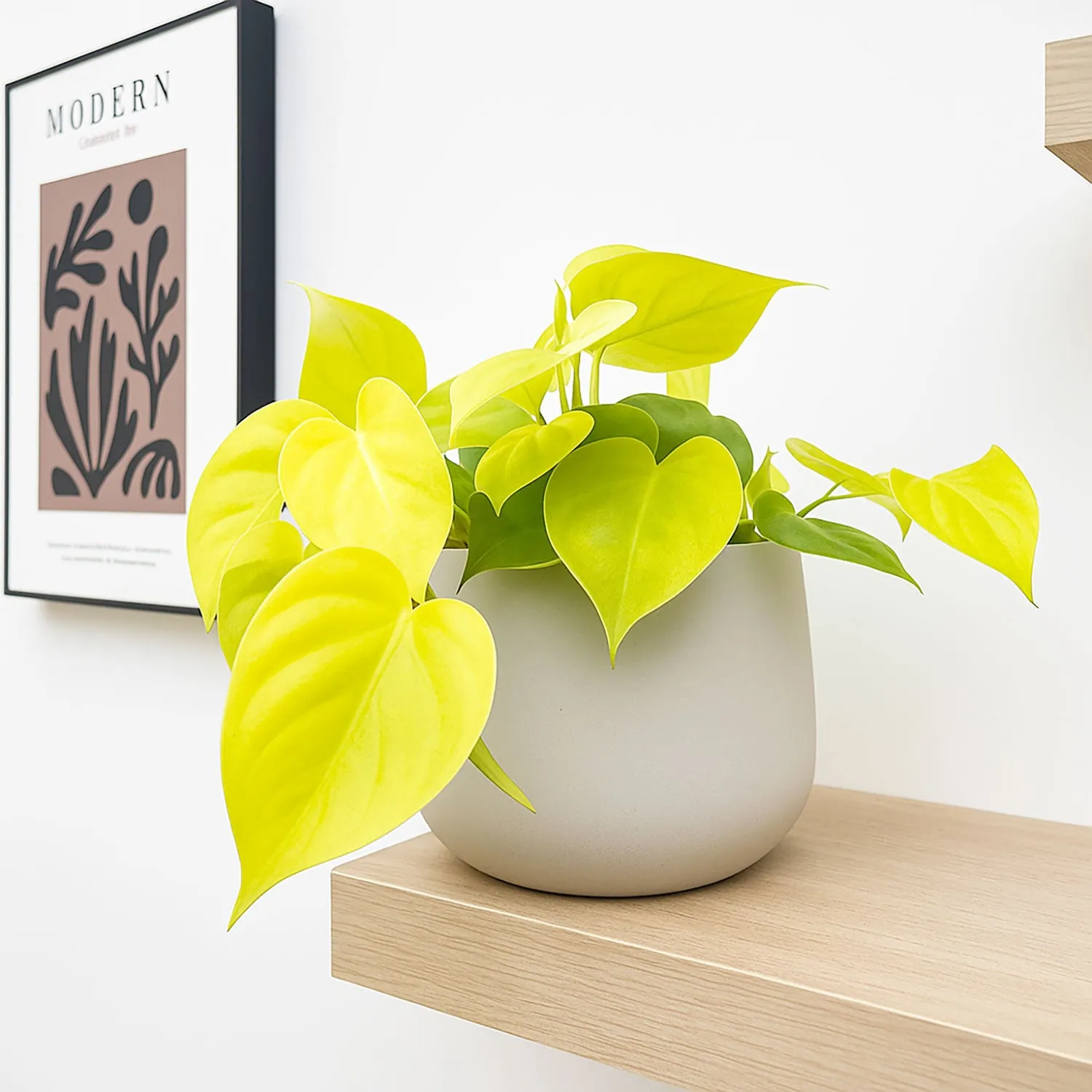
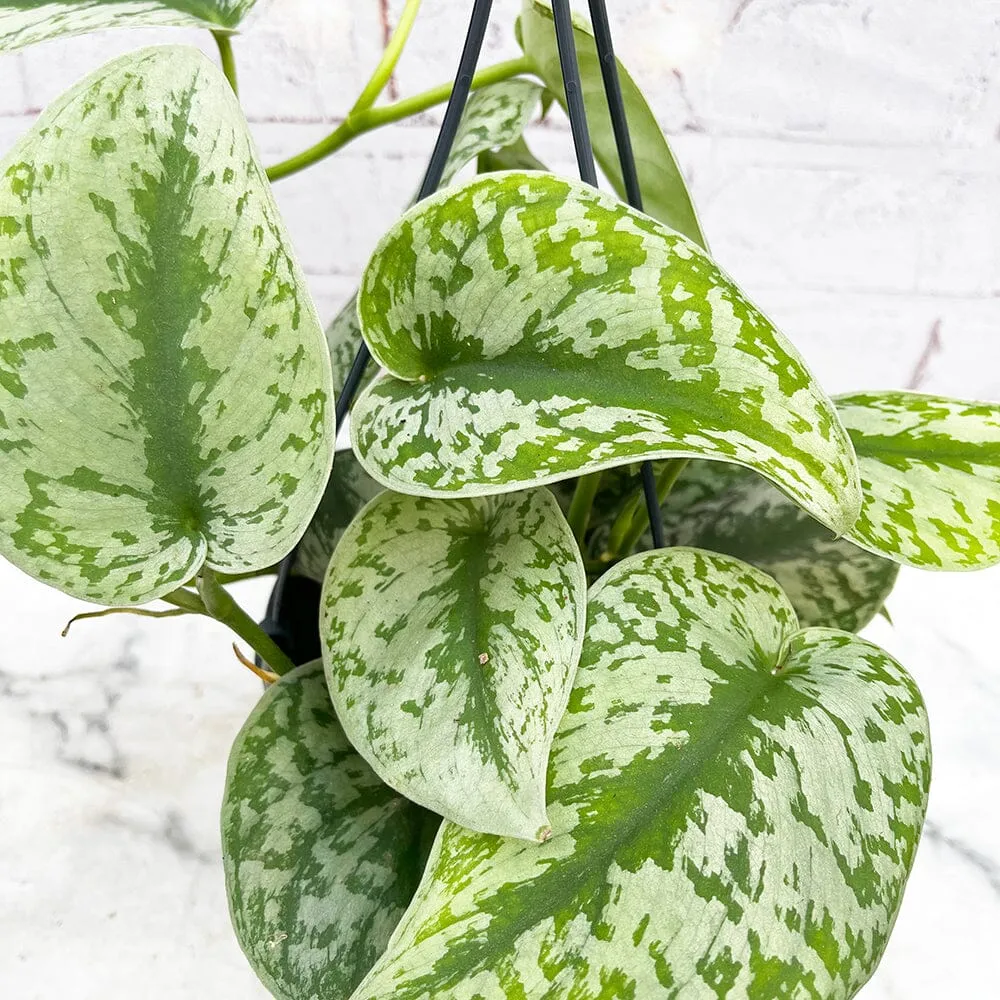
Epipremnum aureum ‘Manjula’, also known as the Manjula Pothos or Happy Leaf Pothos, is a stunning and rare cultivar of the classic Epipremnum aureum, developed at the University of Florida. It’s celebrated for its uniquely shaped leaves and beautifully marbled variegation that make every leaf look like a hand-painted work of art.
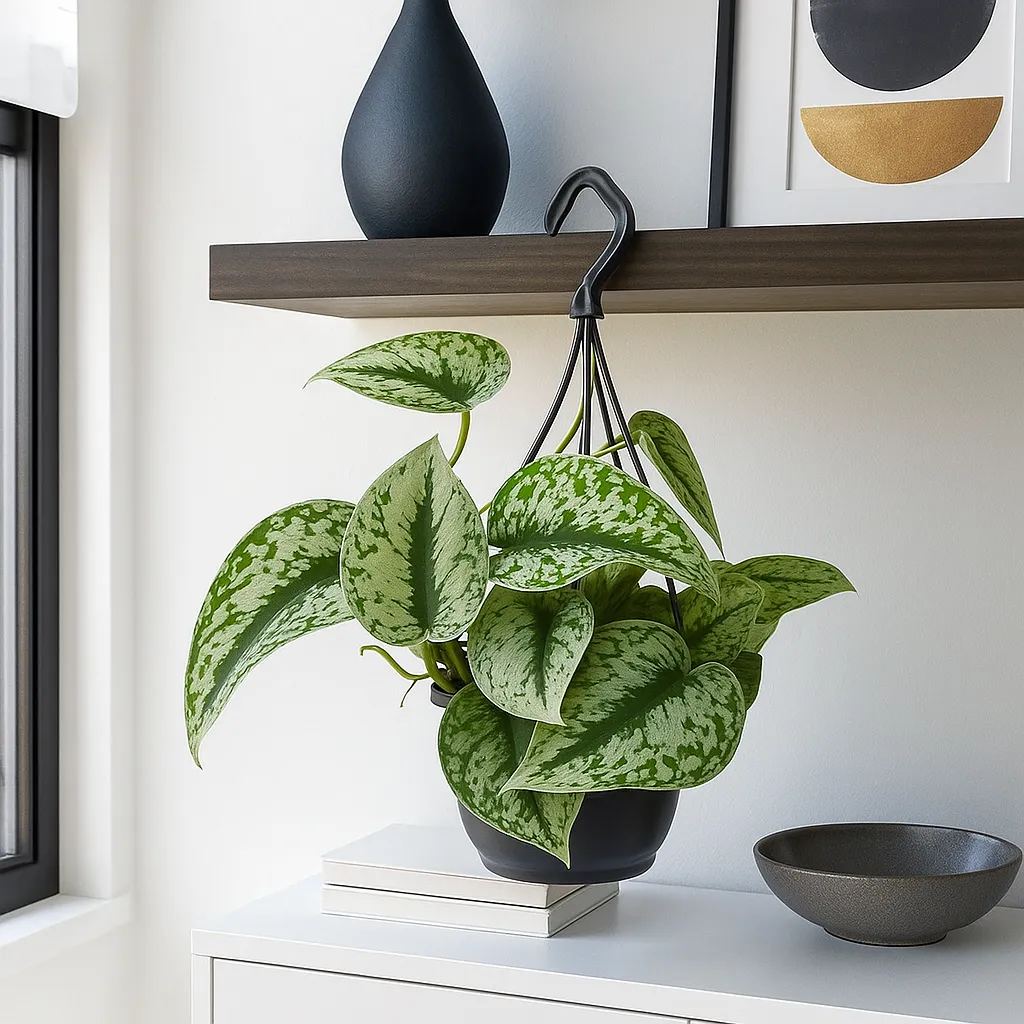
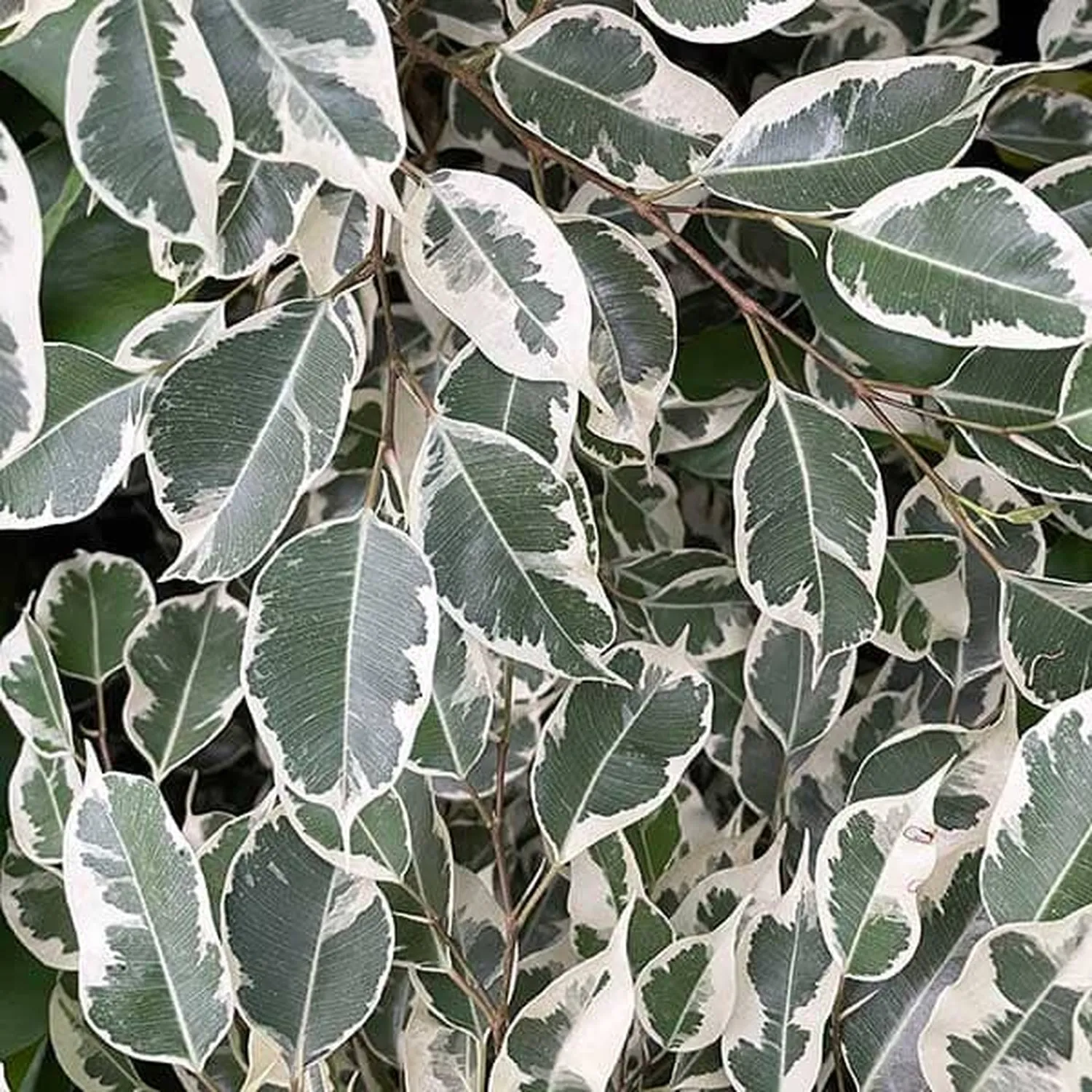
Each heart-shaped leaf features a flowing mix of cream, white, silvery-green, and chartreuse tones, splashed and swirled across a deep green base. The edges of the leaves are gently wavy, adding texture and movement to its trailing vines. Unlike some other variegated pothos varieties, ‘Manjula’ has stable variegation, ensuring each new leaf carries its own distinctive pattern.
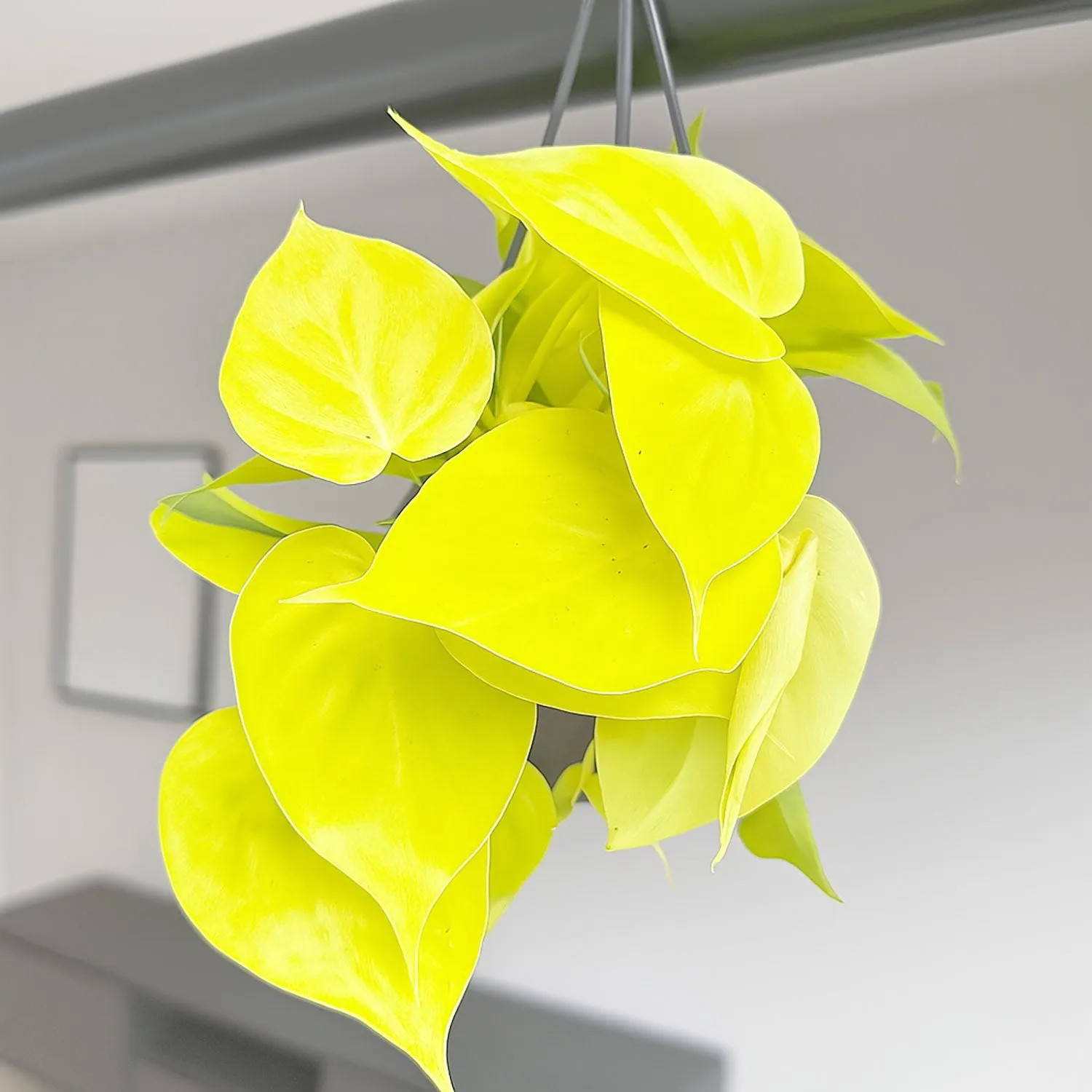
Graceful and eye-catching, this variety brings elegance and brightness to any interior, whether grown as a hanging plant or trained vertically up a moss pole.
Epipremnum aureum ‘Manjula’ – Care Guide
Light
Thrives in bright, indirect light. Too little light may cause the variegation to fade, while strong direct sunlight can burn the pale areas of the leaves. A position near an east- or north-facing window is ideal.
Watering
Water when the top 2–3 cm of soil feels dry. Keep the soil lightly moist but never soggy. Overwatering can lead to root rot, while prolonged dryness may cause the edges of variegated leaves to brown. Reduce watering in winter.
Temperature and Humidity
-
Temperature: Prefers warmth, 18–28°C. Avoid cold draughts and temperatures below 15°C.
-
Humidity: Enjoys moderate to high humidity (50–70%). Mist occasionally or place near a humidifier to maintain lush foliage.
Soil and Potting
Use a chunky, free-draining aroid mix – peat-free compost combined with orchid bark, perlite, and coco coir works best. Repot every 1–2 years in spring to refresh the mix and provide room for growth.
Feeding
Feed every 4–6 weeks during spring and summer with a balanced, diluted liquid fertiliser. Stop feeding in autumn and winter.
Pruning and Maintenance
Prune vines as needed to control shape or encourage bushier growth. Remove any yellow or damaged leaves at the base. Propagate easily from stem cuttings in water or soil to create new plants.
Growth and Maturity
A moderately fast-growing trailing or climbing plant that can reach 1–2 metres indoors. The wavy, marbled leaves stay compact and decorative even as the plant matures.
Common Issues
-
Loss of variegation: Insufficient light.
-
Yellowing leaves: Overwatering or poor drainage.
-
Brown tips: Low humidity or inconsistent watering.
-
Pests: Occasionally mealybugs or spider mites.
Background and Benefits
Developed at the University of Florida, Epipremnum ‘Manjula’ is one of the most decorative pothos cultivars ever created. Its unique blend of colours and rippled leaf edges set it apart from similar varieties like ‘Marble Queen’ or ‘N’Joy’. Easy to care for and endlessly ornamental, it’s an ideal choice for both beginners and collectors who want a touch of tropical artistry in their home.
Like all pothos varieties, it’s also known for its air-purifying qualities, helping to remove toxins from indoor environments.
✅ Quick Care Summary
-
Light: Bright, indirect; tolerates medium light
-
Water: Lightly moist; allow topsoil to dry slightly
-
Temperature: 18–28°C; protect below 15°C
-
Humidity: Moderate to high (50–70%)
-
Soil: Chunky, free-draining aroid mix
-
Feed: Every 4–6 weeks in spring/summer
-
Growth: Trailing or climbing vine, 1–2 m; cream, green, and white marbled leaves with gently wavy edges
⚠️ Toxicity Note: Like all Epipremnum species, ‘Manjula’ is toxic if ingested. Keep out of reach of pets and children.
🌿 Styling Tip:
Display your Epipremnum ‘Manjula’ in a hanging basket where its marbled vines can cascade beautifully, or let it climb a moss pole to showcase its wavy, patterned leaves at eye level.
Original: $39.58
-70%$39.58
$11.87Product Information
Product Information
Shipping & Returns
Shipping & Returns
Description
Epipremnum aureum ‘Manjula’, also known as the Manjula Pothos or Happy Leaf Pothos, is a stunning and rare cultivar of the classic Epipremnum aureum, developed at the University of Florida. It’s celebrated for its uniquely shaped leaves and beautifully marbled variegation that make every leaf look like a hand-painted work of art.
Each heart-shaped leaf features a flowing mix of cream, white, silvery-green, and chartreuse tones, splashed and swirled across a deep green base. The edges of the leaves are gently wavy, adding texture and movement to its trailing vines. Unlike some other variegated pothos varieties, ‘Manjula’ has stable variegation, ensuring each new leaf carries its own distinctive pattern.
Graceful and eye-catching, this variety brings elegance and brightness to any interior, whether grown as a hanging plant or trained vertically up a moss pole.
Epipremnum aureum ‘Manjula’ – Care Guide
Light
Thrives in bright, indirect light. Too little light may cause the variegation to fade, while strong direct sunlight can burn the pale areas of the leaves. A position near an east- or north-facing window is ideal.
Watering
Water when the top 2–3 cm of soil feels dry. Keep the soil lightly moist but never soggy. Overwatering can lead to root rot, while prolonged dryness may cause the edges of variegated leaves to brown. Reduce watering in winter.
Temperature and Humidity
-
Temperature: Prefers warmth, 18–28°C. Avoid cold draughts and temperatures below 15°C.
-
Humidity: Enjoys moderate to high humidity (50–70%). Mist occasionally or place near a humidifier to maintain lush foliage.
Soil and Potting
Use a chunky, free-draining aroid mix – peat-free compost combined with orchid bark, perlite, and coco coir works best. Repot every 1–2 years in spring to refresh the mix and provide room for growth.
Feeding
Feed every 4–6 weeks during spring and summer with a balanced, diluted liquid fertiliser. Stop feeding in autumn and winter.
Pruning and Maintenance
Prune vines as needed to control shape or encourage bushier growth. Remove any yellow or damaged leaves at the base. Propagate easily from stem cuttings in water or soil to create new plants.
Growth and Maturity
A moderately fast-growing trailing or climbing plant that can reach 1–2 metres indoors. The wavy, marbled leaves stay compact and decorative even as the plant matures.
Common Issues
-
Loss of variegation: Insufficient light.
-
Yellowing leaves: Overwatering or poor drainage.
-
Brown tips: Low humidity or inconsistent watering.
-
Pests: Occasionally mealybugs or spider mites.
Background and Benefits
Developed at the University of Florida, Epipremnum ‘Manjula’ is one of the most decorative pothos cultivars ever created. Its unique blend of colours and rippled leaf edges set it apart from similar varieties like ‘Marble Queen’ or ‘N’Joy’. Easy to care for and endlessly ornamental, it’s an ideal choice for both beginners and collectors who want a touch of tropical artistry in their home.
Like all pothos varieties, it’s also known for its air-purifying qualities, helping to remove toxins from indoor environments.
✅ Quick Care Summary
-
Light: Bright, indirect; tolerates medium light
-
Water: Lightly moist; allow topsoil to dry slightly
-
Temperature: 18–28°C; protect below 15°C
-
Humidity: Moderate to high (50–70%)
-
Soil: Chunky, free-draining aroid mix
-
Feed: Every 4–6 weeks in spring/summer
-
Growth: Trailing or climbing vine, 1–2 m; cream, green, and white marbled leaves with gently wavy edges
⚠️ Toxicity Note: Like all Epipremnum species, ‘Manjula’ is toxic if ingested. Keep out of reach of pets and children.
🌿 Styling Tip:
Display your Epipremnum ‘Manjula’ in a hanging basket where its marbled vines can cascade beautifully, or let it climb a moss pole to showcase its wavy, patterned leaves at eye level.