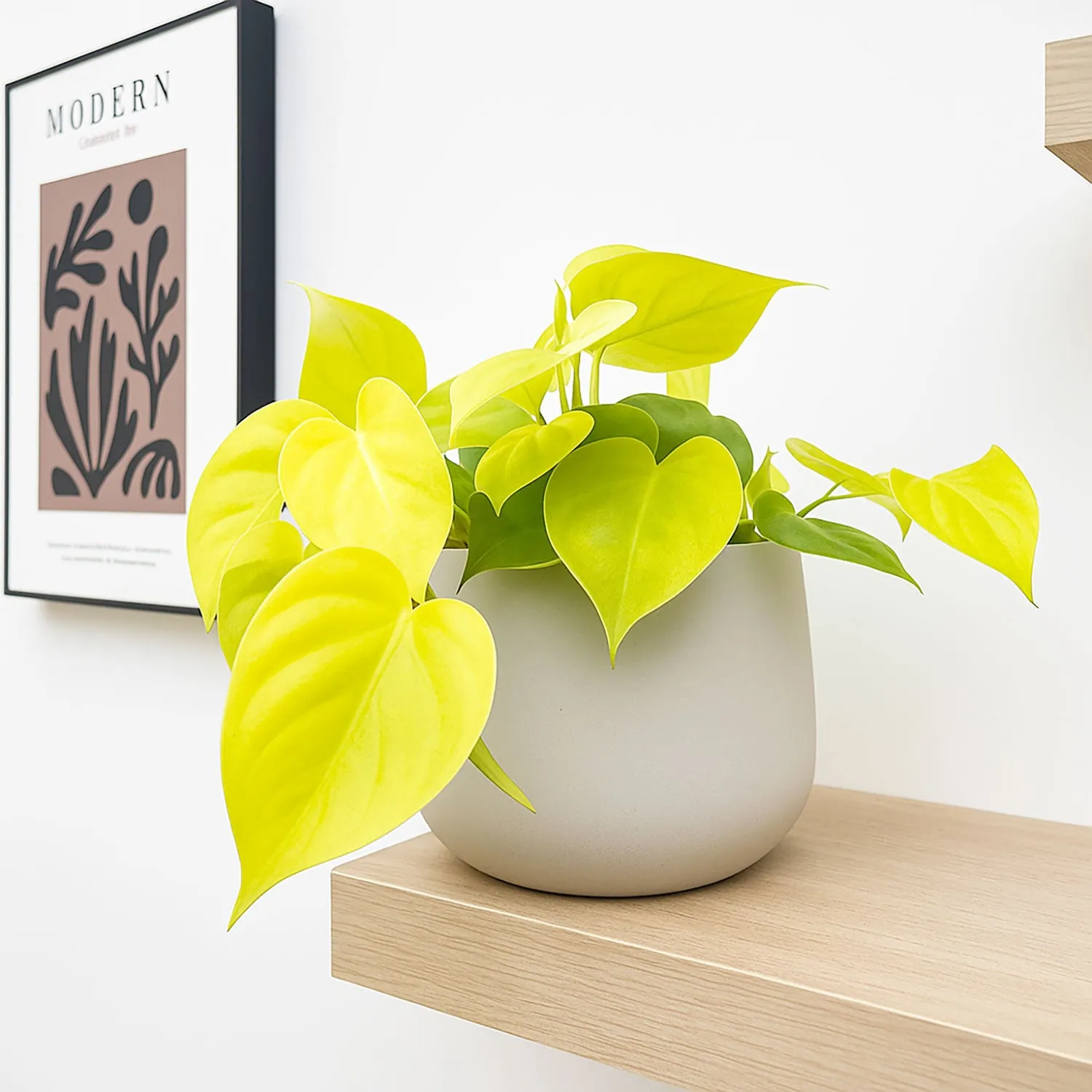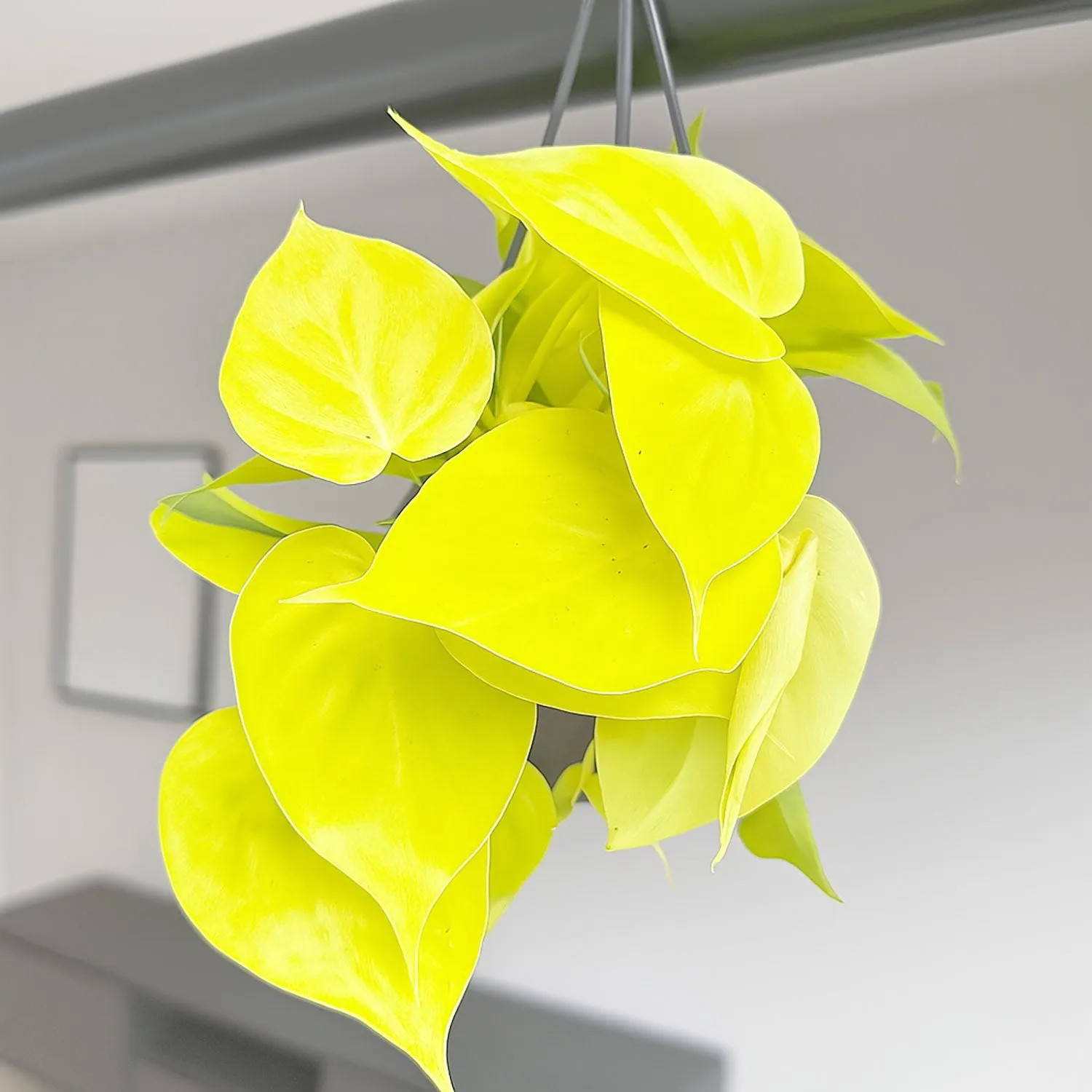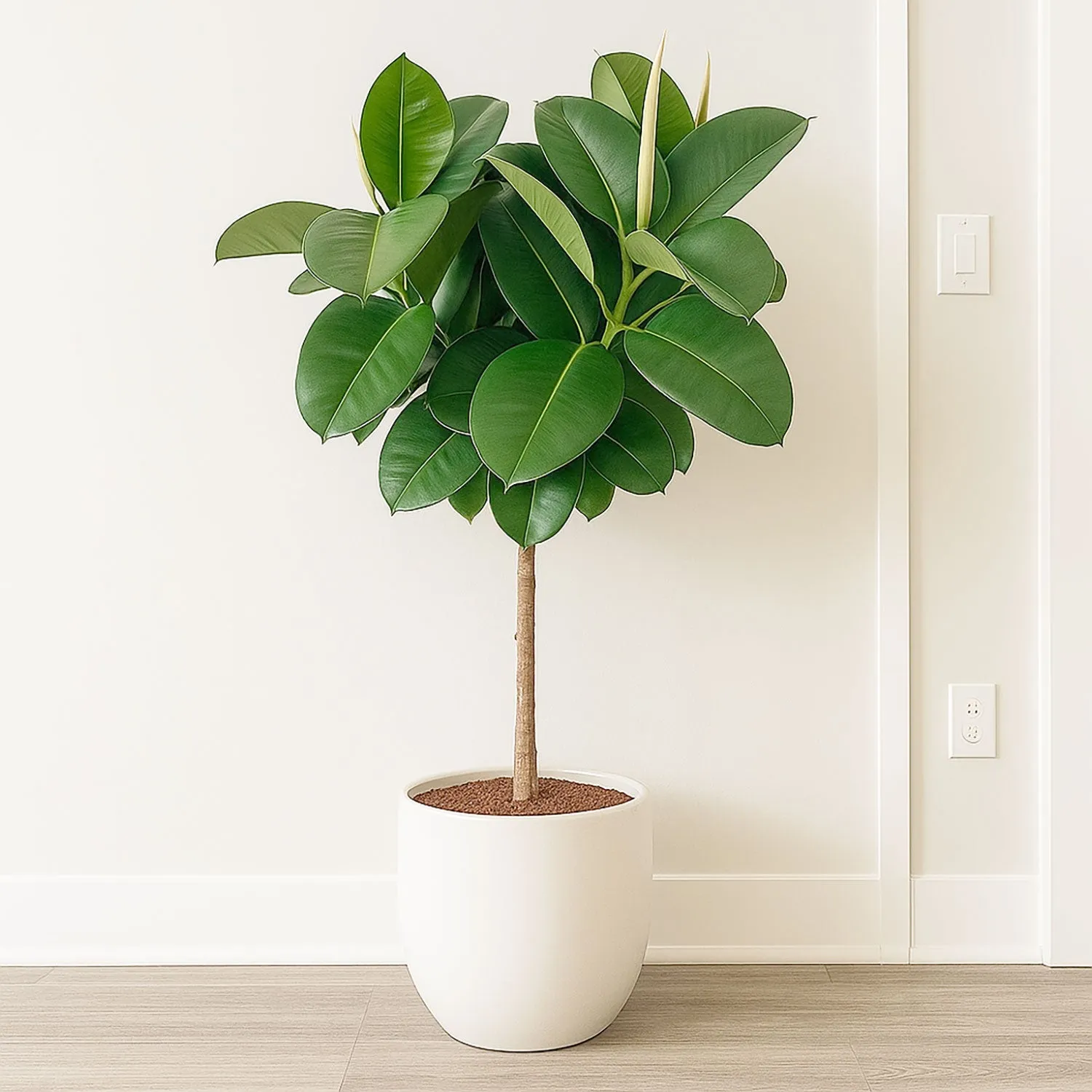
70 - 80cm Ficus Triangularis Variegated Rubber Plant 17cm Pot House Plant
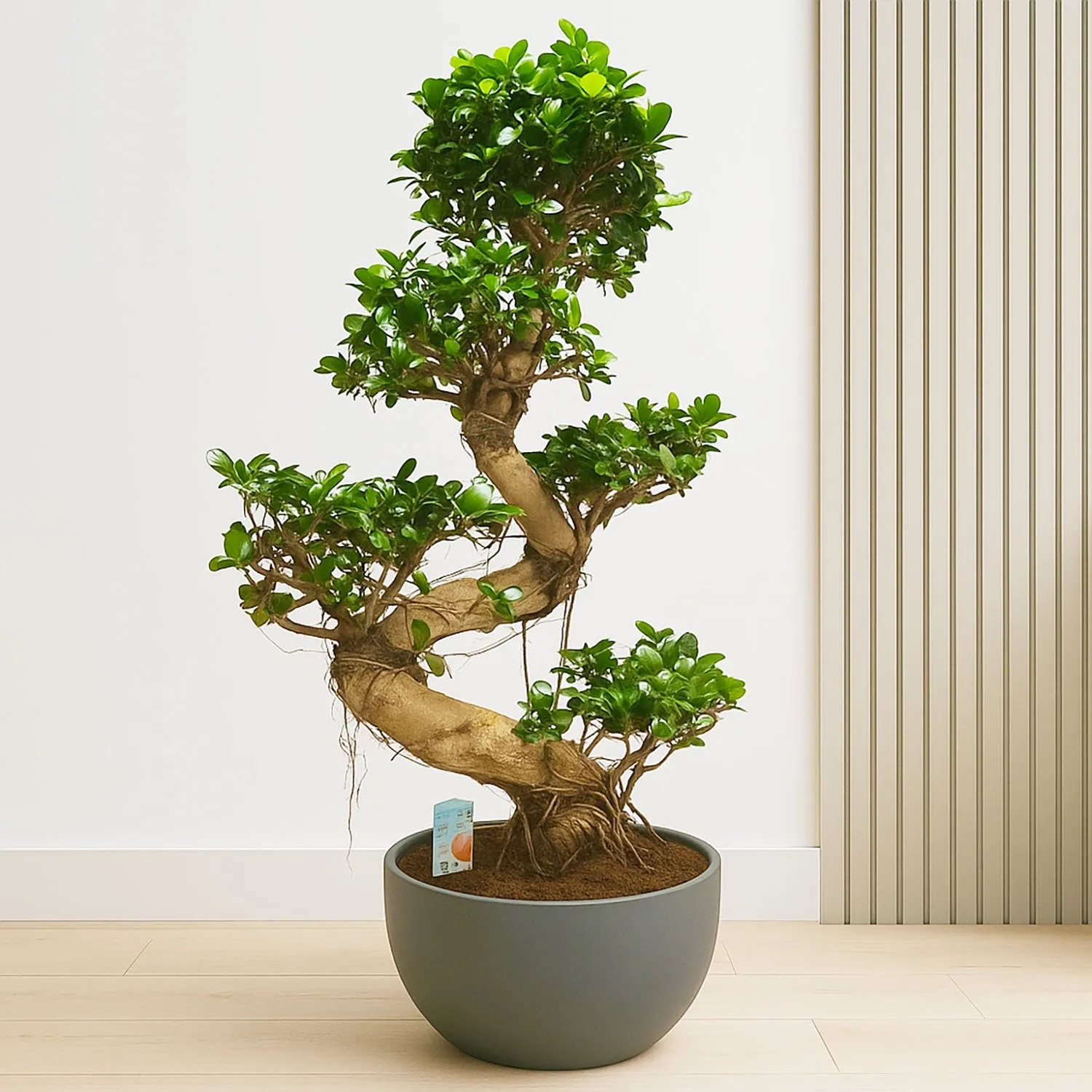
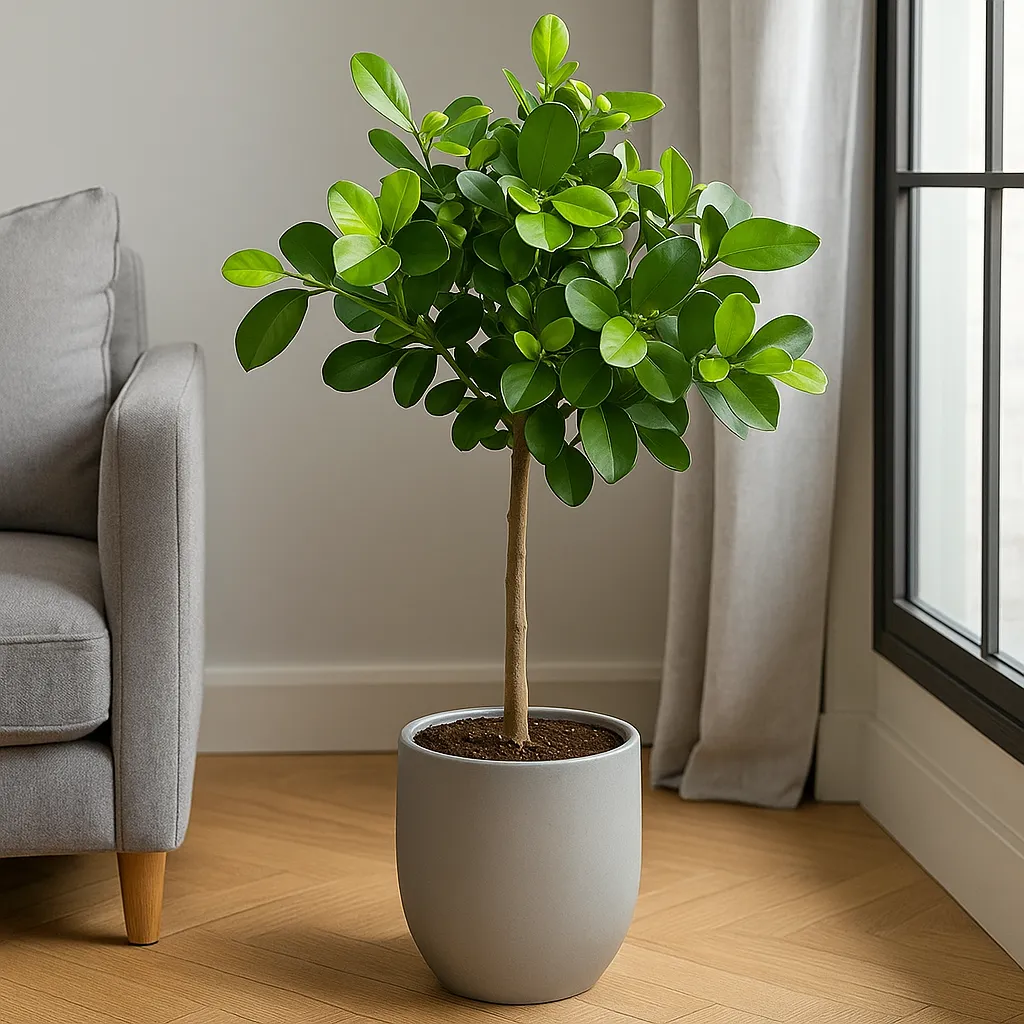
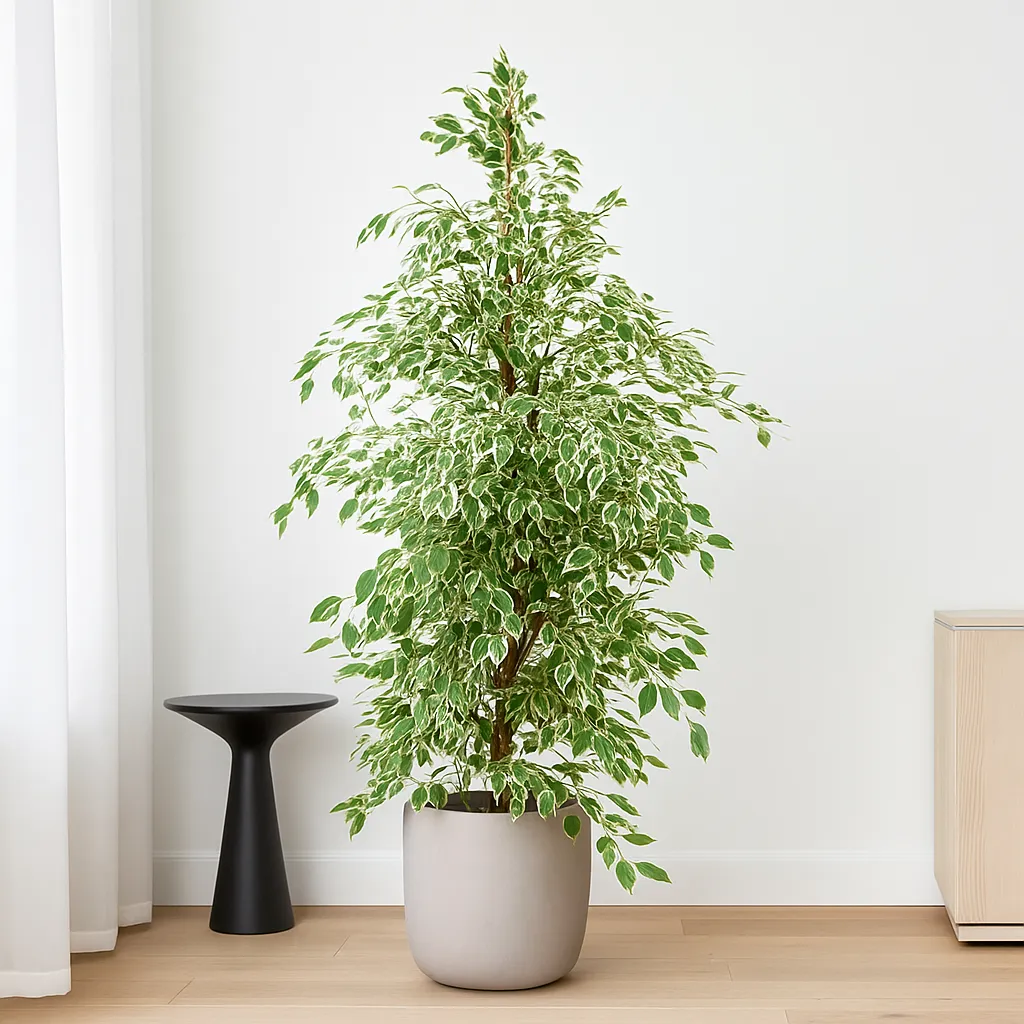
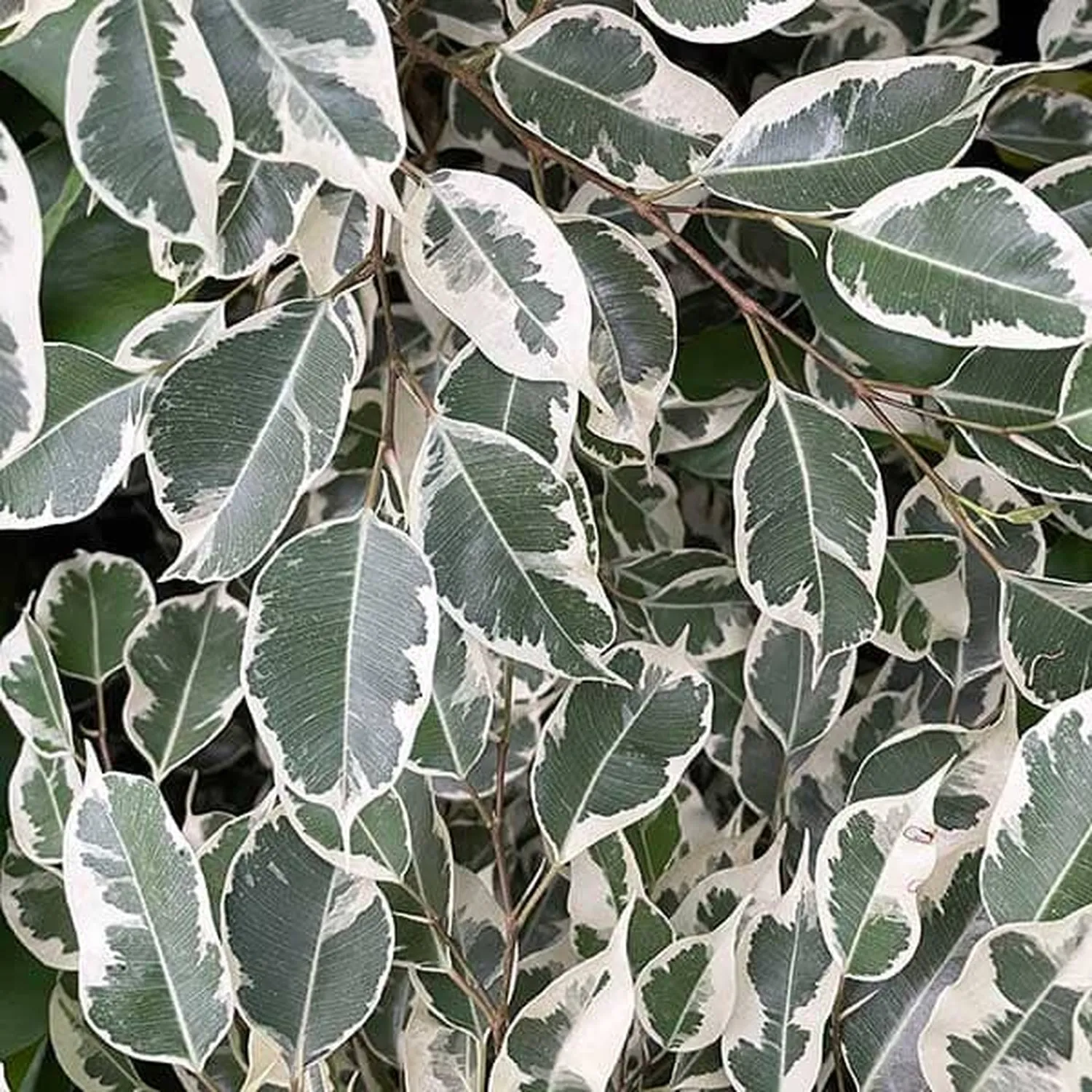
Ficus triangularis ‘Variegata’, commonly known as the Variegated Triangle Fig, is an elegant, slow-growing tropical species prized for its geometric leaf shape and creamy variegation. A member of the Moraceae family and native to South Africa, this refined Ficus variety combines the classic structure of a miniature tree with the contemporary appeal of soft, heart-shaped, cream-edged foliage.
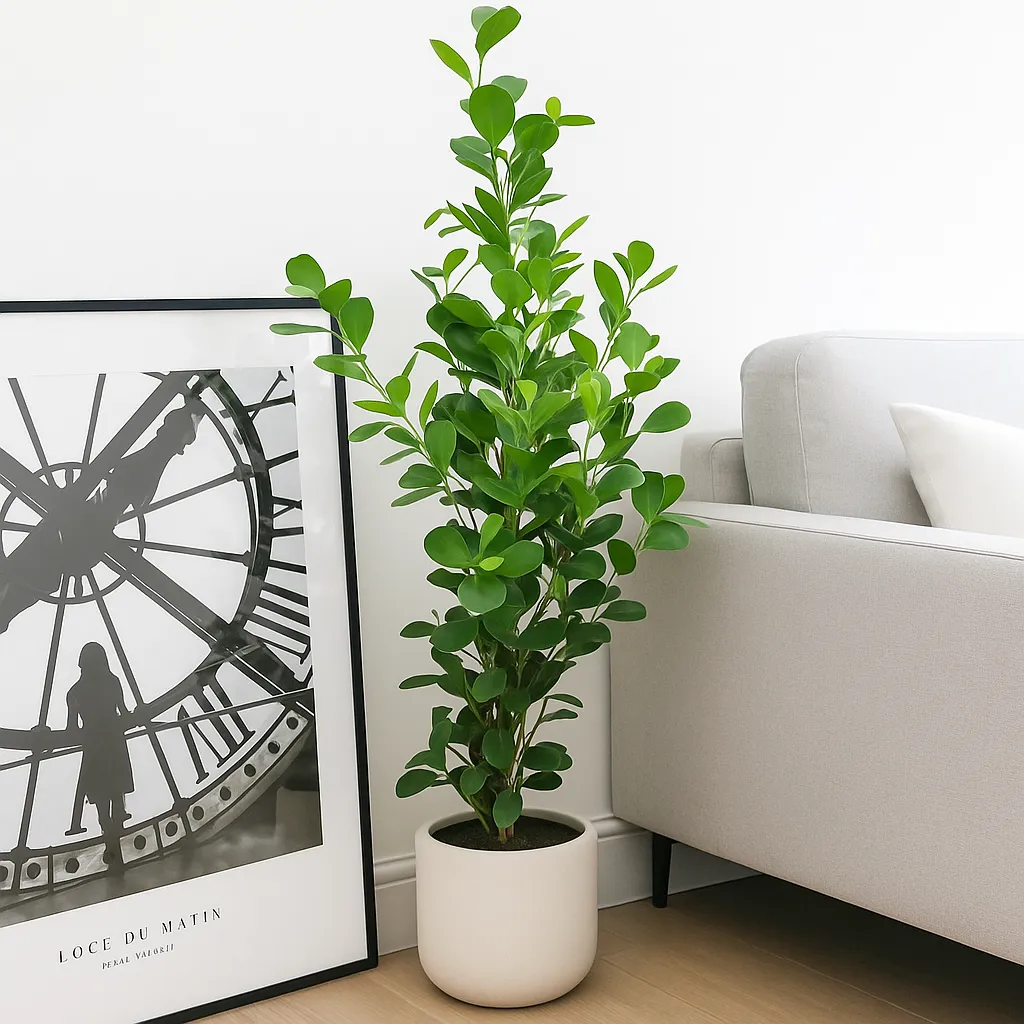
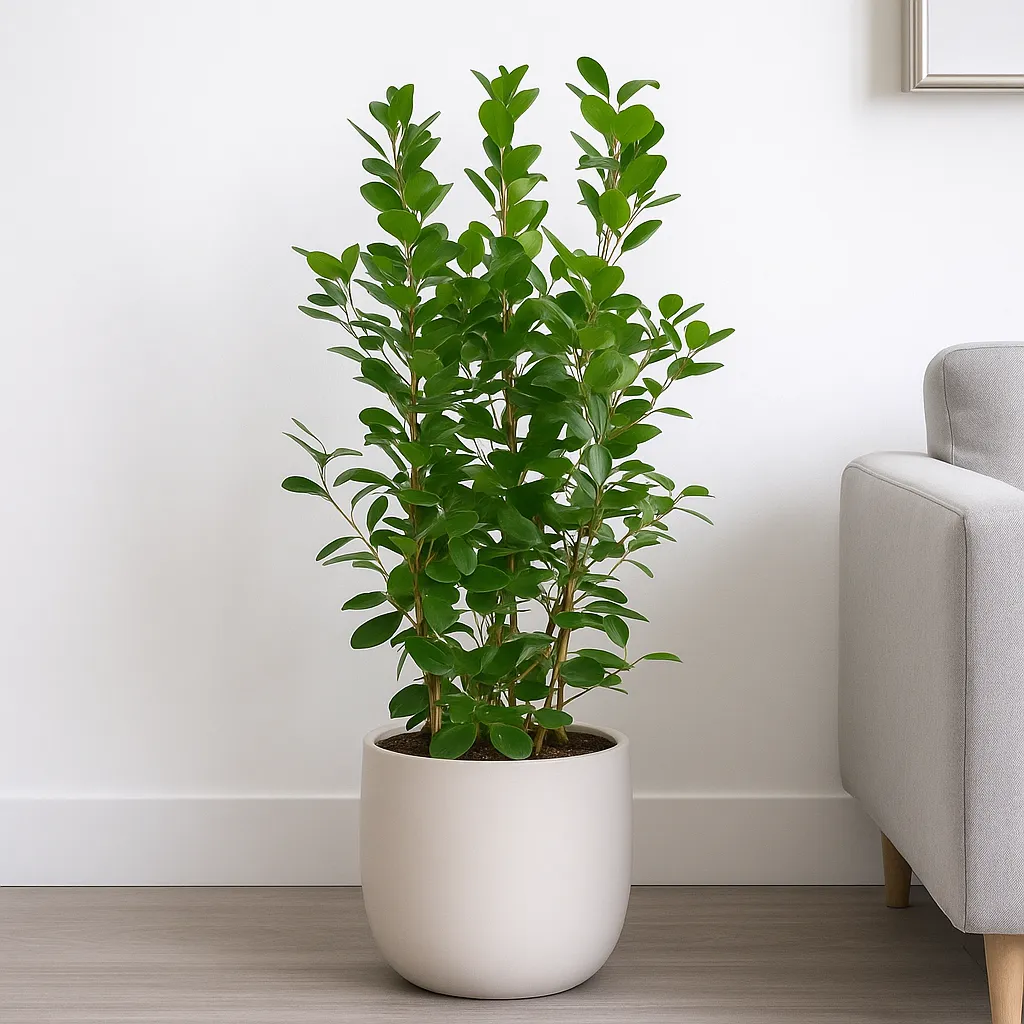
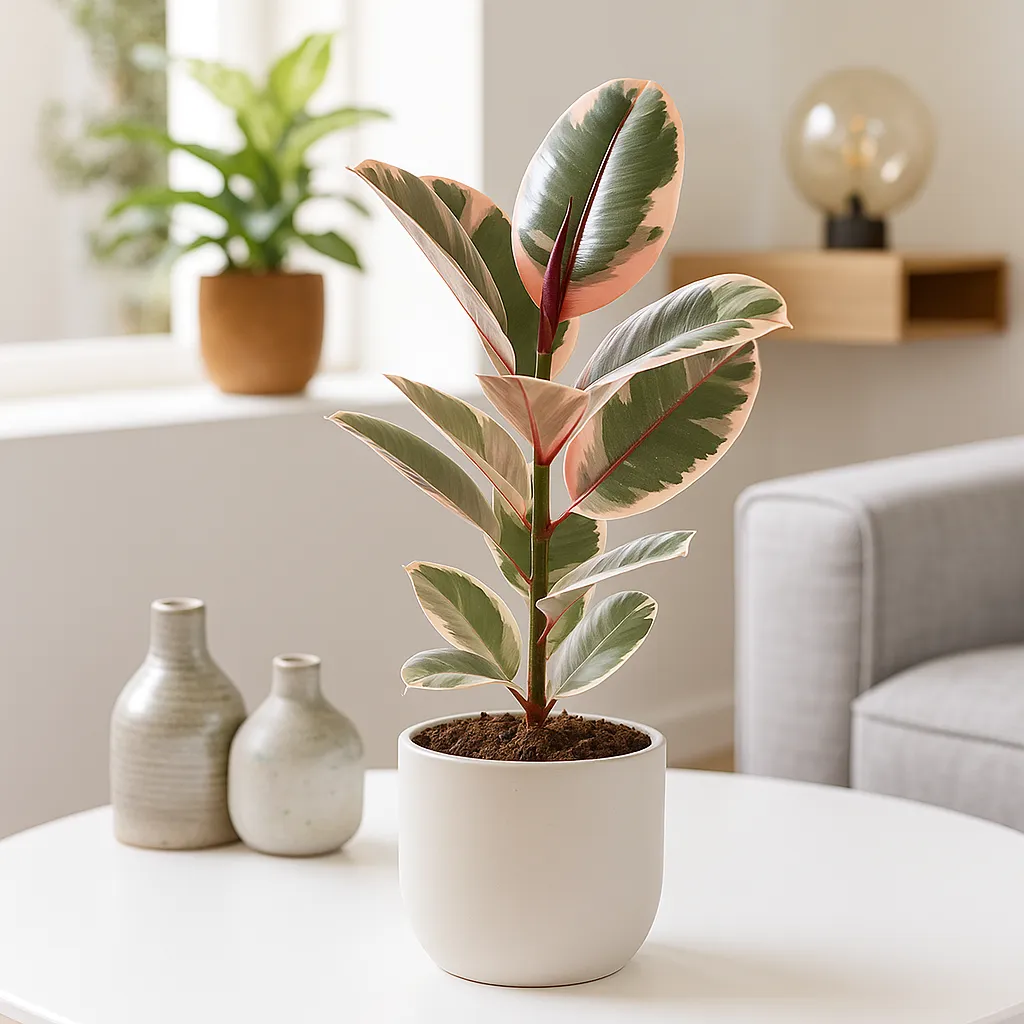
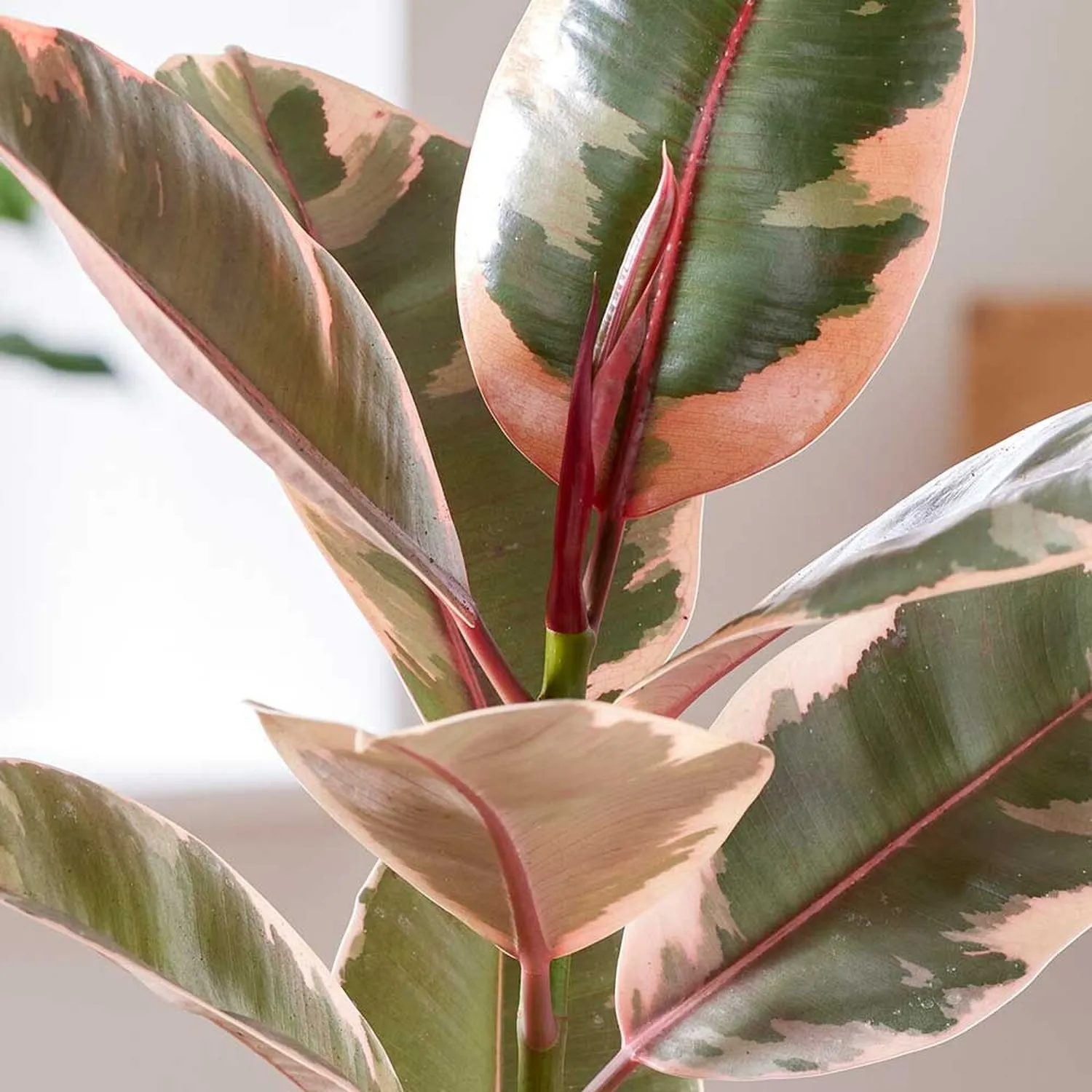
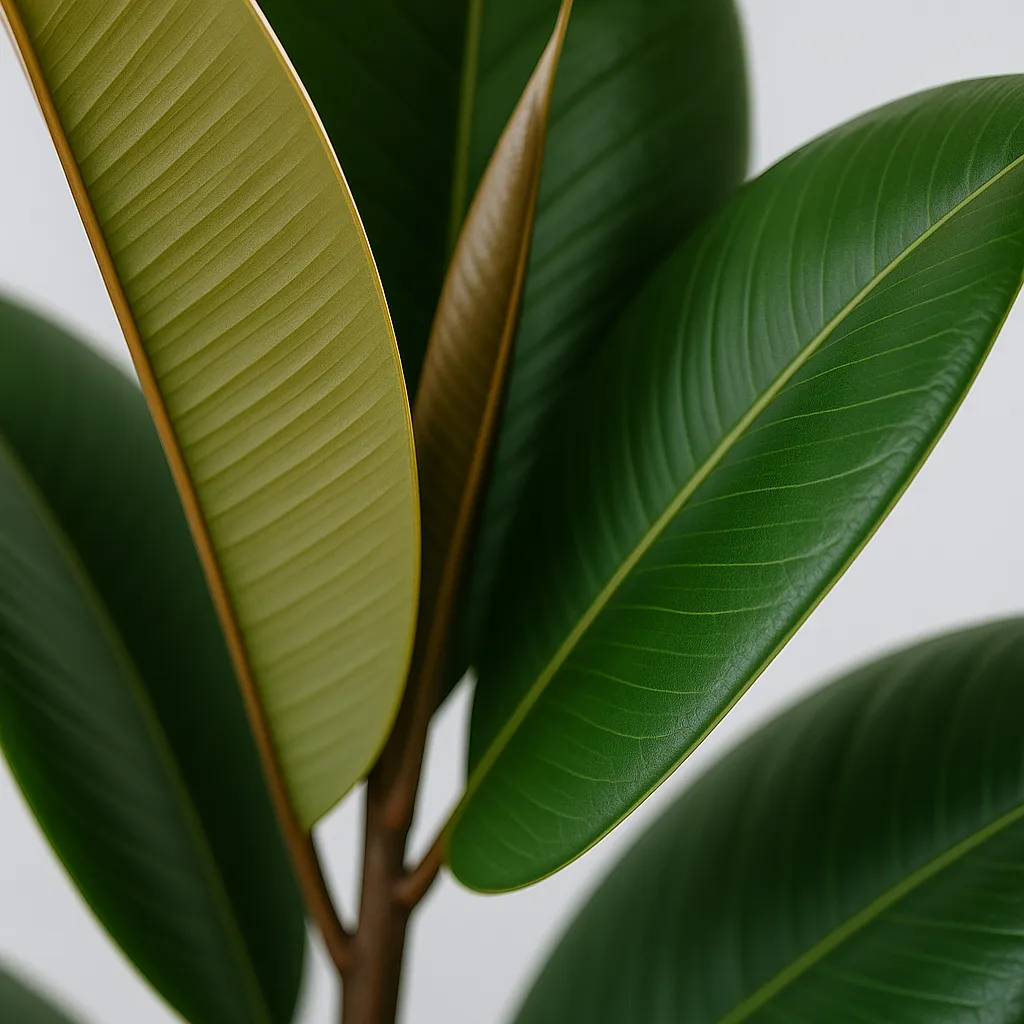
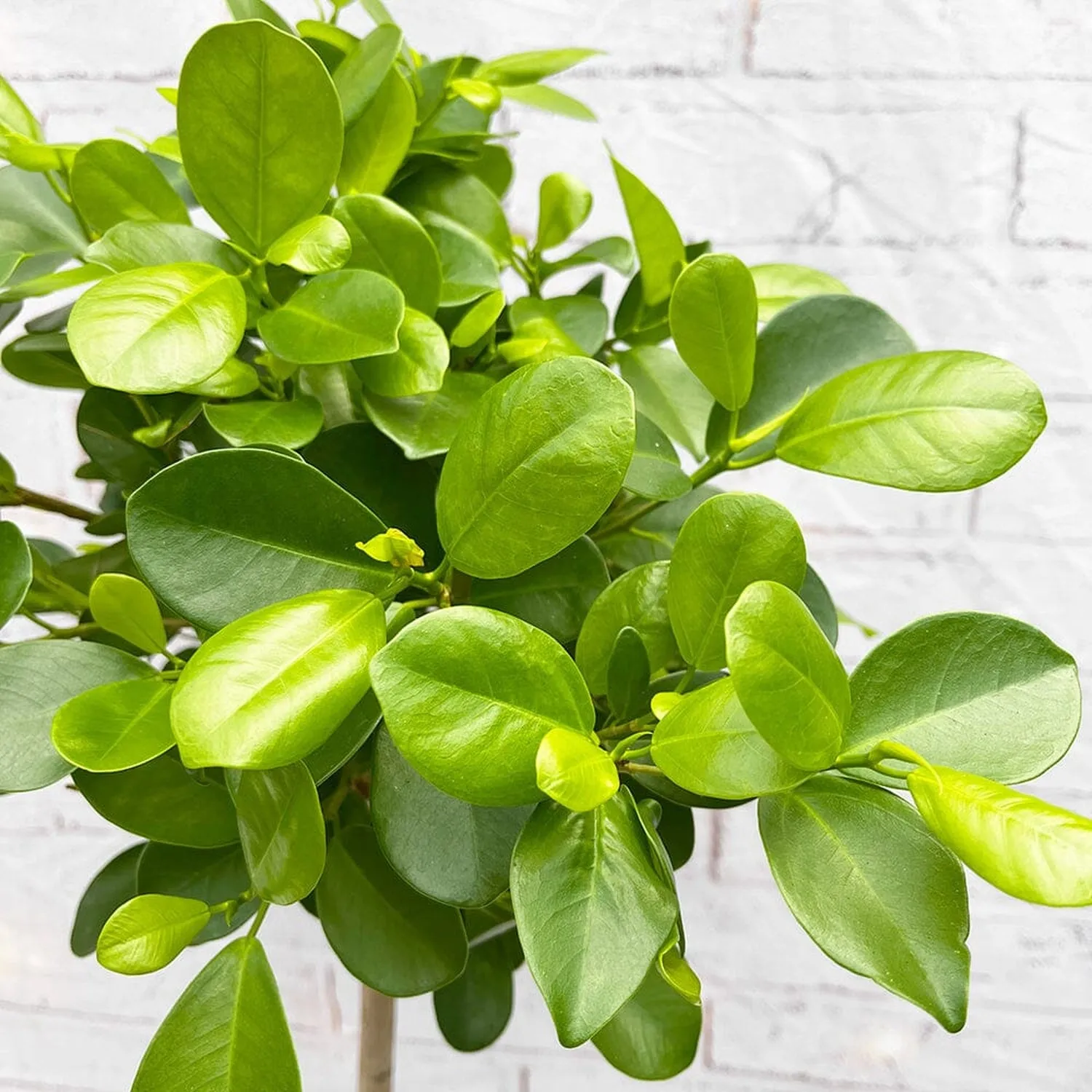
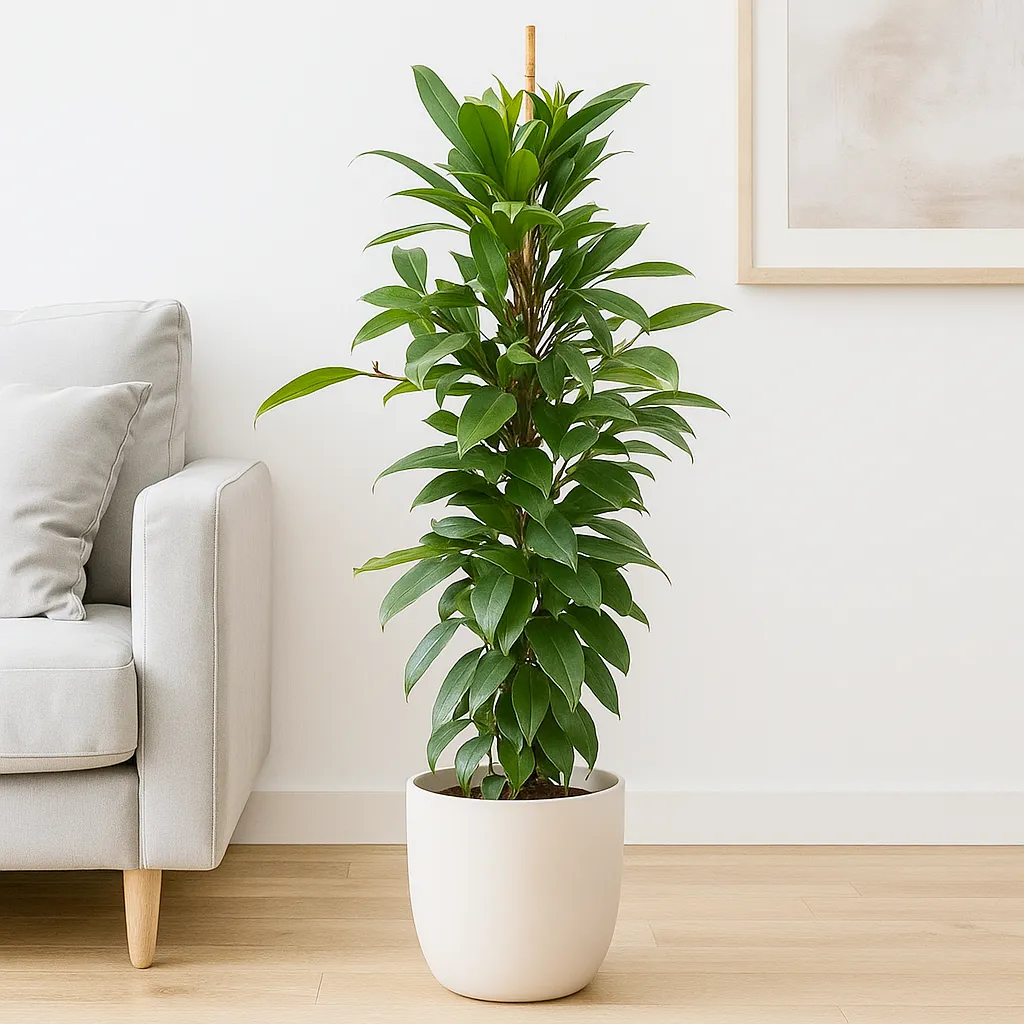
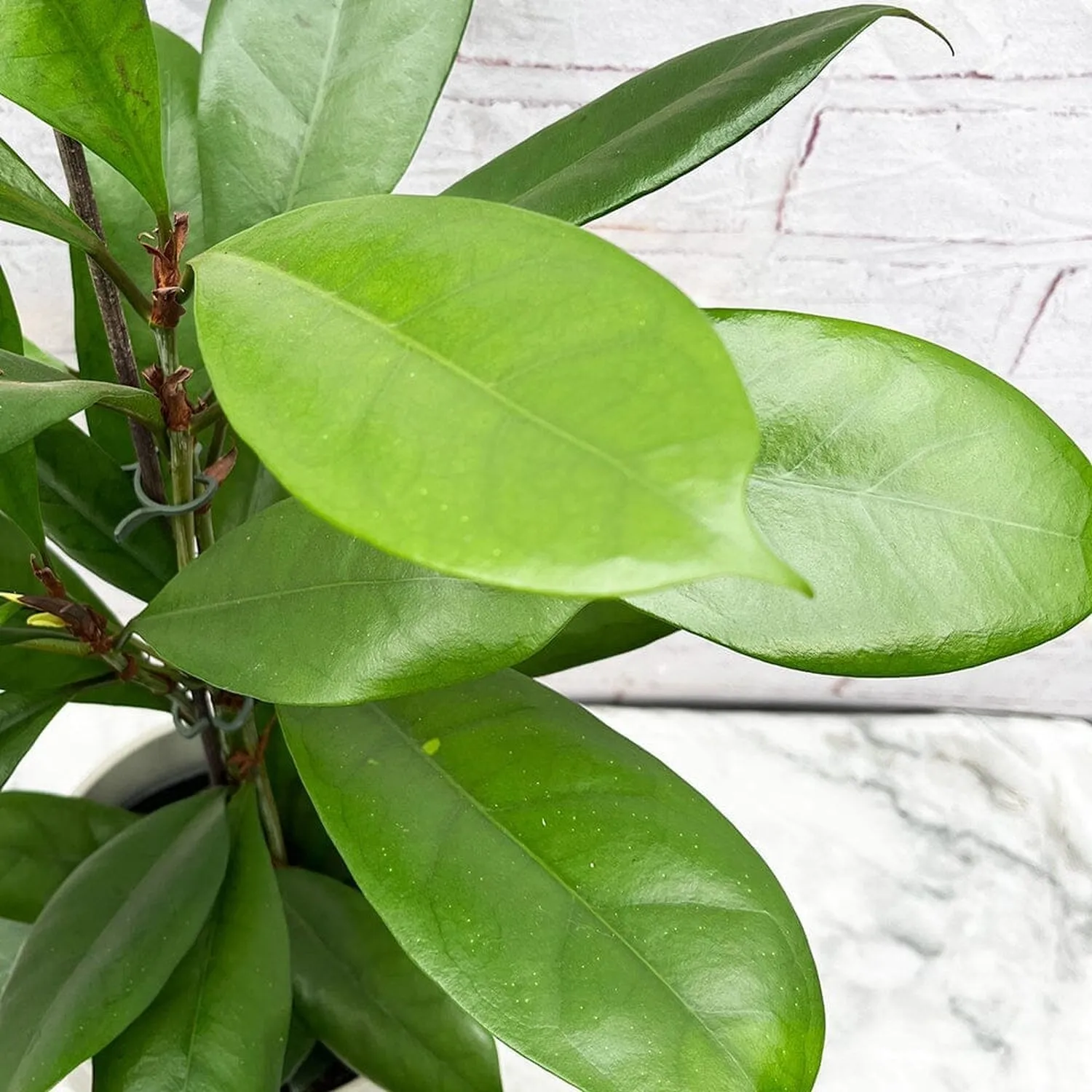
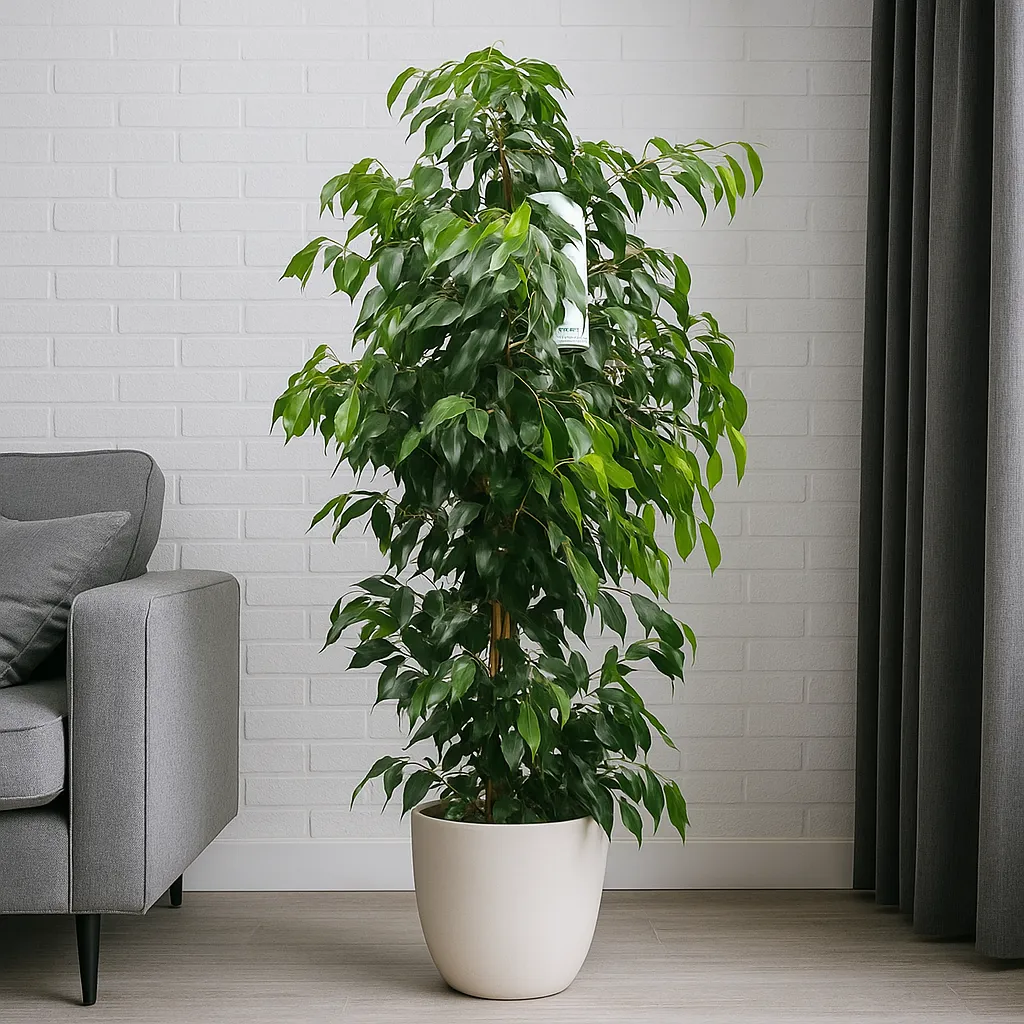
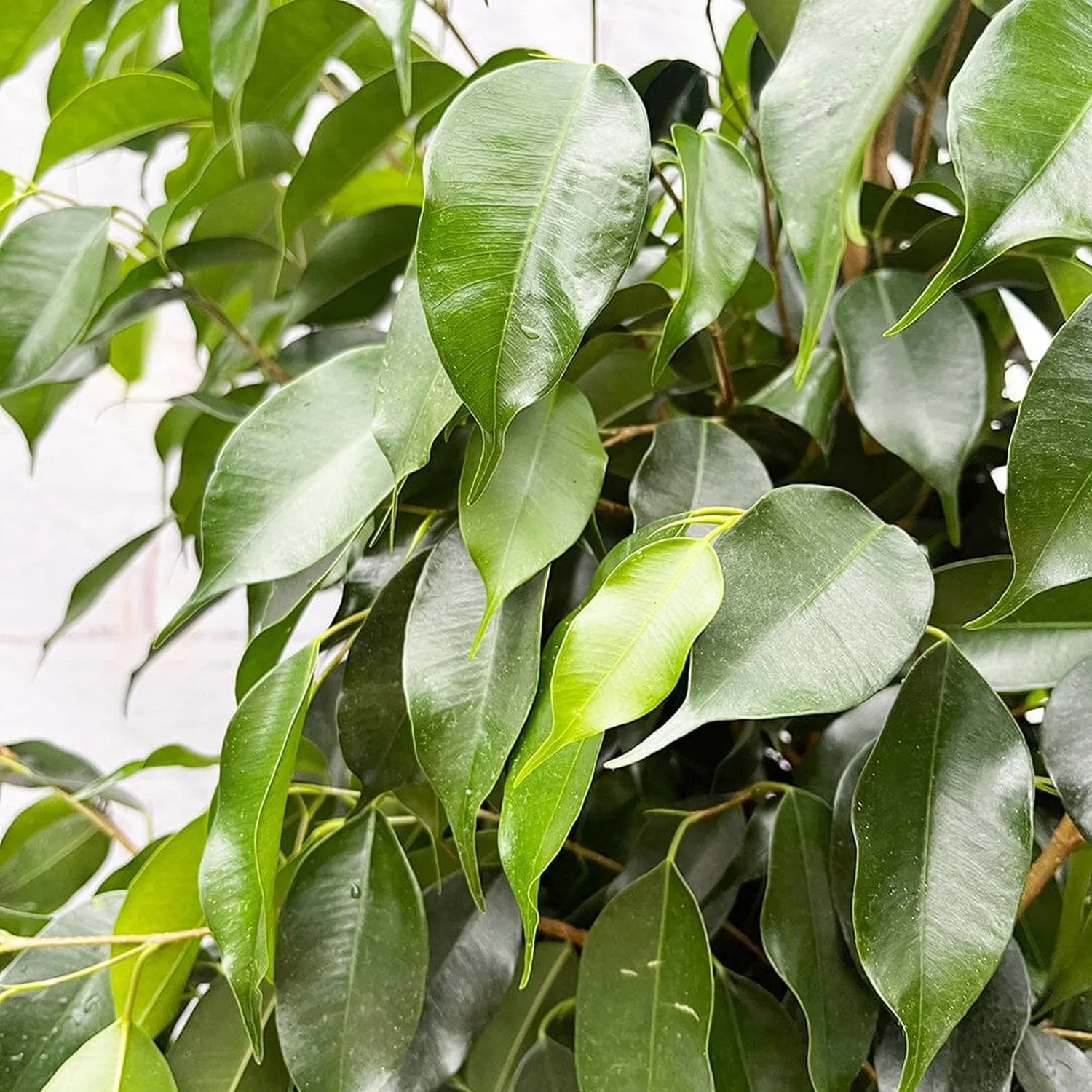
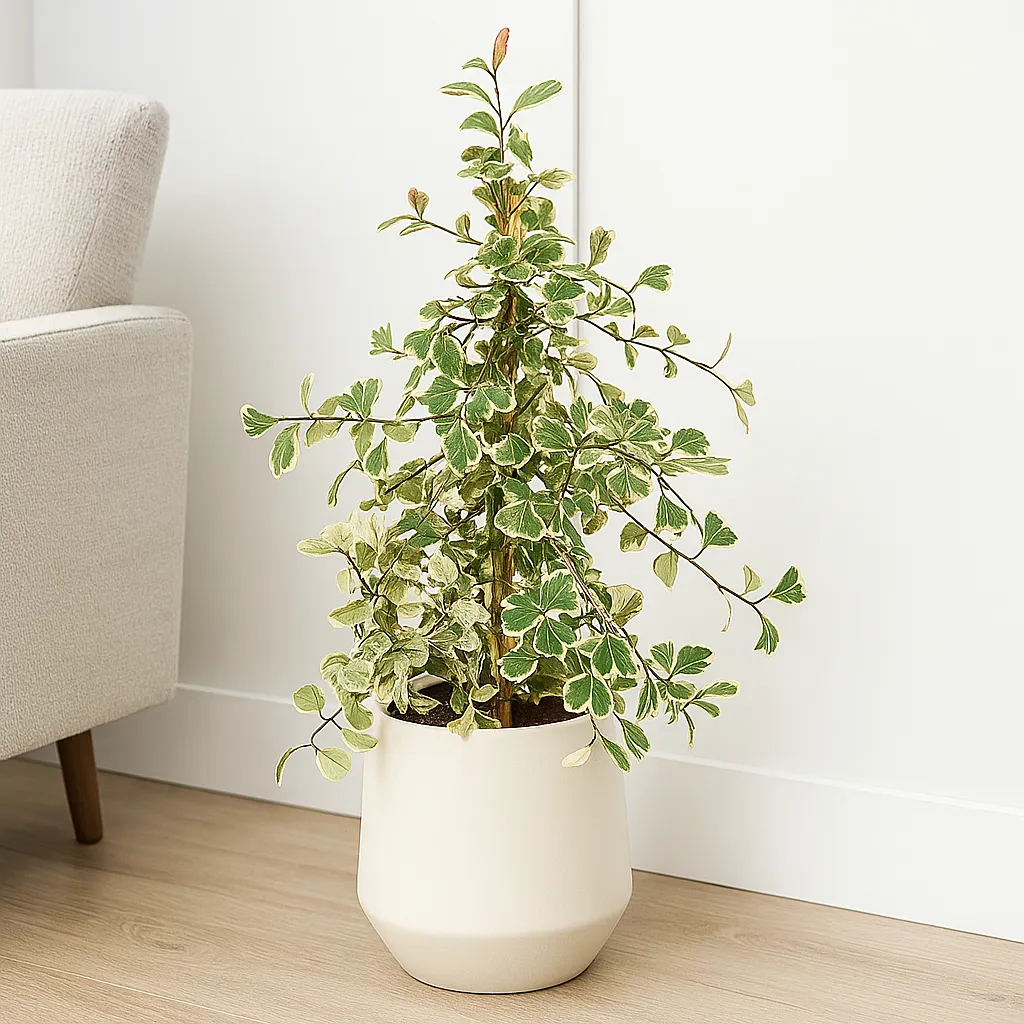
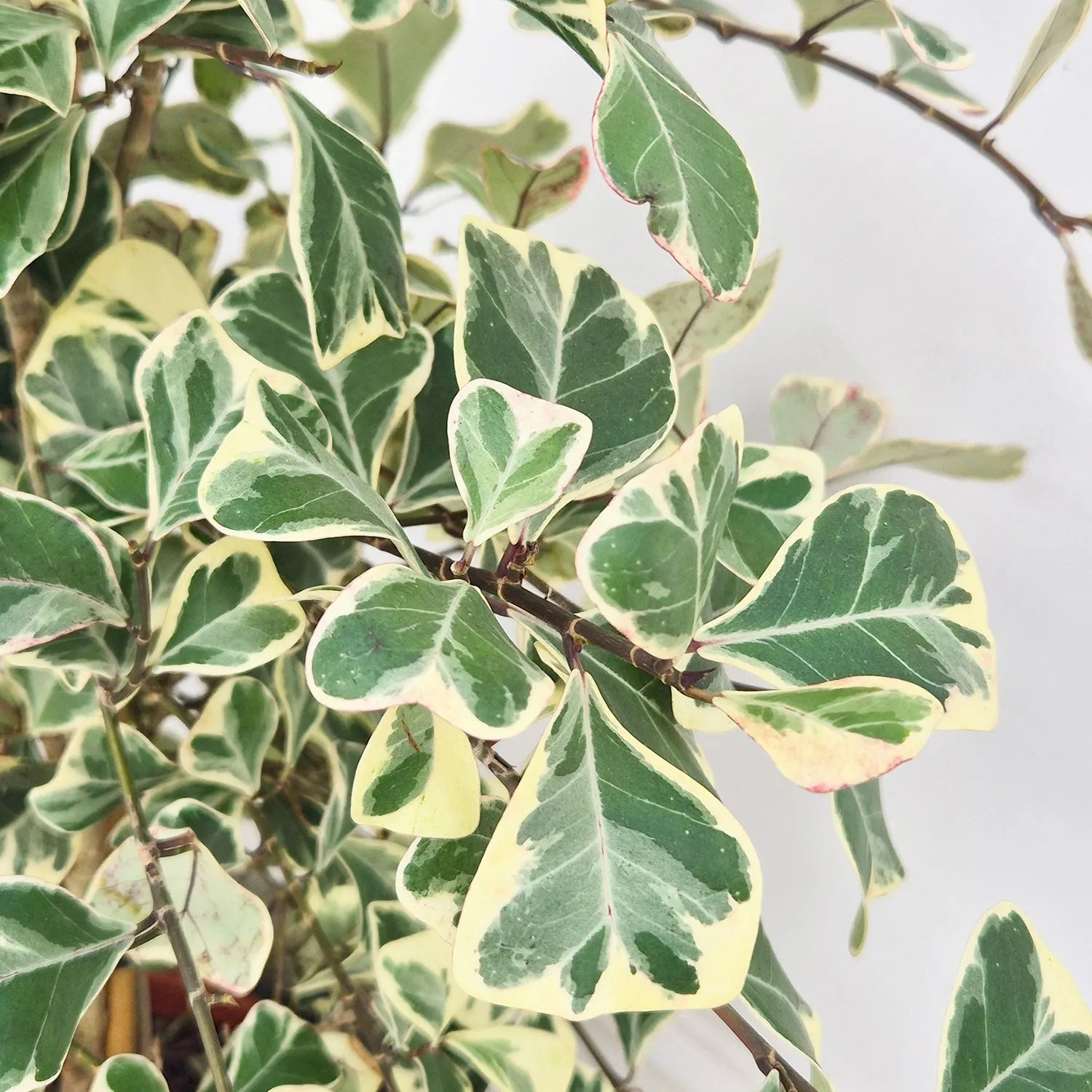
Each small, triangular leaf features a vibrant green centre bordered by creamy white or pale yellow margins. The dense, glossy leaves grow along upright, woody stems, forming a neat, compact bush that can be shaped into a natural statement tree or kept smaller for tabletops. Ficus triangularis ‘Variegata’ is ideal for brightening interiors with its elegant colour palette and refined silhouette.
Stylish, resilient, and long-lived, this Ficus brings a modern, sculptural charm to homes and offices — a plant that perfectly balances sophistication with tropical warmth.
Ficus triangularis ‘Variegata’ – Care Guide
Light
Thrives in bright, indirect light. Ample light helps maintain strong variegation and dense growth. A few hours of soft morning or late afternoon sun are beneficial, but harsh midday rays may scorch the leaves. It can tolerate medium light but may lose vibrancy or variegation in too much shade.
Watering
Allow the top 3–5 cm of soil to dry between waterings. Water thoroughly, ensuring that excess drains away freely. During the growing season (spring and summer), keep the soil lightly moist; in winter, water less often. Avoid overwatering, which can lead to leaf drop or root rot.
Temperature and Humidity
Temperature: Prefers warmth between 18–28 °C. Avoid cold drafts, radiators, or temperatures below 15 °C.
Humidity: Average indoor humidity (40–60%) is sufficient. It tolerates dry air well but benefits from occasional misting or placement near other plants.
Soil and Potting
Use a rich, free-draining mix — compost combined with perlite and a little bark or sand ensures both moisture retention and aeration. Repot every 2–3 years in spring to refresh nutrients and provide space for root growth.
Feeding
Feed every 4–6 weeks during spring and summer with a balanced liquid fertiliser diluted to half strength. Stop feeding in autumn and winter when growth slows. Over-fertilising can damage the roots or cause leaf spotting.
Pruning and Maintenance
Prune lightly in spring or summer to shape and encourage fuller growth. Remove any yellow or damaged leaves to keep the plant tidy. Wipe the leaves occasionally with a soft, damp cloth to remove dust and highlight their natural gloss. Rotate the plant regularly to maintain even light exposure and symmetrical growth.
Growth and Maturity
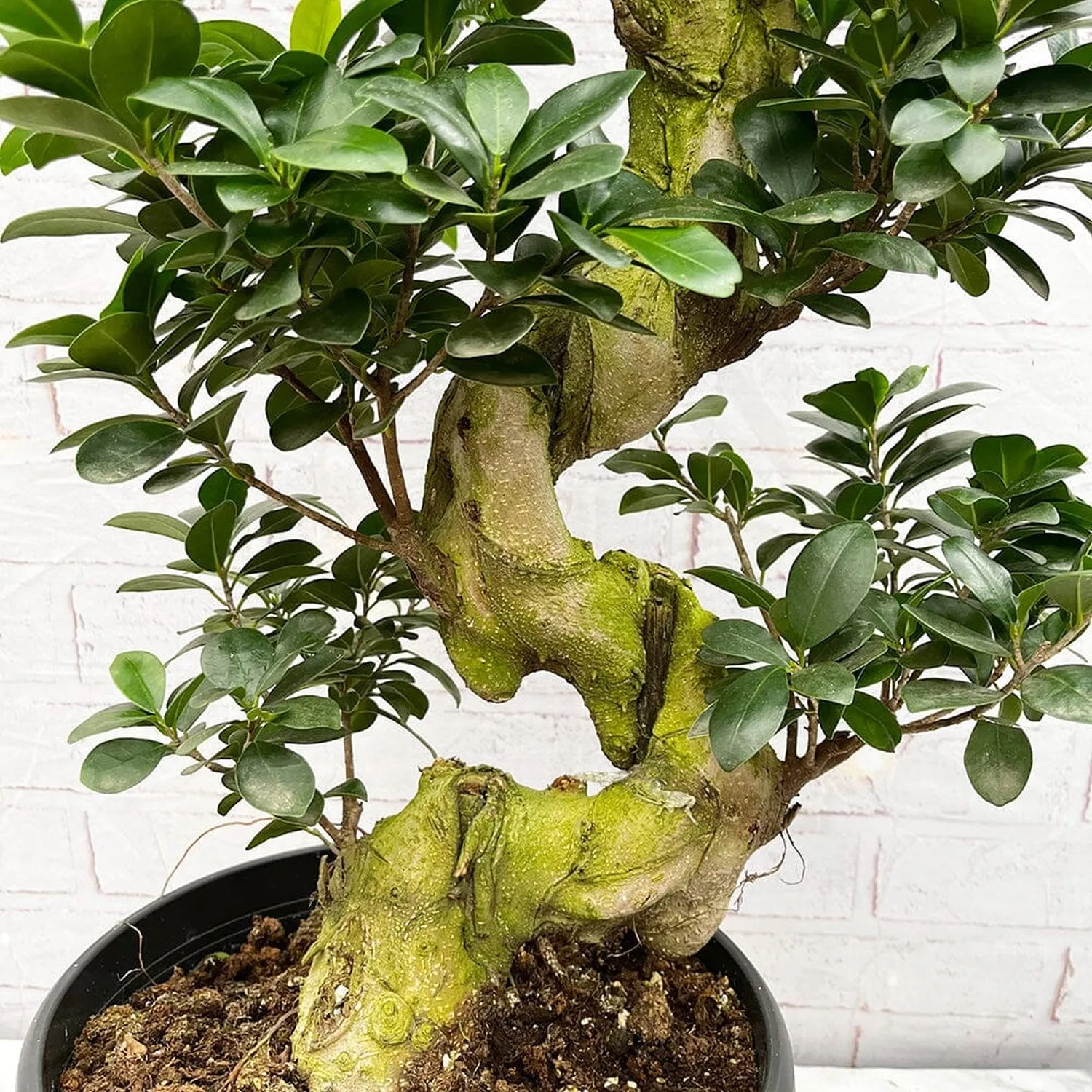
A slow to moderate grower, Ficus triangularis ‘Variegata’ typically reaches 60–120 cm in height indoors, forming a bushy, tree-like structure. With time and care, it develops woody stems and dense, variegated foliage, making it one of the most sculptural and visually refined Ficus species.
Common Issues
-
Leaf drop: Caused by overwatering, drafts, or sudden environmental changes.
-
Brown edges: Under-watering or low humidity.
-
Loss of variegation: Insufficient light.
-
Pests: Occasionally affected by scale or spider mites; treat with neem oil or insecticidal soap.
Background and Benefits
Native to southern Africa, Ficus triangularis grows as a small ornamental tree in its natural habitat. The variegated cultivar ‘Variegata’ has become especially prized for its bright, heart-shaped foliage and compact size. Unlike many Ficus species, it is relatively slow-growing and easier to manage indoors.
As a hardy and air-purifying plant, Ficus triangularis ‘Variegata’ improves indoor air quality while adding a touch of refined greenery to modern living spaces. Symbolically, Ficus plants represent abundance, endurance, and harmony — qualities embodied by this graceful and enduring variety.
Quick Care Summary
-
Light: Bright, indirect light; tolerates soft sun
-
Water: Allow top 3–5 cm of soil to dry between waterings
-
Temperature: 18–28 °C; avoid below 15 °C
-
Humidity: Average (40–60%)
-
Soil: Rich, well-draining mix – compost, perlite, bark
-
Feed: Every 4–6 weeks in spring/summer
-
Growth: 60–120 cm indoors; triangular green leaves edged with cream
⚠️ Toxicity note: Mildly toxic to pets and humans if ingested; sap may cause mild skin irritation.
Styling Tip
Display Ficus triangularis ‘Variegata’ as a statement accent in bright living rooms, offices, or conservatories. Its symmetrical growth and variegated leaves pair beautifully with neutral décor and modern ceramic or terracotta pots. Combine it with contrasting foliage such as Ficus elastica ‘Robusta’ or Philodendron ‘Imperial Green’ for a dynamic, layered plant arrangement. Compact yet elegant, this Ficus is ideal for plant lovers seeking a sophisticated focal point that brings light, texture, and balance to any interior.
Product Information
Product Information
Shipping & Returns
Shipping & Returns
Description
Ficus triangularis ‘Variegata’, commonly known as the Variegated Triangle Fig, is an elegant, slow-growing tropical species prized for its geometric leaf shape and creamy variegation. A member of the Moraceae family and native to South Africa, this refined Ficus variety combines the classic structure of a miniature tree with the contemporary appeal of soft, heart-shaped, cream-edged foliage.
Each small, triangular leaf features a vibrant green centre bordered by creamy white or pale yellow margins. The dense, glossy leaves grow along upright, woody stems, forming a neat, compact bush that can be shaped into a natural statement tree or kept smaller for tabletops. Ficus triangularis ‘Variegata’ is ideal for brightening interiors with its elegant colour palette and refined silhouette.
Stylish, resilient, and long-lived, this Ficus brings a modern, sculptural charm to homes and offices — a plant that perfectly balances sophistication with tropical warmth.
Ficus triangularis ‘Variegata’ – Care Guide
Light
Thrives in bright, indirect light. Ample light helps maintain strong variegation and dense growth. A few hours of soft morning or late afternoon sun are beneficial, but harsh midday rays may scorch the leaves. It can tolerate medium light but may lose vibrancy or variegation in too much shade.
Watering
Allow the top 3–5 cm of soil to dry between waterings. Water thoroughly, ensuring that excess drains away freely. During the growing season (spring and summer), keep the soil lightly moist; in winter, water less often. Avoid overwatering, which can lead to leaf drop or root rot.
Temperature and Humidity
Temperature: Prefers warmth between 18–28 °C. Avoid cold drafts, radiators, or temperatures below 15 °C.
Humidity: Average indoor humidity (40–60%) is sufficient. It tolerates dry air well but benefits from occasional misting or placement near other plants.
Soil and Potting
Use a rich, free-draining mix — compost combined with perlite and a little bark or sand ensures both moisture retention and aeration. Repot every 2–3 years in spring to refresh nutrients and provide space for root growth.
Feeding
Feed every 4–6 weeks during spring and summer with a balanced liquid fertiliser diluted to half strength. Stop feeding in autumn and winter when growth slows. Over-fertilising can damage the roots or cause leaf spotting.
Pruning and Maintenance
Prune lightly in spring or summer to shape and encourage fuller growth. Remove any yellow or damaged leaves to keep the plant tidy. Wipe the leaves occasionally with a soft, damp cloth to remove dust and highlight their natural gloss. Rotate the plant regularly to maintain even light exposure and symmetrical growth.
Growth and Maturity
A slow to moderate grower, Ficus triangularis ‘Variegata’ typically reaches 60–120 cm in height indoors, forming a bushy, tree-like structure. With time and care, it develops woody stems and dense, variegated foliage, making it one of the most sculptural and visually refined Ficus species.
Common Issues
-
Leaf drop: Caused by overwatering, drafts, or sudden environmental changes.
-
Brown edges: Under-watering or low humidity.
-
Loss of variegation: Insufficient light.
-
Pests: Occasionally affected by scale or spider mites; treat with neem oil or insecticidal soap.
Background and Benefits
Native to southern Africa, Ficus triangularis grows as a small ornamental tree in its natural habitat. The variegated cultivar ‘Variegata’ has become especially prized for its bright, heart-shaped foliage and compact size. Unlike many Ficus species, it is relatively slow-growing and easier to manage indoors.
As a hardy and air-purifying plant, Ficus triangularis ‘Variegata’ improves indoor air quality while adding a touch of refined greenery to modern living spaces. Symbolically, Ficus plants represent abundance, endurance, and harmony — qualities embodied by this graceful and enduring variety.
Quick Care Summary
-
Light: Bright, indirect light; tolerates soft sun
-
Water: Allow top 3–5 cm of soil to dry between waterings
-
Temperature: 18–28 °C; avoid below 15 °C
-
Humidity: Average (40–60%)
-
Soil: Rich, well-draining mix – compost, perlite, bark
-
Feed: Every 4–6 weeks in spring/summer
-
Growth: 60–120 cm indoors; triangular green leaves edged with cream
⚠️ Toxicity note: Mildly toxic to pets and humans if ingested; sap may cause mild skin irritation.
Styling Tip
Display Ficus triangularis ‘Variegata’ as a statement accent in bright living rooms, offices, or conservatories. Its symmetrical growth and variegated leaves pair beautifully with neutral décor and modern ceramic or terracotta pots. Combine it with contrasting foliage such as Ficus elastica ‘Robusta’ or Philodendron ‘Imperial Green’ for a dynamic, layered plant arrangement. Compact yet elegant, this Ficus is ideal for plant lovers seeking a sophisticated focal point that brings light, texture, and balance to any interior.