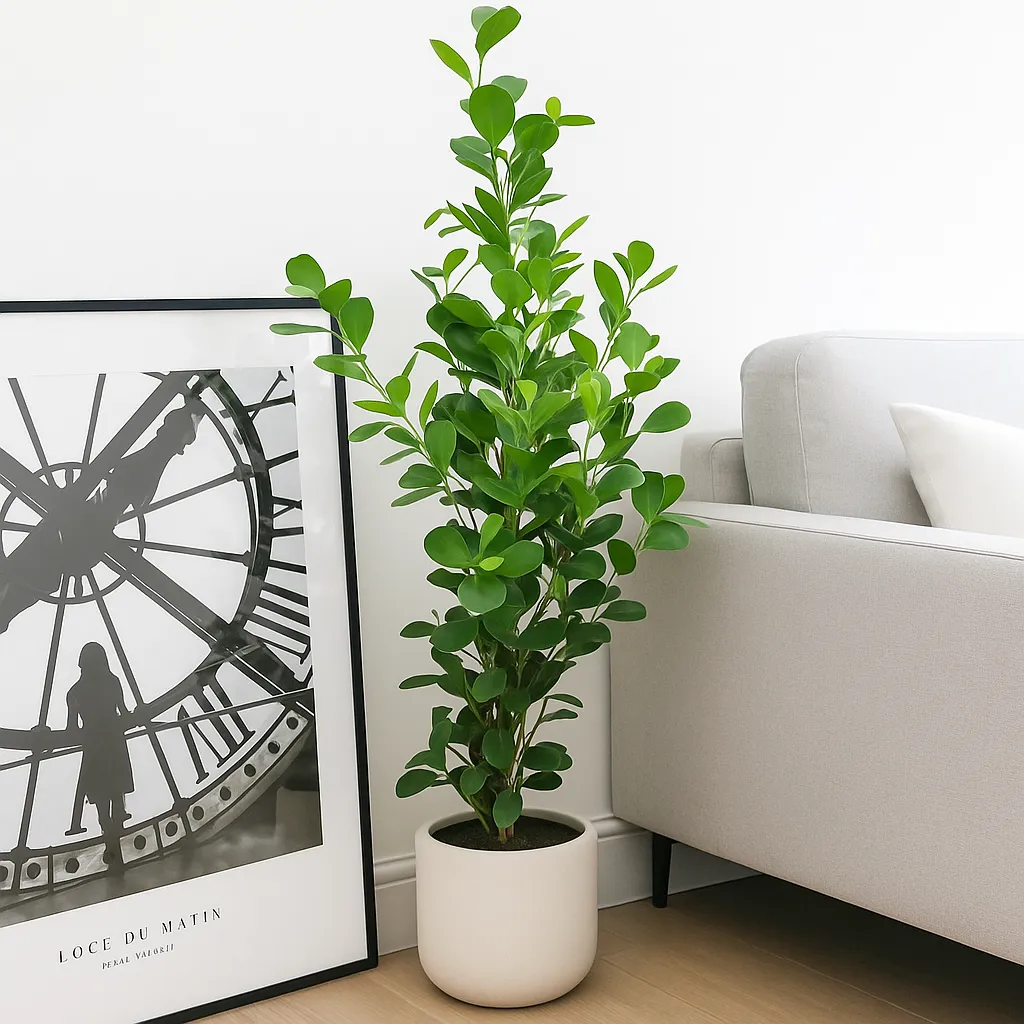
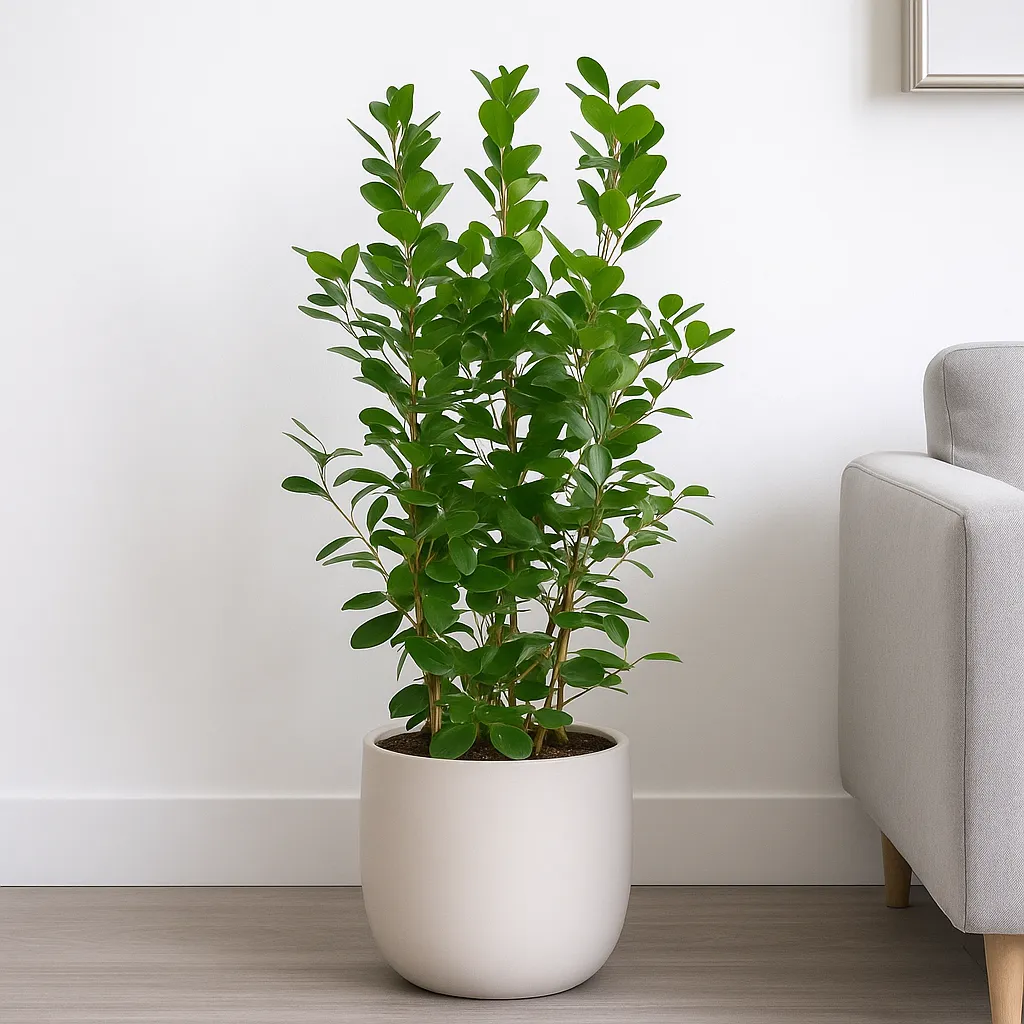
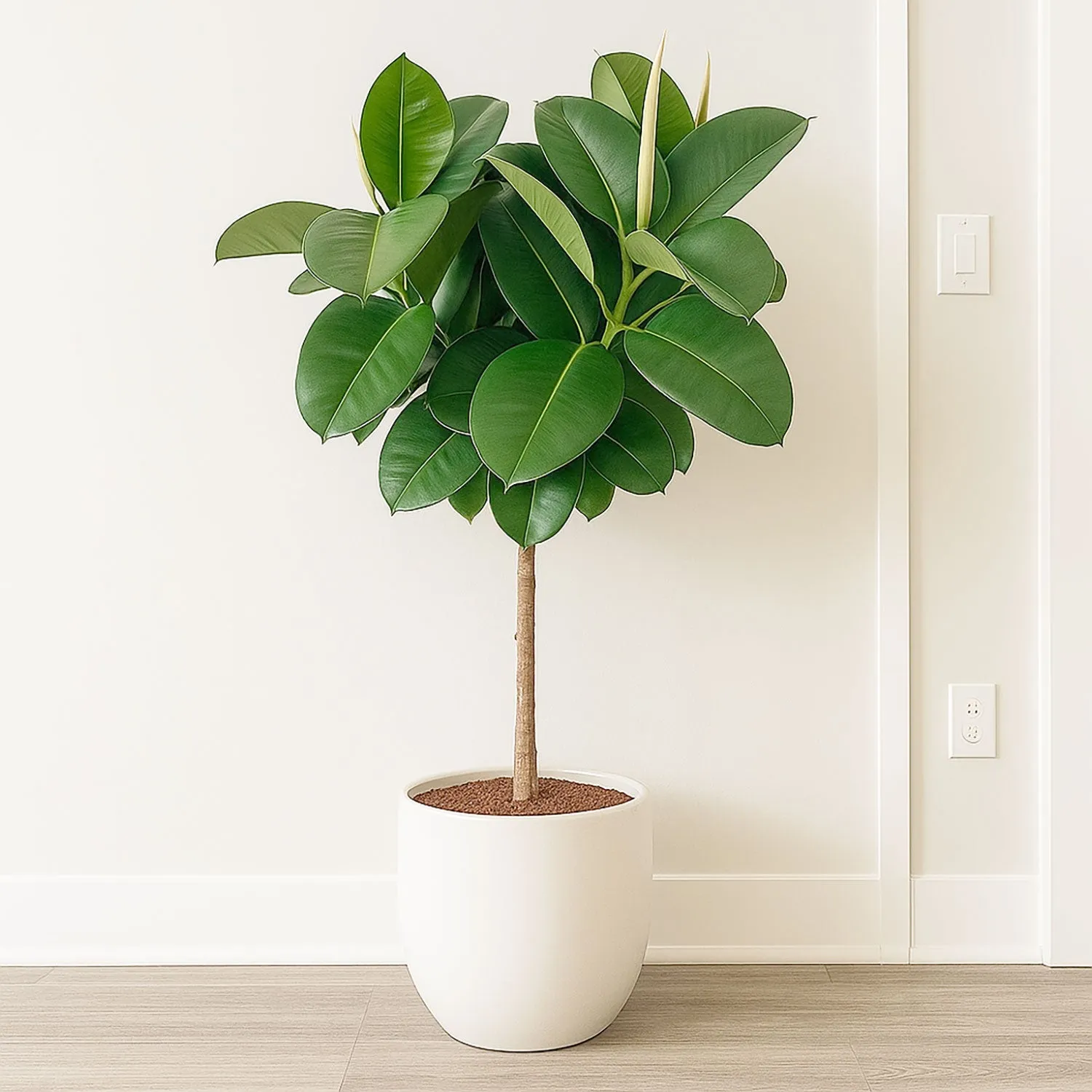
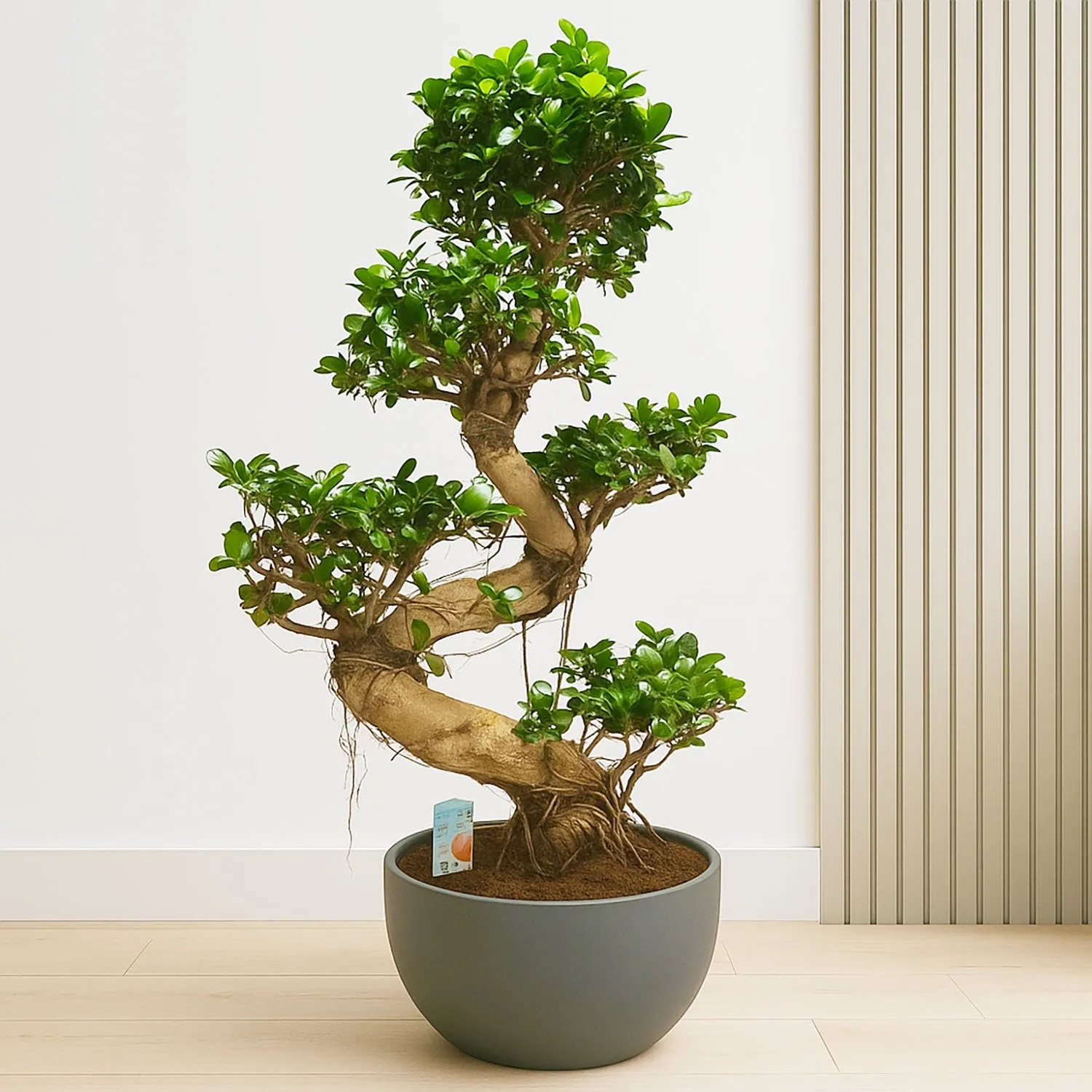
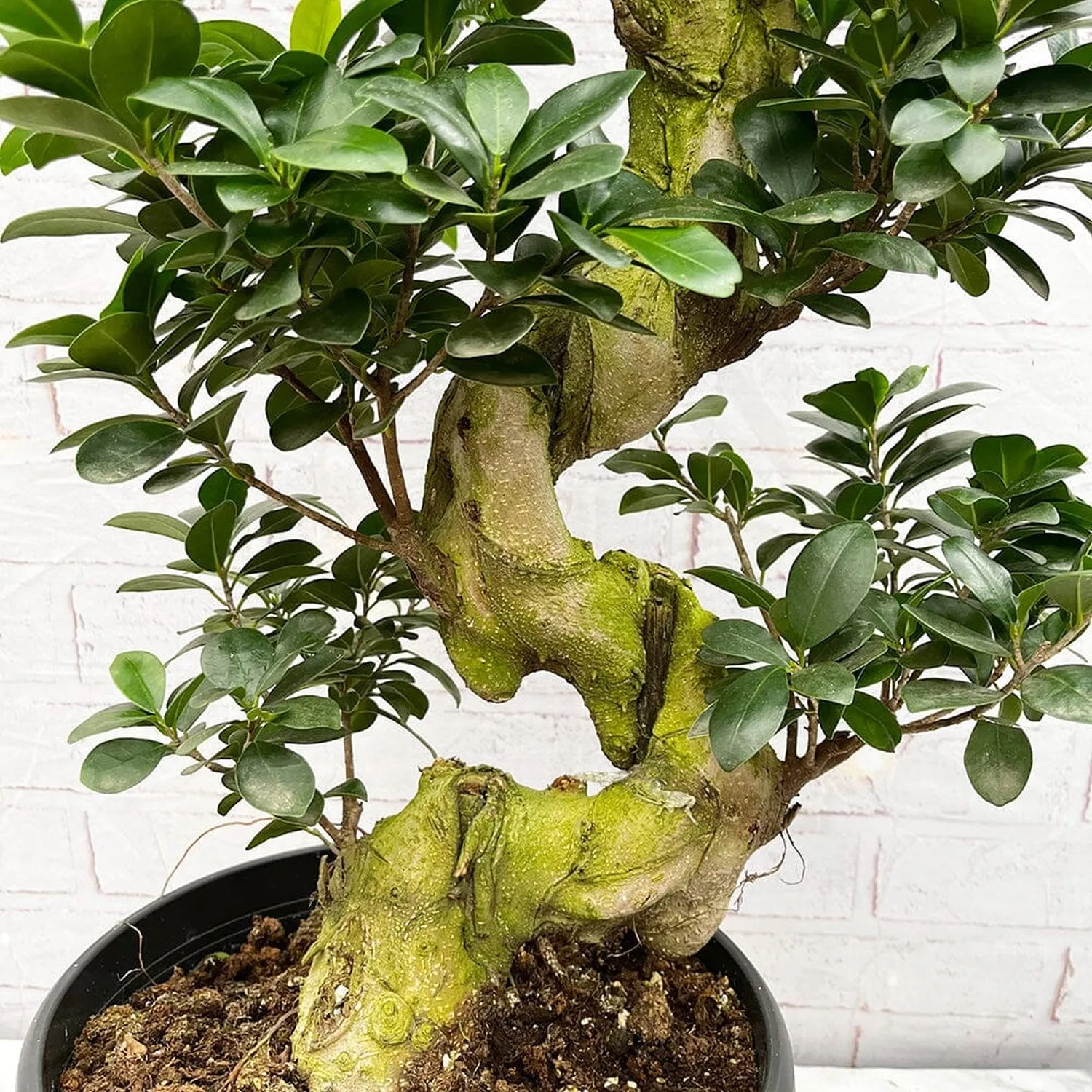
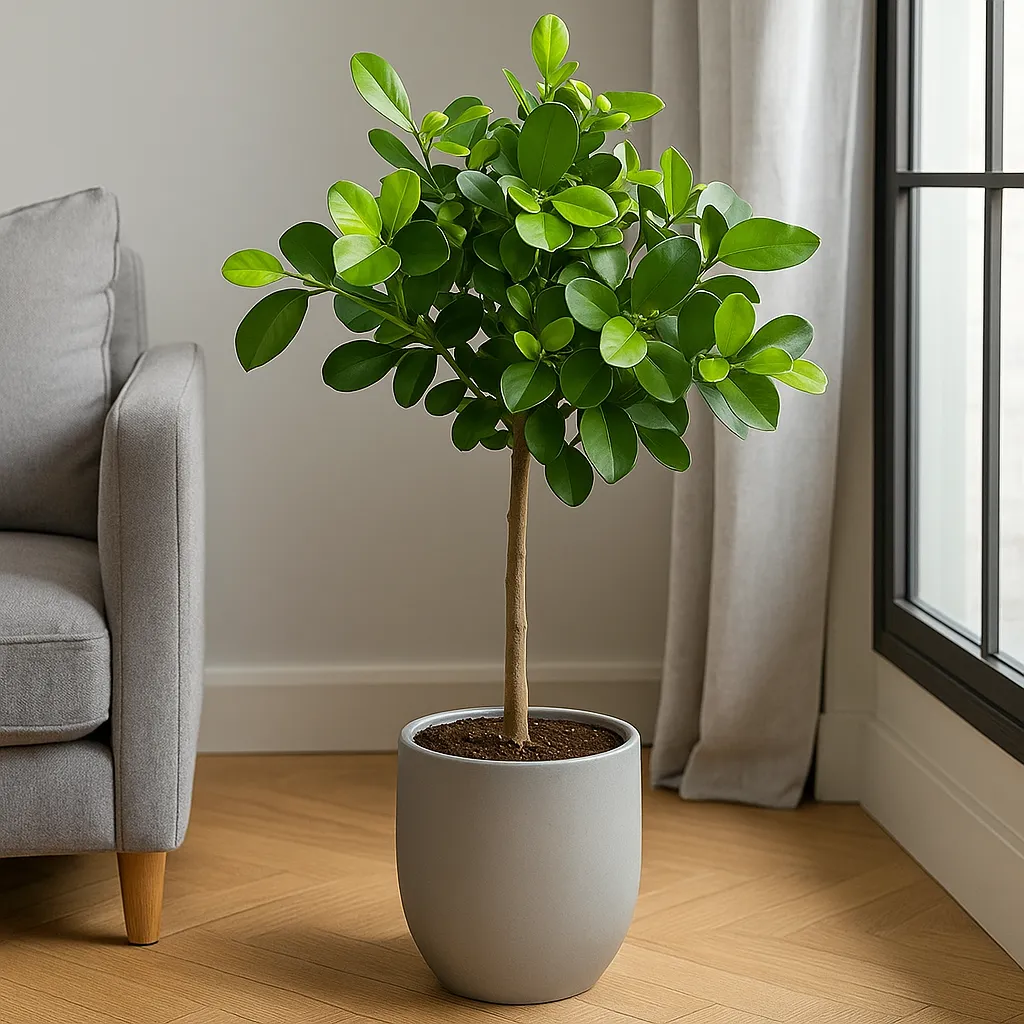
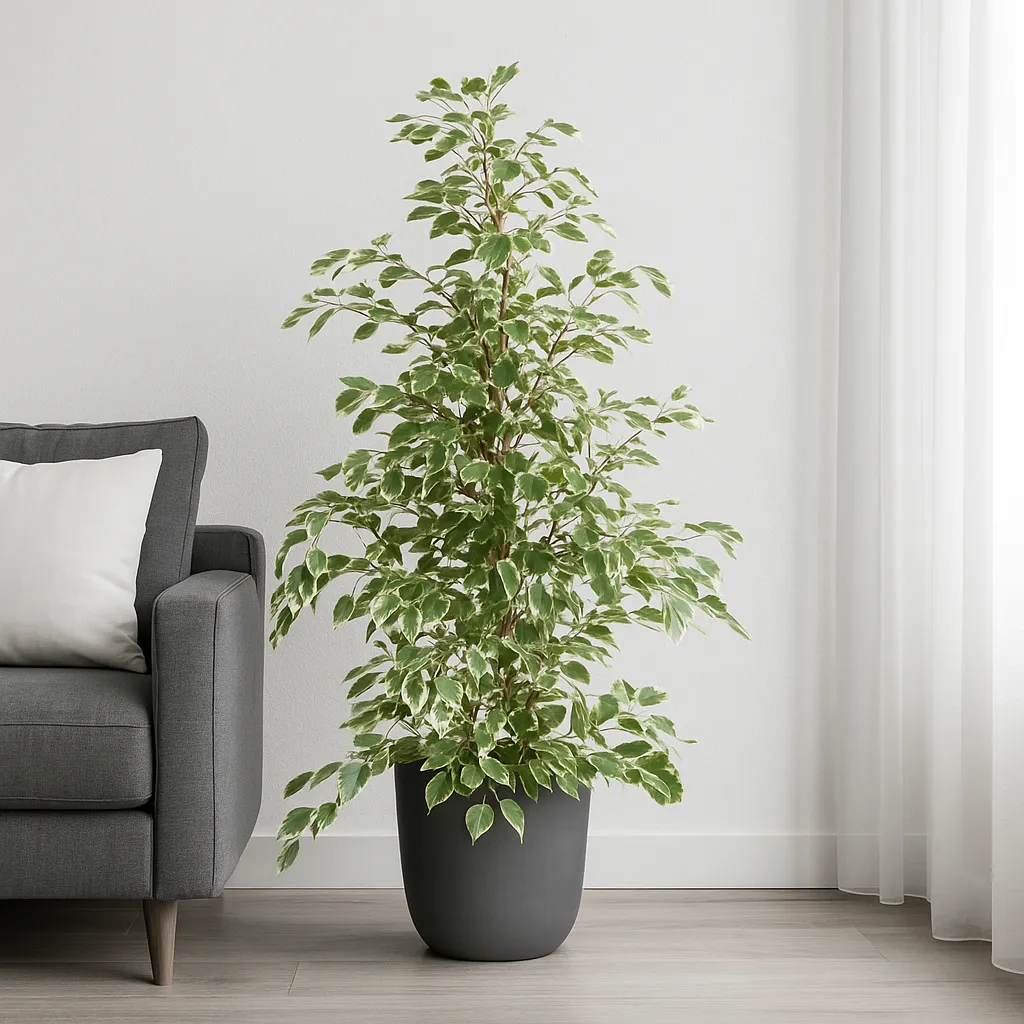
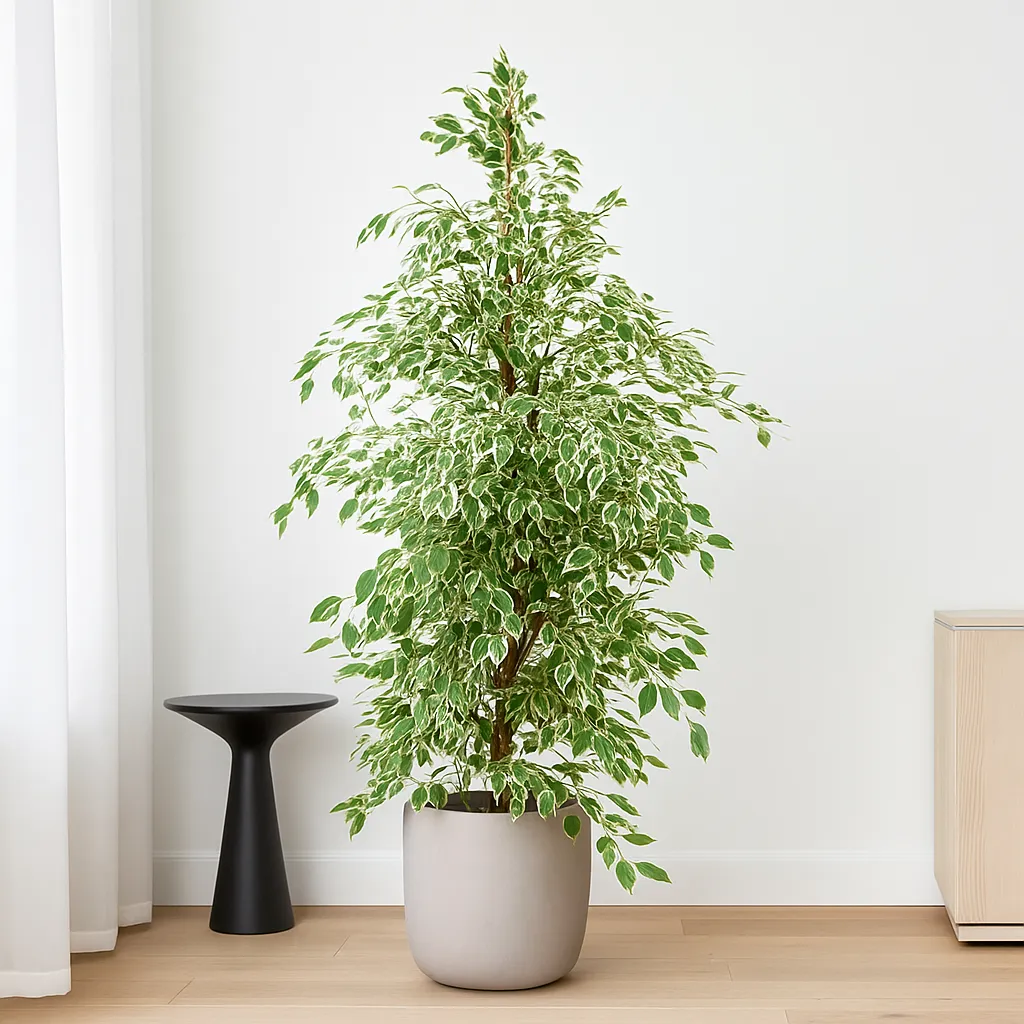
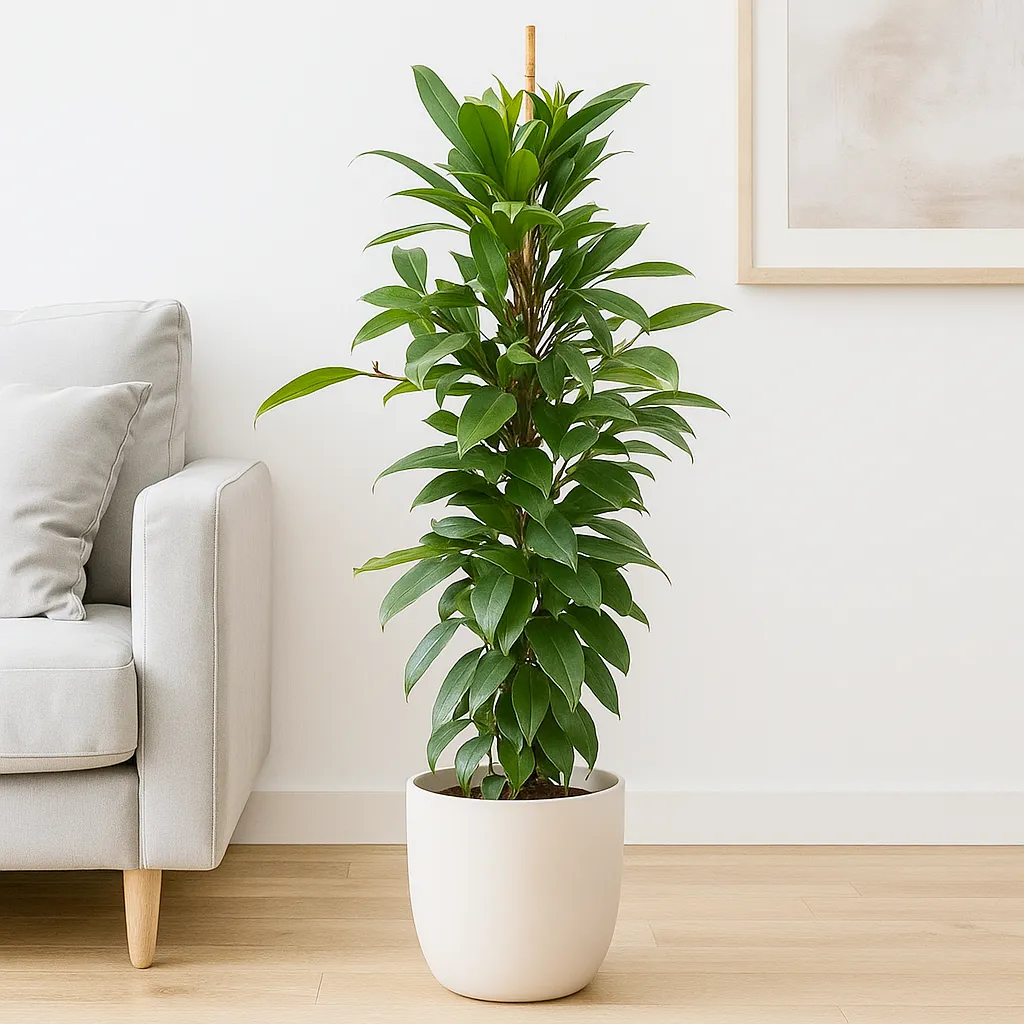
90 - 110cm Ficus Anastasia Rubber Plant 21cm Pot House Plant
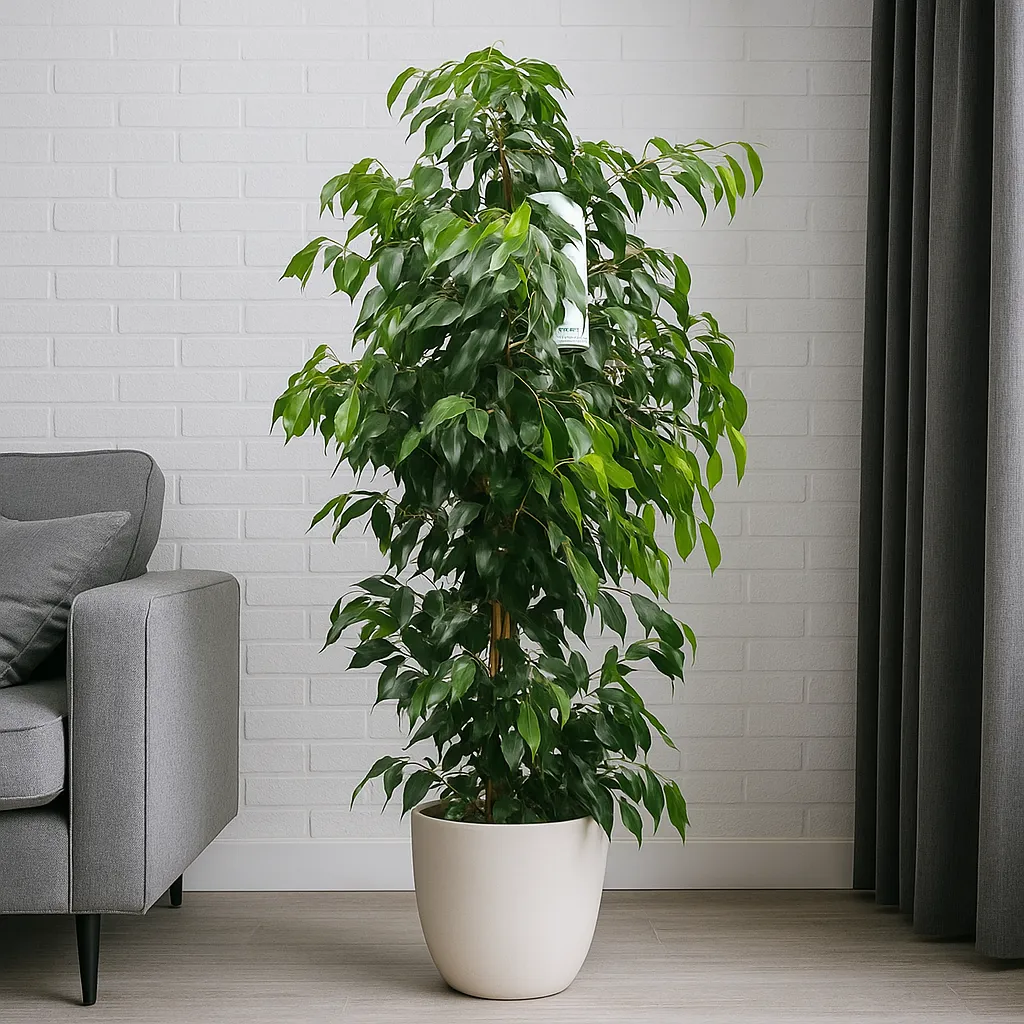
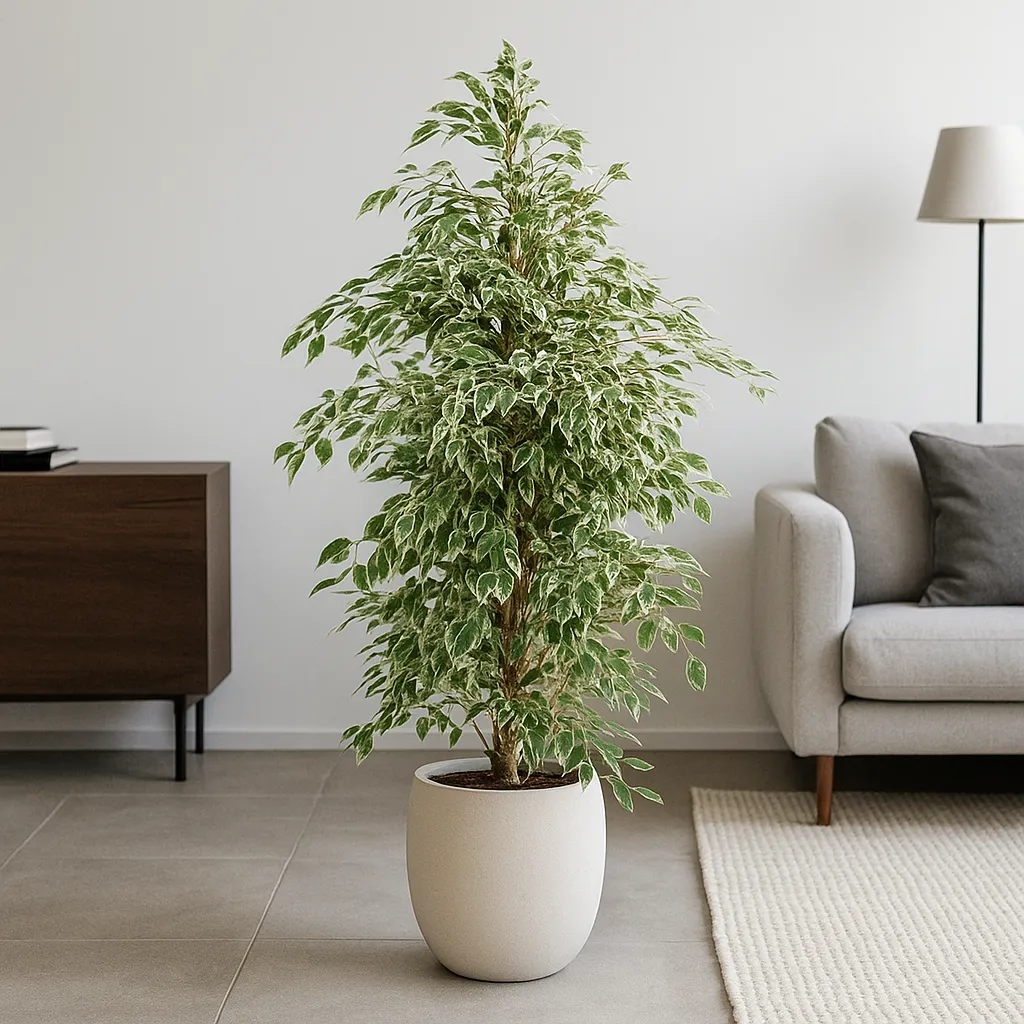
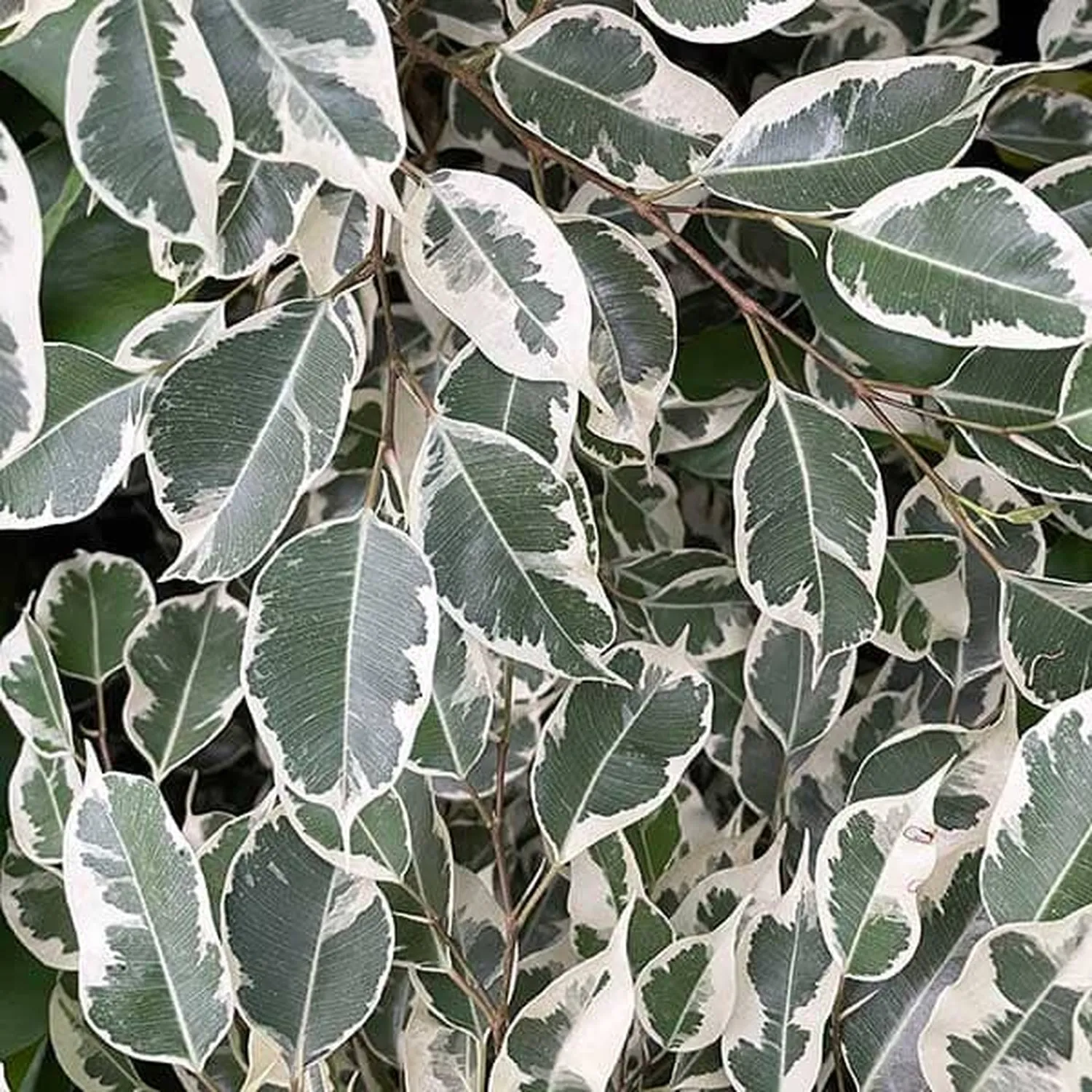
Ficus benjamina ‘Anastasia’ is a graceful and elegant variety of the classic Weeping Fig, celebrated for its rich green foliage, fine branching structure, and naturally cascading form. A member of the Moraceae family and native to Southeast Asia and northern Australia, this tropical evergreen is a timeless statement plant — equally suited to minimalist, biophilic, or classic interiors.
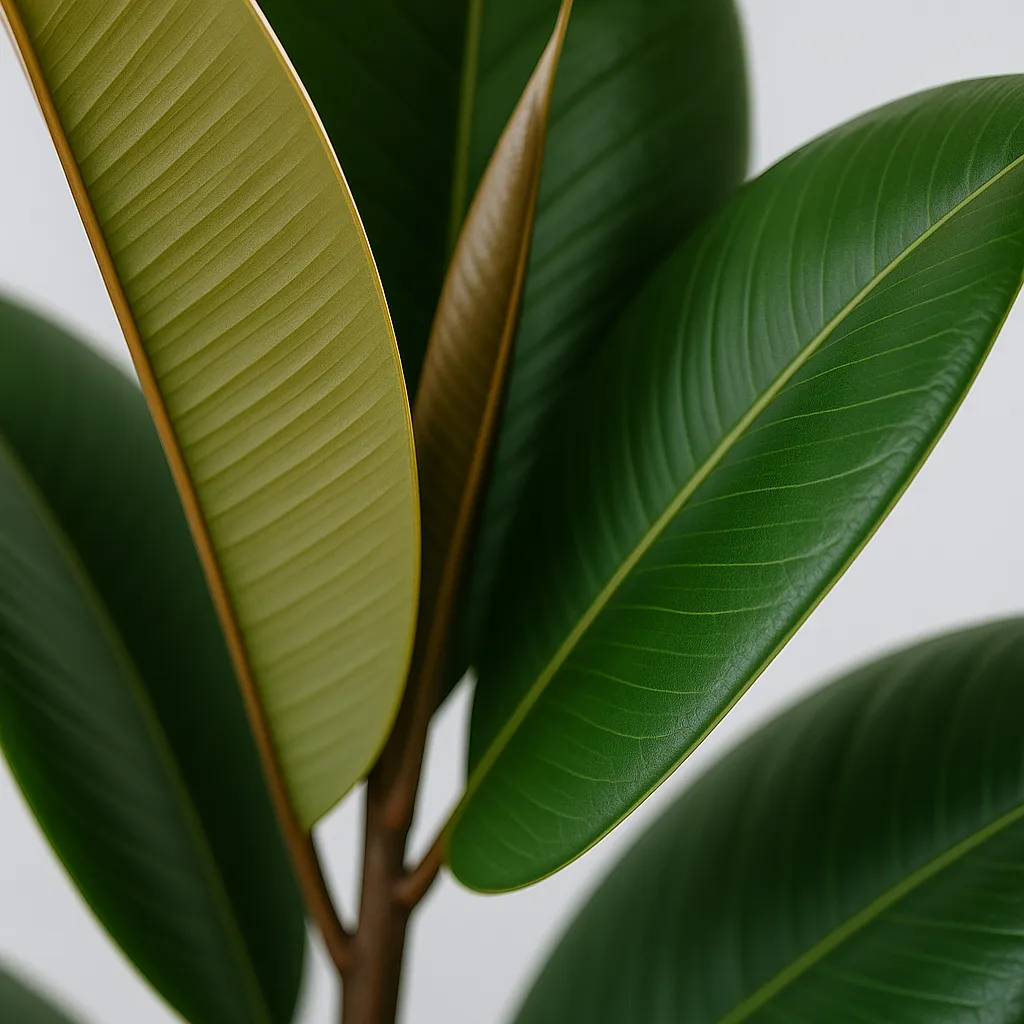
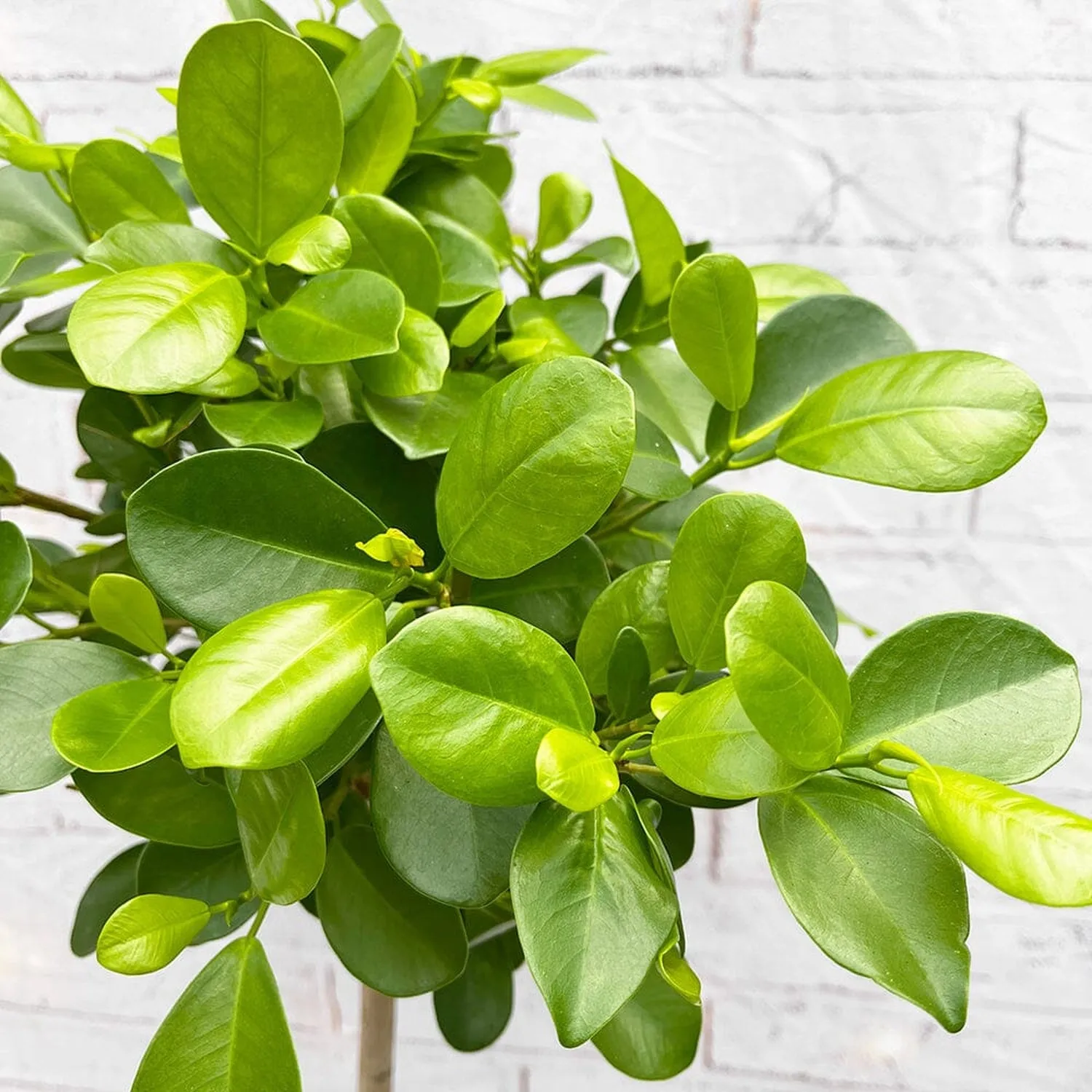
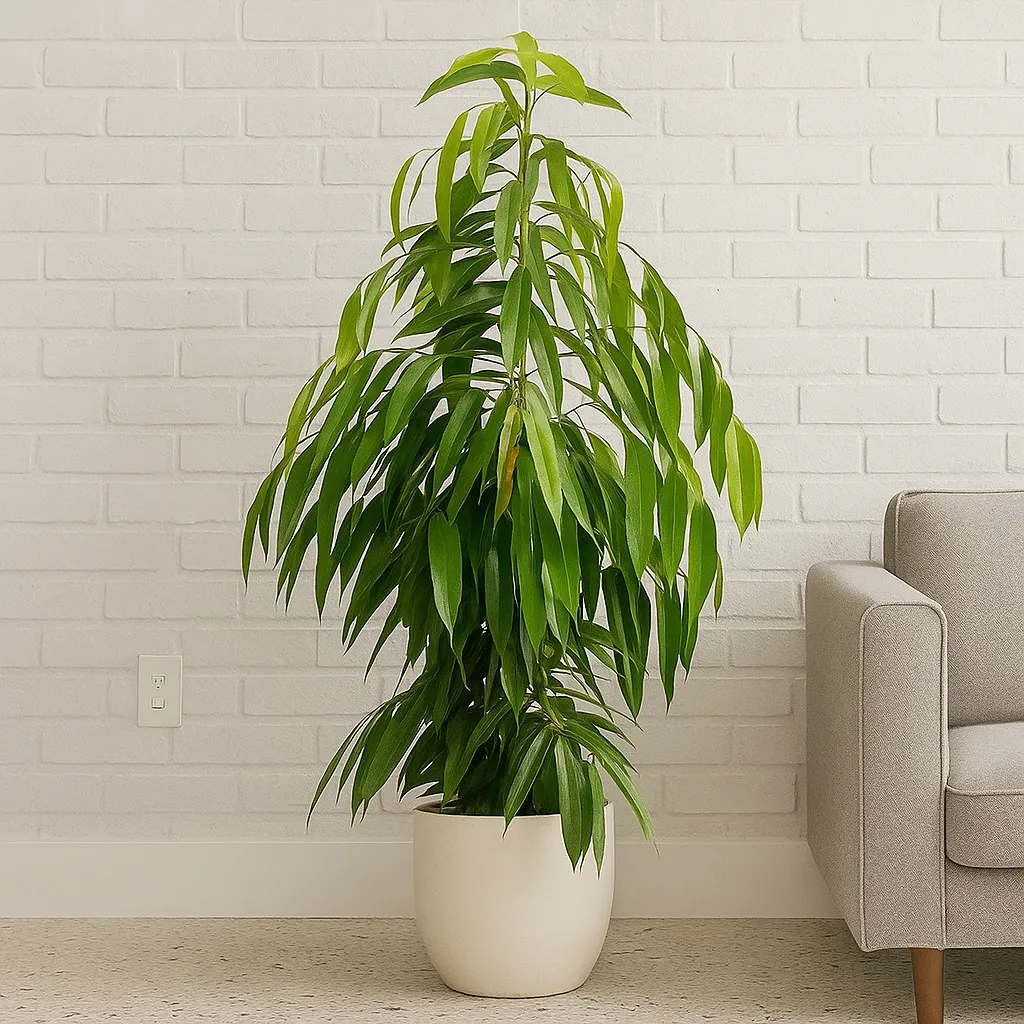
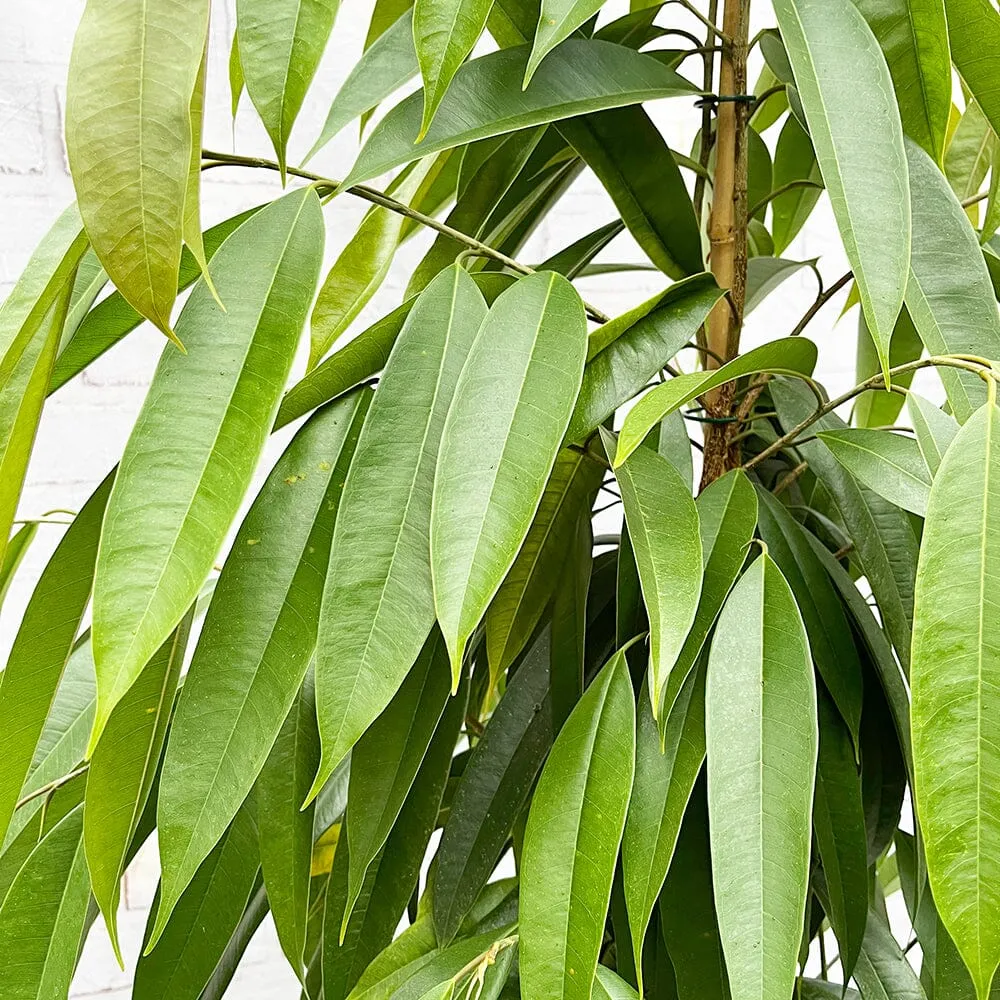
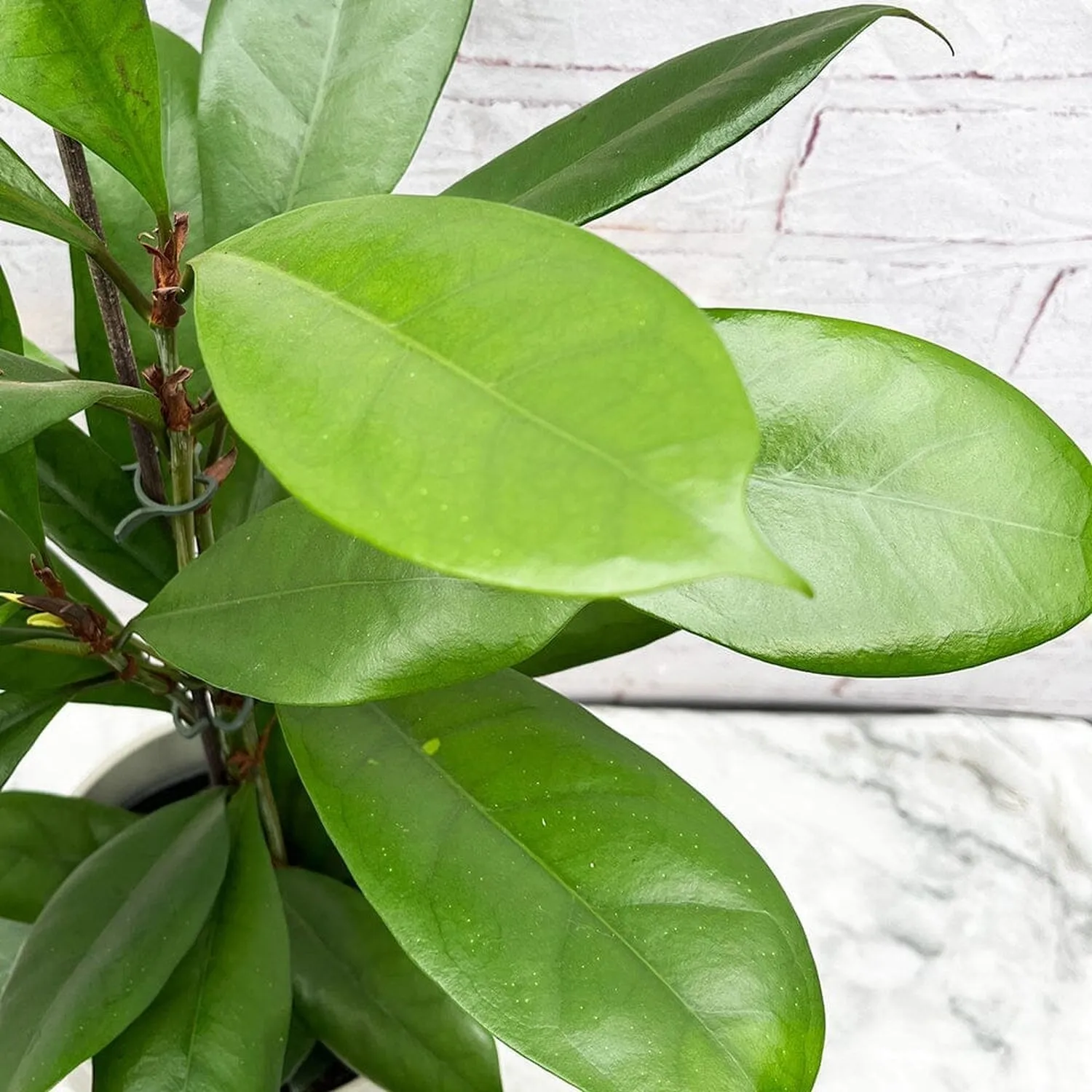
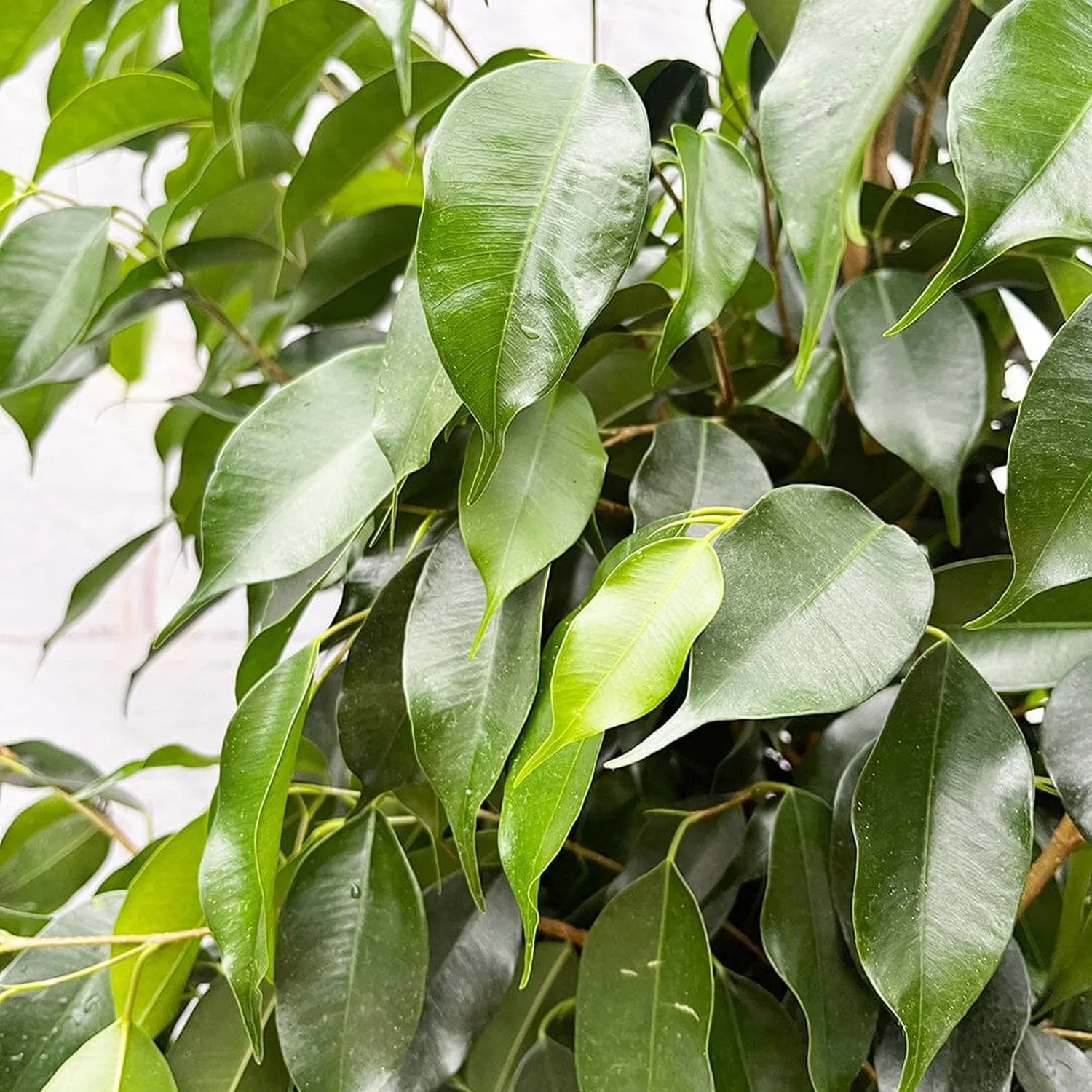
The narrow, glossy leaves are a deep, emerald-green with a smooth, polished texture, arranged densely along arching stems that form a soft, weeping canopy. When cultivated in multi-stem form, ‘Anastasia’ develops a beautifully layered silhouette, creating a full, balanced crown. Its flowing branches and vibrant foliage add a sense of calm movement and freshness to indoor spaces.
Elegant, long-lived, and refined, Ficus benjamina ‘Anastasia’ (Green Form) embodies tropical serenity — a living sculpture that enhances interiors with structure, texture, and a sense of natural grace.
Ficus benjamina ‘Anastasia’ (Green Form) – Care Guide
Light
Thrives in bright, indirect light, but adapts well to moderate light levels. Consistent brightness encourages dense foliage and steady growth. Avoid deep shade, which can cause leaf drop, and harsh direct sunlight, which may scorch the tender leaves.
Watering
Keep the soil lightly moist but never waterlogged. Water when the top 3–5 cm of soil feels dry to the touch. Overwatering can lead to yellowing leaves or root rot, while prolonged dryness may cause leaf drop. In winter, reduce watering frequency slightly.
Temperature and Humidity
-
Temperature: Prefers warmth between 20–28 °C; avoid temperatures below 15 °C and cold draughts.
-
Humidity: Tolerates normal indoor humidity (40–60%) but thrives with moderate levels. Mist occasionally or group with other plants to maintain a stable microclimate, especially in heated rooms.
Soil and Potting
Use a well-draining, fertile potting mix, such as compost combined with perlite and fine bark. This ensures aeration and moisture balance. Repot every 2–3 years in spring to refresh the substrate and allow for root development. Choose a sturdy pot to support its upright growth and graceful canopy.
Feeding
Feed every 4–6 weeks during spring and summer with a diluted, balanced fertiliser designed for foliage plants. Avoid over-fertilising, which can damage roots and cause leaf spotting. Suspend feeding in autumn and winter when growth slows.
Pruning and Maintenance
Prune lightly to maintain shape and manage size. Trim back long or crossing branches to encourage a fuller canopy. Remove any yellowing or damaged leaves as needed. Wipe foliage regularly with a damp cloth to remove dust and highlight its natural gloss. Rotate periodically for even growth and light exposure.
Growth and Maturity
A moderate to fast grower, Ficus ‘Anastasia’ can reach 1.5–2.5 metres indoors, forming a lush, flowing crown with age. It is naturally compact and can be trained as a single-stem tree or allowed to develop multiple trunks for a softer, bushier look. With proper care, this species can live for decades as a long-lasting statement plant.
Common Issues
-
Leaf drop: Low light, cold air, or sudden changes in watering.
-
Yellowing leaves: Overwatering or poor drainage.
-
Brown edges: Low humidity or direct sunlight.
-
Pests: Occasionally mealybugs or scale; treat promptly with neem oil or insecticidal soap.
Background and Benefits
Native to the tropical forests of Southeast Asia, Ficus benjamina is revered for its longevity, resilience, and air-purifying properties. The ‘Anastasia’ (Green Form) cultivar embodies the species’ most refined qualities — clean lines, deep green foliage, and gentle movement. In its natural environment, it grows as a large tree, while indoors it maintains a manageable size with a strong presence.
Like other Ficus species, it is an effective air-purifying plant, removing toxins such as formaldehyde and benzene while releasing oxygen and subtle humidity into the air. Its flowing, tree-like structure introduces calm and organic beauty to both residential and professional interiors.
Quick Care Summary
Light: Bright, indirect light; tolerates moderate light
Water: Allow top 3–5 cm of soil to dry before watering
Temperature: 20–28 °C; avoid below 15 °C
Humidity: Moderate (40–60%)
Soil: Well-draining, fertile mix – compost, perlite, bark
Feed: Every 4–6 weeks in spring/summer
Growth: Upright, arching tree form, 1.5–2.5 m; dense canopy of glossy green leaves
⚠️ Toxicity note: Contains latex sap that can irritate skin and is toxic if ingested. Keep away from pets and children.
Styling Tip
Display Ficus benjamina ‘Anastasia’ (Green Form) in a modern ceramic or terracotta planter to emphasise its elegant canopy and deep green foliage. Its classic weeping form pairs beautifully with lighter plants such as Aglaonema ‘White Joy’ or sculptural species like Philodendron ‘Imperial Green’. Place it in a bright corner, near tall windows, or as a centrepiece in living rooms or offices — where its graceful structure and timeless greenery create a calm, natural focal point.
Original: $39.58
-70%$39.58
$11.87Product Information
Product Information
Shipping & Returns
Shipping & Returns
Description
Ficus benjamina ‘Anastasia’ is a graceful and elegant variety of the classic Weeping Fig, celebrated for its rich green foliage, fine branching structure, and naturally cascading form. A member of the Moraceae family and native to Southeast Asia and northern Australia, this tropical evergreen is a timeless statement plant — equally suited to minimalist, biophilic, or classic interiors.
The narrow, glossy leaves are a deep, emerald-green with a smooth, polished texture, arranged densely along arching stems that form a soft, weeping canopy. When cultivated in multi-stem form, ‘Anastasia’ develops a beautifully layered silhouette, creating a full, balanced crown. Its flowing branches and vibrant foliage add a sense of calm movement and freshness to indoor spaces.
Elegant, long-lived, and refined, Ficus benjamina ‘Anastasia’ (Green Form) embodies tropical serenity — a living sculpture that enhances interiors with structure, texture, and a sense of natural grace.
Ficus benjamina ‘Anastasia’ (Green Form) – Care Guide
Light
Thrives in bright, indirect light, but adapts well to moderate light levels. Consistent brightness encourages dense foliage and steady growth. Avoid deep shade, which can cause leaf drop, and harsh direct sunlight, which may scorch the tender leaves.
Watering
Keep the soil lightly moist but never waterlogged. Water when the top 3–5 cm of soil feels dry to the touch. Overwatering can lead to yellowing leaves or root rot, while prolonged dryness may cause leaf drop. In winter, reduce watering frequency slightly.
Temperature and Humidity
-
Temperature: Prefers warmth between 20–28 °C; avoid temperatures below 15 °C and cold draughts.
-
Humidity: Tolerates normal indoor humidity (40–60%) but thrives with moderate levels. Mist occasionally or group with other plants to maintain a stable microclimate, especially in heated rooms.
Soil and Potting
Use a well-draining, fertile potting mix, such as compost combined with perlite and fine bark. This ensures aeration and moisture balance. Repot every 2–3 years in spring to refresh the substrate and allow for root development. Choose a sturdy pot to support its upright growth and graceful canopy.
Feeding
Feed every 4–6 weeks during spring and summer with a diluted, balanced fertiliser designed for foliage plants. Avoid over-fertilising, which can damage roots and cause leaf spotting. Suspend feeding in autumn and winter when growth slows.
Pruning and Maintenance
Prune lightly to maintain shape and manage size. Trim back long or crossing branches to encourage a fuller canopy. Remove any yellowing or damaged leaves as needed. Wipe foliage regularly with a damp cloth to remove dust and highlight its natural gloss. Rotate periodically for even growth and light exposure.
Growth and Maturity
A moderate to fast grower, Ficus ‘Anastasia’ can reach 1.5–2.5 metres indoors, forming a lush, flowing crown with age. It is naturally compact and can be trained as a single-stem tree or allowed to develop multiple trunks for a softer, bushier look. With proper care, this species can live for decades as a long-lasting statement plant.
Common Issues
-
Leaf drop: Low light, cold air, or sudden changes in watering.
-
Yellowing leaves: Overwatering or poor drainage.
-
Brown edges: Low humidity or direct sunlight.
-
Pests: Occasionally mealybugs or scale; treat promptly with neem oil or insecticidal soap.
Background and Benefits
Native to the tropical forests of Southeast Asia, Ficus benjamina is revered for its longevity, resilience, and air-purifying properties. The ‘Anastasia’ (Green Form) cultivar embodies the species’ most refined qualities — clean lines, deep green foliage, and gentle movement. In its natural environment, it grows as a large tree, while indoors it maintains a manageable size with a strong presence.
Like other Ficus species, it is an effective air-purifying plant, removing toxins such as formaldehyde and benzene while releasing oxygen and subtle humidity into the air. Its flowing, tree-like structure introduces calm and organic beauty to both residential and professional interiors.
Quick Care Summary
Light: Bright, indirect light; tolerates moderate light
Water: Allow top 3–5 cm of soil to dry before watering
Temperature: 20–28 °C; avoid below 15 °C
Humidity: Moderate (40–60%)
Soil: Well-draining, fertile mix – compost, perlite, bark
Feed: Every 4–6 weeks in spring/summer
Growth: Upright, arching tree form, 1.5–2.5 m; dense canopy of glossy green leaves
⚠️ Toxicity note: Contains latex sap that can irritate skin and is toxic if ingested. Keep away from pets and children.
Styling Tip
Display Ficus benjamina ‘Anastasia’ (Green Form) in a modern ceramic or terracotta planter to emphasise its elegant canopy and deep green foliage. Its classic weeping form pairs beautifully with lighter plants such as Aglaonema ‘White Joy’ or sculptural species like Philodendron ‘Imperial Green’. Place it in a bright corner, near tall windows, or as a centrepiece in living rooms or offices — where its graceful structure and timeless greenery create a calm, natural focal point.