Adenia Perrieri House Plant 8cm Pot
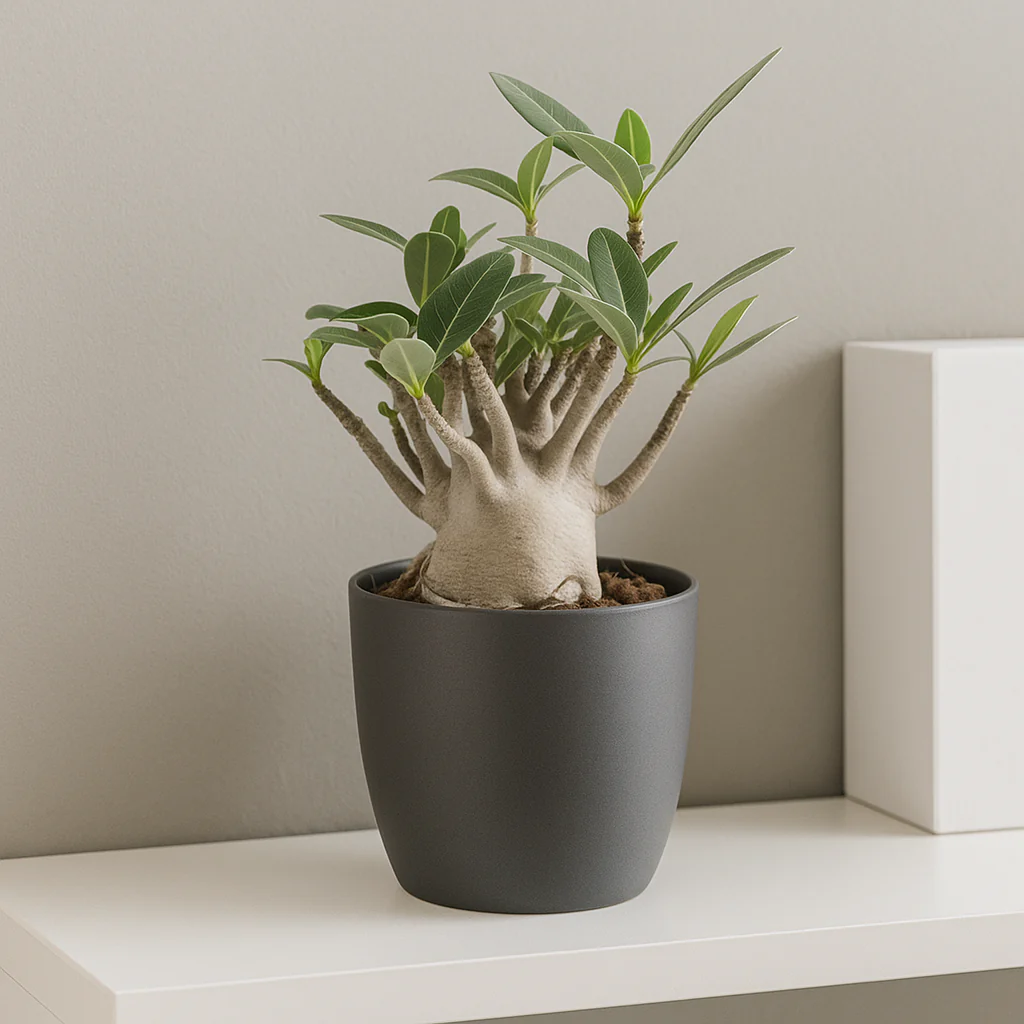
Adenia perrieri is an extraordinary caudiciform succulent native to Madagascar, renowned for its swollen trunk-like caudex, climbing stems, and striking sculptural appearance. Highly sought after by collectors of unusual plants, this rare species stores water within its enlarged base, allowing it to survive long periods of drought in its natural habitat.
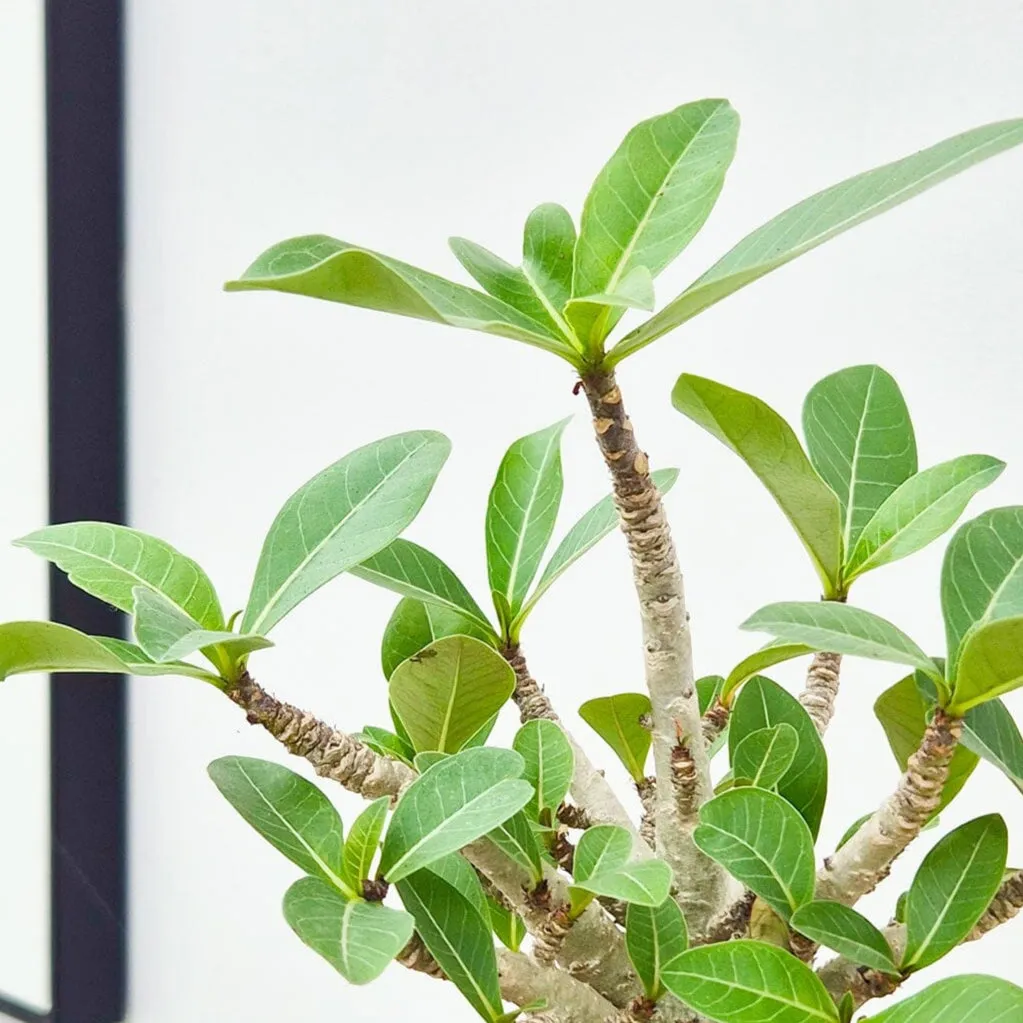
As the plant matures, the caudex develops characterful textures and shapes, making every specimen unique. During the growing season, slender vines emerge from the caudex, producing attractive green foliage that contrasts beautifully with the rugged base. Its distinctive growth habit makes Adenia perrieri a true statement plant for collectors of rare succulents and caudiciforms.
Plant Information
- Botanical Name: Adenia perrieri
- Common Name: Adenia perrieri
- Family: Passifloraceae
- Origin: Madagascar
- Growth Habit: Caudiciform climbing succulent
- Difficulty: Intermediate
- Pet Safe: No. Like many Adenia species, all parts of the plant should be considered toxic if ingested.
Light Requirements
Adenia perrieri thrives in bright conditions and benefits from plenty of light throughout the year.
Ideal conditions:
- Bright indirect light
- Several hours of morning or late afternoon sun
- South or west-facing windows
- Greenhouse growing
Avoid:
- Deep shade
- Prolonged low-light conditions
- Sudden exposure to intense midday summer sun
Good light levels encourage compact growth and healthy caudex development.
Watering
Watering requirements vary significantly between the growing season and dormancy.
During active growth:
- Water thoroughly when the compost has almost completely dried out
- Allow excess water to drain freely
During dormancy:
- Reduce watering dramatically
- Water only enough to prevent excessive shrivelling of the caudex
Avoid:
- Constantly wet compost
- Waterlogged roots
- Frequent watering during dormancy
Overwatering is the most common cause of plant loss.
Humidity
Adenia perrieri prefers relatively dry air and adapts well to typical indoor conditions.
Ideal humidity:
- 40–60%
No additional humidity is normally required.
Temperature
As a Madagascan species, Adenia perrieri enjoys warm temperatures.
Ideal range:
- 18°C – 30°C
Winter minimum:
- 10°C
Avoid:
- Frost
- Cold draughts
- Extended periods below 10°C
Warmth encourages vigorous seasonal growth.
Soil and Potting Mix
Excellent drainage is essential.
Recommended mix:
- Cactus compost
- Pumice or perlite
- Coarse horticultural grit
- Fine bark
The growing medium should dry relatively quickly after watering while retaining enough moisture for root development.
Pot choice:
- Terracotta pots are ideal
- Ensure drainage holes are present
Feeding
Feed sparingly during active growth.
Recommended:
- Low-strength cactus or succulent fertiliser
- Every 4–6 weeks during spring and summer
Do not fertilise during dormancy.
Growth and Dormancy
Adenia perrieri follows a seasonal growth cycle.
Growing season:
- Produces climbing vines and foliage
- Requires regular watering and warmth
Dormant season:
- May shed some or all leaves
- Growth slows or stops
- Watering should be reduced significantly
Leaf loss during dormancy is normal and should not be mistaken for poor health.
Common Problems
Soft Caudex
Usually caused by overwatering and potential root rot.
Yellow Leaves
Often occur naturally before dormancy but can also indicate excess moisture.
Leggy Growth
Typically caused by insufficient light.
Failure to Grow
May occur if temperatures are too cool or the plant remains dormant.
Repotting
Repot only when necessary, usually every 2–3 years.
Best time:
- Early spring before active growth begins
Avoid planting the caudex too deeply, as exposing part of the swollen base helps showcase its unique form and reduces the risk of rot.
Propagation
Adenia perrieri is generally propagated from seed.
Seed-grown specimens develop the most attractive caudex formations and are highly valued by collectors.
Why Collectors Love Adenia perrieri
Adenia perrieri is one of the most distinctive caudiciform plants available to collectors. Its swollen water-storing caudex, seasonal vines, and sculptural growth habit create a living piece of botanical art. With proper care and patience, it develops increasing character with age, making it a prized addition to any collection of rare succulents, caudiciforms, or Madagascan plants.
Please note: Adenia species contain toxic compounds and should be kept out of reach of children and pets.
Original: $79.17
-70%$79.17
$23.75Product Information
Product Information
Shipping & Returns
Shipping & Returns
Description
Adenia perrieri is an extraordinary caudiciform succulent native to Madagascar, renowned for its swollen trunk-like caudex, climbing stems, and striking sculptural appearance. Highly sought after by collectors of unusual plants, this rare species stores water within its enlarged base, allowing it to survive long periods of drought in its natural habitat.
As the plant matures, the caudex develops characterful textures and shapes, making every specimen unique. During the growing season, slender vines emerge from the caudex, producing attractive green foliage that contrasts beautifully with the rugged base. Its distinctive growth habit makes Adenia perrieri a true statement plant for collectors of rare succulents and caudiciforms.
Plant Information
- Botanical Name: Adenia perrieri
- Common Name: Adenia perrieri
- Family: Passifloraceae
- Origin: Madagascar
- Growth Habit: Caudiciform climbing succulent
- Difficulty: Intermediate
- Pet Safe: No. Like many Adenia species, all parts of the plant should be considered toxic if ingested.
Light Requirements
Adenia perrieri thrives in bright conditions and benefits from plenty of light throughout the year.
Ideal conditions:
- Bright indirect light
- Several hours of morning or late afternoon sun
- South or west-facing windows
- Greenhouse growing
Avoid:
- Deep shade
- Prolonged low-light conditions
- Sudden exposure to intense midday summer sun
Good light levels encourage compact growth and healthy caudex development.
Watering
Watering requirements vary significantly between the growing season and dormancy.
During active growth:
- Water thoroughly when the compost has almost completely dried out
- Allow excess water to drain freely
During dormancy:
- Reduce watering dramatically
- Water only enough to prevent excessive shrivelling of the caudex
Avoid:
- Constantly wet compost
- Waterlogged roots
- Frequent watering during dormancy
Overwatering is the most common cause of plant loss.
Humidity
Adenia perrieri prefers relatively dry air and adapts well to typical indoor conditions.
Ideal humidity:
- 40–60%
No additional humidity is normally required.
Temperature
As a Madagascan species, Adenia perrieri enjoys warm temperatures.
Ideal range:
- 18°C – 30°C
Winter minimum:
- 10°C
Avoid:
- Frost
- Cold draughts
- Extended periods below 10°C
Warmth encourages vigorous seasonal growth.
Soil and Potting Mix
Excellent drainage is essential.
Recommended mix:
- Cactus compost
- Pumice or perlite
- Coarse horticultural grit
- Fine bark
The growing medium should dry relatively quickly after watering while retaining enough moisture for root development.
Pot choice:
- Terracotta pots are ideal
- Ensure drainage holes are present
Feeding
Feed sparingly during active growth.
Recommended:
- Low-strength cactus or succulent fertiliser
- Every 4–6 weeks during spring and summer
Do not fertilise during dormancy.
Growth and Dormancy
Adenia perrieri follows a seasonal growth cycle.
Growing season:
- Produces climbing vines and foliage
- Requires regular watering and warmth
Dormant season:
- May shed some or all leaves
- Growth slows or stops
- Watering should be reduced significantly
Leaf loss during dormancy is normal and should not be mistaken for poor health.
Common Problems
Soft Caudex
Usually caused by overwatering and potential root rot.
Yellow Leaves
Often occur naturally before dormancy but can also indicate excess moisture.
Leggy Growth
Typically caused by insufficient light.
Failure to Grow
May occur if temperatures are too cool or the plant remains dormant.
Repotting
Repot only when necessary, usually every 2–3 years.
Best time:
- Early spring before active growth begins
Avoid planting the caudex too deeply, as exposing part of the swollen base helps showcase its unique form and reduces the risk of rot.
Propagation
Adenia perrieri is generally propagated from seed.
Seed-grown specimens develop the most attractive caudex formations and are highly valued by collectors.
Why Collectors Love Adenia perrieri
Adenia perrieri is one of the most distinctive caudiciform plants available to collectors. Its swollen water-storing caudex, seasonal vines, and sculptural growth habit create a living piece of botanical art. With proper care and patience, it develops increasing character with age, making it a prized addition to any collection of rare succulents, caudiciforms, or Madagascan plants.
Please note: Adenia species contain toxic compounds and should be kept out of reach of children and pets.