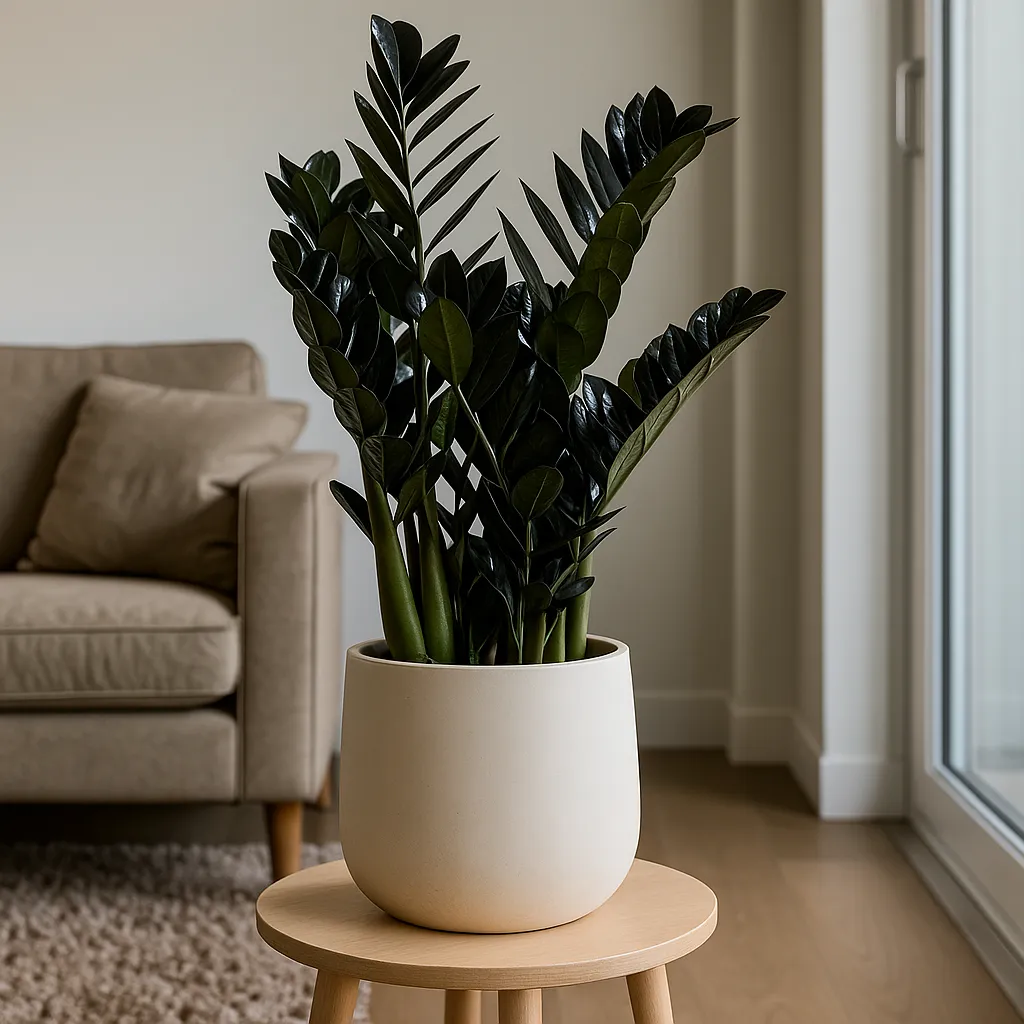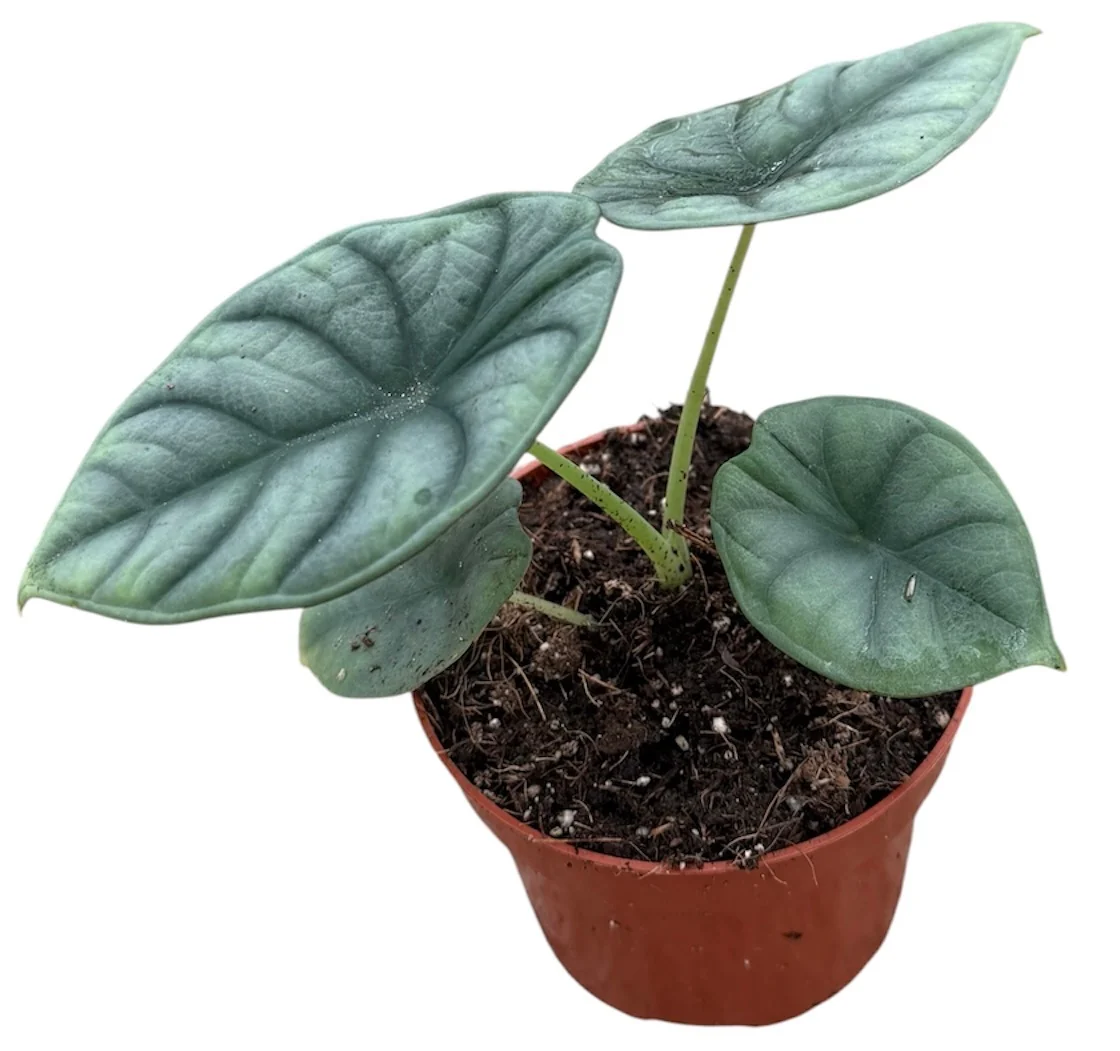
Alocasia Nebula 10.5cm Pot 15cm Height House Plant
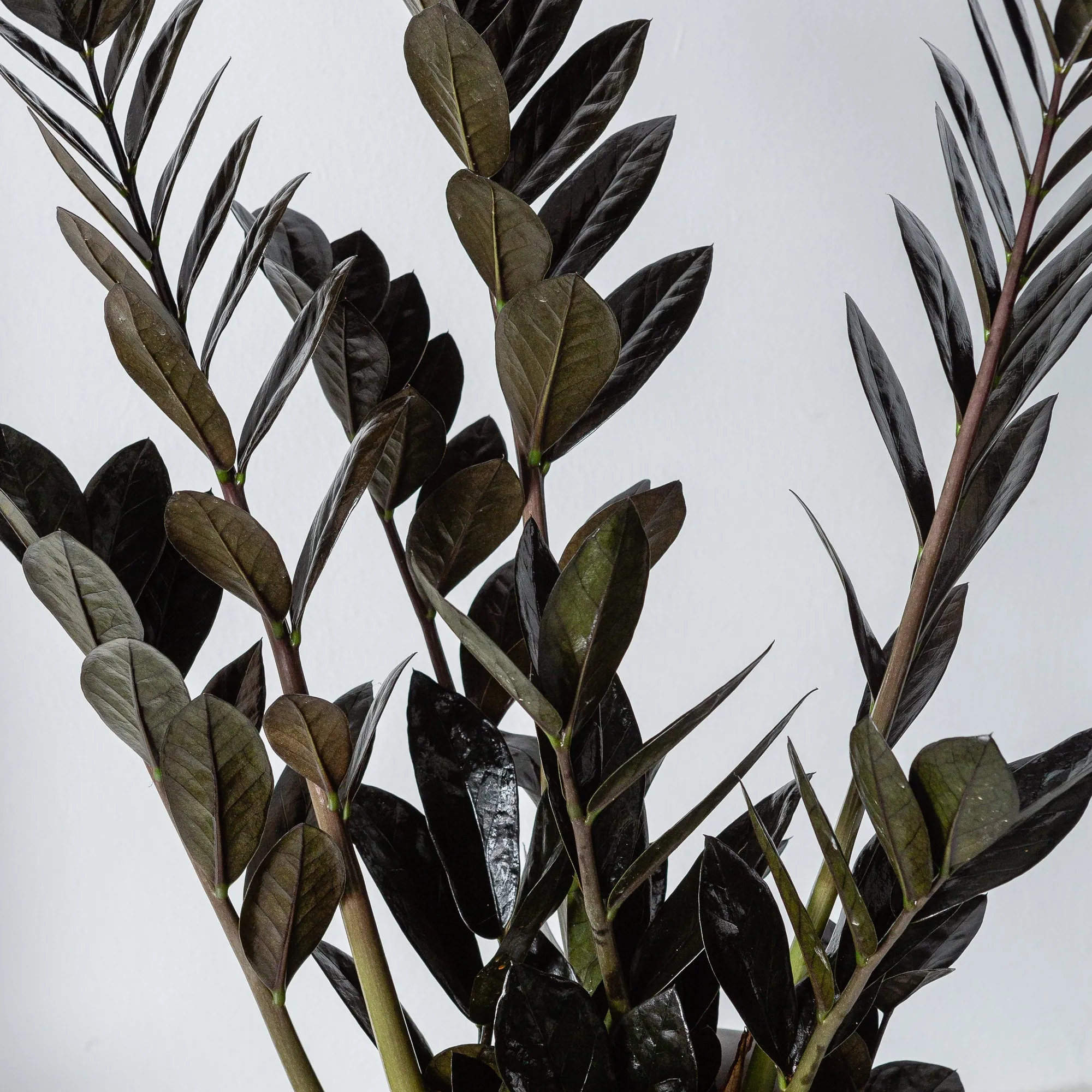
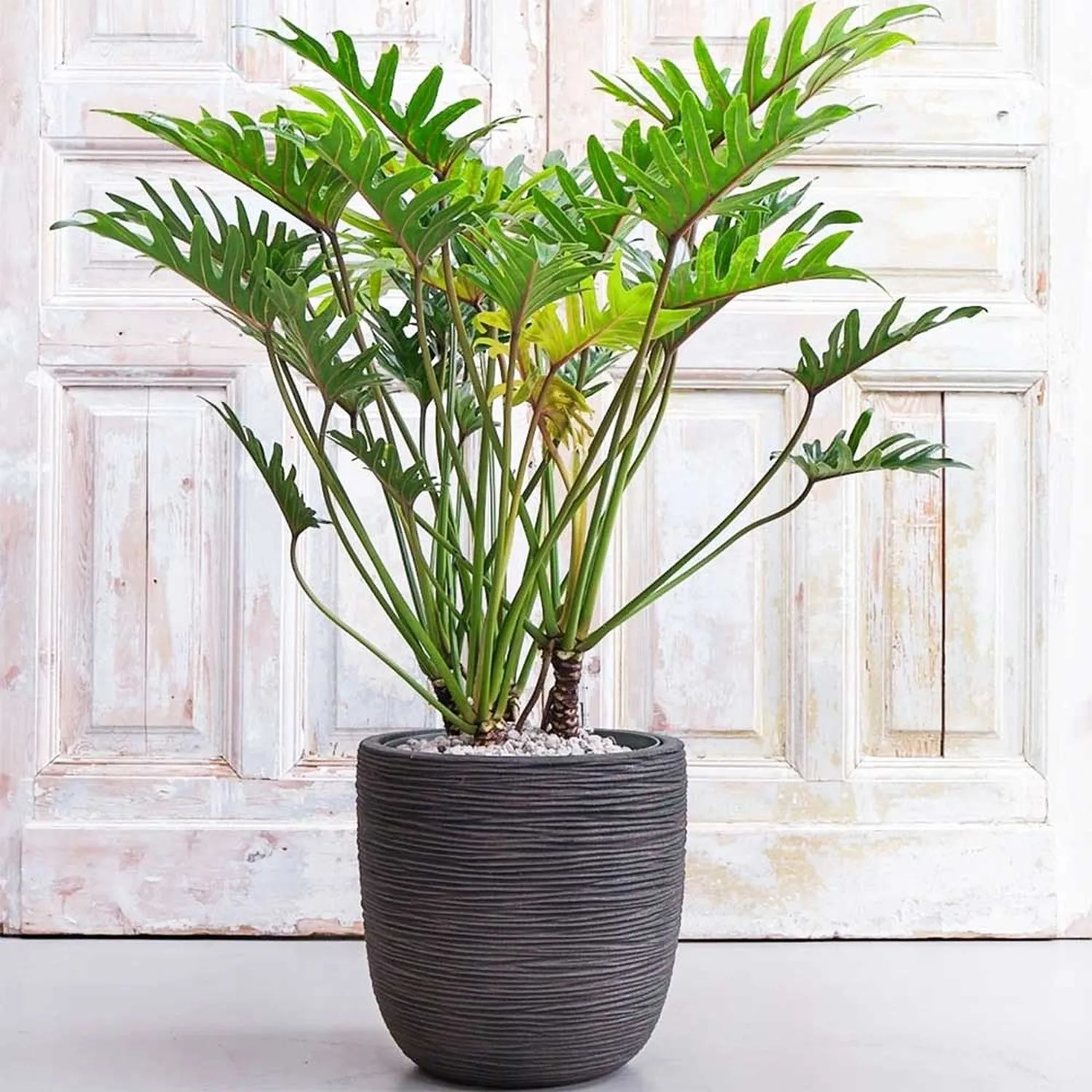
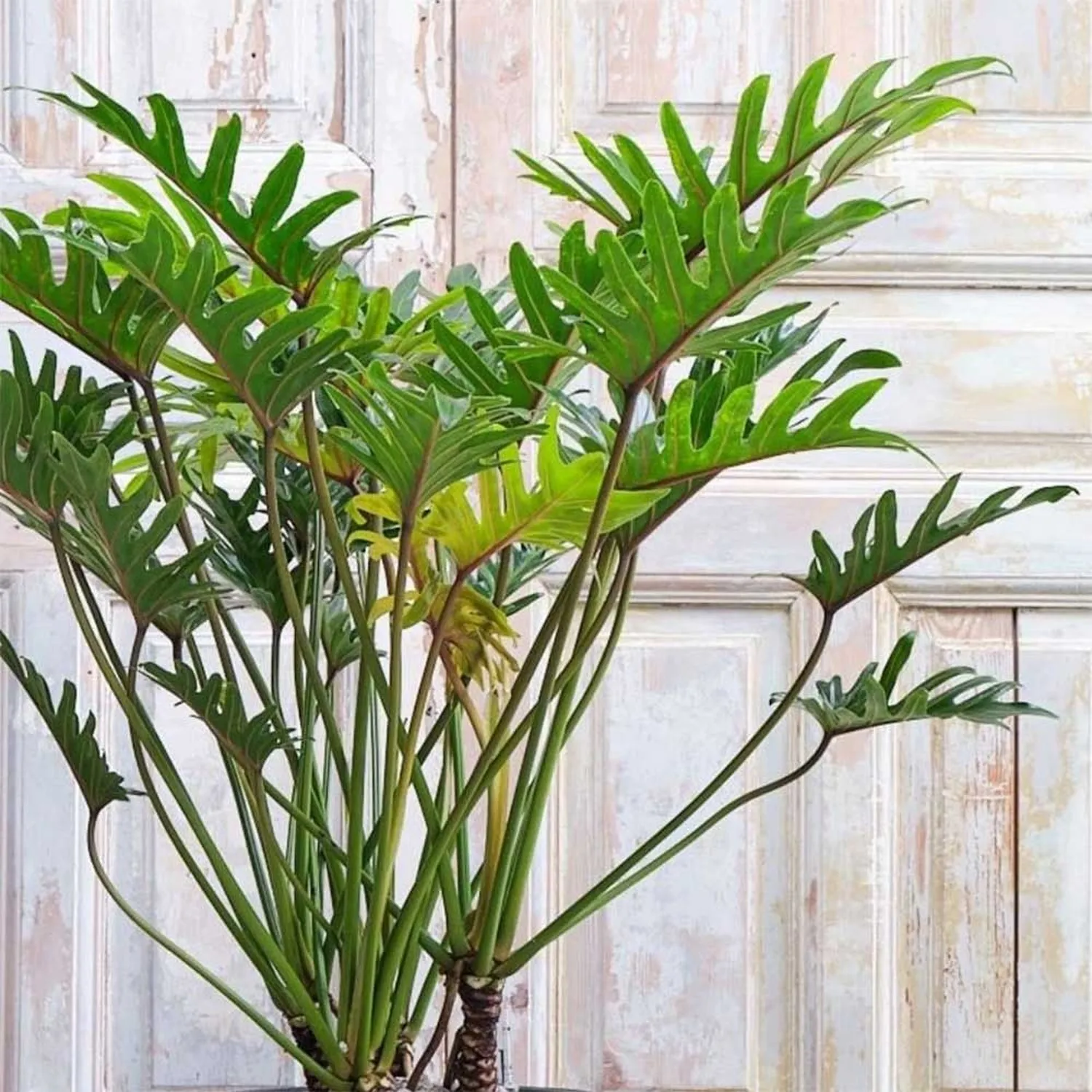
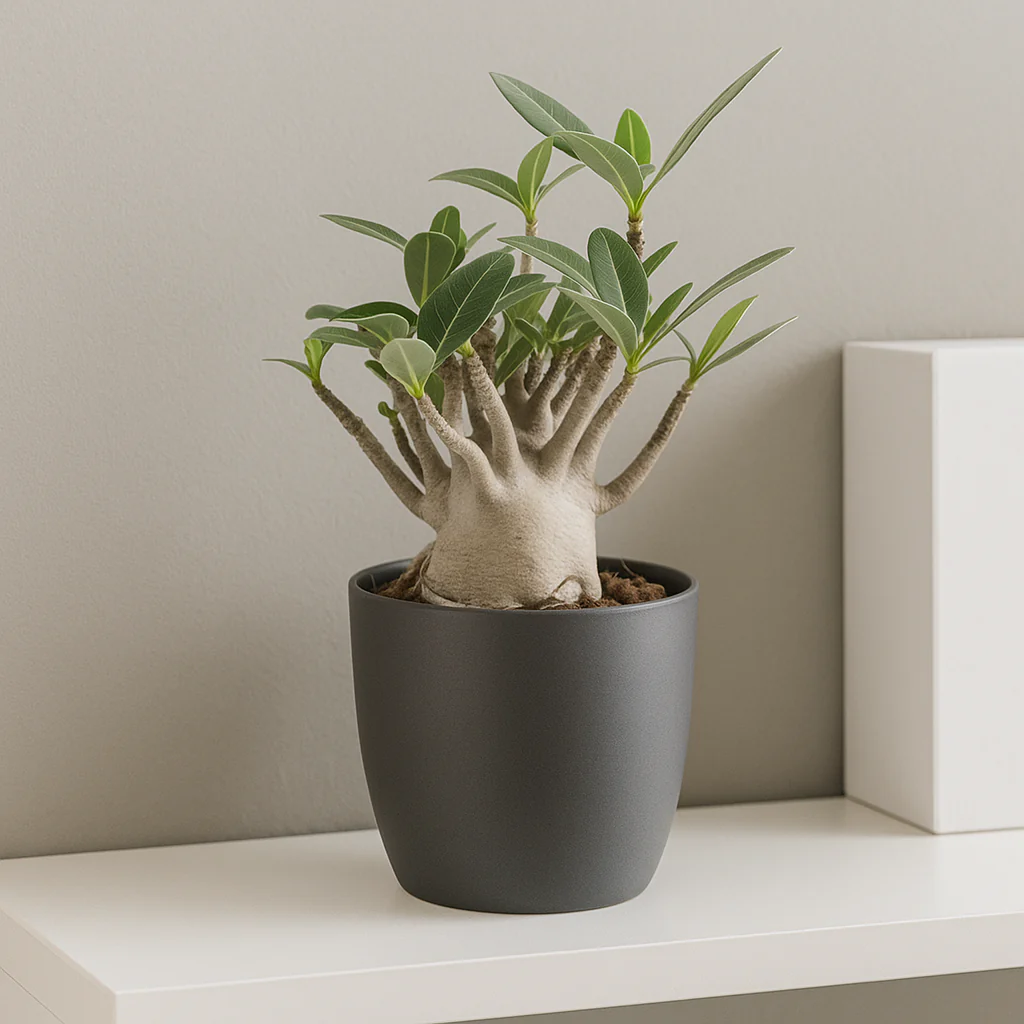
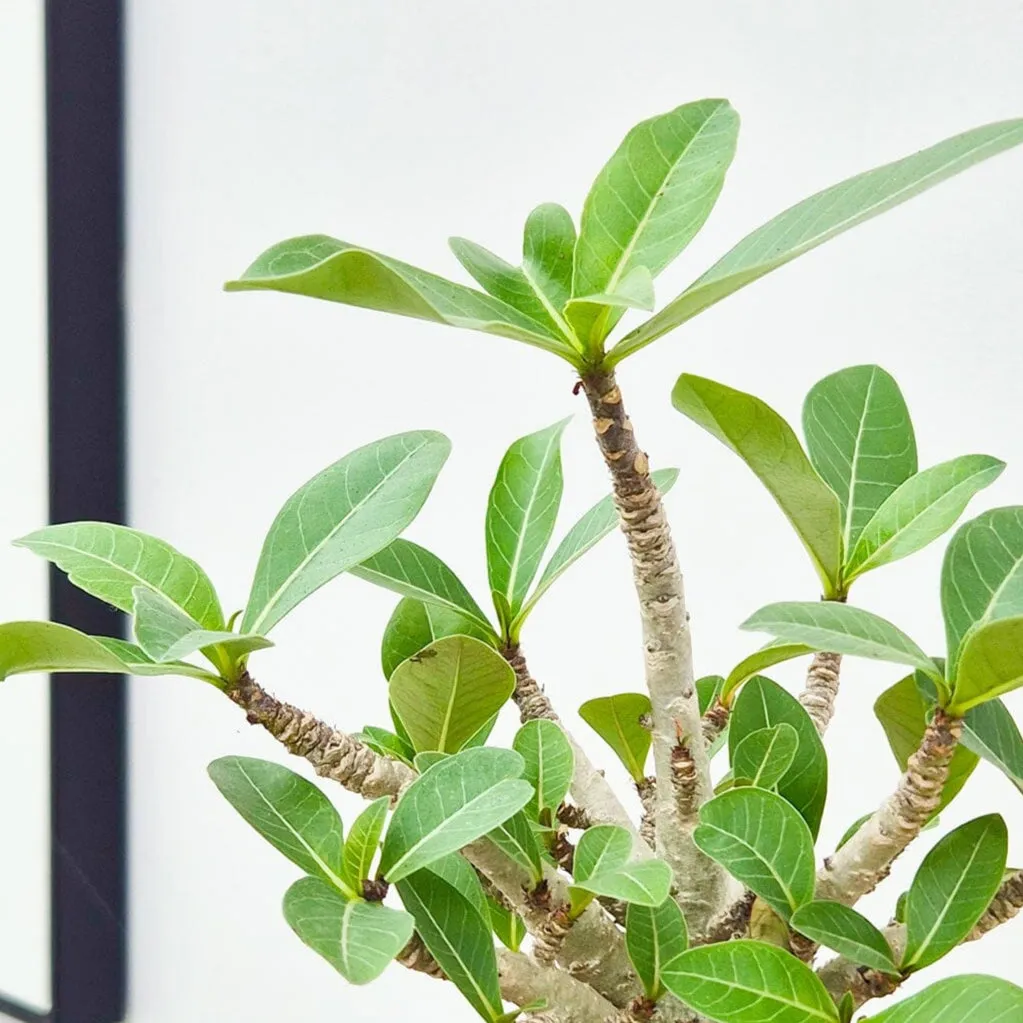
Alocasia ‘Nebula’ is a rare and visually striking tropical houseplant admired for its dramatic metallic foliage and heavily textured leaves. Named after the appearance of a cosmic nebula, this cultivar features thick, almost armour-like foliage with a shimmering blend of silver-grey, deep green, and charcoal tones. The dark, pronounced veins create an extraordinary level of contrast, giving the plant an almost sculptural quality.
Unlike larger Alocasia species, ‘Nebula’ maintains a relatively compact growth habit, making it ideal for indoor plant enthusiasts who want a bold statement plant without requiring excessive space. The leaves are broad and heavily ridged, often displaying an iridescent sheen under bright light that changes subtly depending on the viewing angle.
Highly sought after among collectors, Alocasia ‘Nebula’ combines exotic appearance with manageable size, though it does require more attentive care than beginner-friendly houseplants.
Key Features
- Metallic silver-grey foliage with deep contrasting veins
- Thick, textured leaves with an almost sculptural appearance
- Compact growth habit suitable for indoor displays
- Rare and collectible Alocasia variety
- Dramatic tropical aesthetic ideal for statement plant collections
Detailed Care Guide
Light Requirements
Alocasia ‘Nebula’ thrives in bright, indirect light.
- Place near a bright window with filtered light
- Avoid direct midday sun, which may scorch leaves
- Insufficient light can lead to slower growth, stretched stems, and duller foliage colour
Ideal locations:
- East-facing windows
- Bright north-facing rooms
- Slightly back from south or west-facing windows
Watering
Consistent moisture is important, but the soil should never remain soggy.
- Water when the top 2–3 cm of soil begins to dry
- Keep the soil lightly moist during active growth
- Reduce watering during winter or dormancy periods
- Ensure excess water drains fully from the pot
Important: Overwatering is one of the most common causes of problems with Alocasias.
Humidity & Temperature
Alocasia ‘Nebula’ prefers warm, humid conditions similar to its tropical origins.
- Ideal humidity: 60–80%
- Temperature range: 18–27°C
- Avoid temperatures below 15°C
- Protect from cold draughts and sudden temperature changes
To increase humidity:
- Use a humidifier
- Group plants together
- Place on a pebble tray
Soil & Potting Mix
A chunky, well-aerated mix is essential to prevent root rot while retaining enough moisture.
Recommended mix:
- 40% houseplant compost
- 30% perlite
- 20% orchid bark
- 10% coco coir or horticultural charcoal
This provides airflow while supporting healthy moisture balance.
Feeding
Feed regularly during the growing season to support healthy foliage production.
- Apply a balanced liquid fertiliser every 2–3 weeks during spring and summer
- Reduce or stop feeding during autumn and winter
Growth Habit & Dormancy
- Grows in an upright clumping form
- Produces leaves individually from underground rhizomes
- May enter partial dormancy during cooler months
During dormancy:
- Growth slows significantly
- Some leaves may yellow or die back
- Reduce watering and wait for regrowth in spring
Repotting
- Repot every 1–2 years or when roots become crowded
- Choose pots with strong drainage
- Avoid excessively large pots, which can hold too much moisture
Propagation
Propagation is usually carried out through division or corm separation.
- Separate offsets during repotting
- Pot into a lightly moist, airy substrate
- Keep warm and humid until established
Common Issues
1. Yellowing leaves
- Usually caused by overwatering
- Improve drainage and reduce watering frequency
2. Brown crispy edges
- Low humidity or inconsistent watering
- Increase humidity levels
3. Drooping foliage
- Often linked to environmental stress or watering imbalance
4. Leaf loss in winter
- Common during dormancy and not always a concern
Styling & Placement Ideas
- Ideal as a statement shelf or cabinet plant
- Pairs beautifully with darker tropical plants and velvety foliage species
- Works well in modern, minimalist, or jungle-inspired interiors
- Best displayed where the metallic sheen can catch natural light
Toxicity
Like other Alocasias, ‘Nebula’ is toxic if ingested, so it should be kept away from pets and children.
Original: $26.38
-70%$26.38
$7.91Product Information
Product Information
Shipping & Returns
Shipping & Returns
Description
Alocasia ‘Nebula’ is a rare and visually striking tropical houseplant admired for its dramatic metallic foliage and heavily textured leaves. Named after the appearance of a cosmic nebula, this cultivar features thick, almost armour-like foliage with a shimmering blend of silver-grey, deep green, and charcoal tones. The dark, pronounced veins create an extraordinary level of contrast, giving the plant an almost sculptural quality.
Unlike larger Alocasia species, ‘Nebula’ maintains a relatively compact growth habit, making it ideal for indoor plant enthusiasts who want a bold statement plant without requiring excessive space. The leaves are broad and heavily ridged, often displaying an iridescent sheen under bright light that changes subtly depending on the viewing angle.
Highly sought after among collectors, Alocasia ‘Nebula’ combines exotic appearance with manageable size, though it does require more attentive care than beginner-friendly houseplants.
Key Features
- Metallic silver-grey foliage with deep contrasting veins
- Thick, textured leaves with an almost sculptural appearance
- Compact growth habit suitable for indoor displays
- Rare and collectible Alocasia variety
- Dramatic tropical aesthetic ideal for statement plant collections
Detailed Care Guide
Light Requirements
Alocasia ‘Nebula’ thrives in bright, indirect light.
- Place near a bright window with filtered light
- Avoid direct midday sun, which may scorch leaves
- Insufficient light can lead to slower growth, stretched stems, and duller foliage colour
Ideal locations:
- East-facing windows
- Bright north-facing rooms
- Slightly back from south or west-facing windows
Watering
Consistent moisture is important, but the soil should never remain soggy.
- Water when the top 2–3 cm of soil begins to dry
- Keep the soil lightly moist during active growth
- Reduce watering during winter or dormancy periods
- Ensure excess water drains fully from the pot
Important: Overwatering is one of the most common causes of problems with Alocasias.
Humidity & Temperature
Alocasia ‘Nebula’ prefers warm, humid conditions similar to its tropical origins.
- Ideal humidity: 60–80%
- Temperature range: 18–27°C
- Avoid temperatures below 15°C
- Protect from cold draughts and sudden temperature changes
To increase humidity:
- Use a humidifier
- Group plants together
- Place on a pebble tray
Soil & Potting Mix
A chunky, well-aerated mix is essential to prevent root rot while retaining enough moisture.
Recommended mix:
- 40% houseplant compost
- 30% perlite
- 20% orchid bark
- 10% coco coir or horticultural charcoal
This provides airflow while supporting healthy moisture balance.
Feeding
Feed regularly during the growing season to support healthy foliage production.
- Apply a balanced liquid fertiliser every 2–3 weeks during spring and summer
- Reduce or stop feeding during autumn and winter
Growth Habit & Dormancy
- Grows in an upright clumping form
- Produces leaves individually from underground rhizomes
- May enter partial dormancy during cooler months
During dormancy:
- Growth slows significantly
- Some leaves may yellow or die back
- Reduce watering and wait for regrowth in spring
Repotting
- Repot every 1–2 years or when roots become crowded
- Choose pots with strong drainage
- Avoid excessively large pots, which can hold too much moisture
Propagation
Propagation is usually carried out through division or corm separation.
- Separate offsets during repotting
- Pot into a lightly moist, airy substrate
- Keep warm and humid until established
Common Issues
1. Yellowing leaves
- Usually caused by overwatering
- Improve drainage and reduce watering frequency
2. Brown crispy edges
- Low humidity or inconsistent watering
- Increase humidity levels
3. Drooping foliage
- Often linked to environmental stress or watering imbalance
4. Leaf loss in winter
- Common during dormancy and not always a concern
Styling & Placement Ideas
- Ideal as a statement shelf or cabinet plant
- Pairs beautifully with darker tropical plants and velvety foliage species
- Works well in modern, minimalist, or jungle-inspired interiors
- Best displayed where the metallic sheen can catch natural light
Toxicity
Like other Alocasias, ‘Nebula’ is toxic if ingested, so it should be kept away from pets and children.