Alocasia New Guinea Gold House Plant 8cm Pot
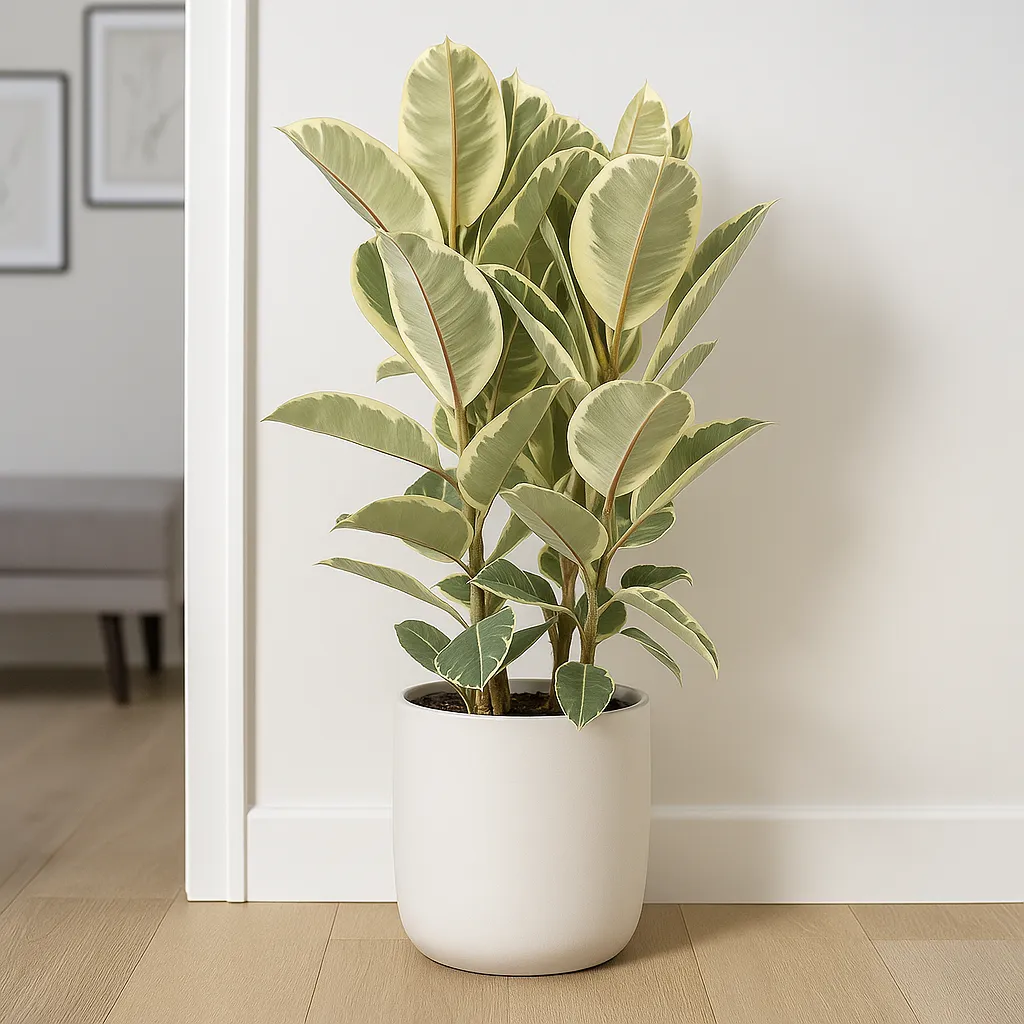
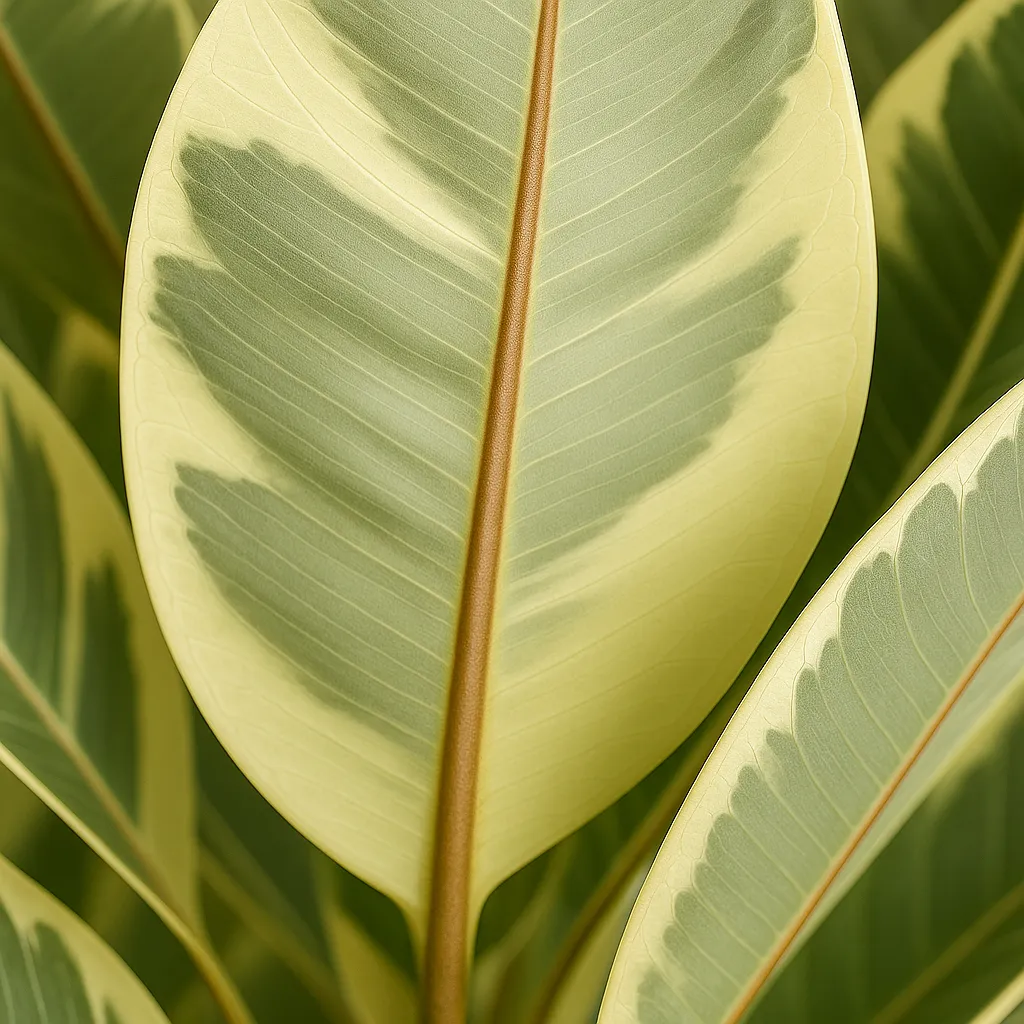
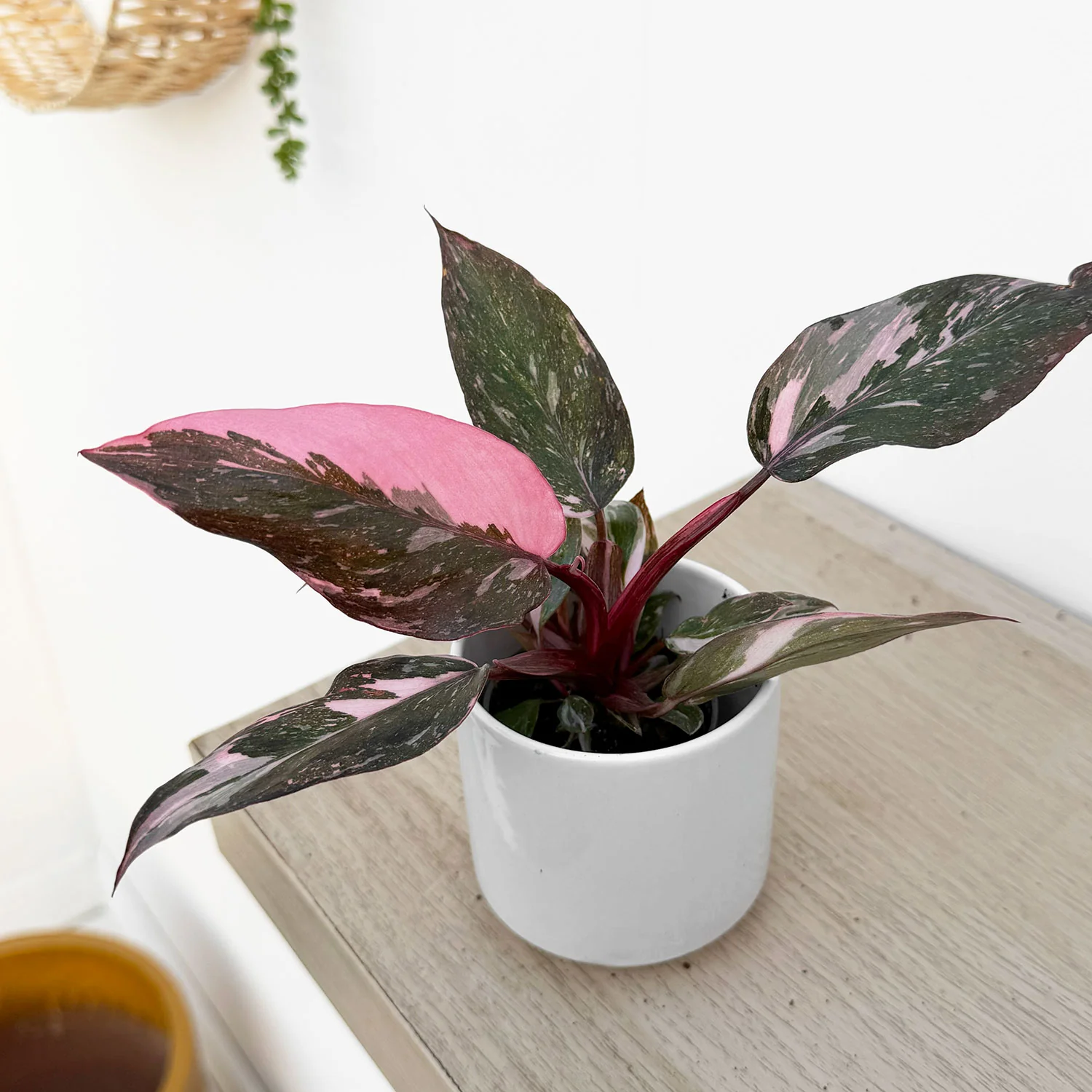
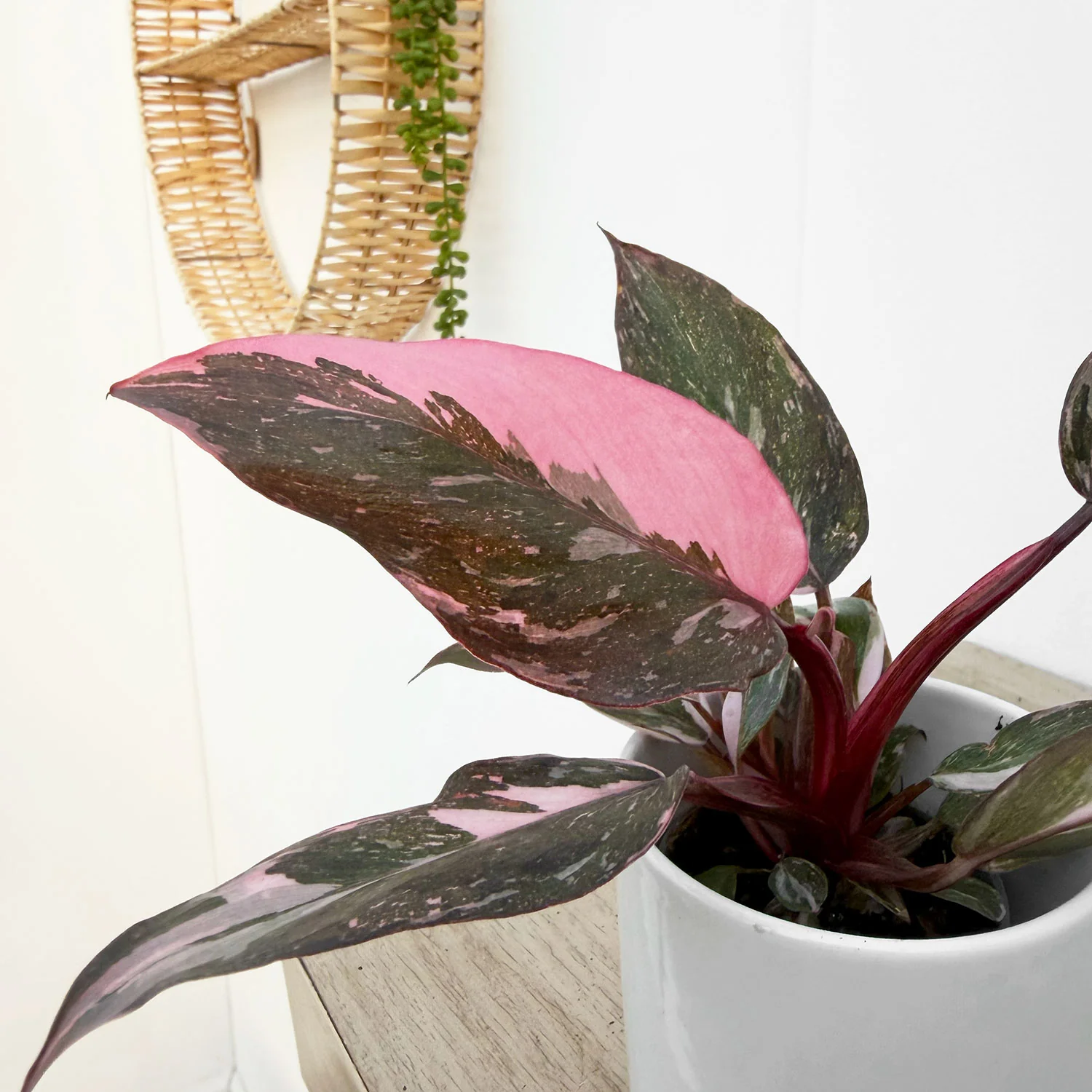
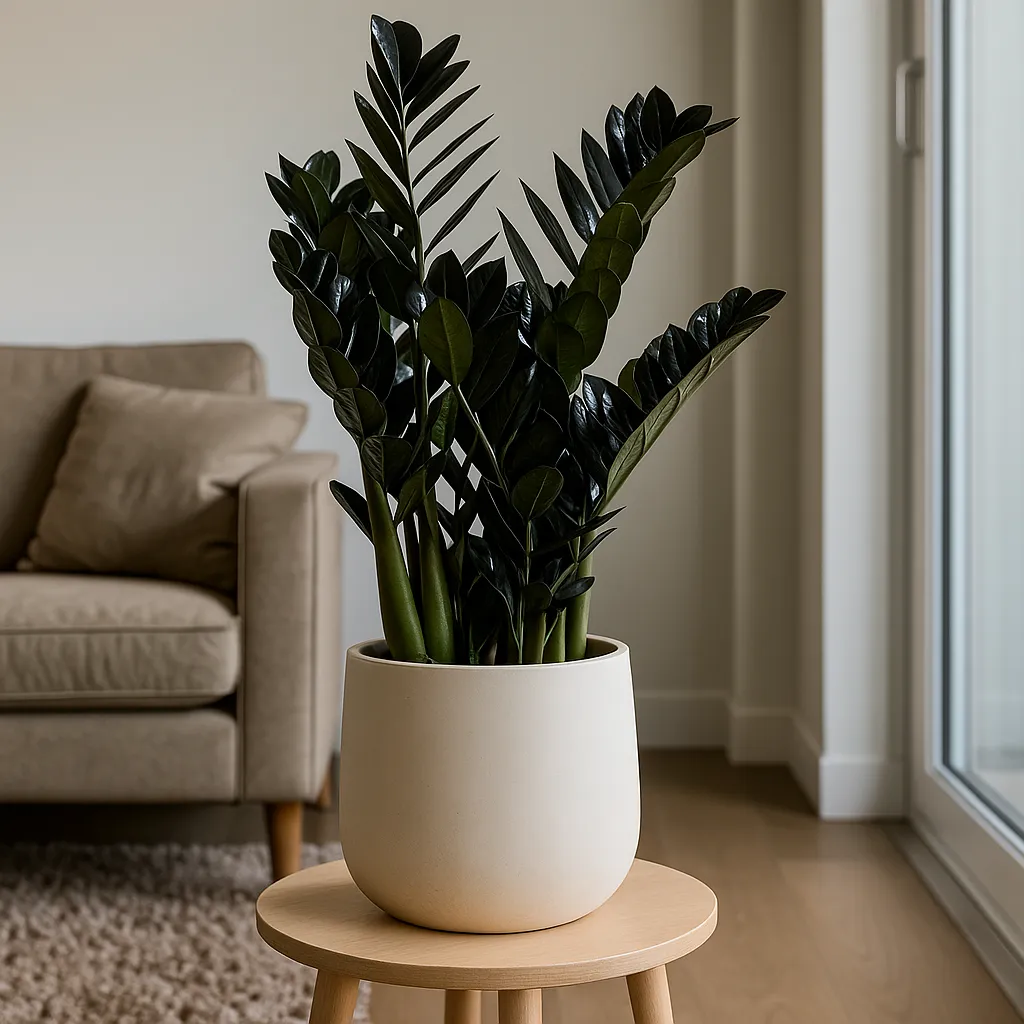
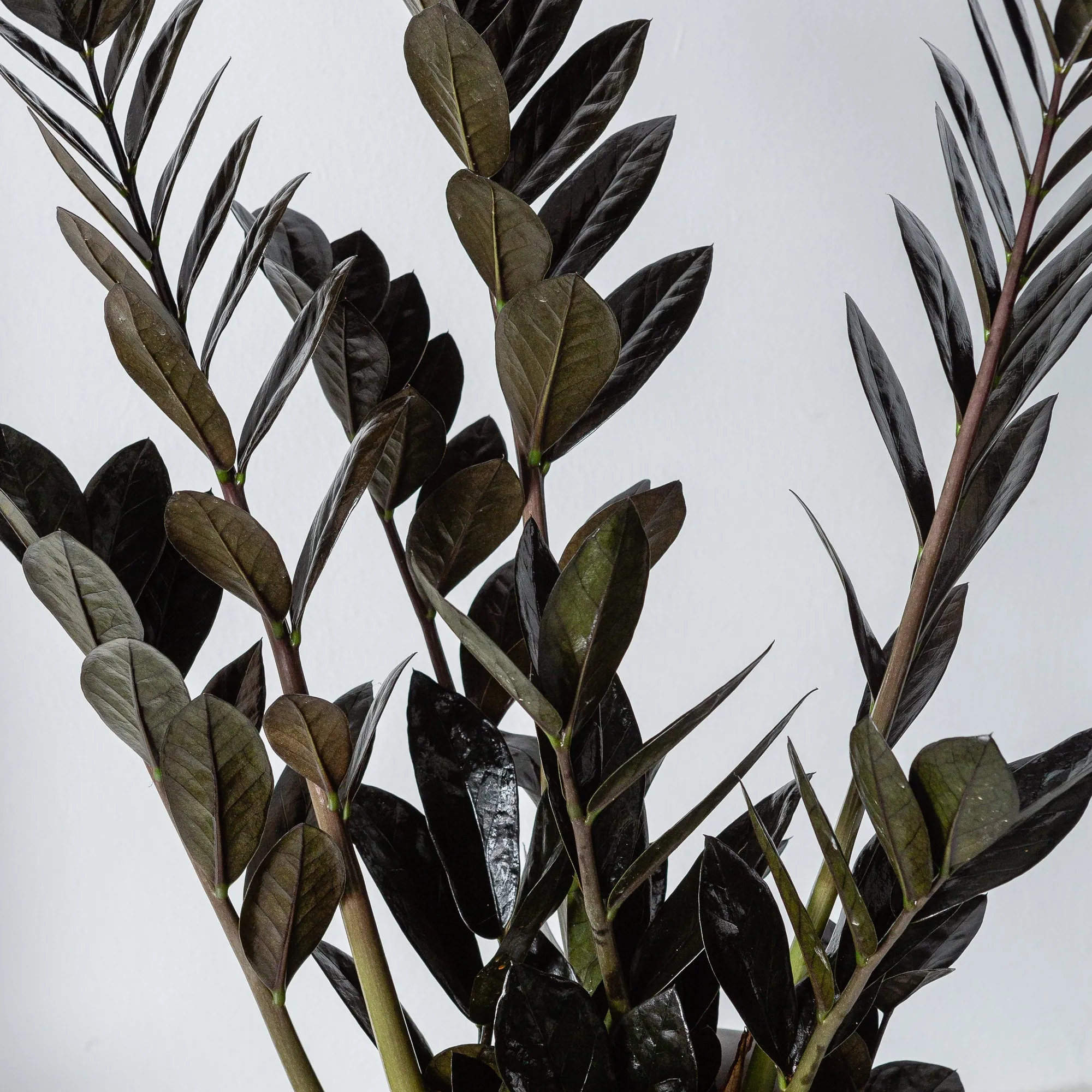
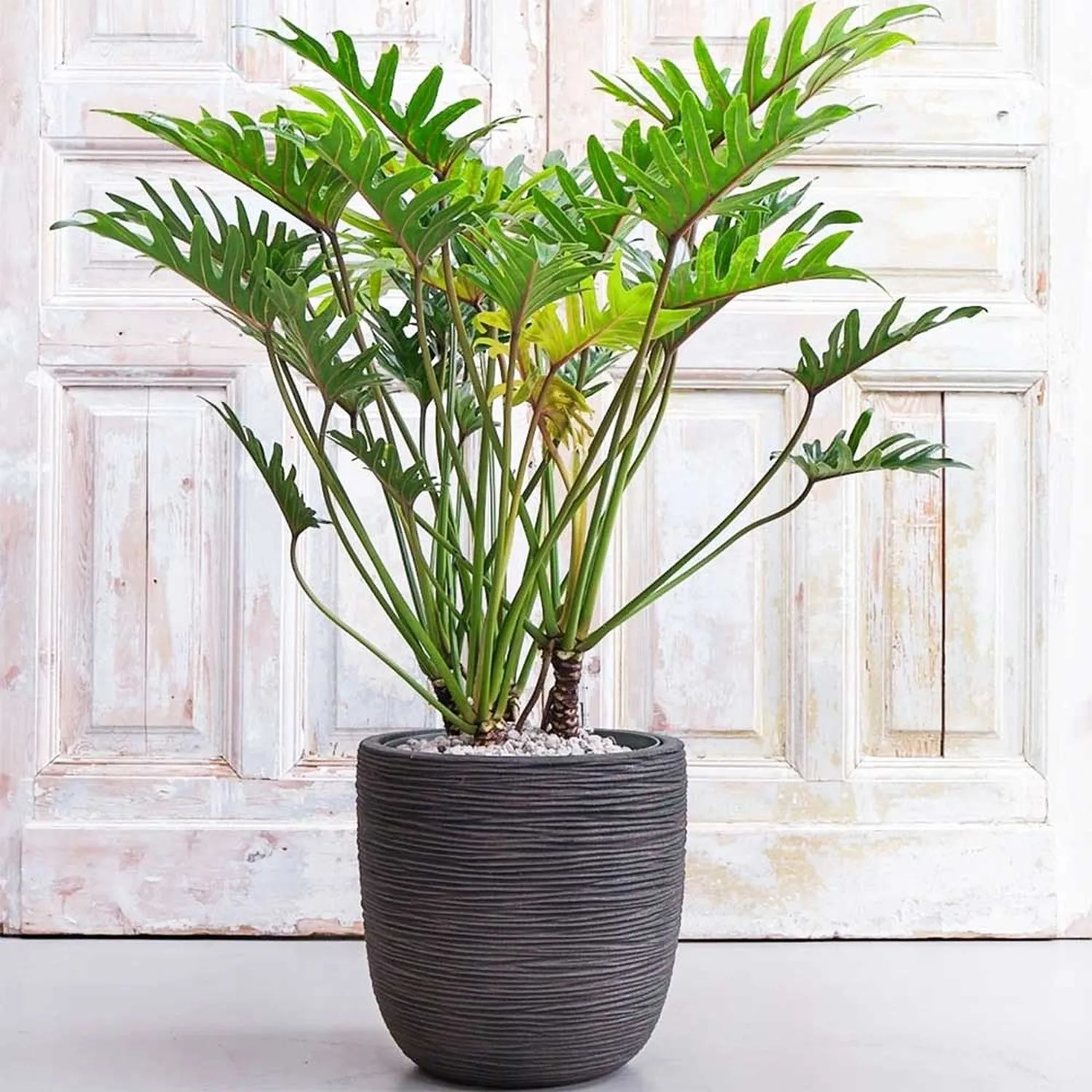
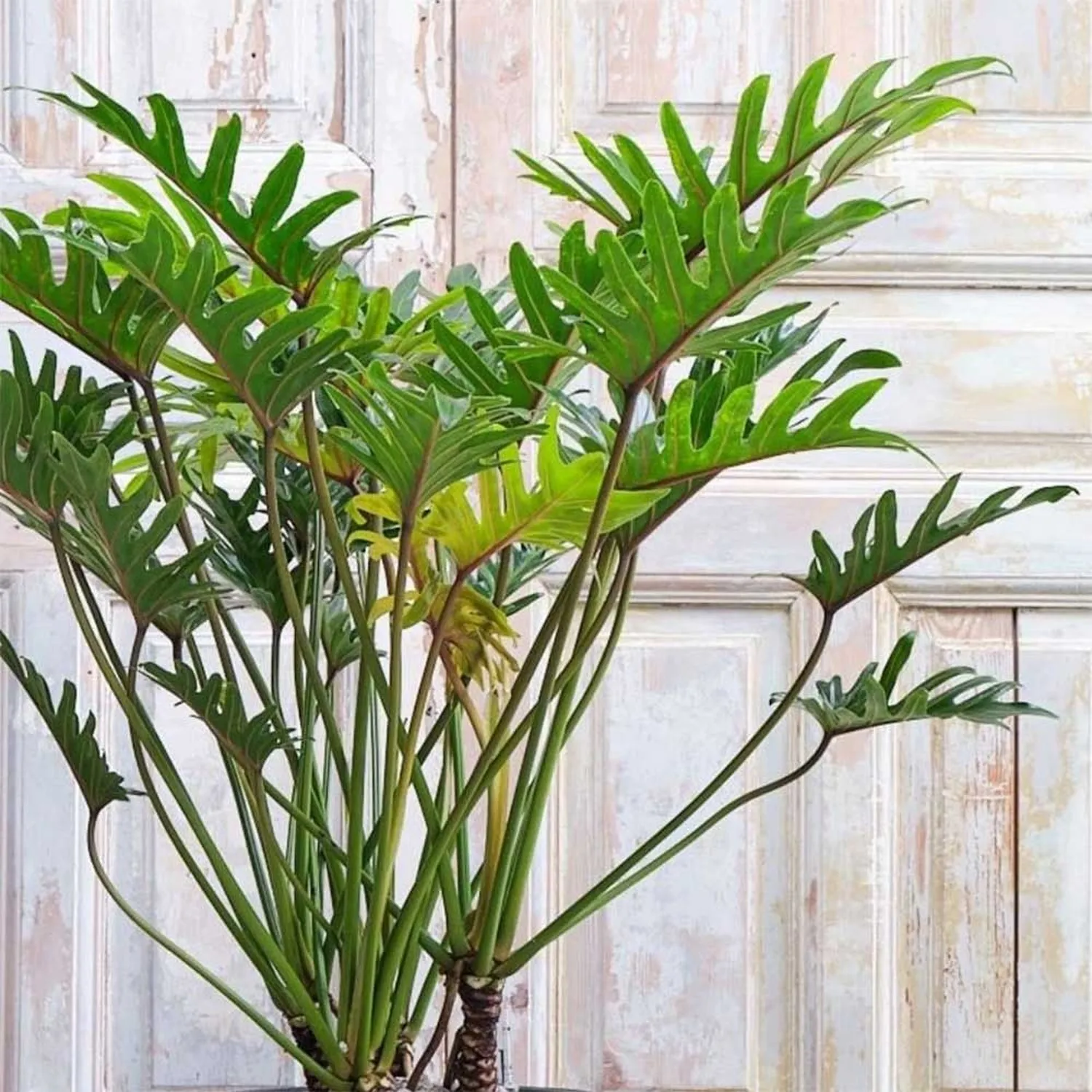
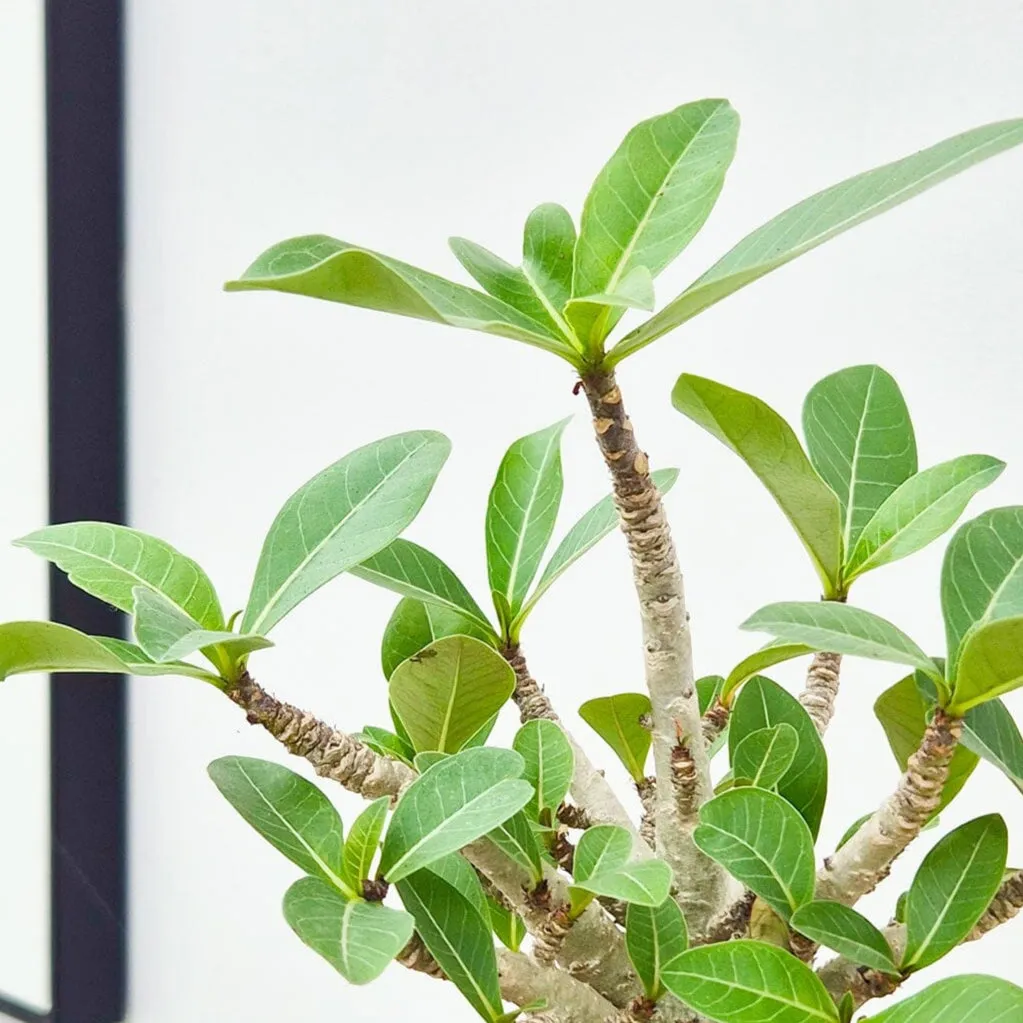
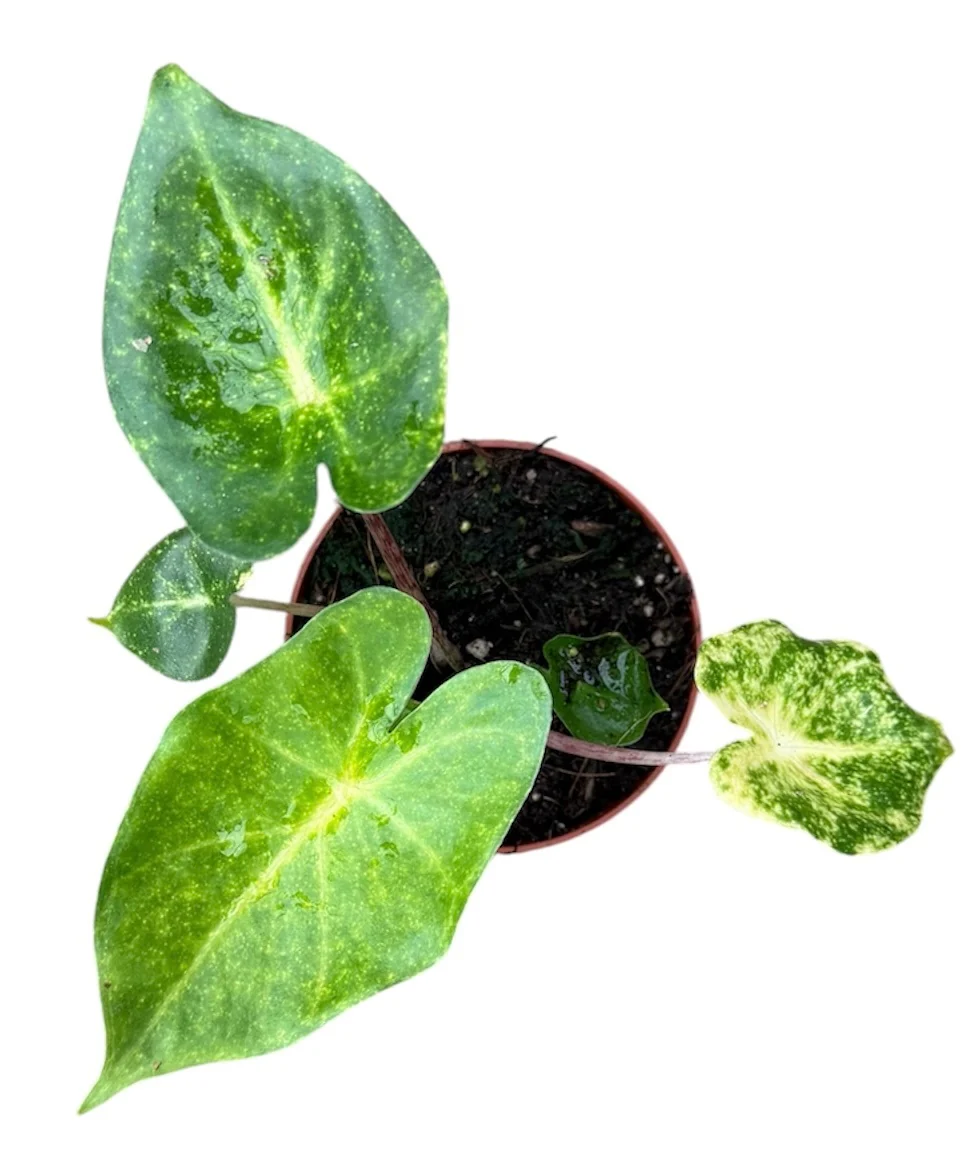
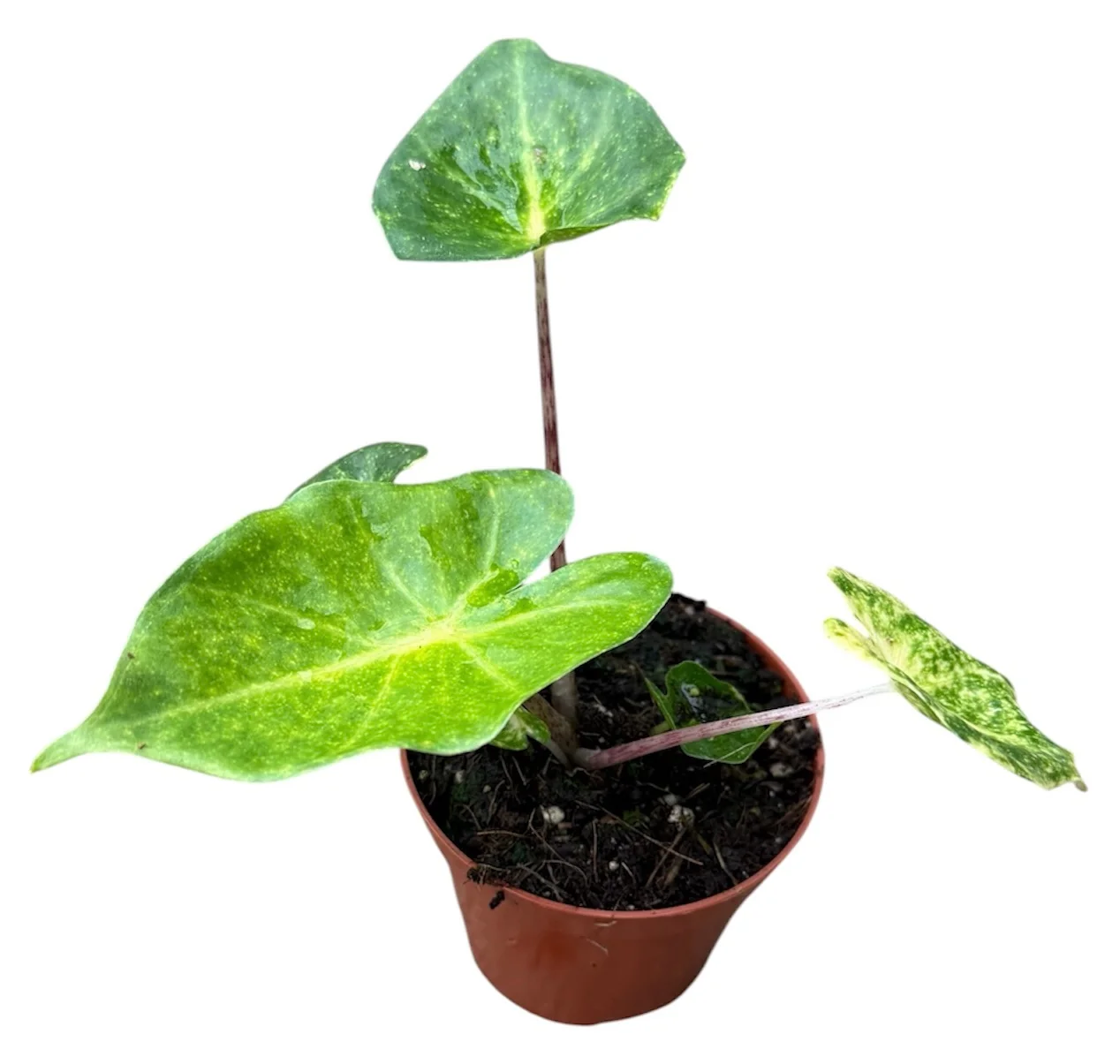
Alocasia ‘New Guinea Gold’ is an exceptionally eye-catching and uncommon Alocasia prized for its dramatic foliage and rich golden tones. This tropical collector plant produces elongated, arrow-shaped leaves with deep green upper surfaces contrasted by warm golden-yellow to bronze veining and stems. Depending on maturity and growing conditions, the foliage can develop an almost metallic appearance, creating a striking contrast that makes it stand out in any collection.
Native Alocasia relatives originate from tropical rainforests where they grow in warm, humid environments beneath tree canopies. ‘New Guinea Gold’ carries that same exotic jungle appearance but adds brighter colouration and a more unusual aesthetic. New leaves often emerge with bronze or copper hues before hardening into deeper tones as they mature.
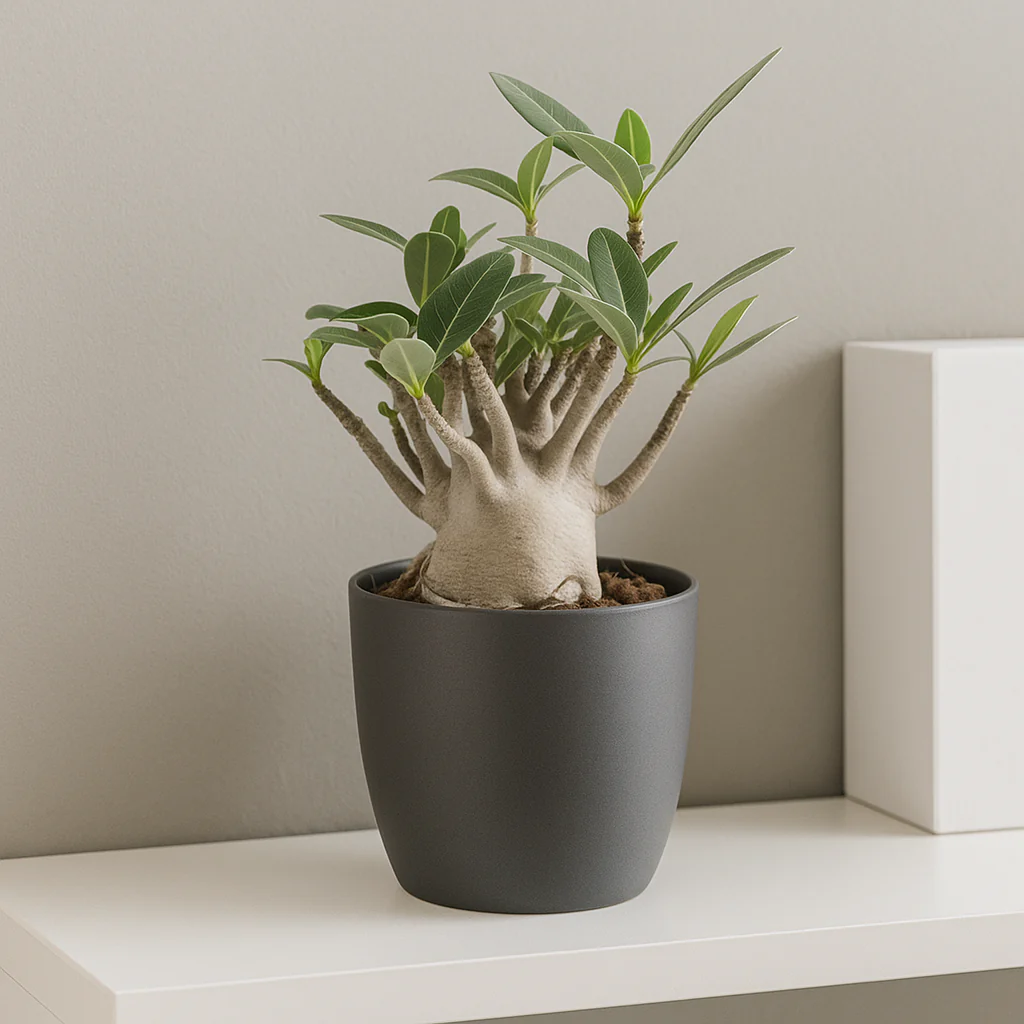
Its upright growth habit and sculptural foliage make it an ideal statement plant for shelves, decorative pots or plant cabinets where its colours can be appreciated up close.
Care Guide
Light ☀️
Bright, indirect light is essential for healthy growth and strong colour development.
Ideal placement:
- East-facing window
- Bright room with filtered sunlight
- Near a south-facing window with sheer curtain protection
Too little light may lead to:
- Duller colouring
- Smaller leaves
- Slower growth
- Leggy stems
Avoid harsh direct afternoon sun which can scorch foliage.
Water 💧
Alocasia ‘New Guinea Gold’ enjoys lightly moist soil but dislikes sitting in water.
Allow the top 2–4cm of soil to dry before watering thoroughly.
General guide:
Spring/Summer: every 5–8 days
Autumn/Winter: every 10–14 days
Consistency is important.
Signs of overwatering:
- Yellow leaves
- Soft stems
- Root rot
Signs of underwatering:
- Curling leaves
- Crispy edges
- Drooping foliage
Humidity 🌿
Higher humidity plays a major role in keeping Alocasias happy.
Ideal humidity:
60–80%
Higher humidity encourages:
- Better leaf unfurling
- Larger foliage
- Reduced browning
- Faster growth
Humidifiers or grouped displays work well.
Temperature 🌡️
Ideal temperatures:
18–29°C
Avoid temperatures below 15°C.
Protect from:
- Cold windows
- Draughts
- Sudden environmental changes
Soil Mix 🪴
Use a chunky, moisture-retentive but airy aroid mix.
Recommended blend:
- 40% houseplant compost or coco coir
- 25% orchid bark
- 25% perlite or pumice
- 10% worm castings
The goal is moisture retention with excellent airflow.
Feeding
Alocasias are relatively hungry plants during active growth.
Feed:
- Every 2–4 weeks in spring and summer
- Balanced liquid fertiliser at half strength
Reduce feeding during winter.
Dormancy Notes 🌱
Like many Alocasias, growth can slow significantly during cooler periods.
You may notice:
- Reduced growth
- Older leaves dropping
- Temporary dormancy
Reduce watering slightly during these periods.
Repotting
Repot every 1–2 years or when:
- Roots become crowded
- Growth slows
- Water drains rapidly
Increase pot size gradually.
Propagation
Usually propagated through:
Division
Separate offsets during repotting.
Corm propagation
Corms can be rooted in:
- Moss
- Perlite
- Fluval
- Humid propagation containers
Common Problems
Brown leaf edges
- Low humidity
- Inconsistent watering
Yellow leaves
- Overwatering
Drooping leaves
- Water stress
- Temperature changes
Spider mites
- One of the most common Alocasia pests
Small leaves
- Low light or insufficient feeding
Plant Facts
Botanical name: Alocasia ‘New Guinea Gold’
Plant type: Rare tropical foliage plant
Growth habit: Upright clumping Alocasia
Growth speed: Moderate
Difficulty: Intermediate
Pet safety: Toxic if ingested
Best display: Decorative planter, shelf or plant cabinet
Alocasia ‘New Guinea Gold’ brings a rich tropical look with unusual warm-toned foliage that stands apart from more traditional dark-leaved Alocasias. Given warmth, humidity and consistent care, it develops into a striking specimen with true collector appeal.
Original: $59.38
-70%$59.38
$17.81Product Information
Product Information
Shipping & Returns
Shipping & Returns
Description
Alocasia ‘New Guinea Gold’ is an exceptionally eye-catching and uncommon Alocasia prized for its dramatic foliage and rich golden tones. This tropical collector plant produces elongated, arrow-shaped leaves with deep green upper surfaces contrasted by warm golden-yellow to bronze veining and stems. Depending on maturity and growing conditions, the foliage can develop an almost metallic appearance, creating a striking contrast that makes it stand out in any collection.
Native Alocasia relatives originate from tropical rainforests where they grow in warm, humid environments beneath tree canopies. ‘New Guinea Gold’ carries that same exotic jungle appearance but adds brighter colouration and a more unusual aesthetic. New leaves often emerge with bronze or copper hues before hardening into deeper tones as they mature.
Its upright growth habit and sculptural foliage make it an ideal statement plant for shelves, decorative pots or plant cabinets where its colours can be appreciated up close.
Care Guide
Light ☀️
Bright, indirect light is essential for healthy growth and strong colour development.
Ideal placement:
- East-facing window
- Bright room with filtered sunlight
- Near a south-facing window with sheer curtain protection
Too little light may lead to:
- Duller colouring
- Smaller leaves
- Slower growth
- Leggy stems
Avoid harsh direct afternoon sun which can scorch foliage.
Water 💧
Alocasia ‘New Guinea Gold’ enjoys lightly moist soil but dislikes sitting in water.
Allow the top 2–4cm of soil to dry before watering thoroughly.
General guide:
Spring/Summer: every 5–8 days
Autumn/Winter: every 10–14 days
Consistency is important.
Signs of overwatering:
- Yellow leaves
- Soft stems
- Root rot
Signs of underwatering:
- Curling leaves
- Crispy edges
- Drooping foliage
Humidity 🌿
Higher humidity plays a major role in keeping Alocasias happy.
Ideal humidity:
60–80%
Higher humidity encourages:
- Better leaf unfurling
- Larger foliage
- Reduced browning
- Faster growth
Humidifiers or grouped displays work well.
Temperature 🌡️
Ideal temperatures:
18–29°C
Avoid temperatures below 15°C.
Protect from:
- Cold windows
- Draughts
- Sudden environmental changes
Soil Mix 🪴
Use a chunky, moisture-retentive but airy aroid mix.
Recommended blend:
- 40% houseplant compost or coco coir
- 25% orchid bark
- 25% perlite or pumice
- 10% worm castings
The goal is moisture retention with excellent airflow.
Feeding
Alocasias are relatively hungry plants during active growth.
Feed:
- Every 2–4 weeks in spring and summer
- Balanced liquid fertiliser at half strength
Reduce feeding during winter.
Dormancy Notes 🌱
Like many Alocasias, growth can slow significantly during cooler periods.
You may notice:
- Reduced growth
- Older leaves dropping
- Temporary dormancy
Reduce watering slightly during these periods.
Repotting
Repot every 1–2 years or when:
- Roots become crowded
- Growth slows
- Water drains rapidly
Increase pot size gradually.
Propagation
Usually propagated through:
Division
Separate offsets during repotting.
Corm propagation
Corms can be rooted in:
- Moss
- Perlite
- Fluval
- Humid propagation containers
Common Problems
Brown leaf edges
- Low humidity
- Inconsistent watering
Yellow leaves
- Overwatering
Drooping leaves
- Water stress
- Temperature changes
Spider mites
- One of the most common Alocasia pests
Small leaves
- Low light or insufficient feeding
Plant Facts
Botanical name: Alocasia ‘New Guinea Gold’
Plant type: Rare tropical foliage plant
Growth habit: Upright clumping Alocasia
Growth speed: Moderate
Difficulty: Intermediate
Pet safety: Toxic if ingested
Best display: Decorative planter, shelf or plant cabinet
Alocasia ‘New Guinea Gold’ brings a rich tropical look with unusual warm-toned foliage that stands apart from more traditional dark-leaved Alocasias. Given warmth, humidity and consistent care, it develops into a striking specimen with true collector appeal.