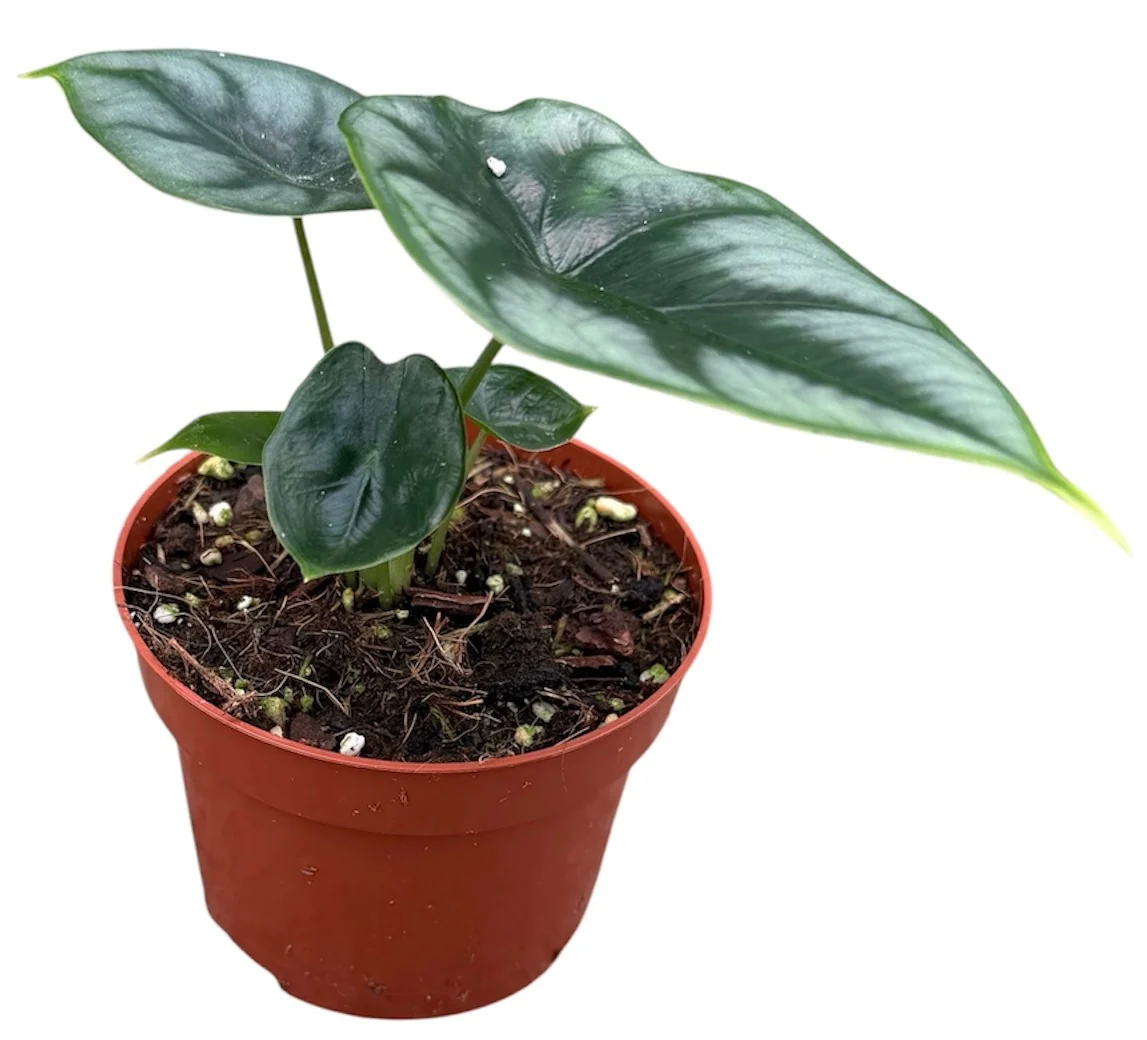
Alocasia Reversa 10.5cm Pot 15cm Height House Plant
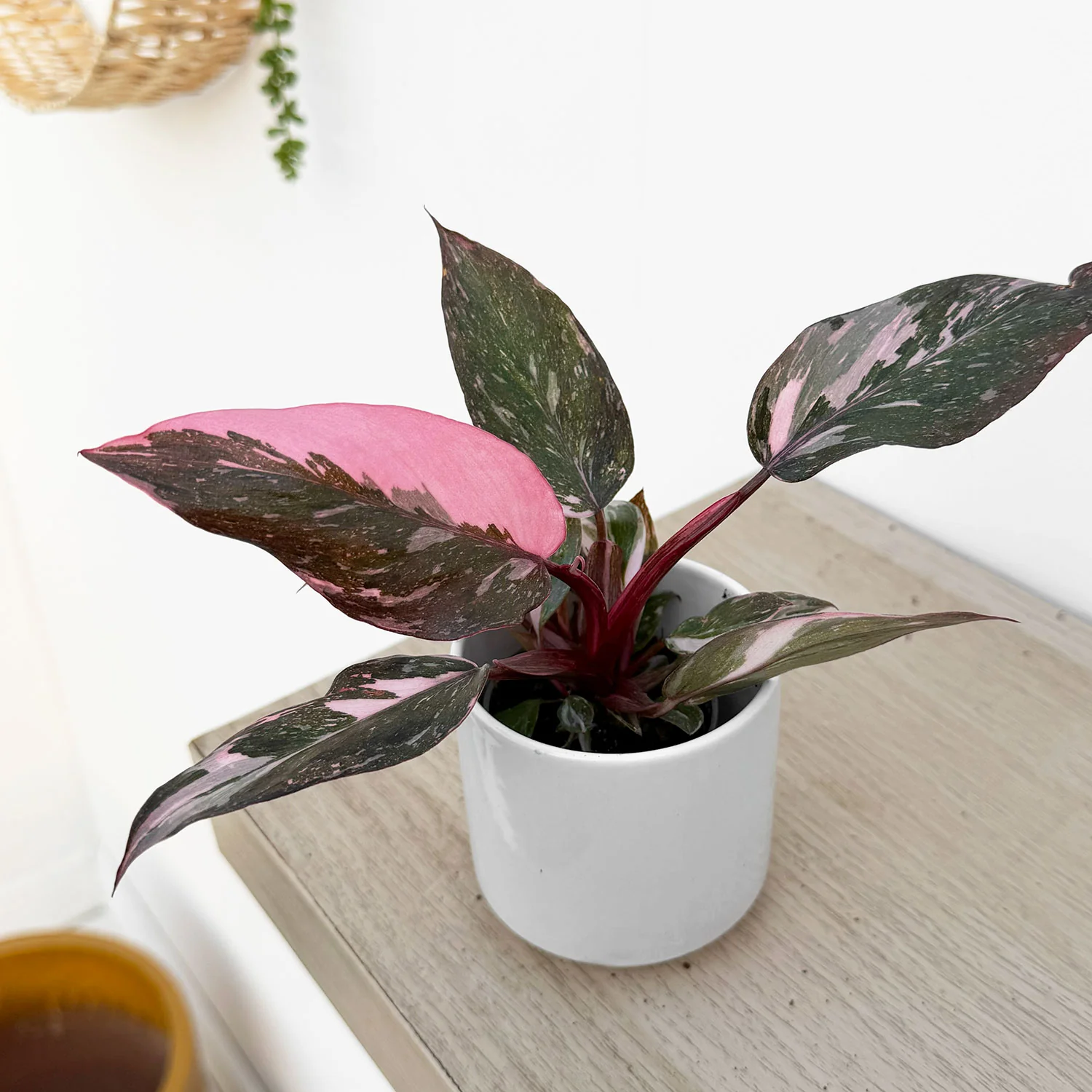
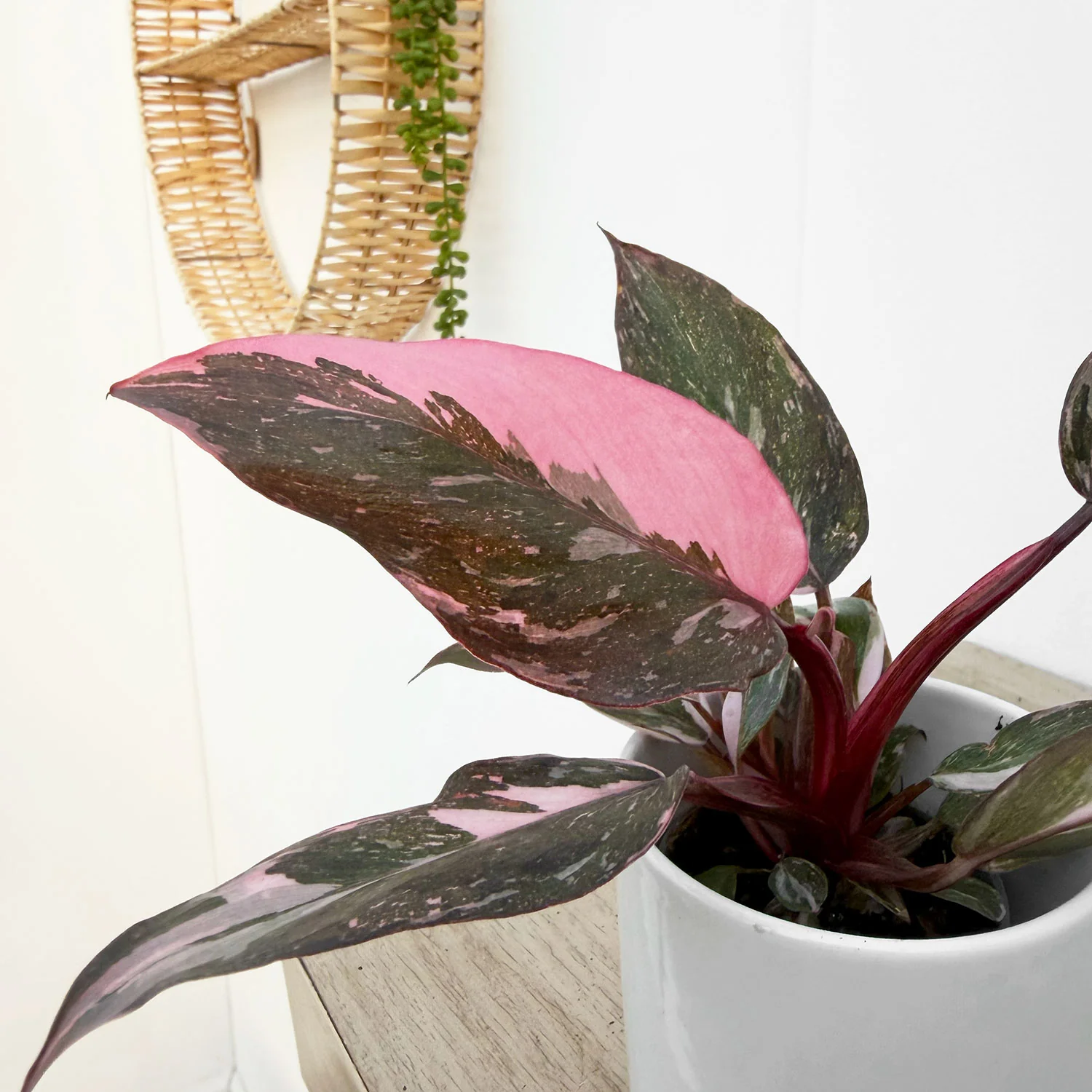
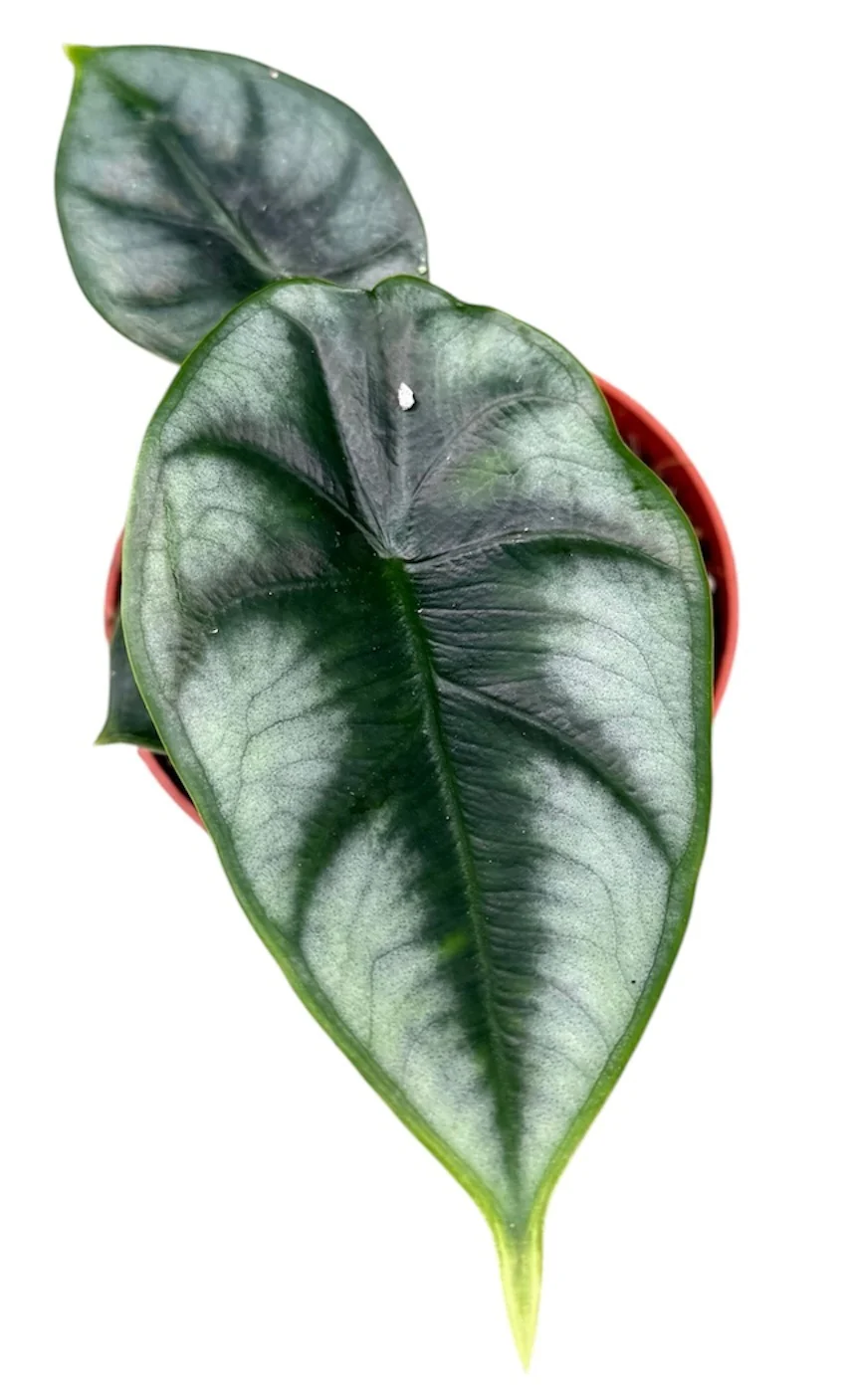
Alocasia ‘Reversa’ is a highly distinctive and collectible aroid, known for its dramatic inverted leaf colouring—a trait that gives the plant its name. Unlike many Alocasias where dark veins sit on lighter foliage, ‘Reversa’ flips this pattern, displaying deep green to charcoal-toned leaves with contrasting lighter, silvery-green veins. This unusual contrast creates a bold, almost sculptural appearance that stands out in any indoor plant collection.
The foliage is thick and slightly textured, with a matte finish that enhances the contrast between the leaf surface and its veining. The undersides of the leaves often carry a softer tone, adding depth when viewed from different angles. With a relatively compact growth habit compared to larger Alocasia species, ‘Reversa’ is well suited to indoor environments where space is limited but visual impact is desired.
Key Features
- Unique “reversed” vein pattern with light veins on dark foliage
- Compact, upright growth habit ideal for indoor spaces
- Highly decorative, sculptural leaves with strong contrast
- Collectible and less commonly found compared to standard Alocasias
- Statement plant despite its manageable size
Detailed Care Guide
Light Requirements
Alocasia ‘Reversa’ thrives in bright, indirect light, which helps maintain its strong contrast and healthy growth.
- Ideal placement: Near a bright window with filtered light
- Avoid: Direct sunlight, which can scorch leaves
- Low light: Can lead to slower growth, smaller leaves, and loss of definition
Watering
Consistent moisture is important, but overwatering is one of the most common issues with Alocasias.
- Water when the top 2–3 cm of soil feels dry
- Keep soil lightly moist, but never soggy
- Ensure excellent drainage to prevent root rot
- Reduce watering during winter dormancy periods
Tip: Alocasias are sensitive—watering little and often is better than soaking infrequently.
Humidity & Temperature
High humidity is essential for keeping Alocasia ‘Reversa’ thriving.
- Ideal humidity: 60–80%
- Temperature range: 18–26°C
- Avoid cold draughts and temperatures below 15°C
Signs of low humidity:
- Crispy edges
- Curling leaves
- Slower growth
Soil & Potting Mix
A well-draining yet moisture-retentive mix is crucial.
Recommended mix:
- 40% houseplant compost
- 30% perlite
- 20% orchid bark
- 10% coco coir or worm castings
This ensures airflow to roots while retaining sufficient moisture.
Feeding
Alocasias are relatively heavy feeders during active growth.
- Feed every 2–3 weeks in spring and summer with a balanced fertiliser
- Reduce feeding in autumn and stop in winter
Growth Habit & Dormancy
- Grows in an upright, clumping form
- Leaves emerge individually from the base
- May enter partial dormancy in cooler months, dropping some leaves
Important: Leaf loss in winter isn’t always a problem—reduce watering and wait for regrowth in spring.
Repotting
- Repot every 1–2 years or when rootbound
- Choose a pot with good drainage
- Avoid overpotting, as excess soil can retain too much moisture
Propagation
Alocasia ‘Reversa’ is typically propagated by division.
- Separate offsets (corms or pups) during repotting
- Pot into a suitable mix and keep warm and humid
- Growth may be slow initially
Common Issues
1. Yellowing leaves
- Often caused by overwatering
- Check drainage and reduce watering
2. Drooping leaves
- Can be underwatering or environmental stress
- Assess soil moisture and humidity
3. Brown edges
- Usually due to low humidity or inconsistent watering
4. Leaf drop
- Common during seasonal change or dormancy
Styling & Placement Ideas
- Ideal as a statement piece on shelves or plant stands
- Works well in modern, minimal interiors where contrast stands out
- Pair with lighter foliage plants to emphasise its dark tones
- Best placed where humidity is naturally higher (e.g. kitchens, bathrooms)
Toxicity
Like all Alocasias, ‘Reversa’ is toxic if ingested, so keep it away from pets and children.
Original: $26.38
-70%$26.38
$7.91Product Information
Product Information
Shipping & Returns
Shipping & Returns
Description
Alocasia ‘Reversa’ is a highly distinctive and collectible aroid, known for its dramatic inverted leaf colouring—a trait that gives the plant its name. Unlike many Alocasias where dark veins sit on lighter foliage, ‘Reversa’ flips this pattern, displaying deep green to charcoal-toned leaves with contrasting lighter, silvery-green veins. This unusual contrast creates a bold, almost sculptural appearance that stands out in any indoor plant collection.
The foliage is thick and slightly textured, with a matte finish that enhances the contrast between the leaf surface and its veining. The undersides of the leaves often carry a softer tone, adding depth when viewed from different angles. With a relatively compact growth habit compared to larger Alocasia species, ‘Reversa’ is well suited to indoor environments where space is limited but visual impact is desired.
Key Features
- Unique “reversed” vein pattern with light veins on dark foliage
- Compact, upright growth habit ideal for indoor spaces
- Highly decorative, sculptural leaves with strong contrast
- Collectible and less commonly found compared to standard Alocasias
- Statement plant despite its manageable size
Detailed Care Guide
Light Requirements
Alocasia ‘Reversa’ thrives in bright, indirect light, which helps maintain its strong contrast and healthy growth.
- Ideal placement: Near a bright window with filtered light
- Avoid: Direct sunlight, which can scorch leaves
- Low light: Can lead to slower growth, smaller leaves, and loss of definition
Watering
Consistent moisture is important, but overwatering is one of the most common issues with Alocasias.
- Water when the top 2–3 cm of soil feels dry
- Keep soil lightly moist, but never soggy
- Ensure excellent drainage to prevent root rot
- Reduce watering during winter dormancy periods
Tip: Alocasias are sensitive—watering little and often is better than soaking infrequently.
Humidity & Temperature
High humidity is essential for keeping Alocasia ‘Reversa’ thriving.
- Ideal humidity: 60–80%
- Temperature range: 18–26°C
- Avoid cold draughts and temperatures below 15°C
Signs of low humidity:
- Crispy edges
- Curling leaves
- Slower growth
Soil & Potting Mix
A well-draining yet moisture-retentive mix is crucial.
Recommended mix:
- 40% houseplant compost
- 30% perlite
- 20% orchid bark
- 10% coco coir or worm castings
This ensures airflow to roots while retaining sufficient moisture.
Feeding
Alocasias are relatively heavy feeders during active growth.
- Feed every 2–3 weeks in spring and summer with a balanced fertiliser
- Reduce feeding in autumn and stop in winter
Growth Habit & Dormancy
- Grows in an upright, clumping form
- Leaves emerge individually from the base
- May enter partial dormancy in cooler months, dropping some leaves
Important: Leaf loss in winter isn’t always a problem—reduce watering and wait for regrowth in spring.
Repotting
- Repot every 1–2 years or when rootbound
- Choose a pot with good drainage
- Avoid overpotting, as excess soil can retain too much moisture
Propagation
Alocasia ‘Reversa’ is typically propagated by division.
- Separate offsets (corms or pups) during repotting
- Pot into a suitable mix and keep warm and humid
- Growth may be slow initially
Common Issues
1. Yellowing leaves
- Often caused by overwatering
- Check drainage and reduce watering
2. Drooping leaves
- Can be underwatering or environmental stress
- Assess soil moisture and humidity
3. Brown edges
- Usually due to low humidity or inconsistent watering
4. Leaf drop
- Common during seasonal change or dormancy
Styling & Placement Ideas
- Ideal as a statement piece on shelves or plant stands
- Works well in modern, minimal interiors where contrast stands out
- Pair with lighter foliage plants to emphasise its dark tones
- Best placed where humidity is naturally higher (e.g. kitchens, bathrooms)
Toxicity
Like all Alocasias, ‘Reversa’ is toxic if ingested, so keep it away from pets and children.