Alocasia Venusta 10.5cm Pot 15cm Height House Plant
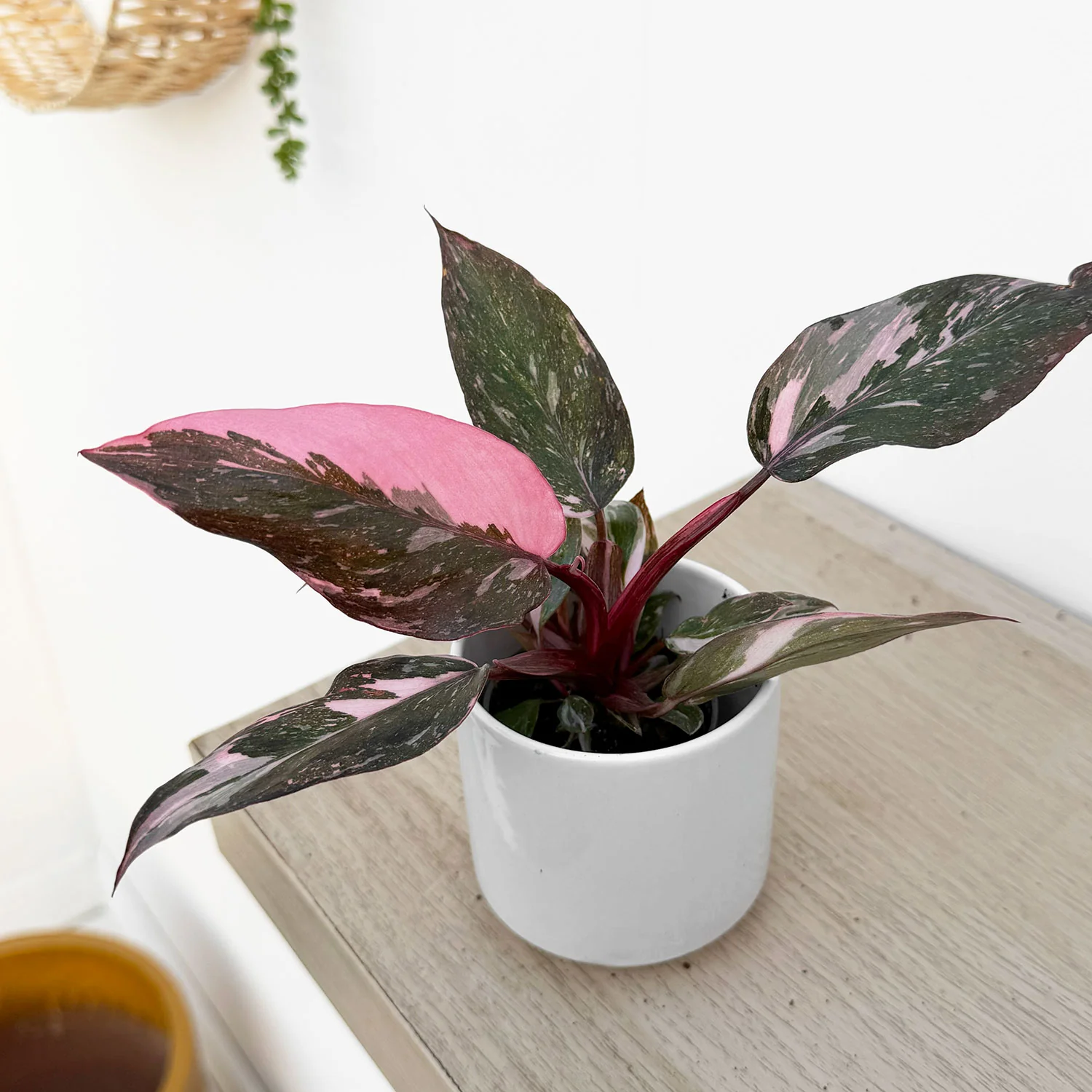
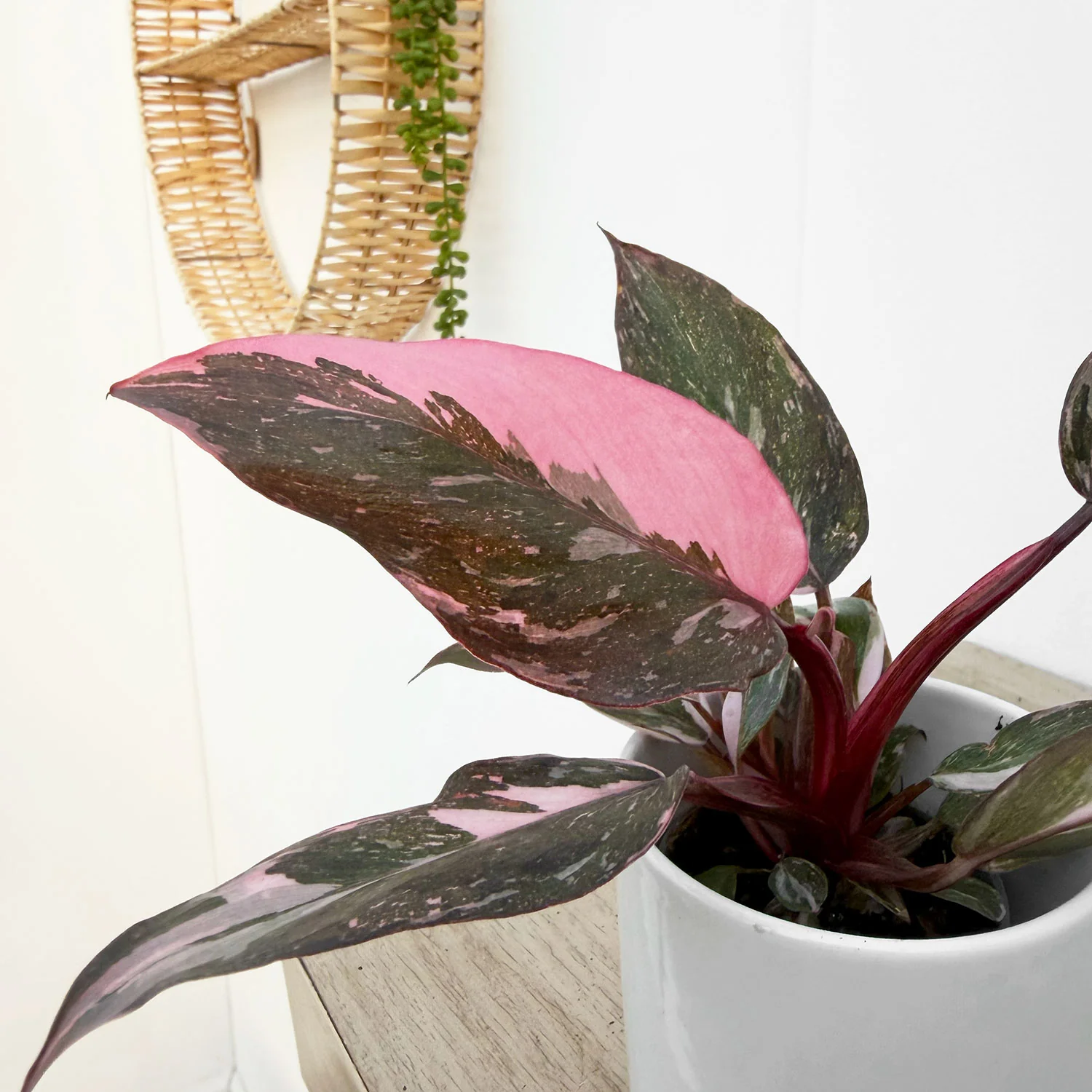
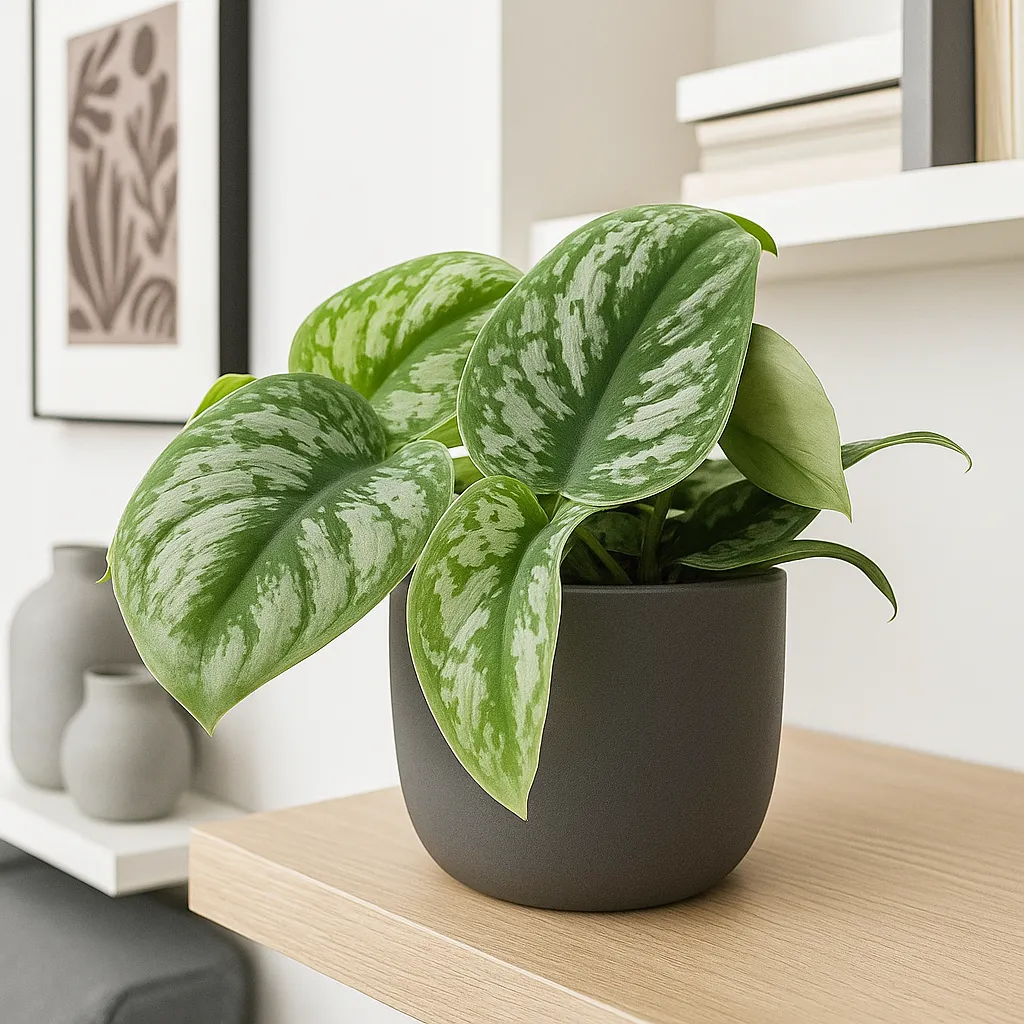
Alocasia ‘Venusta’ is a compact and highly attractive tropical houseplant admired for its elegant foliage, subtle metallic tones, and manageable growth habit. Compared to larger, more dramatic Alocasia species, ‘Venusta’ offers a softer, more refined appearance while still retaining the exotic characteristics that make Alocasias so desirable among collectors.
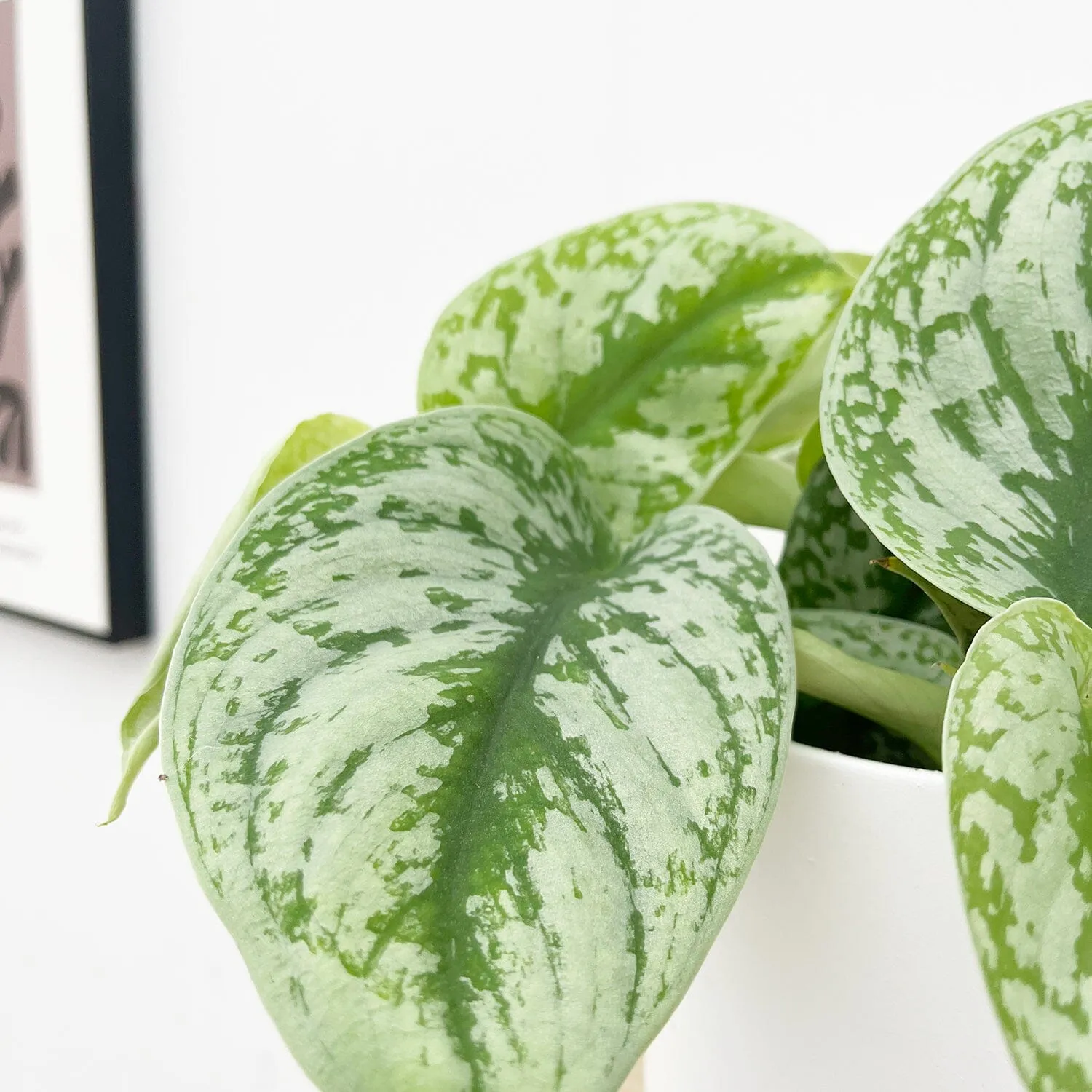
Its elongated, arrow-shaped leaves display a beautiful blend of silvery-green and deeper green tones, often enhanced by darker veining and a smooth satin finish. The foliage appears slightly textured and can develop a gentle metallic sheen under bright light, giving the plant an understated yet sophisticated look.
Native to tropical environments, Alocasia ‘Venusta’ thrives in warm, humid conditions and remains relatively compact, making it ideal for shelves, desks, terrariums, or smaller indoor spaces where larger Alocasias may become impractical.
Key Features
- Elegant silvery-green foliage with darker veining
- Compact growth habit ideal for smaller indoor spaces
- Subtle metallic sheen adds depth and texture
- Excellent choice for collectors wanting a manageable Alocasia
- Tropical appearance without excessive size
Detailed Care Guide
Light Requirements
Alocasia ‘Venusta’ prefers bright, indirect light.
- Position near a bright window with filtered sunlight
- Avoid harsh direct midday sun, which may scorch the leaves
- Lower light conditions can reduce growth and dull foliage colour
Ideal locations:
- East-facing windows
- Bright north-facing rooms
- A short distance from brighter south-facing windows
Watering
This plant prefers lightly moist soil but dislikes waterlogged conditions.
- Water when the top 2–3 cm of soil begins to dry
- Keep the soil consistently but lightly moist during active growth
- Reduce watering during winter months
- Ensure excess water drains freely
Important: Overwatering is one of the most common causes of Alocasia decline.
Humidity & Temperature
Alocasia ‘Venusta’ thrives in warm, humid environments.
- Ideal humidity: 60–80%
- Temperature range: 18–27°C
- Avoid cold draughts and temperatures below 15°C
To increase humidity:
- Use a humidifier
- Group plants together
- Place on a pebble tray
Soil & Potting Mix
A chunky, free-draining substrate is essential.
Recommended mix:
- 40% houseplant compost
- 30% perlite
- 20% orchid bark
- 10% coco coir or horticultural charcoal
This allows good airflow around the roots while retaining enough moisture.
Feeding
Feed regularly during the growing season for healthy foliage development.
- Use a balanced liquid fertiliser every 2–3 weeks during spring and summer
- Reduce or stop feeding in autumn and winter
Growth Habit & Dormancy
- Compact, upright growth habit
- Produces foliage from underground rhizomes
- May enter partial dormancy during cooler months
During dormancy:
- Growth slows significantly
- Some leaves may yellow or die back
- Water less frequently until growth resumes
Repotting
- Repot every 1–2 years or when roots outgrow the pot
- Choose containers with drainage holes
- Avoid oversized pots, which can retain too much moisture
Propagation
Alocasia ‘Venusta’ is usually propagated through division or corm separation.
- Separate offsets during repotting
- Pot into a lightly moist, airy substrate
- Maintain warmth and humidity while establishing
Common Issues
1. Yellowing leaves
- Usually linked to overwatering or poor drainage
2. Brown crispy edges
- Often caused by low humidity or inconsistent watering
3. Drooping foliage
- May indicate watering stress or environmental changes
4. Slower winter growth
- Common during dormancy and usually not a concern
Styling & Placement Ideas
- Perfect for desks, shelves, and smaller plant displays
- Works beautifully in modern, minimalist, or tropical interiors
- Pairs well with velvety foliage plants and darker tropical species
- Ideal for plant cabinets or humidity-focused displays
Toxicity
Like all Alocasias, ‘Venusta’ is toxic if ingested, so it should be kept out of reach of pets and children.
Original: $26.38
-70%$26.38
$7.91Product Information
Product Information
Shipping & Returns
Shipping & Returns
Description
Alocasia ‘Venusta’ is a compact and highly attractive tropical houseplant admired for its elegant foliage, subtle metallic tones, and manageable growth habit. Compared to larger, more dramatic Alocasia species, ‘Venusta’ offers a softer, more refined appearance while still retaining the exotic characteristics that make Alocasias so desirable among collectors.
Its elongated, arrow-shaped leaves display a beautiful blend of silvery-green and deeper green tones, often enhanced by darker veining and a smooth satin finish. The foliage appears slightly textured and can develop a gentle metallic sheen under bright light, giving the plant an understated yet sophisticated look.
Native to tropical environments, Alocasia ‘Venusta’ thrives in warm, humid conditions and remains relatively compact, making it ideal for shelves, desks, terrariums, or smaller indoor spaces where larger Alocasias may become impractical.
Key Features
- Elegant silvery-green foliage with darker veining
- Compact growth habit ideal for smaller indoor spaces
- Subtle metallic sheen adds depth and texture
- Excellent choice for collectors wanting a manageable Alocasia
- Tropical appearance without excessive size
Detailed Care Guide
Light Requirements
Alocasia ‘Venusta’ prefers bright, indirect light.
- Position near a bright window with filtered sunlight
- Avoid harsh direct midday sun, which may scorch the leaves
- Lower light conditions can reduce growth and dull foliage colour
Ideal locations:
- East-facing windows
- Bright north-facing rooms
- A short distance from brighter south-facing windows
Watering
This plant prefers lightly moist soil but dislikes waterlogged conditions.
- Water when the top 2–3 cm of soil begins to dry
- Keep the soil consistently but lightly moist during active growth
- Reduce watering during winter months
- Ensure excess water drains freely
Important: Overwatering is one of the most common causes of Alocasia decline.
Humidity & Temperature
Alocasia ‘Venusta’ thrives in warm, humid environments.
- Ideal humidity: 60–80%
- Temperature range: 18–27°C
- Avoid cold draughts and temperatures below 15°C
To increase humidity:
- Use a humidifier
- Group plants together
- Place on a pebble tray
Soil & Potting Mix
A chunky, free-draining substrate is essential.
Recommended mix:
- 40% houseplant compost
- 30% perlite
- 20% orchid bark
- 10% coco coir or horticultural charcoal
This allows good airflow around the roots while retaining enough moisture.
Feeding
Feed regularly during the growing season for healthy foliage development.
- Use a balanced liquid fertiliser every 2–3 weeks during spring and summer
- Reduce or stop feeding in autumn and winter
Growth Habit & Dormancy
- Compact, upright growth habit
- Produces foliage from underground rhizomes
- May enter partial dormancy during cooler months
During dormancy:
- Growth slows significantly
- Some leaves may yellow or die back
- Water less frequently until growth resumes
Repotting
- Repot every 1–2 years or when roots outgrow the pot
- Choose containers with drainage holes
- Avoid oversized pots, which can retain too much moisture
Propagation
Alocasia ‘Venusta’ is usually propagated through division or corm separation.
- Separate offsets during repotting
- Pot into a lightly moist, airy substrate
- Maintain warmth and humidity while establishing
Common Issues
1. Yellowing leaves
- Usually linked to overwatering or poor drainage
2. Brown crispy edges
- Often caused by low humidity or inconsistent watering
3. Drooping foliage
- May indicate watering stress or environmental changes
4. Slower winter growth
- Common during dormancy and usually not a concern
Styling & Placement Ideas
- Perfect for desks, shelves, and smaller plant displays
- Works beautifully in modern, minimalist, or tropical interiors
- Pairs well with velvety foliage plants and darker tropical species
- Ideal for plant cabinets or humidity-focused displays
Toxicity
Like all Alocasias, ‘Venusta’ is toxic if ingested, so it should be kept out of reach of pets and children.