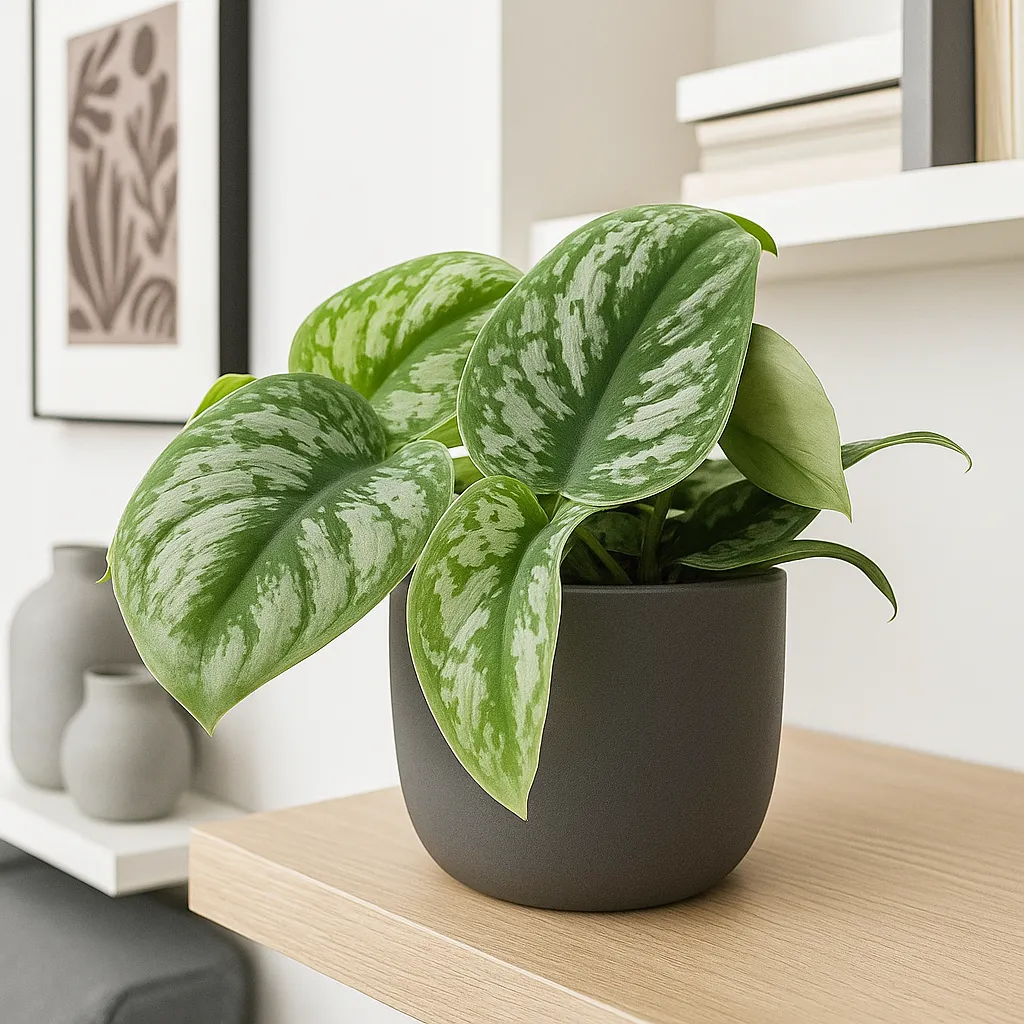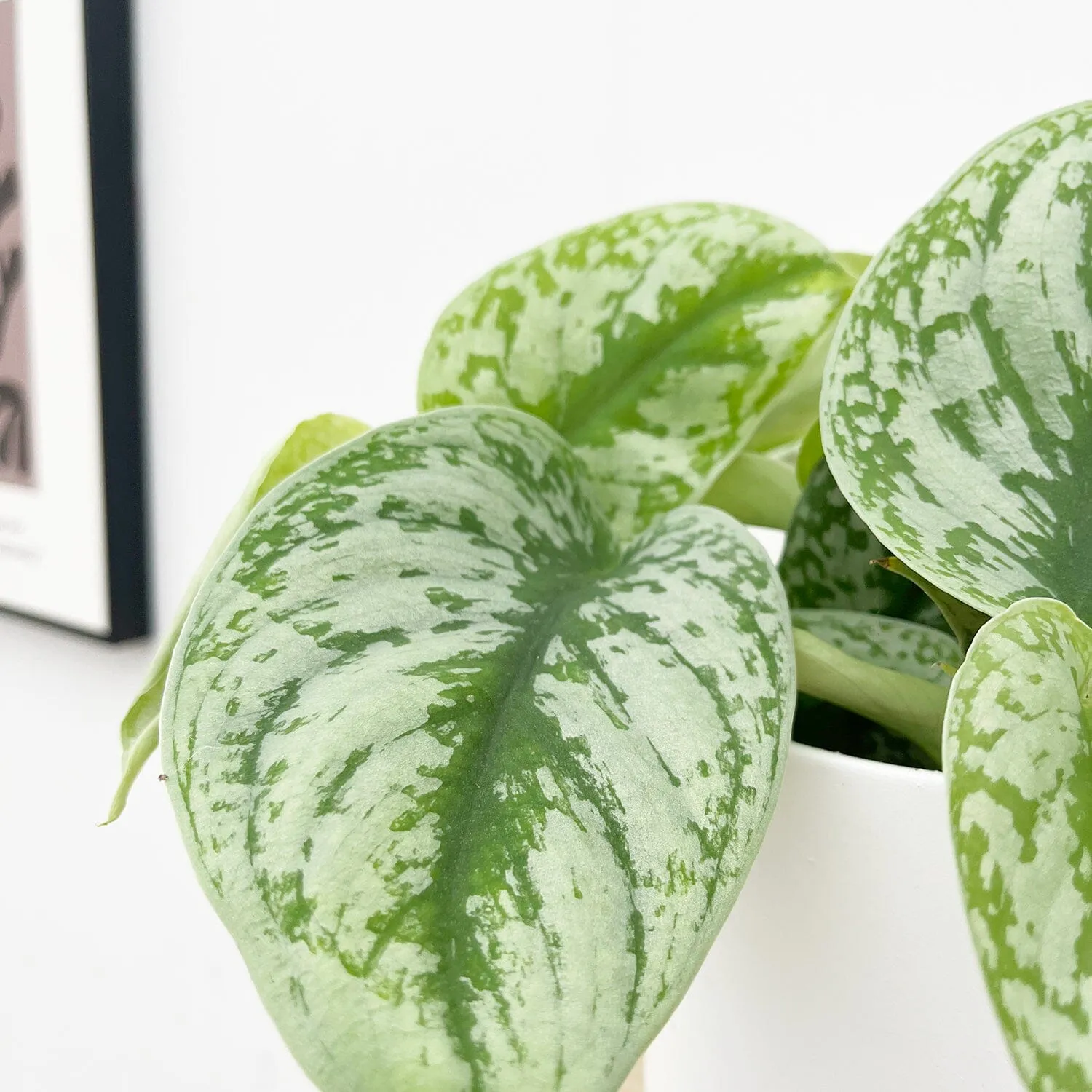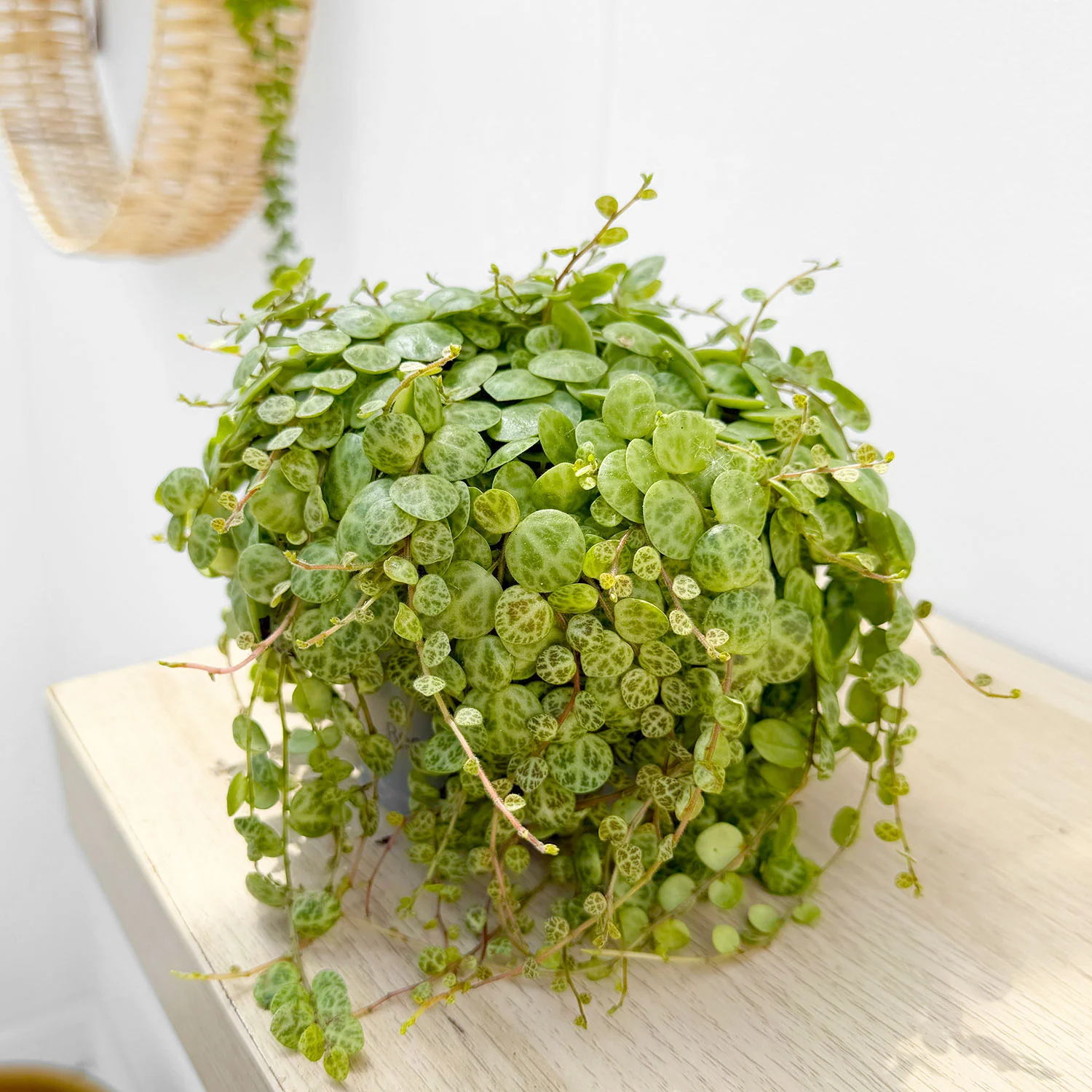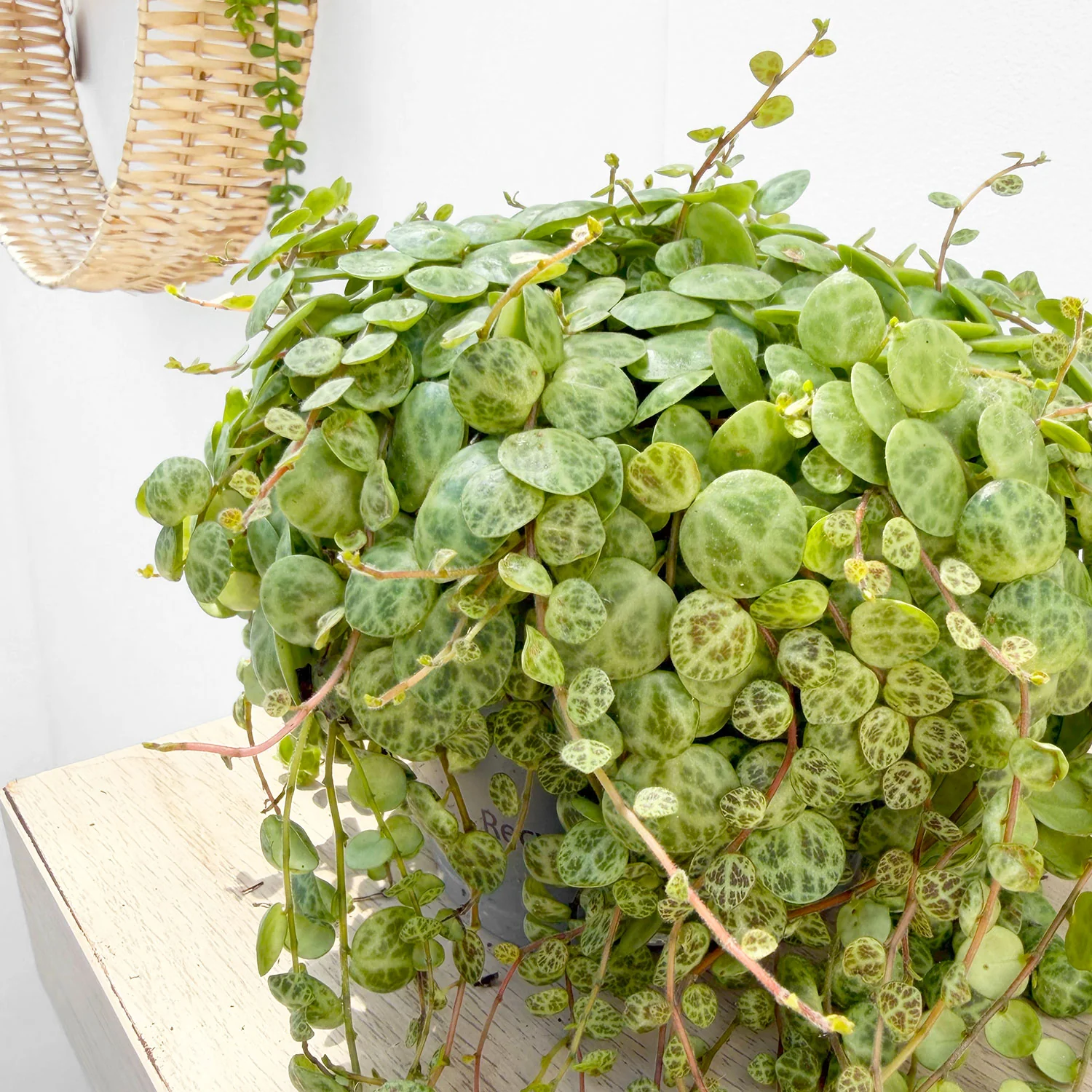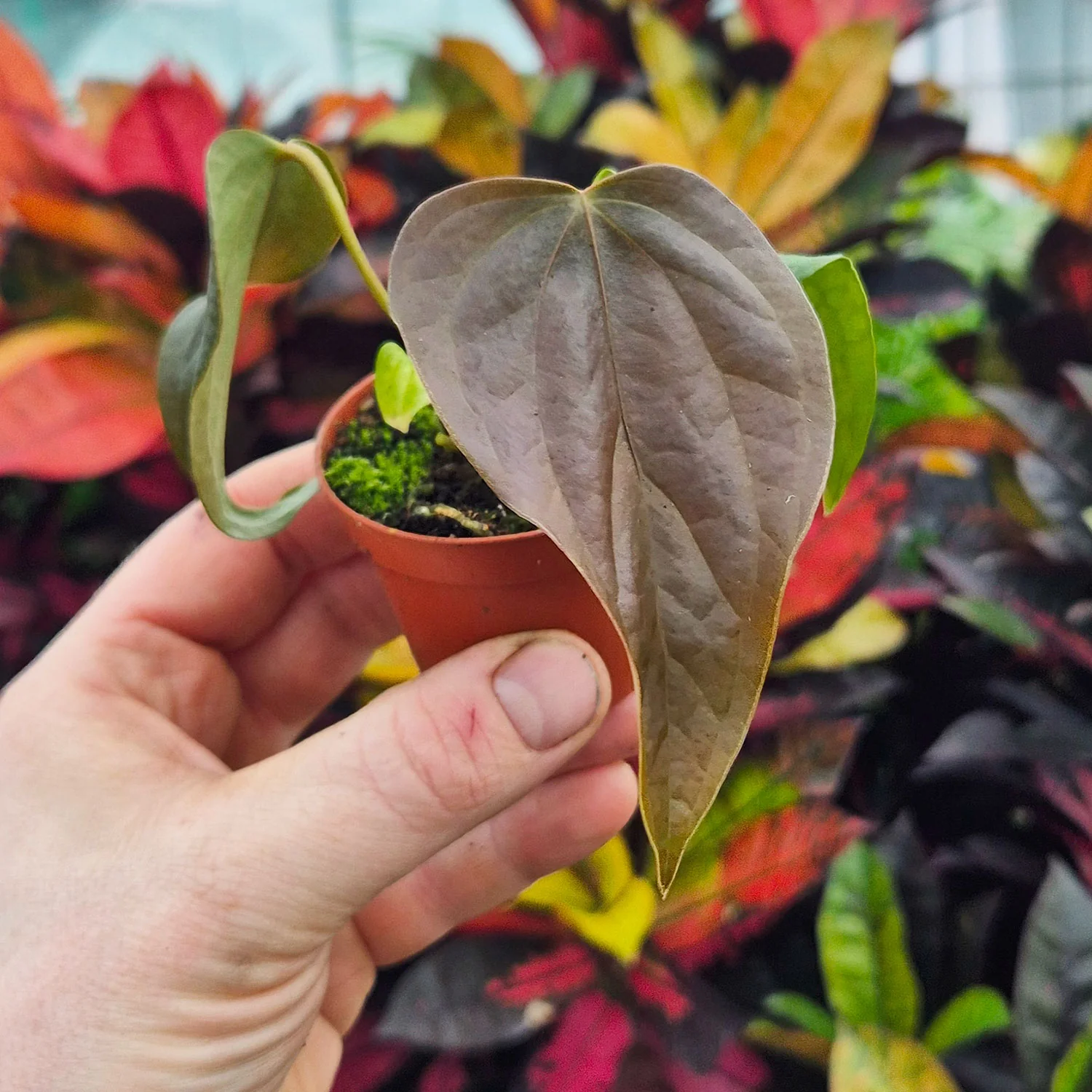
Anthurium Queen of Hearts House Plant 6cm Pot
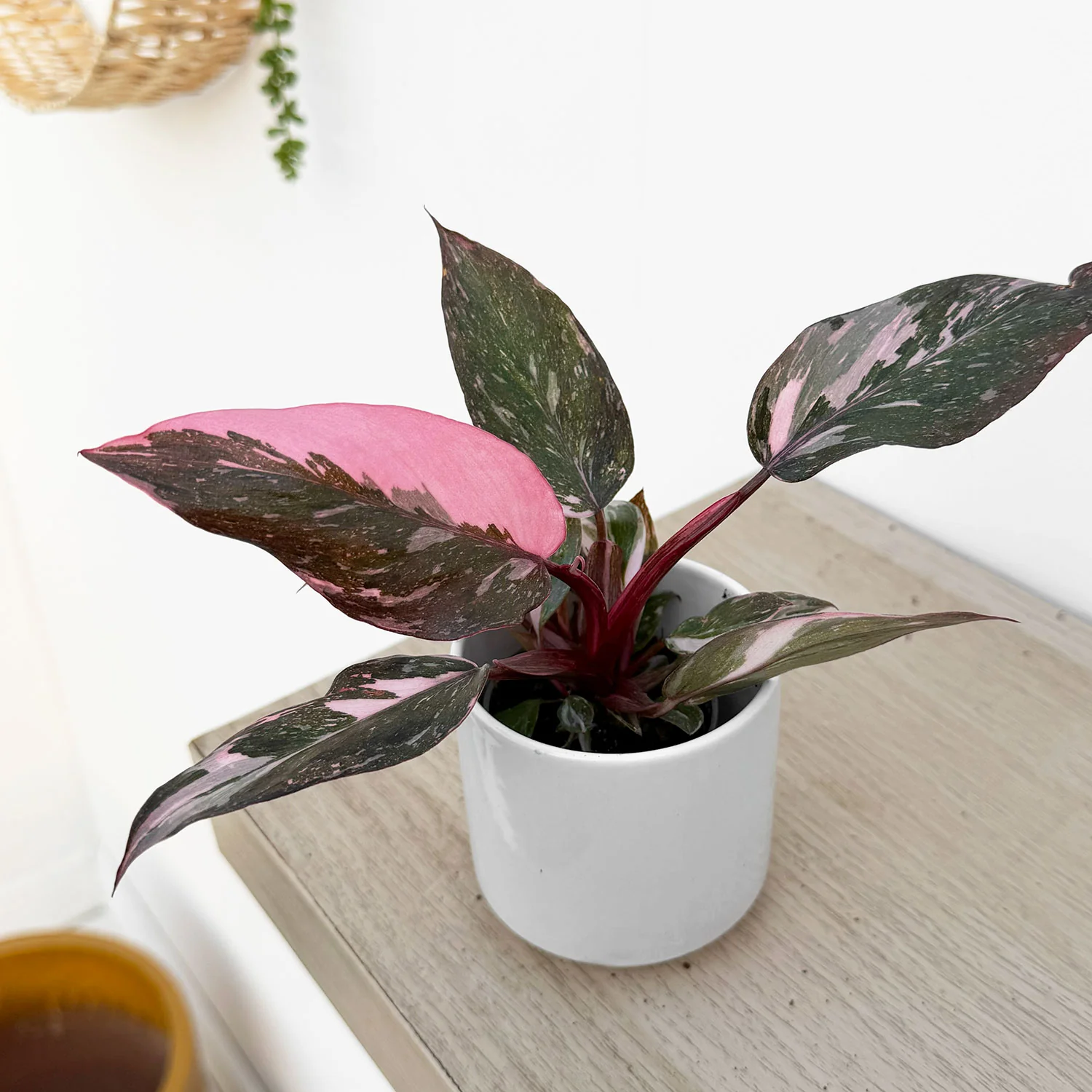
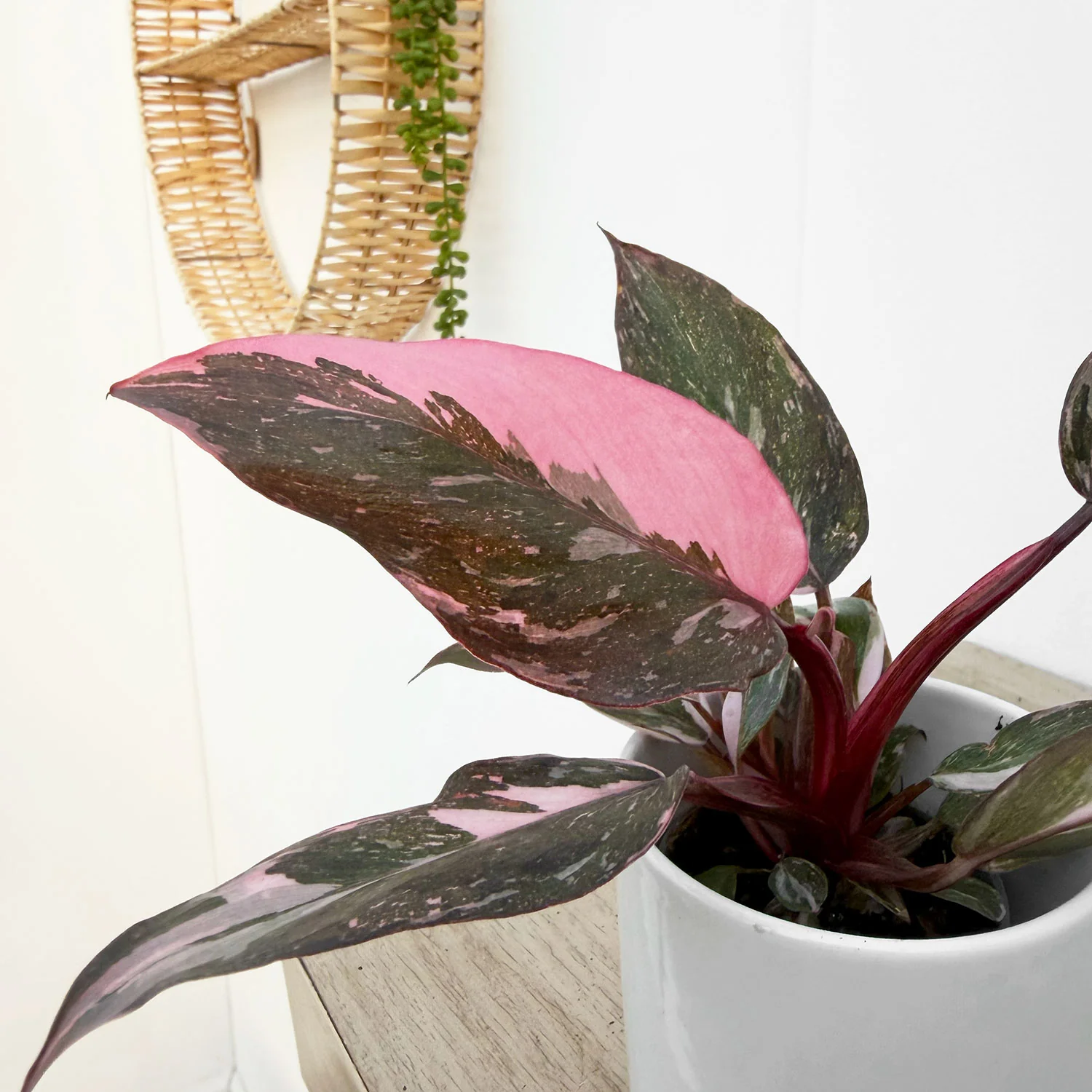
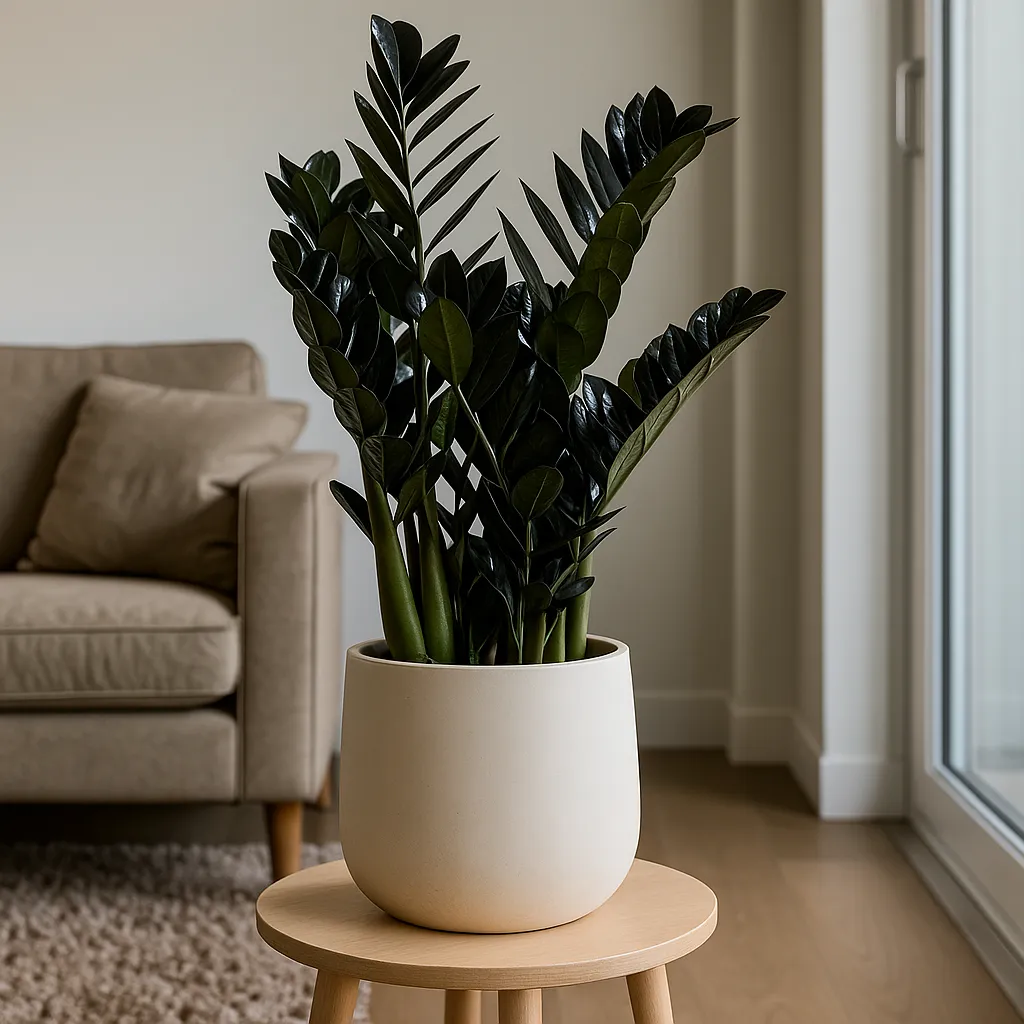
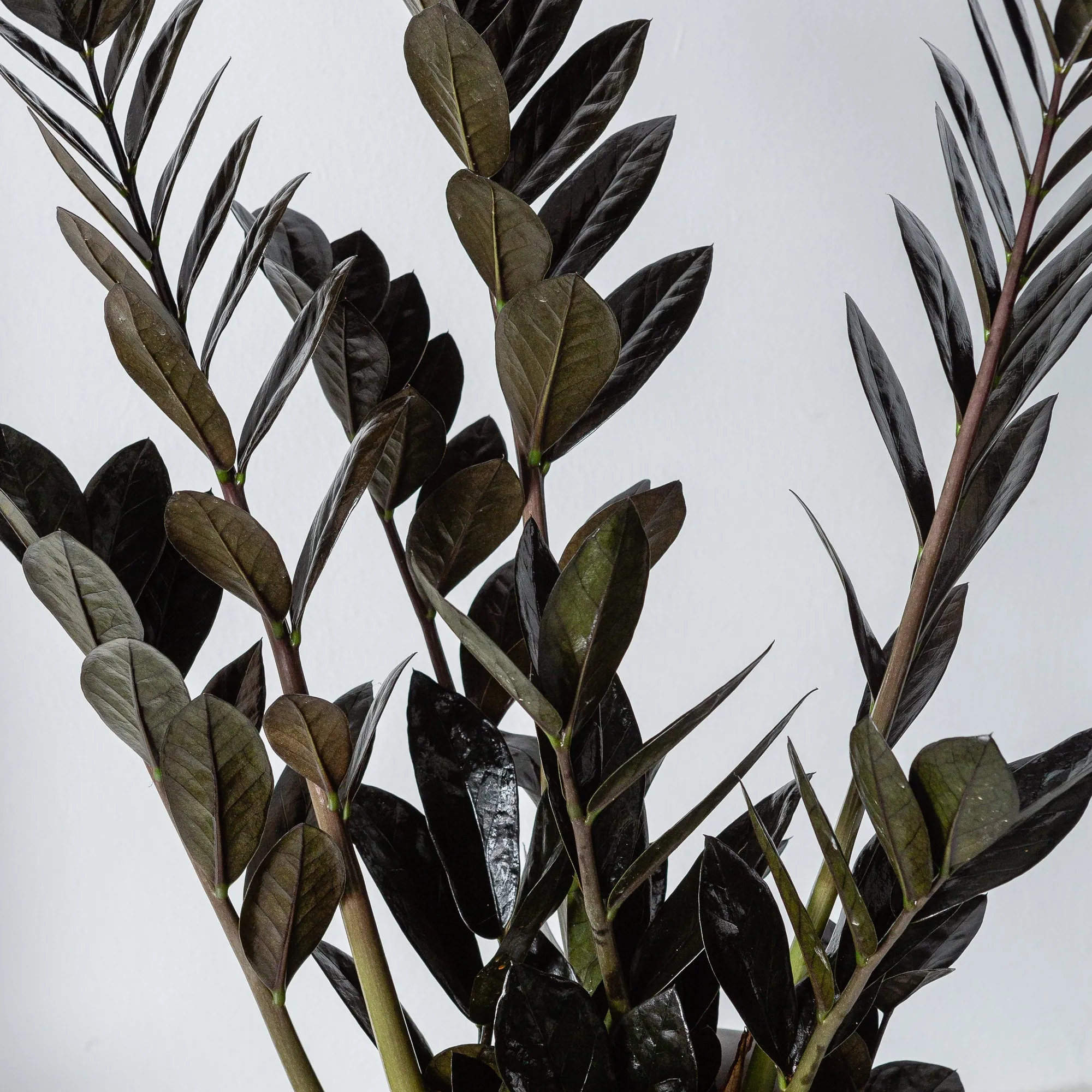
Anthurium ‘Queen of Hearts’ is a luxurious velvet-leaf hybrid admired for its dramatic heart-shaped foliage.. With deep green, almost black velvety leaves it offers a refined, collector-level look.
A member of the Anthurium group, this variety is grown for foliage rather than flowers. Leaves emerge lighter and gradually deepen in colour as they mature, creating beautiful tonal variation across the plant.
Elegant, architectural and slow-growing, ‘Queen of Hearts’ is a standout in any rare or dark foliage collection.
Key Features
-
🌿 Large, velvety heart-shaped leaves
-
🌿 Deep green to near-black mature foliage
-
🌿 Compact but bold growth
-
🌿 Collector-focused hybrid
Care Guide
Light
Bright, indirect light is essential.
-
East-facing windows are ideal
-
Avoid direct sunlight
-
Too little light slows growth and reduces contrast
Filtered light enhances the velvety texture and vein definition.
Watering
Allow the top 3–4cm of soil to dry before watering.
-
Keep soil lightly moist during active growth
-
Reduce watering in autumn and winter
-
Never allow it to sit in water
Anthuriums prefer consistent moisture but are sensitive to overwatering.
Humidity
High humidity is very important.
-
Ideal range: 60–80%
-
Benefits from a humidifier
-
Excellent candidate for plant cabinets
Low humidity may cause browning edges or reduced leaf size.
Temperature
-
Ideal: 18–26°C
-
Avoid temperatures below 16°C
-
Protect from draughts
Stable warmth keeps growth steady.
Soil & Potting Mix
Use a chunky, well-draining aroid mix:
-
Peat-free houseplant compost
-
Orchid bark
-
Perlite
-
Horticultural charcoal (optional)
Good airflow around roots prevents rot.
Feeding
Feed during spring and summer:
-
Balanced liquid fertiliser every 4 weeks
-
Reduce feeding in winter
Avoid heavy feeding, as velvet Anthuriums are sensitive to salt build-up.
Growth Habit
-
Upright and compact
-
Leaves can grow impressively large with time
-
Slow to moderate growth rate
New leaves emerge lighter before darkening as they harden off.
Propagation
Best propagated by division if offsets form.
Propagation is typically carried out during spring repotting.
Common Problems
Yellow leaves
-
Overwatering
Brown leaf edges
-
Low humidity
Soft base
-
Root rot
Small leaves
-
Insufficient light or nutrients
Velvet Anthuriums prefer stability — sudden changes can cause stress.
Styling Ideas
-
Perfect for dark, moody interiors
-
Ideal for plant cabinets
-
Pairs beautifully with lighter variegated plants
-
Looks striking in matte black or neutral ceramic pots
Its deep velvet foliage and bright veining create a dramatic focal point.
Toxicity
Like other Anthuriums, it is toxic if ingested by pets or humans. Keep out of reach of cats and dogs.
Original: $13.18
-70%$13.18
$3.95Product Information
Product Information
Shipping & Returns
Shipping & Returns
Description
Anthurium ‘Queen of Hearts’ is a luxurious velvet-leaf hybrid admired for its dramatic heart-shaped foliage.. With deep green, almost black velvety leaves it offers a refined, collector-level look.
A member of the Anthurium group, this variety is grown for foliage rather than flowers. Leaves emerge lighter and gradually deepen in colour as they mature, creating beautiful tonal variation across the plant.
Elegant, architectural and slow-growing, ‘Queen of Hearts’ is a standout in any rare or dark foliage collection.
Key Features
-
🌿 Large, velvety heart-shaped leaves
-
🌿 Deep green to near-black mature foliage
-
🌿 Compact but bold growth
-
🌿 Collector-focused hybrid
Care Guide
Light
Bright, indirect light is essential.
-
East-facing windows are ideal
-
Avoid direct sunlight
-
Too little light slows growth and reduces contrast
Filtered light enhances the velvety texture and vein definition.
Watering
Allow the top 3–4cm of soil to dry before watering.
-
Keep soil lightly moist during active growth
-
Reduce watering in autumn and winter
-
Never allow it to sit in water
Anthuriums prefer consistent moisture but are sensitive to overwatering.
Humidity
High humidity is very important.
-
Ideal range: 60–80%
-
Benefits from a humidifier
-
Excellent candidate for plant cabinets
Low humidity may cause browning edges or reduced leaf size.
Temperature
-
Ideal: 18–26°C
-
Avoid temperatures below 16°C
-
Protect from draughts
Stable warmth keeps growth steady.
Soil & Potting Mix
Use a chunky, well-draining aroid mix:
-
Peat-free houseplant compost
-
Orchid bark
-
Perlite
-
Horticultural charcoal (optional)
Good airflow around roots prevents rot.
Feeding
Feed during spring and summer:
-
Balanced liquid fertiliser every 4 weeks
-
Reduce feeding in winter
Avoid heavy feeding, as velvet Anthuriums are sensitive to salt build-up.
Growth Habit
-
Upright and compact
-
Leaves can grow impressively large with time
-
Slow to moderate growth rate
New leaves emerge lighter before darkening as they harden off.
Propagation
Best propagated by division if offsets form.
Propagation is typically carried out during spring repotting.
Common Problems
Yellow leaves
-
Overwatering
Brown leaf edges
-
Low humidity
Soft base
-
Root rot
Small leaves
-
Insufficient light or nutrients
Velvet Anthuriums prefer stability — sudden changes can cause stress.
Styling Ideas
-
Perfect for dark, moody interiors
-
Ideal for plant cabinets
-
Pairs beautifully with lighter variegated plants
-
Looks striking in matte black or neutral ceramic pots
Its deep velvet foliage and bright veining create a dramatic focal point.
Toxicity
Like other Anthuriums, it is toxic if ingested by pets or humans. Keep out of reach of cats and dogs.