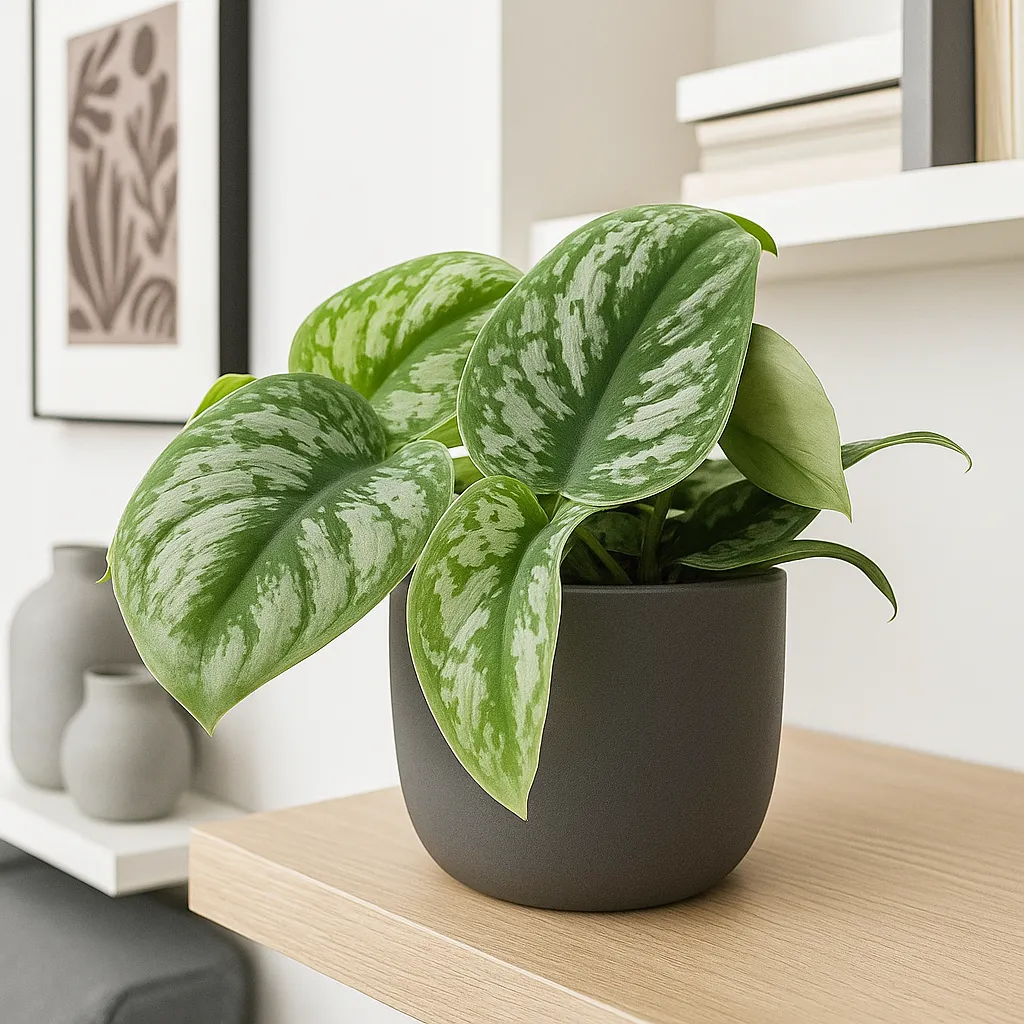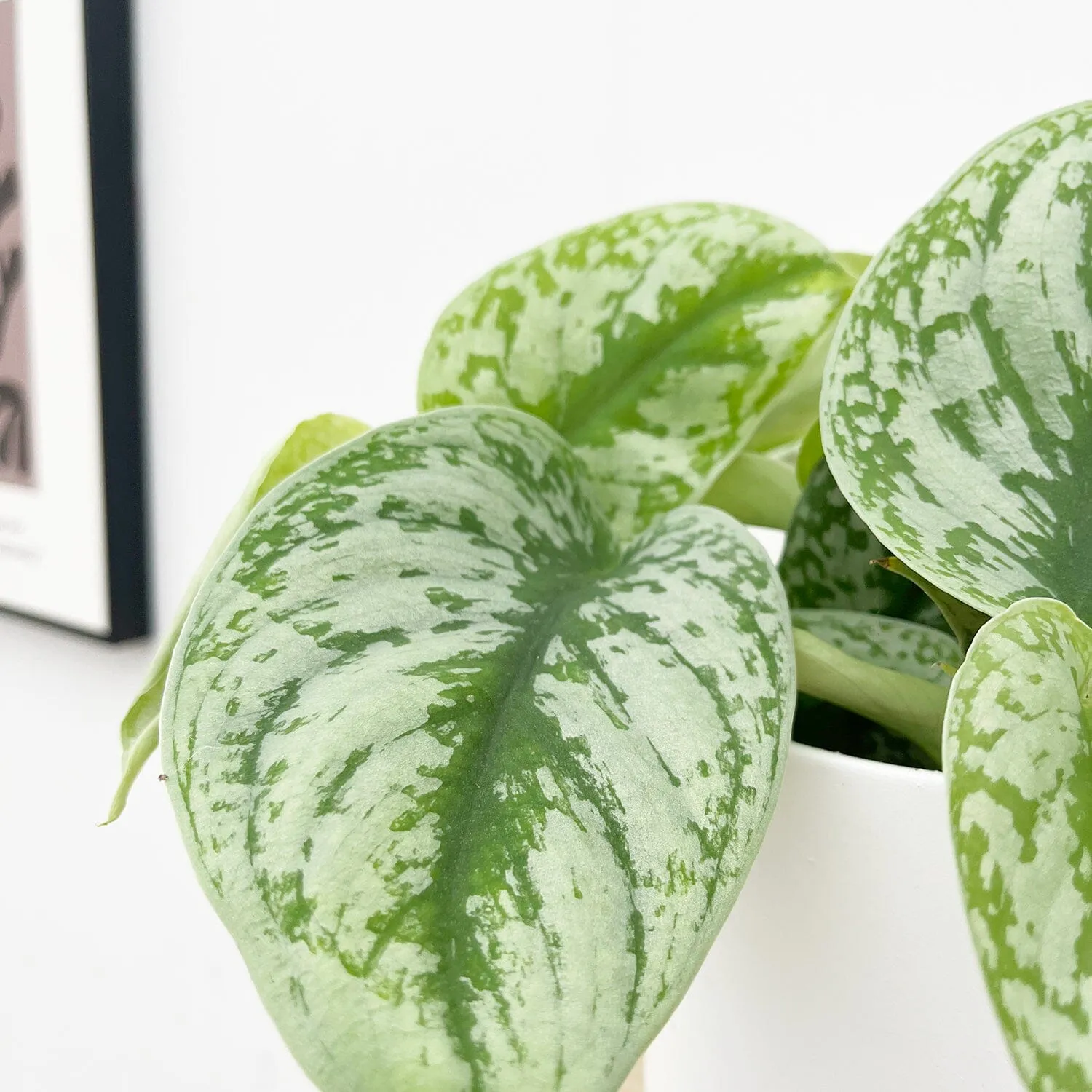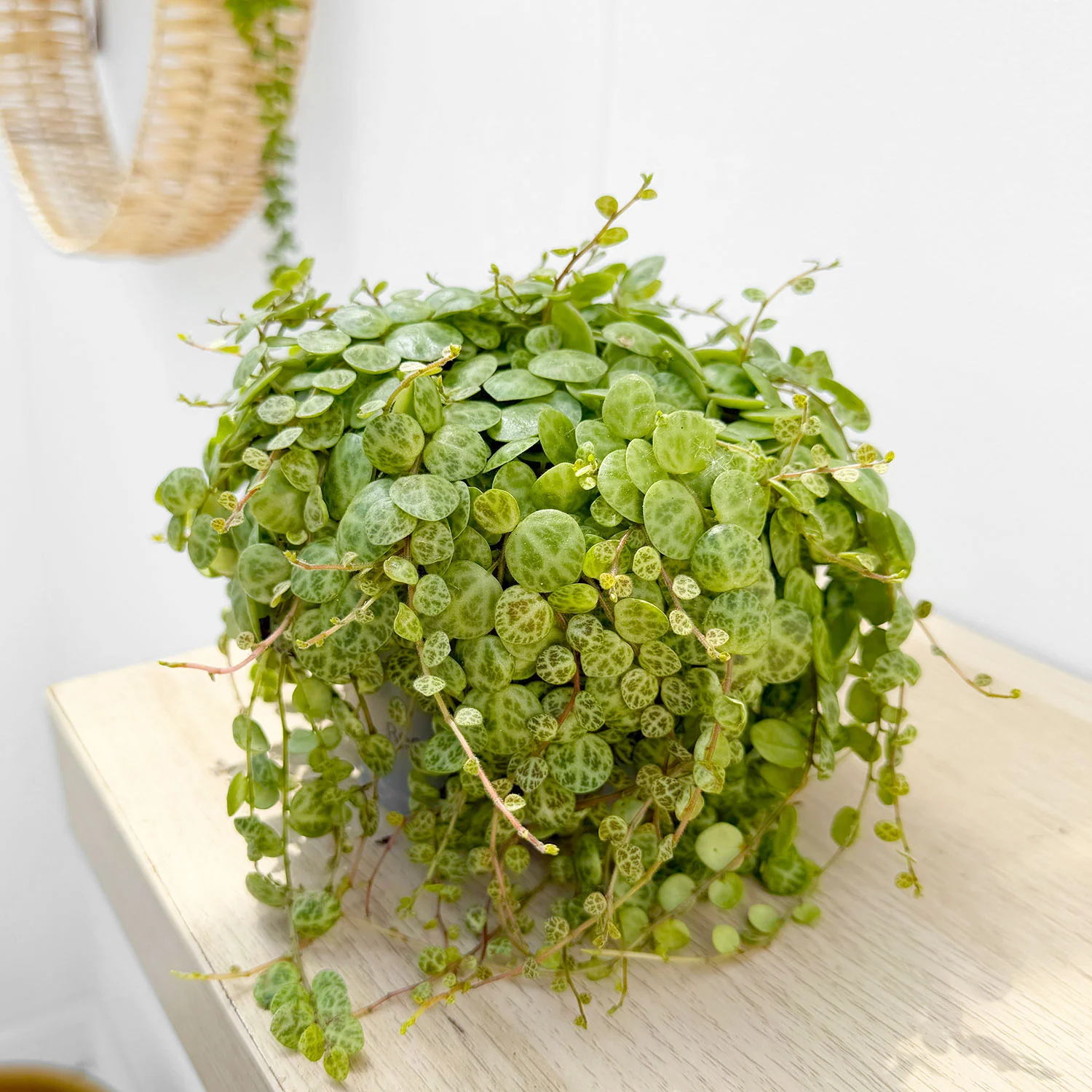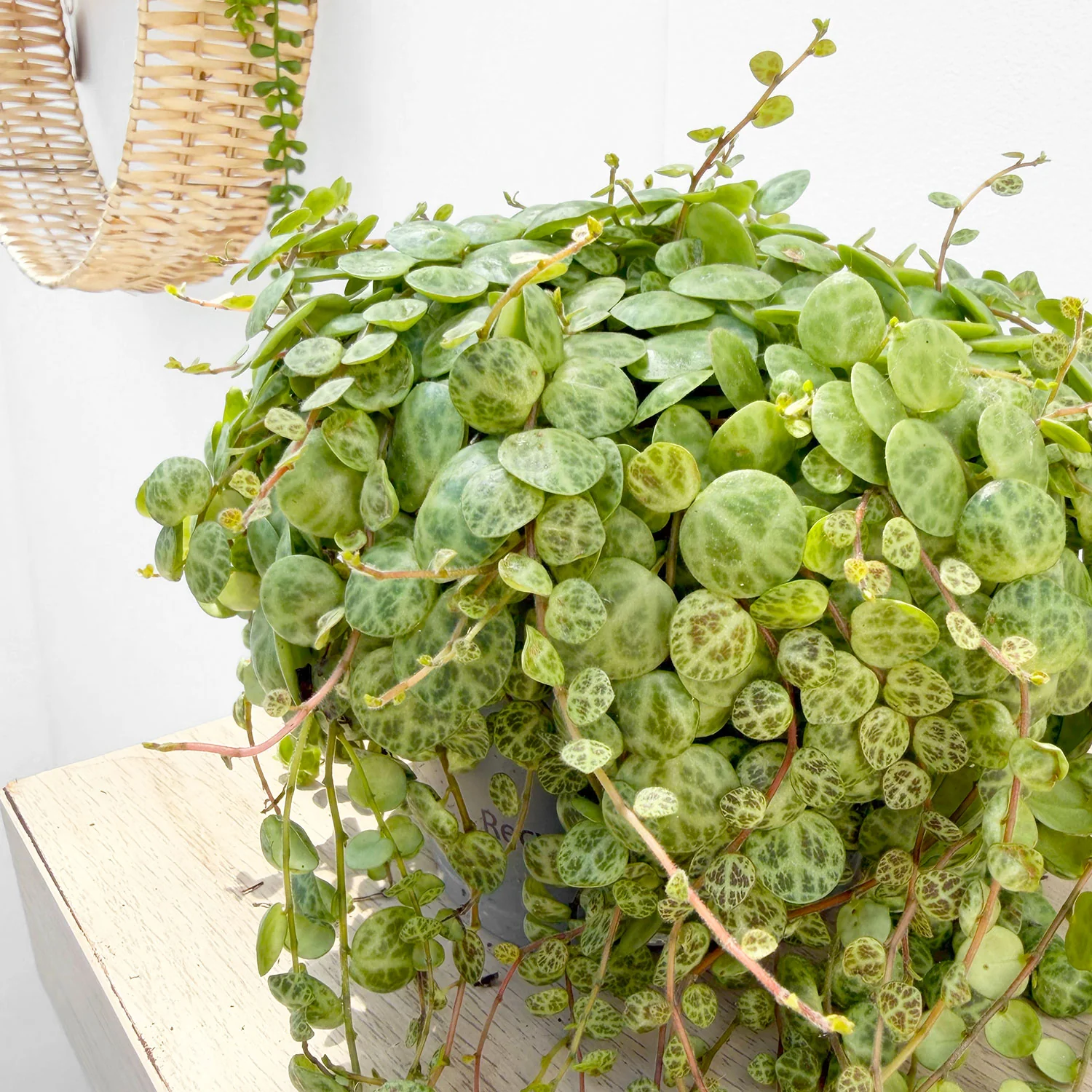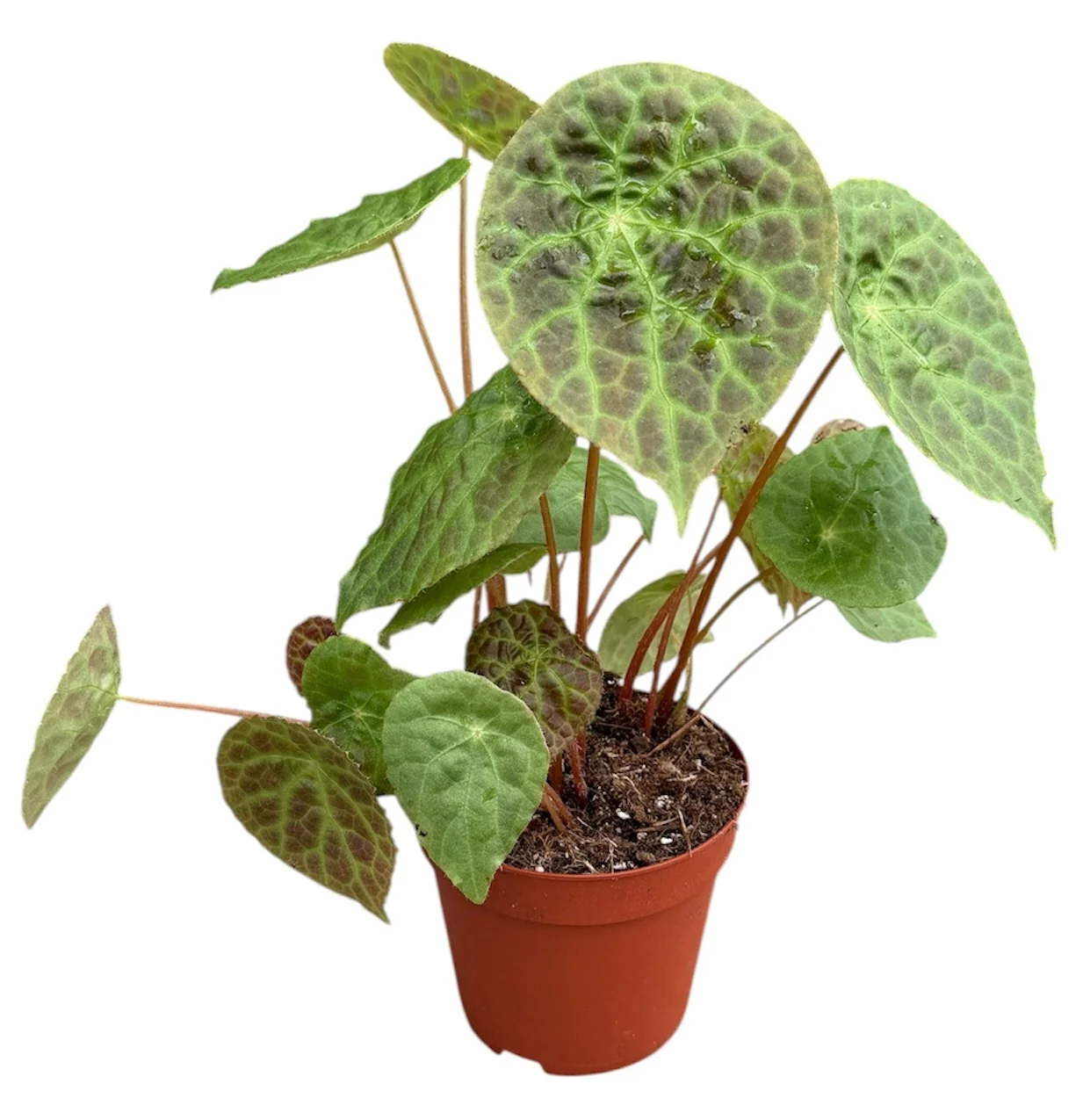
Begonia Phuthoensis 14cm Pot 15cm Height House Plant
Begonia phuthoensis is a rare and highly sought-after species begonia admired for its intricate foliage, textured leaves, and compact tropical growth habit. Native to Vietnam, this species is particularly valued among collectors for its dramatic leaf surface, which often displays a rich combination of deep green, bronze, and silvery tones depending on lighting and maturity.
The foliage is heavily textured and slightly bullate, giving the leaves a sculptural appearance that stands out in terrariums, plant cabinets, and humidity-focused indoor collections. Fine veining and subtle metallic undertones further enhance the plant’s exotic appearance, making it an excellent choice for collectors who appreciate unusual foliage detail over bold colour alone.
Begonia phuthoensis thrives in warm, humid environments and performs especially well in controlled indoor conditions where humidity remains consistently elevated.
Key Features
- Rare species begonia with highly textured foliage
- Subtle metallic and deep green tones across the leaves
- Compact growth habit ideal for smaller spaces
- Excellent choice for terrariums and plant cabinets
- Collector-focused tropical houseplant with intricate detail
Detailed Care Guide
Light Requirements
Begonia phuthoensis prefers bright, indirect light.
- Best placed in filtered light or gentle morning sun
- Avoid strong direct sunlight, which may scorch the delicate leaves
- Too little light can reduce growth and foliage detail
Ideal locations:
- North or east-facing windows
- Shelves with diffused light
- Terrariums or grow cabinets with artificial lighting
Watering
This species enjoys lightly moist soil but is sensitive to overwatering.
- Water when the top layer of soil begins to dry slightly
- Keep soil evenly moist but never saturated
- Avoid allowing the plant to sit in water
- Reduce watering slightly during cooler months
Important: Good airflow and drainage are essential to prevent stem or root rot.
Humidity & Temperature
High humidity is key to keeping Begonia phuthoensis healthy and vibrant.
- Ideal humidity: 65–85%
- Temperature range: 18–26°C
- Avoid cold temperatures and sudden environmental changes
This species performs particularly well in:
- Plant cabinets
- Terrariums
- Greenhouse-style indoor setups
Soil & Potting Mix
A light, airy substrate helps maintain healthy roots while retaining moisture.
Recommended mix:
- 40% coco coir or peat-free houseplant compost
- 30% perlite
- 20% orchid bark
- 10% horticultural charcoal or sphagnum moss
This combination provides airflow while maintaining the moisture levels begonias prefer.
Feeding
Feed lightly but consistently during active growth.
- Apply a diluted balanced fertiliser every 3–4 weeks during spring and summer
- Avoid overfeeding, which may damage delicate roots
- Reduce feeding during autumn and winter
Growth Habit
- Compact, bushy growth habit
- Produces layered foliage from creeping stems or rhizomatous growth
- Ideal for smaller decorative pots and enclosed displays
Under optimal conditions, the foliage becomes denser and more textured over time.
Repotting
- Repot only when necessary, as begonias often prefer slightly snug pots
- Use shallow containers with drainage holes
- Refresh the potting mix periodically to maintain airflow and structure
Propagation
Begonia phuthoensis can be propagated through:
- Stem cuttings
- Rhizome division
- Occasionally leaf cuttings under high humidity
Propagation is most successful in warm, humid conditions.
Common Issues
1. Crispy leaf edges
- Usually caused by low humidity or dry soil
2. Yellowing leaves
- Often linked to overwatering or poor drainage
3. Powdery mildew or rot
- Caused by stagnant airflow combined with excessive moisture
4. Leaf drop
- Environmental stress or sudden temperature changes
Styling & Placement Ideas
- Perfect for terrariums, plant cabinets, and humidity-focused displays
- Works beautifully alongside jewel orchids and smaller tropical species
- Ideal for collectors seeking unusual foliage texture
- Best displayed at eye level where the leaf detail can be appreciated fully
Toxicity
Begonias are considered mildly toxic if ingested, so they should be kept away from pets and children.
Original: $32.98
-70%$32.98
$9.89Product Information
Product Information
Shipping & Returns
Shipping & Returns
Description
Begonia phuthoensis is a rare and highly sought-after species begonia admired for its intricate foliage, textured leaves, and compact tropical growth habit. Native to Vietnam, this species is particularly valued among collectors for its dramatic leaf surface, which often displays a rich combination of deep green, bronze, and silvery tones depending on lighting and maturity.
The foliage is heavily textured and slightly bullate, giving the leaves a sculptural appearance that stands out in terrariums, plant cabinets, and humidity-focused indoor collections. Fine veining and subtle metallic undertones further enhance the plant’s exotic appearance, making it an excellent choice for collectors who appreciate unusual foliage detail over bold colour alone.
Begonia phuthoensis thrives in warm, humid environments and performs especially well in controlled indoor conditions where humidity remains consistently elevated.
Key Features
- Rare species begonia with highly textured foliage
- Subtle metallic and deep green tones across the leaves
- Compact growth habit ideal for smaller spaces
- Excellent choice for terrariums and plant cabinets
- Collector-focused tropical houseplant with intricate detail
Detailed Care Guide
Light Requirements
Begonia phuthoensis prefers bright, indirect light.
- Best placed in filtered light or gentle morning sun
- Avoid strong direct sunlight, which may scorch the delicate leaves
- Too little light can reduce growth and foliage detail
Ideal locations:
- North or east-facing windows
- Shelves with diffused light
- Terrariums or grow cabinets with artificial lighting
Watering
This species enjoys lightly moist soil but is sensitive to overwatering.
- Water when the top layer of soil begins to dry slightly
- Keep soil evenly moist but never saturated
- Avoid allowing the plant to sit in water
- Reduce watering slightly during cooler months
Important: Good airflow and drainage are essential to prevent stem or root rot.
Humidity & Temperature
High humidity is key to keeping Begonia phuthoensis healthy and vibrant.
- Ideal humidity: 65–85%
- Temperature range: 18–26°C
- Avoid cold temperatures and sudden environmental changes
This species performs particularly well in:
- Plant cabinets
- Terrariums
- Greenhouse-style indoor setups
Soil & Potting Mix
A light, airy substrate helps maintain healthy roots while retaining moisture.
Recommended mix:
- 40% coco coir or peat-free houseplant compost
- 30% perlite
- 20% orchid bark
- 10% horticultural charcoal or sphagnum moss
This combination provides airflow while maintaining the moisture levels begonias prefer.
Feeding
Feed lightly but consistently during active growth.
- Apply a diluted balanced fertiliser every 3–4 weeks during spring and summer
- Avoid overfeeding, which may damage delicate roots
- Reduce feeding during autumn and winter
Growth Habit
- Compact, bushy growth habit
- Produces layered foliage from creeping stems or rhizomatous growth
- Ideal for smaller decorative pots and enclosed displays
Under optimal conditions, the foliage becomes denser and more textured over time.
Repotting
- Repot only when necessary, as begonias often prefer slightly snug pots
- Use shallow containers with drainage holes
- Refresh the potting mix periodically to maintain airflow and structure
Propagation
Begonia phuthoensis can be propagated through:
- Stem cuttings
- Rhizome division
- Occasionally leaf cuttings under high humidity
Propagation is most successful in warm, humid conditions.
Common Issues
1. Crispy leaf edges
- Usually caused by low humidity or dry soil
2. Yellowing leaves
- Often linked to overwatering or poor drainage
3. Powdery mildew or rot
- Caused by stagnant airflow combined with excessive moisture
4. Leaf drop
- Environmental stress or sudden temperature changes
Styling & Placement Ideas
- Perfect for terrariums, plant cabinets, and humidity-focused displays
- Works beautifully alongside jewel orchids and smaller tropical species
- Ideal for collectors seeking unusual foliage texture
- Best displayed at eye level where the leaf detail can be appreciated fully
Toxicity
Begonias are considered mildly toxic if ingested, so they should be kept away from pets and children.