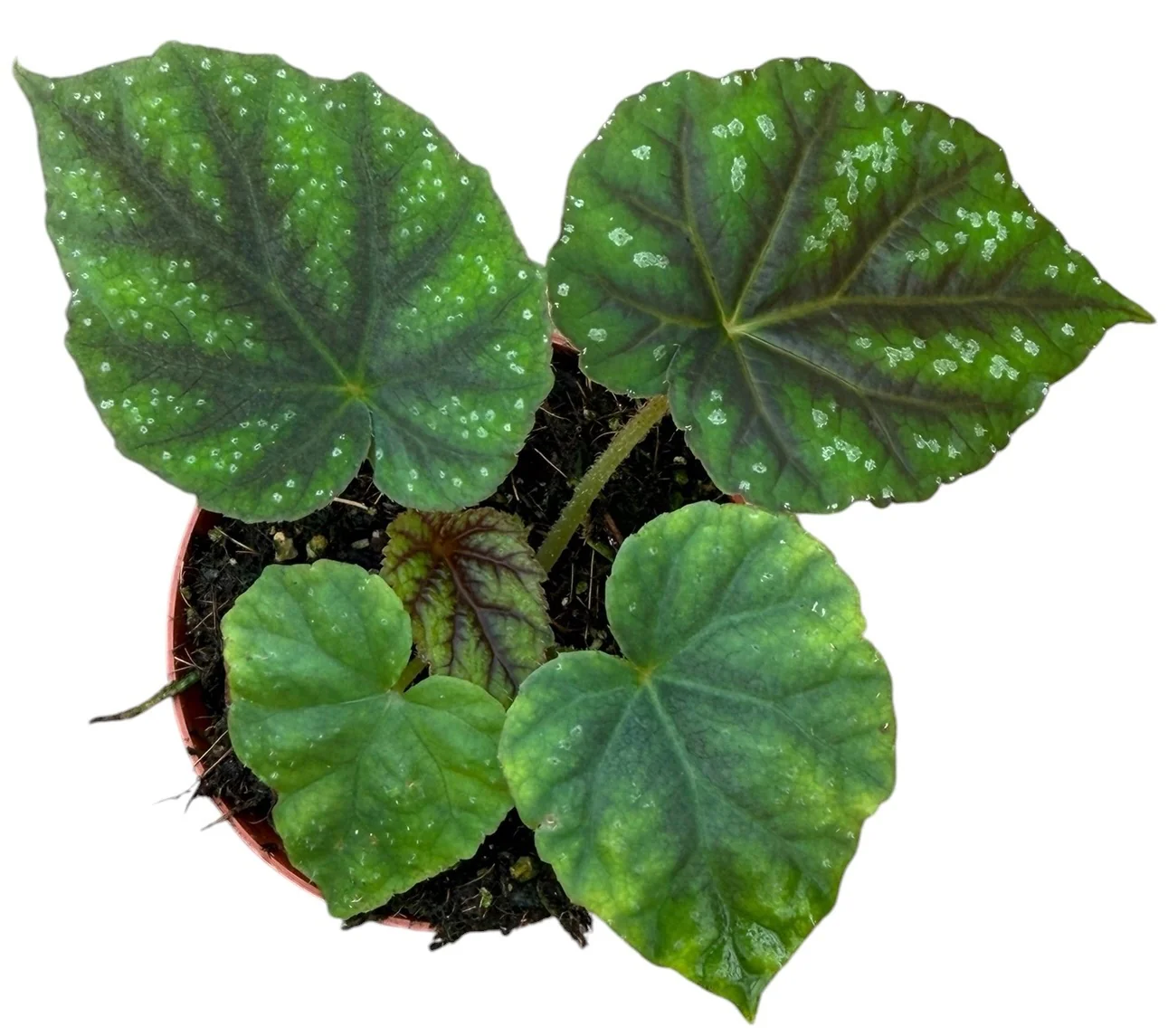
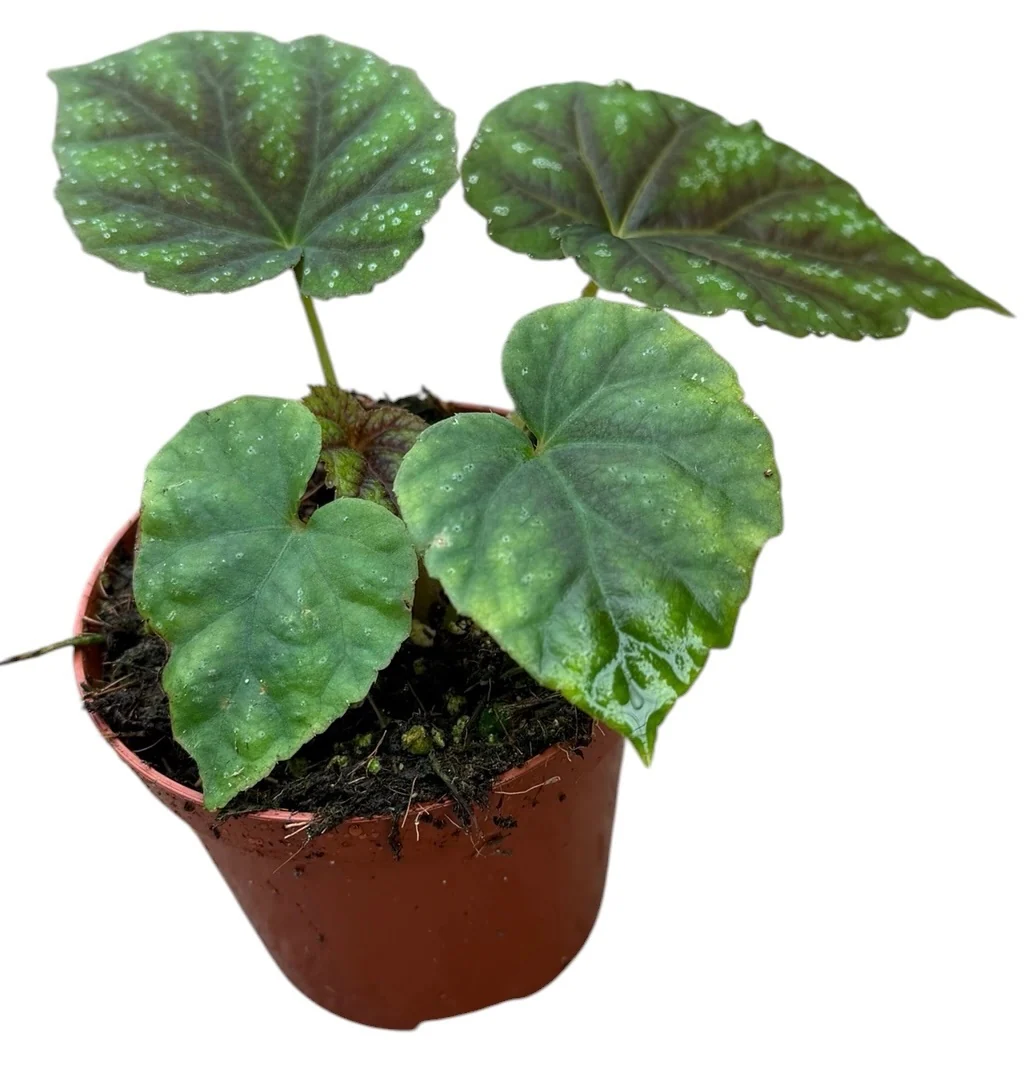
Begonia Pseudoedulis Shiwanshan House Plant 8cm Pot
Begonia pseudoedulis 'Shiwanshan' is a rare and highly desirable species begonia originating from the Shiwanshan Mountains of Guangxi, southern China. Admired for its large, lush foliage and distinctive tropical appearance, this species has become increasingly popular among collectors looking for unusual and impressive begonias.
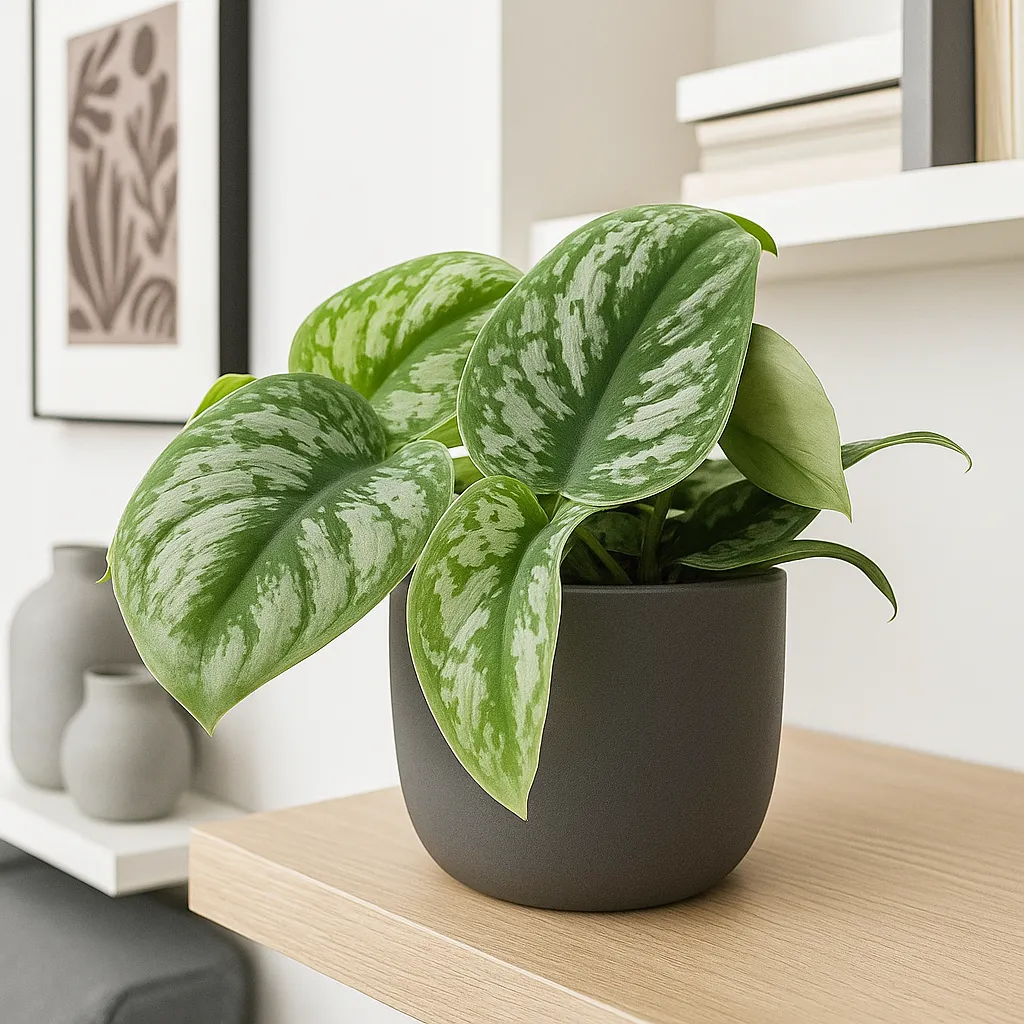
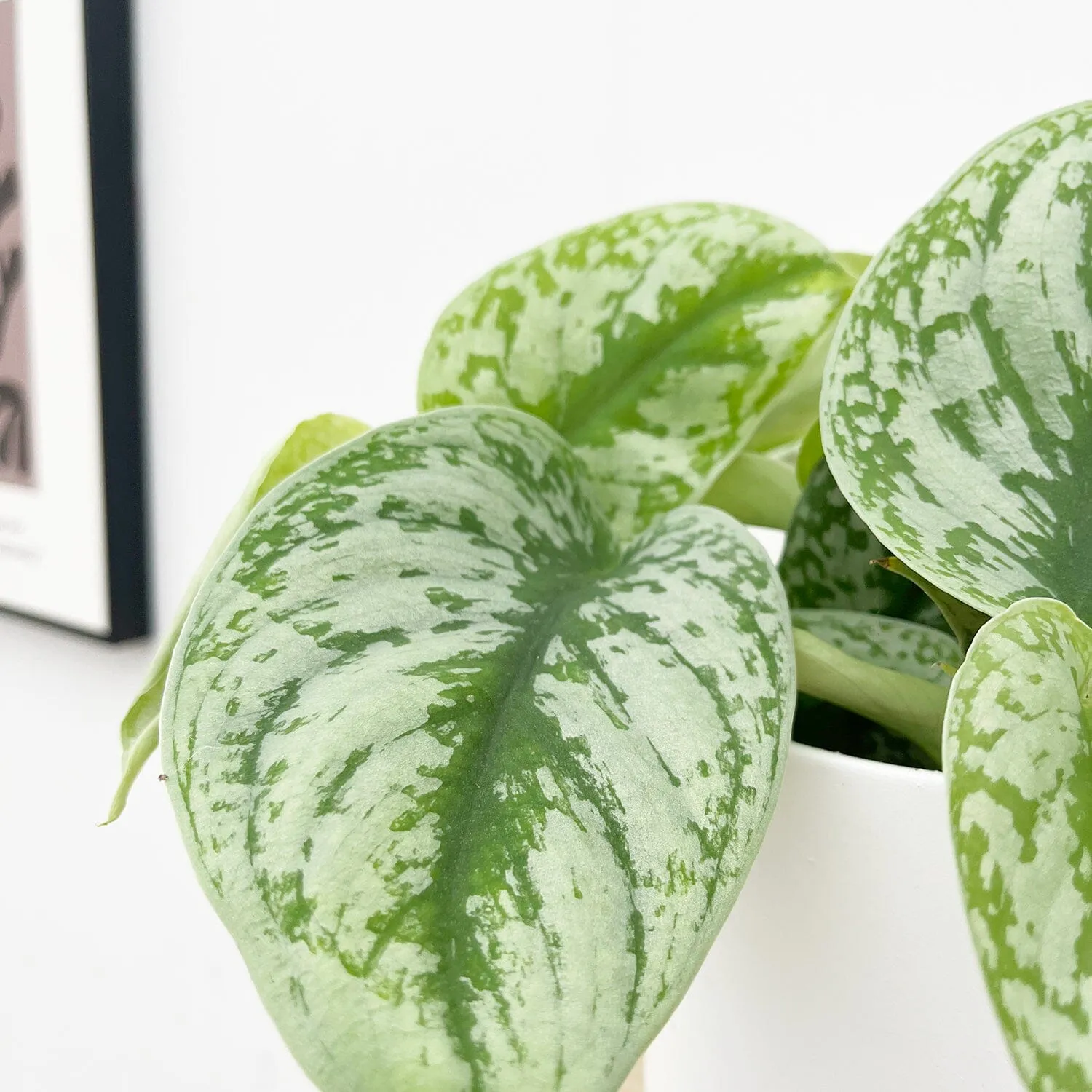
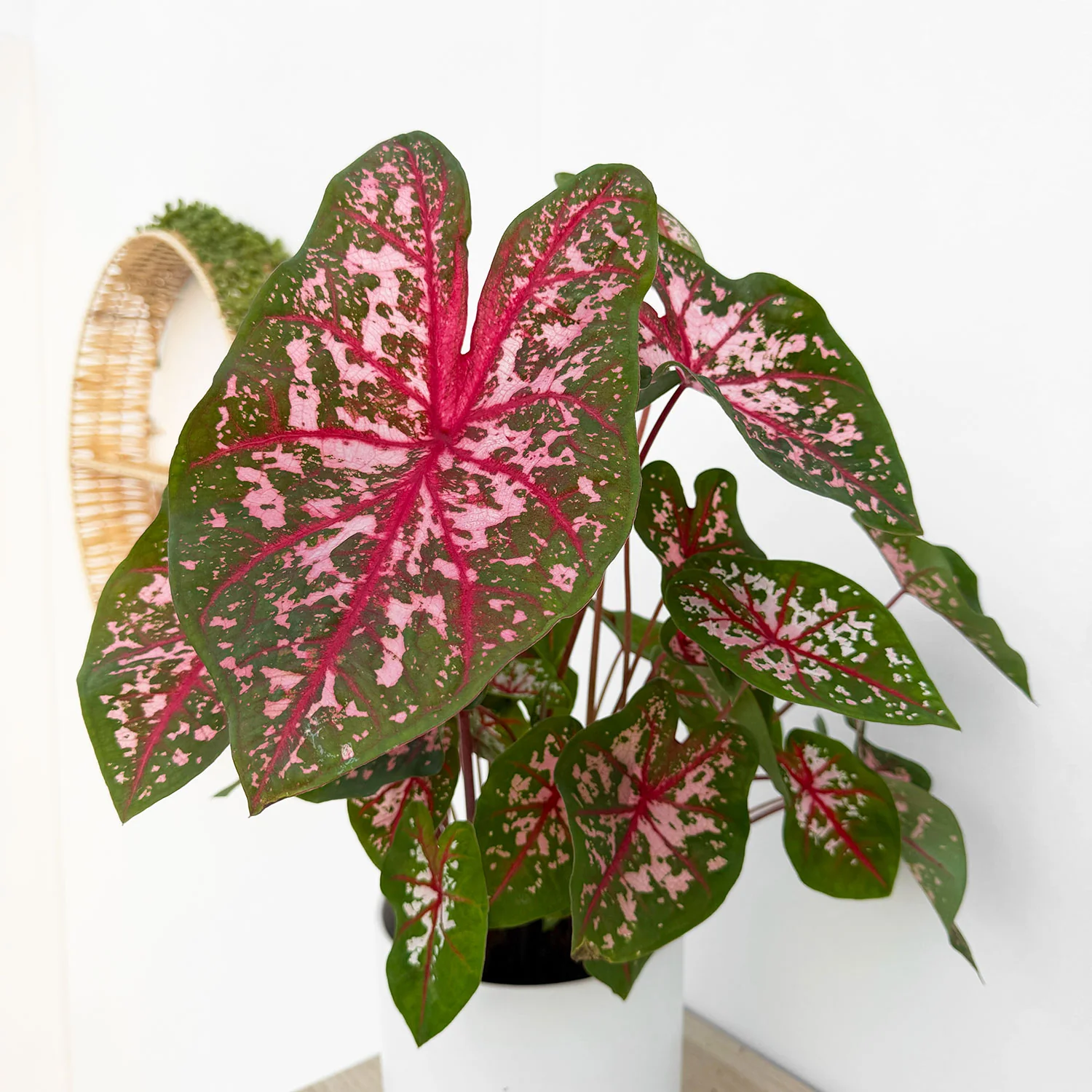
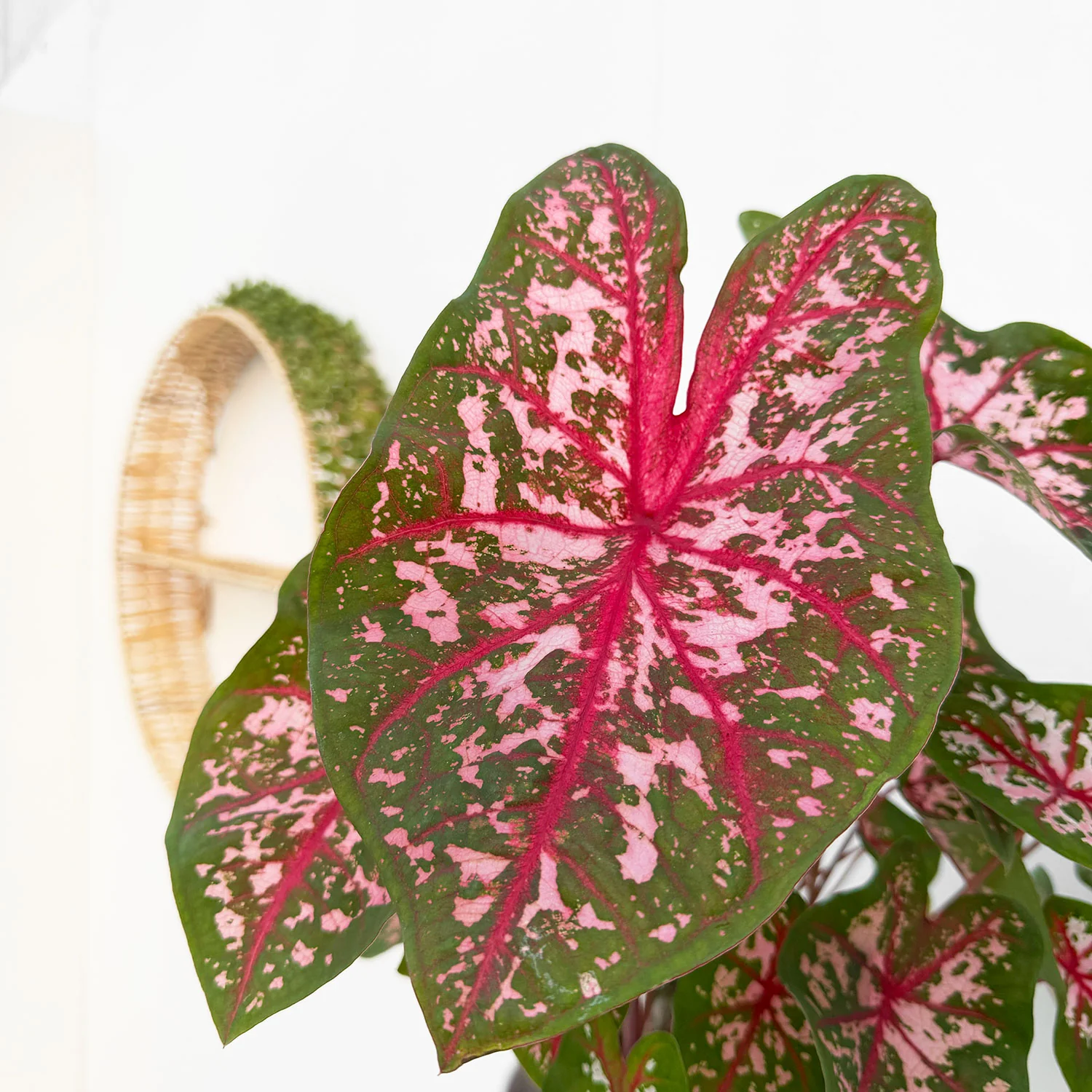
The broad leaves display rich green colouring with prominent venation and a slightly textured surface, creating a bold jungle-like aesthetic. Unlike many compact rex begonias, Begonia pseudoedulis 'Shiwanshan' develops a more substantial presence, making it an excellent focal point in terrariums, greenhouse cabinets, and indoor plant collections.
Native to humid forest environments where it grows in sheltered locations with consistently moist conditions, this species thrives when provided with warmth, humidity, and bright filtered light.
Plant Information
- Botanical Name: Begonia pseudoedulis 'Shiwanshan'
- Common Name: Shiwanshan Begonia
- Family: Begoniaceae
- Origin: Guangxi Province, China
- Growth Habit: Rhizomatous perennial
- Difficulty: Intermediate
- Pet Safe: No. Begonias are considered toxic to cats and dogs if ingested.
Light Requirements
Begonia pseudoedulis 'Shiwanshan' prefers bright, indirect light similar to the dappled conditions found beneath a forest canopy.
Ideal conditions:
- Bright filtered light
- East-facing windows
- Sheltered greenhouse conditions
- Grow lights positioned at a moderate distance
Avoid:
- Direct midday sunlight
- Deep shade
- Harsh afternoon sun
Too much direct sunlight can scorch the foliage, while insufficient light may lead to weak growth and smaller leaves.
Watering
This species enjoys consistently moist compost but dislikes becoming waterlogged.
Water when:
- The top 1–2 cm of compost begins to feel slightly dry
- The pot feels lighter than usual
Avoid:
- Allowing the compost to dry out completely
- Standing water around the roots
- Heavy, compacted soils
Maintaining even moisture is key to producing healthy, attractive foliage.
Humidity
High humidity is essential for optimal growth.
Ideal humidity:
- 60–80%
For best results:
- Use a greenhouse cabinet
- Grow in a terrarium
- Position near a humidifier
- Group with other tropical plants
Low humidity can result in crispy leaf edges, poor growth, and reduced leaf size.
Temperature
Begonia pseudoedulis 'Shiwanshan' enjoys warm, stable temperatures throughout the year.
Ideal range:
- 18°C – 28°C
Avoid:
- Temperatures below 12°C
- Cold draughts
- Sudden temperature fluctuations
Consistent warmth helps maintain vigorous growth and healthy foliage.
Soil and Potting Mix
A loose, airy, moisture-retentive mix is ideal.
Recommended mix:
- High-quality peat-free houseplant compost
- Fine orchid bark
- Perlite or pumice
- Coco coir
- Small amount of horticultural charcoal
Good drainage is important, but the mix should retain enough moisture to support continuous growth.
Feeding
Feed regularly during the growing season.
Recommended:
- Balanced liquid fertiliser
- Half-strength every 2–4 weeks during spring and summer
Reduce feeding during autumn and winter when growth naturally slows.
Growth and Size
Under ideal conditions, Begonia pseudoedulis 'Shiwanshan' can develop into an impressive specimen.
Mature characteristics:
- Large tropical foliage
- Attractive leaf texture and venation
- Dense, clump-forming growth habit
- Strong architectural presence
Its substantial foliage makes it particularly popular among collectors seeking statement begonias.
Common Problems
Brown Leaf Edges
Usually caused by low humidity or inconsistent watering.
Yellow Leaves
Often indicate overwatering or poor drainage.
Leaf Drop
Can occur following sudden temperature changes or environmental stress.
Powdery Mildew
May develop if airflow is poor and humidity remains excessively stagnant.
Repotting
Repot every 1–2 years or when the rhizome begins to outgrow its container.
Best time:
- Early spring
Choose a pot only slightly larger than the existing root system to avoid excess moisture retention.
Propagation
Begonia pseudoedulis 'Shiwanshan' can be propagated through:
Methods:
- Rhizome division
- Leaf cuttings
- Stem cuttings
Division is often the easiest and fastest method for maintaining mature specimens.
Why Collectors Love Begonia pseudoedulis 'Shiwanshan'
Begonia pseudoedulis 'Shiwanshan' offers everything collectors love about species begonias: large dramatic foliage, impressive tropical character, and relative rarity. Its lush leaves create an immediate jungle effect, making it a standout addition to greenhouse cabinets, terrariums, and indoor plant displays. With the right balance of warmth, humidity, and moisture, this remarkable begonia becomes an eye-catching specimen that continues to improve with age.
Original: $30.34
-70%$30.34
$9.10Product Information
Product Information
Shipping & Returns
Shipping & Returns
Description
Begonia pseudoedulis 'Shiwanshan' is a rare and highly desirable species begonia originating from the Shiwanshan Mountains of Guangxi, southern China. Admired for its large, lush foliage and distinctive tropical appearance, this species has become increasingly popular among collectors looking for unusual and impressive begonias.
The broad leaves display rich green colouring with prominent venation and a slightly textured surface, creating a bold jungle-like aesthetic. Unlike many compact rex begonias, Begonia pseudoedulis 'Shiwanshan' develops a more substantial presence, making it an excellent focal point in terrariums, greenhouse cabinets, and indoor plant collections.
Native to humid forest environments where it grows in sheltered locations with consistently moist conditions, this species thrives when provided with warmth, humidity, and bright filtered light.
Plant Information
- Botanical Name: Begonia pseudoedulis 'Shiwanshan'
- Common Name: Shiwanshan Begonia
- Family: Begoniaceae
- Origin: Guangxi Province, China
- Growth Habit: Rhizomatous perennial
- Difficulty: Intermediate
- Pet Safe: No. Begonias are considered toxic to cats and dogs if ingested.
Light Requirements
Begonia pseudoedulis 'Shiwanshan' prefers bright, indirect light similar to the dappled conditions found beneath a forest canopy.
Ideal conditions:
- Bright filtered light
- East-facing windows
- Sheltered greenhouse conditions
- Grow lights positioned at a moderate distance
Avoid:
- Direct midday sunlight
- Deep shade
- Harsh afternoon sun
Too much direct sunlight can scorch the foliage, while insufficient light may lead to weak growth and smaller leaves.
Watering
This species enjoys consistently moist compost but dislikes becoming waterlogged.
Water when:
- The top 1–2 cm of compost begins to feel slightly dry
- The pot feels lighter than usual
Avoid:
- Allowing the compost to dry out completely
- Standing water around the roots
- Heavy, compacted soils
Maintaining even moisture is key to producing healthy, attractive foliage.
Humidity
High humidity is essential for optimal growth.
Ideal humidity:
- 60–80%
For best results:
- Use a greenhouse cabinet
- Grow in a terrarium
- Position near a humidifier
- Group with other tropical plants
Low humidity can result in crispy leaf edges, poor growth, and reduced leaf size.
Temperature
Begonia pseudoedulis 'Shiwanshan' enjoys warm, stable temperatures throughout the year.
Ideal range:
- 18°C – 28°C
Avoid:
- Temperatures below 12°C
- Cold draughts
- Sudden temperature fluctuations
Consistent warmth helps maintain vigorous growth and healthy foliage.
Soil and Potting Mix
A loose, airy, moisture-retentive mix is ideal.
Recommended mix:
- High-quality peat-free houseplant compost
- Fine orchid bark
- Perlite or pumice
- Coco coir
- Small amount of horticultural charcoal
Good drainage is important, but the mix should retain enough moisture to support continuous growth.
Feeding
Feed regularly during the growing season.
Recommended:
- Balanced liquid fertiliser
- Half-strength every 2–4 weeks during spring and summer
Reduce feeding during autumn and winter when growth naturally slows.
Growth and Size
Under ideal conditions, Begonia pseudoedulis 'Shiwanshan' can develop into an impressive specimen.
Mature characteristics:
- Large tropical foliage
- Attractive leaf texture and venation
- Dense, clump-forming growth habit
- Strong architectural presence
Its substantial foliage makes it particularly popular among collectors seeking statement begonias.
Common Problems
Brown Leaf Edges
Usually caused by low humidity or inconsistent watering.
Yellow Leaves
Often indicate overwatering or poor drainage.
Leaf Drop
Can occur following sudden temperature changes or environmental stress.
Powdery Mildew
May develop if airflow is poor and humidity remains excessively stagnant.
Repotting
Repot every 1–2 years or when the rhizome begins to outgrow its container.
Best time:
- Early spring
Choose a pot only slightly larger than the existing root system to avoid excess moisture retention.
Propagation
Begonia pseudoedulis 'Shiwanshan' can be propagated through:
Methods:
- Rhizome division
- Leaf cuttings
- Stem cuttings
Division is often the easiest and fastest method for maintaining mature specimens.
Why Collectors Love Begonia pseudoedulis 'Shiwanshan'
Begonia pseudoedulis 'Shiwanshan' offers everything collectors love about species begonias: large dramatic foliage, impressive tropical character, and relative rarity. Its lush leaves create an immediate jungle effect, making it a standout addition to greenhouse cabinets, terrariums, and indoor plant displays. With the right balance of warmth, humidity, and moisture, this remarkable begonia becomes an eye-catching specimen that continues to improve with age.