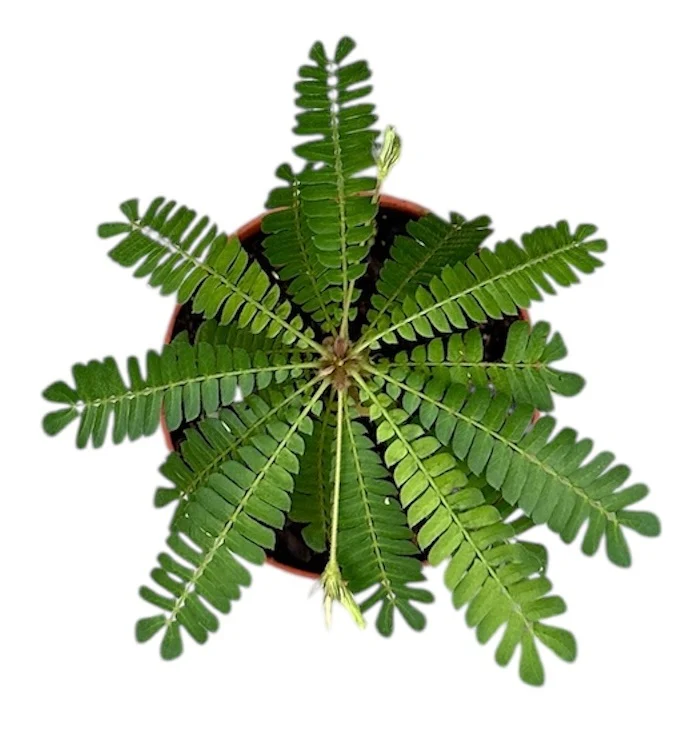
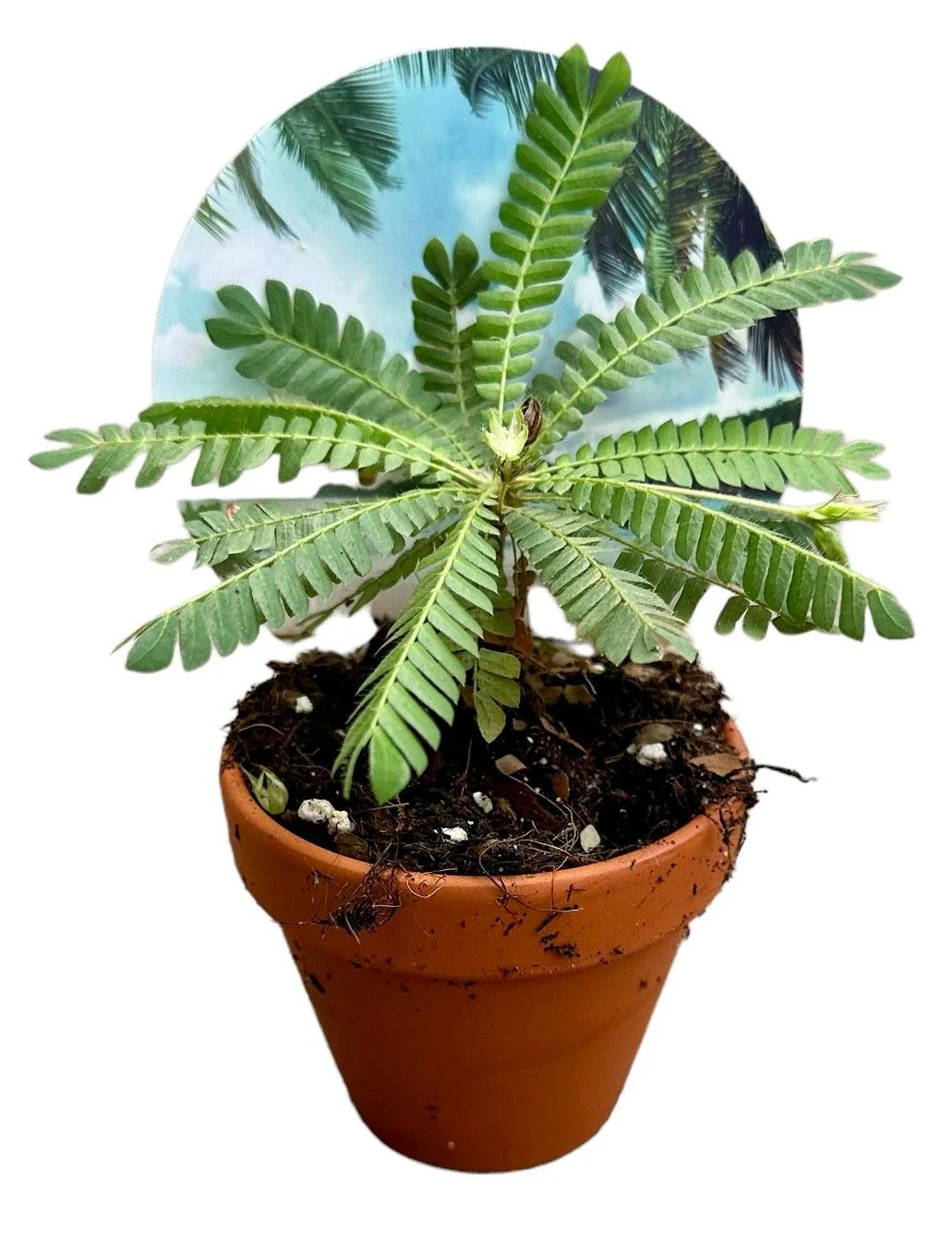
Biophytum Sensitivum 9cm Pot 15cm Height House Plant
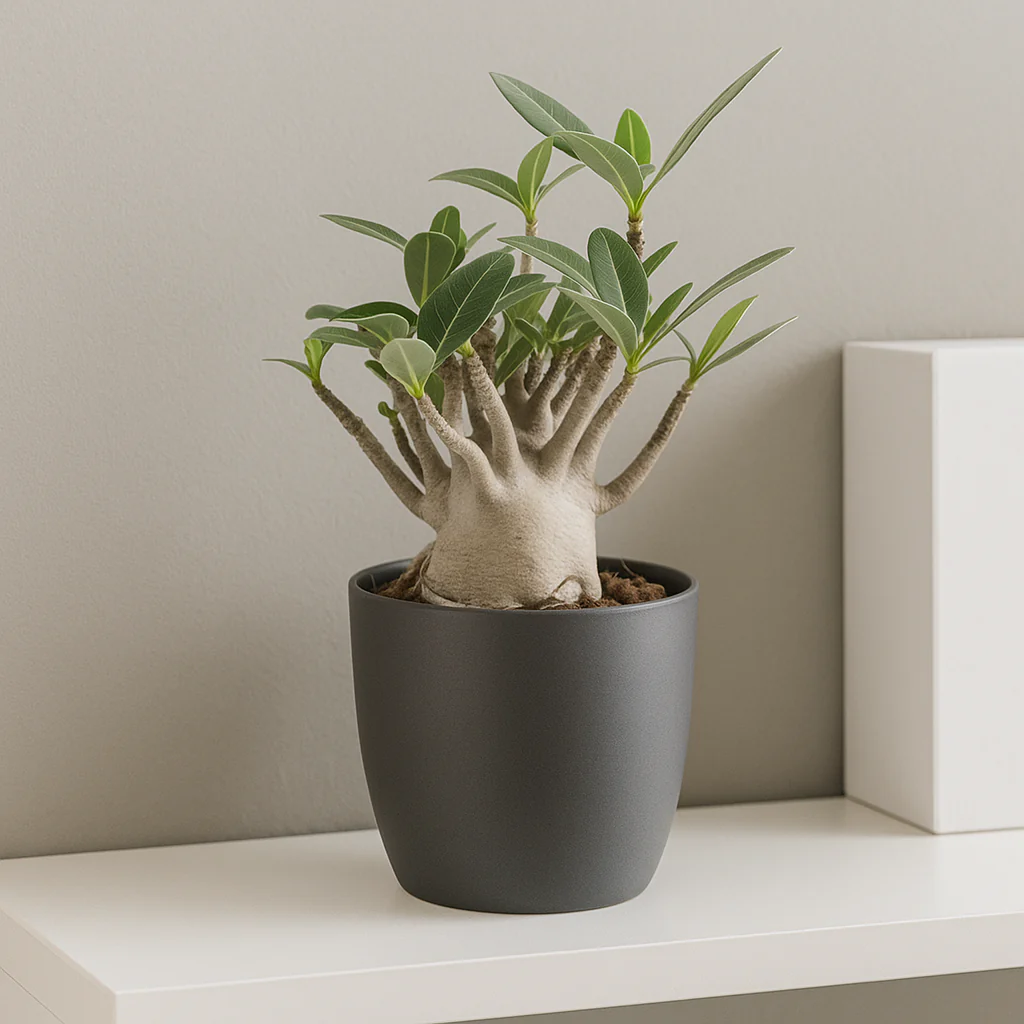
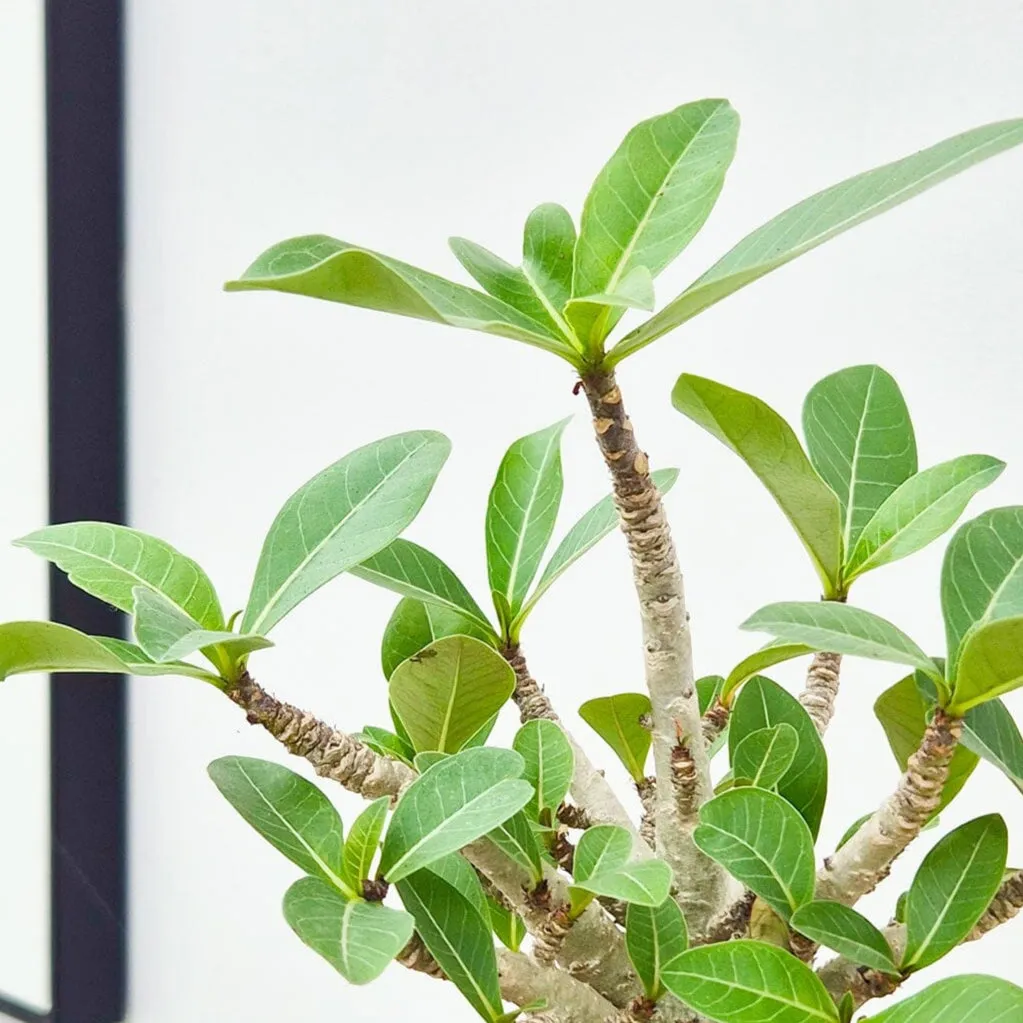
Biophytum sensitivum, often called the Little Tree Plant, Sensitive Tree, or Miniature Palm, is a charming, palm-like species admired for its delicate structure, touch-responsive leaves, and miniature tree form. A member of the Oxalidaceae family and native to tropical regions of Africa and Asia, this species is treasured for its interactive behaviour and refined, bonsai-like aesthetics.
The plant forms a single slender stem topped with a rosette of feathery, pinnate leaflets that resemble a tiny coconut palm or umbrella plant. The leaflets are bright green, soft, and finely textured. Like Mimosa pudica, Biophytum sensitivum exhibits thigmonasty — its leaflets gently fold inward when touched, shaken, or exposed to sudden drops in light.
At maturity, the plant produces small but beautifully detailed yellow to orange flowers, sometimes with reddish patterns, creating a delicate, ephemeral bloom above the rosette. With its interactive nature, elegant miniature size, and compact charm, Biophytum sensitivum is a favourite among terrarium hobbyists and collectors of unusual tropical species.
Biophytum sensitivum – Care Guide
Light
Prefers bright, indirect light. Medium light is tolerated, but low light will cause weak, elongated stems and fewer leaf movements. Avoid direct sun, which can scorch delicate leaflets.
Watering
Keep the soil consistently moist, but never waterlogged. Allow only the top 0.5–1 cm to dry slightly between waterings. This species is sensitive to drought and will wilt quickly if the substrate dries out. Use soft water (rainwater or filtered) when possible.
Temperature and Humidity
-
Temperature: Thrives between 20–28 °C. Avoid temperatures below 15 °C, as it is sensitive to cold.
-
Humidity: Prefers high humidity (60–80%). Ideal for terrariums, greenhouse cabinets, and warm humid rooms.
Soil and Potting
Use a light, moisture-retentive but airy mix. Ideal ingredients include peat-free compost or coco peat, fine bark, perlite, and a touch of sphagnum.
Choose a small pot; the plant has a compact root system. Repot annually, as the species is short-lived and often treated as an annual or biennial.
Feeding
Feed every 2–4 weeks during spring and summer with a mild, diluted liquid fertiliser. Avoid strong feeds, which can damage its fine roots.
Pruning and Maintenance
Minimal pruning required. Remove spent flowers and older leaflets to maintain appearance. Avoid excessive touching — while interactive, constant stimulation can stress the plant.
Growth and Maturity
A relatively fast-growing species that typically reaches 10–20 cm in height. Often completes its life cycle in 1–2 years but may self-seed readily in suitable conditions.
Common Issues
-
Wilting: Underwatering or sudden temperature drop.
-
Brown edges: Low humidity.
-
Weak stems: Low light or nutrient deficiency.
-
Pests: Occasionally susceptible to aphids, fungus gnats, and spider mites.
Background and Benefits
Biophytum sensitivum is widely admired for both its botanical interest and aesthetic charm. Its movement response, feathery leaves, and miniature tree form make it a wonderful display species for terrariums, educational collections, nature-inspired décor, and plant lovers who enjoy dynamic, responsive plants.
In traditional medicine across India and Southeast Asia, the plant holds cultural significance and is valued for its herbal properties — though its primary role in modern plant collections is ornamental and educational.
Quick Care Summary
Light: Bright, indirect
Water: Keep moist; allow top 0.5–1 cm to dry
Temperature: 20–28 °C
Humidity: 60–80%
Soil: Light, moisture-retentive, airy mix
Feed: Every 2–4 weeks, diluted
Growth: 10–20 cm; miniature palm-like rosette
Toxicity: Not widely documented; treat as potentially unsafe for pets/children
Styling Tip
Place Biophytum sensitivum in a closed terrarium or high-humidity cabinet where its palm-like silhouette and movement can be appreciated up close. Pair with mosses, miniature ferns, or small aroids to create a lush rainforest-floor scene, and position it near soft light to highlight its fine leaf texture and occasional blooms.
Product Information
Product Information
Shipping & Returns
Shipping & Returns
Description
Biophytum sensitivum, often called the Little Tree Plant, Sensitive Tree, or Miniature Palm, is a charming, palm-like species admired for its delicate structure, touch-responsive leaves, and miniature tree form. A member of the Oxalidaceae family and native to tropical regions of Africa and Asia, this species is treasured for its interactive behaviour and refined, bonsai-like aesthetics.
The plant forms a single slender stem topped with a rosette of feathery, pinnate leaflets that resemble a tiny coconut palm or umbrella plant. The leaflets are bright green, soft, and finely textured. Like Mimosa pudica, Biophytum sensitivum exhibits thigmonasty — its leaflets gently fold inward when touched, shaken, or exposed to sudden drops in light.
At maturity, the plant produces small but beautifully detailed yellow to orange flowers, sometimes with reddish patterns, creating a delicate, ephemeral bloom above the rosette. With its interactive nature, elegant miniature size, and compact charm, Biophytum sensitivum is a favourite among terrarium hobbyists and collectors of unusual tropical species.
Biophytum sensitivum – Care Guide
Light
Prefers bright, indirect light. Medium light is tolerated, but low light will cause weak, elongated stems and fewer leaf movements. Avoid direct sun, which can scorch delicate leaflets.
Watering
Keep the soil consistently moist, but never waterlogged. Allow only the top 0.5–1 cm to dry slightly between waterings. This species is sensitive to drought and will wilt quickly if the substrate dries out. Use soft water (rainwater or filtered) when possible.
Temperature and Humidity
-
Temperature: Thrives between 20–28 °C. Avoid temperatures below 15 °C, as it is sensitive to cold.
-
Humidity: Prefers high humidity (60–80%). Ideal for terrariums, greenhouse cabinets, and warm humid rooms.
Soil and Potting
Use a light, moisture-retentive but airy mix. Ideal ingredients include peat-free compost or coco peat, fine bark, perlite, and a touch of sphagnum.
Choose a small pot; the plant has a compact root system. Repot annually, as the species is short-lived and often treated as an annual or biennial.
Feeding
Feed every 2–4 weeks during spring and summer with a mild, diluted liquid fertiliser. Avoid strong feeds, which can damage its fine roots.
Pruning and Maintenance
Minimal pruning required. Remove spent flowers and older leaflets to maintain appearance. Avoid excessive touching — while interactive, constant stimulation can stress the plant.
Growth and Maturity
A relatively fast-growing species that typically reaches 10–20 cm in height. Often completes its life cycle in 1–2 years but may self-seed readily in suitable conditions.
Common Issues
-
Wilting: Underwatering or sudden temperature drop.
-
Brown edges: Low humidity.
-
Weak stems: Low light or nutrient deficiency.
-
Pests: Occasionally susceptible to aphids, fungus gnats, and spider mites.
Background and Benefits
Biophytum sensitivum is widely admired for both its botanical interest and aesthetic charm. Its movement response, feathery leaves, and miniature tree form make it a wonderful display species for terrariums, educational collections, nature-inspired décor, and plant lovers who enjoy dynamic, responsive plants.
In traditional medicine across India and Southeast Asia, the plant holds cultural significance and is valued for its herbal properties — though its primary role in modern plant collections is ornamental and educational.
Quick Care Summary
Light: Bright, indirect
Water: Keep moist; allow top 0.5–1 cm to dry
Temperature: 20–28 °C
Humidity: 60–80%
Soil: Light, moisture-retentive, airy mix
Feed: Every 2–4 weeks, diluted
Growth: 10–20 cm; miniature palm-like rosette
Toxicity: Not widely documented; treat as potentially unsafe for pets/children
Styling Tip
Place Biophytum sensitivum in a closed terrarium or high-humidity cabinet where its palm-like silhouette and movement can be appreciated up close. Pair with mosses, miniature ferns, or small aroids to create a lush rainforest-floor scene, and position it near soft light to highlight its fine leaf texture and occasional blooms.