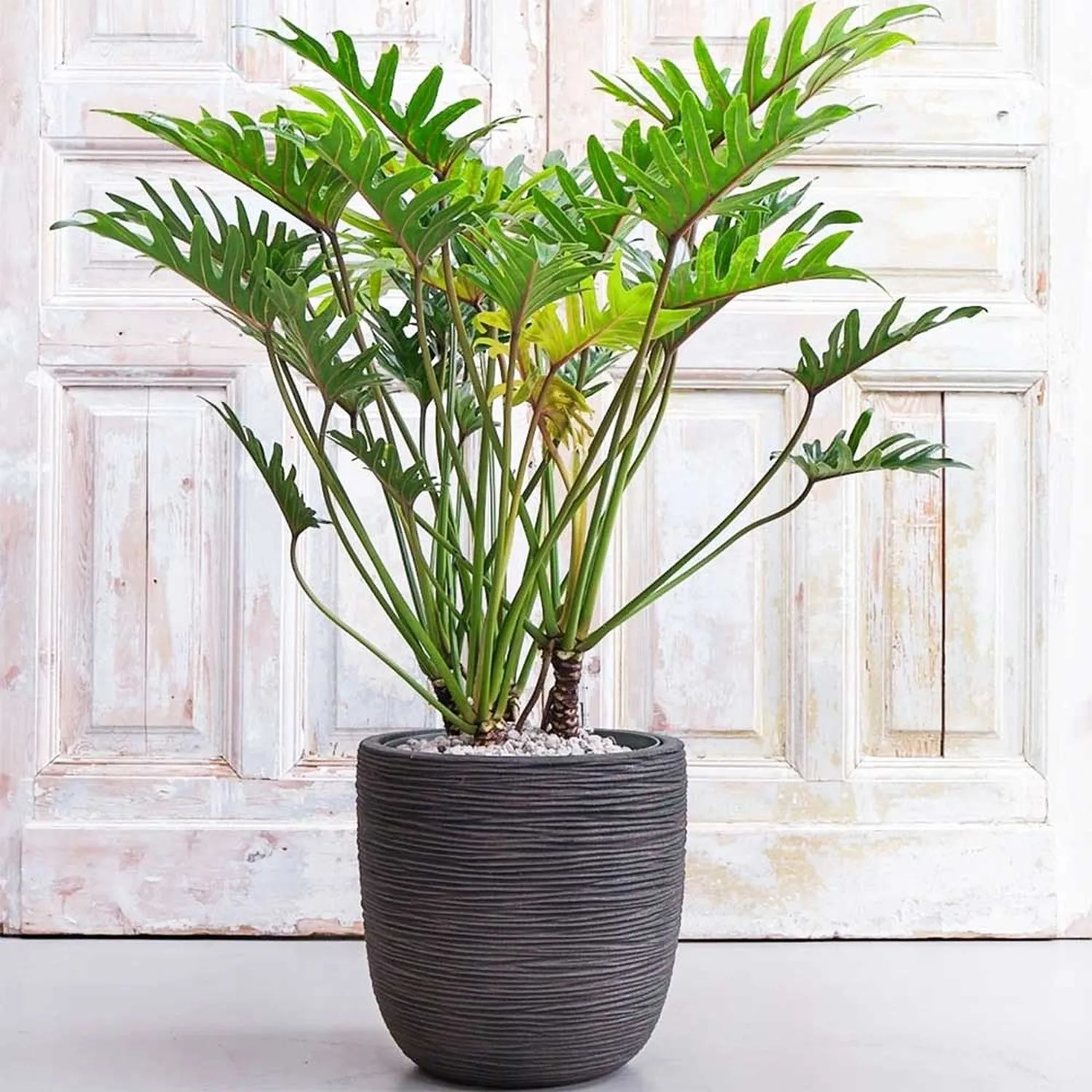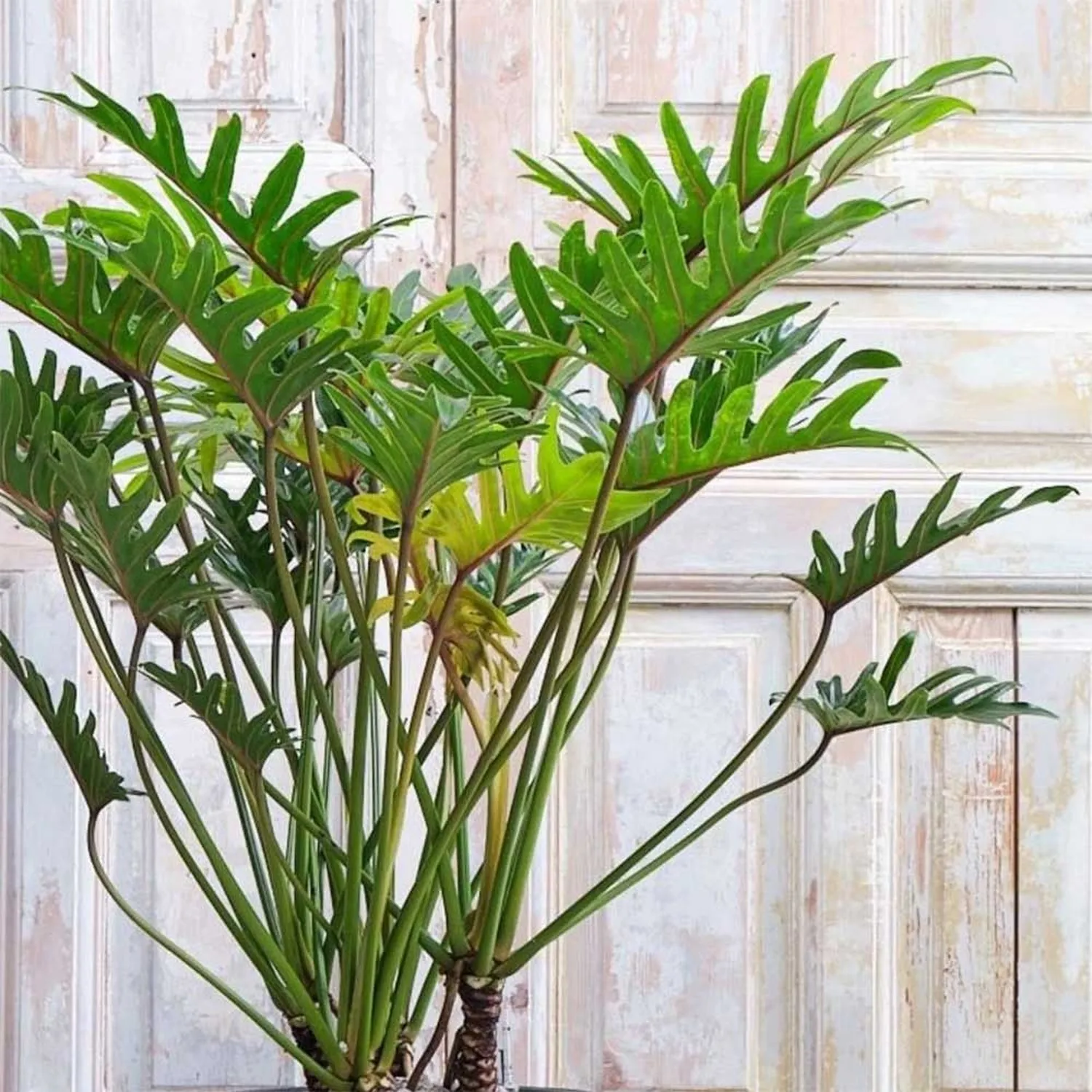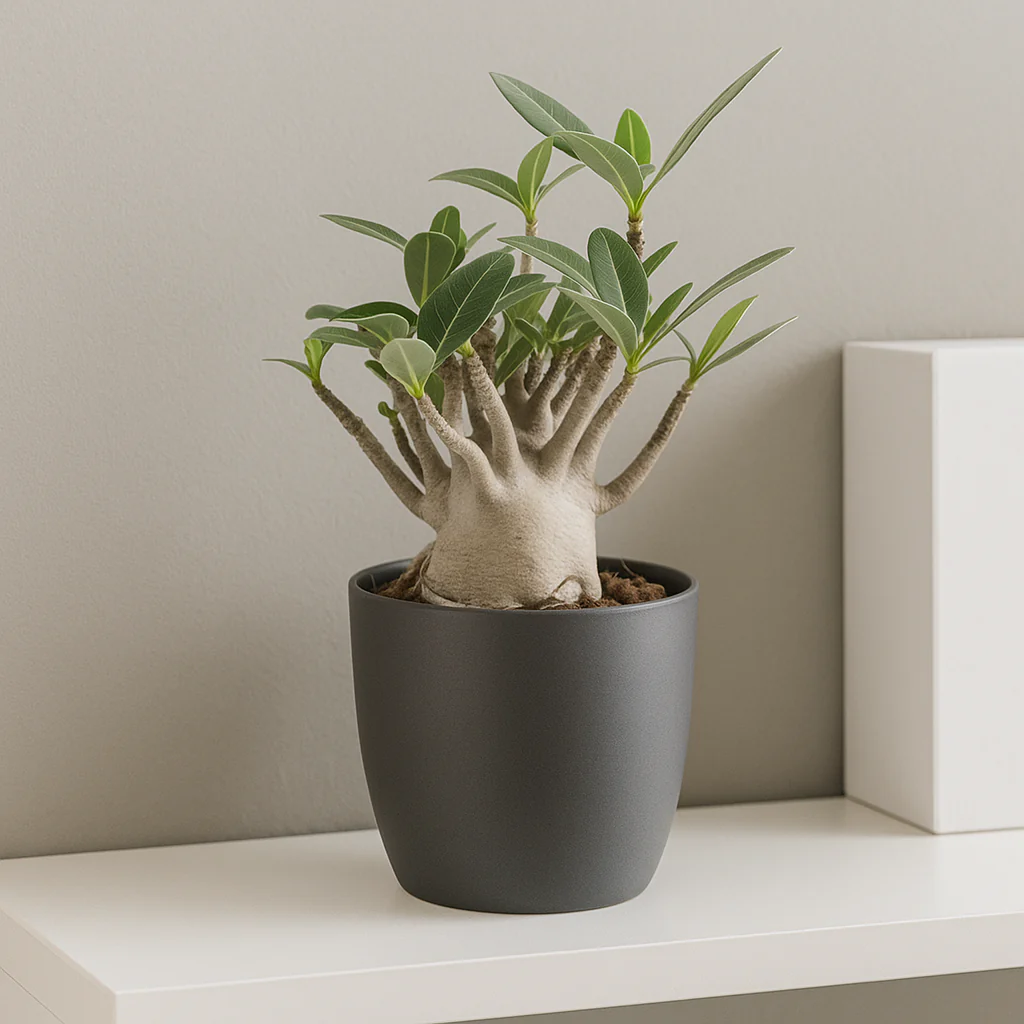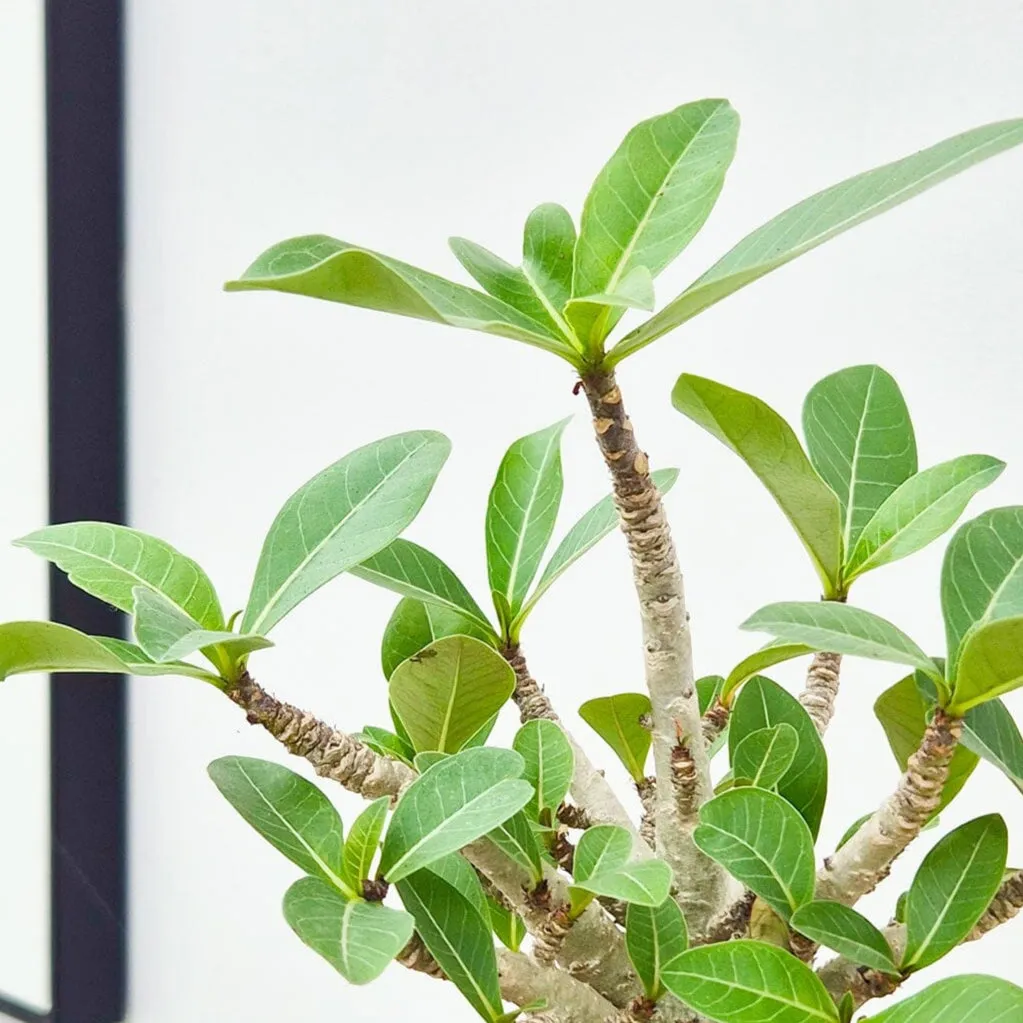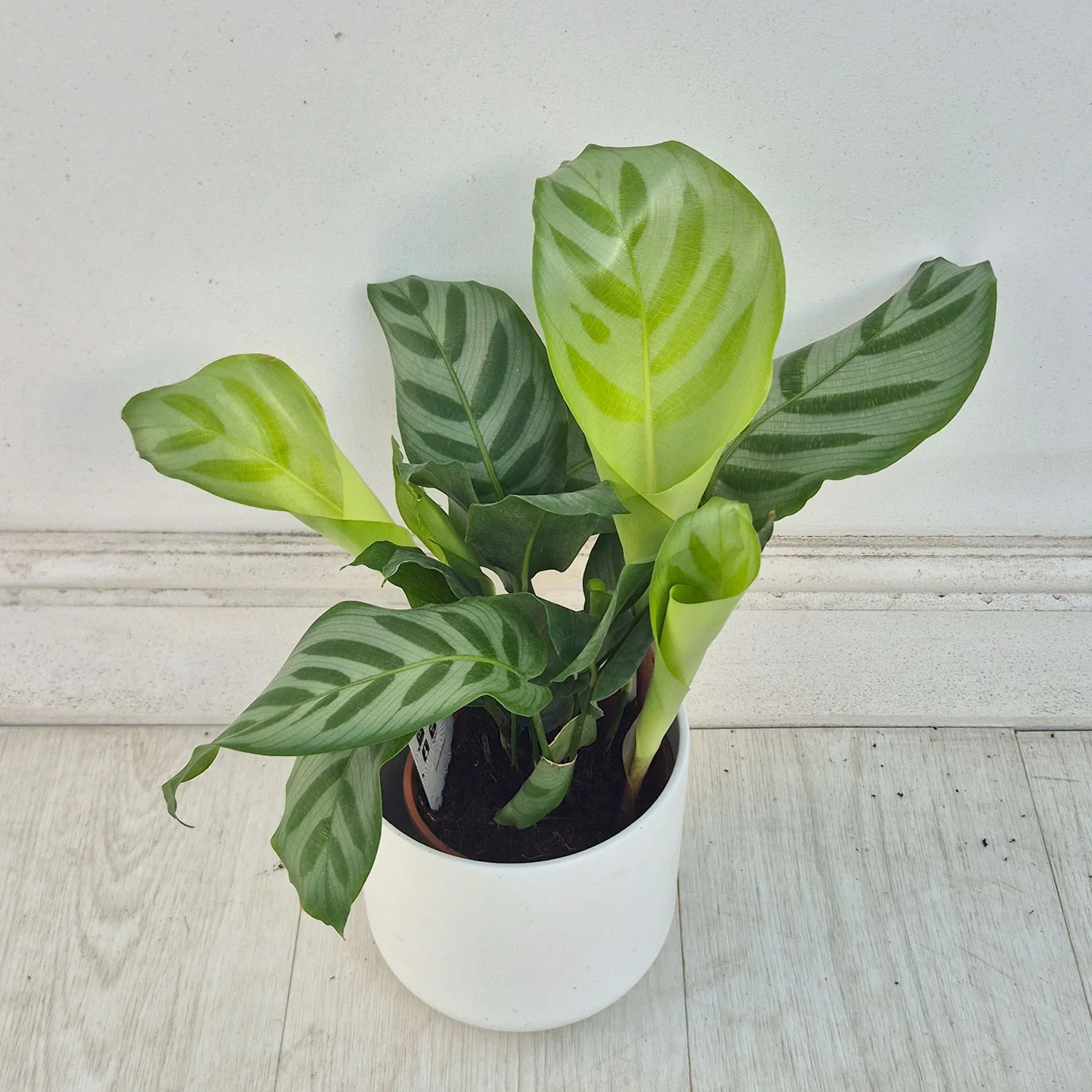
30 - 35cm Calathea Six Prayer Plant House Plant 12cm Pot
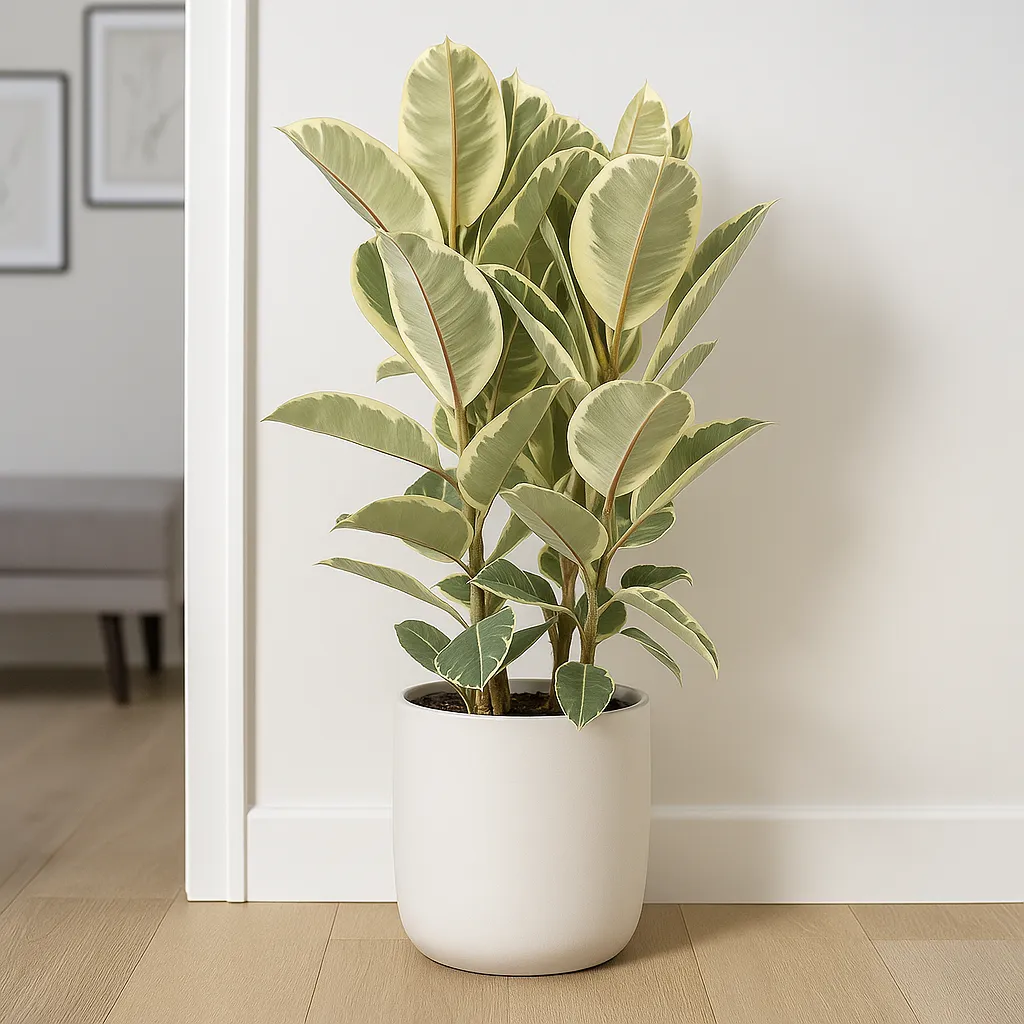
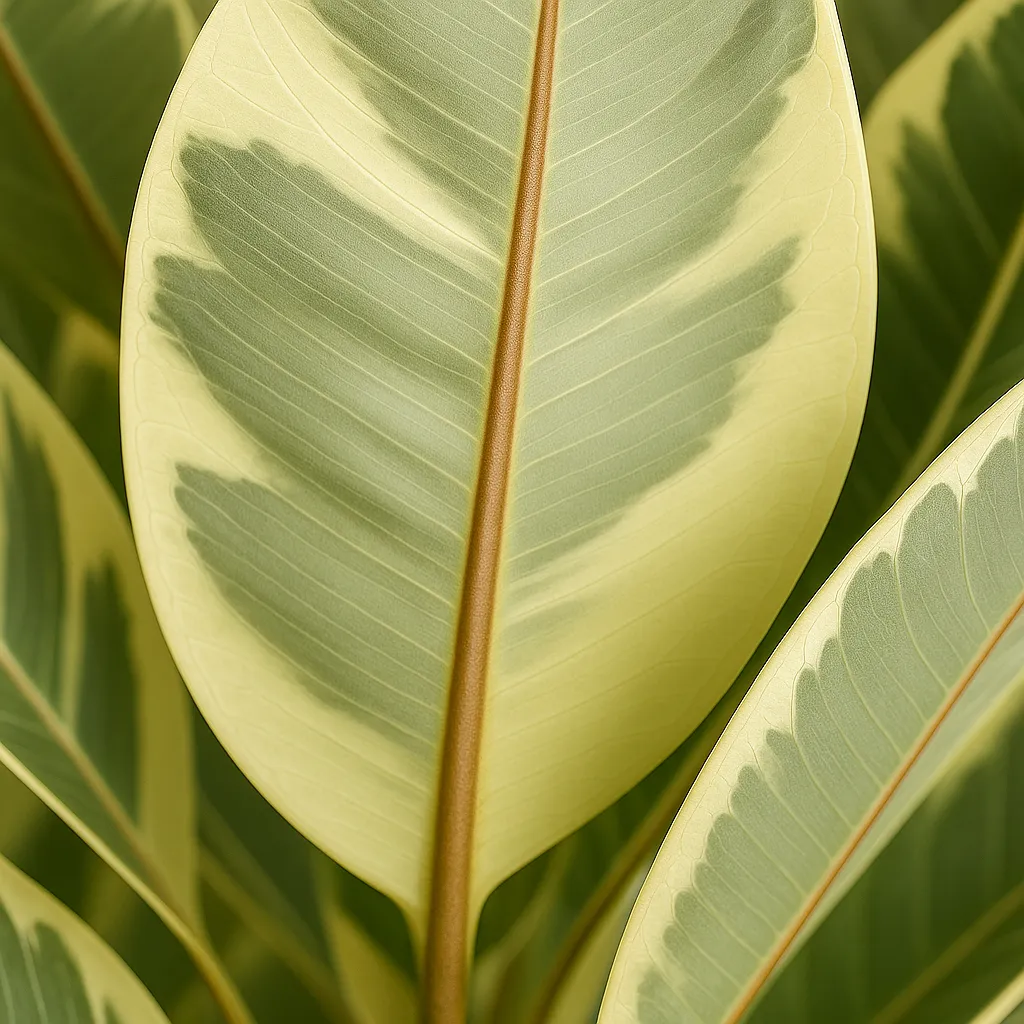
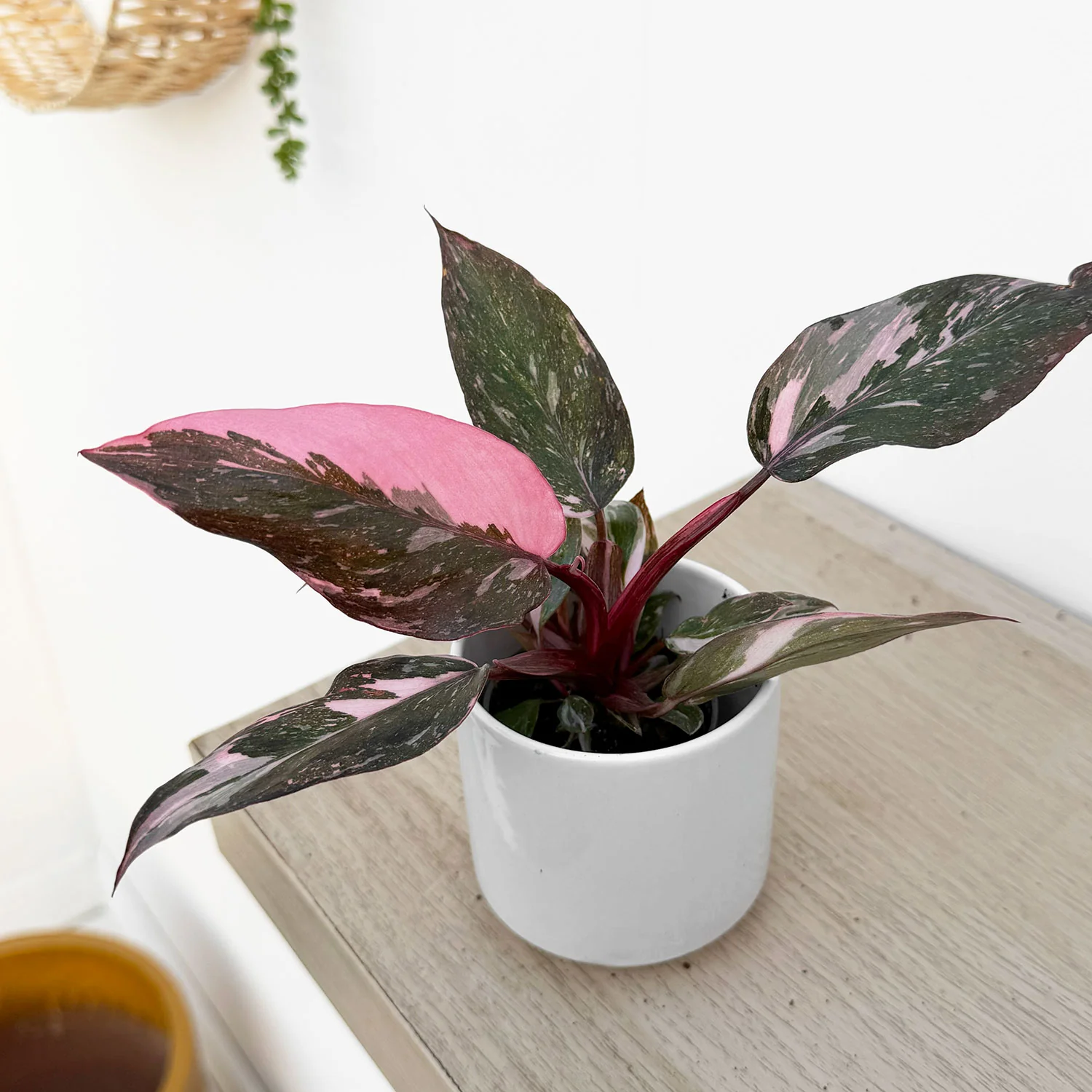
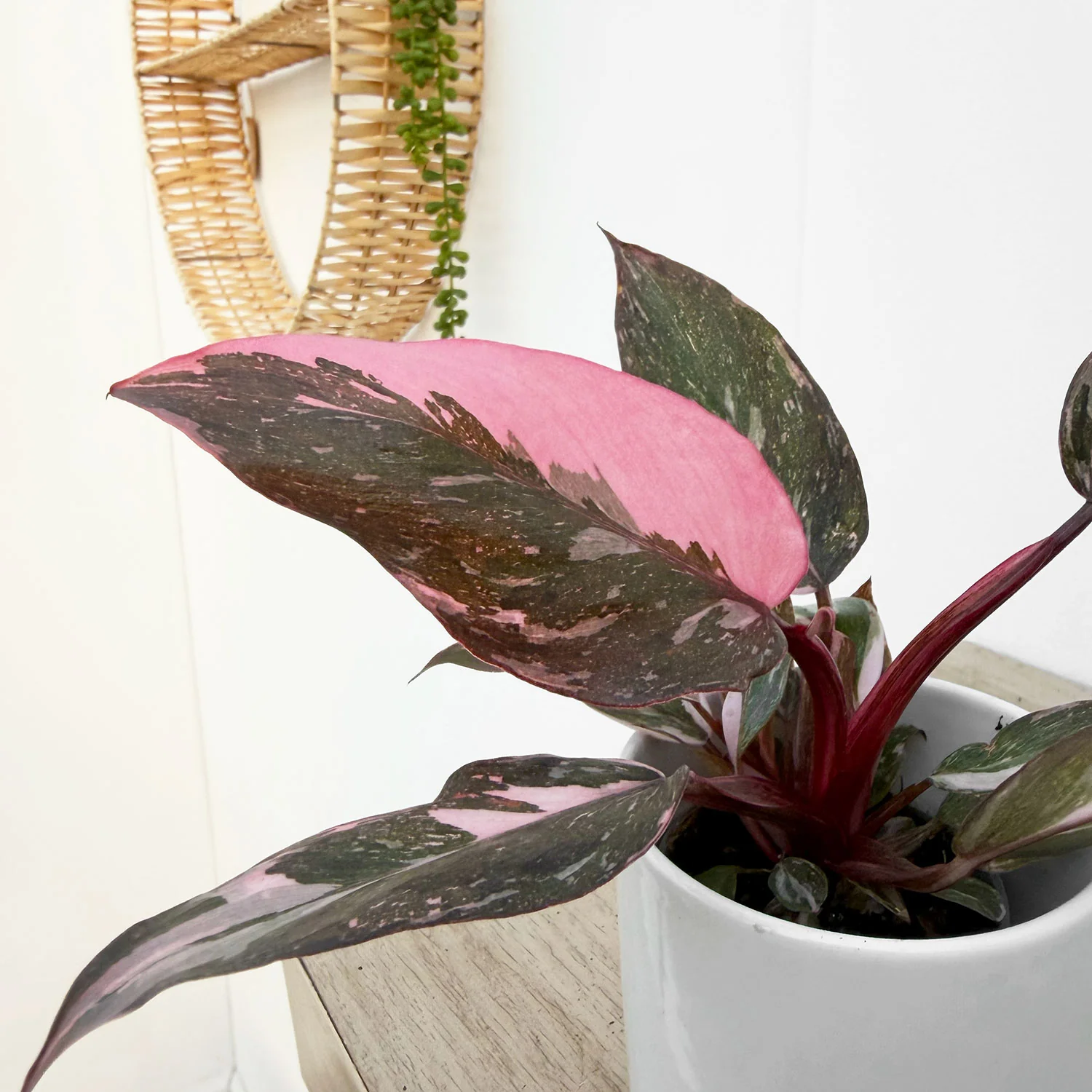
Calathea are prized for their striking patterned foliage, often featuring bold stripes, feathered markings, or contrasting colours on the upper and lower surfaces of the leaves. Native to the tropical rainforests of Central and South America, Calatheas grow beneath the forest canopy where they receive warmth, humidity and filtered light. Because of this, they make beautiful but slightly more demanding houseplants.
Many Calatheas are known as “prayer plants” because their leaves gently lift and fold upwards in the evening and reopen during the day.
Popular varieties include:
- Calathea orbifolia – broad silver-green striped leaves
- Calathea makoyana – delicate feathered markings and purple undersides
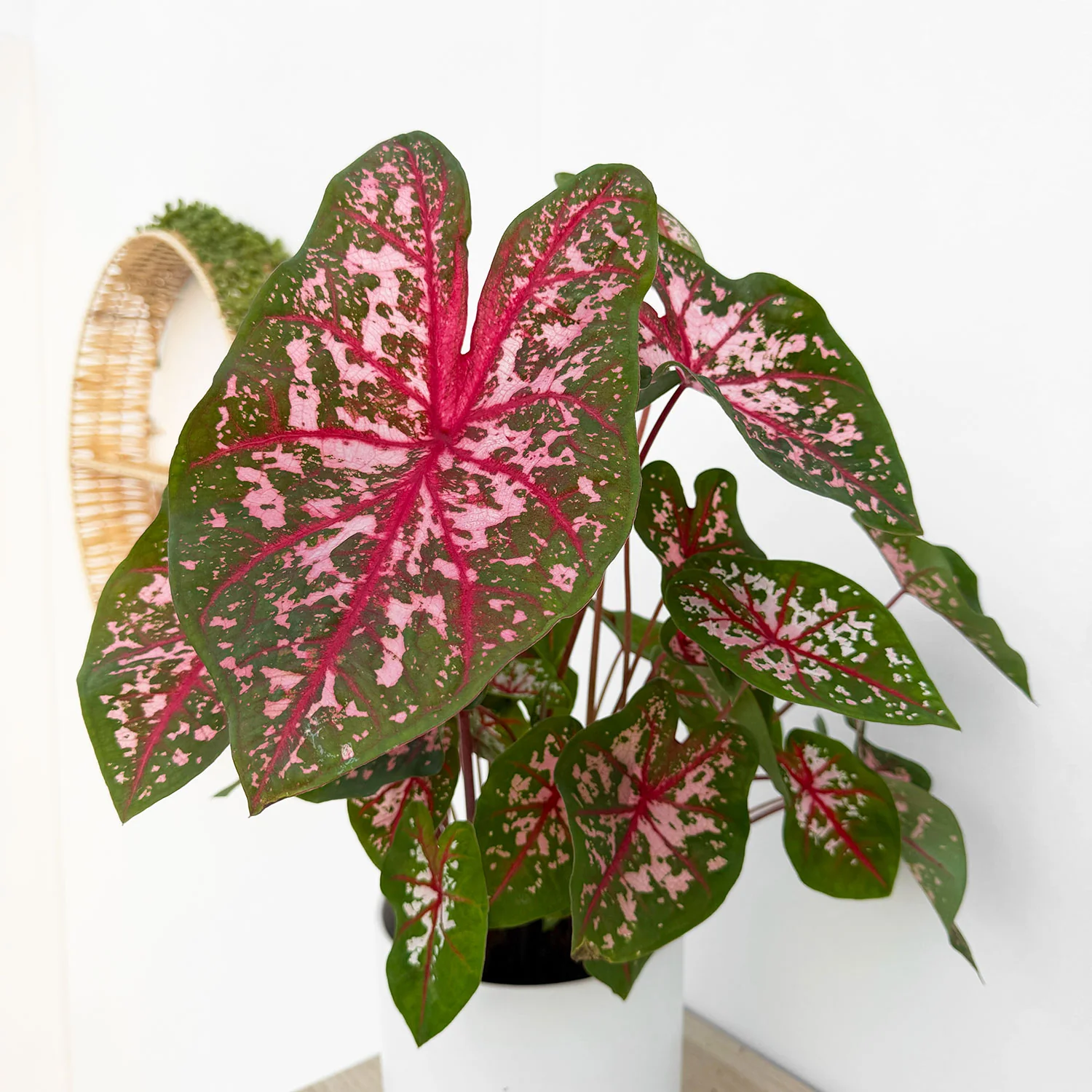
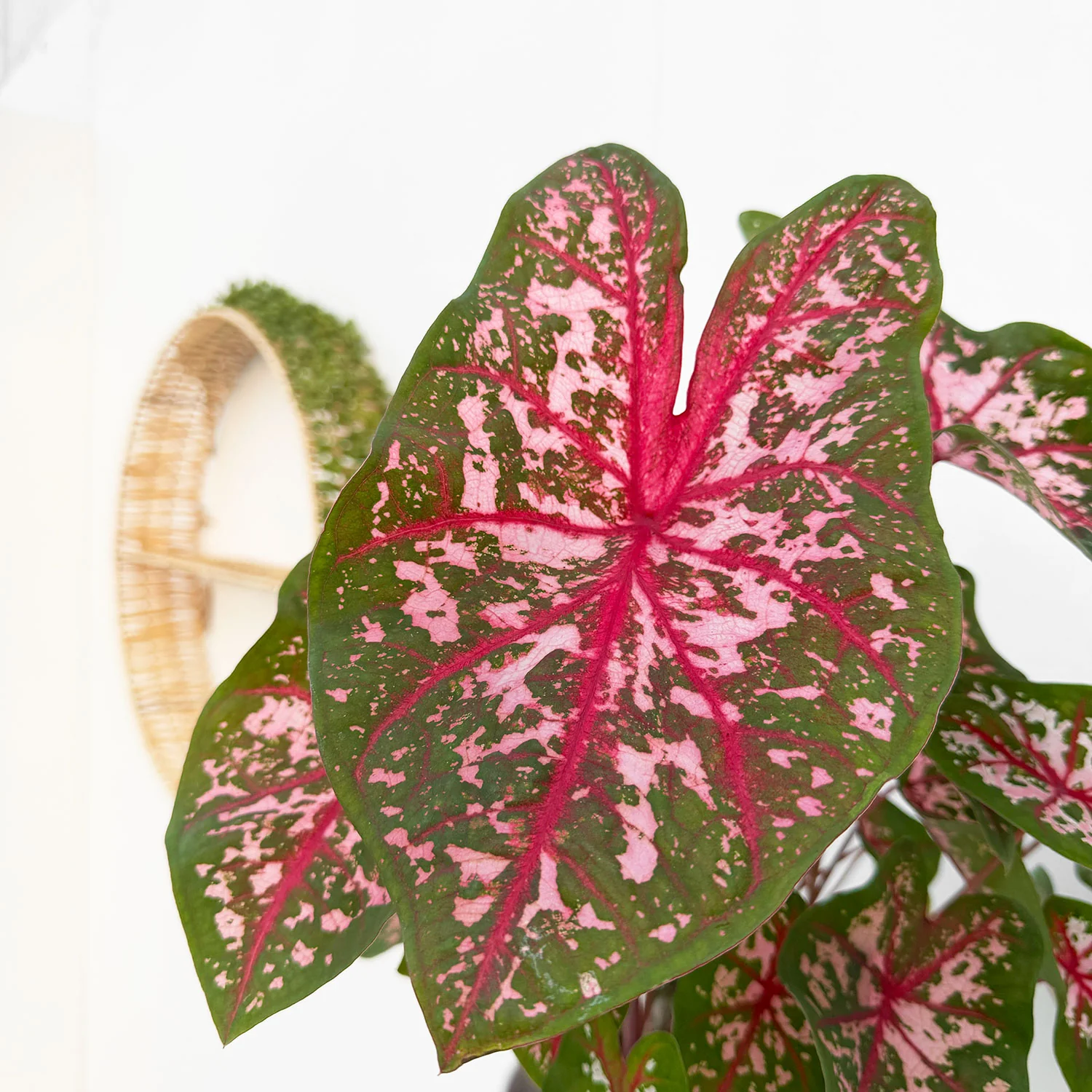
- Calathea roseopicta – dark foliage with pink or cream markings
- Calathea lancifolia – long wavy leaves with dark spots
Description
Calatheas are clump-forming evergreen plants that grow from underground rhizomes. Indoors, most varieties reach 30–90cm tall depending on the species. Their foliage is the main attraction, ranging from broad rounded leaves to narrow wavy ones. Many have rich burgundy or purple undersides which add even more interest.
Unlike flowering houseplants, Calatheas are mainly grown for their leaves. Small flowers can occasionally appear, but indoors they are uncommon and usually less impressive than the foliage.
Care Guide
Light
Calatheas prefer bright, indirect light. Place them near an east or north-facing window, or a few feet back from a brighter south or west-facing window.
- Too much direct sun can scorch the leaves and cause fading or brown patches.
- Too little light can slow growth and make the markings less vibrant.
Watering
Keep the compost consistently lightly moist, but never waterlogged.
- Water when the top 2–3cm of compost begins to dry.
- Calatheas dislike drying out completely.
- Empty excess water from the saucer or cache pot after watering.
They are sensitive to minerals and chlorine in tap water, which can cause brown leaf edges. Rainwater, filtered water or cooled boiled water is often best.
Humidity
Humidity is one of the most important factors for healthy Calatheas. Aim for at least 60% humidity.
Good ways to increase humidity include:
- Using a humidifier
- Grouping plants together
- Standing the pot on a tray of pebbles and water
- Keeping the plant in a naturally humid room such as a bathroom
Dry air often causes crispy brown edges and curled leaves.
Temperature
Calatheas like warm, stable temperatures between 18–27°C.
- Avoid temperatures below 15°C.
- Keep away from draughts, radiators and cold windows in winter.
- Sudden temperature changes can stress the plant.
Soil
Use a loose, moisture-retentive but free-draining compost. A good mix is:
- 2 parts houseplant compost
- 1 part perlite
- 1 part orchid bark or coco coir
This gives enough moisture retention while still allowing air around the roots.
Feeding
Feed once every 4–6 weeks during spring and summer with a balanced liquid houseplant fertiliser diluted to half strength.
Do not overfeed, as this can lead to leaf burn. Stop feeding during autumn and winter when growth slows.
Repotting
Repot every 1–2 years in spring when the roots begin to fill the pot.
- Choose a pot only slightly larger than the previous one.
- Refresh the compost at the same time.
- Calatheas generally prefer being slightly snug in their pots.
Pruning and Maintenance
- Remove yellow or damaged leaves by cutting them off at the base.
- Wipe the leaves occasionally with a damp cloth to remove dust.
- Rotate the plant every few weeks so it grows evenly.
Common Problems
Brown Leaf Edges
Usually caused by:
- Low humidity
- Tap water with high mineral content
- Underwatering
Yellow Leaves
Can be caused by:
- Overwatering
- Waterlogged compost
- Poor drainage
Curling Leaves
Usually a sign that the plant is too dry, either from underwatering or lack of humidity.
Faded Markings
The plant may be receiving too much direct sunlight.
Drooping Leaves
Slight drooping in the evening is normal, but constant drooping may mean:
- Too much or too little water
- Cold temperatures
- Root stress
Pet Safety
Most Calatheas are considered non-toxic to cats and dogs, making them a good choice for pet-friendly homes.
Propagation
Calatheas are best propagated by division when repotting.
- Remove the plant from its pot.
- Gently separate the root ball into smaller sections, each with roots and several leaves.
- Pot each section into fresh compost.
- Keep warm and humid until new growth appears.
Product Information
Product Information
Shipping & Returns
Shipping & Returns
Description
Calathea are prized for their striking patterned foliage, often featuring bold stripes, feathered markings, or contrasting colours on the upper and lower surfaces of the leaves. Native to the tropical rainforests of Central and South America, Calatheas grow beneath the forest canopy where they receive warmth, humidity and filtered light. Because of this, they make beautiful but slightly more demanding houseplants.
Many Calatheas are known as “prayer plants” because their leaves gently lift and fold upwards in the evening and reopen during the day.
Popular varieties include:
- Calathea orbifolia – broad silver-green striped leaves
- Calathea makoyana – delicate feathered markings and purple undersides
- Calathea roseopicta – dark foliage with pink or cream markings
- Calathea lancifolia – long wavy leaves with dark spots
Description
Calatheas are clump-forming evergreen plants that grow from underground rhizomes. Indoors, most varieties reach 30–90cm tall depending on the species. Their foliage is the main attraction, ranging from broad rounded leaves to narrow wavy ones. Many have rich burgundy or purple undersides which add even more interest.
Unlike flowering houseplants, Calatheas are mainly grown for their leaves. Small flowers can occasionally appear, but indoors they are uncommon and usually less impressive than the foliage.
Care Guide
Light
Calatheas prefer bright, indirect light. Place them near an east or north-facing window, or a few feet back from a brighter south or west-facing window.
- Too much direct sun can scorch the leaves and cause fading or brown patches.
- Too little light can slow growth and make the markings less vibrant.
Watering
Keep the compost consistently lightly moist, but never waterlogged.
- Water when the top 2–3cm of compost begins to dry.
- Calatheas dislike drying out completely.
- Empty excess water from the saucer or cache pot after watering.
They are sensitive to minerals and chlorine in tap water, which can cause brown leaf edges. Rainwater, filtered water or cooled boiled water is often best.
Humidity
Humidity is one of the most important factors for healthy Calatheas. Aim for at least 60% humidity.
Good ways to increase humidity include:
- Using a humidifier
- Grouping plants together
- Standing the pot on a tray of pebbles and water
- Keeping the plant in a naturally humid room such as a bathroom
Dry air often causes crispy brown edges and curled leaves.
Temperature
Calatheas like warm, stable temperatures between 18–27°C.
- Avoid temperatures below 15°C.
- Keep away from draughts, radiators and cold windows in winter.
- Sudden temperature changes can stress the plant.
Soil
Use a loose, moisture-retentive but free-draining compost. A good mix is:
- 2 parts houseplant compost
- 1 part perlite
- 1 part orchid bark or coco coir
This gives enough moisture retention while still allowing air around the roots.
Feeding
Feed once every 4–6 weeks during spring and summer with a balanced liquid houseplant fertiliser diluted to half strength.
Do not overfeed, as this can lead to leaf burn. Stop feeding during autumn and winter when growth slows.
Repotting
Repot every 1–2 years in spring when the roots begin to fill the pot.
- Choose a pot only slightly larger than the previous one.
- Refresh the compost at the same time.
- Calatheas generally prefer being slightly snug in their pots.
Pruning and Maintenance
- Remove yellow or damaged leaves by cutting them off at the base.
- Wipe the leaves occasionally with a damp cloth to remove dust.
- Rotate the plant every few weeks so it grows evenly.
Common Problems
Brown Leaf Edges
Usually caused by:
- Low humidity
- Tap water with high mineral content
- Underwatering
Yellow Leaves
Can be caused by:
- Overwatering
- Waterlogged compost
- Poor drainage
Curling Leaves
Usually a sign that the plant is too dry, either from underwatering or lack of humidity.
Faded Markings
The plant may be receiving too much direct sunlight.
Drooping Leaves
Slight drooping in the evening is normal, but constant drooping may mean:
- Too much or too little water
- Cold temperatures
- Root stress
Pet Safety
Most Calatheas are considered non-toxic to cats and dogs, making them a good choice for pet-friendly homes.
Propagation
Calatheas are best propagated by division when repotting.
- Remove the plant from its pot.
- Gently separate the root ball into smaller sections, each with roots and several leaves.
- Pot each section into fresh compost.
- Keep warm and humid until new growth appears.