Ceropegia Simoneae House Plant 8cm Pot
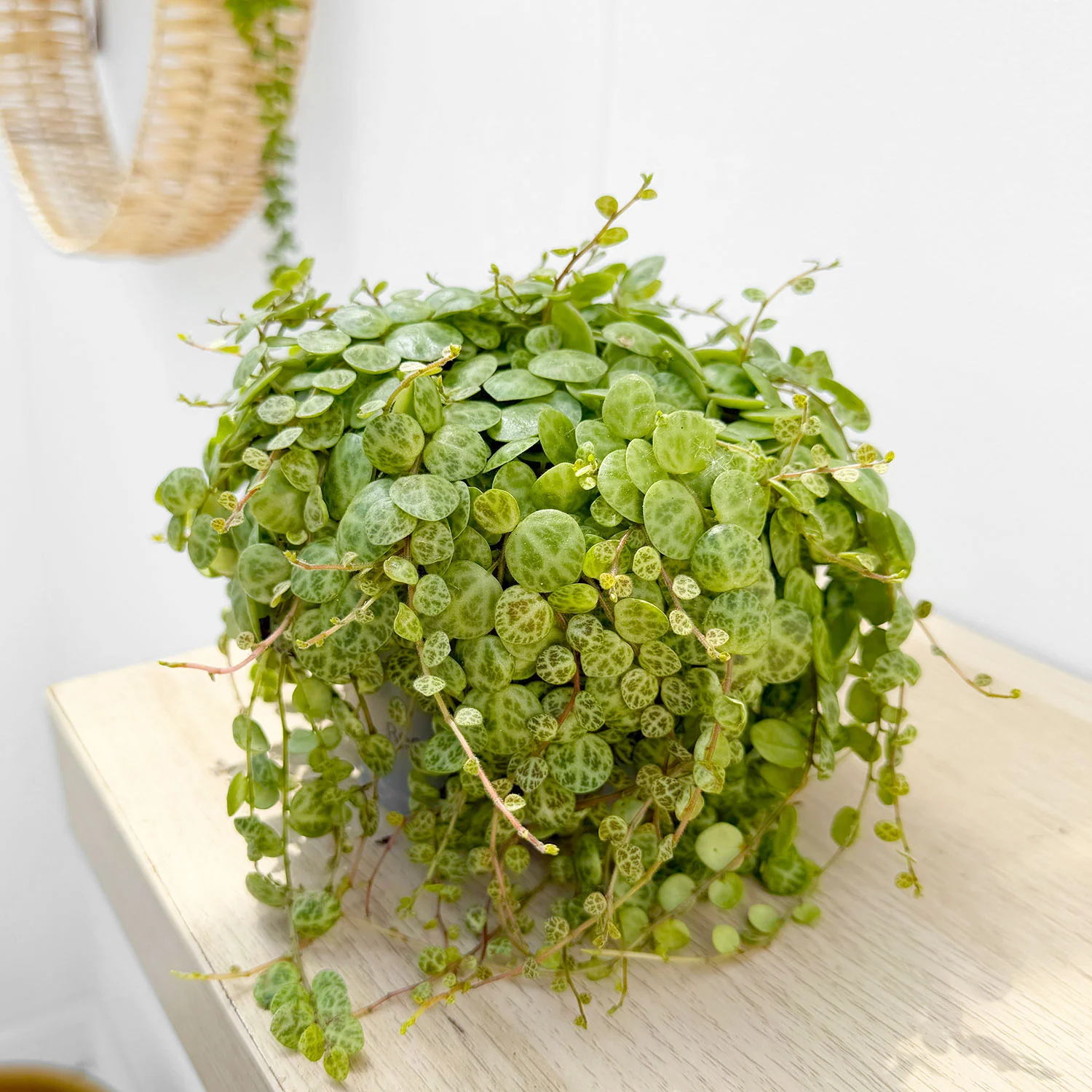
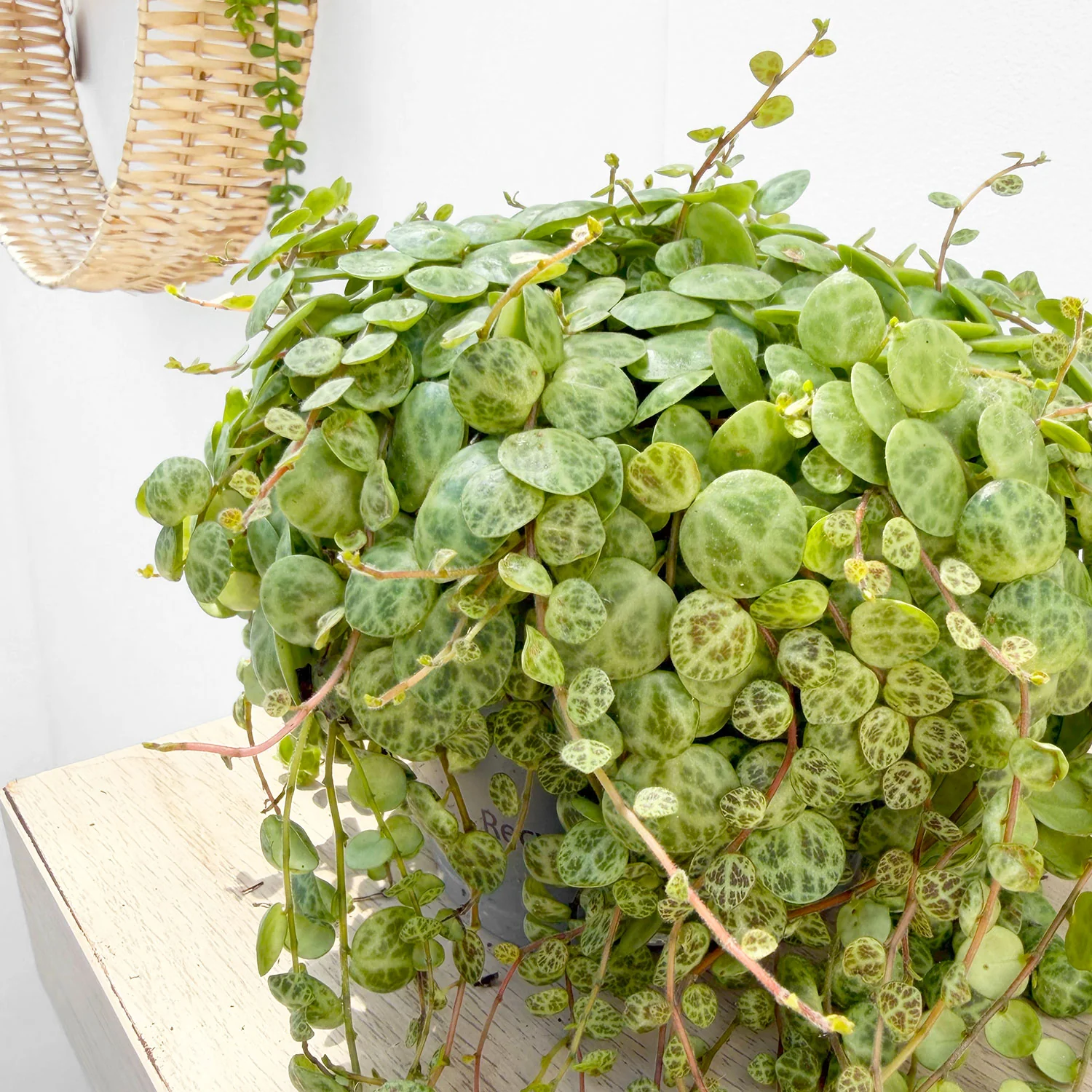
Ceropegia simoneae is a fascinating and highly sought-after trailing succulent native to eastern Africa. Closely related to the popular String of Hearts (Ceropegia woodii), this rare species is prized for its slender vines, attractive foliage, and unusual lantern-shaped flowers. Its delicate appearance combined with its drought tolerance makes it an excellent choice for collectors looking for something a little different.
When mature, Ceropegia simoneae produces long, cascading stems adorned with small leaves and distinctive tubular blooms that attract pollinators in its native habitat. Its compact root system and trailing growth habit make it ideal for hanging pots, shelves, and bright indoor spaces.
Plant Information
- Botanical Name: Ceropegia simoneae
- Common Name: Ceropegia simoneae
- Family: Apocynaceae
- Origin: Eastern Africa
- Growth Habit: Trailing succulent vine
- Difficulty: Easy to Intermediate
- Pet Safe: Not considered highly toxic, but consumption by pets should be discouraged.
Light Requirements
Ceropegia simoneae thrives in bright conditions and appreciates plenty of light throughout the year.
Ideal conditions:
- Bright indirect light
- Several hours of gentle morning or evening sun
- South, east or west-facing windows
Avoid:
- Deep shade
- Very dark rooms
- Sudden exposure to intense midday sun
Plants grown in brighter conditions tend to produce more compact growth and have a greater chance of flowering.
Watering
As a succulent species, Ceropegia simoneae stores water within its stems and roots, making it relatively drought tolerant.
Water when:
- The compost has dried out almost completely
- The pot feels noticeably lighter
Reduce watering:
- During winter
- In cooler rooms
- During periods of slower growth
Avoid:
- Constantly wet compost
- Standing water in decorative pots
- Frequent light watering
Overwatering is the most common cause of problems and can quickly lead to root rot.
Humidity
Unlike many tropical houseplants, Ceropegia simoneae does not require high humidity.
Ideal humidity:
- Average household humidity (40–60%)
This plant adapts well to normal indoor conditions and does not require misting.
Temperature
Ceropegia simoneae prefers warm temperatures throughout the year.
Ideal range:
- 18°C – 28°C
Avoid:
- Temperatures below 10°C
- Cold draughts
- Frost
Warm conditions encourage stronger growth and flowering.
Soil and Potting Mix
Good drainage is essential.
Recommended mix:
- Cactus or succulent compost
- Perlite or pumice
- Fine orchid bark
A free-draining mix helps prevent excess moisture around the roots and mimics the conditions found in its natural habitat.
Feeding
Feed lightly during the active growing season.
Recommended:
- Balanced liquid houseplant fertiliser
- Half-strength every 4–6 weeks during spring and summer
Avoid excessive feeding, which can result in weak, leggy growth.
Growth and Size
Under good conditions, Ceropegia simoneae develops long trailing stems that can cascade beautifully from hanging planters.
Mature characteristics:
- Slender trailing vines
- Small succulent leaves
- Unusual lantern-shaped flowers
- Excellent hanging basket specimen
Growth is typically moderate to fast during warmer months.
Common Problems
Yellow Leaves
Usually caused by overwatering or poor drainage.
Wrinkled Stems
Often indicate the plant is becoming too dry and requires watering.
Leggy Growth
Typically caused by insufficient light.
Root Rot
Most commonly caused by waterlogged compost or pots without drainage holes.
Propagation
Ceropegia simoneae is relatively easy to propagate.
Methods:
- Stem cuttings
- Tuber division (if present)
- Water propagation before potting into compost
Cuttings root readily in warm conditions and can quickly establish into new plants.
Why Collectors Love Ceropegia simoneae
Ceropegia simoneae combines the easy-going nature of a succulent with the elegant trailing growth habit that makes the Ceropegia genus so popular. Its unusual flowers, compact growth, and rarity make it a rewarding addition to any houseplant collection. Whether displayed in a hanging planter or allowed to trail from a shelf, this charming species offers year-round interest with minimal maintenance.
Original: $39.58
-70%$39.58
$11.87Product Information
Product Information
Shipping & Returns
Shipping & Returns
Description
Ceropegia simoneae is a fascinating and highly sought-after trailing succulent native to eastern Africa. Closely related to the popular String of Hearts (Ceropegia woodii), this rare species is prized for its slender vines, attractive foliage, and unusual lantern-shaped flowers. Its delicate appearance combined with its drought tolerance makes it an excellent choice for collectors looking for something a little different.
When mature, Ceropegia simoneae produces long, cascading stems adorned with small leaves and distinctive tubular blooms that attract pollinators in its native habitat. Its compact root system and trailing growth habit make it ideal for hanging pots, shelves, and bright indoor spaces.
Plant Information
- Botanical Name: Ceropegia simoneae
- Common Name: Ceropegia simoneae
- Family: Apocynaceae
- Origin: Eastern Africa
- Growth Habit: Trailing succulent vine
- Difficulty: Easy to Intermediate
- Pet Safe: Not considered highly toxic, but consumption by pets should be discouraged.
Light Requirements
Ceropegia simoneae thrives in bright conditions and appreciates plenty of light throughout the year.
Ideal conditions:
- Bright indirect light
- Several hours of gentle morning or evening sun
- South, east or west-facing windows
Avoid:
- Deep shade
- Very dark rooms
- Sudden exposure to intense midday sun
Plants grown in brighter conditions tend to produce more compact growth and have a greater chance of flowering.
Watering
As a succulent species, Ceropegia simoneae stores water within its stems and roots, making it relatively drought tolerant.
Water when:
- The compost has dried out almost completely
- The pot feels noticeably lighter
Reduce watering:
- During winter
- In cooler rooms
- During periods of slower growth
Avoid:
- Constantly wet compost
- Standing water in decorative pots
- Frequent light watering
Overwatering is the most common cause of problems and can quickly lead to root rot.
Humidity
Unlike many tropical houseplants, Ceropegia simoneae does not require high humidity.
Ideal humidity:
- Average household humidity (40–60%)
This plant adapts well to normal indoor conditions and does not require misting.
Temperature
Ceropegia simoneae prefers warm temperatures throughout the year.
Ideal range:
- 18°C – 28°C
Avoid:
- Temperatures below 10°C
- Cold draughts
- Frost
Warm conditions encourage stronger growth and flowering.
Soil and Potting Mix
Good drainage is essential.
Recommended mix:
- Cactus or succulent compost
- Perlite or pumice
- Fine orchid bark
A free-draining mix helps prevent excess moisture around the roots and mimics the conditions found in its natural habitat.
Feeding
Feed lightly during the active growing season.
Recommended:
- Balanced liquid houseplant fertiliser
- Half-strength every 4–6 weeks during spring and summer
Avoid excessive feeding, which can result in weak, leggy growth.
Growth and Size
Under good conditions, Ceropegia simoneae develops long trailing stems that can cascade beautifully from hanging planters.
Mature characteristics:
- Slender trailing vines
- Small succulent leaves
- Unusual lantern-shaped flowers
- Excellent hanging basket specimen
Growth is typically moderate to fast during warmer months.
Common Problems
Yellow Leaves
Usually caused by overwatering or poor drainage.
Wrinkled Stems
Often indicate the plant is becoming too dry and requires watering.
Leggy Growth
Typically caused by insufficient light.
Root Rot
Most commonly caused by waterlogged compost or pots without drainage holes.
Propagation
Ceropegia simoneae is relatively easy to propagate.
Methods:
- Stem cuttings
- Tuber division (if present)
- Water propagation before potting into compost
Cuttings root readily in warm conditions and can quickly establish into new plants.
Why Collectors Love Ceropegia simoneae
Ceropegia simoneae combines the easy-going nature of a succulent with the elegant trailing growth habit that makes the Ceropegia genus so popular. Its unusual flowers, compact growth, and rarity make it a rewarding addition to any houseplant collection. Whether displayed in a hanging planter or allowed to trail from a shelf, this charming species offers year-round interest with minimal maintenance.