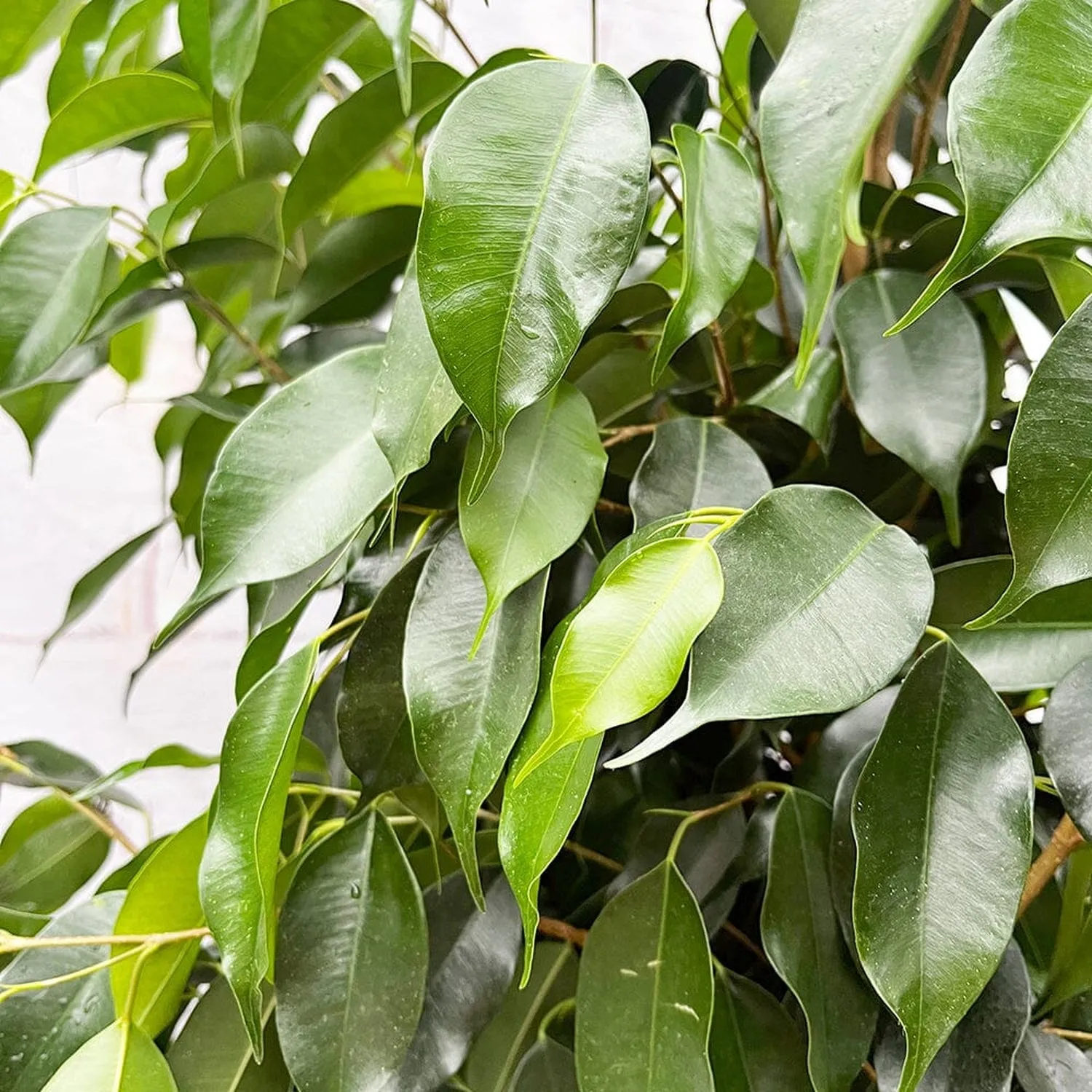
Ficus Danielle Rubber Plant House Plant
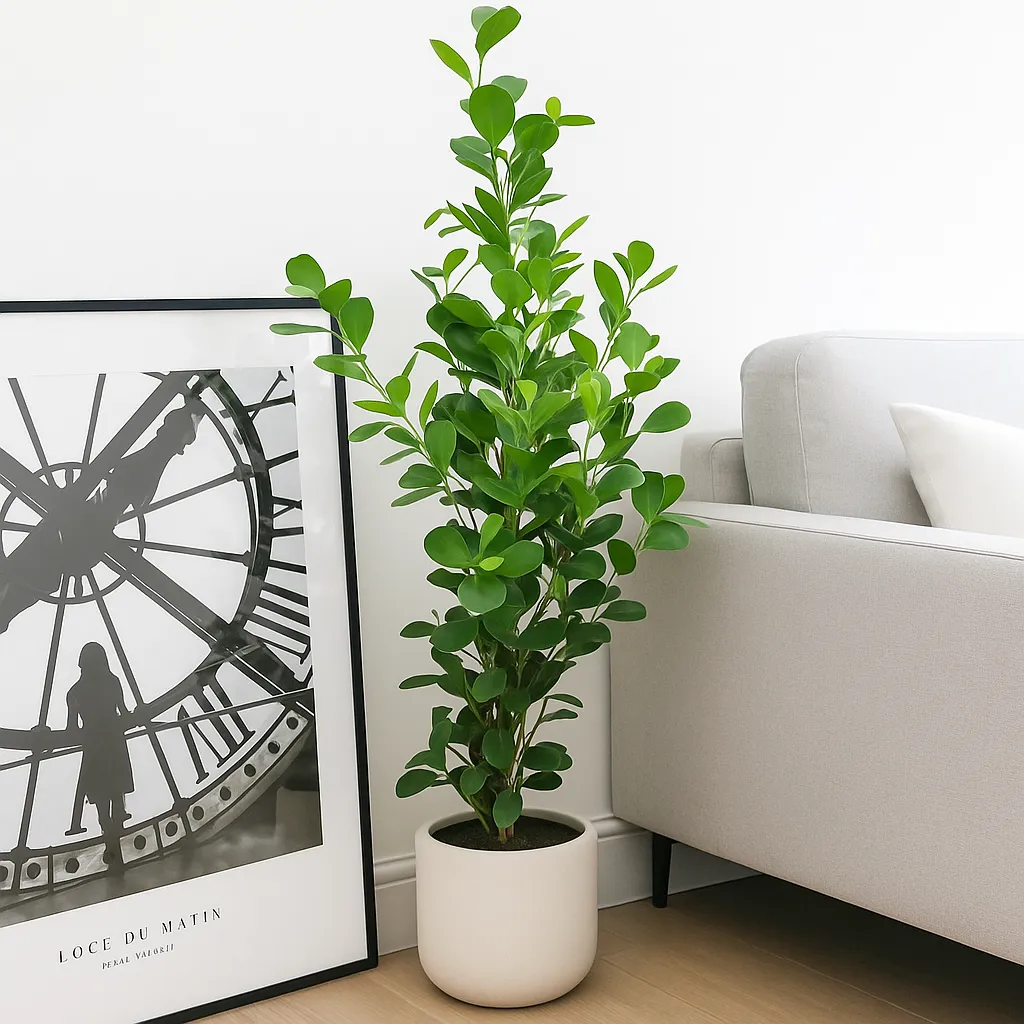
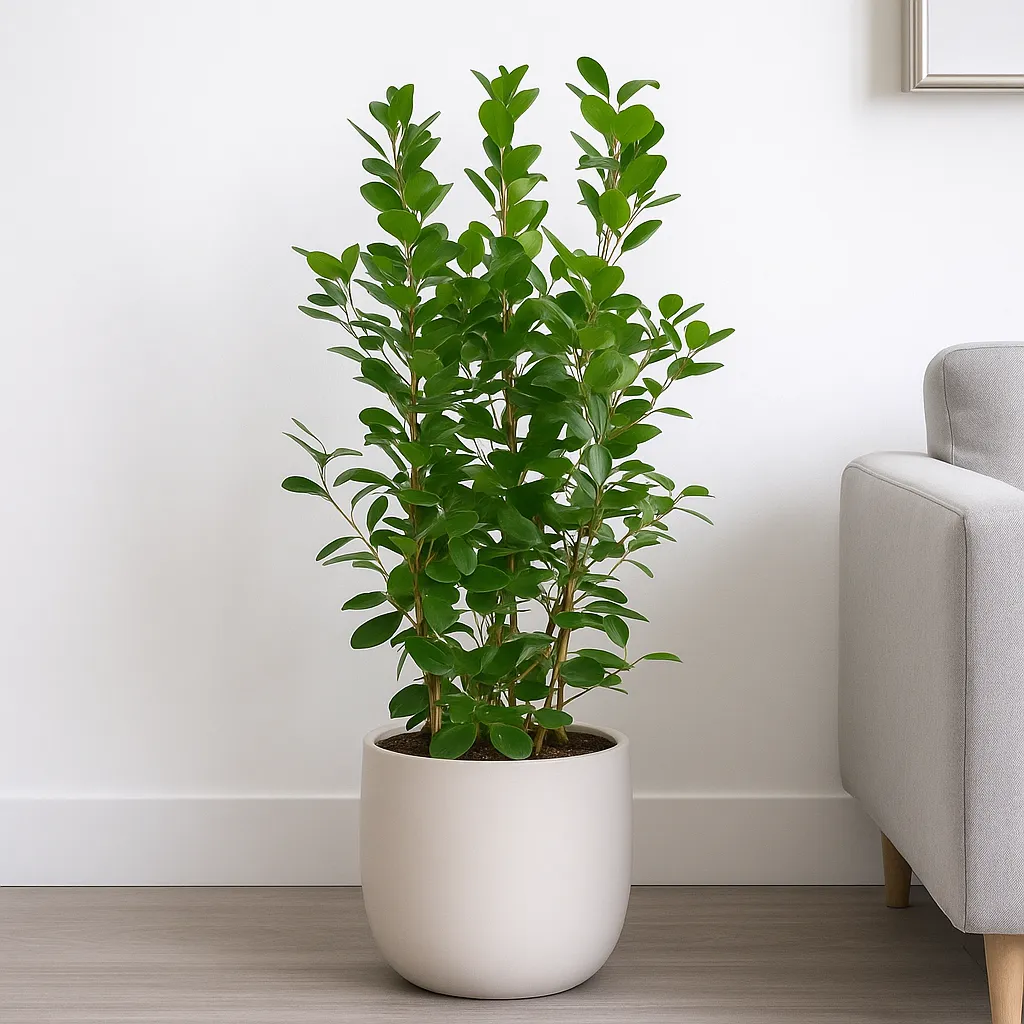
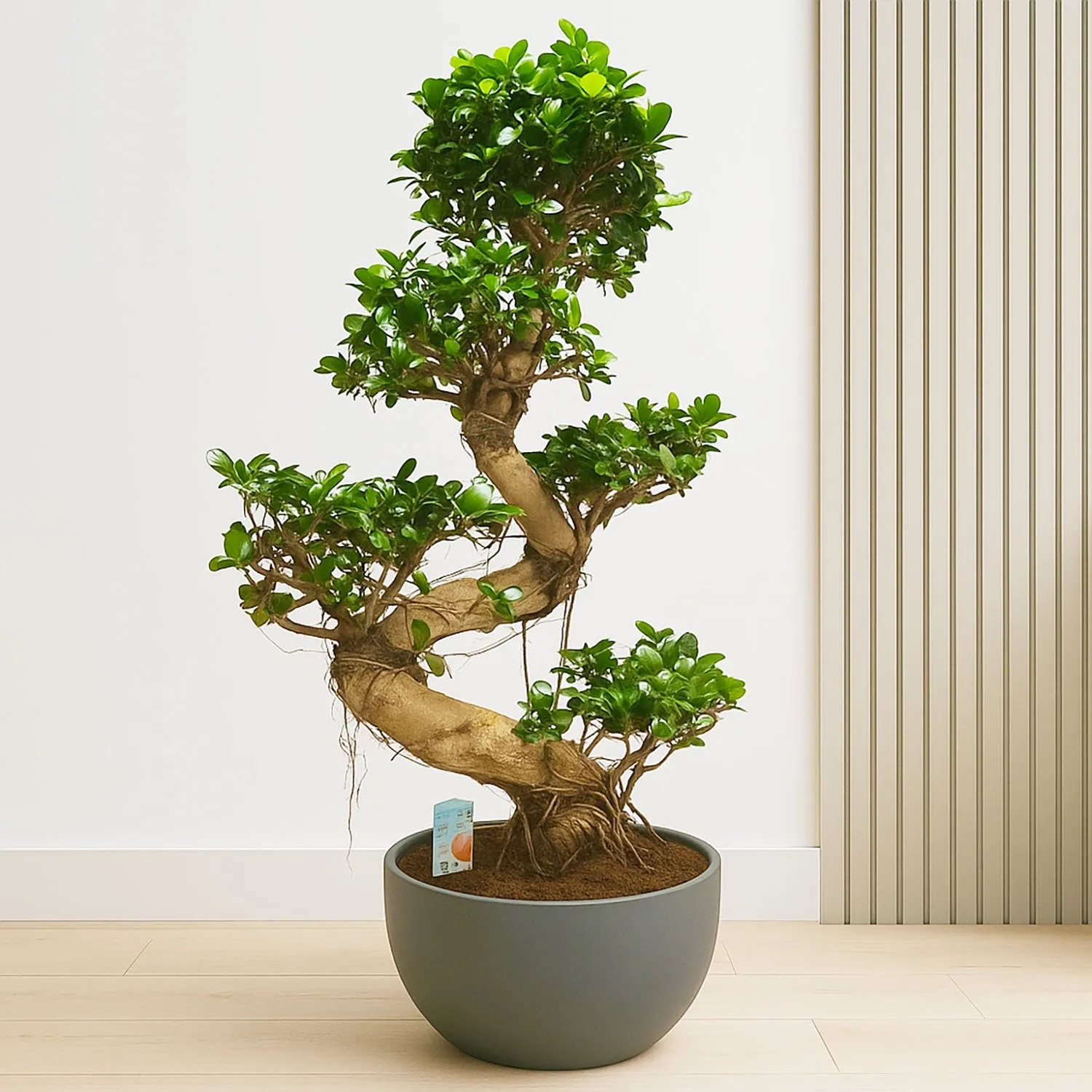
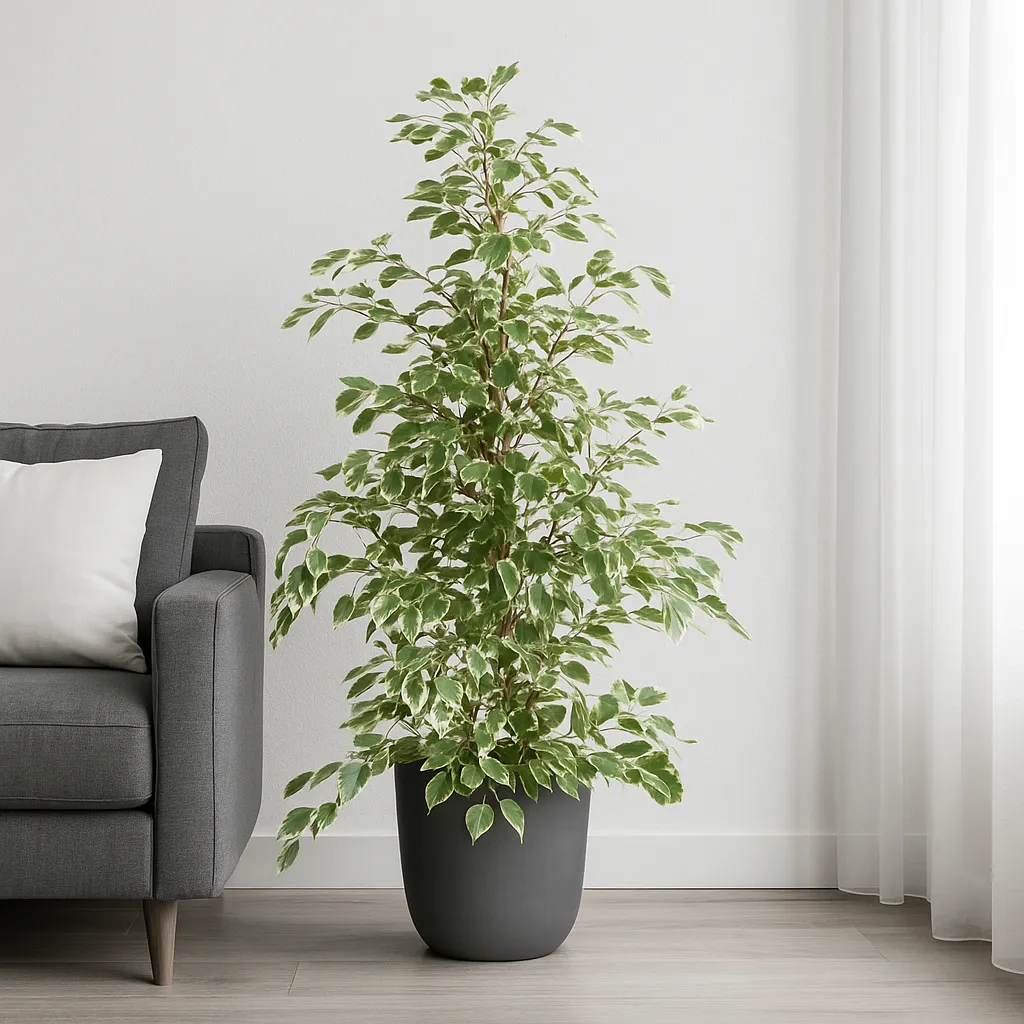
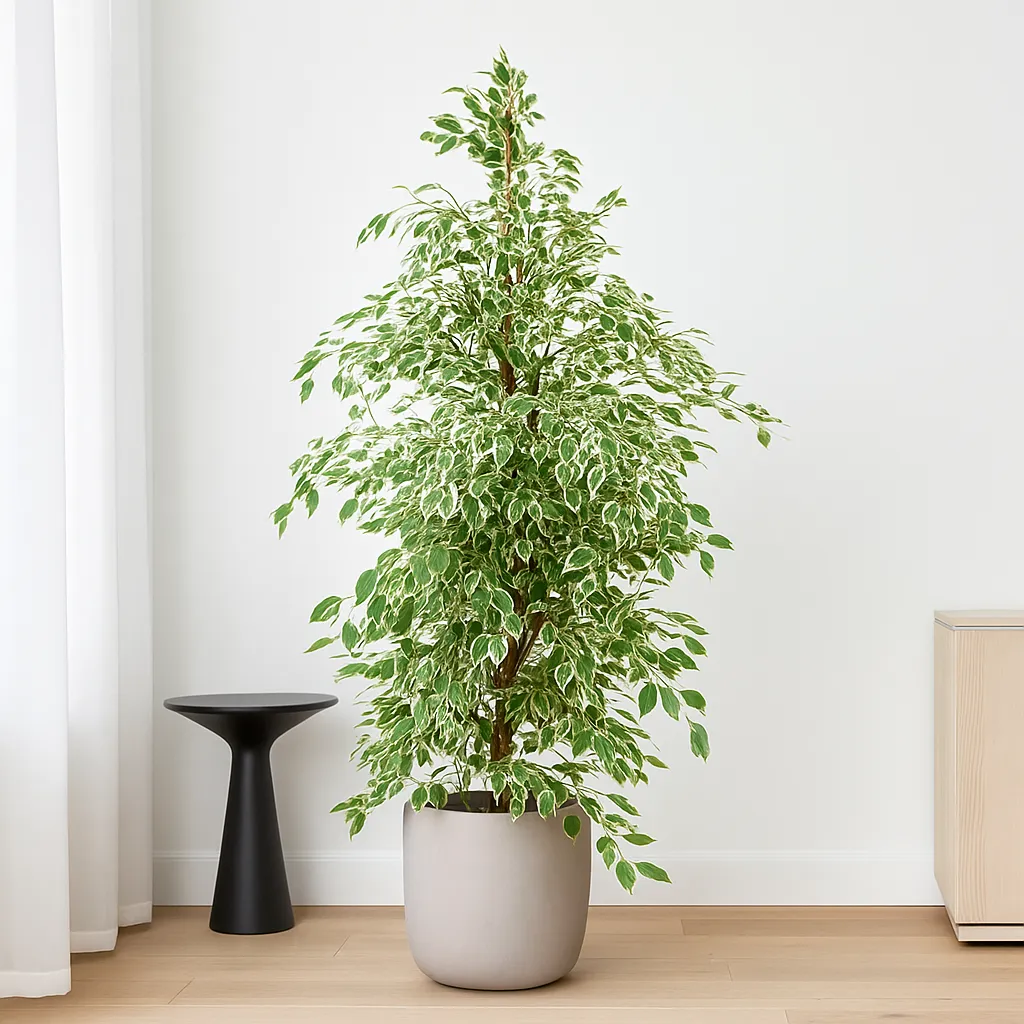
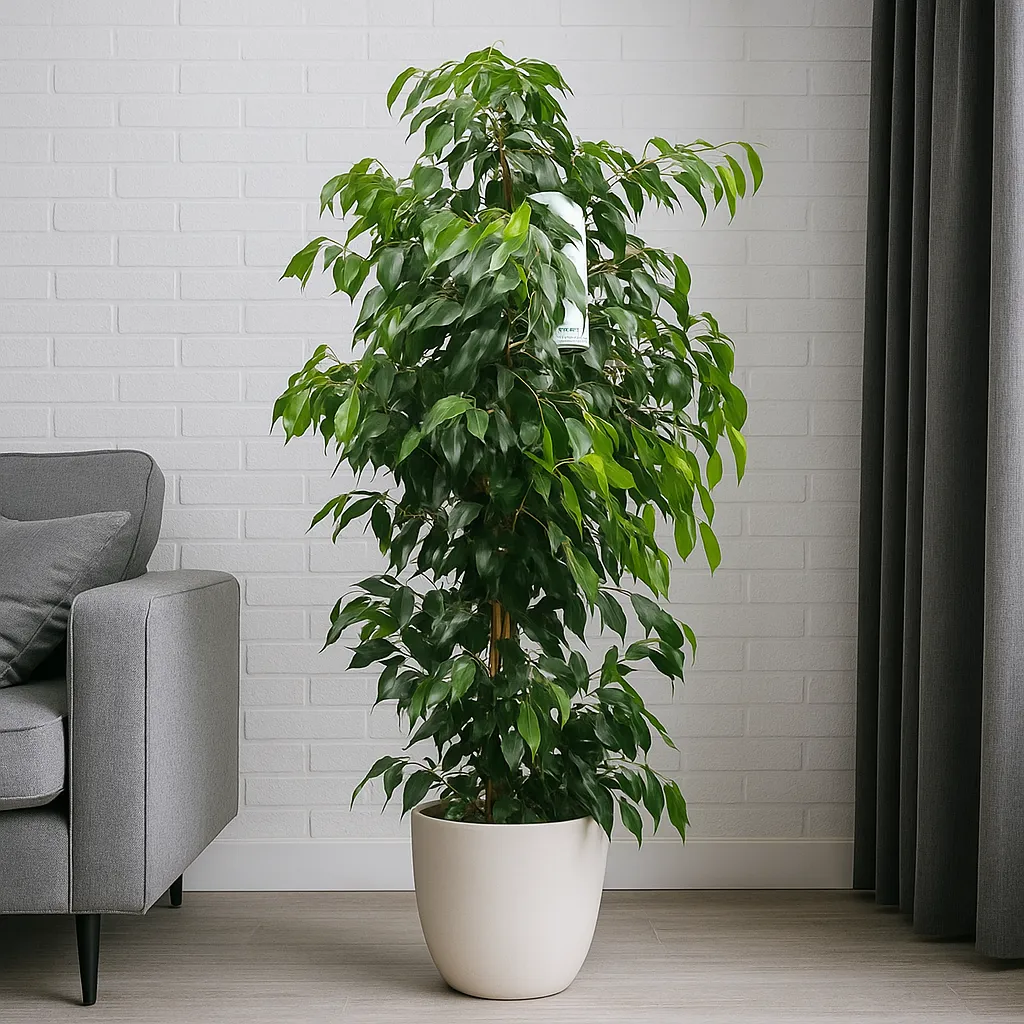
Ficus benjamina ‘Danielle’, also known as the Weeping Fig ‘Danielle’, is a sophisticated and timeless indoor tree admired for its dense, glossy green foliage and elegant, cascading form. A member of the Moraceae family and native to tropical Southeast Asia and northern Australia, this refined cultivar is a favourite among interior designers and plant collectors alike for its structured beauty and effortless charm.
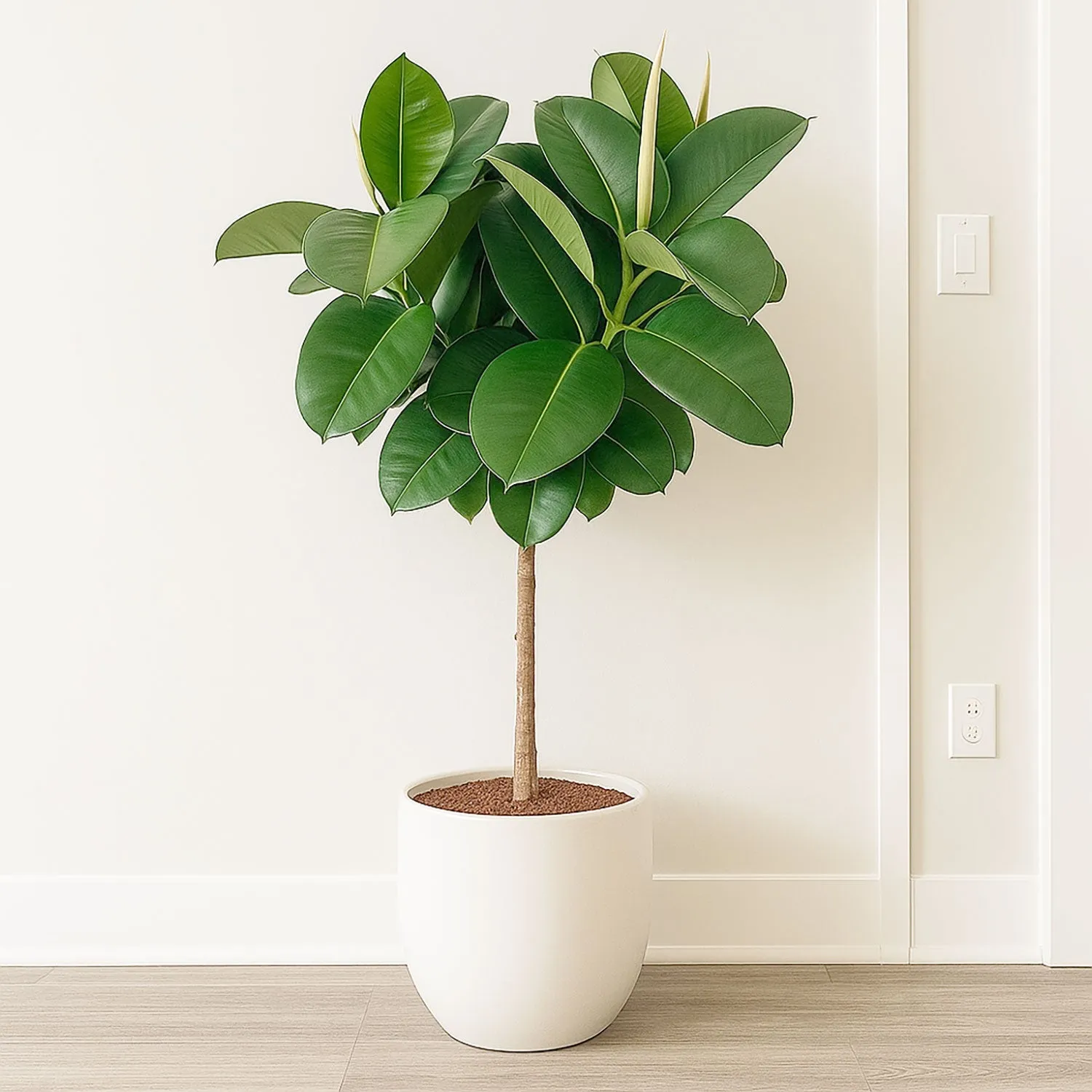
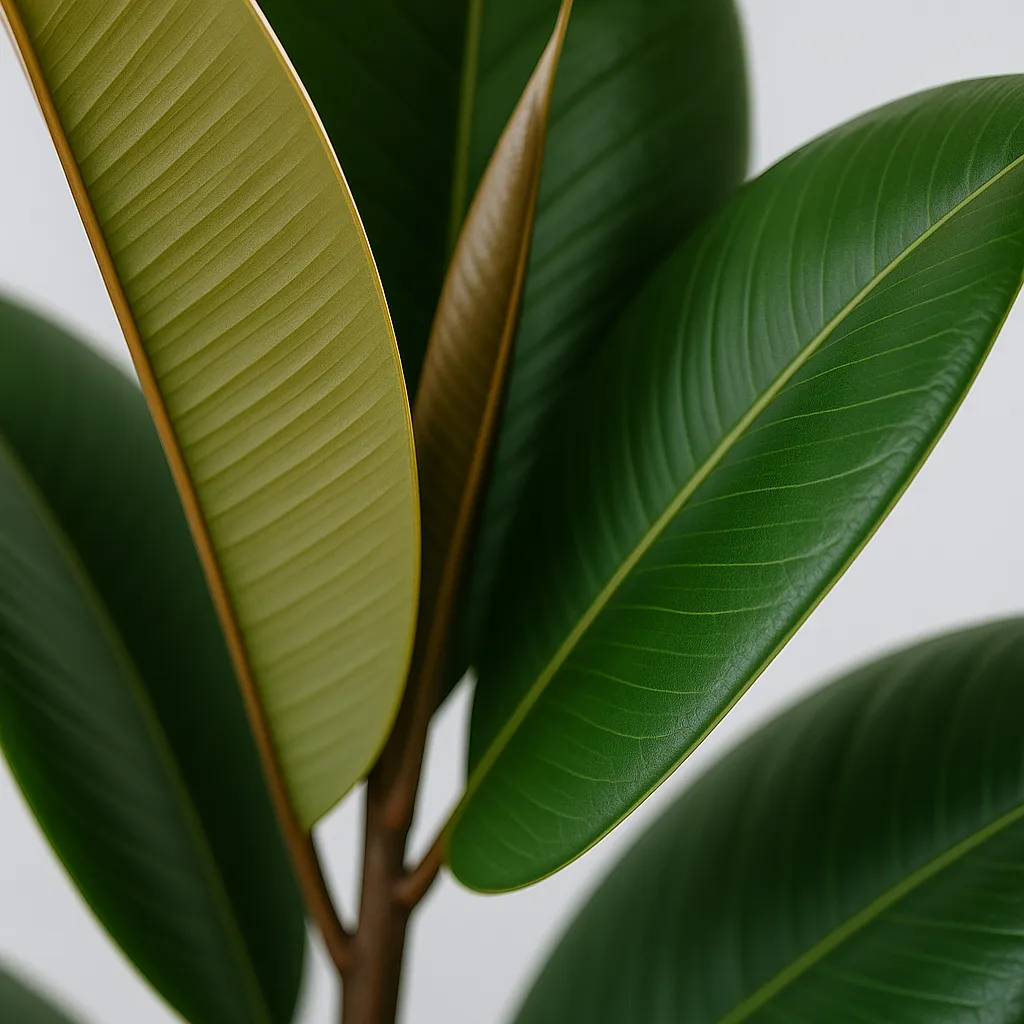
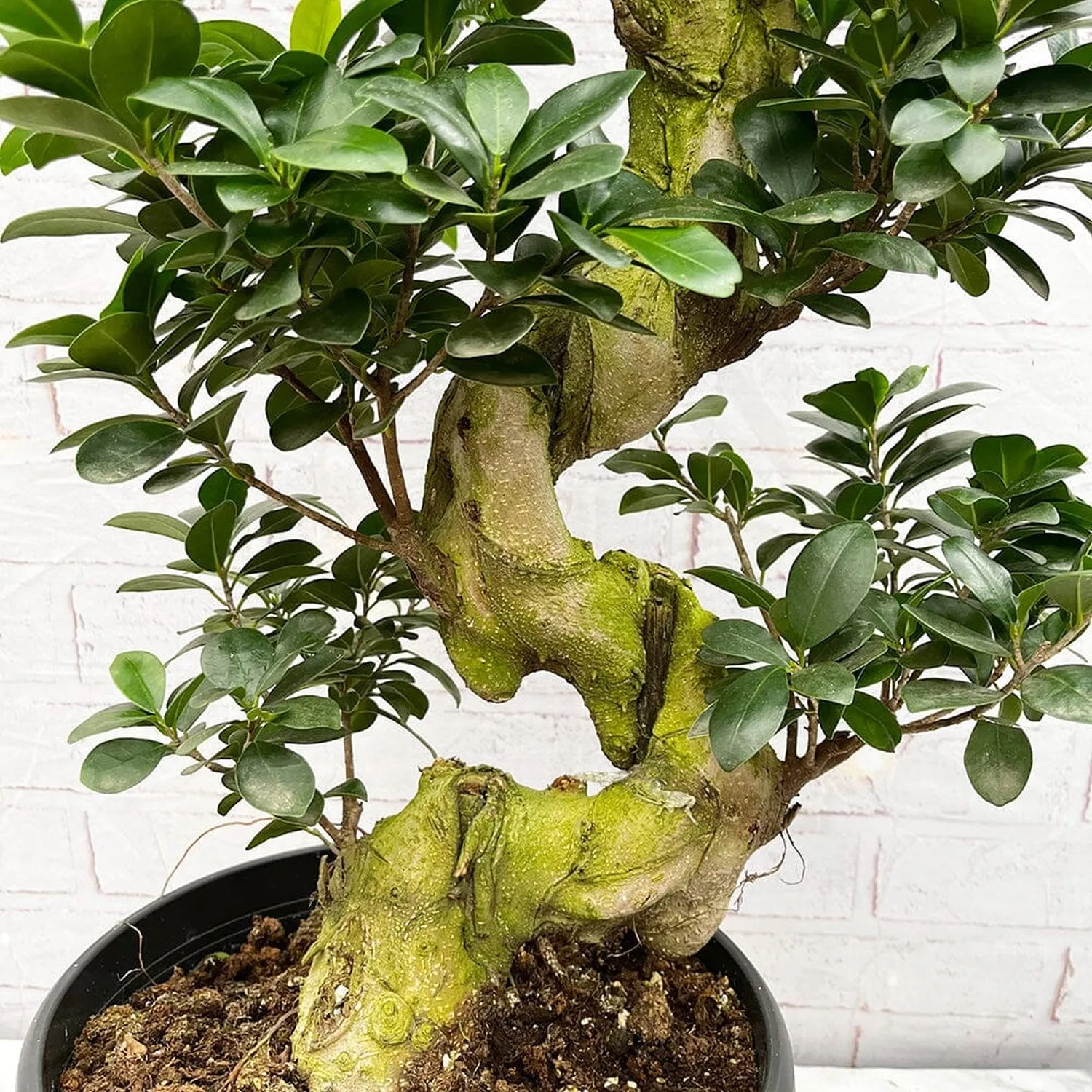
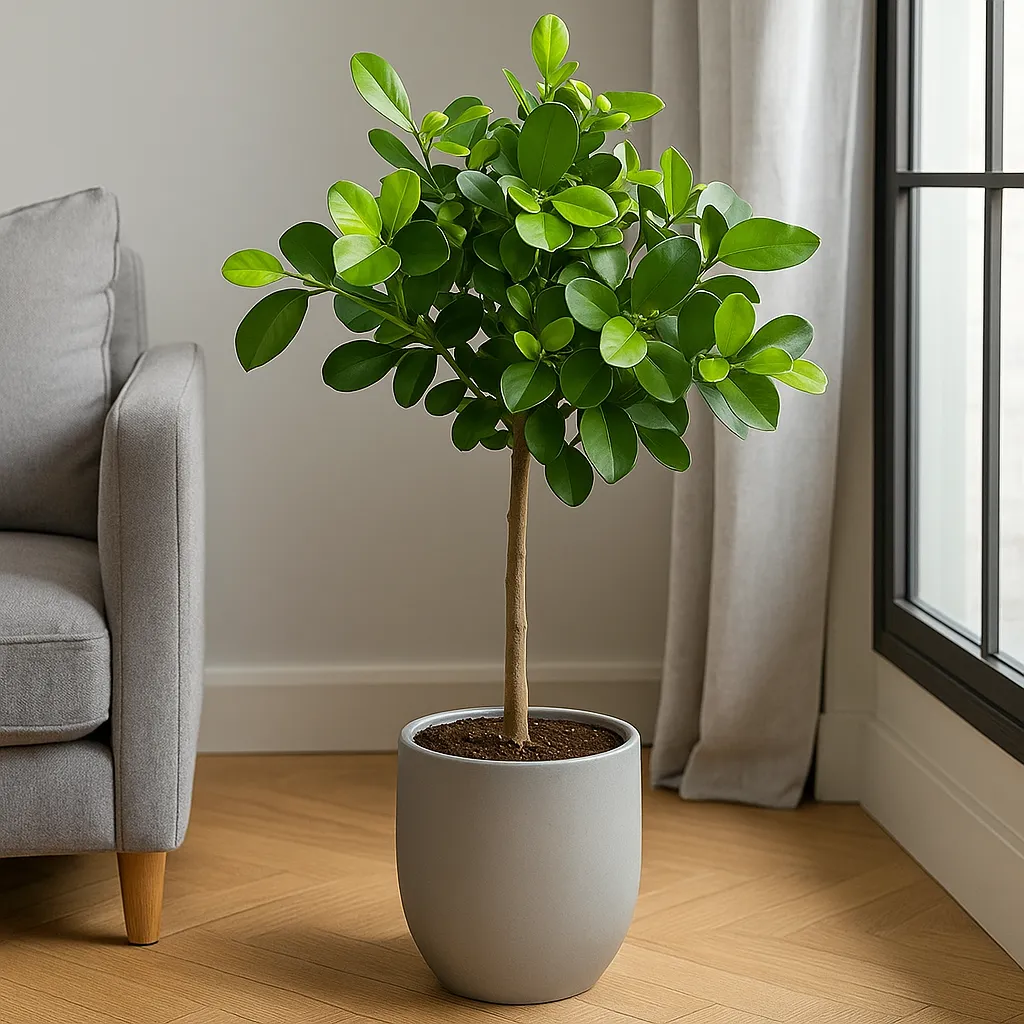
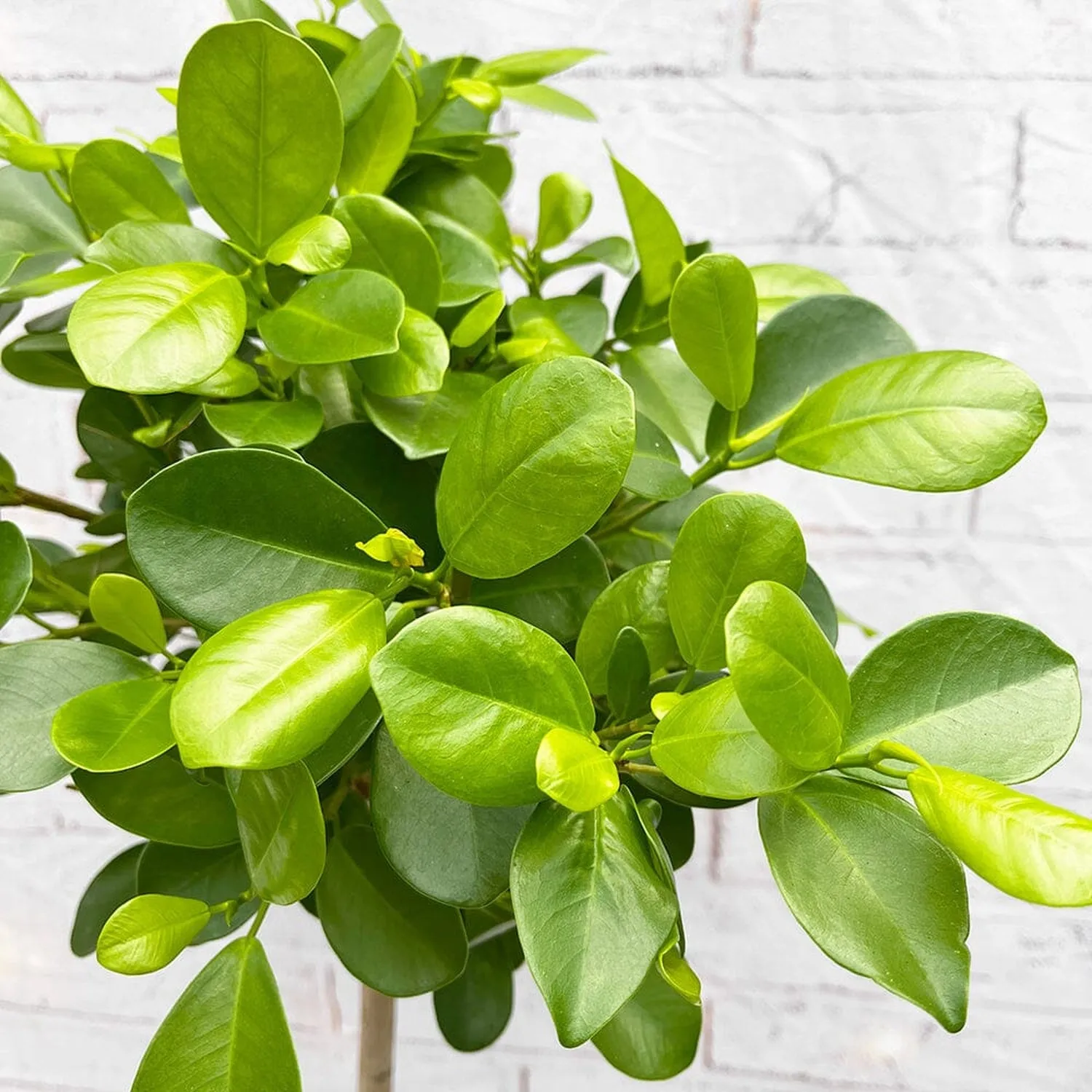
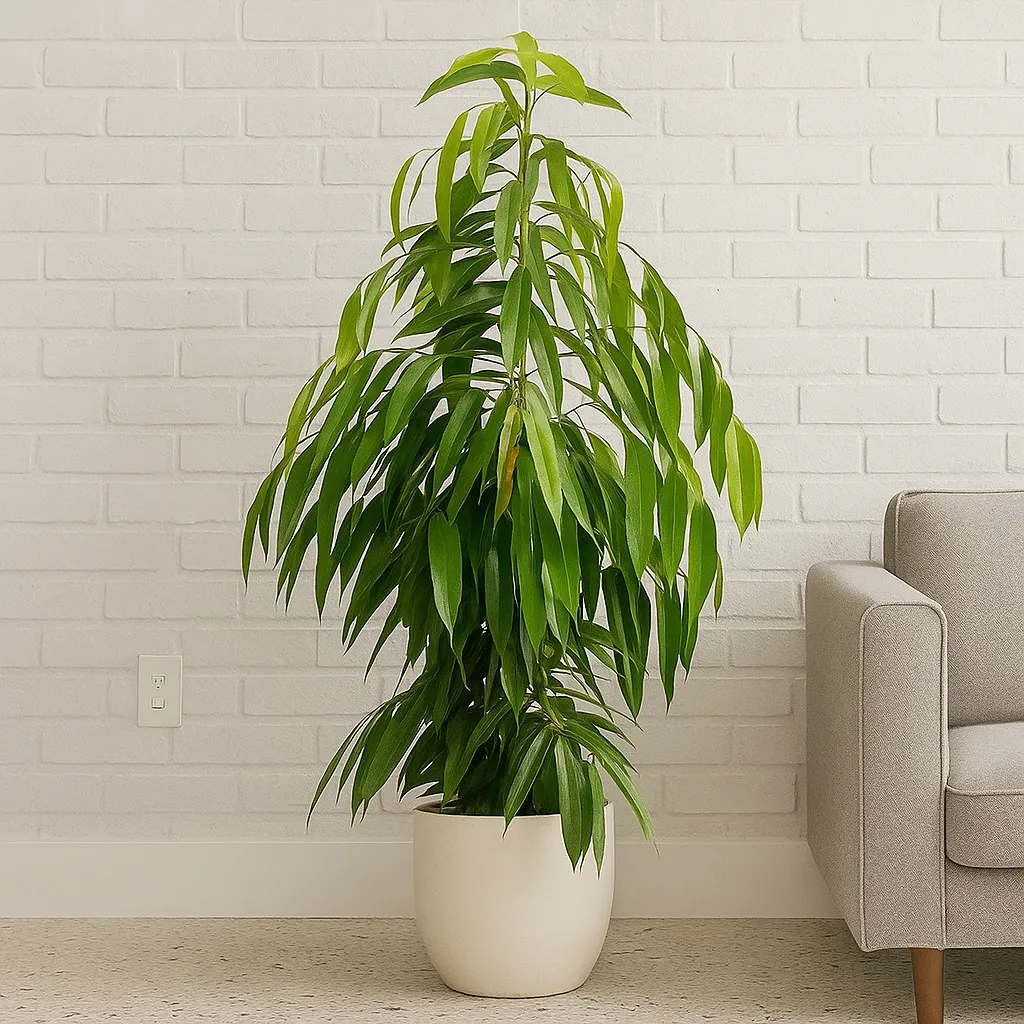
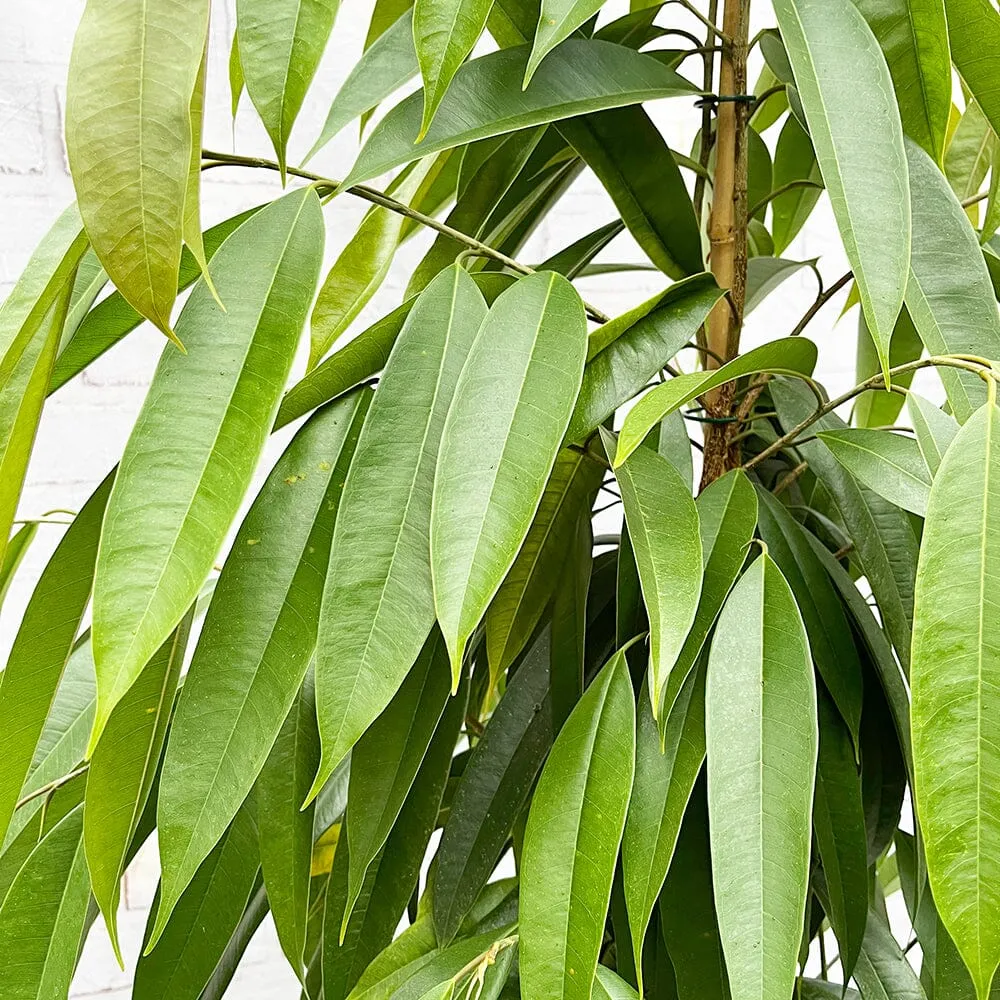
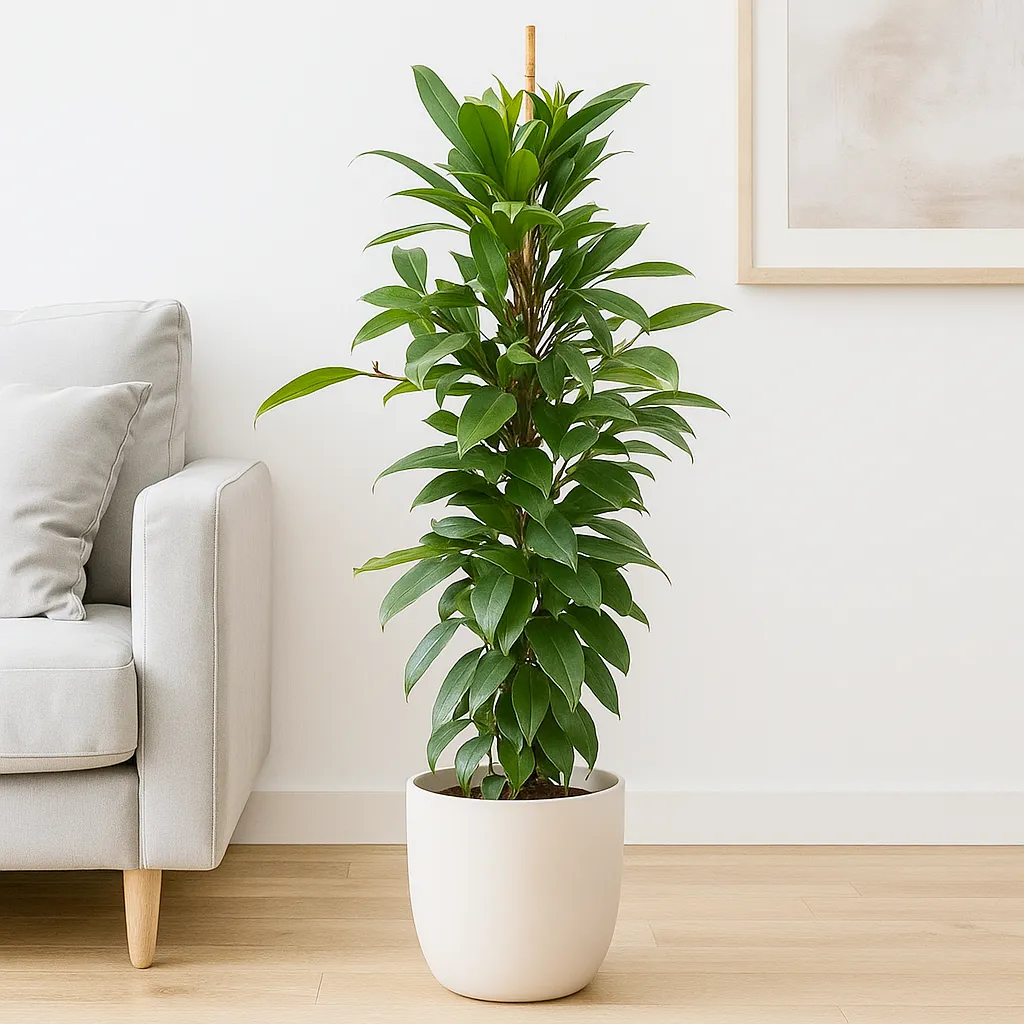
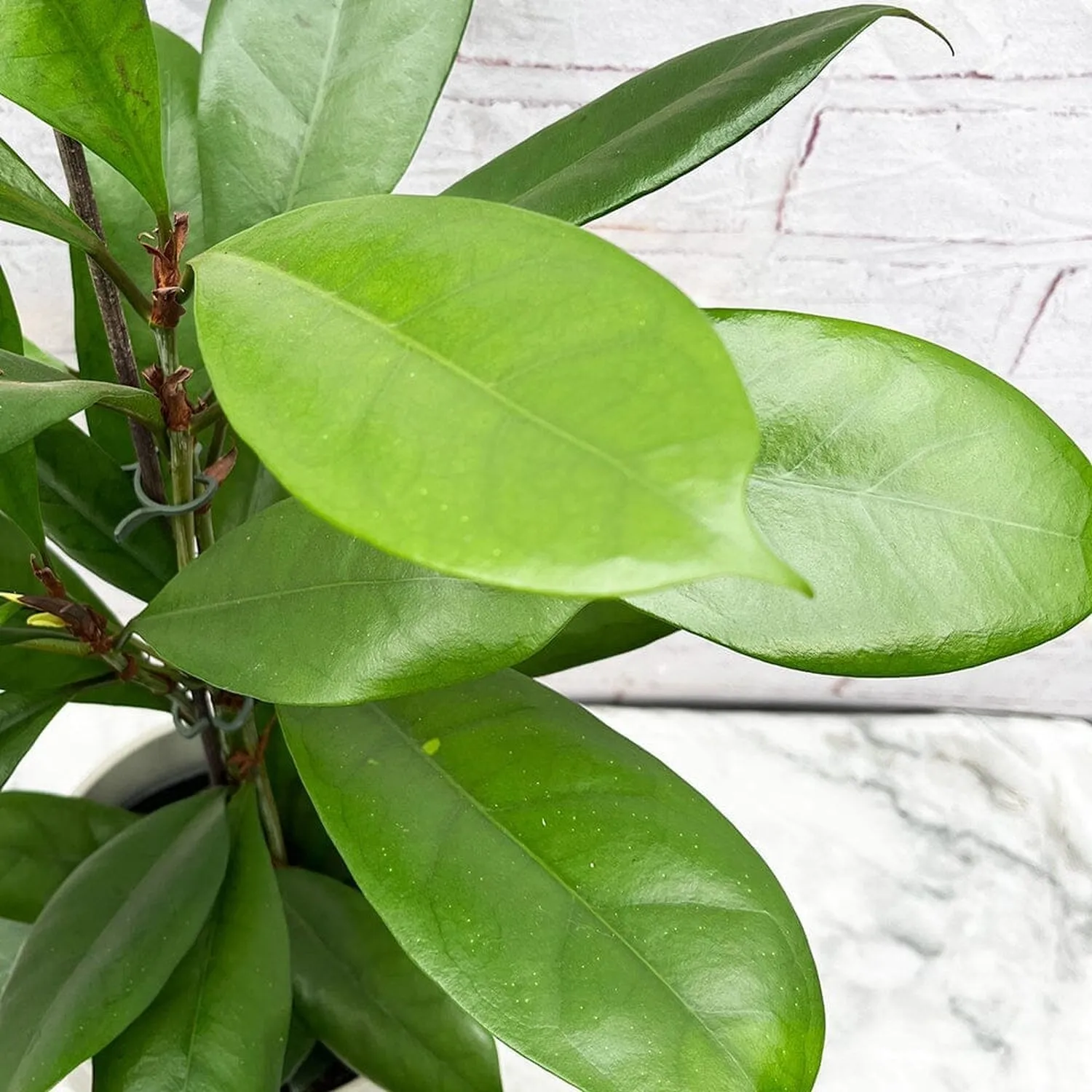
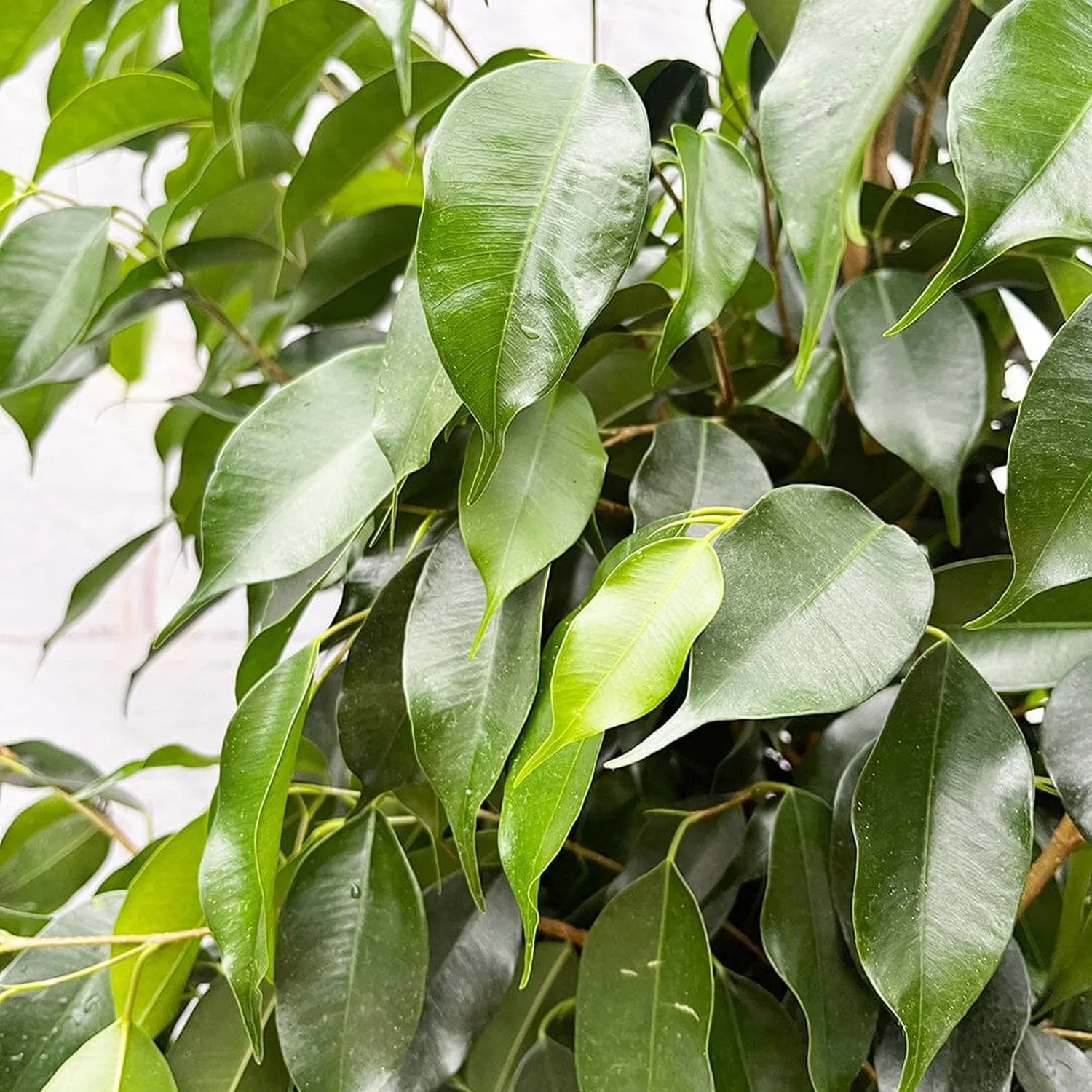
The narrow, pointed leaves are a rich, dark emerald-green with a smooth, polished texture, arranged densely along slender, arching branches. The tree’s natural weeping habit creates a graceful canopy, adding both height and movement to any space. Whether styled as a single-stem tree or multi-stem bush, Ficus ‘Danielle’ exudes sophistication — a living embodiment of tropical calm and natural elegance.
Classic, versatile, and resilient, Ficus benjamina ‘Danielle’ remains a staple for both modern and traditional interiors, offering lush greenery and refined structure in one sculptural form.
Ficus benjamina ‘Danielle’ – Care Guide
Light
Thrives in bright, indirect light. For dense, glossy foliage and strong growth, provide consistent brightness. It can adapt to moderate light but may drop leaves if light levels suddenly decrease. Avoid harsh direct sun, which can scorch the delicate leaves.
Watering
Water when the top 3–5 cm of soil feels dry to the touch. Keep the soil lightly moist but never waterlogged. Overwatering is a common cause of yellowing leaves, while underwatering may lead to premature leaf drop. During winter, reduce watering slightly to match slower growth.
Temperature and Humidity
-
Temperature: Prefers warm conditions between 20–28 °C; avoid cold drafts and temperatures below 15 °C.
-
Humidity: Tolerates normal household humidity (40–60%) but benefits from slightly higher levels. Mist occasionally or use a humidifier in drier environments to prevent leaf edges from crisping.
Soil and Potting
Use a well-draining, fertile potting mix, such as compost combined with perlite and fine bark. This ensures both aeration and moisture retention. Repot every 2–3 years in spring to refresh the substrate and provide room for root expansion. Choose a stable pot to support its upright growth and full canopy.
Feeding
Feed every 4–6 weeks in spring and summer with a diluted, balanced fertiliser formulated for foliage plants. Over-fertilising can lead to salt build-up and root stress. Suspend feeding in autumn and winter when growth slows naturally.
Pruning and Maintenance
Prune regularly to shape and encourage a fuller canopy. Trim any leggy or crossing stems and remove yellow or damaged leaves. Wipe the leaves occasionally with a soft, damp cloth to restore their natural gloss and remove dust. Rotate the plant periodically to ensure balanced growth and even light exposure.
Growth and Maturity
A moderate to fast grower, Ficus ‘Danielle’ can reach 1.5–2.5 metres indoors, forming a dense, bushy crown with gracefully drooping branches. With maturity, it develops a woody trunk and layered foliage that evokes the look of a miniature rainforest tree. Given the right conditions, it can thrive for decades as a living centrepiece.
Common Issues
-
Leaf drop: Environmental stress (low light, cold drafts, or relocation).
-
Yellow leaves: Overwatering or compacted soil.
-
Brown tips: Low humidity or inconsistent watering.
-
Pests: Occasionally scale or spider mites; treat promptly with neem oil or insecticidal soap.
Background and Benefits
Native to the humid forests of Southeast Asia, Ficus benjamina has been cultivated for centuries as a symbol of prosperity, strength, and endurance. The ‘Danielle’ cultivar was developed for its compact growth habit, darker foliage, and elegant cascading shape, making it one of the most popular and resilient indoor Ficus varieties.
Beyond its decorative appeal, Ficus benjamina ‘Danielle’ is also an excellent air-purifying plant, filtering toxins such as formaldehyde and xylene from indoor environments. Its lush canopy softens spaces, enhances biophilic design, and introduces a sense of tranquillity and natural movement to any room.
Quick Care Summary
Light: Bright, indirect light; tolerates moderate light
Water: Allow top 3–5 cm of soil to dry before watering
Temperature: 20–28 °C; avoid below 15 °C
Humidity: Moderate (40–60%)
Soil: Well-draining, fertile mix – compost, perlite, bark
Feed: Every 4–6 weeks in spring/summer
Growth: Upright, arching habit, 1.5–2.5 m; glossy dark green leaves and cascading branches
⚠️ Toxicity note: Contains latex sap that can irritate skin and is toxic if ingested. Keep away from pets and children.
Styling Tip
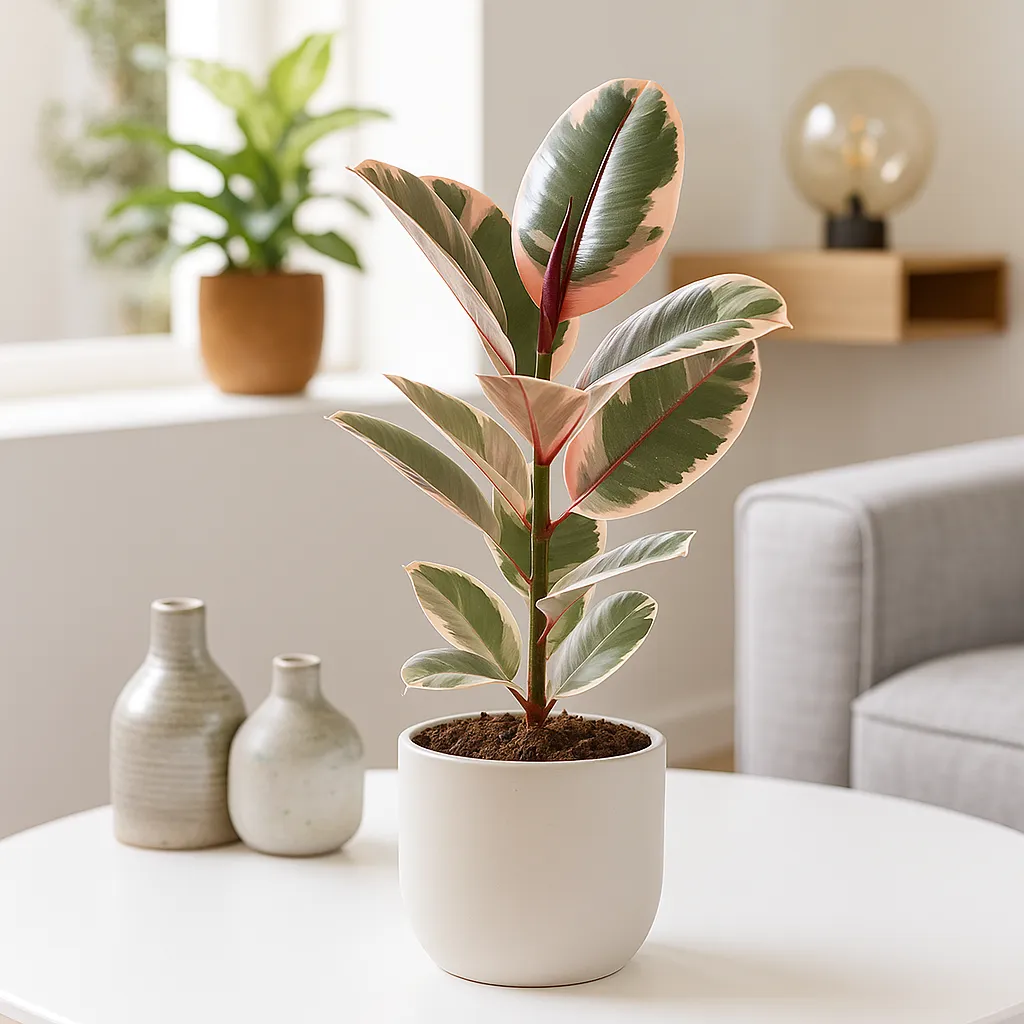
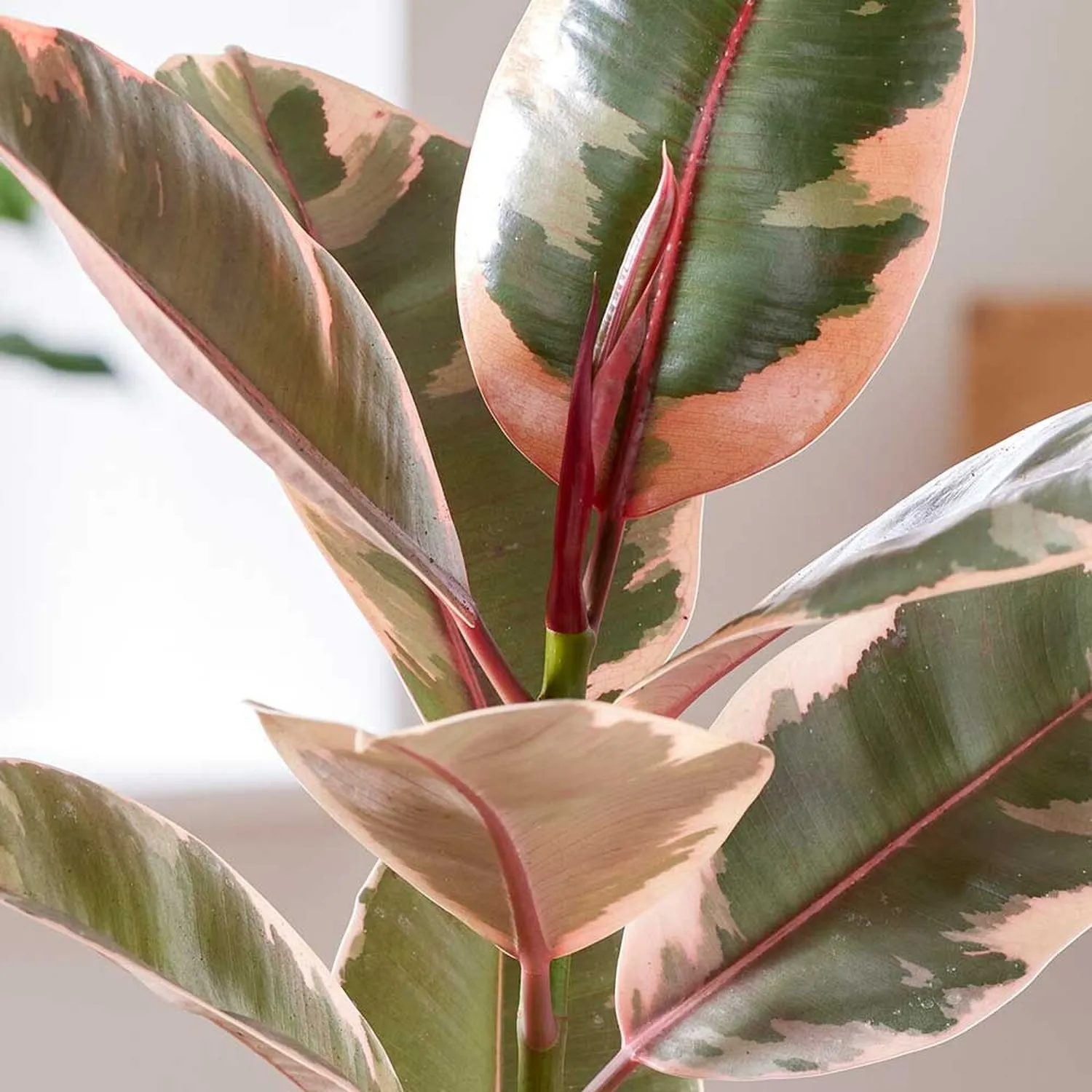
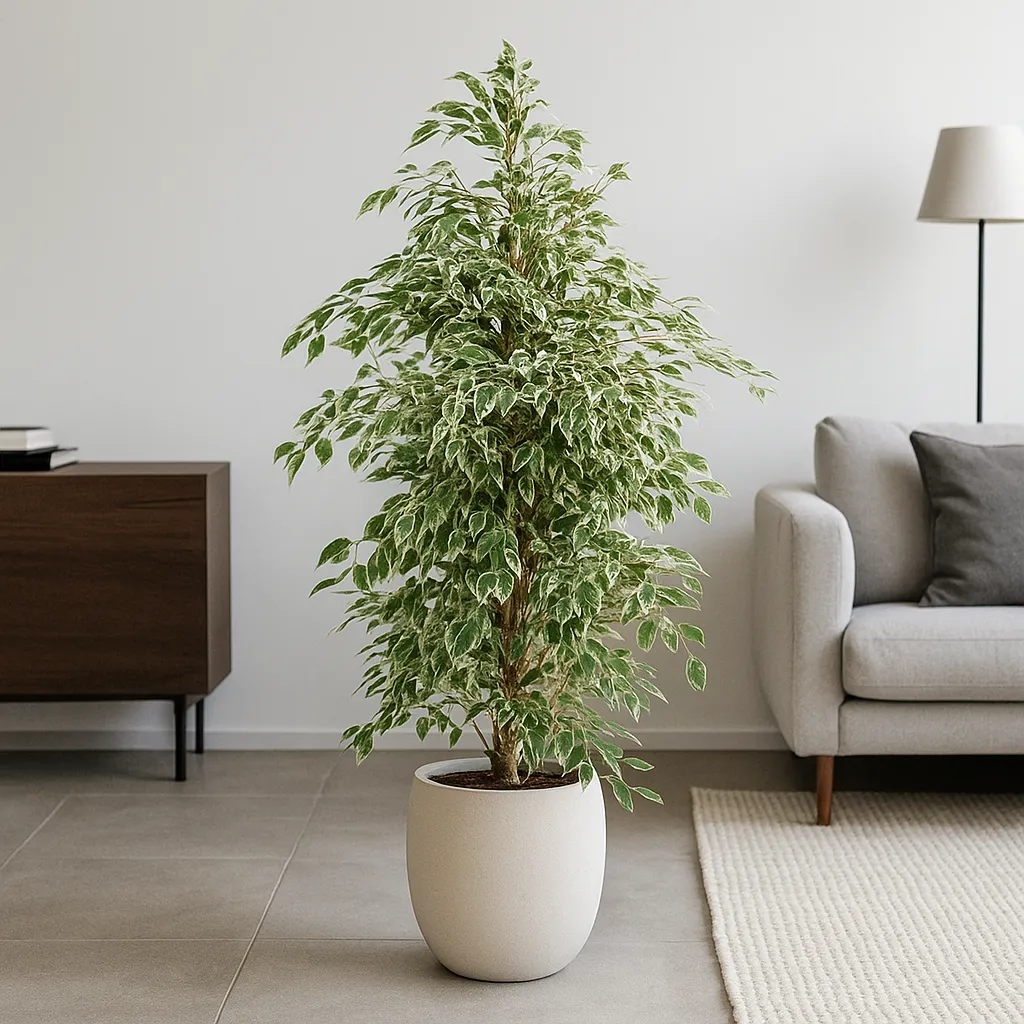
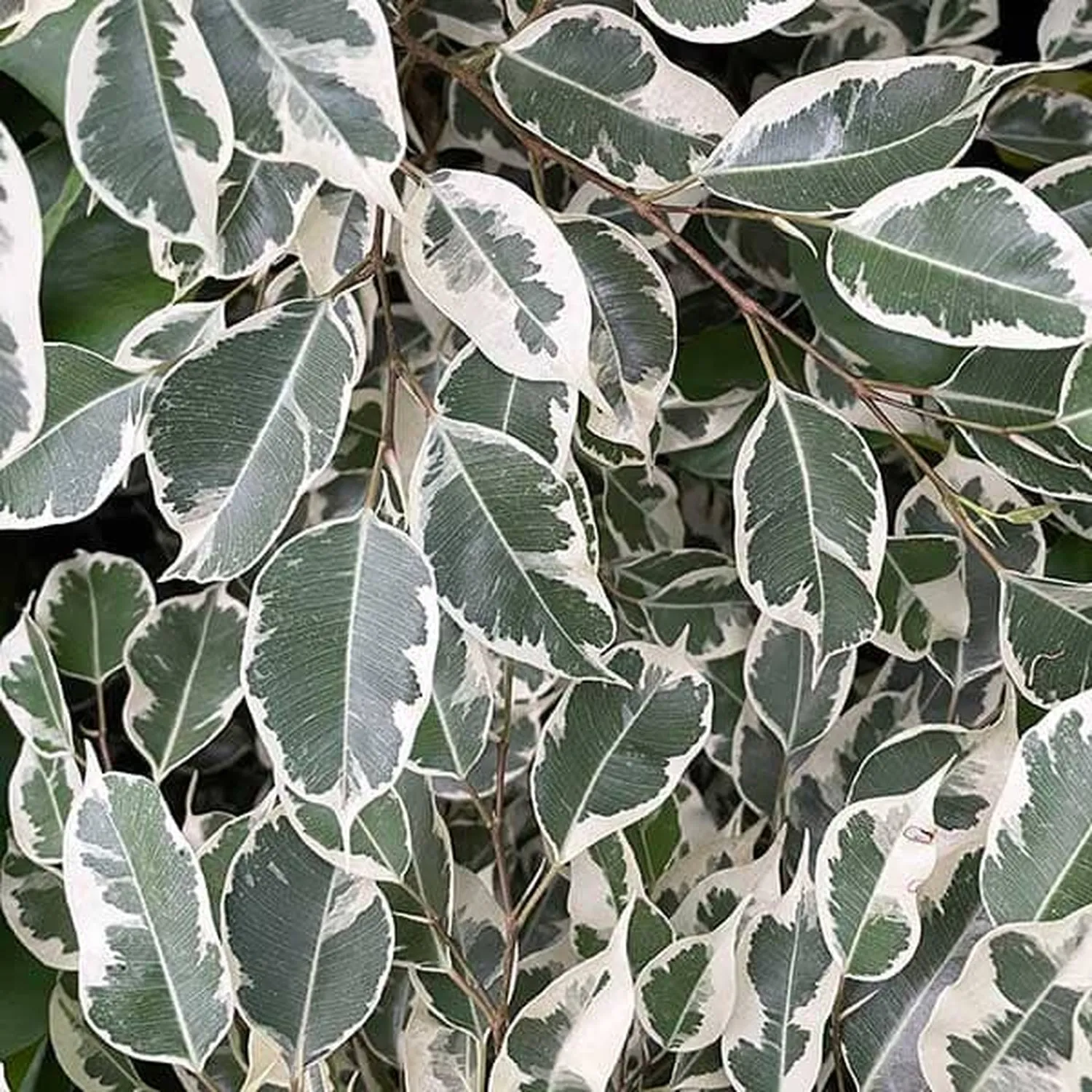
Display Ficus benjamina ‘Danielle’ in a tall ceramic or matte planter to accentuate its graceful canopy and flowing silhouette. It pairs beautifully with lighter tropicals such as Aglaonema ‘White Joy’ or striking variegated foliage like Ficus elastica ‘Tineke’. Perfect for bright living rooms, conservatories, or hotel lobbies, its deep green foliage and refined shape introduce a sense of calm luxury — a living statement of tropical grace.
Original: $39.58
-70%$39.58
$11.87Product Information
Product Information
Shipping & Returns
Shipping & Returns
Description
Ficus benjamina ‘Danielle’, also known as the Weeping Fig ‘Danielle’, is a sophisticated and timeless indoor tree admired for its dense, glossy green foliage and elegant, cascading form. A member of the Moraceae family and native to tropical Southeast Asia and northern Australia, this refined cultivar is a favourite among interior designers and plant collectors alike for its structured beauty and effortless charm.
The narrow, pointed leaves are a rich, dark emerald-green with a smooth, polished texture, arranged densely along slender, arching branches. The tree’s natural weeping habit creates a graceful canopy, adding both height and movement to any space. Whether styled as a single-stem tree or multi-stem bush, Ficus ‘Danielle’ exudes sophistication — a living embodiment of tropical calm and natural elegance.
Classic, versatile, and resilient, Ficus benjamina ‘Danielle’ remains a staple for both modern and traditional interiors, offering lush greenery and refined structure in one sculptural form.
Ficus benjamina ‘Danielle’ – Care Guide
Light
Thrives in bright, indirect light. For dense, glossy foliage and strong growth, provide consistent brightness. It can adapt to moderate light but may drop leaves if light levels suddenly decrease. Avoid harsh direct sun, which can scorch the delicate leaves.
Watering
Water when the top 3–5 cm of soil feels dry to the touch. Keep the soil lightly moist but never waterlogged. Overwatering is a common cause of yellowing leaves, while underwatering may lead to premature leaf drop. During winter, reduce watering slightly to match slower growth.
Temperature and Humidity
-
Temperature: Prefers warm conditions between 20–28 °C; avoid cold drafts and temperatures below 15 °C.
-
Humidity: Tolerates normal household humidity (40–60%) but benefits from slightly higher levels. Mist occasionally or use a humidifier in drier environments to prevent leaf edges from crisping.
Soil and Potting
Use a well-draining, fertile potting mix, such as compost combined with perlite and fine bark. This ensures both aeration and moisture retention. Repot every 2–3 years in spring to refresh the substrate and provide room for root expansion. Choose a stable pot to support its upright growth and full canopy.
Feeding
Feed every 4–6 weeks in spring and summer with a diluted, balanced fertiliser formulated for foliage plants. Over-fertilising can lead to salt build-up and root stress. Suspend feeding in autumn and winter when growth slows naturally.
Pruning and Maintenance
Prune regularly to shape and encourage a fuller canopy. Trim any leggy or crossing stems and remove yellow or damaged leaves. Wipe the leaves occasionally with a soft, damp cloth to restore their natural gloss and remove dust. Rotate the plant periodically to ensure balanced growth and even light exposure.
Growth and Maturity
A moderate to fast grower, Ficus ‘Danielle’ can reach 1.5–2.5 metres indoors, forming a dense, bushy crown with gracefully drooping branches. With maturity, it develops a woody trunk and layered foliage that evokes the look of a miniature rainforest tree. Given the right conditions, it can thrive for decades as a living centrepiece.
Common Issues
-
Leaf drop: Environmental stress (low light, cold drafts, or relocation).
-
Yellow leaves: Overwatering or compacted soil.
-
Brown tips: Low humidity or inconsistent watering.
-
Pests: Occasionally scale or spider mites; treat promptly with neem oil or insecticidal soap.
Background and Benefits
Native to the humid forests of Southeast Asia, Ficus benjamina has been cultivated for centuries as a symbol of prosperity, strength, and endurance. The ‘Danielle’ cultivar was developed for its compact growth habit, darker foliage, and elegant cascading shape, making it one of the most popular and resilient indoor Ficus varieties.
Beyond its decorative appeal, Ficus benjamina ‘Danielle’ is also an excellent air-purifying plant, filtering toxins such as formaldehyde and xylene from indoor environments. Its lush canopy softens spaces, enhances biophilic design, and introduces a sense of tranquillity and natural movement to any room.
Quick Care Summary
Light: Bright, indirect light; tolerates moderate light
Water: Allow top 3–5 cm of soil to dry before watering
Temperature: 20–28 °C; avoid below 15 °C
Humidity: Moderate (40–60%)
Soil: Well-draining, fertile mix – compost, perlite, bark
Feed: Every 4–6 weeks in spring/summer
Growth: Upright, arching habit, 1.5–2.5 m; glossy dark green leaves and cascading branches
⚠️ Toxicity note: Contains latex sap that can irritate skin and is toxic if ingested. Keep away from pets and children.
Styling Tip
Display Ficus benjamina ‘Danielle’ in a tall ceramic or matte planter to accentuate its graceful canopy and flowing silhouette. It pairs beautifully with lighter tropicals such as Aglaonema ‘White Joy’ or striking variegated foliage like Ficus elastica ‘Tineke’. Perfect for bright living rooms, conservatories, or hotel lobbies, its deep green foliage and refined shape introduce a sense of calm luxury — a living statement of tropical grace.