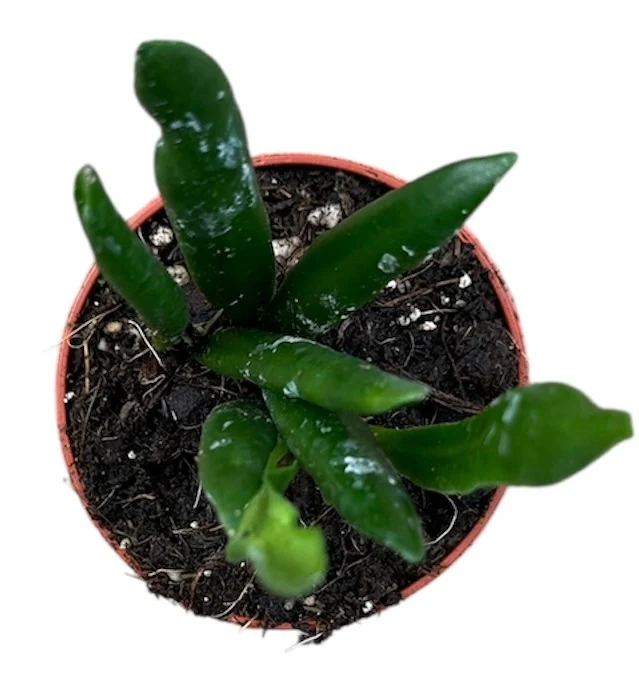

Hoya Loheri House Plant 6cm Pot
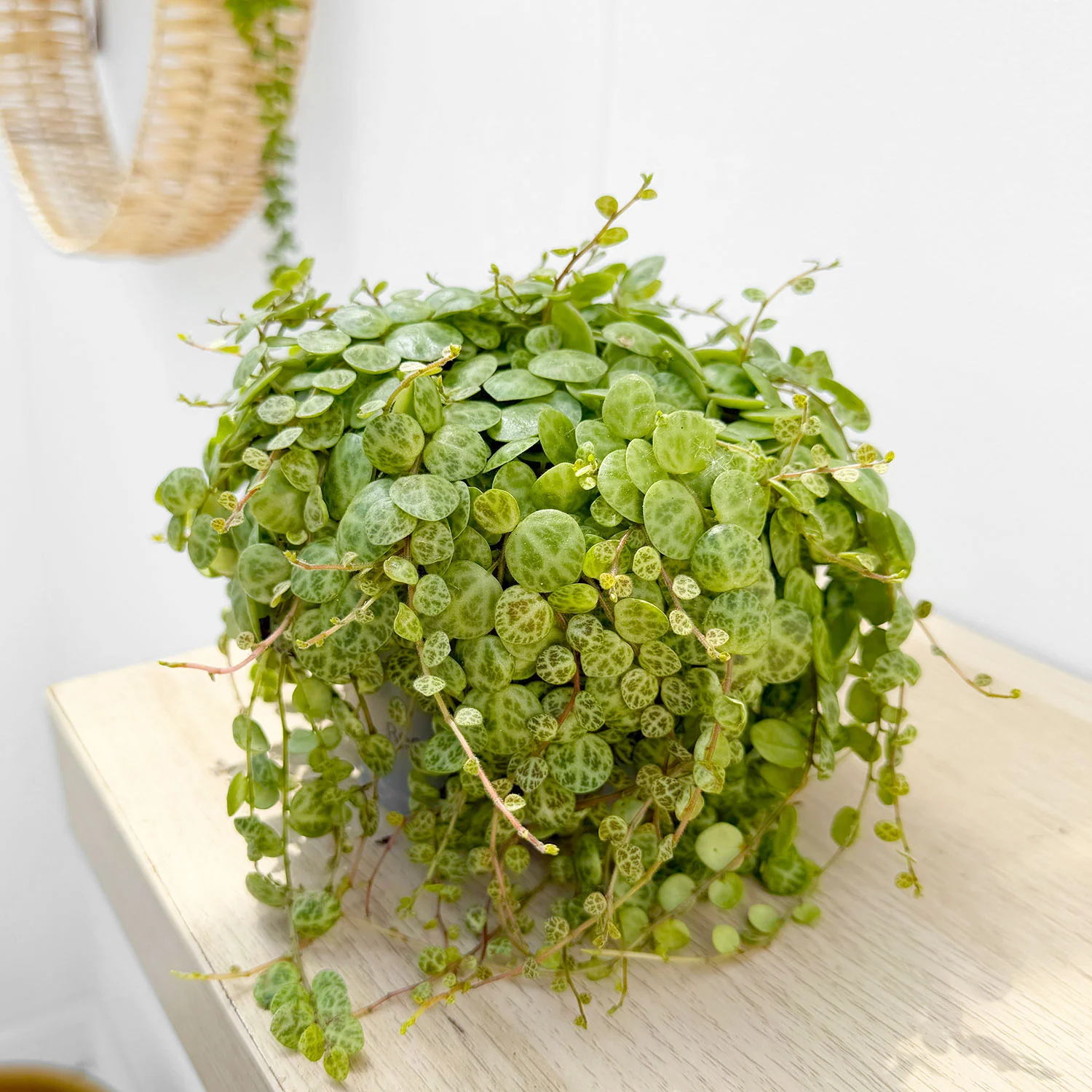
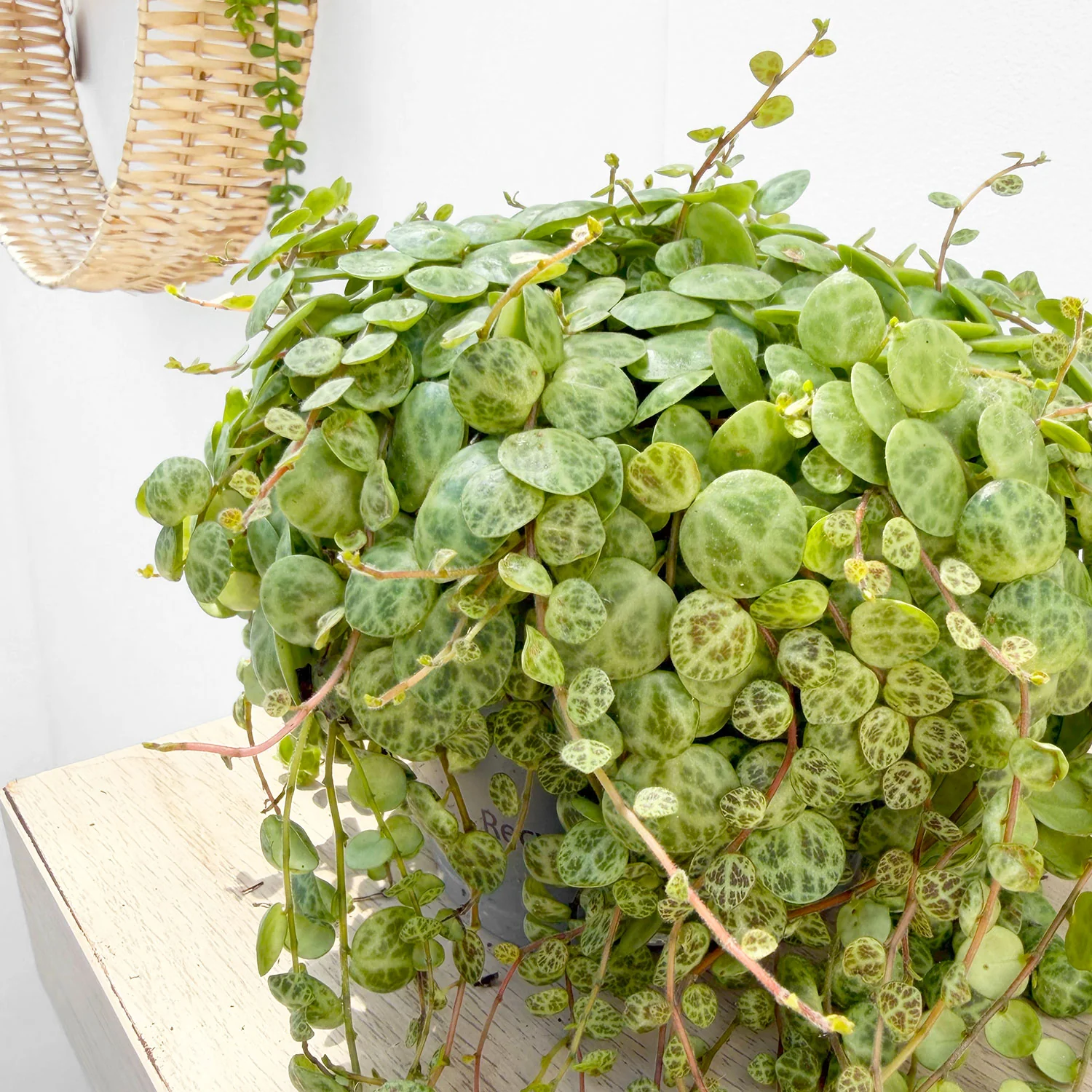
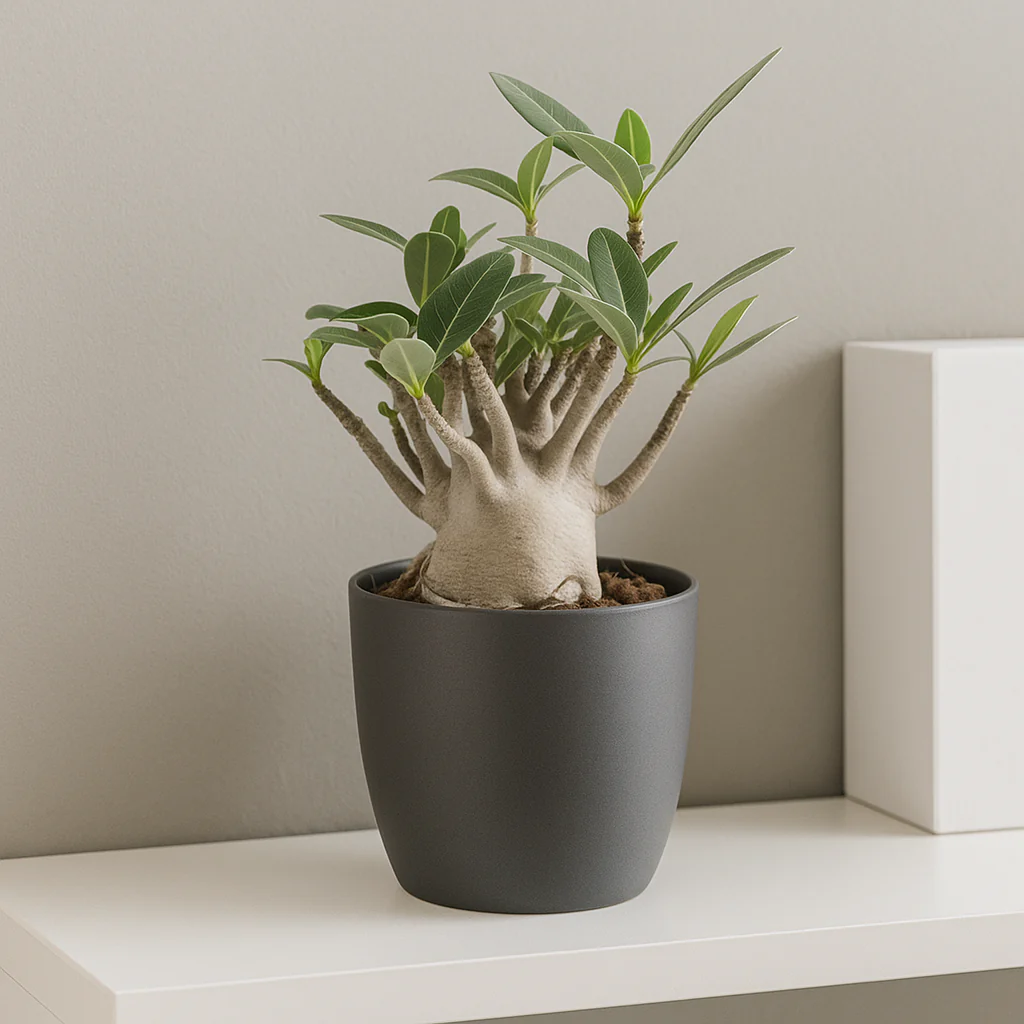
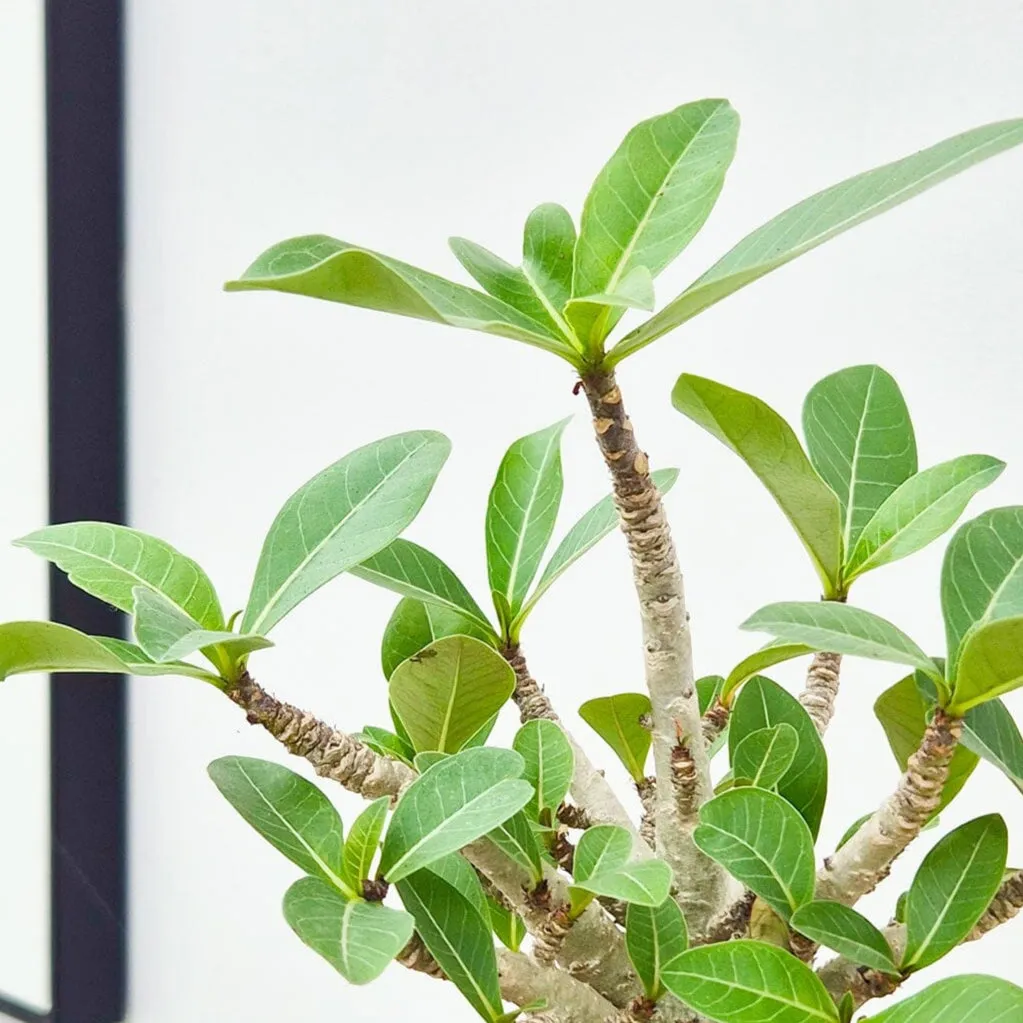
Hoya loheri is a charming and relatively uncommon trailing Hoya species admired for its compact growth habit and small, glossy foliage. Native to the Philippines, this epiphytic species naturally grows attached to trees where its roots receive excellent airflow and frequent moisture from tropical humidity. Unlike larger-leaved Hoyas, Hoya loheri has petite, rounded to oval leaves with a thick, waxy texture that gives the plant an attractive, tidy appearance.
Its trailing vines make it particularly well suited to hanging pots, shelves, or decorative planters where stems can gently cascade over the edges. Although attractive as a foliage plant, many collectors grow Hoya loheri for its flowers. Mature plants produce clusters of fuzzy, star-shaped blooms that are typically pink to deep rose with darker centres and can have a pleasant sweet fragrance.
As with many Hoya species, patience is rewarded. Once established, Hoya loheri becomes an easy-going and rewarding houseplant that can flower repeatedly over time.
Care Guide
Light ☀️
Hoya loheri prefers bright, indirect light and benefits from plenty of filtered brightness throughout the day.
Ideal locations:
- East-facing windows
- Bright rooms with filtered sunlight
- Near a south or west-facing window with light protection
A small amount of gentle morning sun can encourage stronger growth and flowering.
Too little light may result in:
- Sparse growth
- Longer gaps between leaves
- Reduced flowering
- Slower development
Avoid intense midday sun which may scorch foliage.
Water 💧
Like many Hoyas, Hoya loheri behaves similarly to a semi-succulent plant and prefers partial drying between watering.
Allow the top half to two-thirds of the growing medium to dry before watering thoroughly.
General guide:
Spring/Summer: every 7–10 days
Autumn/Winter: every 2–3 weeks
Avoid constantly wet soil.
Signs of overwatering:
- Yellow leaves
- Soft stems
- Root decline
Signs of underwatering:
- Wrinkled or softer foliage
- Dry vines
- Slowed growth
Humidity 🌿
Hoya loheri appreciates moderate to higher humidity.
Ideal humidity:
50–70%
Higher humidity can encourage:
- Faster growth
- Larger leaves
- Improved flowering
- Healthier aerial roots
Although adaptable to average household conditions, it performs especially well in warmer, humid rooms.
Temperature 🌡️
Ideal temperatures:
18–28°C
Avoid temperatures below 12°C and protect from cold draughts.
Warm, stable temperatures suit this tropical species best.
Soil Mix 🪴
As an epiphyte, Hoya loheri requires a chunky, airy potting mix with excellent drainage.
Recommended mix:
- 40% houseplant compost or coco coir
- 30% orchid bark
- 20% perlite or pumice
- 10% horticultural charcoal or worm castings
The roots prefer airflow and should never sit in dense, soggy compost.
Feeding
Feed during active growth:
- Every 3–4 weeks in spring and summer
- Balanced liquid fertiliser at half strength
Reduce feeding during winter.
Repotting
Hoya loheri generally enjoys being slightly root-bound.
Repot:
- Every 2–3 years
- When roots heavily fill the pot
- If the soil begins breaking down
Only increase pot size gradually.
Flowering Tips 🌸
To encourage flowers:
✔ Provide bright indirect light
✔ Keep slightly root-bound
✔ Maintain consistent care
✔ Increase humidity
✔ Avoid moving mature plants frequently
Important:
Do not remove flower spurs (peduncles). Future flower clusters repeatedly emerge from the same locations.
Propagation 🌱
Hoya loheri propagates easily from stem cuttings.
Successful cuttings should include:
✔ At least one node
✔ Two or more leaves
✔ Optional aerial roots
Rooting methods:
- Water
- Sphagnum moss
- Perlite
- Propagation boxes
Warmth and humidity speed up rooting.
Common Problems
Yellow leaves
- Usually overwatering
Wrinkled foliage
- Underwatering or root issues
No flowers
- Insufficient light
- Immature plant
Leggy growth
- Too little light
Mealybugs
- Check stems and leaf joints regularly
Plant Facts
Botanical name: Hoya loheri
Plant type: Epiphytic trailing Hoya
Growth habit: Trailing vine
Growth speed: Moderate
Difficulty: Easy–moderate
Pet safety: Generally considered non-toxic
Best display: Hanging basket or shelf edge
Original: $17.14
-70%$17.14
$5.14Product Information
Product Information
Shipping & Returns
Shipping & Returns
Description
Hoya loheri is a charming and relatively uncommon trailing Hoya species admired for its compact growth habit and small, glossy foliage. Native to the Philippines, this epiphytic species naturally grows attached to trees where its roots receive excellent airflow and frequent moisture from tropical humidity. Unlike larger-leaved Hoyas, Hoya loheri has petite, rounded to oval leaves with a thick, waxy texture that gives the plant an attractive, tidy appearance.
Its trailing vines make it particularly well suited to hanging pots, shelves, or decorative planters where stems can gently cascade over the edges. Although attractive as a foliage plant, many collectors grow Hoya loheri for its flowers. Mature plants produce clusters of fuzzy, star-shaped blooms that are typically pink to deep rose with darker centres and can have a pleasant sweet fragrance.
As with many Hoya species, patience is rewarded. Once established, Hoya loheri becomes an easy-going and rewarding houseplant that can flower repeatedly over time.
Care Guide
Light ☀️
Hoya loheri prefers bright, indirect light and benefits from plenty of filtered brightness throughout the day.
Ideal locations:
- East-facing windows
- Bright rooms with filtered sunlight
- Near a south or west-facing window with light protection
A small amount of gentle morning sun can encourage stronger growth and flowering.
Too little light may result in:
- Sparse growth
- Longer gaps between leaves
- Reduced flowering
- Slower development
Avoid intense midday sun which may scorch foliage.
Water 💧
Like many Hoyas, Hoya loheri behaves similarly to a semi-succulent plant and prefers partial drying between watering.
Allow the top half to two-thirds of the growing medium to dry before watering thoroughly.
General guide:
Spring/Summer: every 7–10 days
Autumn/Winter: every 2–3 weeks
Avoid constantly wet soil.
Signs of overwatering:
- Yellow leaves
- Soft stems
- Root decline
Signs of underwatering:
- Wrinkled or softer foliage
- Dry vines
- Slowed growth
Humidity 🌿
Hoya loheri appreciates moderate to higher humidity.
Ideal humidity:
50–70%
Higher humidity can encourage:
- Faster growth
- Larger leaves
- Improved flowering
- Healthier aerial roots
Although adaptable to average household conditions, it performs especially well in warmer, humid rooms.
Temperature 🌡️
Ideal temperatures:
18–28°C
Avoid temperatures below 12°C and protect from cold draughts.
Warm, stable temperatures suit this tropical species best.
Soil Mix 🪴
As an epiphyte, Hoya loheri requires a chunky, airy potting mix with excellent drainage.
Recommended mix:
- 40% houseplant compost or coco coir
- 30% orchid bark
- 20% perlite or pumice
- 10% horticultural charcoal or worm castings
The roots prefer airflow and should never sit in dense, soggy compost.
Feeding
Feed during active growth:
- Every 3–4 weeks in spring and summer
- Balanced liquid fertiliser at half strength
Reduce feeding during winter.
Repotting
Hoya loheri generally enjoys being slightly root-bound.
Repot:
- Every 2–3 years
- When roots heavily fill the pot
- If the soil begins breaking down
Only increase pot size gradually.
Flowering Tips 🌸
To encourage flowers:
✔ Provide bright indirect light
✔ Keep slightly root-bound
✔ Maintain consistent care
✔ Increase humidity
✔ Avoid moving mature plants frequently
Important:
Do not remove flower spurs (peduncles). Future flower clusters repeatedly emerge from the same locations.
Propagation 🌱
Hoya loheri propagates easily from stem cuttings.
Successful cuttings should include:
✔ At least one node
✔ Two or more leaves
✔ Optional aerial roots
Rooting methods:
- Water
- Sphagnum moss
- Perlite
- Propagation boxes
Warmth and humidity speed up rooting.
Common Problems
Yellow leaves
- Usually overwatering
Wrinkled foliage
- Underwatering or root issues
No flowers
- Insufficient light
- Immature plant
Leggy growth
- Too little light
Mealybugs
- Check stems and leaf joints regularly
Plant Facts
Botanical name: Hoya loheri
Plant type: Epiphytic trailing Hoya
Growth habit: Trailing vine
Growth speed: Moderate
Difficulty: Easy–moderate
Pet safety: Generally considered non-toxic
Best display: Hanging basket or shelf edge