Hoya Mirabilis House Plant 6cm Pot
Hoya mirabilis is a fascinating and relatively uncommon Hoya species treasured by collectors for its unusual foliage and spectacular flowers. Native to tropical regions of Southeast Asia, particularly Borneo, this epiphytic species naturally grows attached to trees where it receives bright filtered light, high humidity and excellent airflow around its roots.
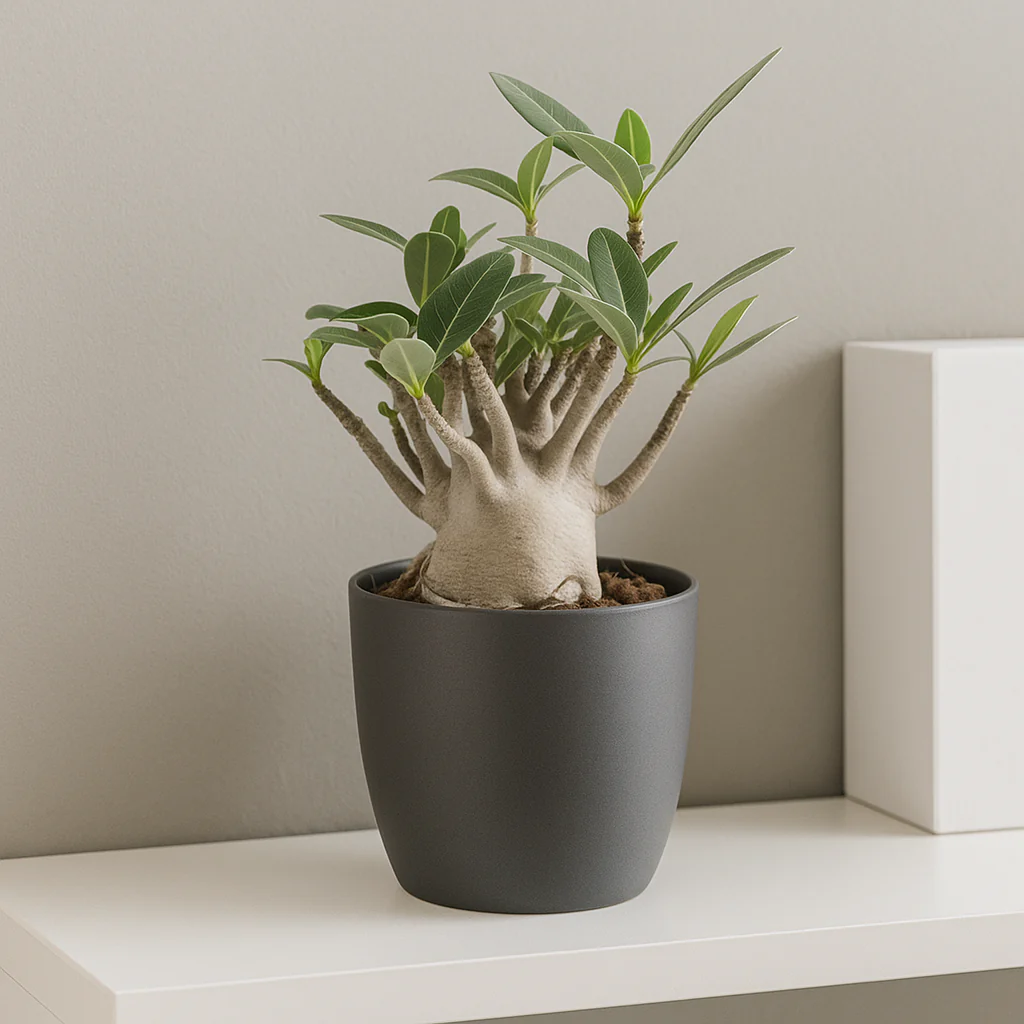
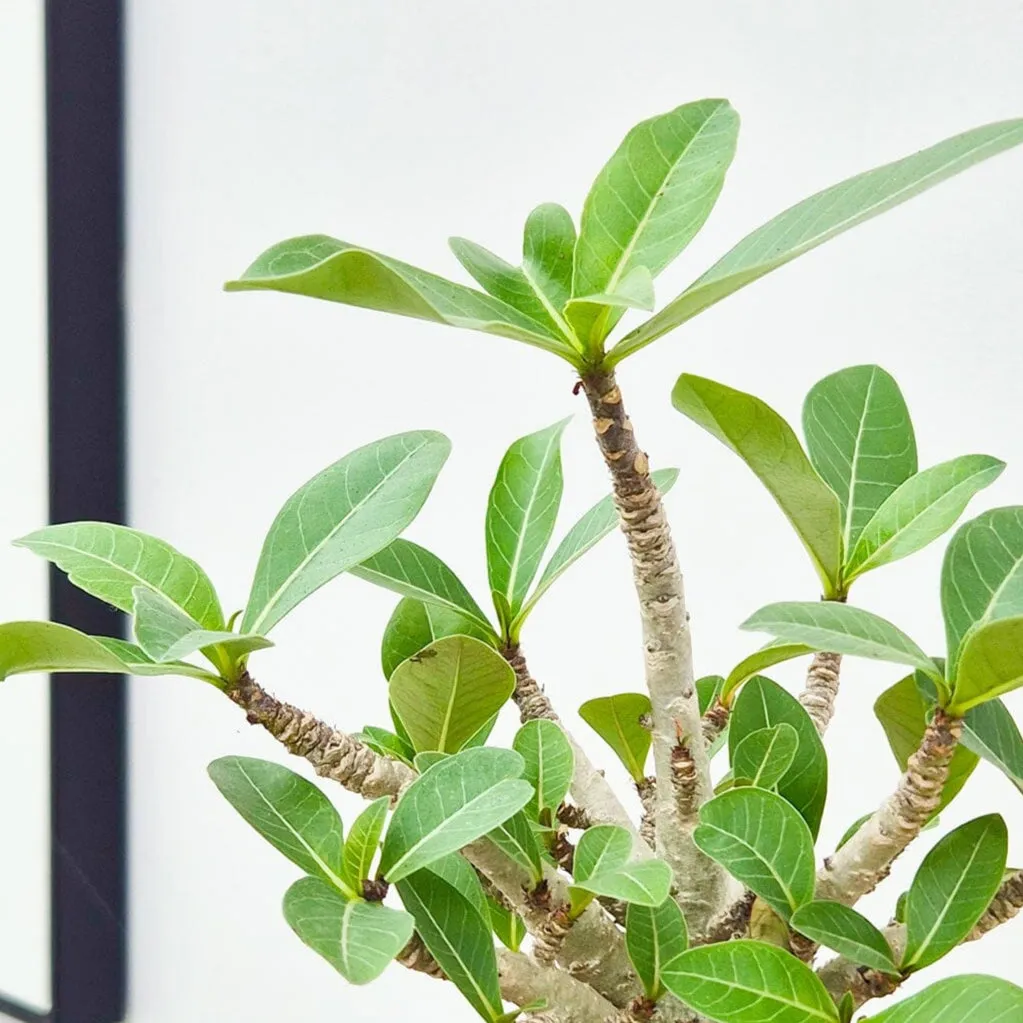
The name “mirabilis” translates to remarkable or extraordinary, which suits this plant perfectly. Its leaves are elongated and slightly lance-shaped with a thick, leathery texture and a subtle sheen. New foliage often emerges with attractive bronze, reddish or copper tones before maturing into rich green leaves. Under bright conditions, some plants can develop darker veining or subtle colour shifts that add further character.
While the foliage is attractive, Hoya mirabilis is most famous for its flowers. Mature plants can produce large clusters of star-shaped blooms in shades of cream, yellow, orange and pink with a striking fuzzy texture. The flowers are often fragrant and among the more dramatic blooms in the Hoya world.
As with many species Hoyas, Hoya mirabilis may appear slow at first, but once established it becomes a rewarding climber or trailing plant.
Care Guide
Light ☀️
Hoya mirabilis prefers bright, indirect light.
Ideal placement:
- East-facing window
- Bright room with filtered sunlight
- South-facing window with sheer curtain protection
A little gentle morning sun can help encourage flowering.
Avoid harsh direct afternoon sunlight which may scorch foliage.
Too little light can cause:
- Sparse vines
- Slower growth
- Reduced flowering
- Larger gaps between leaves
Water 💧
Hoya mirabilis prefers light drying between waterings but should not stay completely dry for prolonged periods.
Allow approximately the top 50–70% of the potting mix to dry before watering thoroughly.
General guide:
Spring/Summer: every 7–10 days
Autumn/Winter: every 2–3 weeks
Avoid constantly wet soil.
Signs of overwatering:
- Yellow leaves
- Soft stems
- Root rot
Signs of underwatering:
- Slight wrinkling
- Dry vines
- Slow growth
Humidity 🌿
Higher humidity is beneficial and often improves growth considerably.
Ideal humidity:
60–80%
Higher humidity can encourage:
- Faster vine development
- Larger foliage
- Healthier aerial roots
- Easier flowering
While adaptable, it performs best with added humidity.
Temperature 🌡️
Ideal temperatures:
18–29°C
Avoid temperatures below 15°C.
Protect from:
- Cold draughts
- Sudden temperature changes
- Chilly windowsills
Warm, stable temperatures produce the strongest growth.
Soil Mix 🪴
As an epiphytic species, Hoya mirabilis requires excellent airflow around its roots.
Recommended mix:
- 40% houseplant compost or coco coir
- 30% orchid bark
- 20% perlite or pumice
- 10% horticultural charcoal
A chunky, airy mix prevents root issues.
Always use pots with drainage holes.
Feeding
During active growth:
- Feed every 3–4 weeks in spring and summer
- Use balanced liquid fertiliser at half strength
Reduce feeding during winter.
Repotting
Hoyas generally dislike excessive disturbance and often prefer tighter root conditions.
Repot:
- Every 2–3 years
- When roots fill the pot heavily
- If the potting mix breaks down
Only increase pot size slightly.
Flowering Tips 🌸
To encourage blooms:
✔ Bright indirect light
✔ Warm temperatures
✔ Slightly root-bound conditions
✔ Consistent watering
✔ Stable environment
Important:
Never remove flower spurs (peduncles). Future flowers repeatedly emerge from the same points.
Propagation 🌱
Hoya mirabilis can be propagated from stem cuttings.
Successful cuttings require:
✔ One or more nodes
✔ Healthy leaves
✔ Optional aerial roots
Rooting methods:
- Water
- Moss
- Perlite
- Humid propagation boxes
Warmth and humidity speed rooting.
Common Problems
Yellow leaves
- Overwatering
Wrinkled foliage
- Underwatering or poor roots
No flowers
- Insufficient light
- Plant too young
Mealybugs
- Check stems and growth points regularly
Slow growth
- Often normal while establishing
Plant Facts
Botanical name: Hoya mirabilis
Plant type: Epiphytic tropical Hoya
Growth habit: Climbing or trailing vine
Growth speed: Moderate
Difficulty: Easy–moderate
Pet safety: Generally considered non-toxic
Best display: Hanging basket, trellis or climbing frame
Hoya mirabilis is one of those species that quietly grows in the background and then suddenly rewards patience with extraordinary blooms. Between its elegant foliage and remarkable flowers, it easily earns its place in a collector’s Hoya collection.
Original: $17.14
-70%$17.14
$5.14Product Information
Product Information
Shipping & Returns
Shipping & Returns
Description
Hoya mirabilis is a fascinating and relatively uncommon Hoya species treasured by collectors for its unusual foliage and spectacular flowers. Native to tropical regions of Southeast Asia, particularly Borneo, this epiphytic species naturally grows attached to trees where it receives bright filtered light, high humidity and excellent airflow around its roots.
The name “mirabilis” translates to remarkable or extraordinary, which suits this plant perfectly. Its leaves are elongated and slightly lance-shaped with a thick, leathery texture and a subtle sheen. New foliage often emerges with attractive bronze, reddish or copper tones before maturing into rich green leaves. Under bright conditions, some plants can develop darker veining or subtle colour shifts that add further character.
While the foliage is attractive, Hoya mirabilis is most famous for its flowers. Mature plants can produce large clusters of star-shaped blooms in shades of cream, yellow, orange and pink with a striking fuzzy texture. The flowers are often fragrant and among the more dramatic blooms in the Hoya world.
As with many species Hoyas, Hoya mirabilis may appear slow at first, but once established it becomes a rewarding climber or trailing plant.
Care Guide
Light ☀️
Hoya mirabilis prefers bright, indirect light.
Ideal placement:
- East-facing window
- Bright room with filtered sunlight
- South-facing window with sheer curtain protection
A little gentle morning sun can help encourage flowering.
Avoid harsh direct afternoon sunlight which may scorch foliage.
Too little light can cause:
- Sparse vines
- Slower growth
- Reduced flowering
- Larger gaps between leaves
Water 💧
Hoya mirabilis prefers light drying between waterings but should not stay completely dry for prolonged periods.
Allow approximately the top 50–70% of the potting mix to dry before watering thoroughly.
General guide:
Spring/Summer: every 7–10 days
Autumn/Winter: every 2–3 weeks
Avoid constantly wet soil.
Signs of overwatering:
- Yellow leaves
- Soft stems
- Root rot
Signs of underwatering:
- Slight wrinkling
- Dry vines
- Slow growth
Humidity 🌿
Higher humidity is beneficial and often improves growth considerably.
Ideal humidity:
60–80%
Higher humidity can encourage:
- Faster vine development
- Larger foliage
- Healthier aerial roots
- Easier flowering
While adaptable, it performs best with added humidity.
Temperature 🌡️
Ideal temperatures:
18–29°C
Avoid temperatures below 15°C.
Protect from:
- Cold draughts
- Sudden temperature changes
- Chilly windowsills
Warm, stable temperatures produce the strongest growth.
Soil Mix 🪴
As an epiphytic species, Hoya mirabilis requires excellent airflow around its roots.
Recommended mix:
- 40% houseplant compost or coco coir
- 30% orchid bark
- 20% perlite or pumice
- 10% horticultural charcoal
A chunky, airy mix prevents root issues.
Always use pots with drainage holes.
Feeding
During active growth:
- Feed every 3–4 weeks in spring and summer
- Use balanced liquid fertiliser at half strength
Reduce feeding during winter.
Repotting
Hoyas generally dislike excessive disturbance and often prefer tighter root conditions.
Repot:
- Every 2–3 years
- When roots fill the pot heavily
- If the potting mix breaks down
Only increase pot size slightly.
Flowering Tips 🌸
To encourage blooms:
✔ Bright indirect light
✔ Warm temperatures
✔ Slightly root-bound conditions
✔ Consistent watering
✔ Stable environment
Important:
Never remove flower spurs (peduncles). Future flowers repeatedly emerge from the same points.
Propagation 🌱
Hoya mirabilis can be propagated from stem cuttings.
Successful cuttings require:
✔ One or more nodes
✔ Healthy leaves
✔ Optional aerial roots
Rooting methods:
- Water
- Moss
- Perlite
- Humid propagation boxes
Warmth and humidity speed rooting.
Common Problems
Yellow leaves
- Overwatering
Wrinkled foliage
- Underwatering or poor roots
No flowers
- Insufficient light
- Plant too young
Mealybugs
- Check stems and growth points regularly
Slow growth
- Often normal while establishing
Plant Facts
Botanical name: Hoya mirabilis
Plant type: Epiphytic tropical Hoya
Growth habit: Climbing or trailing vine
Growth speed: Moderate
Difficulty: Easy–moderate
Pet safety: Generally considered non-toxic
Best display: Hanging basket, trellis or climbing frame
Hoya mirabilis is one of those species that quietly grows in the background and then suddenly rewards patience with extraordinary blooms. Between its elegant foliage and remarkable flowers, it easily earns its place in a collector’s Hoya collection.