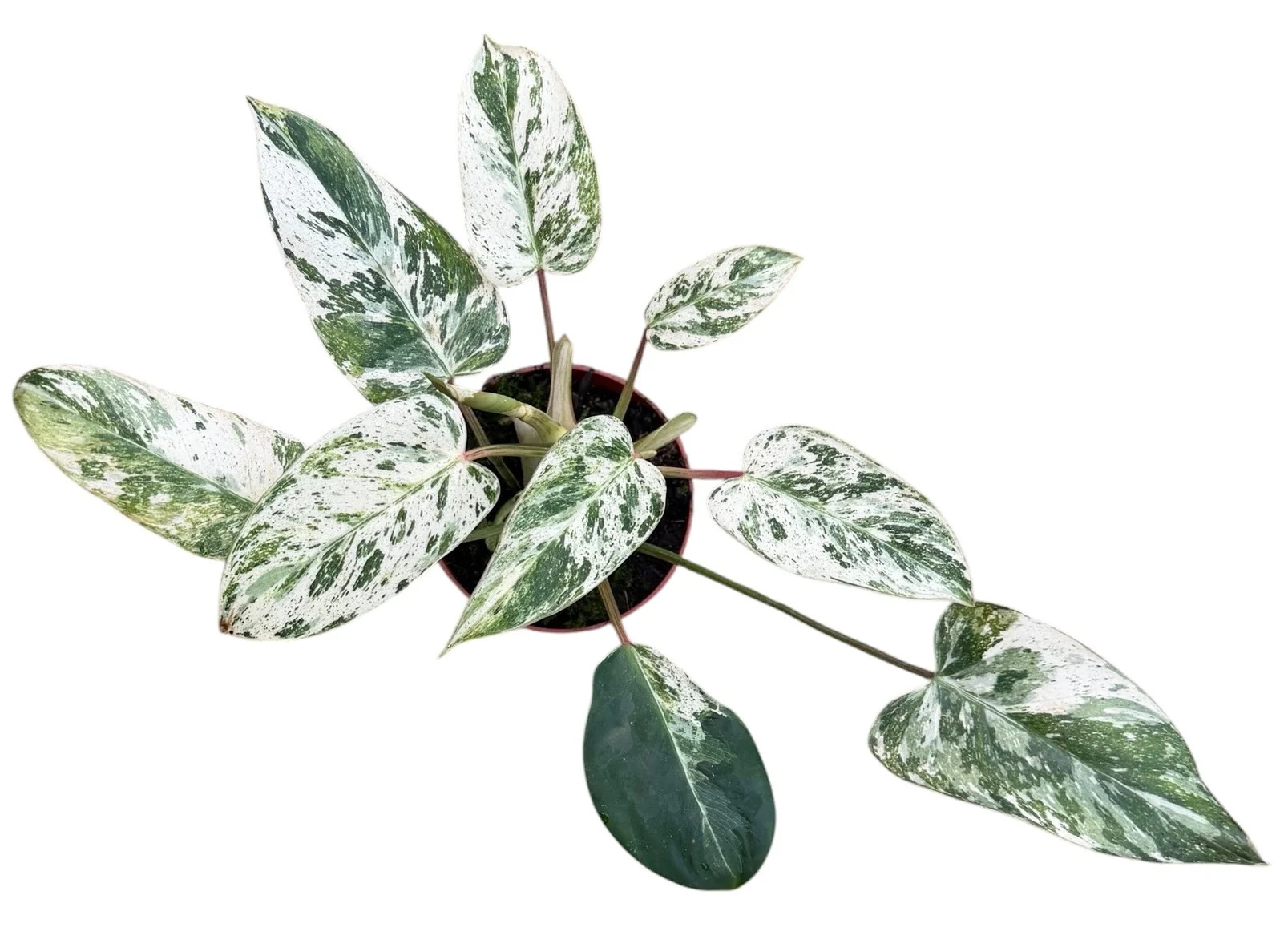
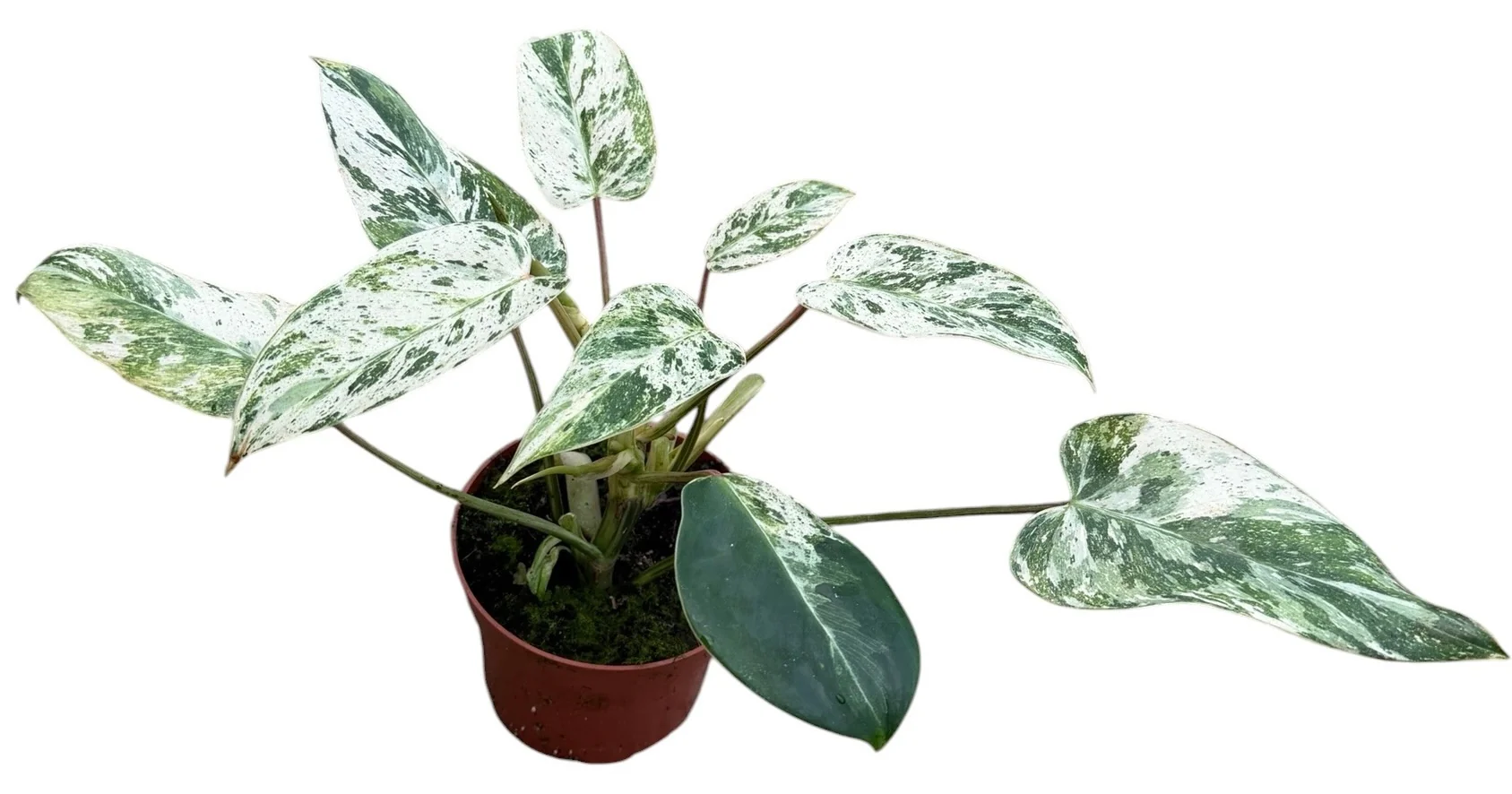
Philodendron Emerald Queen House Plant 10.5cm Pot
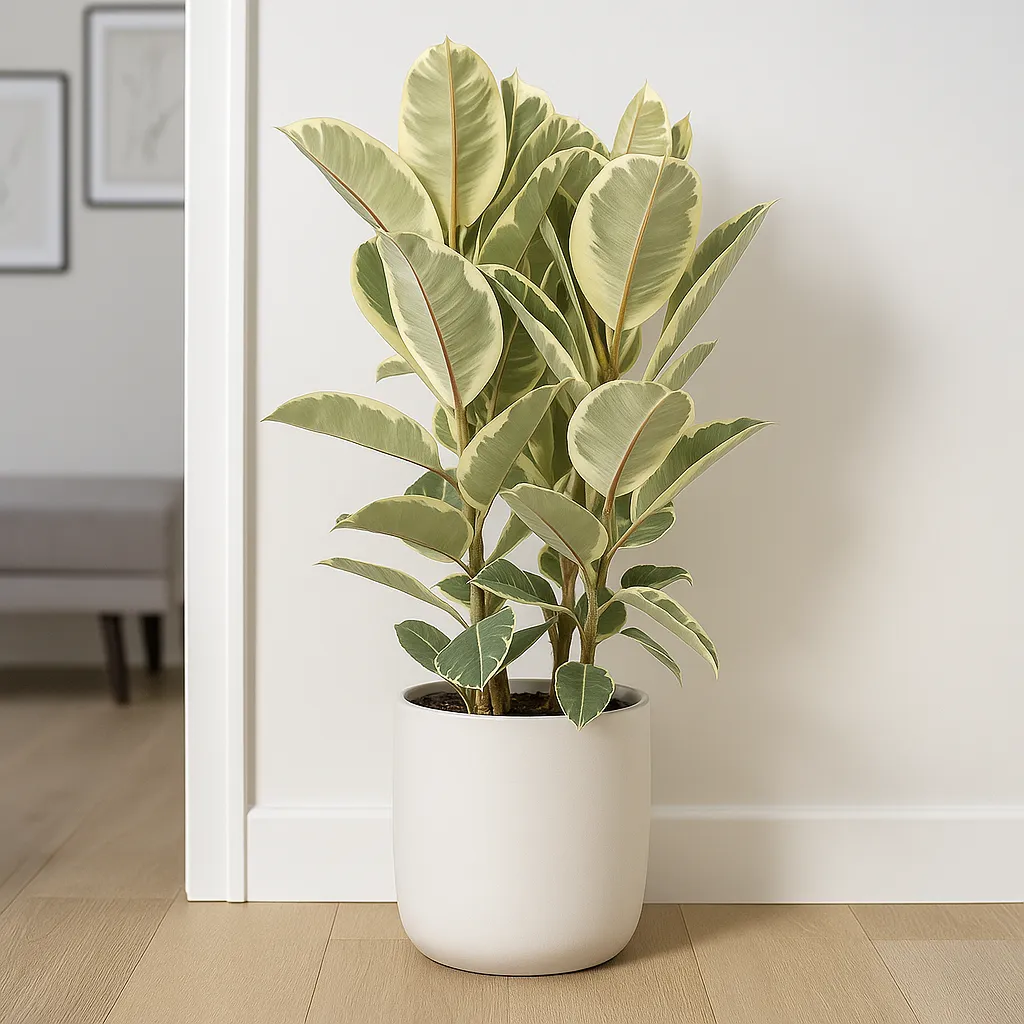
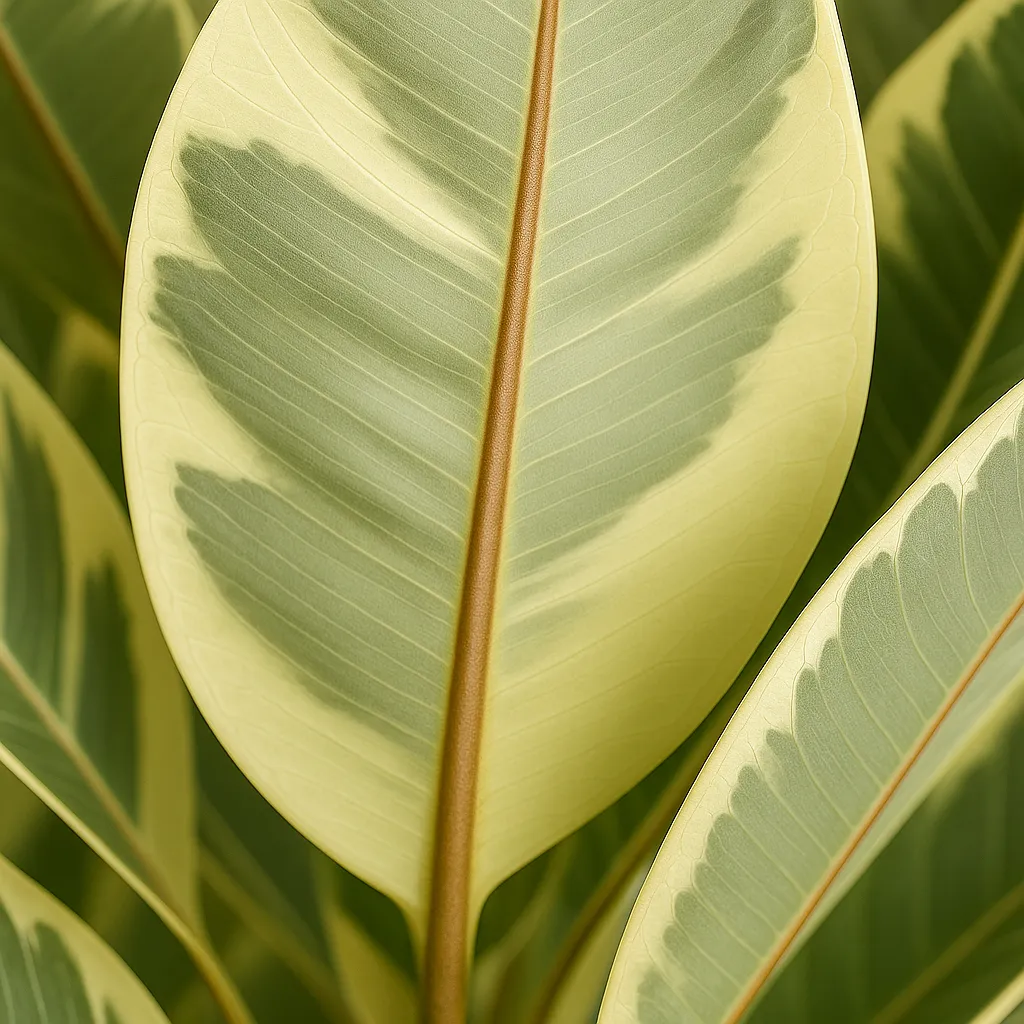
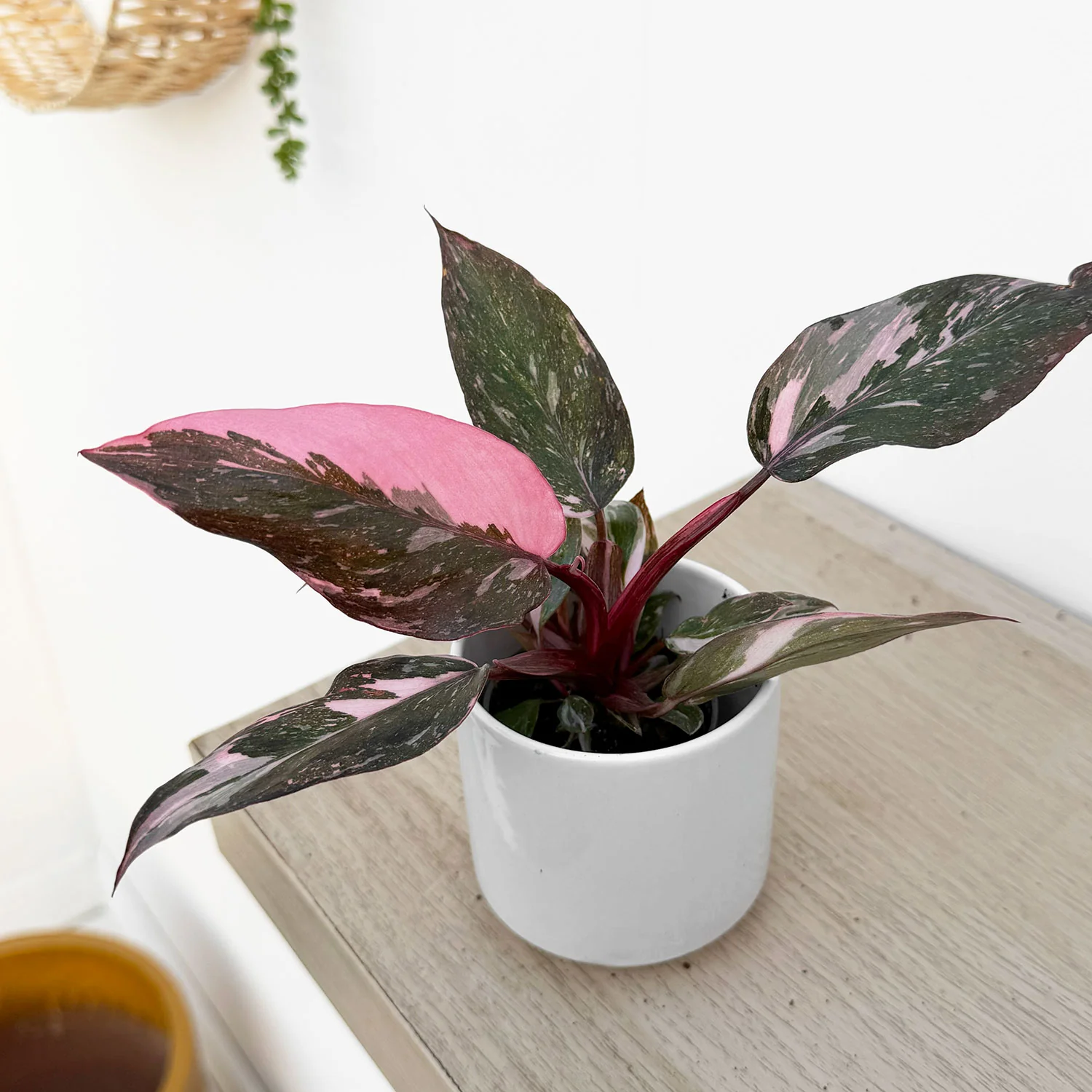
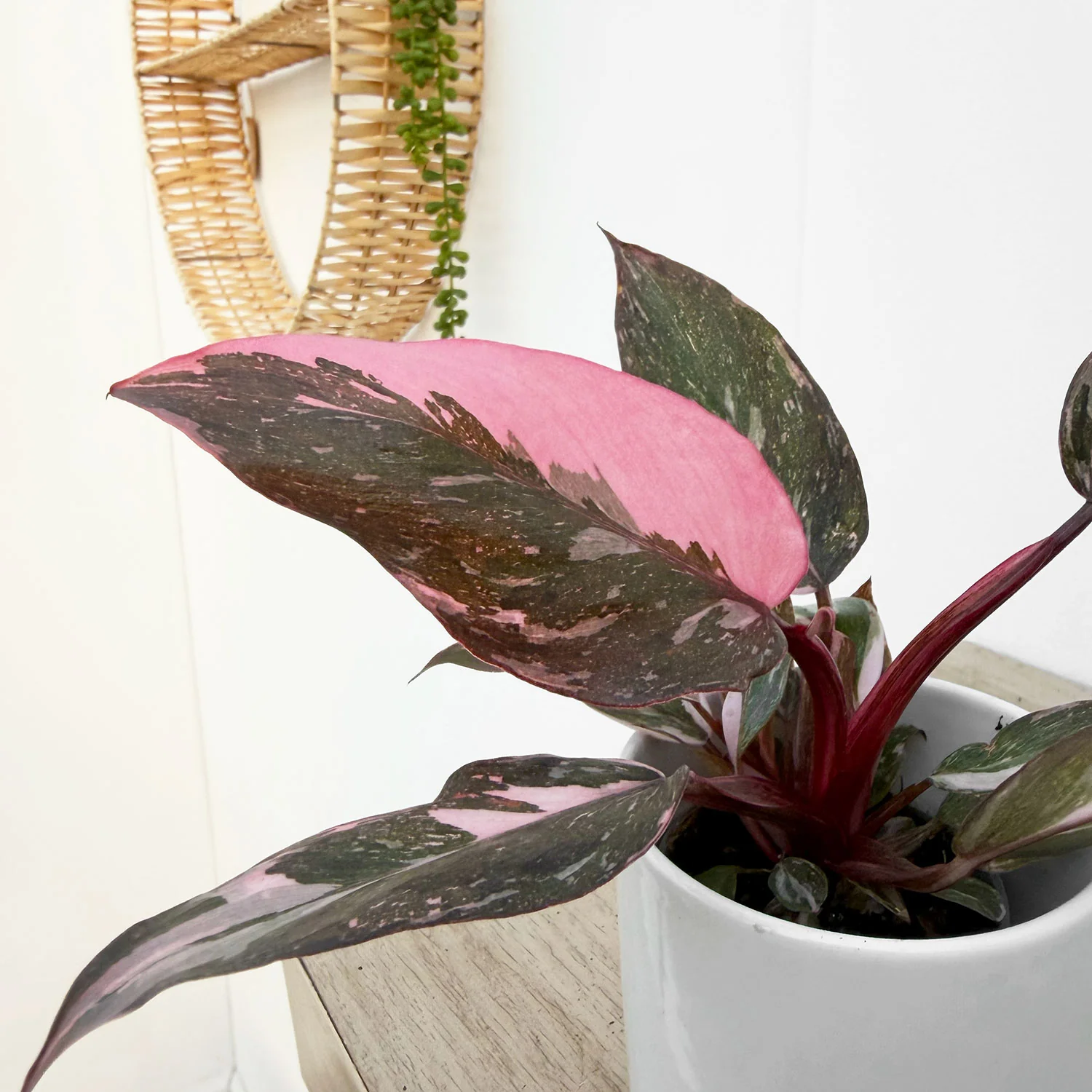
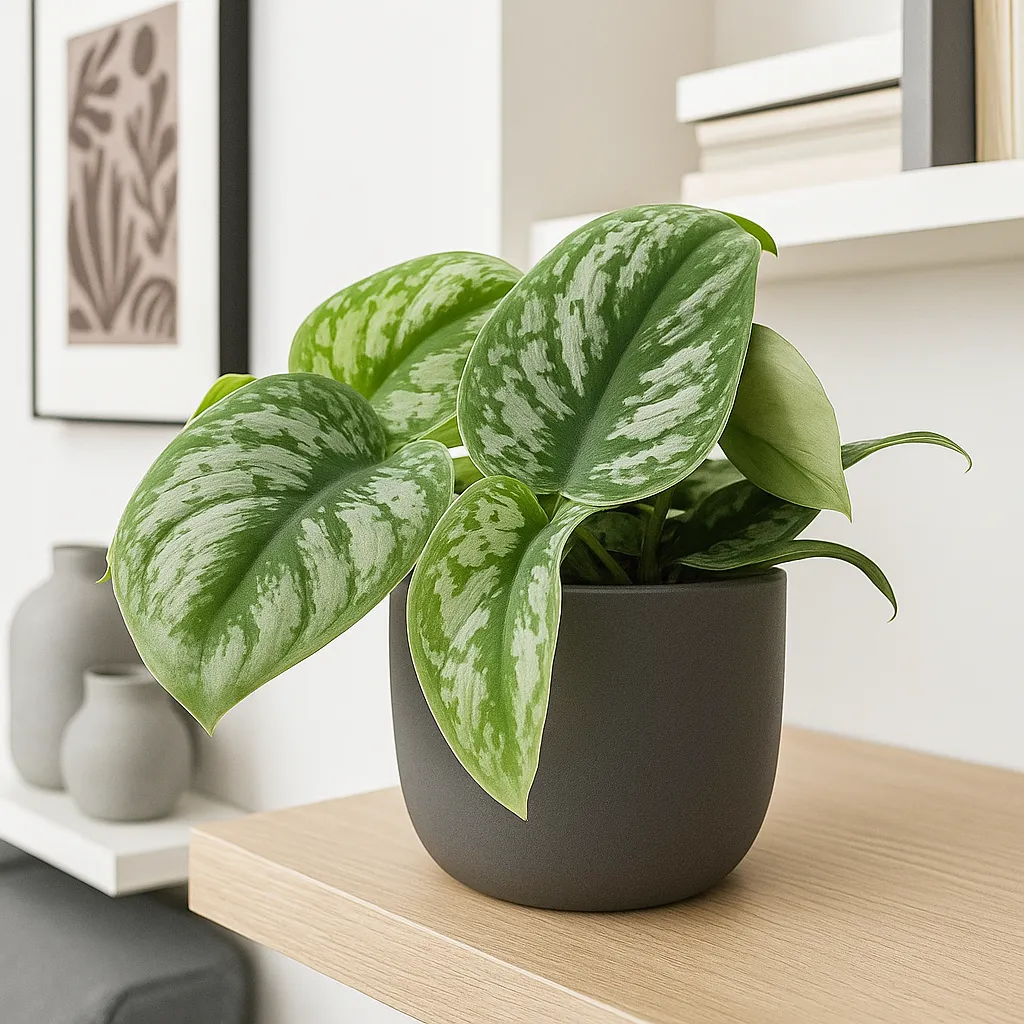
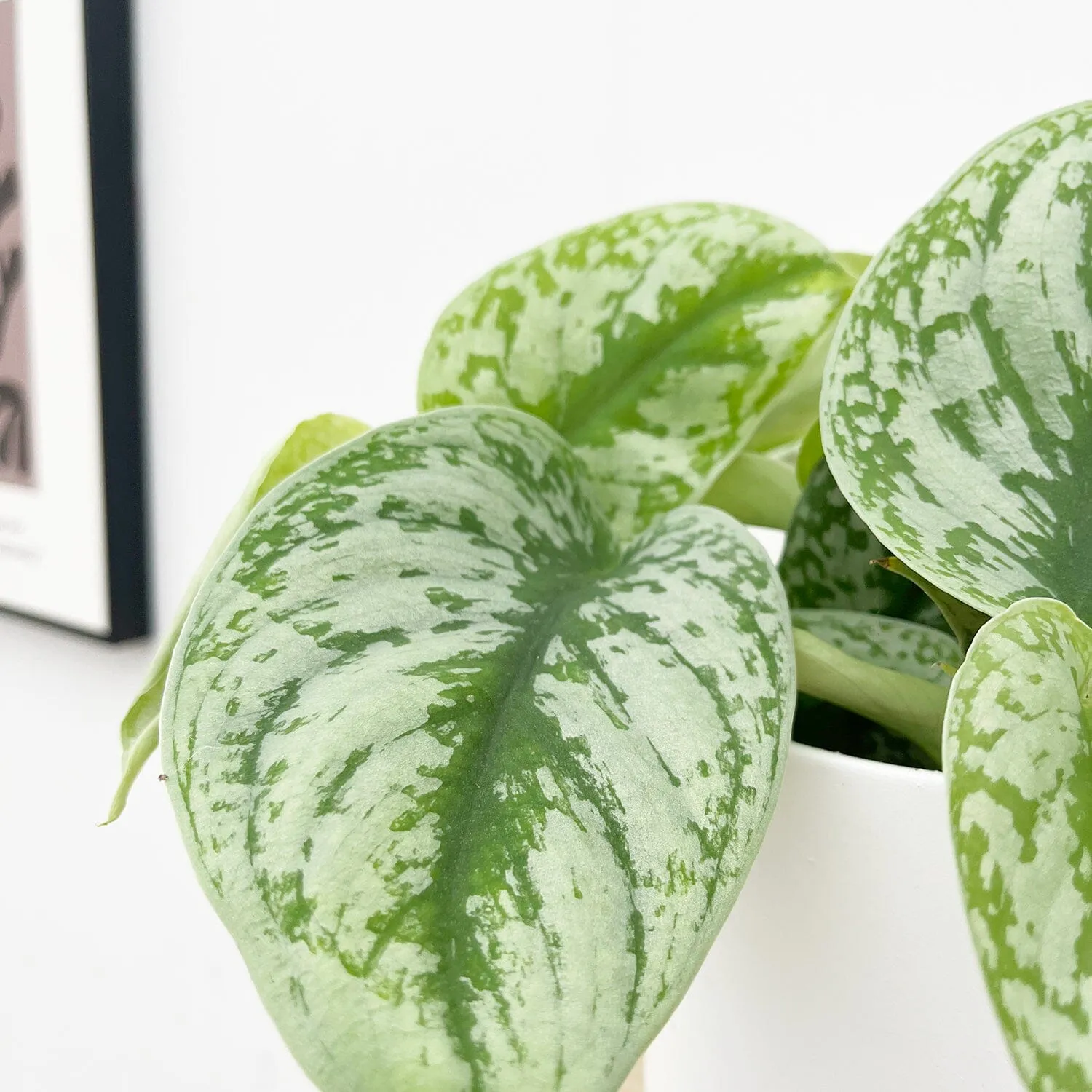
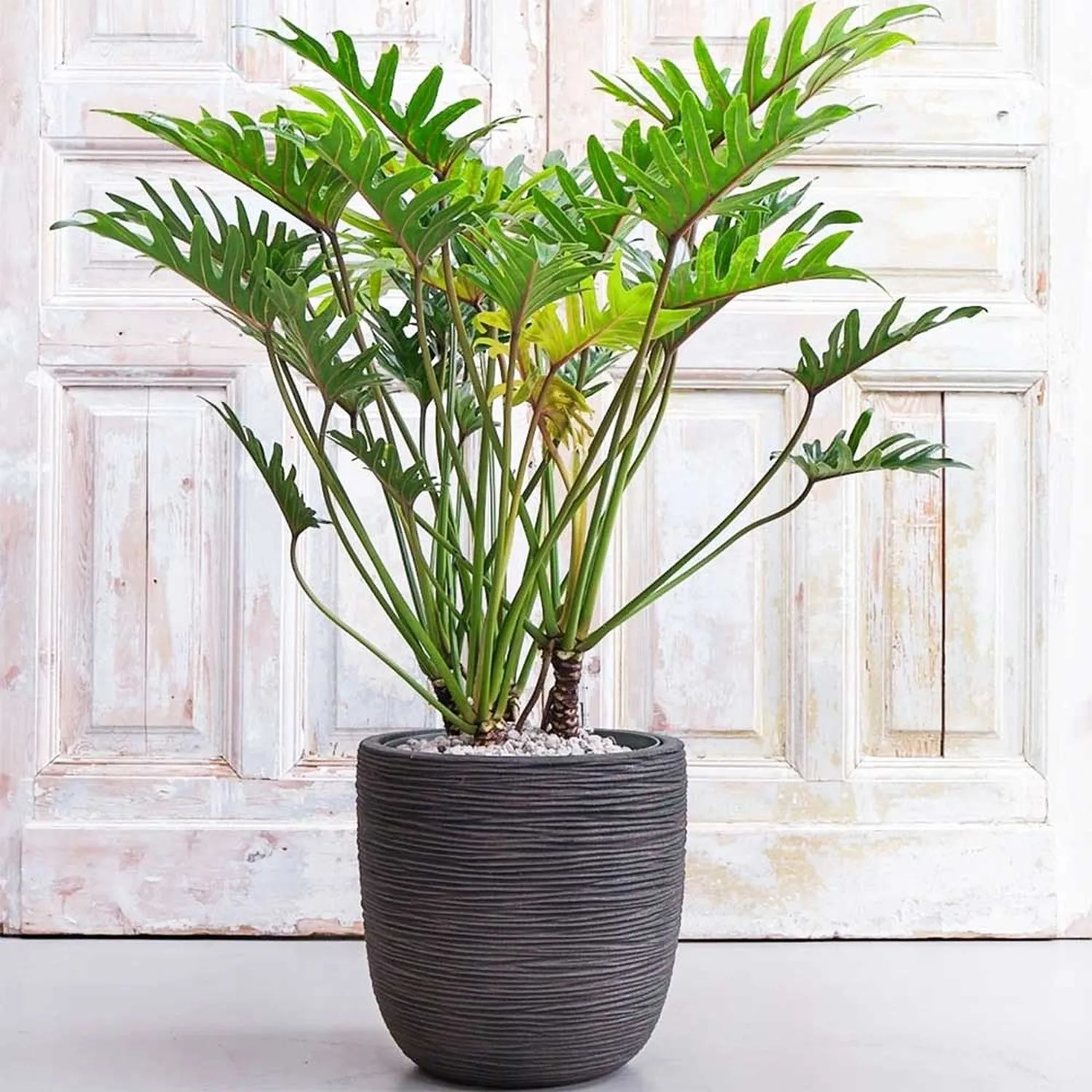
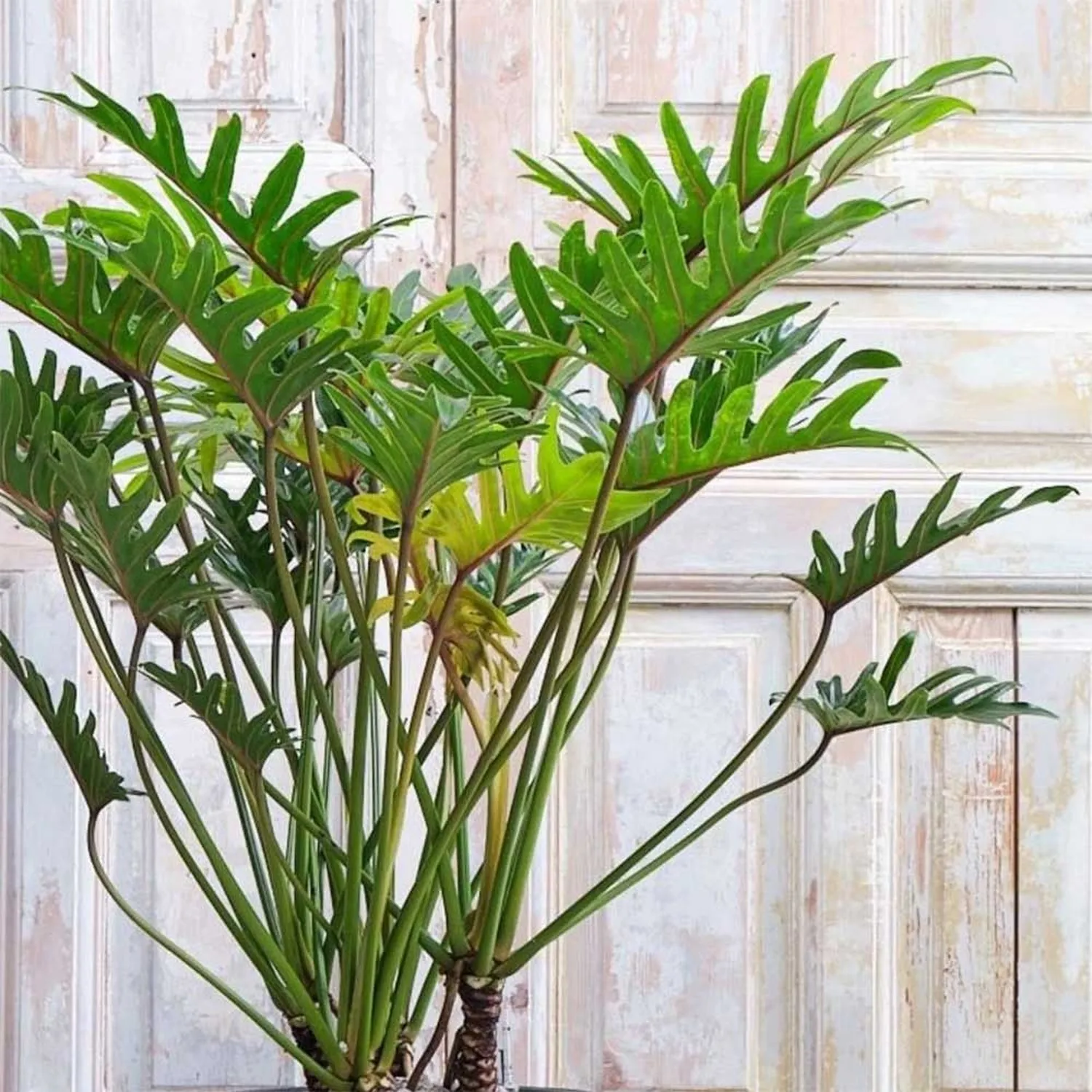
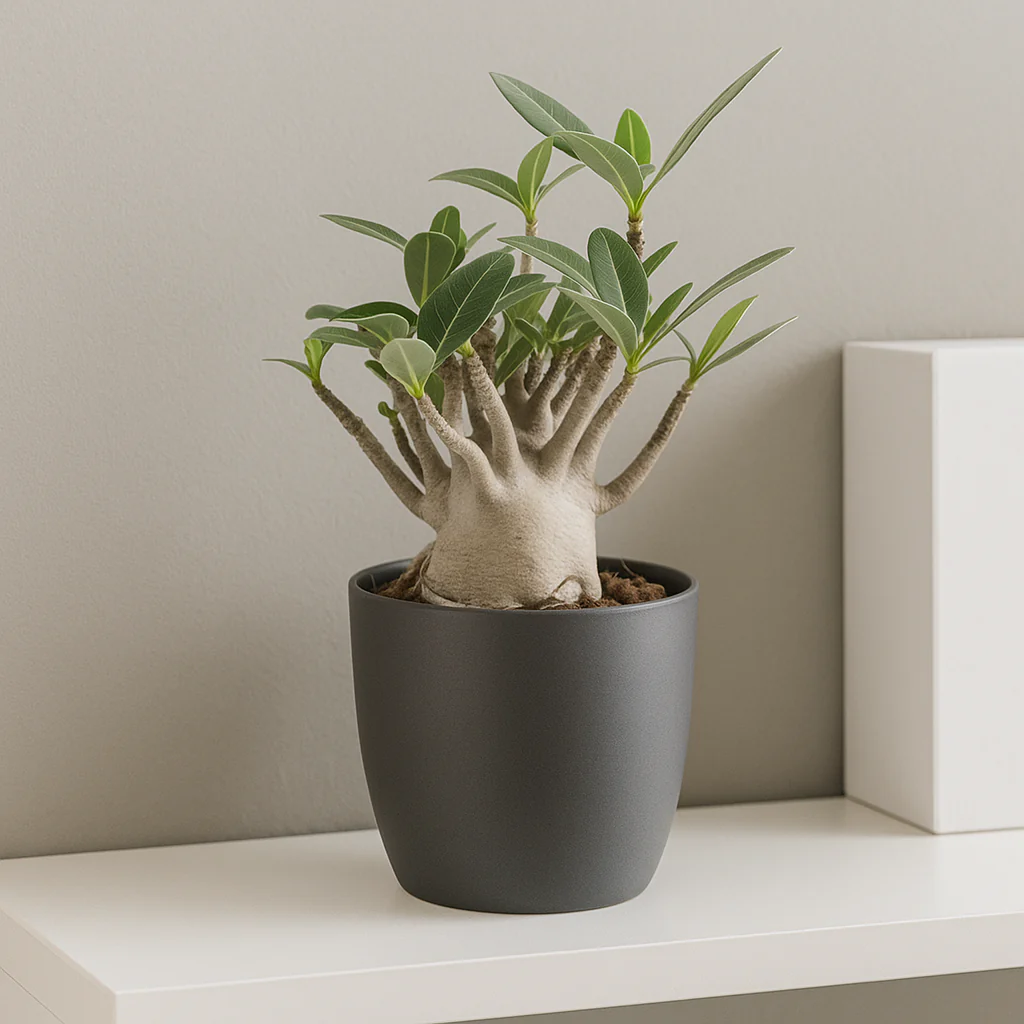
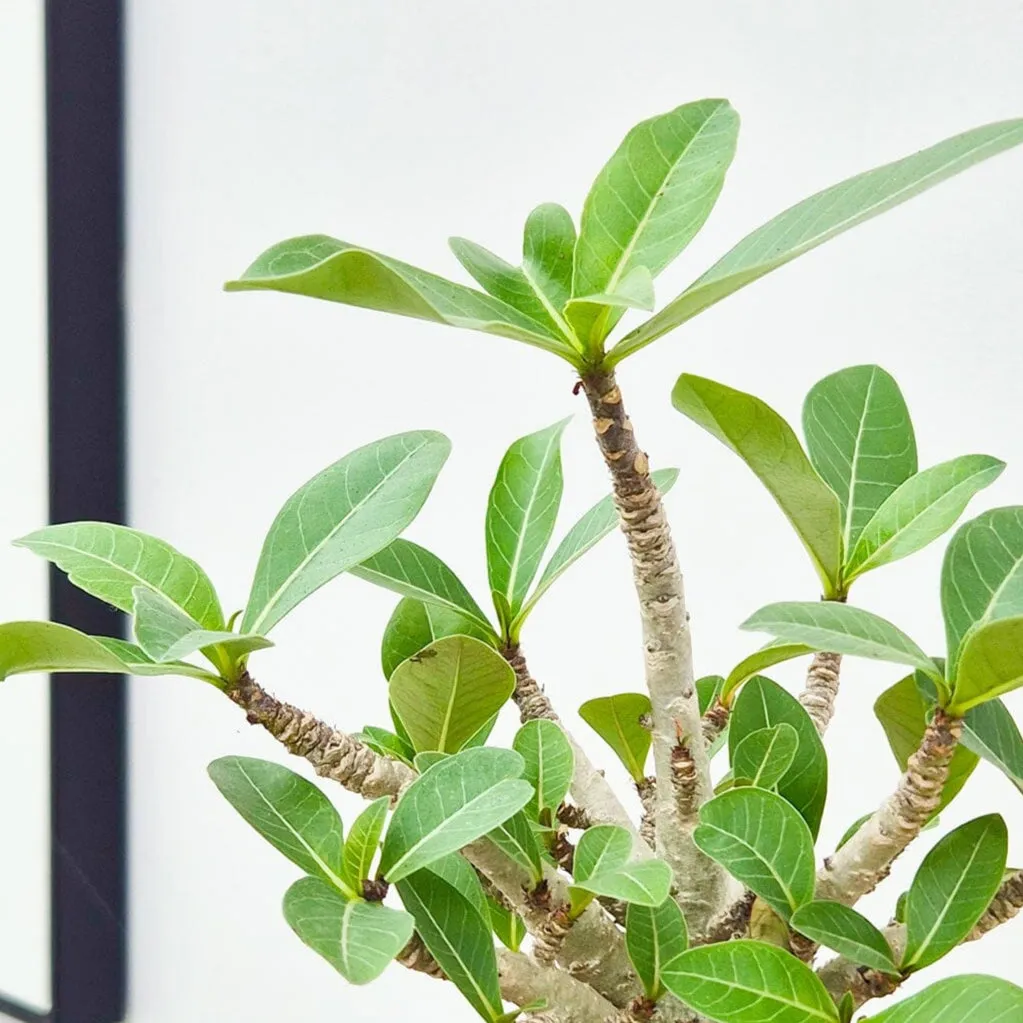
Variegated Philodendron ‘Emerald Queen’ is a rare and elegant climbing Philodendron prized for its glossy foliage and striking marbled variegation. The plant produces elongated heart-shaped leaves splashed with shades of cream, mint, lime and soft yellow across rich emerald-green backgrounds. Depending on the individual plant, variegation can range from subtle flecking to dramatic sectoral patches, making every leaf unique.
Unlike velvet-leaved Philodendrons such as micans, ‘Emerald Queen’ has a smooth, glossy finish that gives it a clean tropical appearance. New leaves often emerge lighter in colour before deepening as they mature, and fresh growth can sometimes show pink or bronze tones before hardening off.
As a climbing aroid, this plant naturally grows upward in tropical forests using tree trunks for support. Given a moss pole or plank, leaf size can increase significantly over time and the plant develops a fuller, more mature appearance. Without support, it can also be grown as a trailing specimen.
Its combination of vigorous growth and collector-worthy variegation makes it a standout plant in rare houseplant collections.
Care Guide
Light ☀️
Bright, indirect light is essential for maintaining healthy growth and strong variegation.
Ideal placement:
- East-facing window
- Bright room with filtered sunlight
- South-facing window with a sheer curtain
Variegated plants need slightly brighter conditions than fully green forms because pale sections contain less chlorophyll.
Too little light may result in:
- Reduced variegation
- Smaller leaves
- Leggy growth
- Slower development
Avoid prolonged harsh direct sun which can scorch lighter sections.
Water 💧
Variegated Philodendron ‘Emerald Queen’ prefers lightly moist soil with some drying between waterings.
Allow the top 30–50% of the soil to dry before watering thoroughly.
General guide:
Spring/Summer: every 7–10 days
Autumn/Winter: every 10–14+ days
Signs of overwatering:
- Yellowing leaves
- Soft stems
- Root problems
Signs of underwatering:
- Drooping foliage
- Dry leaf edges
- Curling leaves
Humidity 🌿
Higher humidity helps support larger foliage and stronger growth.
Ideal humidity:
60–80%
Higher humidity can encourage:
- Faster growth
- Better leaf unfurling
- Larger leaves
- Healthier aerial roots
Average household humidity is often tolerated, but growth may be slower.
Temperature 🌡️
Ideal temperatures:
18–29°C
Avoid temperatures below 15°C.
Protect from:
- Cold draughts
- Sudden environmental changes
- Chilly windowsills
Soil Mix 🪴
Like most climbing Philodendrons, it prefers an airy, chunky aroid mix.
Recommended mix:
- 40% houseplant compost or coco coir
- 25% orchid bark
- 25% perlite or pumice
- 10% worm castings
Excellent drainage and airflow are essential.
Climbing Support
Provide a moss pole, coir pole or plank for best results.
Benefits include:
✔ Larger leaves
✔ Faster maturation
✔ Stronger growth
✔ More dramatic appearance
Feeding
Feed regularly during active growth:
- Every 2–4 weeks during spring and summer
- Balanced liquid fertiliser at half strength
Reduce feeding during winter.
Repotting
Repot approximately every 1–2 years or when:
- Roots circle heavily around the pot
- Growth slows
- Water drains rapidly
Only increase pot size slightly.
Propagation 🌱
Usually propagated through stem cuttings.
Successful cuttings should include:
✔ At least one node
✔ Growth point
✔ Preferably aerial roots
Root in:
- Water
- Moss
- Perlite
- Semi-hydro systems
Variegation may vary between cuttings.
Common Problems
Brown patches
- Excess direct sunlight
- Low humidity
Yellow leaves
- Overwatering
Weak variegation
- Insufficient light
Small leaves
- Lack of climbing support
Spider mites or thrips
- Inspect new growth regularly
Plant Facts
Botanical name: Philodendron ‘Emerald Queen Variegata’
Plant type: Rare variegated climbing aroid
Growth habit: Climbing or trailing vine
Growth speed: Moderate to fast
Difficulty: Intermediate
Pet safety: Toxic if ingested
Best display: Moss pole, climbing support or shelf edge
Variegated Philodendron ‘Emerald Queen’ combines lush tropical growth with collector-level variegation. With bright light and something to climb, it transforms into a spectacular specimen where every new leaf arrives with a different pattern and personality.
Original: $52.78
-70%$52.78
$15.83Product Information
Product Information
Shipping & Returns
Shipping & Returns
Description
Variegated Philodendron ‘Emerald Queen’ is a rare and elegant climbing Philodendron prized for its glossy foliage and striking marbled variegation. The plant produces elongated heart-shaped leaves splashed with shades of cream, mint, lime and soft yellow across rich emerald-green backgrounds. Depending on the individual plant, variegation can range from subtle flecking to dramatic sectoral patches, making every leaf unique.
Unlike velvet-leaved Philodendrons such as micans, ‘Emerald Queen’ has a smooth, glossy finish that gives it a clean tropical appearance. New leaves often emerge lighter in colour before deepening as they mature, and fresh growth can sometimes show pink or bronze tones before hardening off.
As a climbing aroid, this plant naturally grows upward in tropical forests using tree trunks for support. Given a moss pole or plank, leaf size can increase significantly over time and the plant develops a fuller, more mature appearance. Without support, it can also be grown as a trailing specimen.
Its combination of vigorous growth and collector-worthy variegation makes it a standout plant in rare houseplant collections.
Care Guide
Light ☀️
Bright, indirect light is essential for maintaining healthy growth and strong variegation.
Ideal placement:
- East-facing window
- Bright room with filtered sunlight
- South-facing window with a sheer curtain
Variegated plants need slightly brighter conditions than fully green forms because pale sections contain less chlorophyll.
Too little light may result in:
- Reduced variegation
- Smaller leaves
- Leggy growth
- Slower development
Avoid prolonged harsh direct sun which can scorch lighter sections.
Water 💧
Variegated Philodendron ‘Emerald Queen’ prefers lightly moist soil with some drying between waterings.
Allow the top 30–50% of the soil to dry before watering thoroughly.
General guide:
Spring/Summer: every 7–10 days
Autumn/Winter: every 10–14+ days
Signs of overwatering:
- Yellowing leaves
- Soft stems
- Root problems
Signs of underwatering:
- Drooping foliage
- Dry leaf edges
- Curling leaves
Humidity 🌿
Higher humidity helps support larger foliage and stronger growth.
Ideal humidity:
60–80%
Higher humidity can encourage:
- Faster growth
- Better leaf unfurling
- Larger leaves
- Healthier aerial roots
Average household humidity is often tolerated, but growth may be slower.
Temperature 🌡️
Ideal temperatures:
18–29°C
Avoid temperatures below 15°C.
Protect from:
- Cold draughts
- Sudden environmental changes
- Chilly windowsills
Soil Mix 🪴
Like most climbing Philodendrons, it prefers an airy, chunky aroid mix.
Recommended mix:
- 40% houseplant compost or coco coir
- 25% orchid bark
- 25% perlite or pumice
- 10% worm castings
Excellent drainage and airflow are essential.
Climbing Support
Provide a moss pole, coir pole or plank for best results.
Benefits include:
✔ Larger leaves
✔ Faster maturation
✔ Stronger growth
✔ More dramatic appearance
Feeding
Feed regularly during active growth:
- Every 2–4 weeks during spring and summer
- Balanced liquid fertiliser at half strength
Reduce feeding during winter.
Repotting
Repot approximately every 1–2 years or when:
- Roots circle heavily around the pot
- Growth slows
- Water drains rapidly
Only increase pot size slightly.
Propagation 🌱
Usually propagated through stem cuttings.
Successful cuttings should include:
✔ At least one node
✔ Growth point
✔ Preferably aerial roots
Root in:
- Water
- Moss
- Perlite
- Semi-hydro systems
Variegation may vary between cuttings.
Common Problems
Brown patches
- Excess direct sunlight
- Low humidity
Yellow leaves
- Overwatering
Weak variegation
- Insufficient light
Small leaves
- Lack of climbing support
Spider mites or thrips
- Inspect new growth regularly
Plant Facts
Botanical name: Philodendron ‘Emerald Queen Variegata’
Plant type: Rare variegated climbing aroid
Growth habit: Climbing or trailing vine
Growth speed: Moderate to fast
Difficulty: Intermediate
Pet safety: Toxic if ingested
Best display: Moss pole, climbing support or shelf edge
Variegated Philodendron ‘Emerald Queen’ combines lush tropical growth with collector-level variegation. With bright light and something to climb, it transforms into a spectacular specimen where every new leaf arrives with a different pattern and personality.