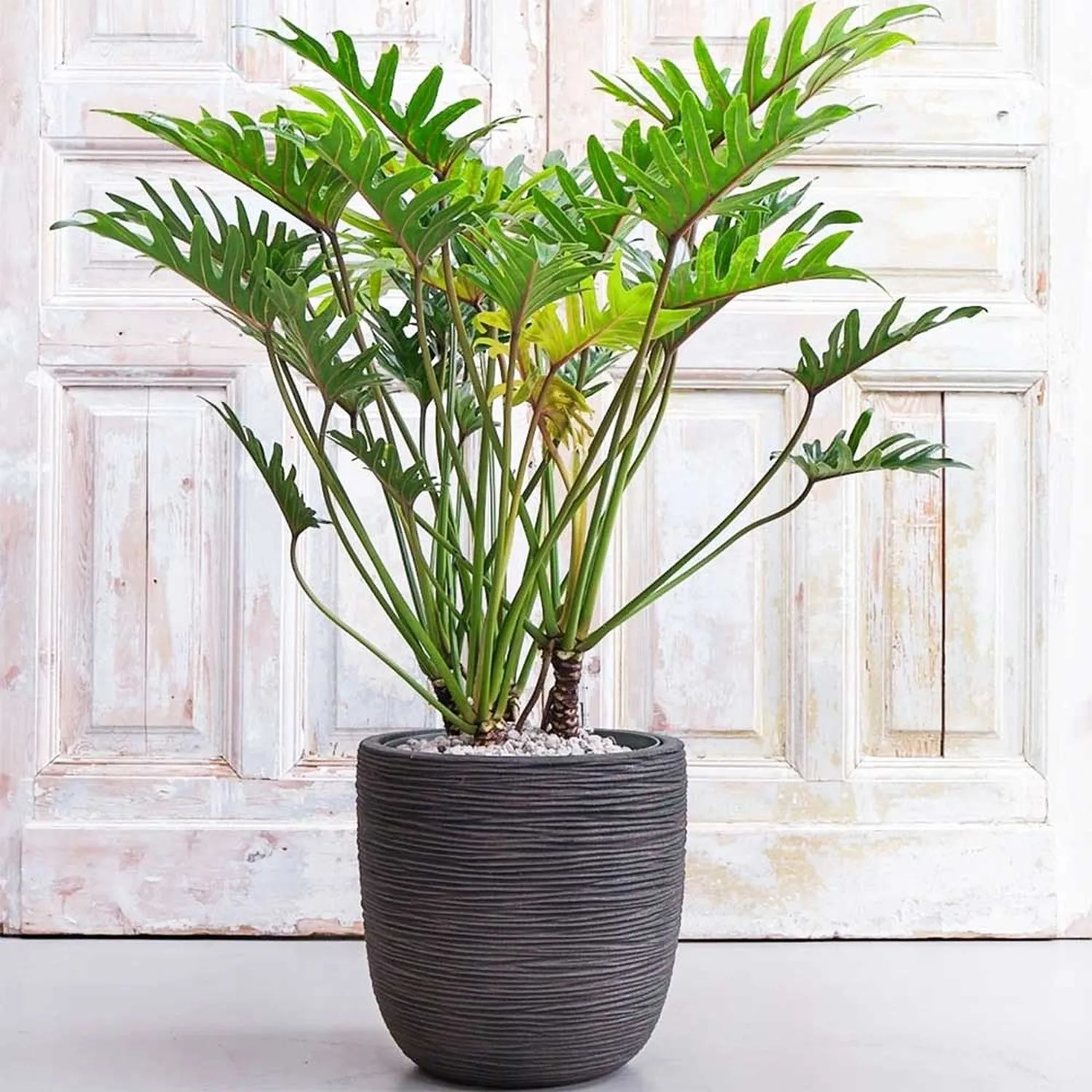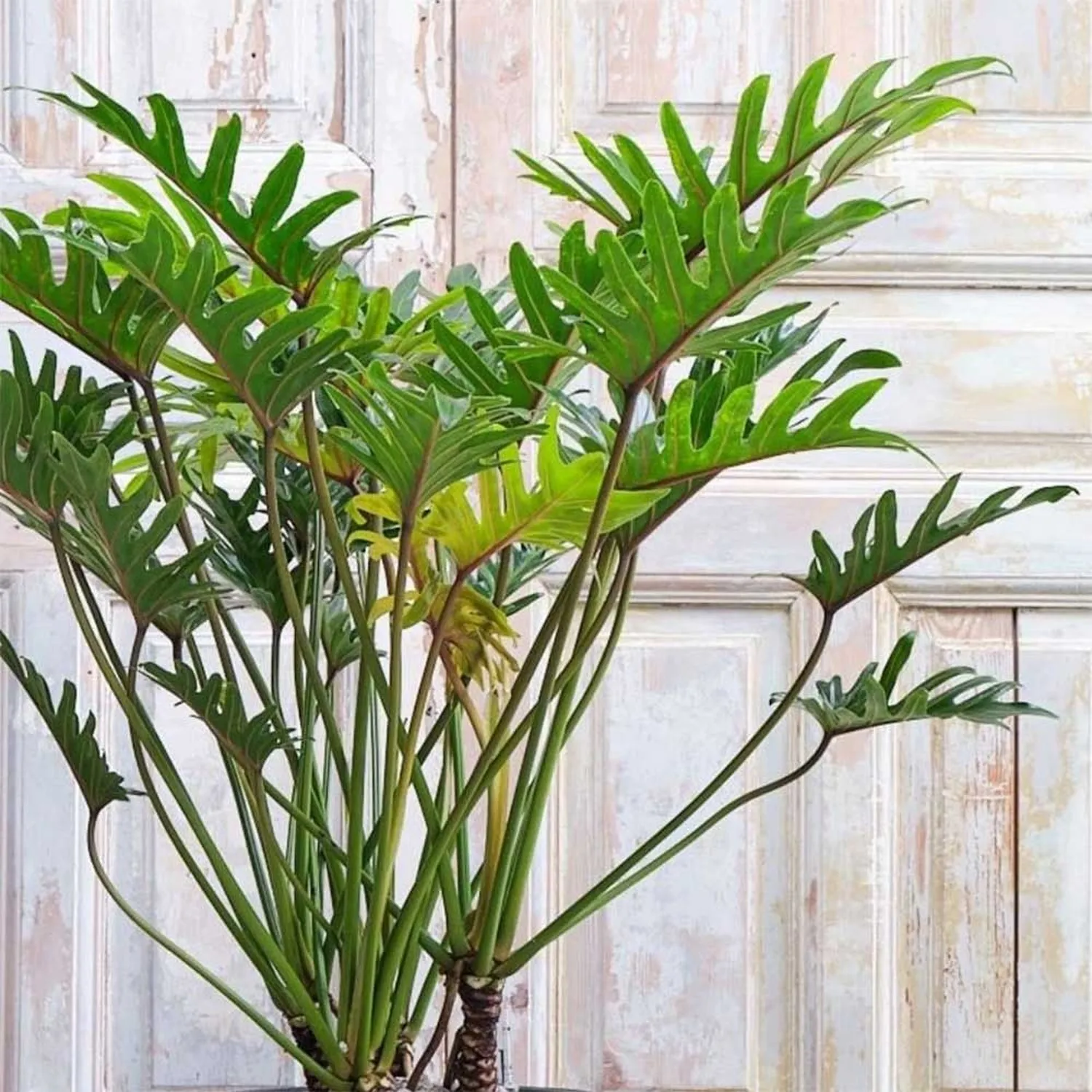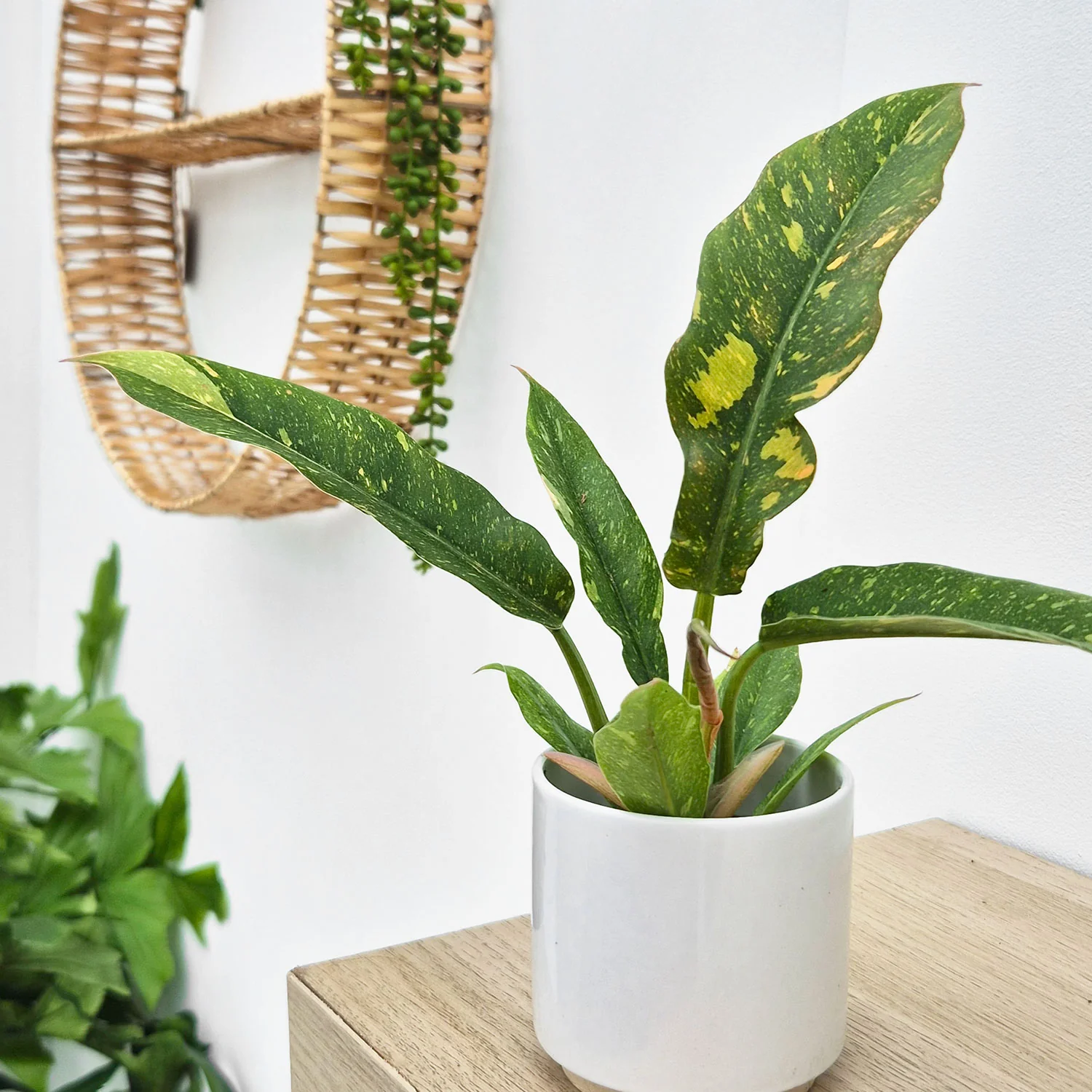

Philodendron Ring of Fire House Plant 6cm Pot
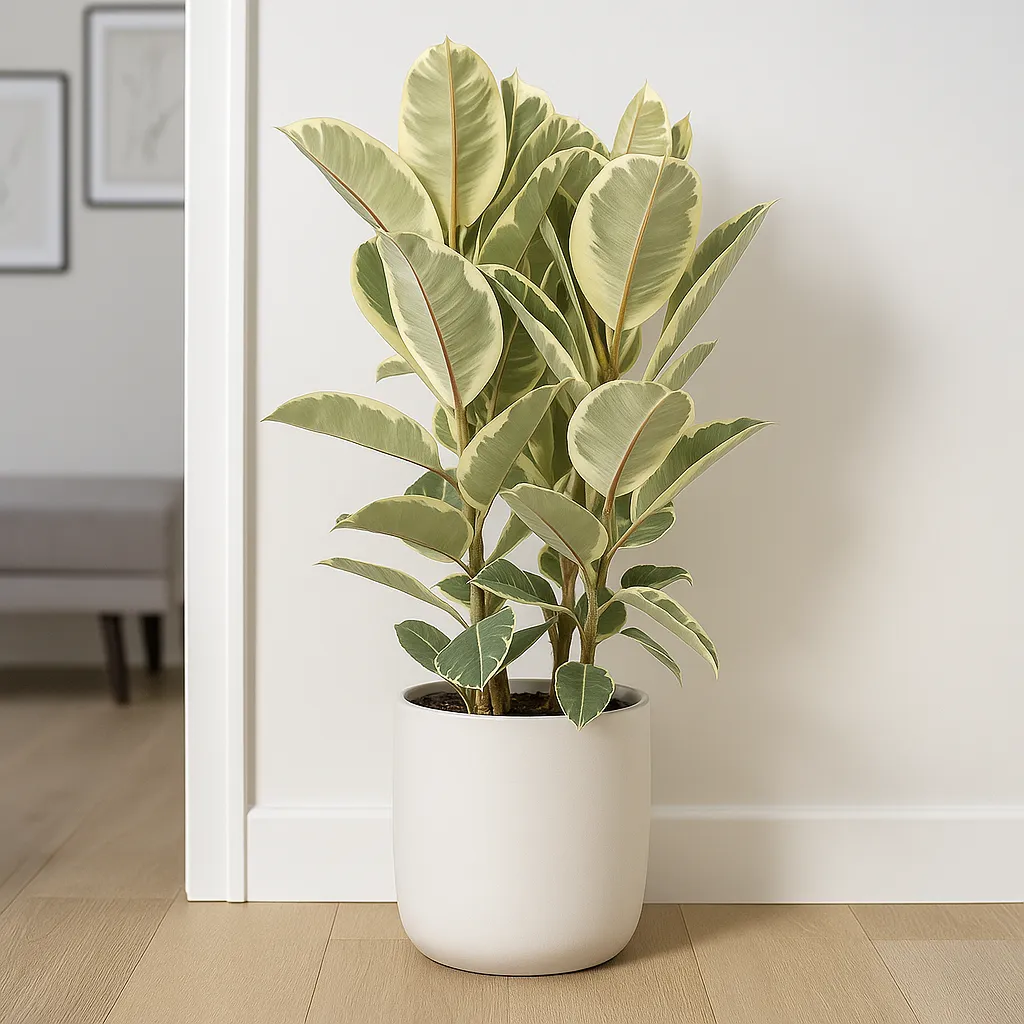
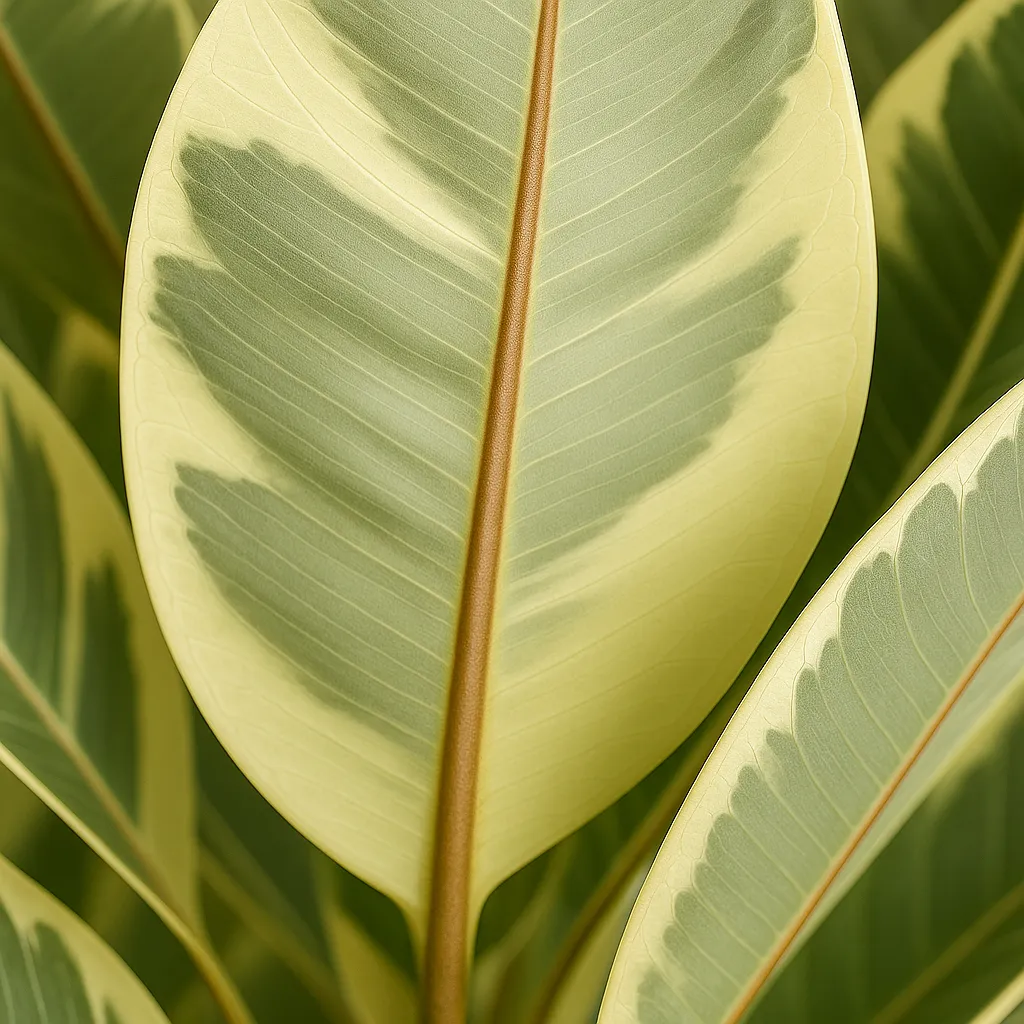
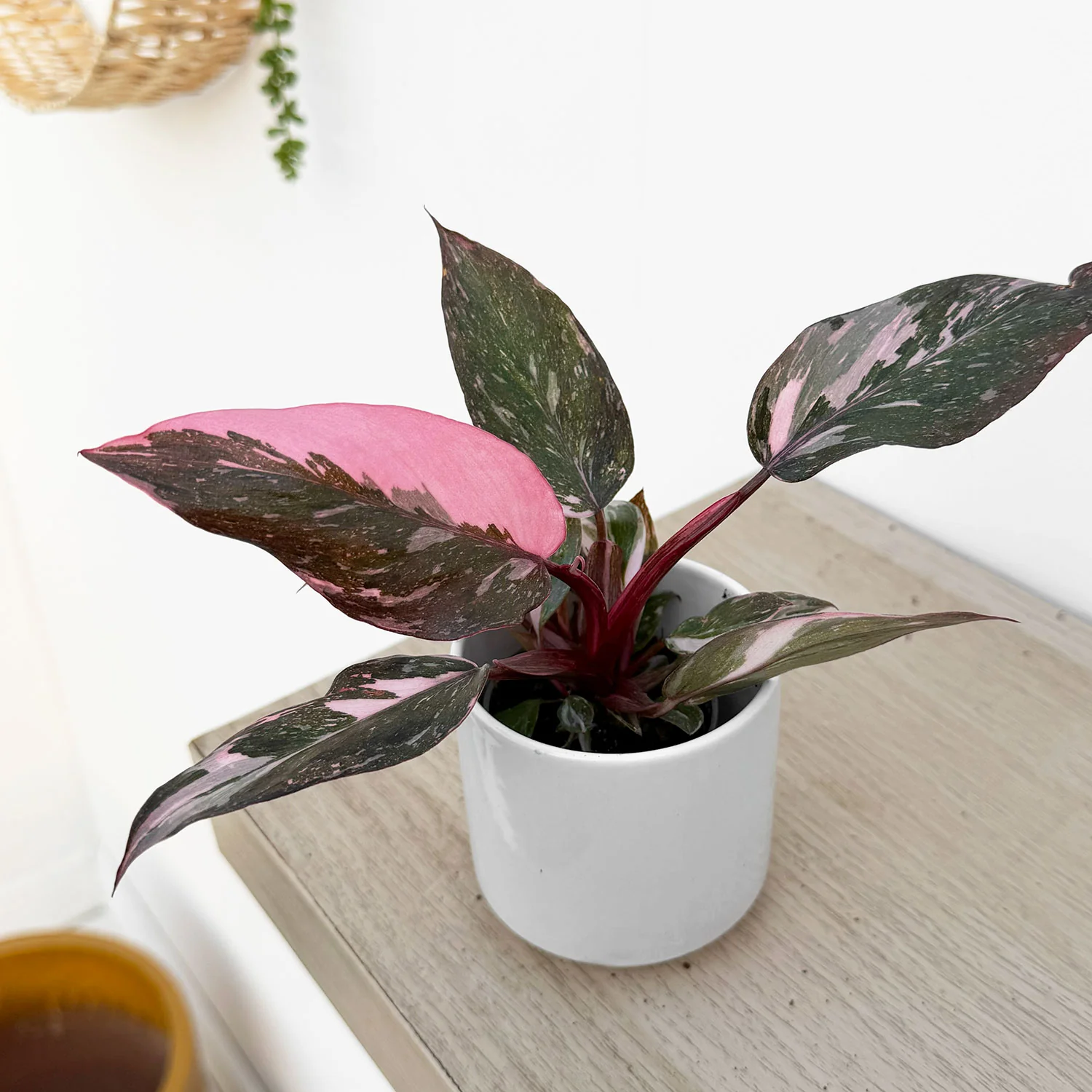
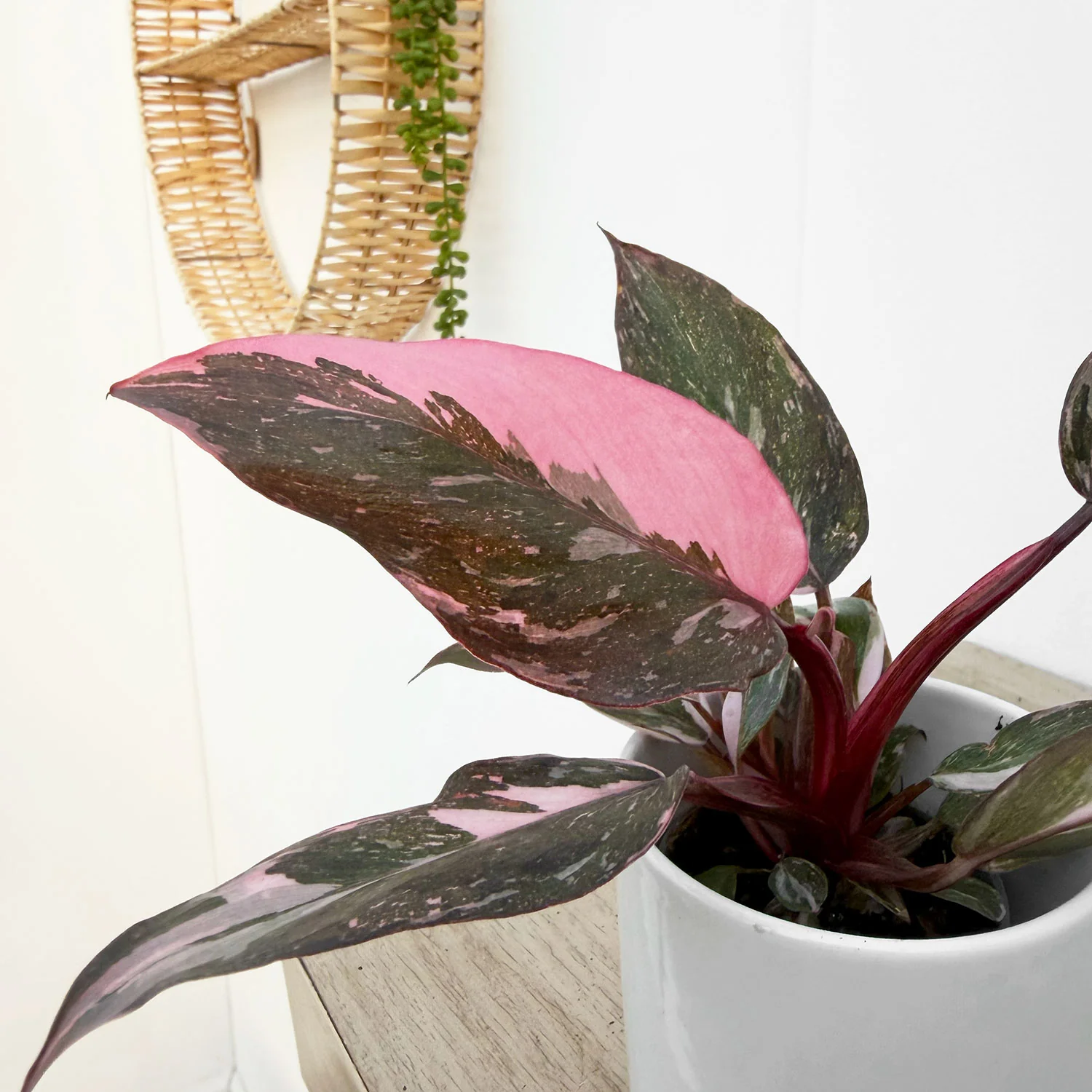
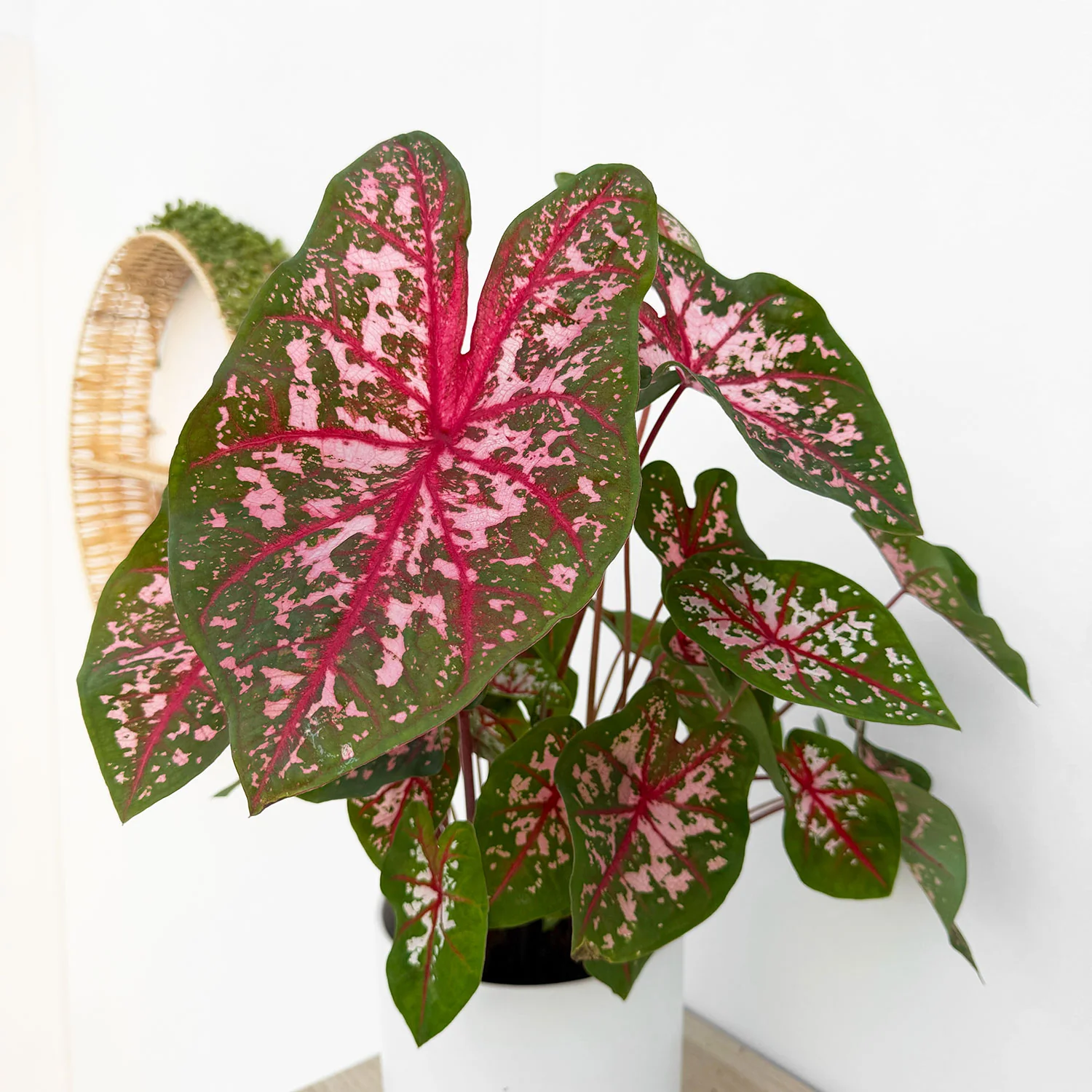
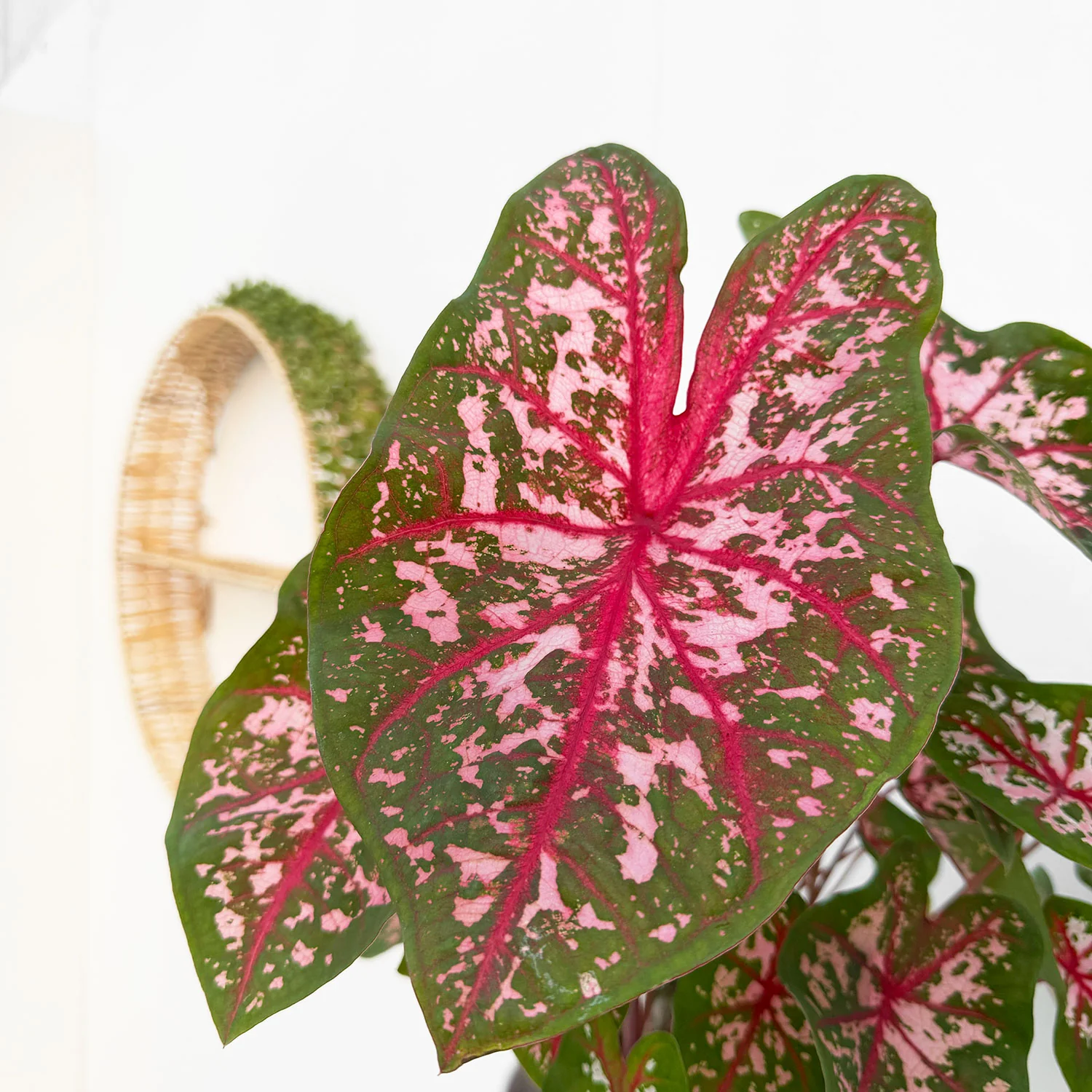
Philodendron 'Ring of Fire' is one of the most sought-after variegated philodendrons, prized for its spectacular foliage and ever-changing colours. Each leaf emerges with a unique combination of green, cream, yellow, orange, and sometimes even pink tones, creating a fiery display that inspired its name.
Unlike many climbing philodendrons, 'Ring of Fire' is a self-heading variety, meaning it grows in a compact, upright form rather than producing long vines. Its deeply serrated leaves become increasingly dramatic as the plant matures, with larger specimens developing highly ornamental foliage that can reach impressive sizes.
Slow-growing but exceptionally rewarding, Philodendron 'Ring of Fire' has become a must-have plant for collectors seeking unusual variegation and striking architectural foliage.
Plant Information
-
Botanical Name: Philodendron 'Ring of Fire'
-
Common Name: Ring of Fire Philodendron
-
Family: Araceae
-
Plant Type: Variegated self-heading Philodendron hybrid
-
Growth Habit: Upright, clump-forming
-
Difficulty: Easy to Intermediate
-
Pet Safe: No. Toxic if ingested by pets or humans.
Light Requirements
Bright, indirect light is essential for maintaining strong variegation and healthy growth.
Ideal conditions:
-
Bright indirect light
-
East-facing windows
-
Bright rooms near south or west-facing windows
-
High-quality grow lights
Avoid:
-
Direct midday sun
-
Deep shade
-
Dark corners
Too little light can reduce variegation and slow growth considerably, while excessive direct sunlight may scorch the lighter-coloured portions of the leaves.
Watering
Philodendron 'Ring of Fire' prefers lightly moist soil but should never remain waterlogged.
Water when:
-
The top 3–5 cm of compost feels dry
-
The pot feels lighter when lifted
Avoid:
-
Constantly wet compost
-
Standing water around the roots
-
Allowing the soil to dry out completely for extended periods
Reduce watering during winter when growth slows naturally.
Humidity
This tropical aroid appreciates moderate to high humidity.
Ideal humidity:
-
50–80%
For best growth:
-
Group with other houseplants
-
Use a humidifier if needed
-
Provide good airflow around the foliage
While it adapts well to average household humidity, higher levels often produce larger, healthier leaves.
Temperature
Warm temperatures help encourage steady growth throughout the year.
Ideal range:
-
18°C – 28°C
Avoid:
-
Temperatures below 15°C
-
Cold draughts
-
Sudden temperature fluctuations
Consistent warmth helps maintain healthy foliage and vibrant colouration.
Soil and Potting Mix
A chunky, well-draining aroid mix is ideal.
Recommended mix:
-
Peat-free houseplant compost
-
Orchid bark
-
Perlite or pumice
-
Coco coir
-
Horticultural charcoal
The roots require good airflow and should never remain in compacted or waterlogged soil.
Feeding
Regular feeding supports healthy growth and vibrant foliage.
Recommended:
-
Balanced liquid houseplant fertiliser
-
Every 2–4 weeks during spring and summer
Reduce feeding during autumn and winter.
Growth and Size
'Ring of Fire' is slower growing than many philodendrons but develops increasingly impressive foliage with age.
Mature characteristics:
-
Deeply serrated leaves
-
Multi-coloured variegation
-
Upright self-heading growth
-
Thick stems and compact habit
Typical indoor size:
-
Height: 60–120 cm
-
Spread: 60–100 cm
-
Leaf length: Up to 40 cm or more on mature specimens
Patience is rewarded, as mature plants are significantly more impressive than young specimens.
Variegation
The variegation is one of the defining features of this cultivar.
Colours may include:
-
Cream
-
Yellow
-
Lime green
-
Dark green
-
Orange
-
Peach
-
Occasional pink tones
Every new leaf emerges with a unique pattern, making each plant completely individual.
Common Problems
Loss of Variegation
Usually caused by insufficient light.
Yellow Leaves
Often linked to overwatering or poor drainage.
Brown Edges
May indicate low humidity, underwatering, or mineral build-up.
Slow Growth
Natural to some extent, but may also be caused by low light or cool temperatures.
Leaf Damage
The lighter variegated sections can be more sensitive to direct sunlight.
Repotting
Repot every 1–2 years or when roots begin filling the pot.
Best time:
-
Spring or early summer
Choose a pot only slightly larger than the existing container to prevent excess moisture retention.
Propagation
Philodendron 'Ring of Fire' can be propagated through stem division.
Methods:
-
Stem cuttings with growth points
-
Division of mature plants
Propagation is generally slower than with many climbing philodendrons.
Styling and Display
The dramatic foliage makes this an ideal statement plant.
Perfect for:
-
Feature plant displays
-
Rare plant collections
-
Modern interiors
-
Shelves and plant stands
-
Tropical-themed spaces
Its colourful foliage provides year-round interest even when displayed on its own.
Why Collectors Love Philodendron 'Ring of Fire'
Philodendron 'Ring of Fire' is admired for its spectacular combination of deeply serrated leaves and fiery multi-coloured variegation. Every leaf is unique, with shades of green, cream, yellow, orange, and pink creating a constantly evolving display. Although slower growing than many philodendrons, its exceptional beauty and rarity make it one of the most desirable foliage plants in the aroid world. For collectors seeking a true statement piece, few plants can rival the impact of a mature Ring of Fire.
Original: $10.55
-70%$10.55
$3.17Product Information
Product Information
Shipping & Returns
Shipping & Returns
Description
Philodendron 'Ring of Fire' is one of the most sought-after variegated philodendrons, prized for its spectacular foliage and ever-changing colours. Each leaf emerges with a unique combination of green, cream, yellow, orange, and sometimes even pink tones, creating a fiery display that inspired its name.
Unlike many climbing philodendrons, 'Ring of Fire' is a self-heading variety, meaning it grows in a compact, upright form rather than producing long vines. Its deeply serrated leaves become increasingly dramatic as the plant matures, with larger specimens developing highly ornamental foliage that can reach impressive sizes.
Slow-growing but exceptionally rewarding, Philodendron 'Ring of Fire' has become a must-have plant for collectors seeking unusual variegation and striking architectural foliage.
Plant Information
-
Botanical Name: Philodendron 'Ring of Fire'
-
Common Name: Ring of Fire Philodendron
-
Family: Araceae
-
Plant Type: Variegated self-heading Philodendron hybrid
-
Growth Habit: Upright, clump-forming
-
Difficulty: Easy to Intermediate
-
Pet Safe: No. Toxic if ingested by pets or humans.
Light Requirements
Bright, indirect light is essential for maintaining strong variegation and healthy growth.
Ideal conditions:
-
Bright indirect light
-
East-facing windows
-
Bright rooms near south or west-facing windows
-
High-quality grow lights
Avoid:
-
Direct midday sun
-
Deep shade
-
Dark corners
Too little light can reduce variegation and slow growth considerably, while excessive direct sunlight may scorch the lighter-coloured portions of the leaves.
Watering
Philodendron 'Ring of Fire' prefers lightly moist soil but should never remain waterlogged.
Water when:
-
The top 3–5 cm of compost feels dry
-
The pot feels lighter when lifted
Avoid:
-
Constantly wet compost
-
Standing water around the roots
-
Allowing the soil to dry out completely for extended periods
Reduce watering during winter when growth slows naturally.
Humidity
This tropical aroid appreciates moderate to high humidity.
Ideal humidity:
-
50–80%
For best growth:
-
Group with other houseplants
-
Use a humidifier if needed
-
Provide good airflow around the foliage
While it adapts well to average household humidity, higher levels often produce larger, healthier leaves.
Temperature
Warm temperatures help encourage steady growth throughout the year.
Ideal range:
-
18°C – 28°C
Avoid:
-
Temperatures below 15°C
-
Cold draughts
-
Sudden temperature fluctuations
Consistent warmth helps maintain healthy foliage and vibrant colouration.
Soil and Potting Mix
A chunky, well-draining aroid mix is ideal.
Recommended mix:
-
Peat-free houseplant compost
-
Orchid bark
-
Perlite or pumice
-
Coco coir
-
Horticultural charcoal
The roots require good airflow and should never remain in compacted or waterlogged soil.
Feeding
Regular feeding supports healthy growth and vibrant foliage.
Recommended:
-
Balanced liquid houseplant fertiliser
-
Every 2–4 weeks during spring and summer
Reduce feeding during autumn and winter.
Growth and Size
'Ring of Fire' is slower growing than many philodendrons but develops increasingly impressive foliage with age.
Mature characteristics:
-
Deeply serrated leaves
-
Multi-coloured variegation
-
Upright self-heading growth
-
Thick stems and compact habit
Typical indoor size:
-
Height: 60–120 cm
-
Spread: 60–100 cm
-
Leaf length: Up to 40 cm or more on mature specimens
Patience is rewarded, as mature plants are significantly more impressive than young specimens.
Variegation
The variegation is one of the defining features of this cultivar.
Colours may include:
-
Cream
-
Yellow
-
Lime green
-
Dark green
-
Orange
-
Peach
-
Occasional pink tones
Every new leaf emerges with a unique pattern, making each plant completely individual.
Common Problems
Loss of Variegation
Usually caused by insufficient light.
Yellow Leaves
Often linked to overwatering or poor drainage.
Brown Edges
May indicate low humidity, underwatering, or mineral build-up.
Slow Growth
Natural to some extent, but may also be caused by low light or cool temperatures.
Leaf Damage
The lighter variegated sections can be more sensitive to direct sunlight.
Repotting
Repot every 1–2 years or when roots begin filling the pot.
Best time:
-
Spring or early summer
Choose a pot only slightly larger than the existing container to prevent excess moisture retention.
Propagation
Philodendron 'Ring of Fire' can be propagated through stem division.
Methods:
-
Stem cuttings with growth points
-
Division of mature plants
Propagation is generally slower than with many climbing philodendrons.
Styling and Display
The dramatic foliage makes this an ideal statement plant.
Perfect for:
-
Feature plant displays
-
Rare plant collections
-
Modern interiors
-
Shelves and plant stands
-
Tropical-themed spaces
Its colourful foliage provides year-round interest even when displayed on its own.
Why Collectors Love Philodendron 'Ring of Fire'
Philodendron 'Ring of Fire' is admired for its spectacular combination of deeply serrated leaves and fiery multi-coloured variegation. Every leaf is unique, with shades of green, cream, yellow, orange, and pink creating a constantly evolving display. Although slower growing than many philodendrons, its exceptional beauty and rarity make it one of the most desirable foliage plants in the aroid world. For collectors seeking a true statement piece, few plants can rival the impact of a mature Ring of Fire.