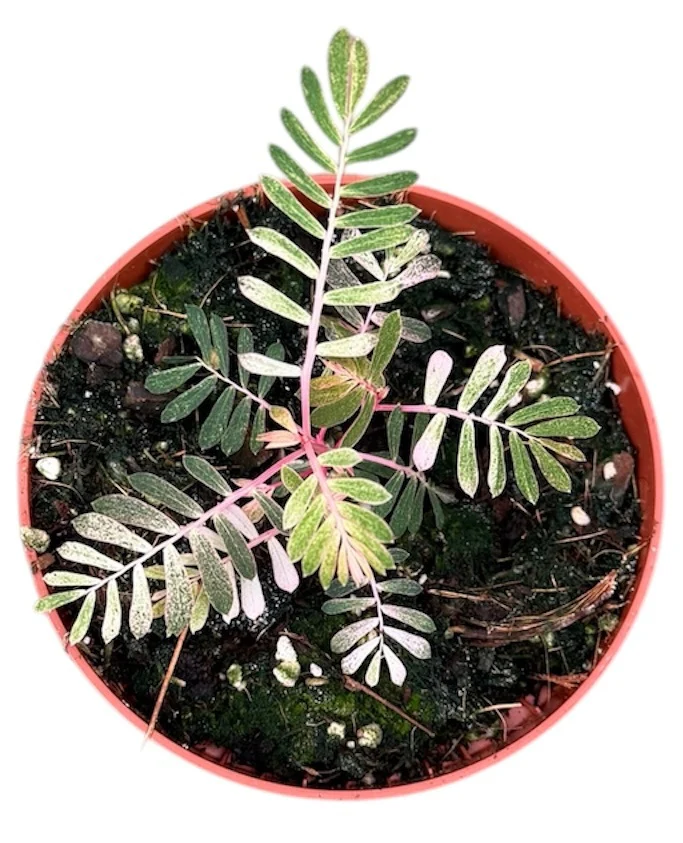
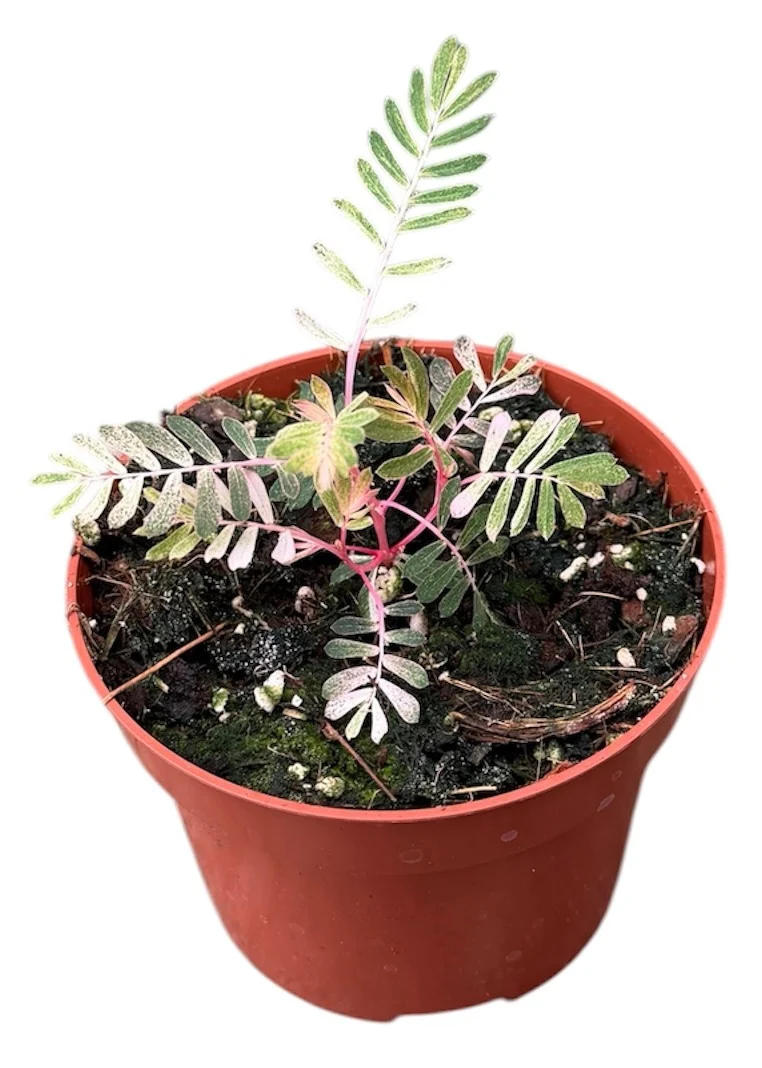
Phyllanthus Urinaria Albo Variegata 10.5cm Pot 10cm Height House Plant
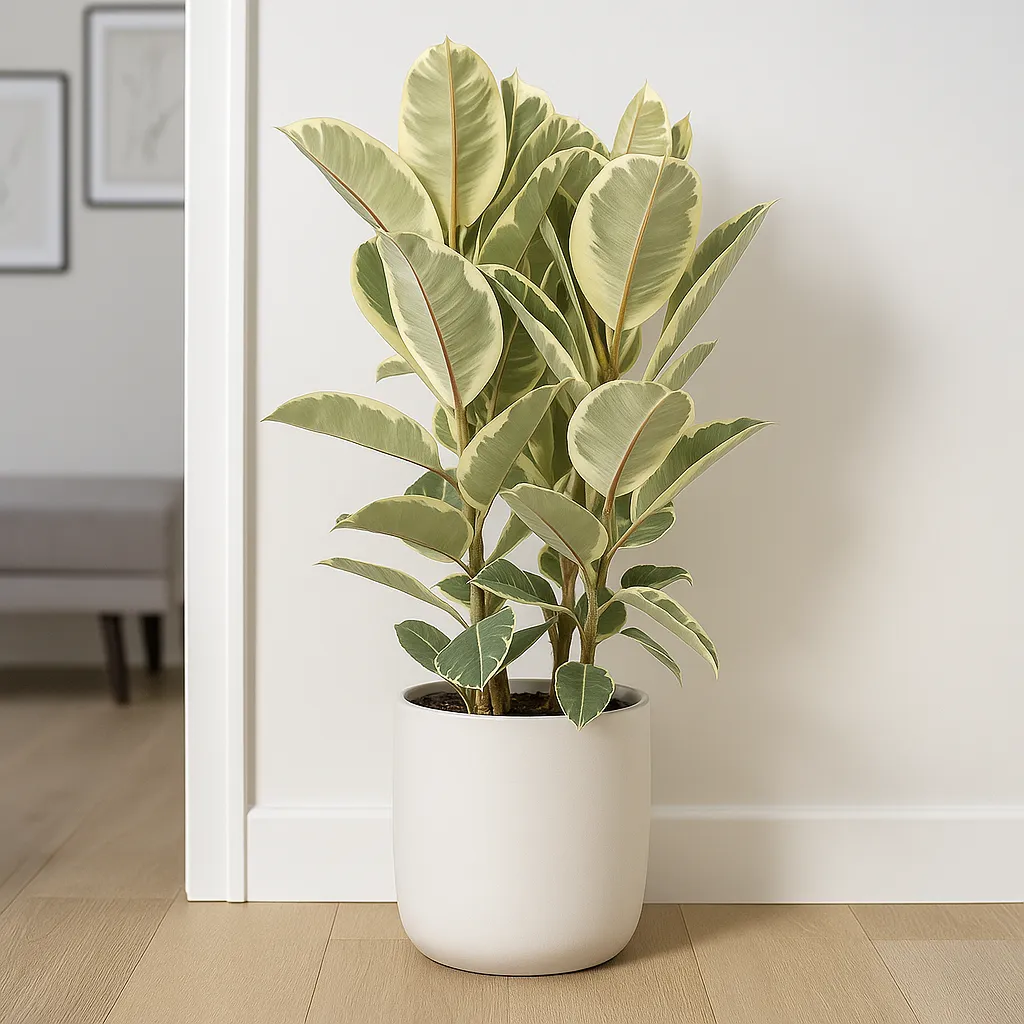
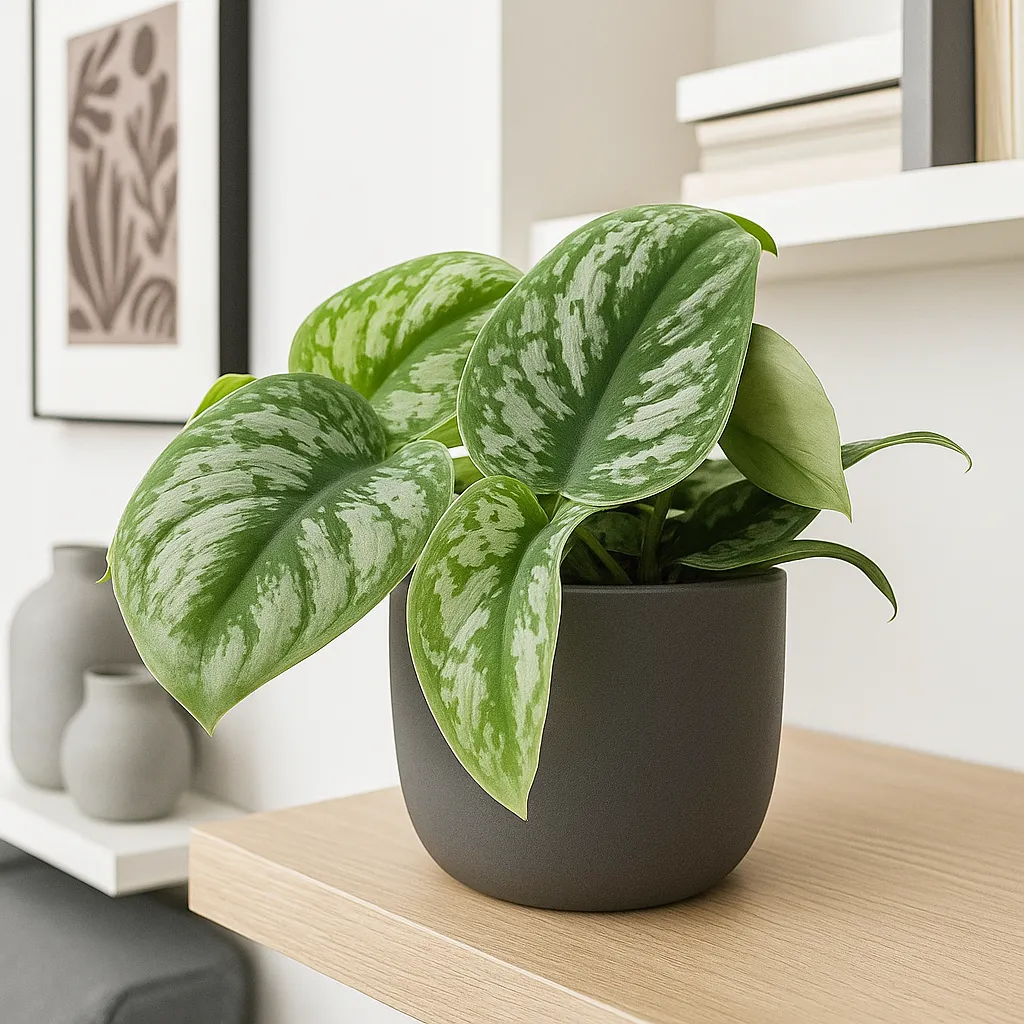
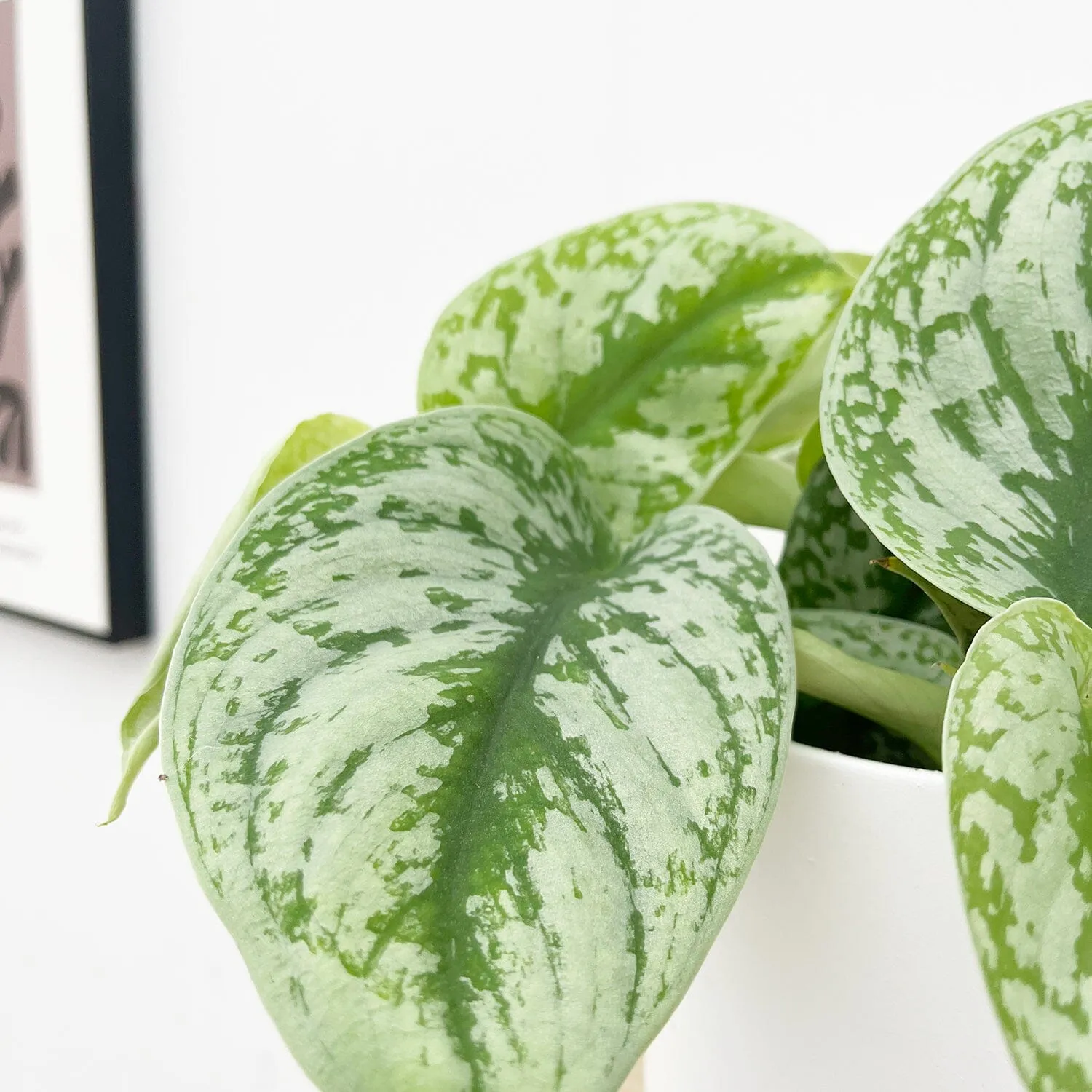
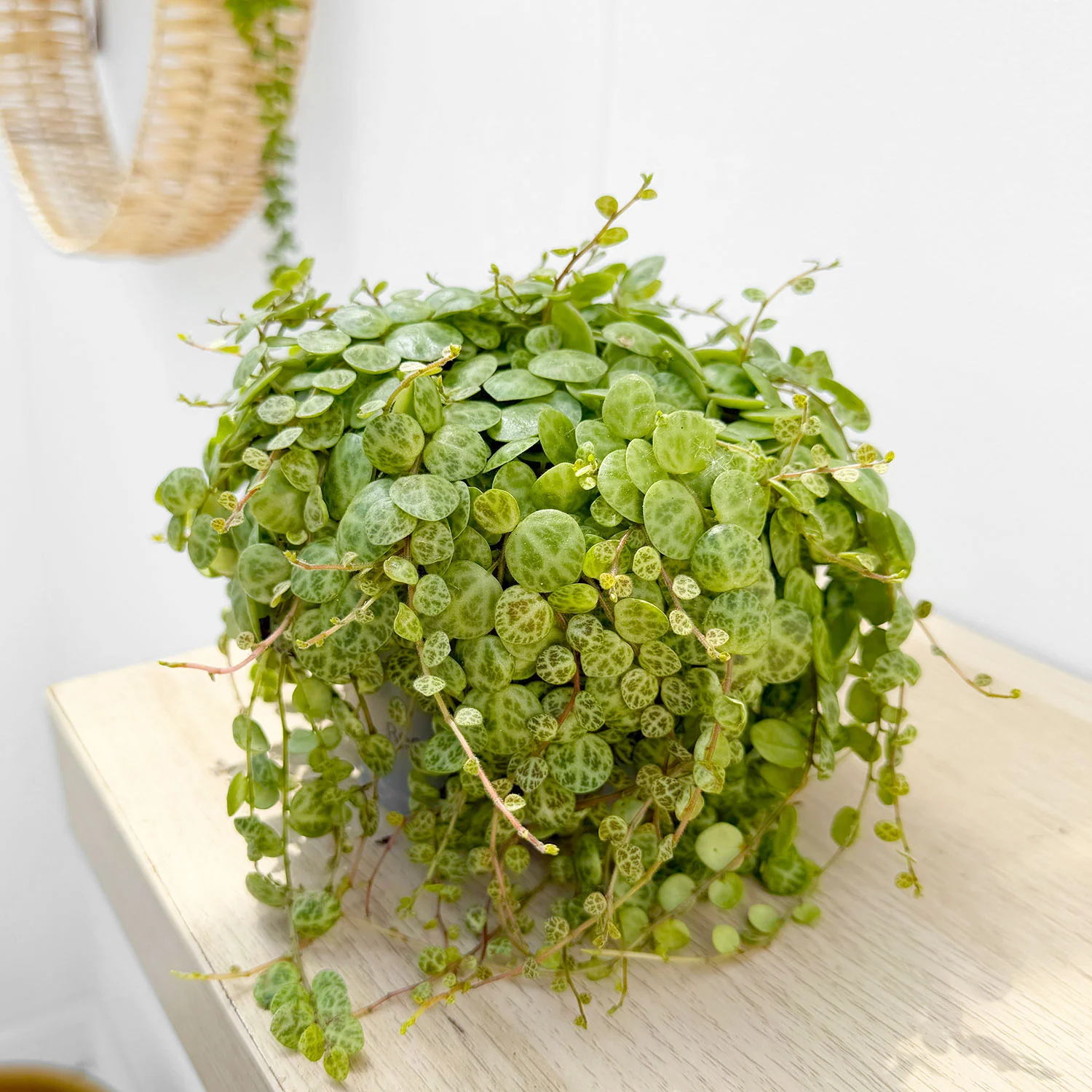
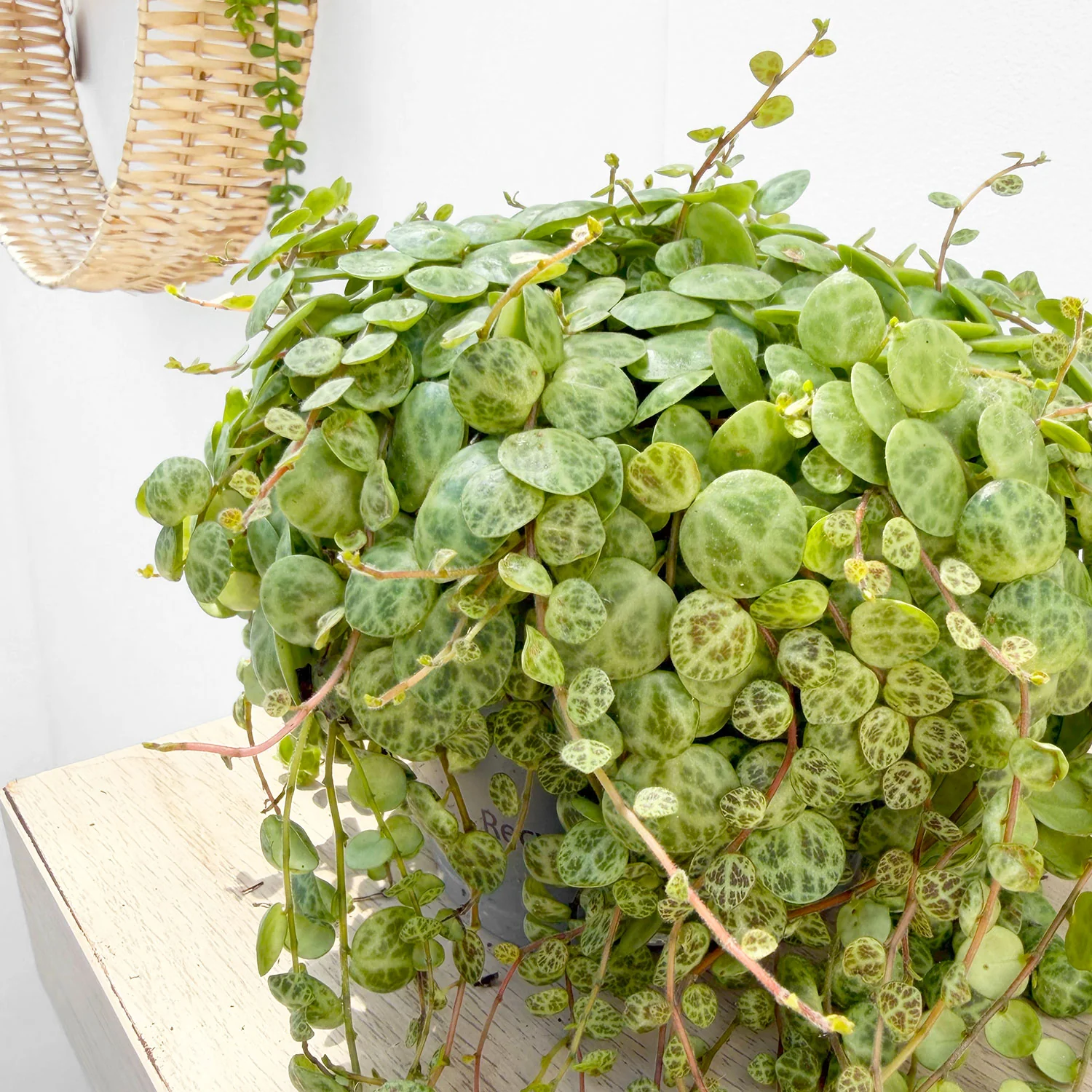
Phyllanthus urinaria ‘Albo Variegata’ is a rare and visually unusual foliage plant prized for its delicate, finely layered leaves and striking white variegation. Unlike bold tropical houseplants with large leaves, this species offers a softer, more intricate appearance, producing elegant rows of tiny leaflets arranged along slender stems that resemble miniature tropical trees or sensitive plants.
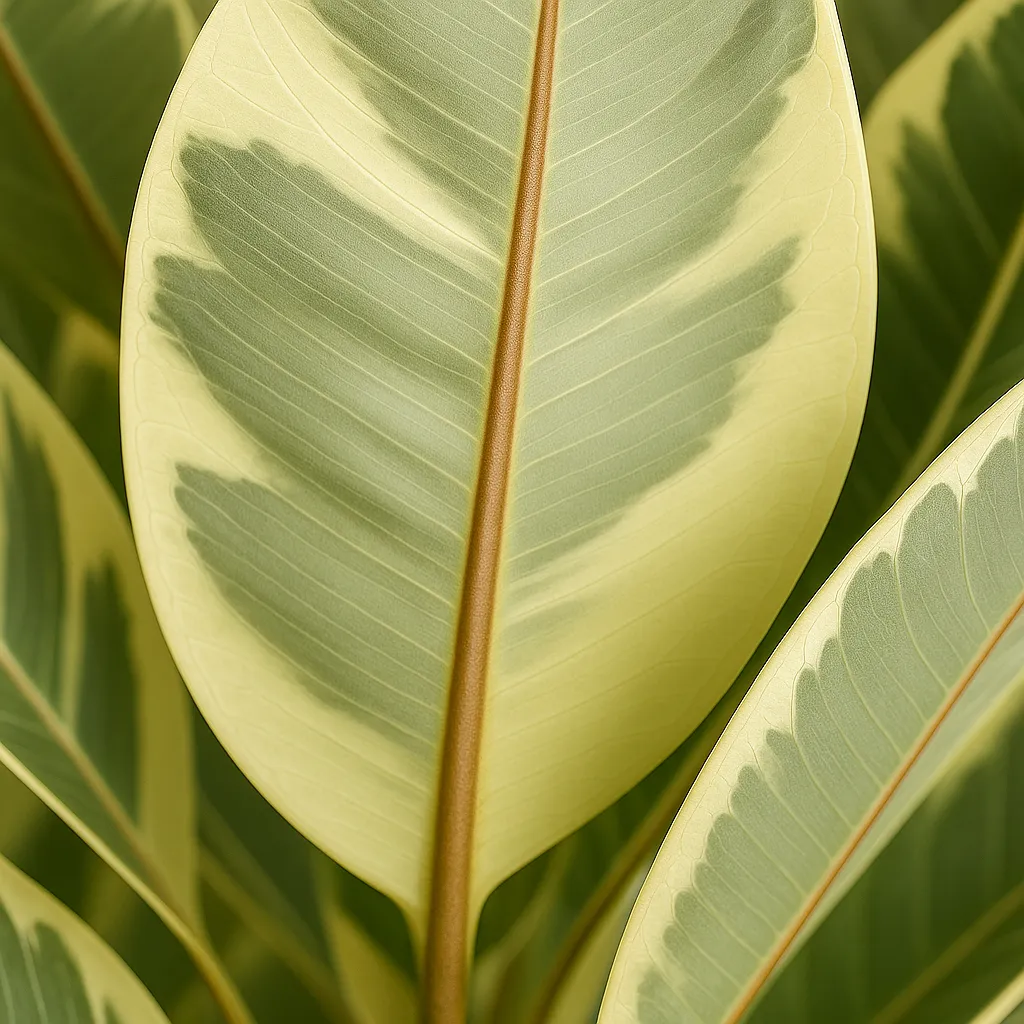
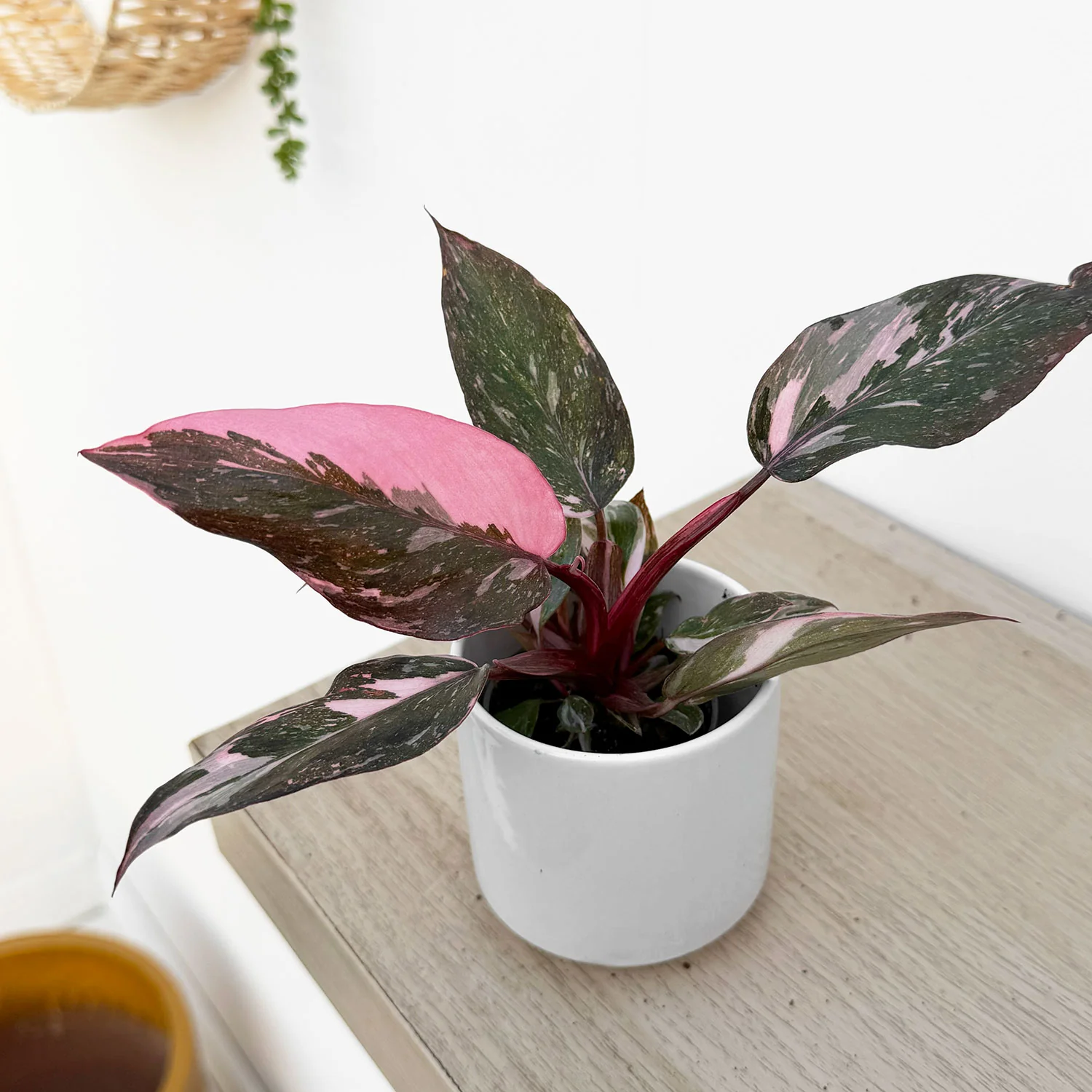
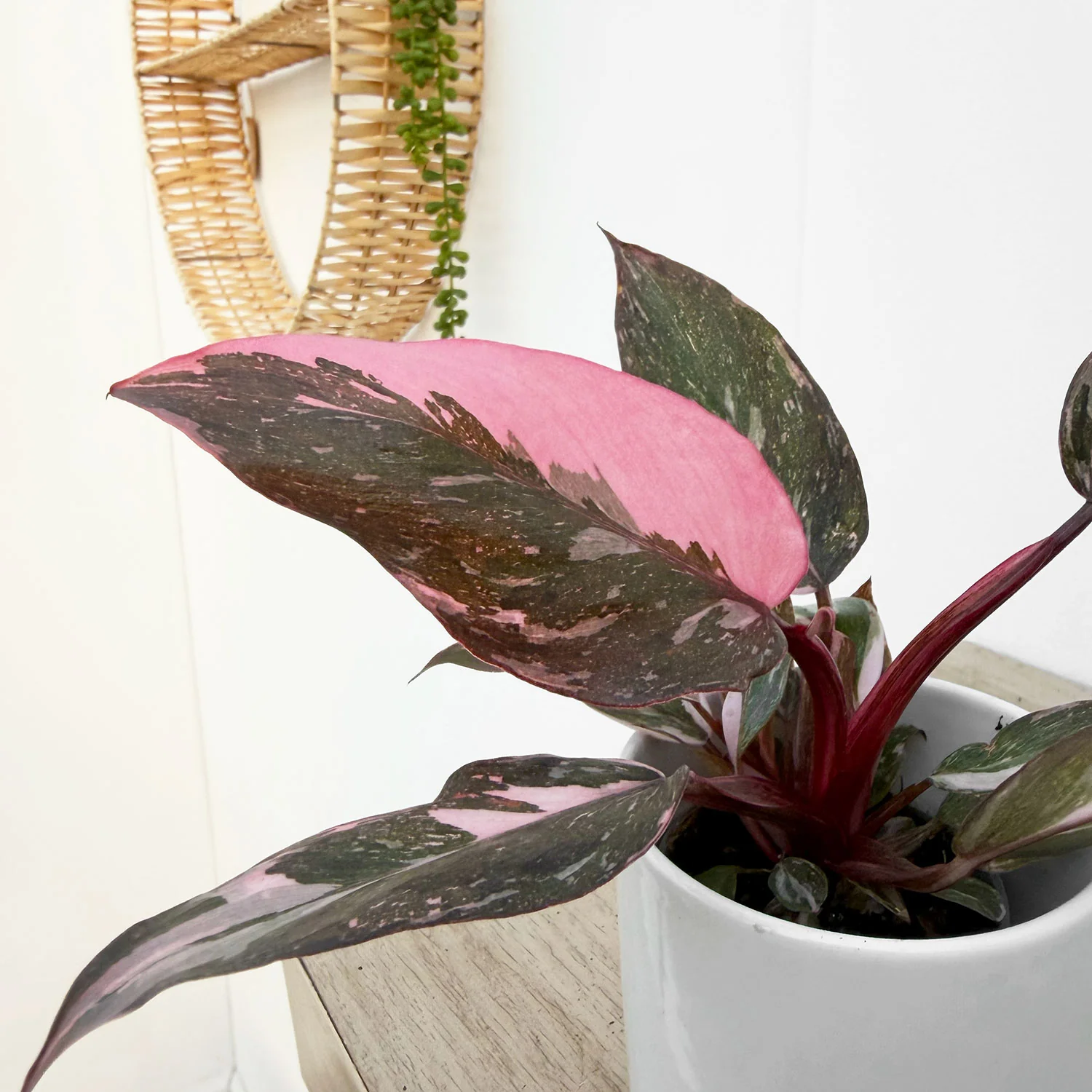
The ‘Albo Variegata’ form is especially sought after for its irregular splashes and marbling of creamy white and pale green across the foliage. New growth can emerge with particularly bright variegation, creating strong contrast against the plant’s deeper green stems and mature leaves.
Its lightweight, airy growth habit gives the plant a refined, almost bonsai-like appearance, making it ideal for collectors looking for something more unusual and textural within a houseplant collection. Under the right conditions, it grows relatively quickly and develops into a dense, elegant specimen.
Key Features
- Rare variegated foliage with creamy white marbling
- Delicate rows of small leaflets creating a soft, layered appearance
- Compact yet airy tropical growth habit
- Highly unusual collector’s plant
- Elegant, bonsai-like aesthetic when mature
Detailed Care Guide
Light Requirements
Bright light is essential for maintaining healthy growth and strong variegation.
- Ideal: Bright, indirect light
- Can tolerate gentle morning sun
- Avoid harsh midday sunlight, which may scorch variegated foliage
- Lower light can reduce variegation and lead to leggy growth
Best placement:
- East-facing windows
- Bright shelves with filtered light
- Grow cabinets or greenhouse-style setups
Watering
Phyllanthus urinaria ‘Albo Variegata’ prefers lightly moist soil with good drainage.
- Water when the top layer of soil begins to dry slightly
- Avoid letting the soil dry out completely for prolonged periods
- Reduce watering during cooler months
- Never leave standing in water
This species dislikes both prolonged dryness and waterlogged roots.
Humidity & Temperature
This tropical species thrives in warm, humid conditions.
- Ideal humidity: 60%+
- Temperature range: 18–28°C
- Protect from cold draughts and temperatures below 15°C
Higher humidity helps maintain healthy foliage and prevents crisping on variegated sections.
Soil & Potting Mix
A light, airy substrate is ideal.
Recommended mix:
- 50% houseplant compost or coco coir
- 30% perlite
- 20% orchid bark or fine horticultural bark
This helps retain moisture while maintaining airflow around the roots.
Feeding
Feed regularly but lightly during active growth.
- Use a balanced liquid fertiliser every 2–4 weeks in spring and summer
- Reduce feeding during autumn and winter
Avoid excessive fertiliser, which can damage delicate roots and variegated growth.
Growth Habit
- Upright, branching growth habit
- Fine stems produce rows of delicate foliage
- Can develop a miniature tree-like appearance over time
Pruning can encourage bushier growth and help maintain shape.
Repotting
- Repot every 1–2 years or when rootbound
- Use pots with drainage holes
- Avoid excessively large pots, which may retain too much moisture
Propagation
Propagation is usually carried out through stem cuttings.
- Take healthy stem sections during active growth
- Root in water, sphagnum moss, or lightly moist substrate
- Warmth and humidity improve success rates
Common Issues
1. Browning variegated sections
- Usually caused by low humidity or excessive direct sunlight
2. Yellowing leaves
- Often linked to overwatering or poor drainage
3. Leggy growth
- Caused by insufficient light
4. Leaf drop
- Environmental stress, cold temperatures, or inconsistent watering
Styling & Placement Ideas
- Ideal for plant cabinets, desks, or collector displays
- Works beautifully in minimalist interiors where foliage detail can stand out
- Pairs well with smaller rare tropical plants and terrarium-style species
- Excellent for decorative ceramic pots that complement its delicate structure
Toxicity
There is limited definitive toxicity information available for this cultivar, so it is best kept out of reach of pets and children as a precaution.
Original: $92.37
-70%$92.37
$27.71Product Information
Product Information
Shipping & Returns
Shipping & Returns
Description
Phyllanthus urinaria ‘Albo Variegata’ is a rare and visually unusual foliage plant prized for its delicate, finely layered leaves and striking white variegation. Unlike bold tropical houseplants with large leaves, this species offers a softer, more intricate appearance, producing elegant rows of tiny leaflets arranged along slender stems that resemble miniature tropical trees or sensitive plants.
The ‘Albo Variegata’ form is especially sought after for its irregular splashes and marbling of creamy white and pale green across the foliage. New growth can emerge with particularly bright variegation, creating strong contrast against the plant’s deeper green stems and mature leaves.
Its lightweight, airy growth habit gives the plant a refined, almost bonsai-like appearance, making it ideal for collectors looking for something more unusual and textural within a houseplant collection. Under the right conditions, it grows relatively quickly and develops into a dense, elegant specimen.
Key Features
- Rare variegated foliage with creamy white marbling
- Delicate rows of small leaflets creating a soft, layered appearance
- Compact yet airy tropical growth habit
- Highly unusual collector’s plant
- Elegant, bonsai-like aesthetic when mature
Detailed Care Guide
Light Requirements
Bright light is essential for maintaining healthy growth and strong variegation.
- Ideal: Bright, indirect light
- Can tolerate gentle morning sun
- Avoid harsh midday sunlight, which may scorch variegated foliage
- Lower light can reduce variegation and lead to leggy growth
Best placement:
- East-facing windows
- Bright shelves with filtered light
- Grow cabinets or greenhouse-style setups
Watering
Phyllanthus urinaria ‘Albo Variegata’ prefers lightly moist soil with good drainage.
- Water when the top layer of soil begins to dry slightly
- Avoid letting the soil dry out completely for prolonged periods
- Reduce watering during cooler months
- Never leave standing in water
This species dislikes both prolonged dryness and waterlogged roots.
Humidity & Temperature
This tropical species thrives in warm, humid conditions.
- Ideal humidity: 60%+
- Temperature range: 18–28°C
- Protect from cold draughts and temperatures below 15°C
Higher humidity helps maintain healthy foliage and prevents crisping on variegated sections.
Soil & Potting Mix
A light, airy substrate is ideal.
Recommended mix:
- 50% houseplant compost or coco coir
- 30% perlite
- 20% orchid bark or fine horticultural bark
This helps retain moisture while maintaining airflow around the roots.
Feeding
Feed regularly but lightly during active growth.
- Use a balanced liquid fertiliser every 2–4 weeks in spring and summer
- Reduce feeding during autumn and winter
Avoid excessive fertiliser, which can damage delicate roots and variegated growth.
Growth Habit
- Upright, branching growth habit
- Fine stems produce rows of delicate foliage
- Can develop a miniature tree-like appearance over time
Pruning can encourage bushier growth and help maintain shape.
Repotting
- Repot every 1–2 years or when rootbound
- Use pots with drainage holes
- Avoid excessively large pots, which may retain too much moisture
Propagation
Propagation is usually carried out through stem cuttings.
- Take healthy stem sections during active growth
- Root in water, sphagnum moss, or lightly moist substrate
- Warmth and humidity improve success rates
Common Issues
1. Browning variegated sections
- Usually caused by low humidity or excessive direct sunlight
2. Yellowing leaves
- Often linked to overwatering or poor drainage
3. Leggy growth
- Caused by insufficient light
4. Leaf drop
- Environmental stress, cold temperatures, or inconsistent watering
Styling & Placement Ideas
- Ideal for plant cabinets, desks, or collector displays
- Works beautifully in minimalist interiors where foliage detail can stand out
- Pairs well with smaller rare tropical plants and terrarium-style species
- Excellent for decorative ceramic pots that complement its delicate structure
Toxicity
There is limited definitive toxicity information available for this cultivar, so it is best kept out of reach of pets and children as a precaution.