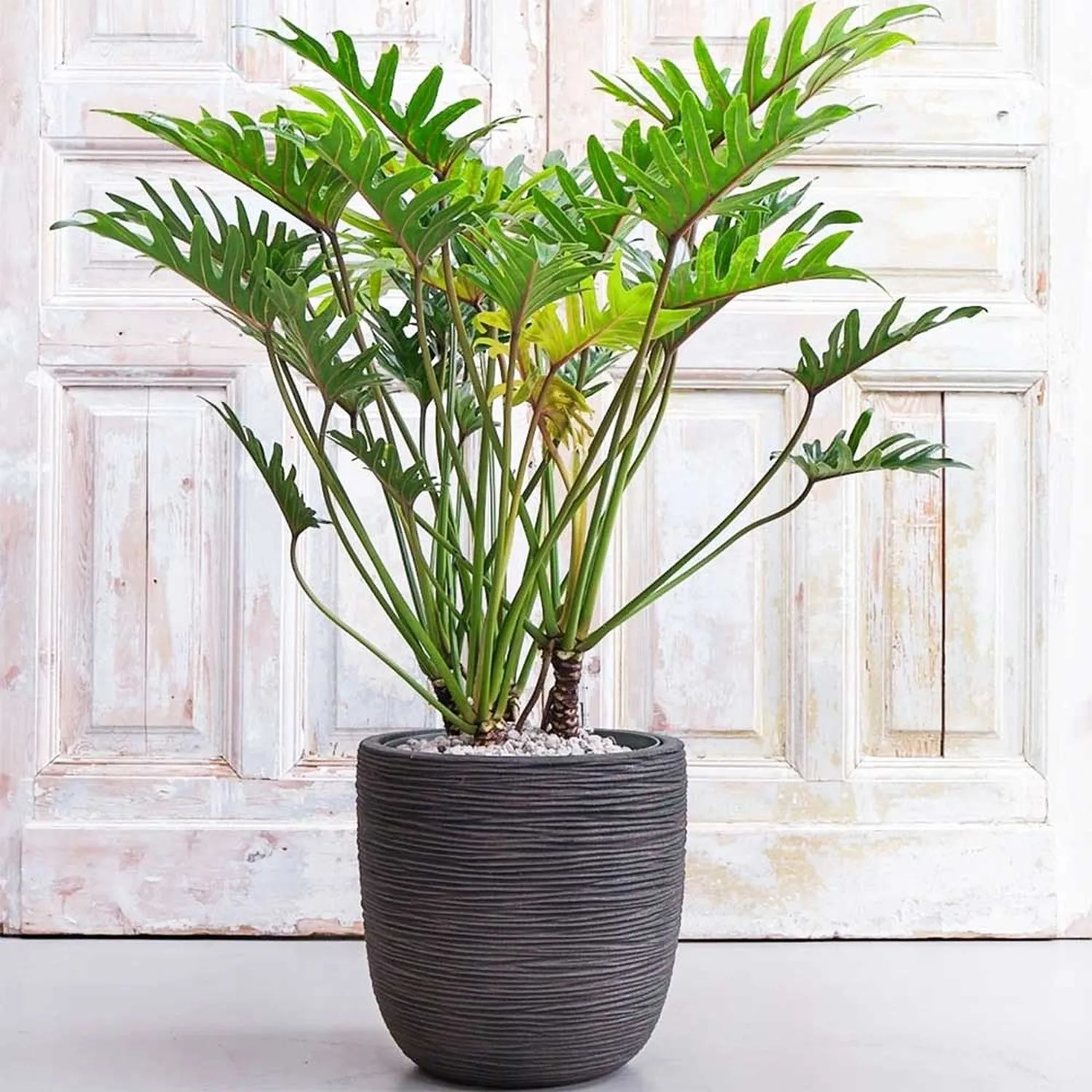
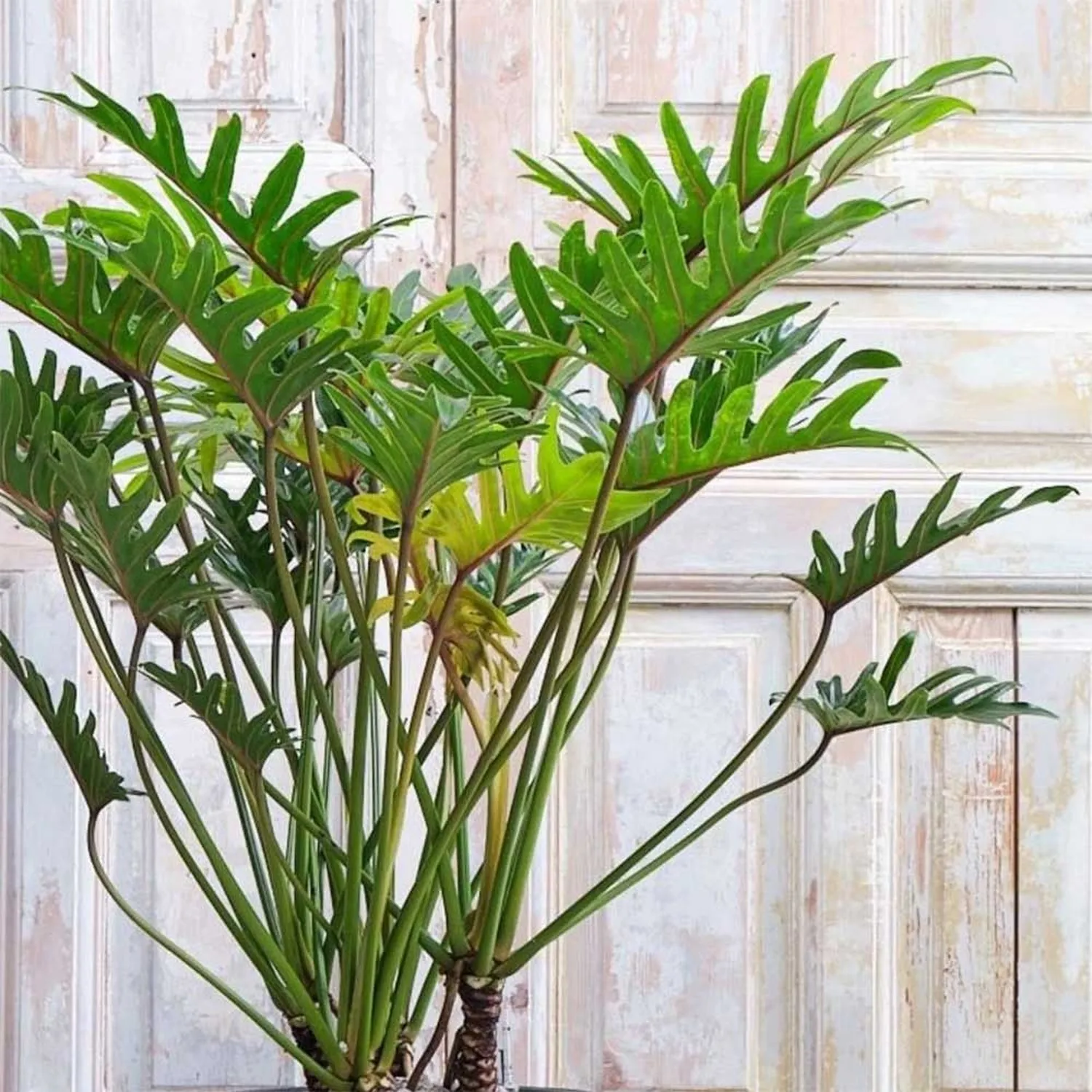
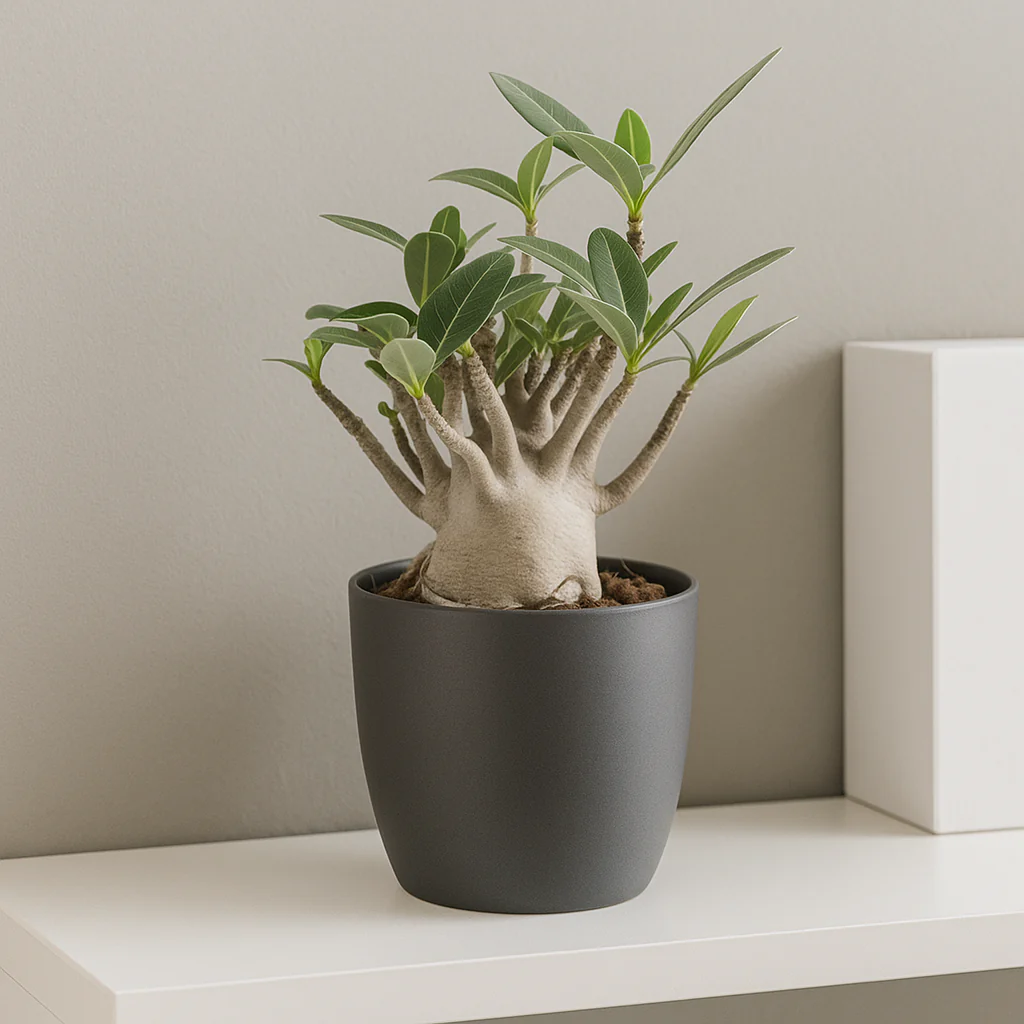
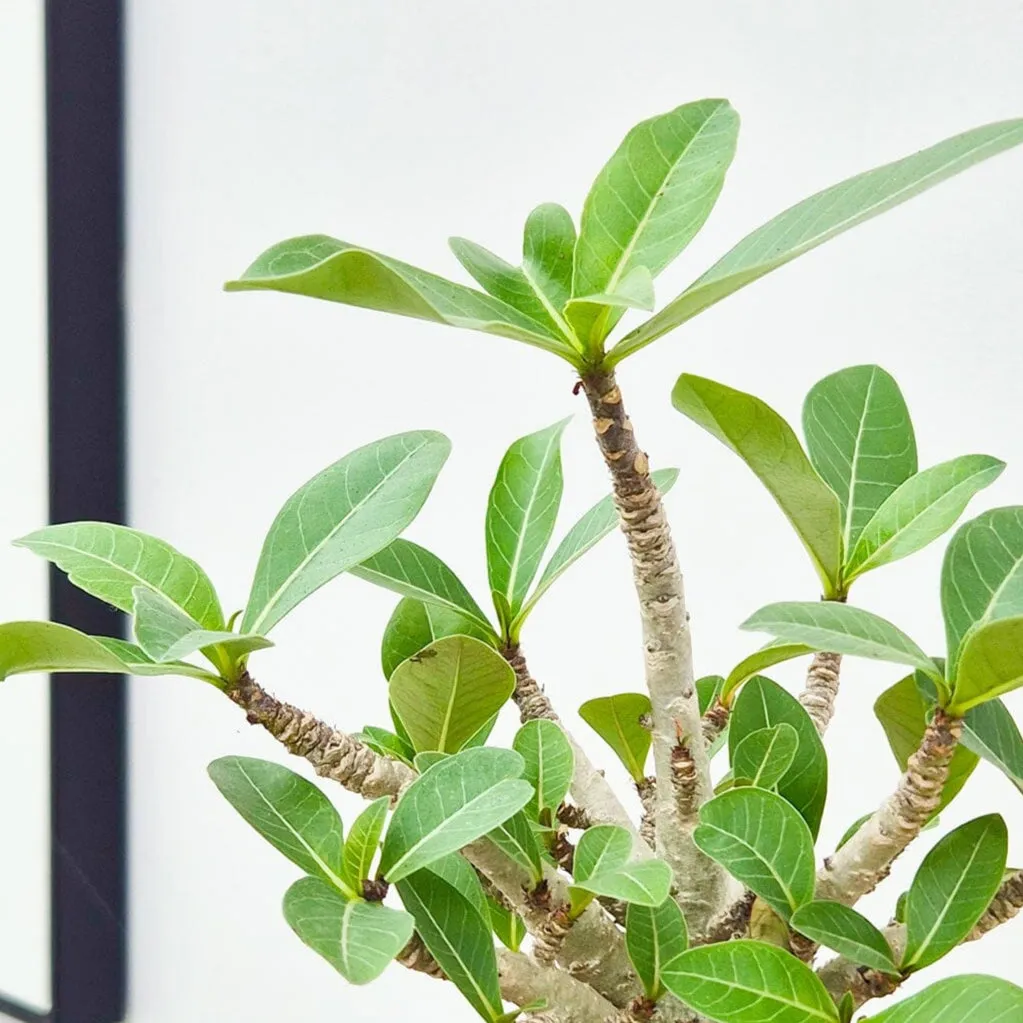
Rhaphidophora Puberula Variegata House Plant 6cm Pot
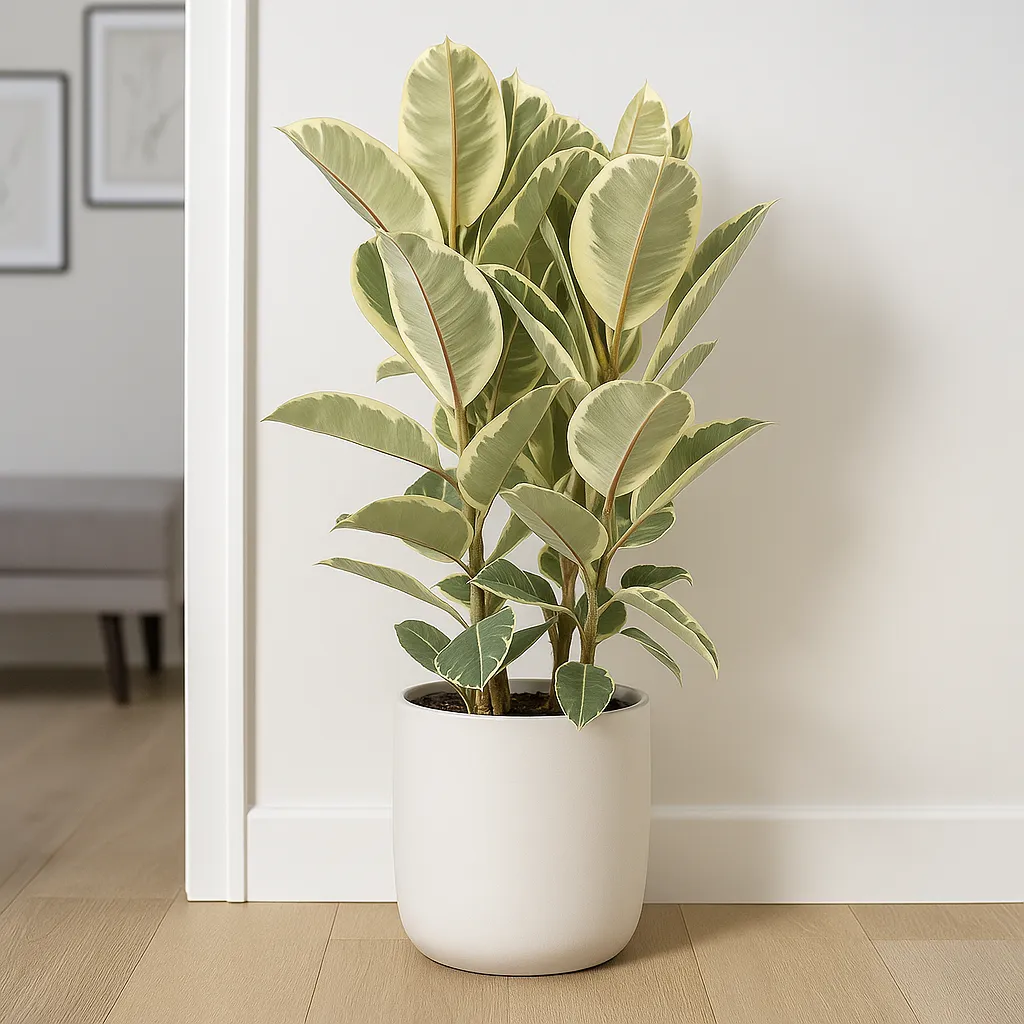
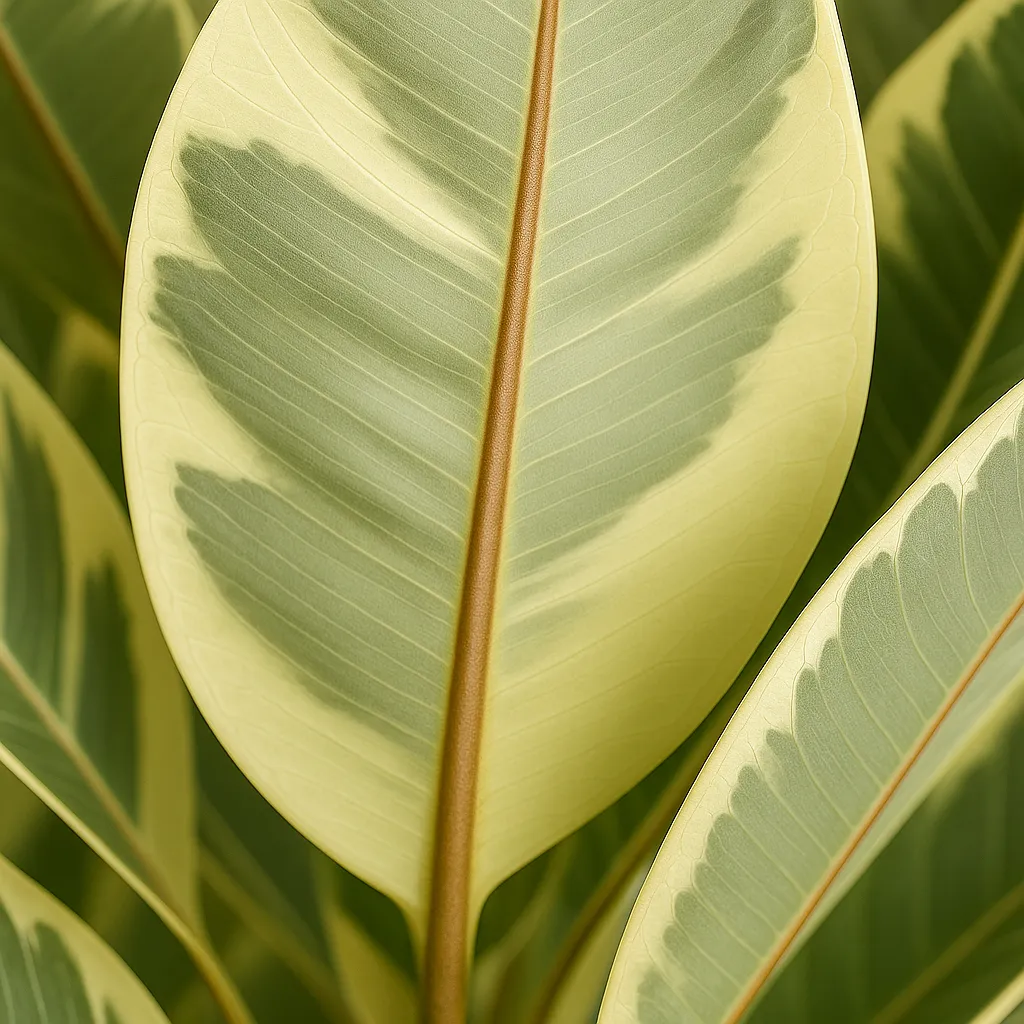
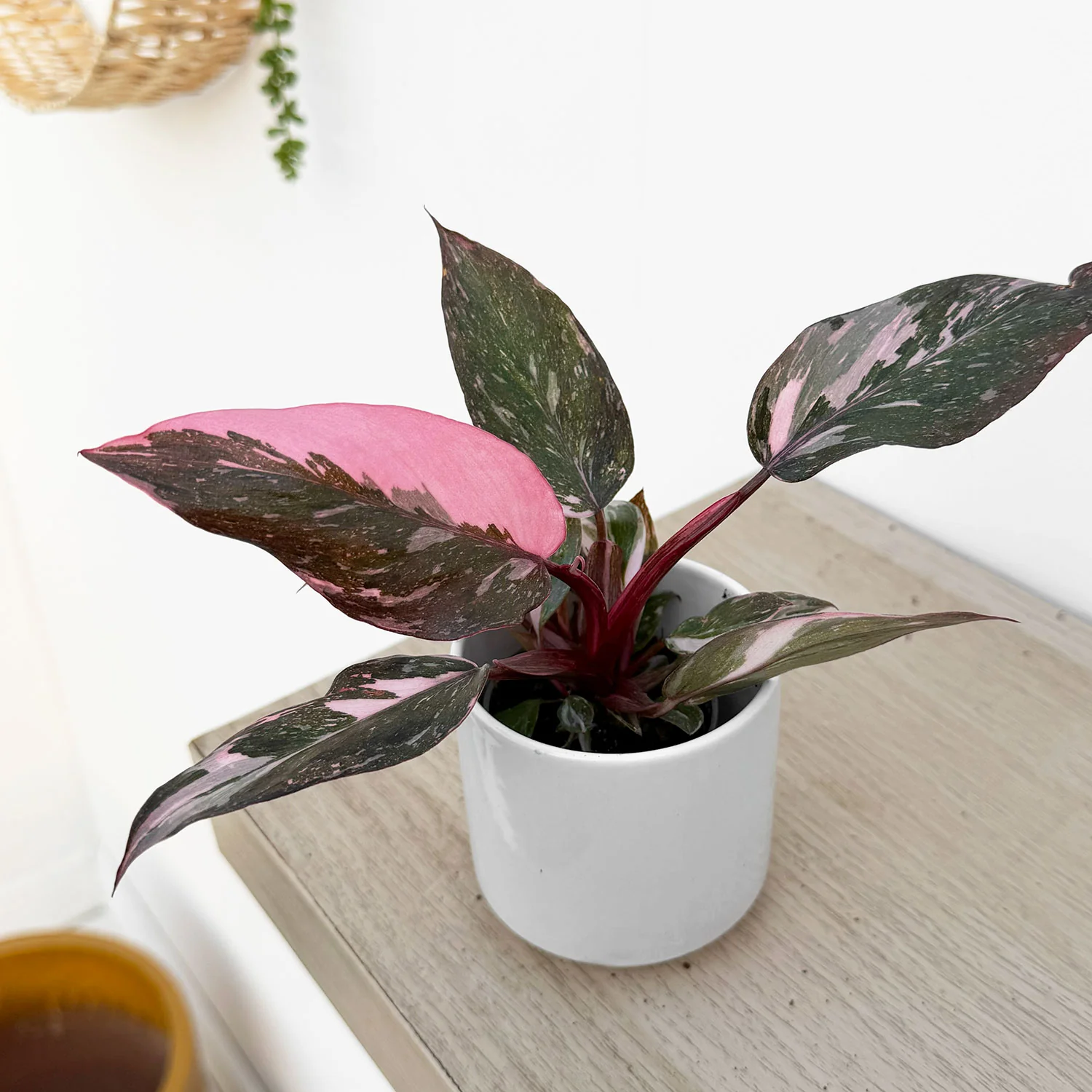
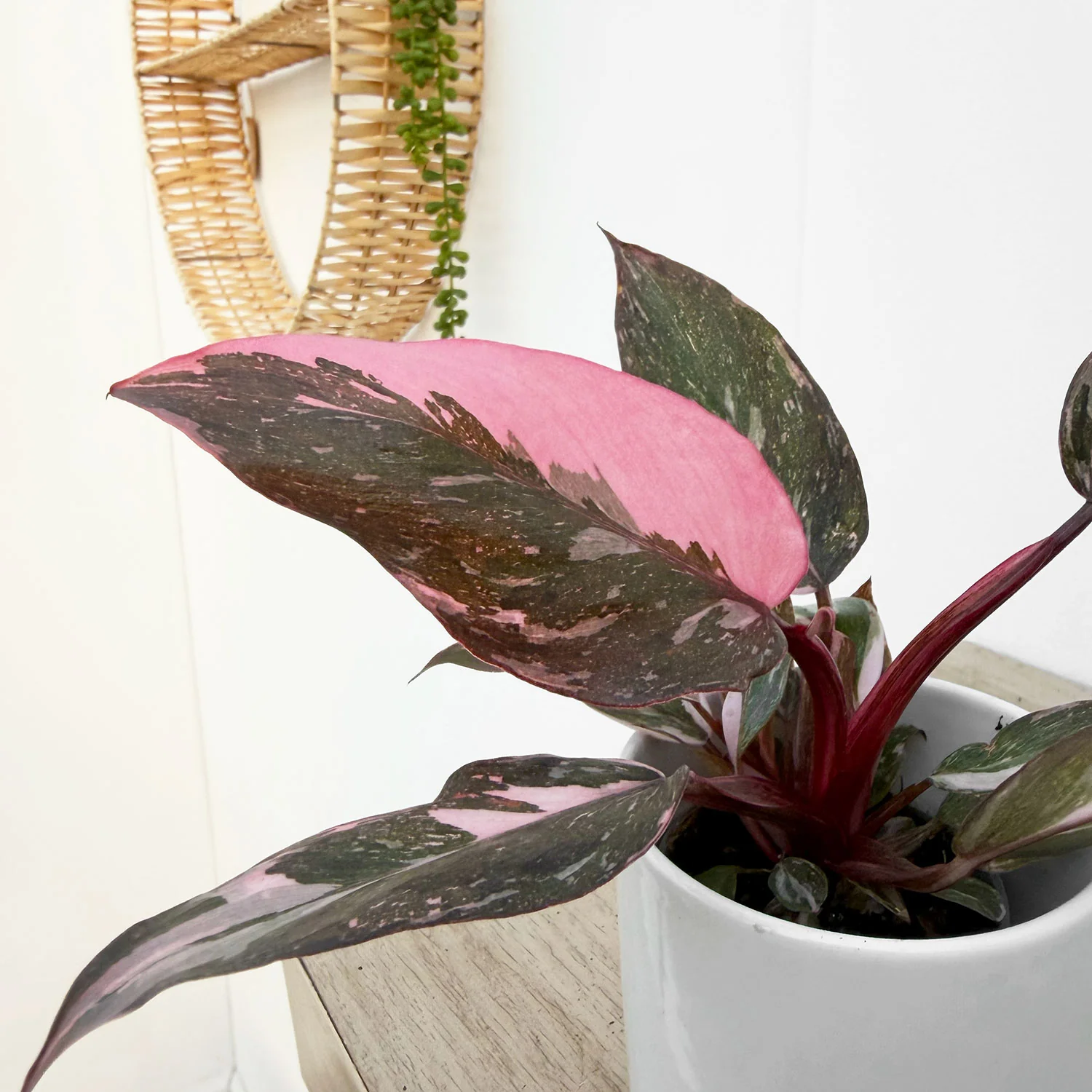
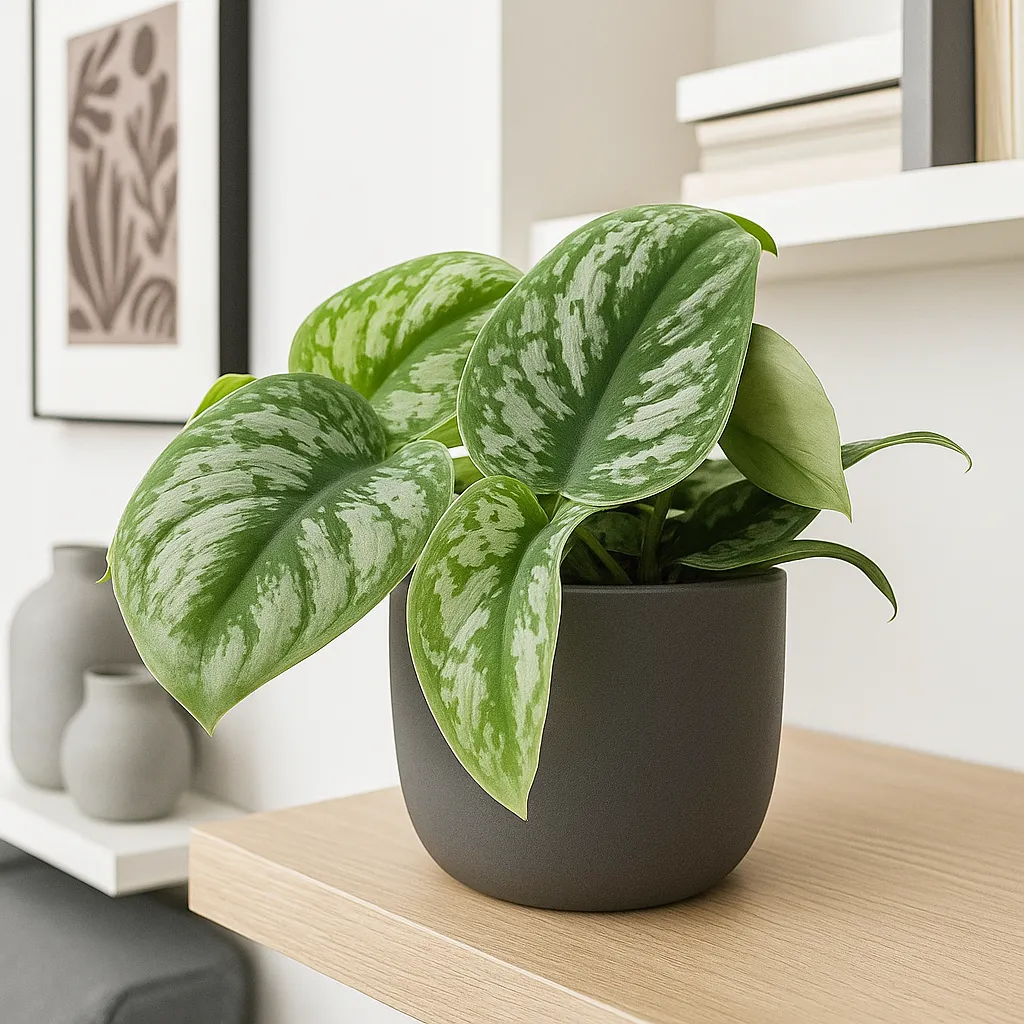
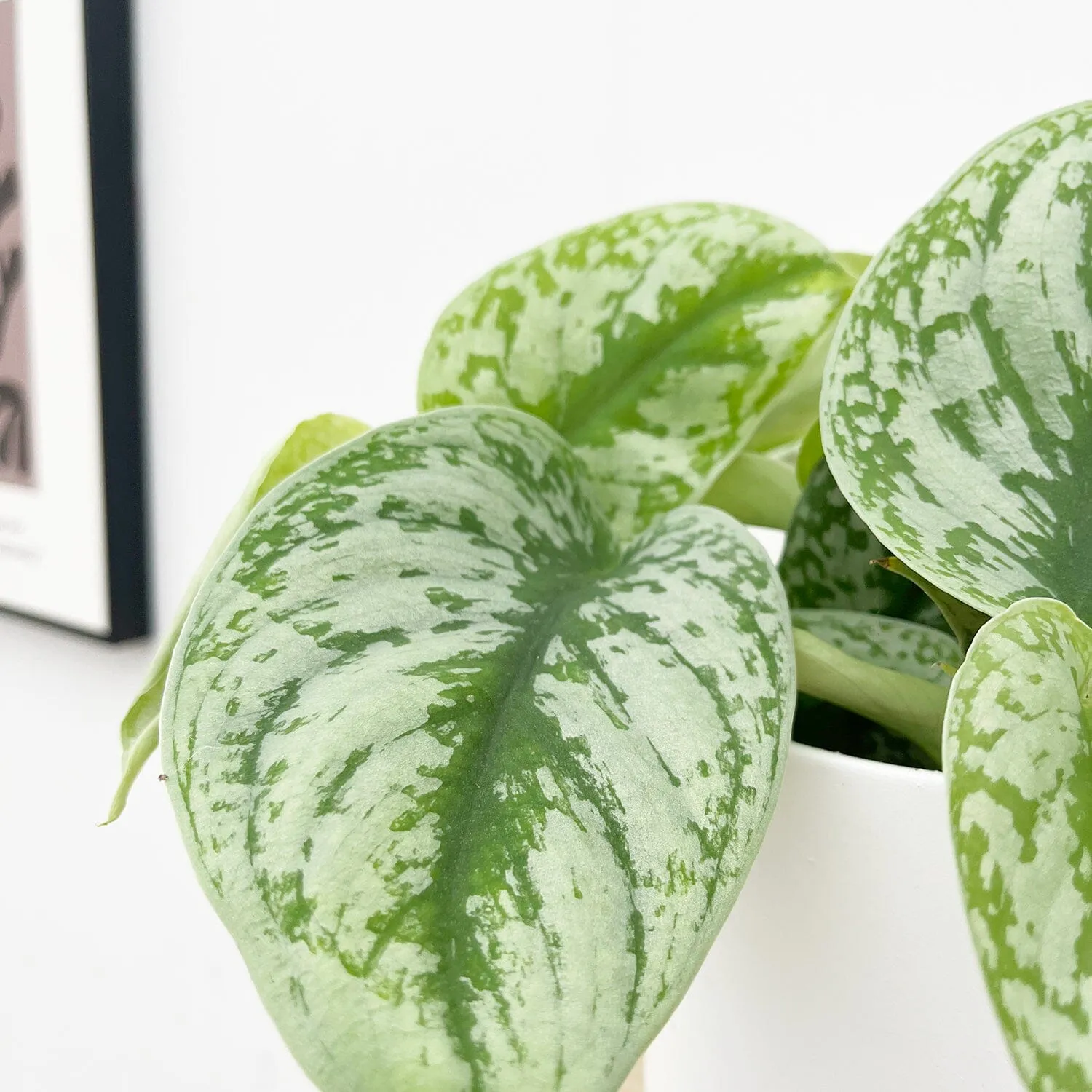
Rhaphidophora puberula ‘Variegata’ is a rare and highly desirable climbing aroid known for its elongated leaves splashed with creamy white and pale green variegation.
Belonging to the Rhaphidophora puberula species, this plant offers a more refined, elongated foliage shape compared to Rhaphidophora tetrasperma. The variegation can appear as marbling, sectoral blocks or delicate flecking, making each leaf unique.
Fast-growing in the right conditions and capable of producing impressive mature foliage when given support, it’s a standout plant for collectors who love structural climbers.
Key Features
-
🌿 Cream and green variegated foliage
-
🌿 Elongated, slightly glossy leaves
-
🌿 Climbing growth habit
-
🌿 Fast-growing in bright conditions
-
🌿 Rare collector’s aroid
Care Guide
Light
Bright, indirect light is essential.
-
East or west-facing windows are ideal
-
Avoid harsh direct sun (can scorch white areas)
-
Too little light may reduce variegation
Variegated plants require good light to maintain strong colour contrast.
Watering
Allow the top 3–5cm of soil to dry before watering.
-
Spring/Summer: Water when lightly dry
-
Autumn/Winter: Reduce frequency
Important:
-
Ensure excellent drainage
-
Avoid letting roots sit in water
Overwatering is the most common issue with variegated aroids.
Humidity
Prefers moderate to high humidity.
-
Ideal range: 60%+
-
Adapts to average UK homes
-
Benefits from increased humidity for larger leaves
Low humidity may cause browning on variegated sections.
Temperature
-
Ideal: 18–28°C
-
Avoid temperatures below 15°C
-
Protect from draughts
Consistent warmth encourages vigorous growth.
Soil & Potting Mix
Use a chunky, well-draining aroid mix:
-
Peat-free houseplant compost
-
Orchid bark
-
Perlite
-
Horticultural charcoal (optional)
Good aeration supports strong root systems.
Feeding
Feed during active growth (March–September):
-
Balanced liquid fertiliser every 2–4 weeks
-
Reduce feeding in winter
Avoid heavy feeding to prevent salt build-up.
Growth Habit
-
Vigorous climber
-
Produces aerial roots
-
Leaves become larger and more dramatic with support
Providing a moss pole encourages mature growth and fuller foliage.
Propagation
Easy to propagate via stem cuttings:
-
Cut below a node
-
Root in water, moss or soil
-
Keep warm and bright
Roots usually form within 2–3 weeks.
Common Problems
Loss of variegation
-
Insufficient light
Yellow leaves
-
Overwatering
Brown patches on white areas
-
Sun scorch or low humidity
Leggy growth
-
Low light
Prune reverted green growth if maintaining variegation.
Styling Ideas
-
Train up a moss pole for a statement look
-
Ideal for bright living rooms
-
Pairs beautifully with darker foliage plants
-
Looks stunning in minimalist or neutral pots
Its elegant variegation makes it a strong feature in any climbing plant collection.
Toxicity
Like other aroids, it is toxic if ingested by pets or humans. Keep out of reach of cats and dogs.
Original: $10.55
-70%$10.55
$3.17Product Information
Product Information
Shipping & Returns
Shipping & Returns
Description
Rhaphidophora puberula ‘Variegata’ is a rare and highly desirable climbing aroid known for its elongated leaves splashed with creamy white and pale green variegation.
Belonging to the Rhaphidophora puberula species, this plant offers a more refined, elongated foliage shape compared to Rhaphidophora tetrasperma. The variegation can appear as marbling, sectoral blocks or delicate flecking, making each leaf unique.
Fast-growing in the right conditions and capable of producing impressive mature foliage when given support, it’s a standout plant for collectors who love structural climbers.
Key Features
-
🌿 Cream and green variegated foliage
-
🌿 Elongated, slightly glossy leaves
-
🌿 Climbing growth habit
-
🌿 Fast-growing in bright conditions
-
🌿 Rare collector’s aroid
Care Guide
Light
Bright, indirect light is essential.
-
East or west-facing windows are ideal
-
Avoid harsh direct sun (can scorch white areas)
-
Too little light may reduce variegation
Variegated plants require good light to maintain strong colour contrast.
Watering
Allow the top 3–5cm of soil to dry before watering.
-
Spring/Summer: Water when lightly dry
-
Autumn/Winter: Reduce frequency
Important:
-
Ensure excellent drainage
-
Avoid letting roots sit in water
Overwatering is the most common issue with variegated aroids.
Humidity
Prefers moderate to high humidity.
-
Ideal range: 60%+
-
Adapts to average UK homes
-
Benefits from increased humidity for larger leaves
Low humidity may cause browning on variegated sections.
Temperature
-
Ideal: 18–28°C
-
Avoid temperatures below 15°C
-
Protect from draughts
Consistent warmth encourages vigorous growth.
Soil & Potting Mix
Use a chunky, well-draining aroid mix:
-
Peat-free houseplant compost
-
Orchid bark
-
Perlite
-
Horticultural charcoal (optional)
Good aeration supports strong root systems.
Feeding
Feed during active growth (March–September):
-
Balanced liquid fertiliser every 2–4 weeks
-
Reduce feeding in winter
Avoid heavy feeding to prevent salt build-up.
Growth Habit
-
Vigorous climber
-
Produces aerial roots
-
Leaves become larger and more dramatic with support
Providing a moss pole encourages mature growth and fuller foliage.
Propagation
Easy to propagate via stem cuttings:
-
Cut below a node
-
Root in water, moss or soil
-
Keep warm and bright
Roots usually form within 2–3 weeks.
Common Problems
Loss of variegation
-
Insufficient light
Yellow leaves
-
Overwatering
Brown patches on white areas
-
Sun scorch or low humidity
Leggy growth
-
Low light
Prune reverted green growth if maintaining variegation.
Styling Ideas
-
Train up a moss pole for a statement look
-
Ideal for bright living rooms
-
Pairs beautifully with darker foliage plants
-
Looks stunning in minimalist or neutral pots
Its elegant variegation makes it a strong feature in any climbing plant collection.
Toxicity
Like other aroids, it is toxic if ingested by pets or humans. Keep out of reach of cats and dogs.