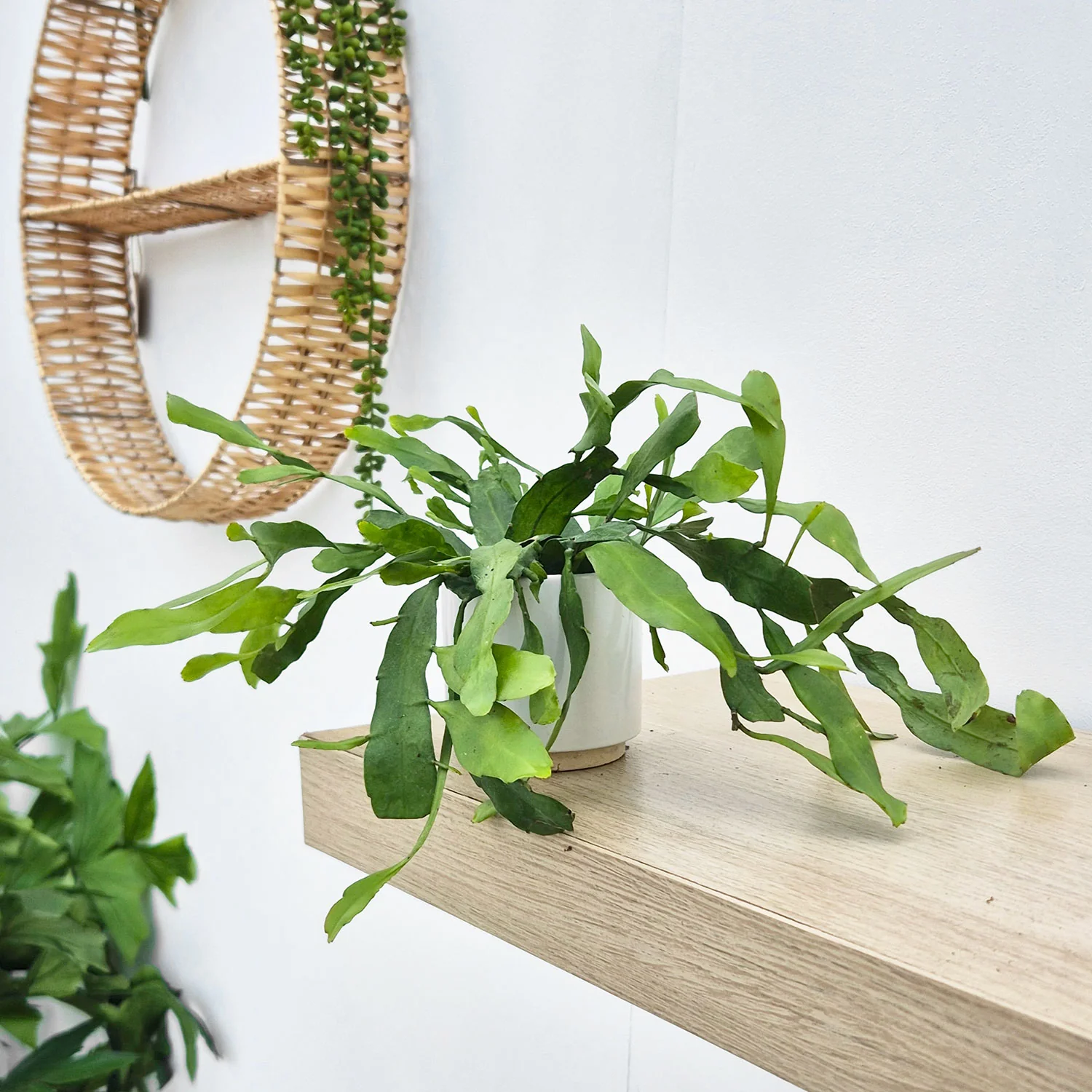
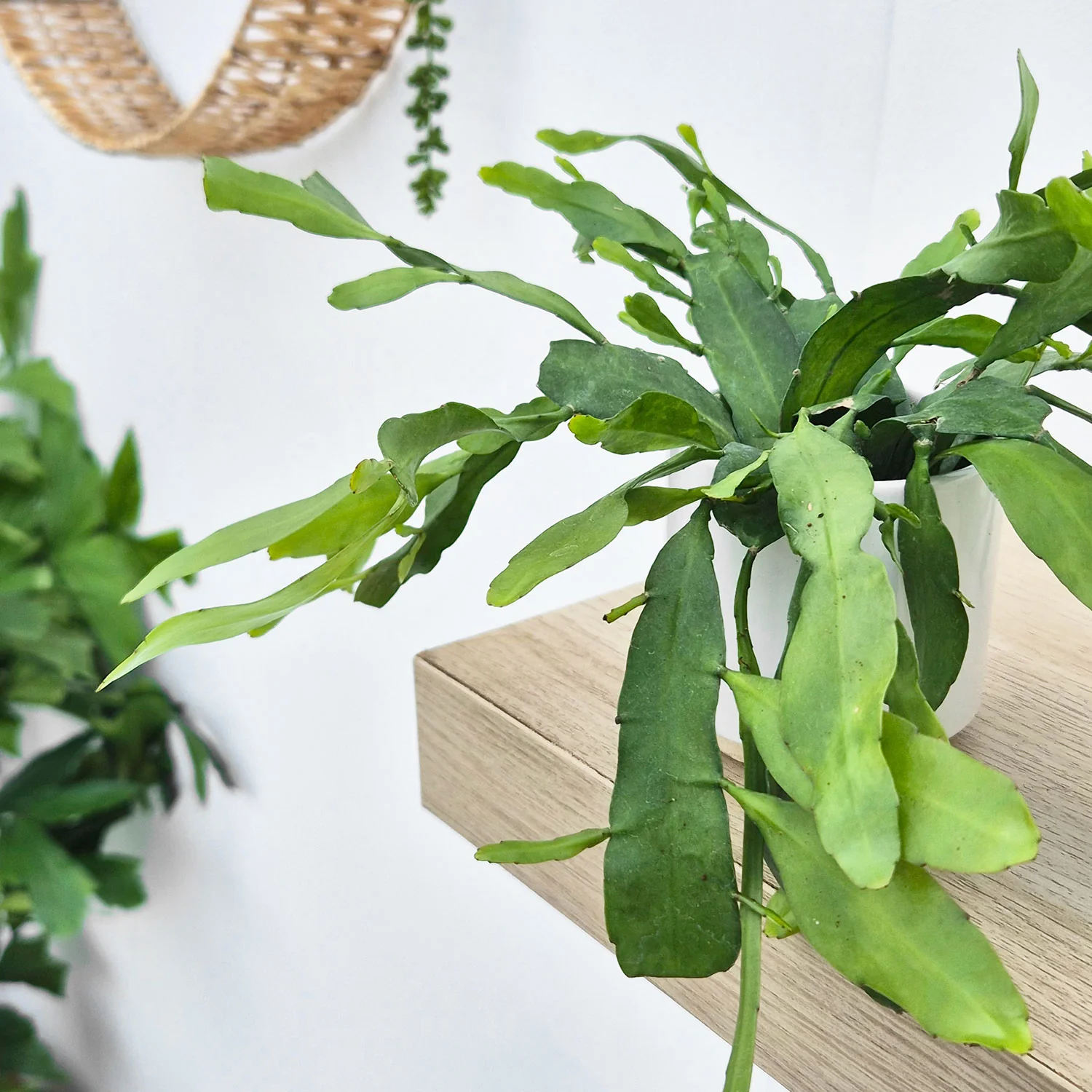
Rhipsalis Crispata House Plant 6cm Pot
Rhipsalis crispata Care Guide
Rhipsalis crispata
Rhipsalis crispata is a unique and elegant epiphytic cactus admired for its cascading growth habit and distinctive wavy stems. Native to the tropical rainforests of Brazil, this unusual species grows naturally on trees where it enjoys filtered light, warm temperatures, and regular moisture. Unlike desert cacti, Rhipsalis crispata thrives in conditions more similar to those enjoyed by many tropical houseplants.
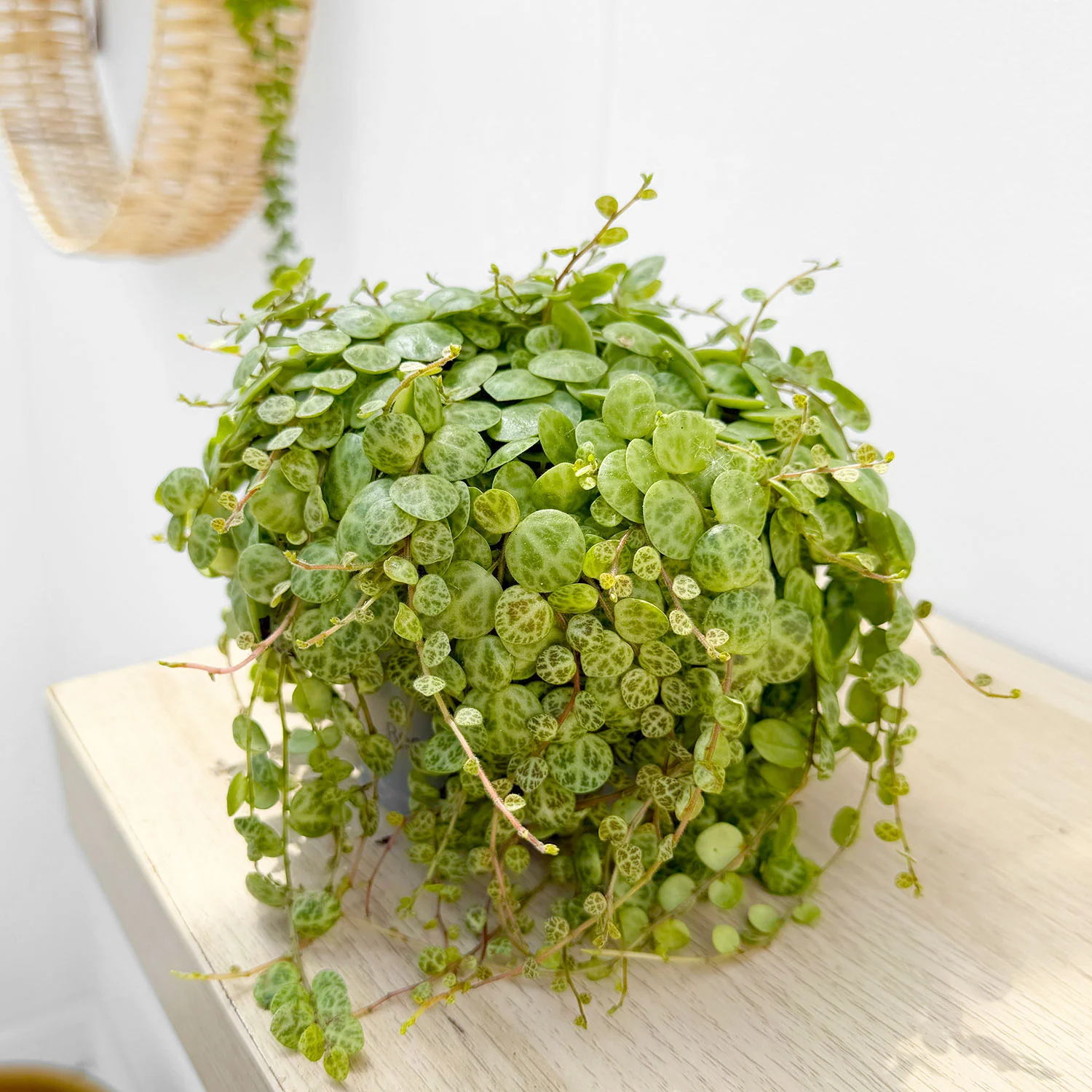
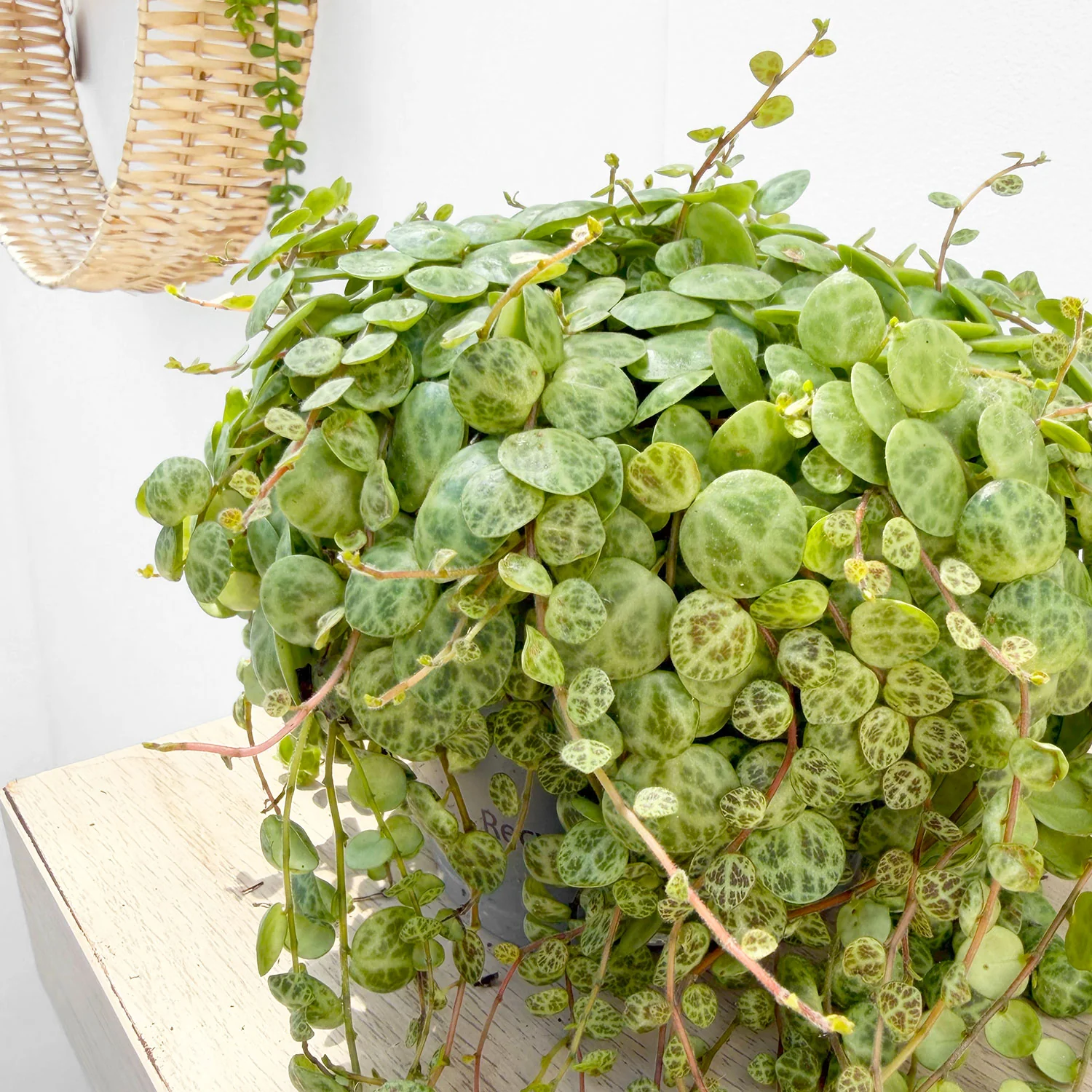
Its flattened, ruffled stems create a soft, flowing appearance that makes it particularly attractive in hanging baskets, elevated planters, and indoor plant displays. As the plant matures, it develops long trailing stems that form a lush waterfall of foliage, adding texture and movement to any space.
Easy to care for and highly decorative, Rhipsalis crispata is an excellent choice for both beginners and collectors looking for something a little different.
Plant Information
-
Botanical Name: Rhipsalis crispata
-
Common Name: Wavy Mistletoe Cactus
-
Family: Cactaceae
-
Origin: Brazil
-
Growth Habit: Trailing epiphytic cactus
-
Difficulty: Easy
-
Pet Safe: Generally considered non-toxic to cats and dogs.
Light Requirements
Rhipsalis crispata prefers bright, indirect light and adapts well to indoor conditions.
Ideal conditions:
-
Bright indirect light
-
East-facing windows
-
Filtered light near south or west-facing windows
-
Bright offices and conservatories
Tolerates:
-
Moderate light conditions
Avoid:
-
Intense direct afternoon sun
-
Deep shade
-
Very dark rooms
Too much direct sunlight can scorch the stems, while low light may result in slower growth.
Watering
Unlike traditional desert cacti, Rhipsalis crispata enjoys regular watering.
Water when:
-
The top 2–5 cm of compost feels dry
-
The pot feels lighter when lifted
During spring and summer:
-
Water thoroughly
-
Allow excess water to drain away
During winter:
-
Reduce watering slightly
-
Allow the compost to dry a little more between waterings
Avoid:
-
Waterlogged compost
-
Standing water
-
Prolonged periods of complete dryness
Humidity
As a rainforest cactus, Rhipsalis crispata appreciates moderate humidity.
Ideal humidity:
-
50–70%
For best growth:
-
Group with other houseplants
-
Use a humidifier if necessary
-
Place in naturally humid rooms
It adapts well to normal household humidity but benefits from slightly elevated levels.
Temperature
Warm temperatures promote healthy growth throughout the year.
Ideal range:
-
18°C – 28°C
Minimum temperature:
-
10°C
Avoid:
-
Frost
-
Cold draughts
-
Sudden temperature changes
Stable temperatures encourage vigorous growth and healthy stems.
Soil and Potting Mix
A light, airy mix that reflects its epiphytic nature is ideal.
Recommended mix:
-
Peat-free houseplant compost
-
Orchid bark
-
Perlite or pumice
-
Coco coir
The roots enjoy moisture but require excellent drainage and airflow.
Feeding
Feed during the active growing season.
Recommended:
-
Balanced liquid houseplant fertiliser
-
Every 2–4 weeks during spring and summer
Reduce feeding during autumn and winter.
Growth and Size
Rhipsalis crispata develops a graceful trailing habit as it matures.
Mature characteristics:
-
Flattened wavy stems
-
Cascading growth habit
-
Dense trailing foliage
-
Elegant architectural form
Typical indoor size:
-
Trail length: 50–150 cm+
-
Spread: 40–80 cm
Mature plants become increasingly impressive as the stems lengthen and branch.
Flowering
Mature plants may produce small flowers followed by ornamental berries.
Flower characteristics:
-
Small white blooms
-
Delicate appearance
-
Produced along the stems
Followed by:
-
Small white or translucent berries
-
Additional ornamental interest
Flowering is usually more common on mature specimens grown in bright conditions.
Common Problems
Yellowing Stems
Usually caused by overwatering or poor drainage.
Shrivelled Stems
Often indicate underwatering.
Sparse Growth
Typically caused by insufficient light.
Root Rot
Usually linked to waterlogged compost.
Stem Damage
Can occur if the plant is exposed to prolonged direct sunlight.
Repotting
Repot every 2–3 years or when roots begin filling the container.
Best time:
-
Spring
Choose a pot only slightly larger than the current one, as Rhipsalis generally prefers being slightly root-bound.
Propagation
Rhipsalis crispata is very easy to propagate.
Methods:
-
Stem cuttings
-
Direct rooting into compost
-
Water propagation
Allow cuttings to dry for a day before planting to reduce the risk of rot.
Styling and Display
The flowing growth habit makes this one of the most versatile trailing houseplants.
Perfect for:
-
Hanging baskets
-
High shelves
-
Conservatories
-
Indoor jungles
-
Macramé plant hangers
Its unusual wavy stems add texture and softness to any plant collection.
Why Collectors Love Rhipsalis crispata
Rhipsalis crispata offers a unique alternative to traditional trailing houseplants. Its elegant cascading stems, easy-care nature, and tropical origins make it a fascinating addition to any collection. Whether displayed in a hanging basket or allowed to spill gracefully from a shelf, this beautiful mistletoe cactus brings movement, texture, and year-round greenery to indoor spaces.
Original: $10.55
-70%$10.55
$3.17Product Information
Product Information
Shipping & Returns
Shipping & Returns
Description
Rhipsalis crispata Care Guide
Rhipsalis crispata
Rhipsalis crispata is a unique and elegant epiphytic cactus admired for its cascading growth habit and distinctive wavy stems. Native to the tropical rainforests of Brazil, this unusual species grows naturally on trees where it enjoys filtered light, warm temperatures, and regular moisture. Unlike desert cacti, Rhipsalis crispata thrives in conditions more similar to those enjoyed by many tropical houseplants.
Its flattened, ruffled stems create a soft, flowing appearance that makes it particularly attractive in hanging baskets, elevated planters, and indoor plant displays. As the plant matures, it develops long trailing stems that form a lush waterfall of foliage, adding texture and movement to any space.
Easy to care for and highly decorative, Rhipsalis crispata is an excellent choice for both beginners and collectors looking for something a little different.
Plant Information
-
Botanical Name: Rhipsalis crispata
-
Common Name: Wavy Mistletoe Cactus
-
Family: Cactaceae
-
Origin: Brazil
-
Growth Habit: Trailing epiphytic cactus
-
Difficulty: Easy
-
Pet Safe: Generally considered non-toxic to cats and dogs.
Light Requirements
Rhipsalis crispata prefers bright, indirect light and adapts well to indoor conditions.
Ideal conditions:
-
Bright indirect light
-
East-facing windows
-
Filtered light near south or west-facing windows
-
Bright offices and conservatories
Tolerates:
-
Moderate light conditions
Avoid:
-
Intense direct afternoon sun
-
Deep shade
-
Very dark rooms
Too much direct sunlight can scorch the stems, while low light may result in slower growth.
Watering
Unlike traditional desert cacti, Rhipsalis crispata enjoys regular watering.
Water when:
-
The top 2–5 cm of compost feels dry
-
The pot feels lighter when lifted
During spring and summer:
-
Water thoroughly
-
Allow excess water to drain away
During winter:
-
Reduce watering slightly
-
Allow the compost to dry a little more between waterings
Avoid:
-
Waterlogged compost
-
Standing water
-
Prolonged periods of complete dryness
Humidity
As a rainforest cactus, Rhipsalis crispata appreciates moderate humidity.
Ideal humidity:
-
50–70%
For best growth:
-
Group with other houseplants
-
Use a humidifier if necessary
-
Place in naturally humid rooms
It adapts well to normal household humidity but benefits from slightly elevated levels.
Temperature
Warm temperatures promote healthy growth throughout the year.
Ideal range:
-
18°C – 28°C
Minimum temperature:
-
10°C
Avoid:
-
Frost
-
Cold draughts
-
Sudden temperature changes
Stable temperatures encourage vigorous growth and healthy stems.
Soil and Potting Mix
A light, airy mix that reflects its epiphytic nature is ideal.
Recommended mix:
-
Peat-free houseplant compost
-
Orchid bark
-
Perlite or pumice
-
Coco coir
The roots enjoy moisture but require excellent drainage and airflow.
Feeding
Feed during the active growing season.
Recommended:
-
Balanced liquid houseplant fertiliser
-
Every 2–4 weeks during spring and summer
Reduce feeding during autumn and winter.
Growth and Size
Rhipsalis crispata develops a graceful trailing habit as it matures.
Mature characteristics:
-
Flattened wavy stems
-
Cascading growth habit
-
Dense trailing foliage
-
Elegant architectural form
Typical indoor size:
-
Trail length: 50–150 cm+
-
Spread: 40–80 cm
Mature plants become increasingly impressive as the stems lengthen and branch.
Flowering
Mature plants may produce small flowers followed by ornamental berries.
Flower characteristics:
-
Small white blooms
-
Delicate appearance
-
Produced along the stems
Followed by:
-
Small white or translucent berries
-
Additional ornamental interest
Flowering is usually more common on mature specimens grown in bright conditions.
Common Problems
Yellowing Stems
Usually caused by overwatering or poor drainage.
Shrivelled Stems
Often indicate underwatering.
Sparse Growth
Typically caused by insufficient light.
Root Rot
Usually linked to waterlogged compost.
Stem Damage
Can occur if the plant is exposed to prolonged direct sunlight.
Repotting
Repot every 2–3 years or when roots begin filling the container.
Best time:
-
Spring
Choose a pot only slightly larger than the current one, as Rhipsalis generally prefers being slightly root-bound.
Propagation
Rhipsalis crispata is very easy to propagate.
Methods:
-
Stem cuttings
-
Direct rooting into compost
-
Water propagation
Allow cuttings to dry for a day before planting to reduce the risk of rot.
Styling and Display
The flowing growth habit makes this one of the most versatile trailing houseplants.
Perfect for:
-
Hanging baskets
-
High shelves
-
Conservatories
-
Indoor jungles
-
Macramé plant hangers
Its unusual wavy stems add texture and softness to any plant collection.
Why Collectors Love Rhipsalis crispata
Rhipsalis crispata offers a unique alternative to traditional trailing houseplants. Its elegant cascading stems, easy-care nature, and tropical origins make it a fascinating addition to any collection. Whether displayed in a hanging basket or allowed to spill gracefully from a shelf, this beautiful mistletoe cactus brings movement, texture, and year-round greenery to indoor spaces.