Sansevieria Laurentii Snake House Plant
Sansevieria ‘Laurentii’, widely known as the Variegated Snake Plant or Mother-in-Law’s Tongue, is one of the most iconic and enduring indoor plants. Native to West Africa and belonging to the Asparagaceae family, it has been cherished for generations for its upright form, striking foliage, and near-indestructible nature.
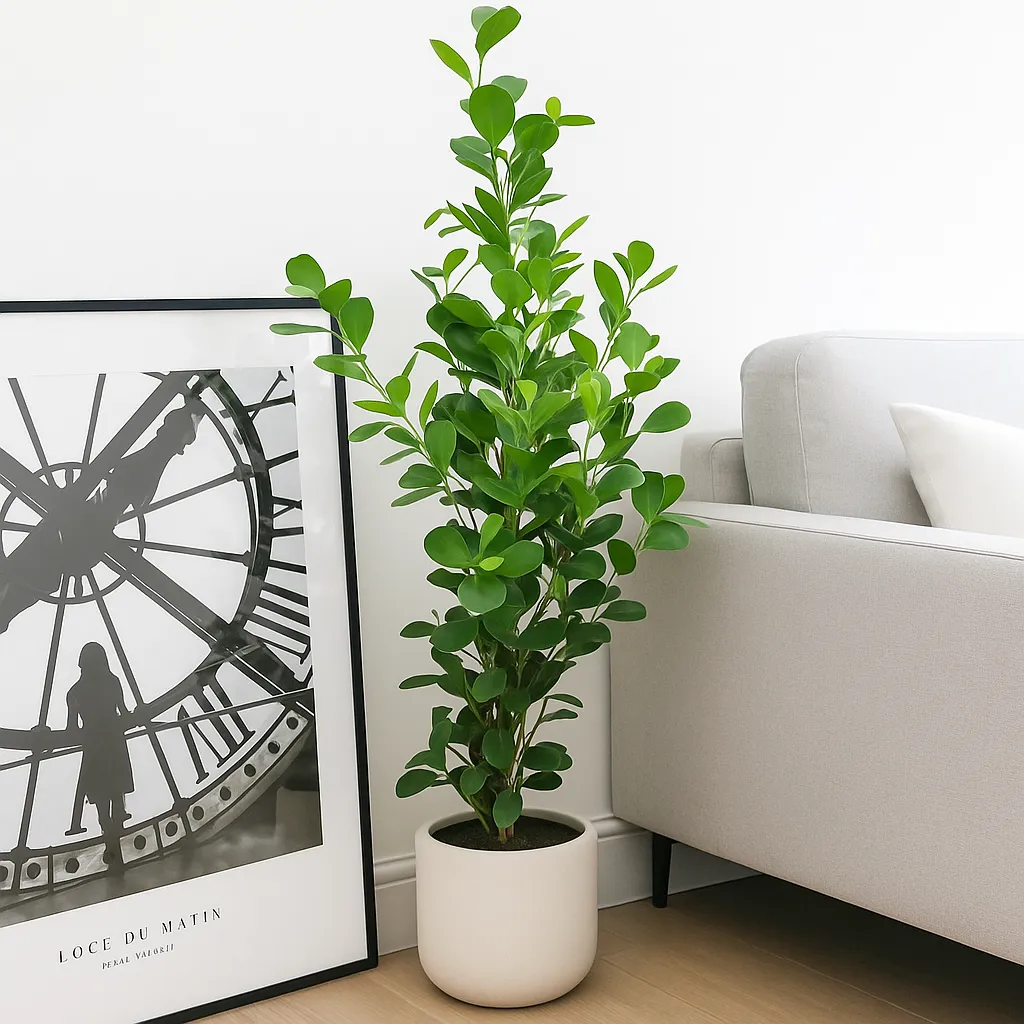
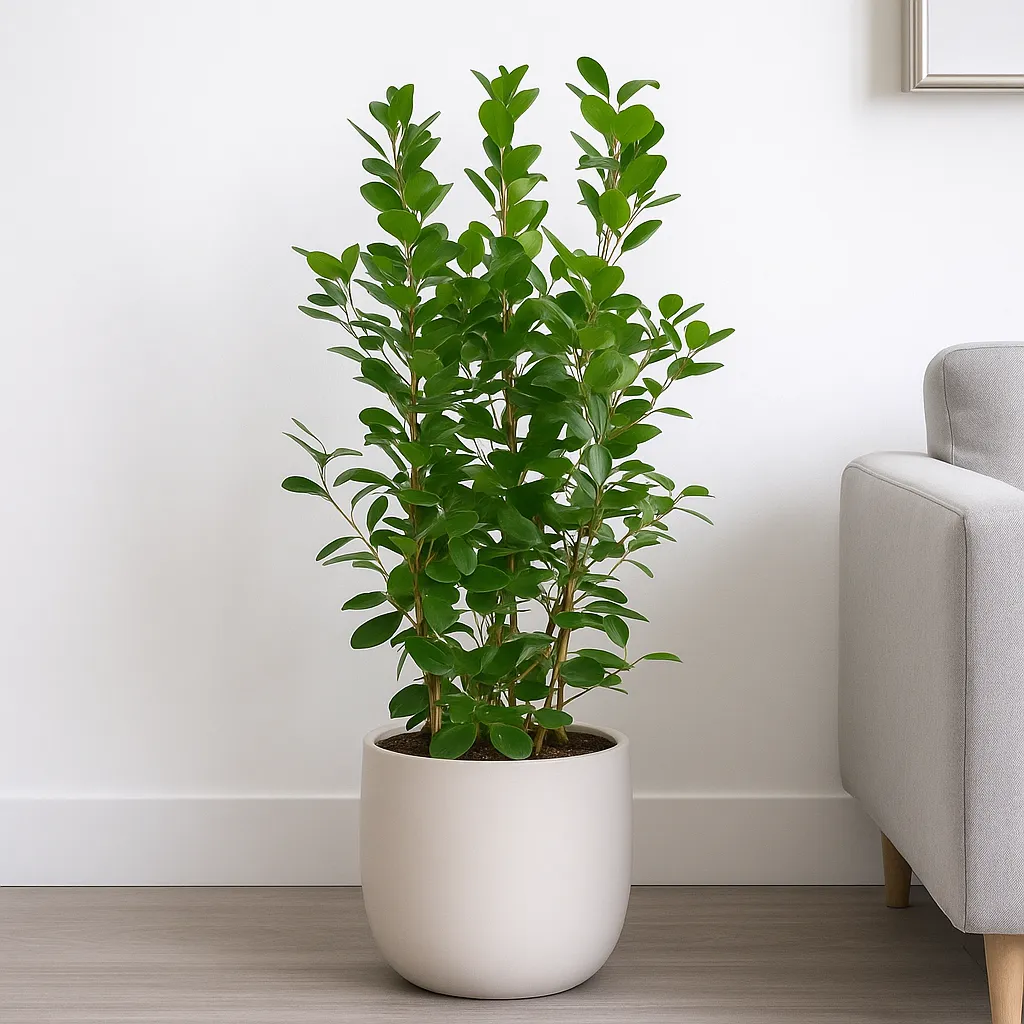
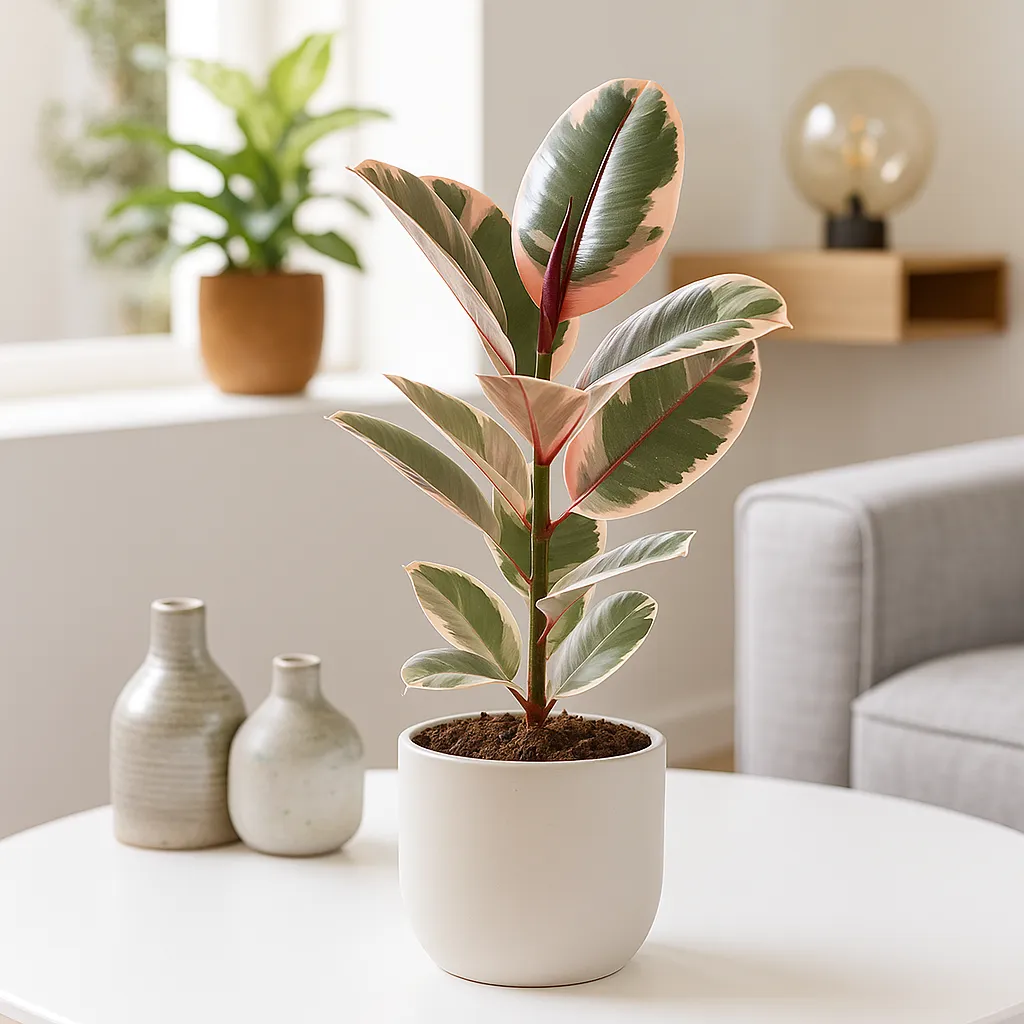
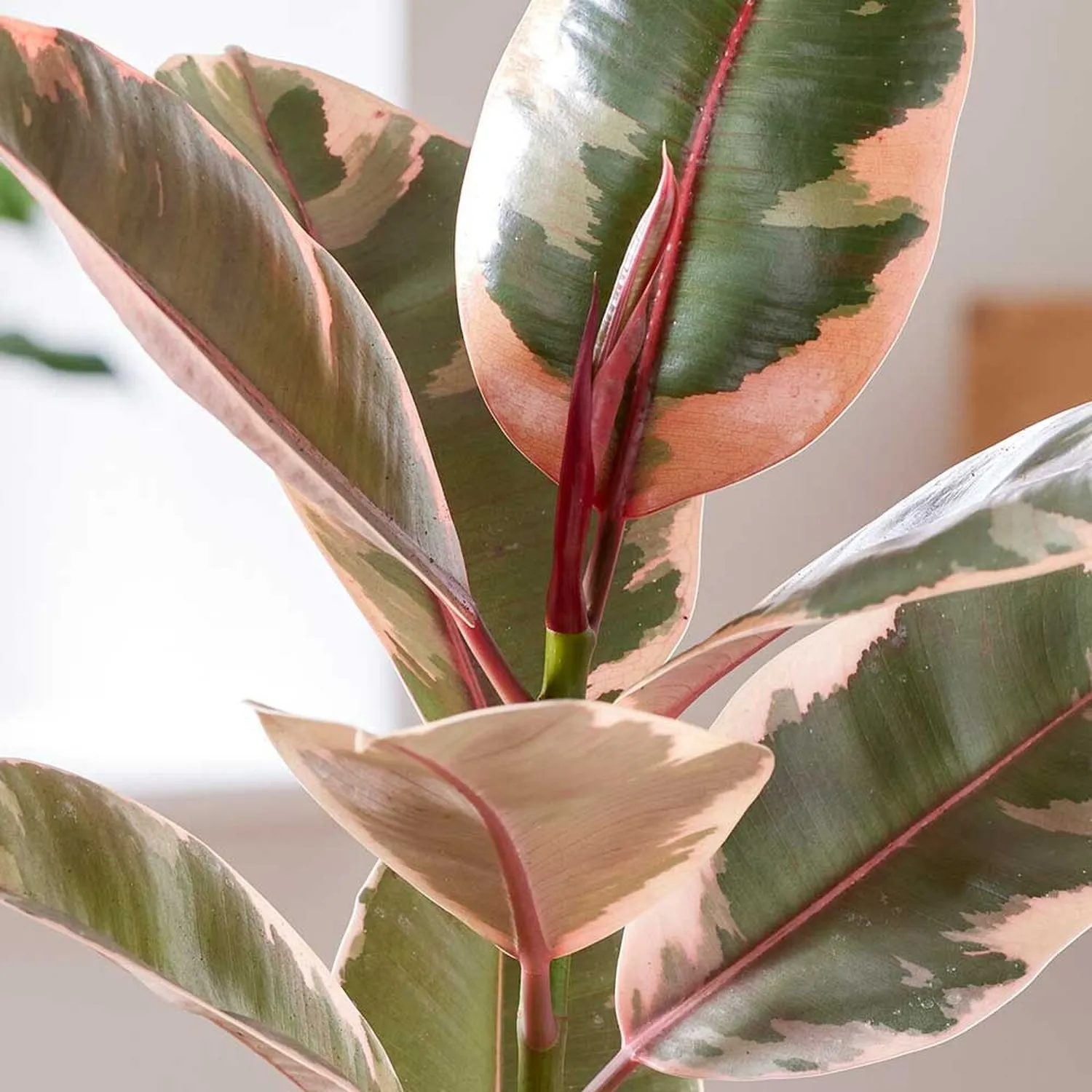
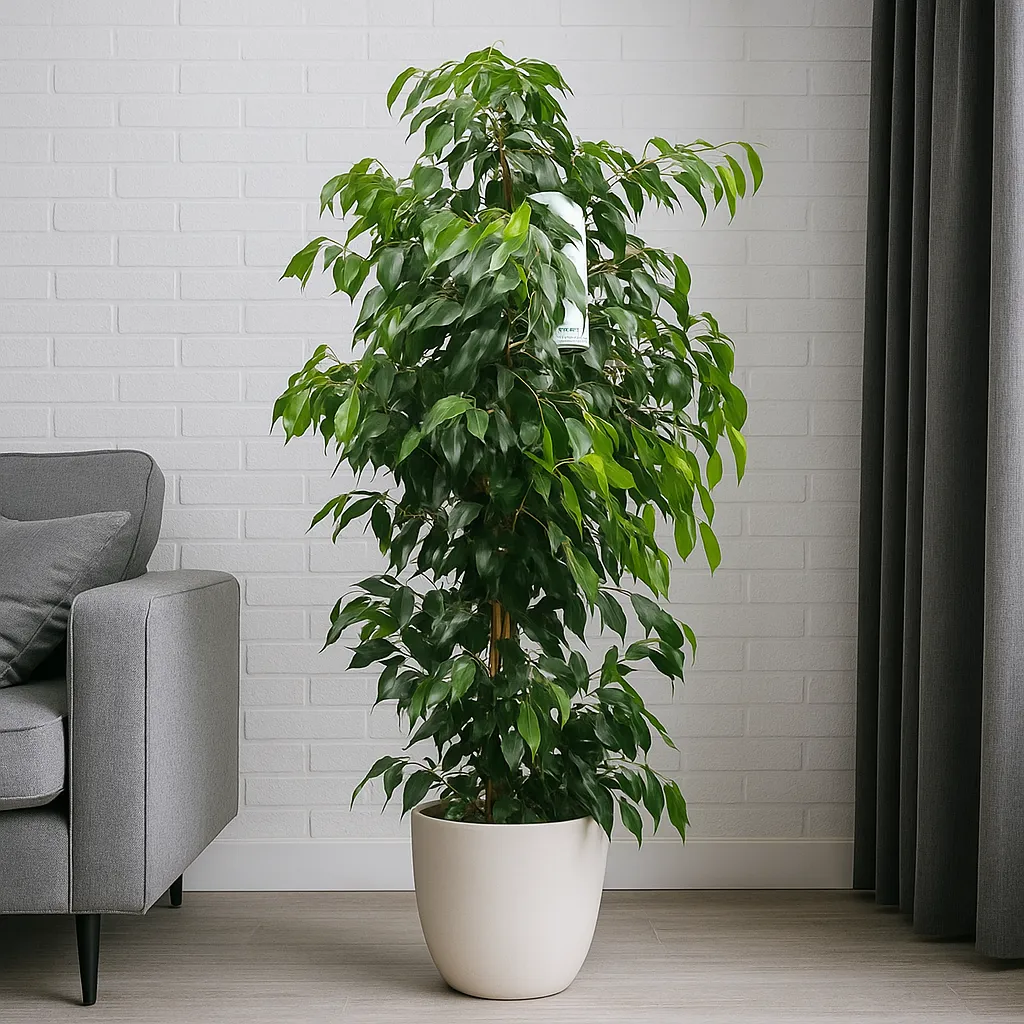
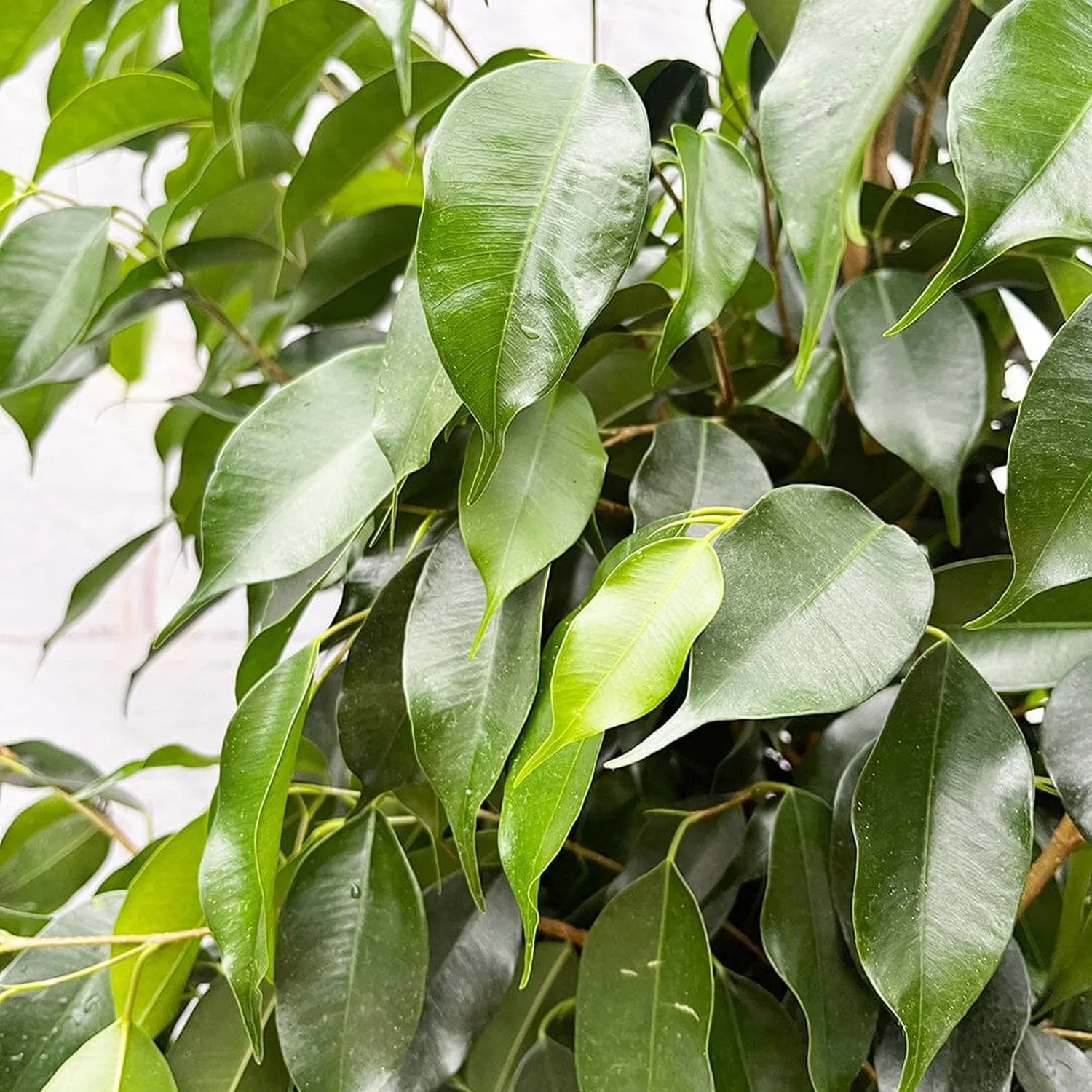
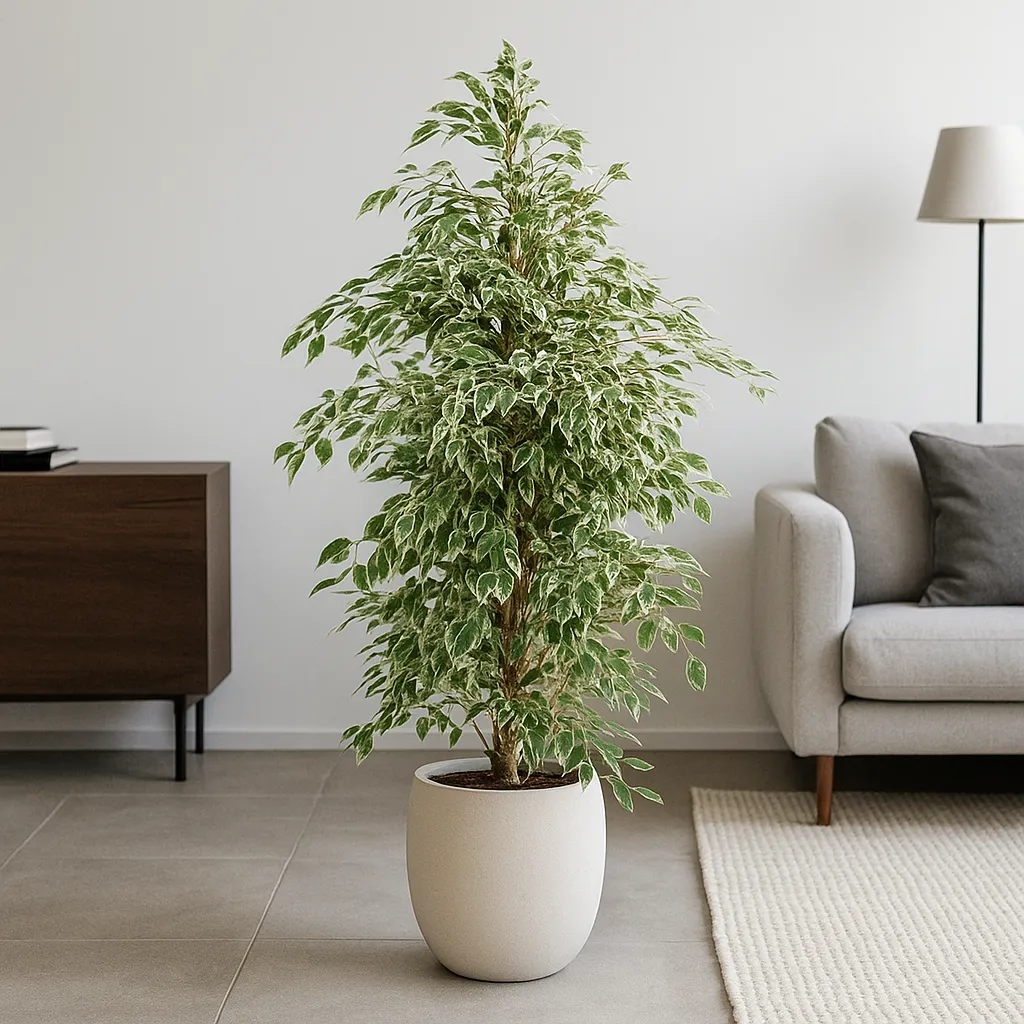
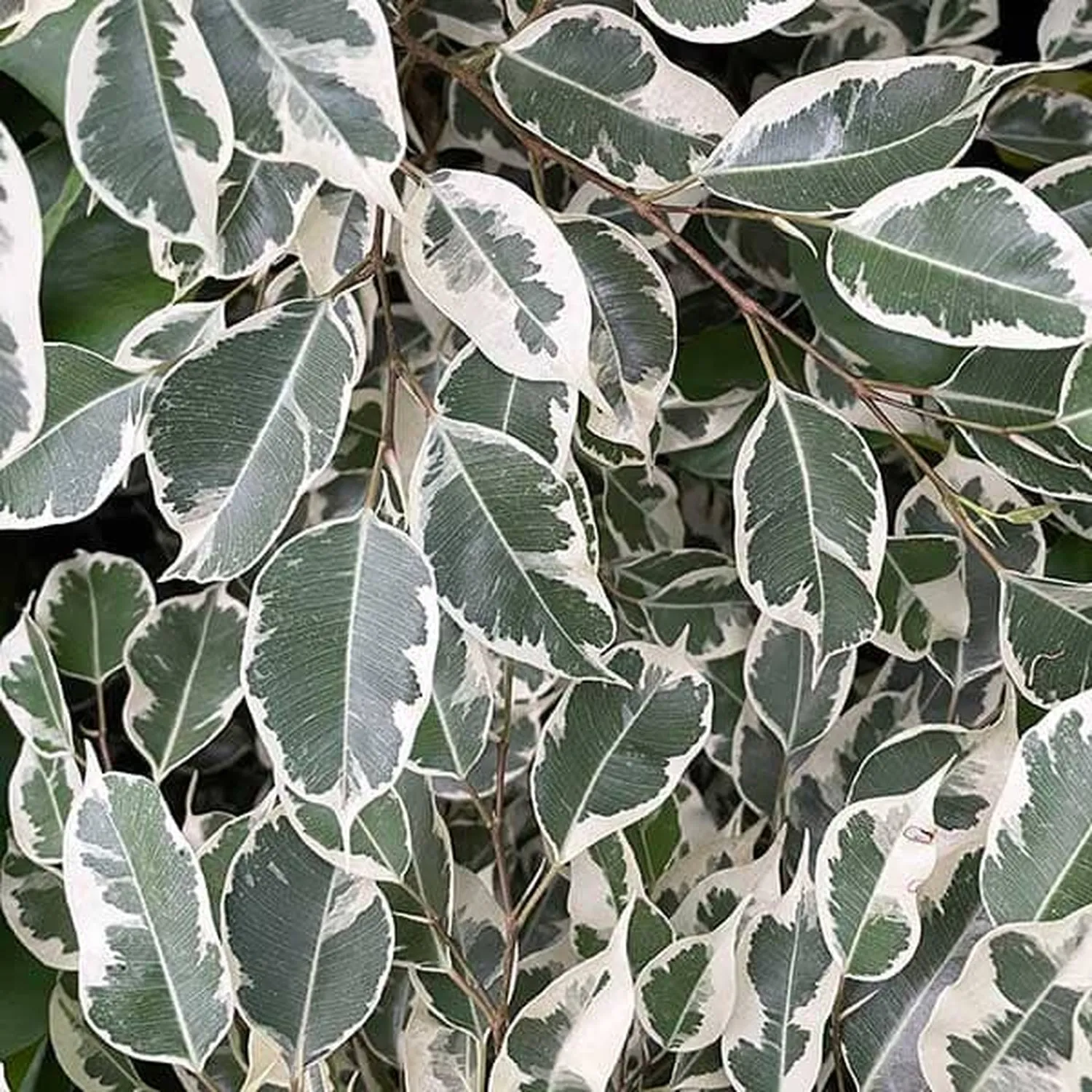
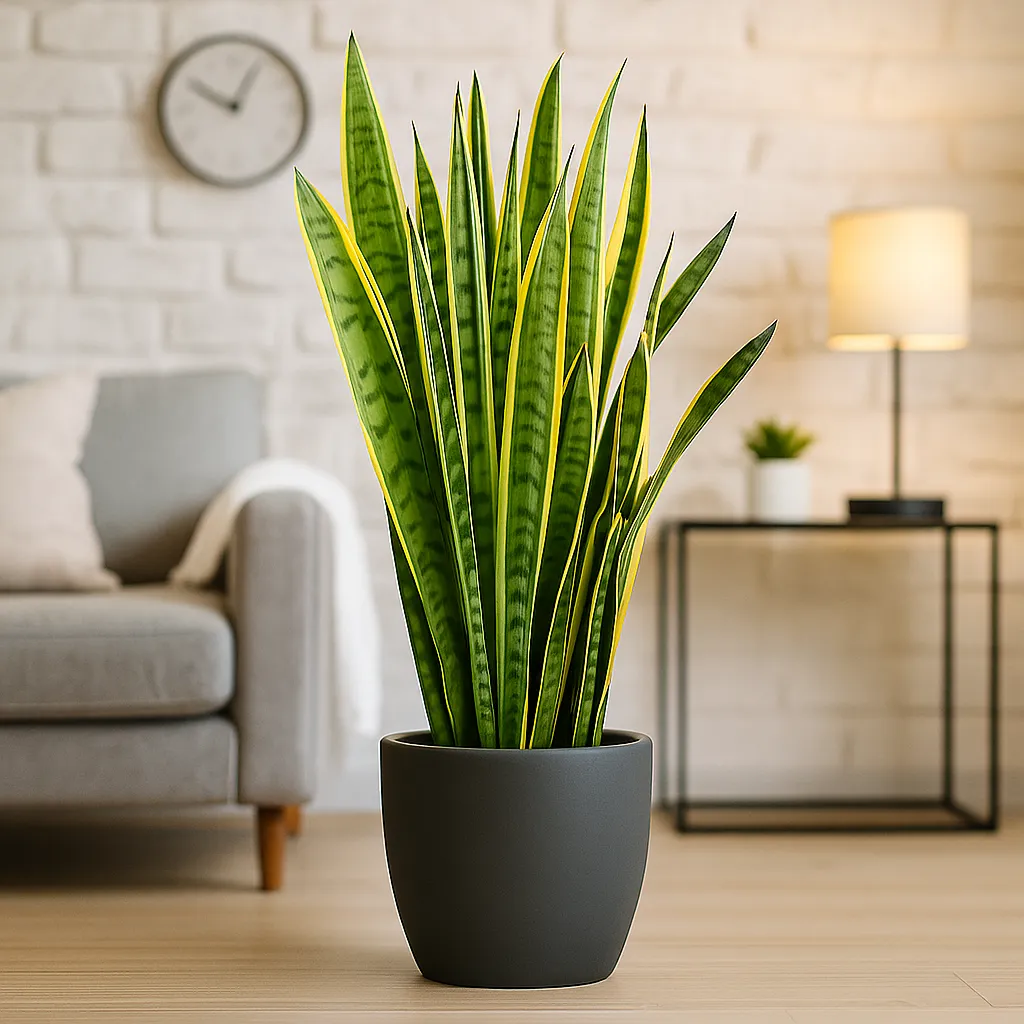
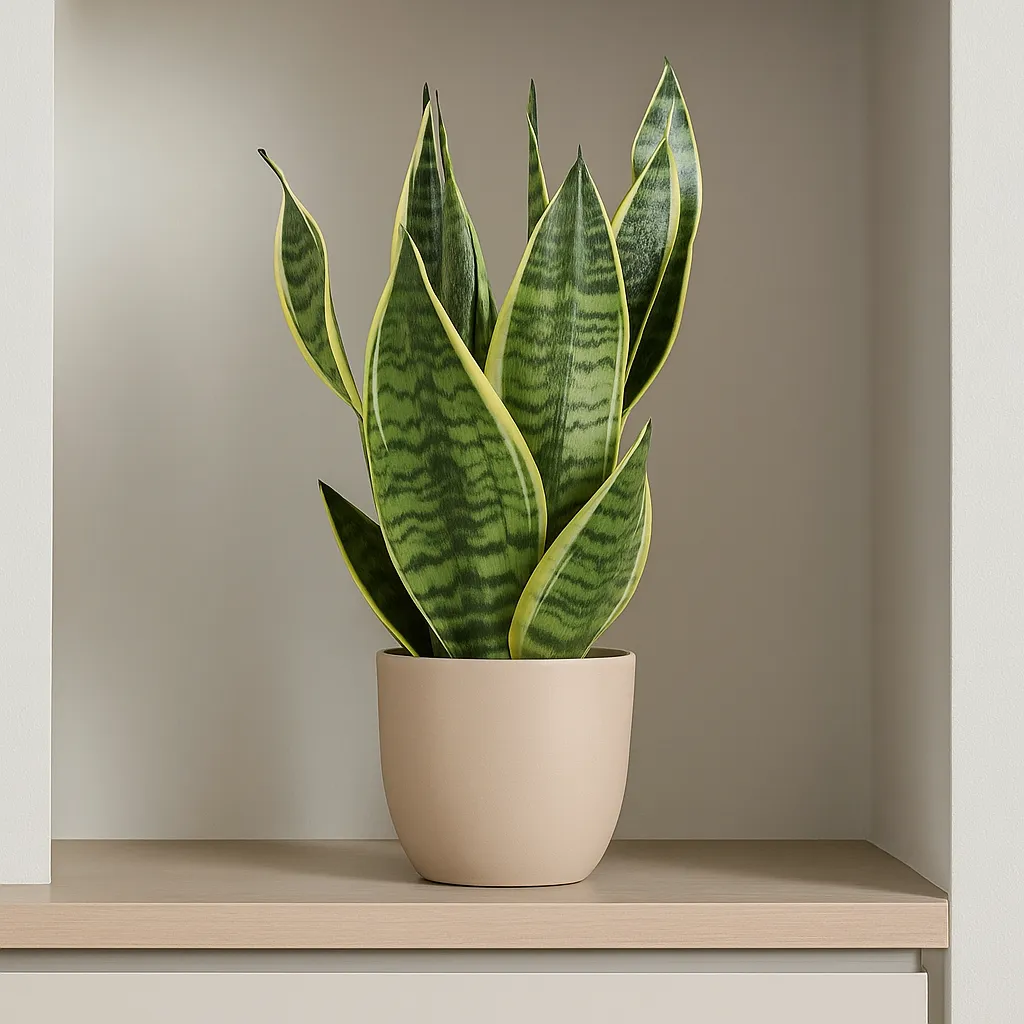
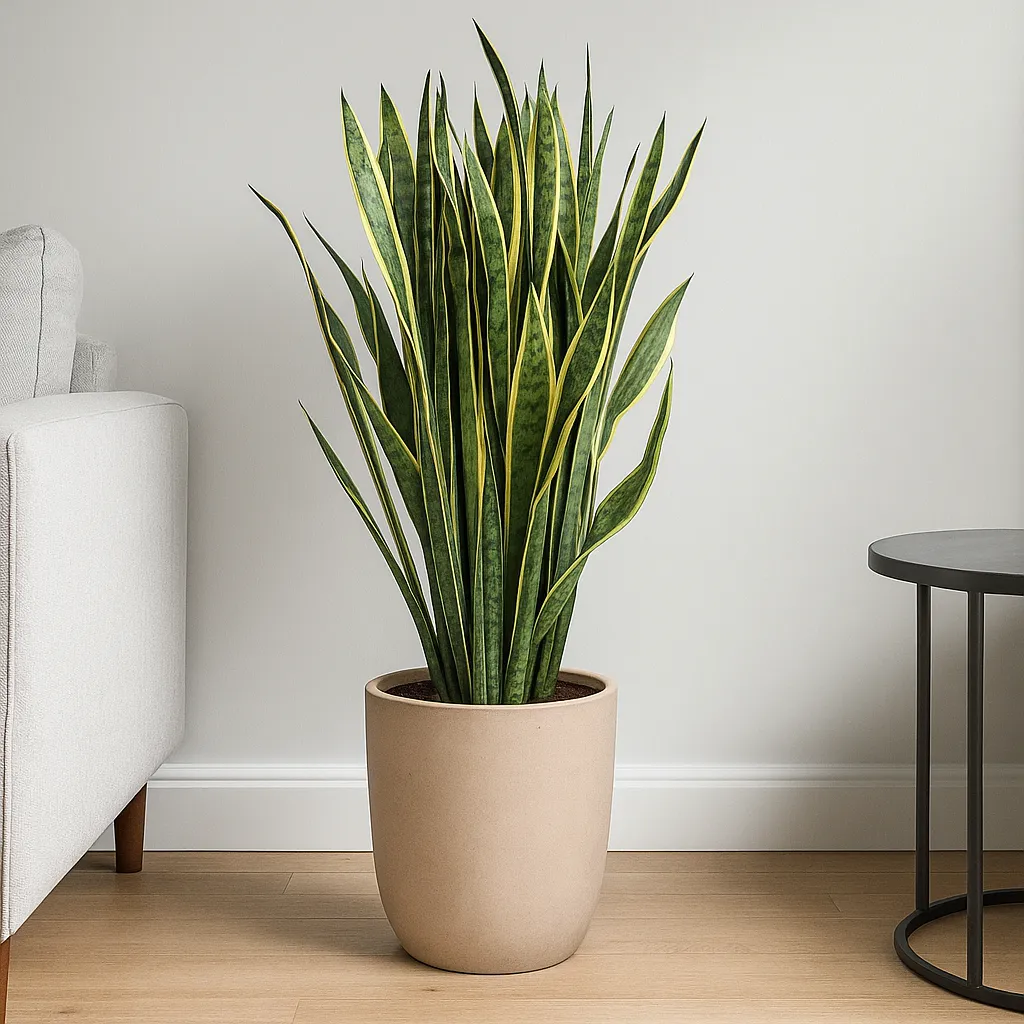
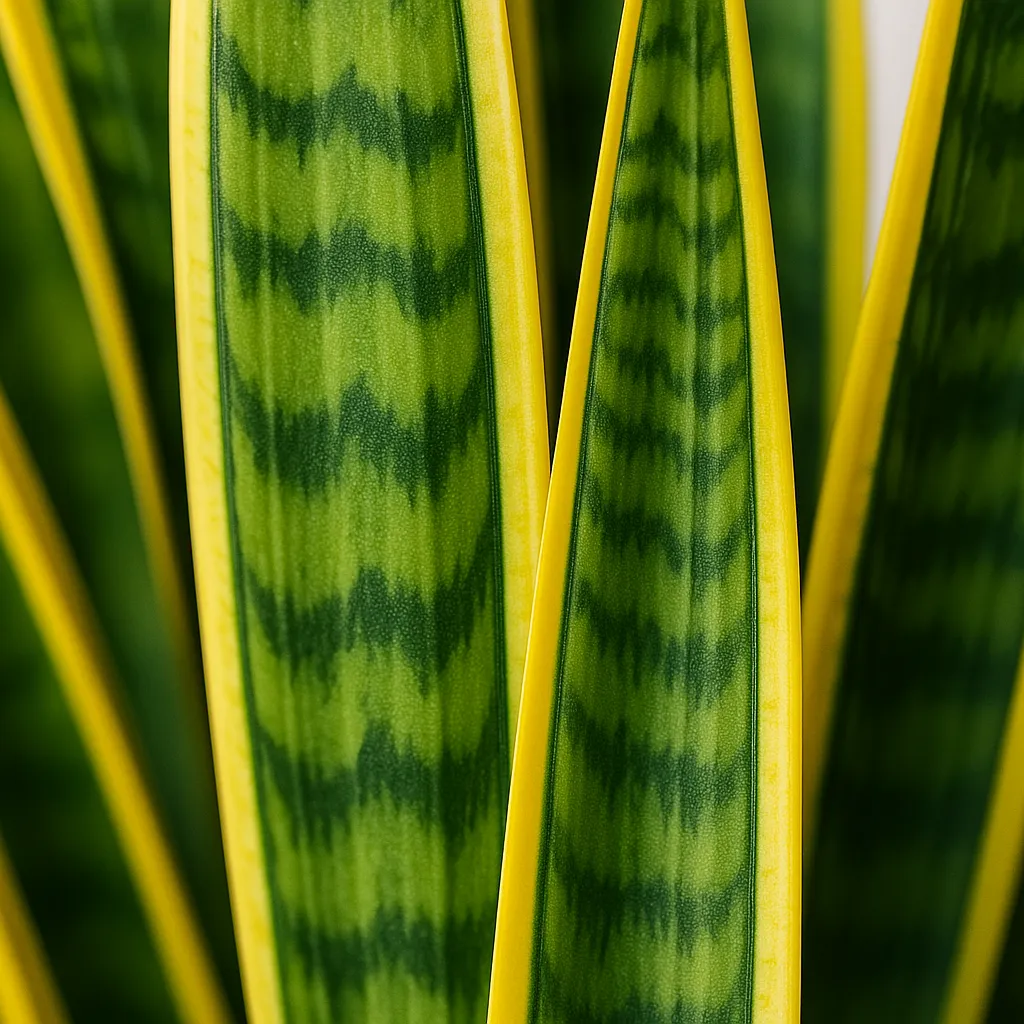
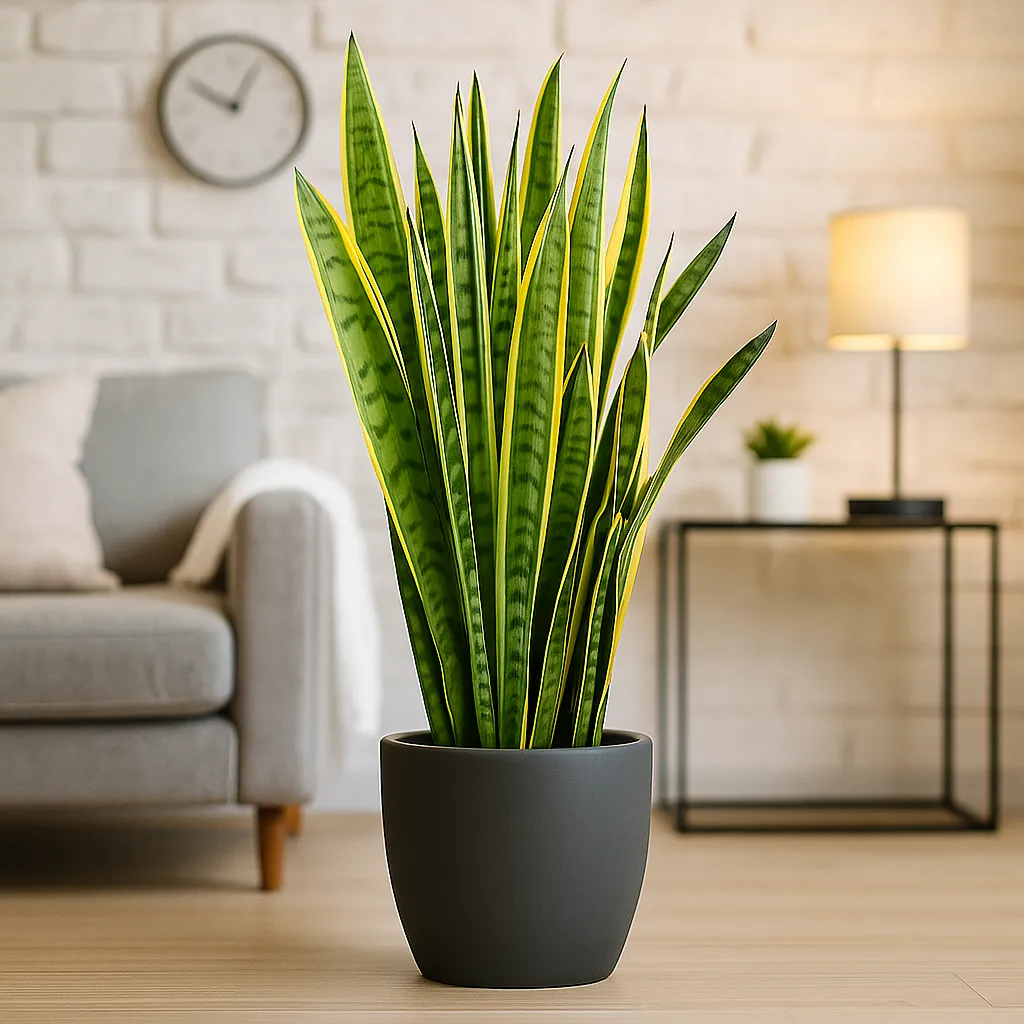
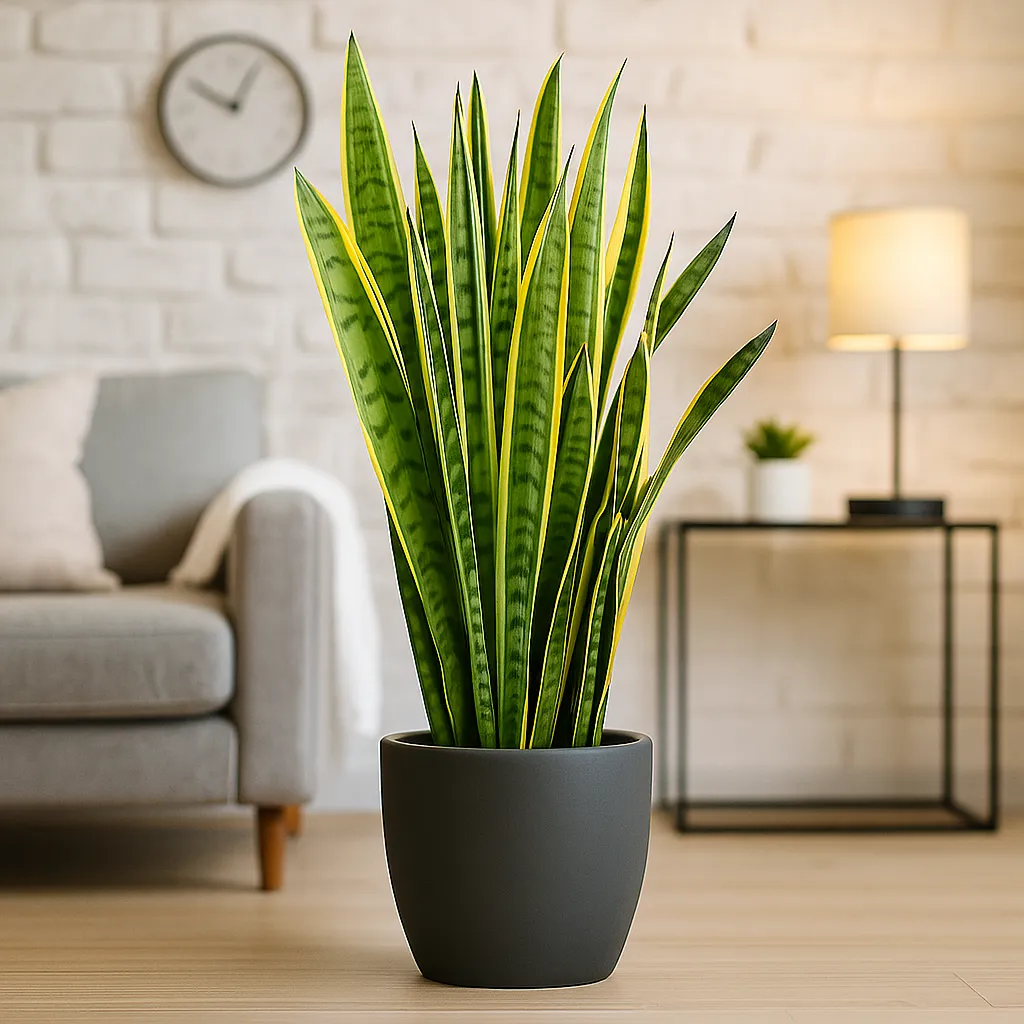
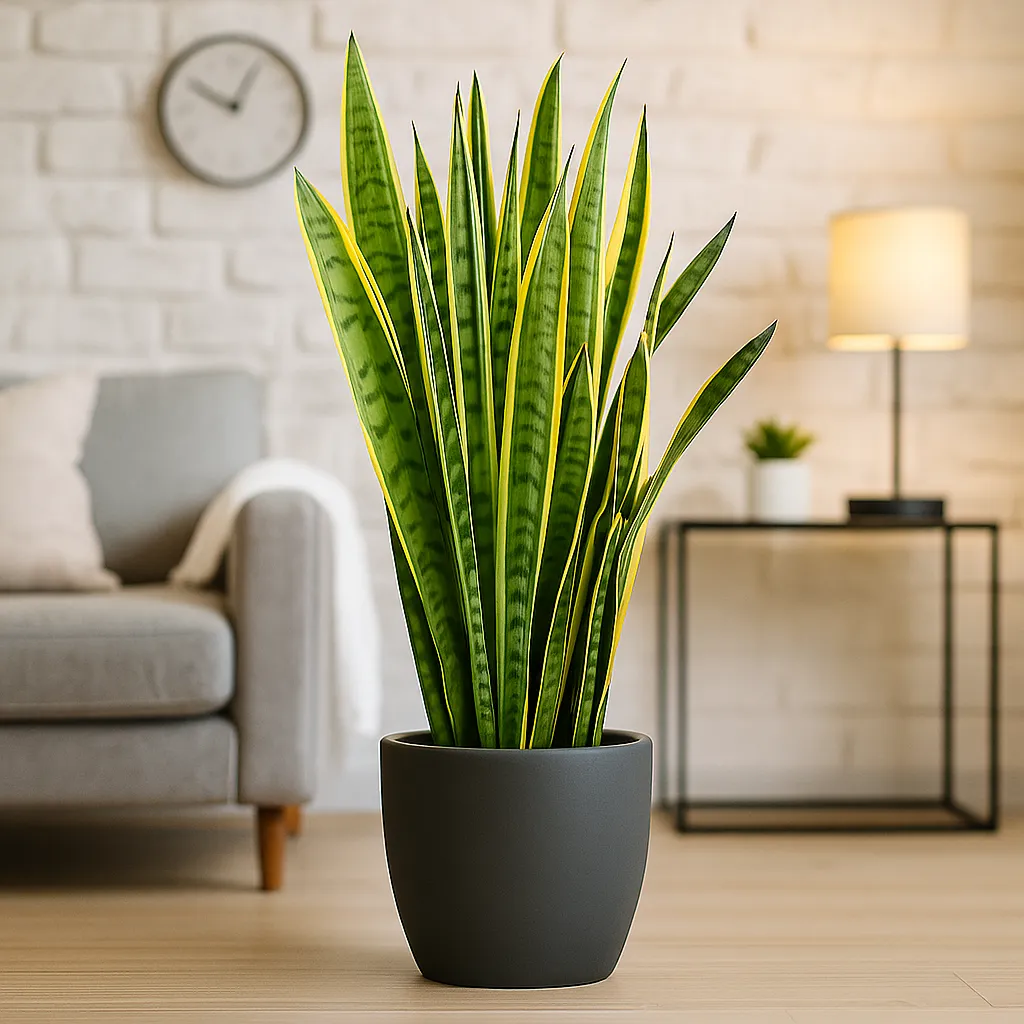
The plant’s signature feature is its tall, sword-shaped leaves, which grow in a bold vertical rosette. Each leaf is a deep green with irregular horizontal striping in grey-green tones, framed by distinctive golden-yellow margins. Mature plants can reach 90–120 cm in height, forming dense clumps that bring a strong architectural presence to any space.
Sansevieria Laurentii is not only ornamental but also functional: it is highly tolerant of neglect, adapting to a wide range of light and water conditions. It is also valued for its air-purifying qualities, removing toxins such as benzene and formaldehyde from the air, making it both stylish and beneficial for homes and offices.
Sansevieria ‘Laurentii’ – Care Guide
Light
Very adaptable. Thrives in bright, indirect light but tolerates medium and even low-light conditions, making it one of the best plants for offices and shaded rooms. Can also withstand some direct sun.
Watering
Water sparingly. Allow the soil to dry out completely between waterings. In summer, water every 2–3 weeks; in winter, reduce to once a month. Overwatering is the most common issue, as it can cause root rot.
Temperature and Humidity
-
Temperature: Prefers 16–26°C. Protect from frost and prolonged cold below 10°C.
-
Humidity: Naturally adapted to arid conditions and tolerant of dry air. No additional humidity is required.
Soil and Potting
Use a gritty, free-draining cactus or succulent mix. Repot only every 2–3 years in spring, as it enjoys being root-bound. Choose a heavy pot to prevent toppling as the leaves grow tall.
Feeding
Feed once a month in spring and summer with a diluted cactus or succulent fertiliser. Do not feed in autumn or winter.
Pruning and Maintenance
Remove damaged or yellowing leaves at the base. Wipe the leaves with a damp cloth to maintain their shine and remove dust.
Growth and Maturity
A slow to moderate grower, producing new leaves from its base to form larger clumps over time. Mature plants occasionally produce tall flower spikes with clusters of fragrant, creamy-white blooms, though this is rare indoors.
Common Issues
-
Yellow, mushy leaves: Usually caused by overwatering.
-
Wrinkling leaves: A sign of prolonged drought – water thoroughly and allow to drain.
-
Pests: Rare, but spider mites or mealybugs may occasionally appear.
Background and Benefits
A plant steeped in cultural symbolism, Sansevieria is considered a symbol of good luck and protection in many traditions. Recognised by NASA’s Clean Air Study as an excellent air purifier, it combines resilience, beauty, and functionality. Its upright, golden-edged leaves make it a timeless favourite in homes and workplaces alike.
✅ Quick Care Summary
-
Light: Bright, indirect; tolerates low light
-
Water: Let soil dry fully; water sparingly
-
Temperature: 16–26°C; keep above 10°C
-
Humidity: Dry air tolerant
-
Soil: Gritty, free-draining compost
-
Feed: Monthly in spring/summer
-
Growth: Upright rosette, 90–120 cm; green leaves with golden-yellow margins
Original: $11.86
-70%$11.86
$3.56Product Information
Product Information
Shipping & Returns
Shipping & Returns
Description
Sansevieria ‘Laurentii’, widely known as the Variegated Snake Plant or Mother-in-Law’s Tongue, is one of the most iconic and enduring indoor plants. Native to West Africa and belonging to the Asparagaceae family, it has been cherished for generations for its upright form, striking foliage, and near-indestructible nature.
The plant’s signature feature is its tall, sword-shaped leaves, which grow in a bold vertical rosette. Each leaf is a deep green with irregular horizontal striping in grey-green tones, framed by distinctive golden-yellow margins. Mature plants can reach 90–120 cm in height, forming dense clumps that bring a strong architectural presence to any space.
Sansevieria Laurentii is not only ornamental but also functional: it is highly tolerant of neglect, adapting to a wide range of light and water conditions. It is also valued for its air-purifying qualities, removing toxins such as benzene and formaldehyde from the air, making it both stylish and beneficial for homes and offices.
Sansevieria ‘Laurentii’ – Care Guide
Light
Very adaptable. Thrives in bright, indirect light but tolerates medium and even low-light conditions, making it one of the best plants for offices and shaded rooms. Can also withstand some direct sun.
Watering
Water sparingly. Allow the soil to dry out completely between waterings. In summer, water every 2–3 weeks; in winter, reduce to once a month. Overwatering is the most common issue, as it can cause root rot.
Temperature and Humidity
-
Temperature: Prefers 16–26°C. Protect from frost and prolonged cold below 10°C.
-
Humidity: Naturally adapted to arid conditions and tolerant of dry air. No additional humidity is required.
Soil and Potting
Use a gritty, free-draining cactus or succulent mix. Repot only every 2–3 years in spring, as it enjoys being root-bound. Choose a heavy pot to prevent toppling as the leaves grow tall.
Feeding
Feed once a month in spring and summer with a diluted cactus or succulent fertiliser. Do not feed in autumn or winter.
Pruning and Maintenance
Remove damaged or yellowing leaves at the base. Wipe the leaves with a damp cloth to maintain their shine and remove dust.
Growth and Maturity
A slow to moderate grower, producing new leaves from its base to form larger clumps over time. Mature plants occasionally produce tall flower spikes with clusters of fragrant, creamy-white blooms, though this is rare indoors.
Common Issues
-
Yellow, mushy leaves: Usually caused by overwatering.
-
Wrinkling leaves: A sign of prolonged drought – water thoroughly and allow to drain.
-
Pests: Rare, but spider mites or mealybugs may occasionally appear.
Background and Benefits
A plant steeped in cultural symbolism, Sansevieria is considered a symbol of good luck and protection in many traditions. Recognised by NASA’s Clean Air Study as an excellent air purifier, it combines resilience, beauty, and functionality. Its upright, golden-edged leaves make it a timeless favourite in homes and workplaces alike.
✅ Quick Care Summary
-
Light: Bright, indirect; tolerates low light
-
Water: Let soil dry fully; water sparingly
-
Temperature: 16–26°C; keep above 10°C
-
Humidity: Dry air tolerant
-
Soil: Gritty, free-draining compost
-
Feed: Monthly in spring/summer
-
Growth: Upright rosette, 90–120 cm; green leaves with golden-yellow margins