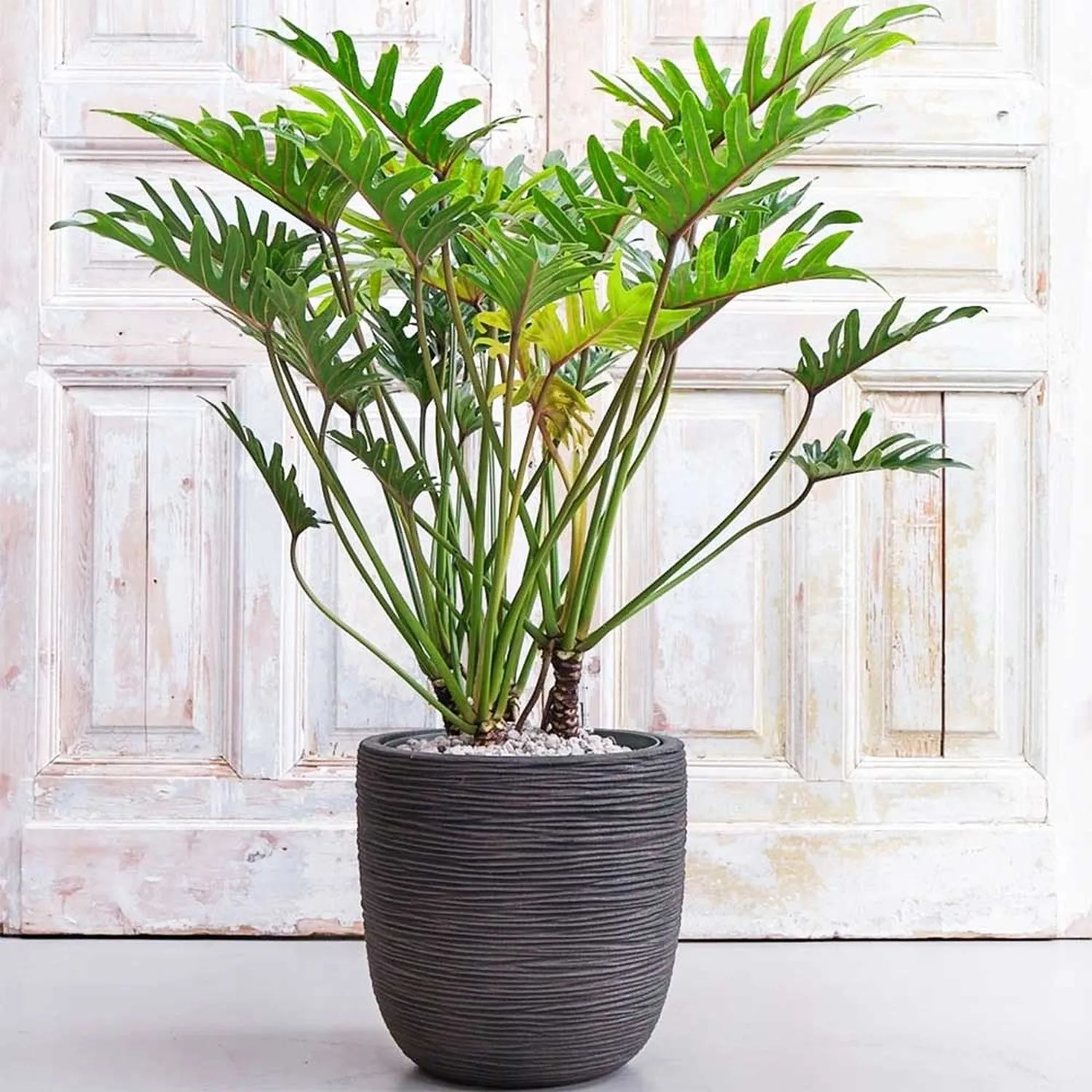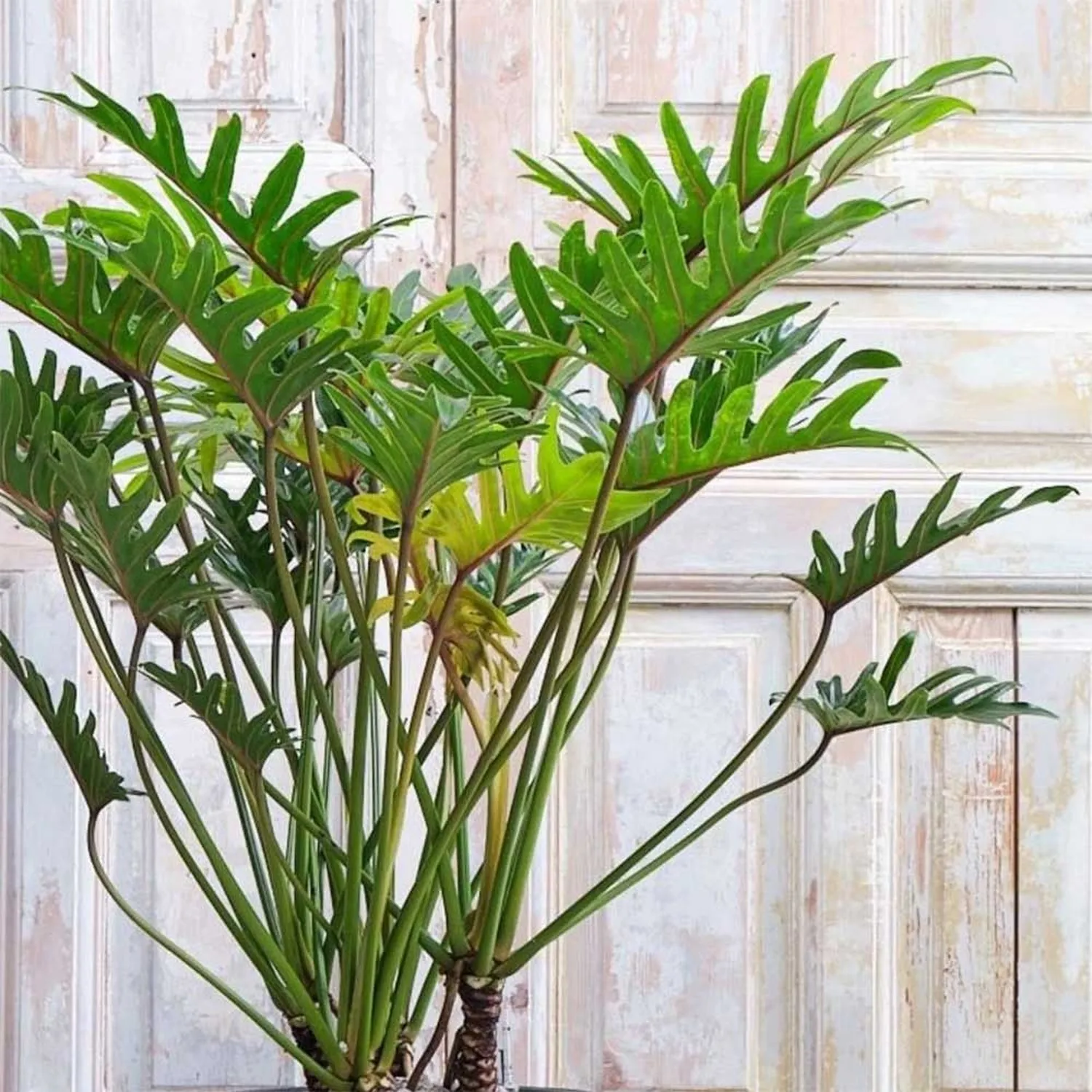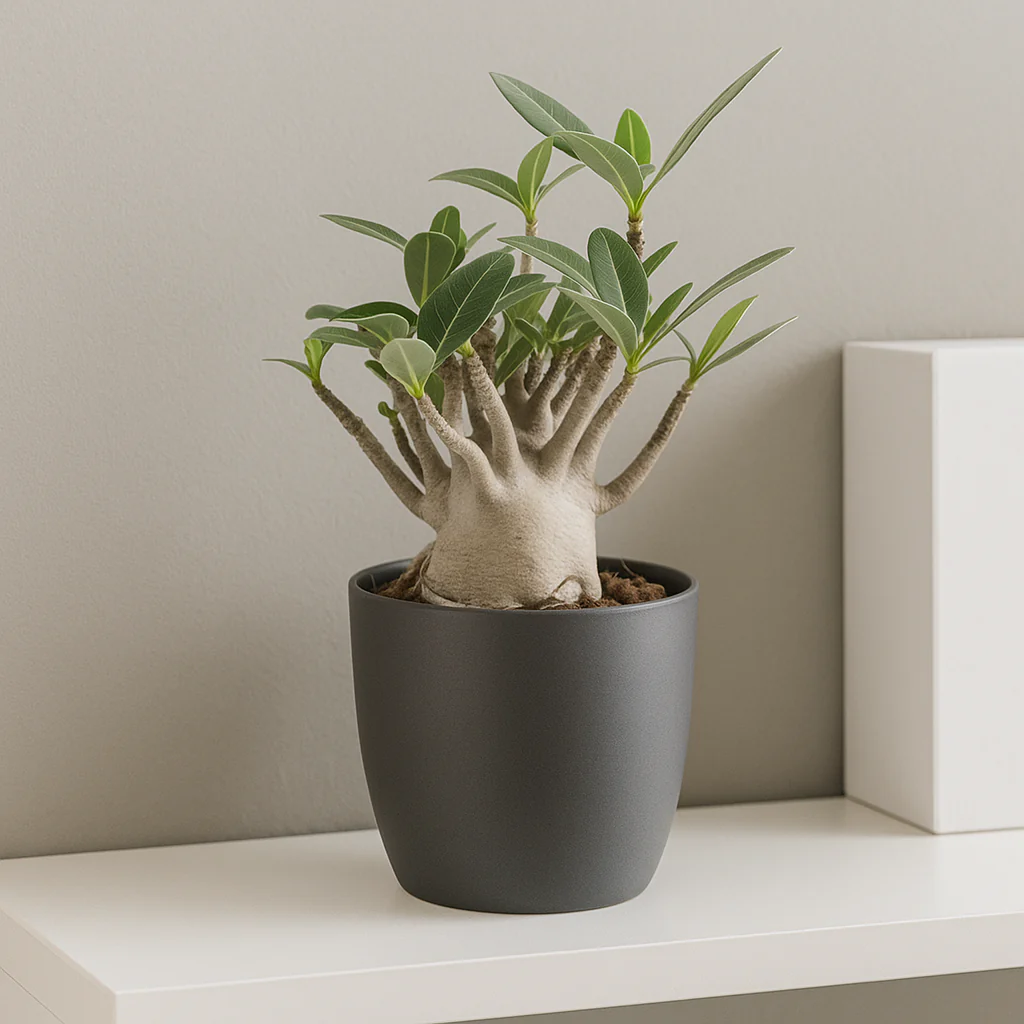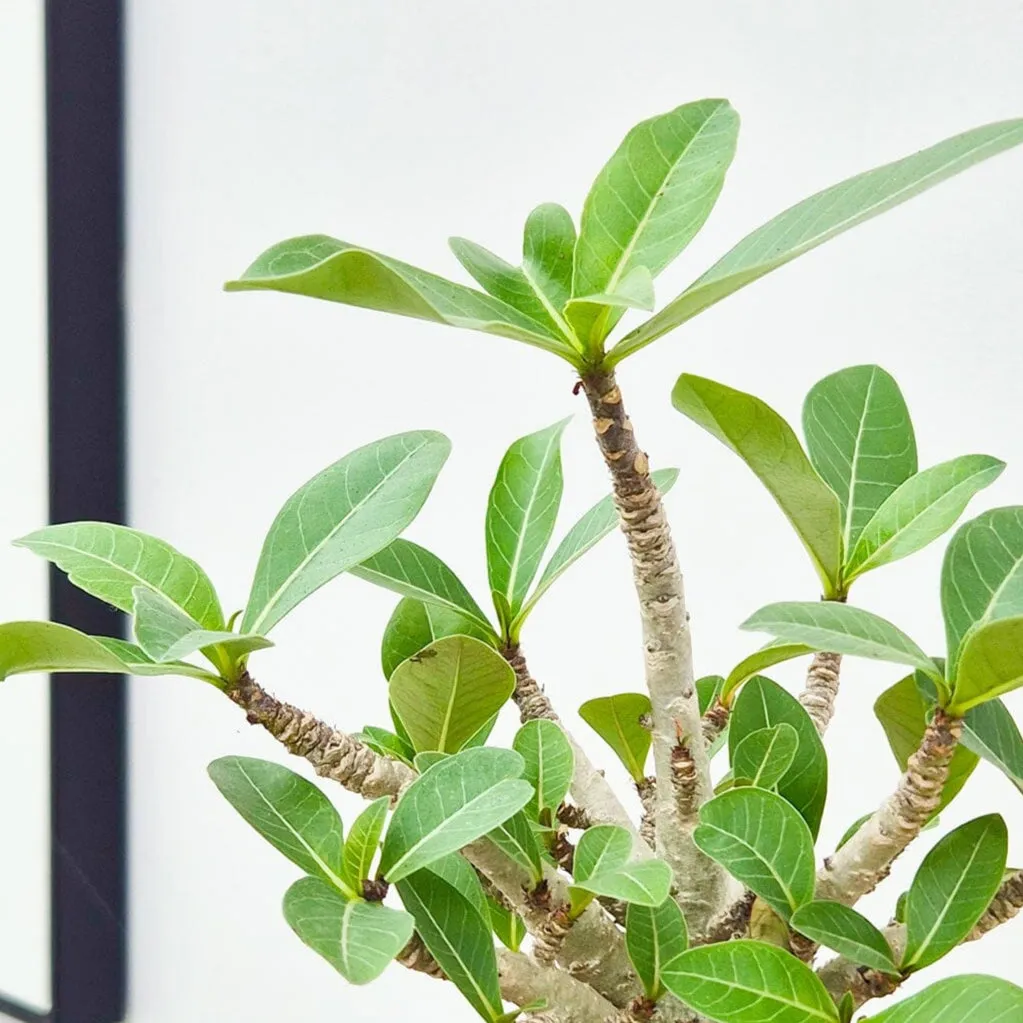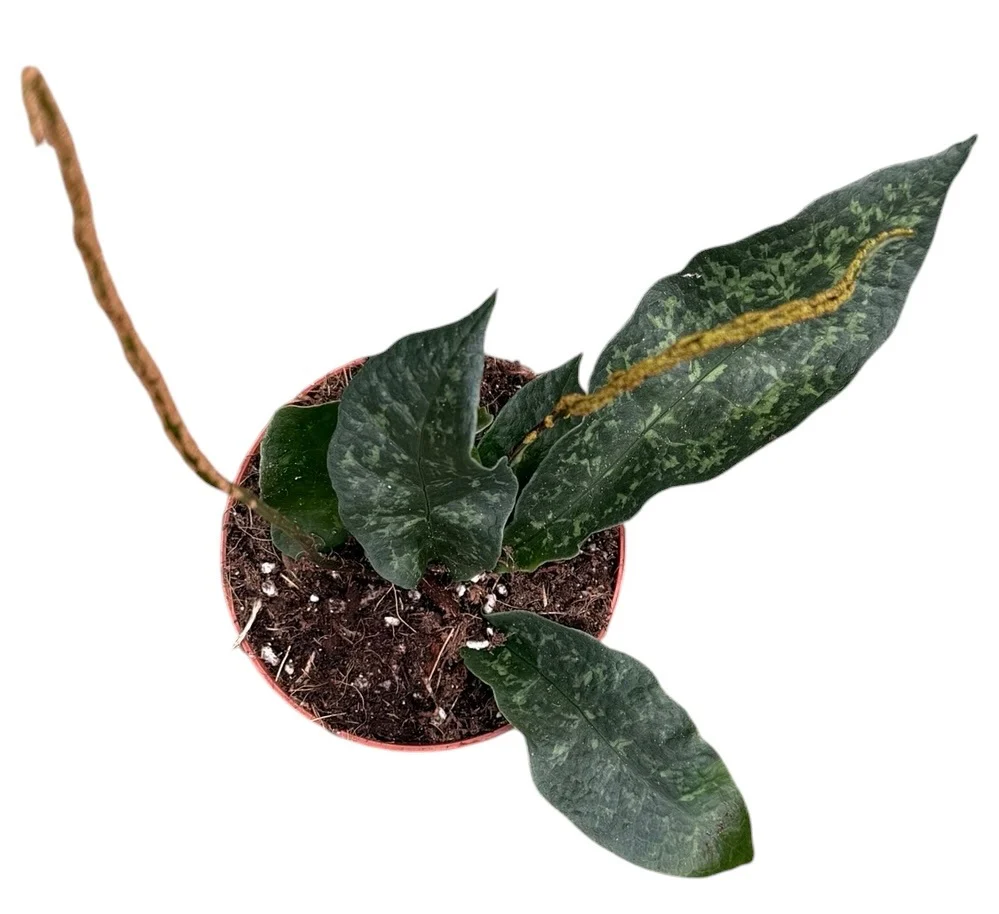
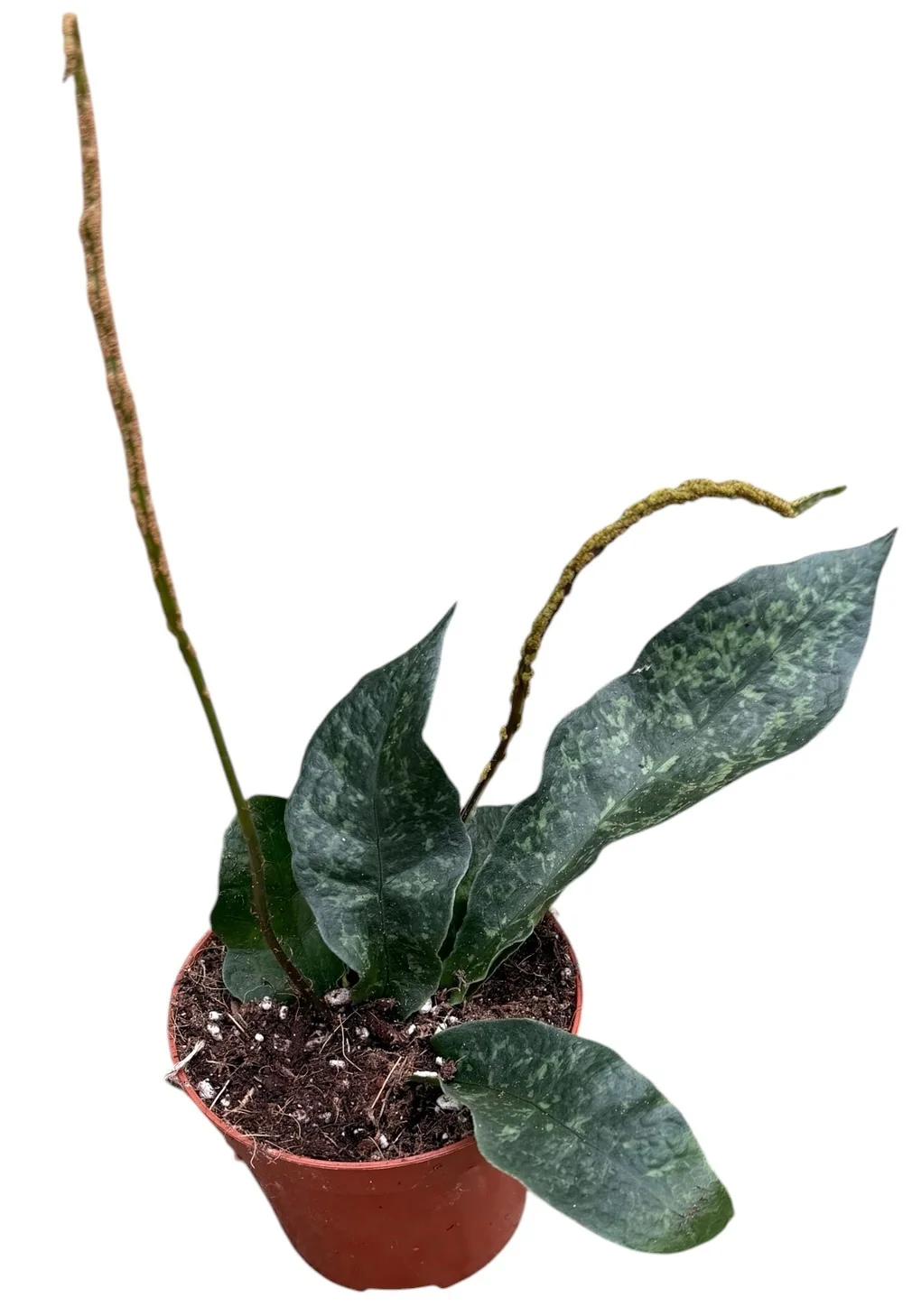
Tectaria Hilocarpa House Plant 8cm Pot
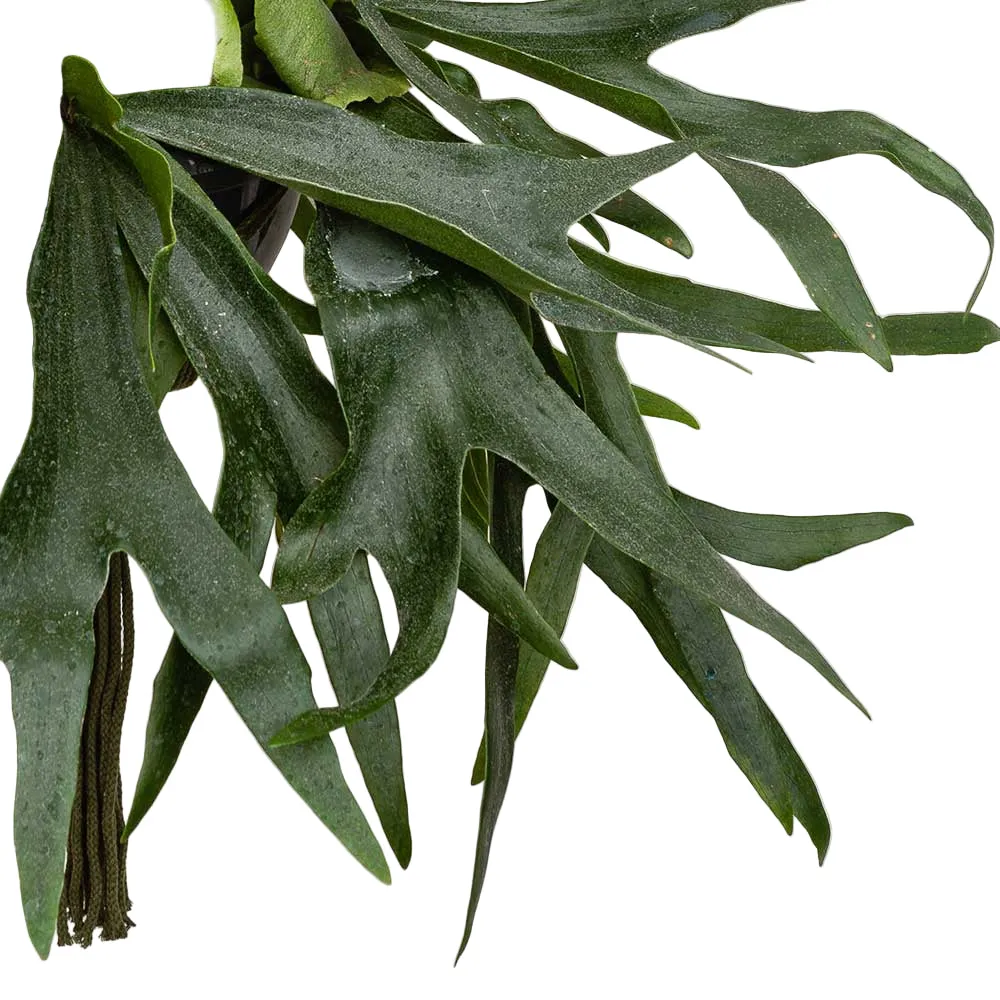
Tectaria hilocarpa is a rare tropical fern prized for its unusual foliage, upright growth habit, and exotic appearance. Native to the humid limestone forests of the Philippines, Borneo, and Sulawesi, this species naturally grows in warm, shaded environments with consistently high humidity. Its elongated, lance-shaped fronds often display distinctive markings and textures that give the plant an almost variegated appearance, making it highly sought after by fern collectors and terrarium enthusiasts.
Unlike many common houseplant ferns, Tectaria hilocarpa has a more architectural growth habit, producing upright fertile fronds alongside broader foliage that creates a striking tropical display. Due to its rarity and specific environmental requirements, it is often considered a collector's plant rather than a beginner-friendly fern.
Plant Information
- Botanical Name: Tectaria hilocarpa
- Common Name: Ciliate Halberd Fern
- Family: Tectariaceae
- Origin: Philippines, Borneo and Sulawesi
- Growth Habit: Upright tropical fern
- Difficulty: Intermediate to Advanced
- Pet Safe: Generally considered non-toxic, though consumption should always be discouraged.
Light Requirements
Tectaria hilocarpa thrives in bright, indirect light. In its natural habitat, it grows beneath dense forest canopies where direct sunlight rarely reaches the foliage.
Ideal conditions:
- Bright filtered light
- East or north-facing windows
- Terrariums or greenhouse cabinets with strong ambient lighting
Avoid:
- Direct afternoon sun
- Dark corners with little natural light
- Sudden changes in lighting conditions
Too much direct sun may scorch the fronds, while insufficient light can lead to slower growth and smaller foliage.
Watering
Consistent moisture is essential for healthy growth. The growing medium should remain evenly moist but never saturated.
Water when:
- The top layer of the substrate begins to feel slightly damp rather than wet
- The plant shows active growth during warmer months
Avoid:
- Allowing the substrate to dry out completely
- Standing water around the roots
- Heavy, compacted soils that remain waterlogged
This species appreciates regular moisture but is susceptible to root issues if left sitting in overly wet conditions.
Humidity
High humidity is one of the most important aspects of successful Tectaria hilocarpa care.
Ideal humidity: 70–90%
For best results:
- Grow inside a terrarium
- Use a greenhouse cabinet
- Place near a humidifier
- Group with other tropical plants
While it may tolerate short periods of lower humidity, prolonged dry air can cause browning leaf edges and reduced growth. Many growers consider it best suited to enclosed environments where humidity remains consistently high.
Temperature
As a tropical species, Tectaria hilocarpa prefers warm conditions throughout the year.
Ideal range:
- 18°C – 28°C
Avoid:
- Temperatures below 15°C
- Cold draughts
- Sudden temperature fluctuations
Stable warmth encourages stronger growth and healthier foliage.
Soil and Potting Mix
This fern naturally grows in humid limestone environments and benefits from a moisture-retentive yet airy growing medium.
Recommended mix:
- Fine orchid bark
- Coco coir or peat-free compost
- Perlite or pumice
- Sphagnum moss
- Small amount of limestone chippings
The addition of limestone can help replicate its natural habitat. Tectaria hilocarpa may also be grown mounted on porous rock or wood in high-humidity environments.
Feeding
Feed lightly during the growing season.
Recommended:
- Half-strength balanced houseplant fertiliser
- Every 4–6 weeks during spring and summer
Reduce feeding significantly during cooler months when growth naturally slows.
Growth and Size
Under ideal conditions, Tectaria hilocarpa develops into a compact yet striking specimen.
Mature characteristics:
- Upright growth habit
- Narrow, elongated fronds
- Distinctive fertile fronds emerging from the centre
- Excellent specimen for terrariums and tropical plant displays
Growth is generally moderate when humidity and warmth remain consistently high.
Common Problems
Brown Crispy Edges
Usually caused by low humidity or drying out between waterings.
Yellowing Fronds
Often the result of overwatering or poor drainage.
Slow Growth
Typically linked to insufficient warmth, low humidity or inadequate light.
Drooping Foliage
May indicate dehydration or root stress.
Propagation
Tectaria hilocarpa is typically propagated through division of mature plants or by spores, though spore propagation can be slow and requires patience.
Division is the easiest method when repotting established specimens.
Why Collectors Love Tectaria hilocarpa
Tectaria hilocarpa combines the delicate elegance of a tropical fern with the rarity and character sought after by serious plant collectors. Its unusual frond shape, upright architecture, and preference for high-humidity environments make it particularly attractive for terrariums, greenhouse cabinets, and curated rare plant collections. With the right conditions, it becomes a truly distinctive statement fern that stands apart from more common houseplant varieties.
Original: $46.18
-70%$46.18
$13.85Product Information
Product Information
Shipping & Returns
Shipping & Returns
Description
Tectaria hilocarpa is a rare tropical fern prized for its unusual foliage, upright growth habit, and exotic appearance. Native to the humid limestone forests of the Philippines, Borneo, and Sulawesi, this species naturally grows in warm, shaded environments with consistently high humidity. Its elongated, lance-shaped fronds often display distinctive markings and textures that give the plant an almost variegated appearance, making it highly sought after by fern collectors and terrarium enthusiasts.
Unlike many common houseplant ferns, Tectaria hilocarpa has a more architectural growth habit, producing upright fertile fronds alongside broader foliage that creates a striking tropical display. Due to its rarity and specific environmental requirements, it is often considered a collector's plant rather than a beginner-friendly fern.
Plant Information
- Botanical Name: Tectaria hilocarpa
- Common Name: Ciliate Halberd Fern
- Family: Tectariaceae
- Origin: Philippines, Borneo and Sulawesi
- Growth Habit: Upright tropical fern
- Difficulty: Intermediate to Advanced
- Pet Safe: Generally considered non-toxic, though consumption should always be discouraged.
Light Requirements
Tectaria hilocarpa thrives in bright, indirect light. In its natural habitat, it grows beneath dense forest canopies where direct sunlight rarely reaches the foliage.
Ideal conditions:
- Bright filtered light
- East or north-facing windows
- Terrariums or greenhouse cabinets with strong ambient lighting
Avoid:
- Direct afternoon sun
- Dark corners with little natural light
- Sudden changes in lighting conditions
Too much direct sun may scorch the fronds, while insufficient light can lead to slower growth and smaller foliage.
Watering
Consistent moisture is essential for healthy growth. The growing medium should remain evenly moist but never saturated.
Water when:
- The top layer of the substrate begins to feel slightly damp rather than wet
- The plant shows active growth during warmer months
Avoid:
- Allowing the substrate to dry out completely
- Standing water around the roots
- Heavy, compacted soils that remain waterlogged
This species appreciates regular moisture but is susceptible to root issues if left sitting in overly wet conditions.
Humidity
High humidity is one of the most important aspects of successful Tectaria hilocarpa care.
Ideal humidity: 70–90%
For best results:
- Grow inside a terrarium
- Use a greenhouse cabinet
- Place near a humidifier
- Group with other tropical plants
While it may tolerate short periods of lower humidity, prolonged dry air can cause browning leaf edges and reduced growth. Many growers consider it best suited to enclosed environments where humidity remains consistently high.
Temperature
As a tropical species, Tectaria hilocarpa prefers warm conditions throughout the year.
Ideal range:
- 18°C – 28°C
Avoid:
- Temperatures below 15°C
- Cold draughts
- Sudden temperature fluctuations
Stable warmth encourages stronger growth and healthier foliage.
Soil and Potting Mix
This fern naturally grows in humid limestone environments and benefits from a moisture-retentive yet airy growing medium.
Recommended mix:
- Fine orchid bark
- Coco coir or peat-free compost
- Perlite or pumice
- Sphagnum moss
- Small amount of limestone chippings
The addition of limestone can help replicate its natural habitat. Tectaria hilocarpa may also be grown mounted on porous rock or wood in high-humidity environments.
Feeding
Feed lightly during the growing season.
Recommended:
- Half-strength balanced houseplant fertiliser
- Every 4–6 weeks during spring and summer
Reduce feeding significantly during cooler months when growth naturally slows.
Growth and Size
Under ideal conditions, Tectaria hilocarpa develops into a compact yet striking specimen.
Mature characteristics:
- Upright growth habit
- Narrow, elongated fronds
- Distinctive fertile fronds emerging from the centre
- Excellent specimen for terrariums and tropical plant displays
Growth is generally moderate when humidity and warmth remain consistently high.
Common Problems
Brown Crispy Edges
Usually caused by low humidity or drying out between waterings.
Yellowing Fronds
Often the result of overwatering or poor drainage.
Slow Growth
Typically linked to insufficient warmth, low humidity or inadequate light.
Drooping Foliage
May indicate dehydration or root stress.
Propagation
Tectaria hilocarpa is typically propagated through division of mature plants or by spores, though spore propagation can be slow and requires patience.
Division is the easiest method when repotting established specimens.
Why Collectors Love Tectaria hilocarpa
Tectaria hilocarpa combines the delicate elegance of a tropical fern with the rarity and character sought after by serious plant collectors. Its unusual frond shape, upright architecture, and preference for high-humidity environments make it particularly attractive for terrariums, greenhouse cabinets, and curated rare plant collections. With the right conditions, it becomes a truly distinctive statement fern that stands apart from more common houseplant varieties.