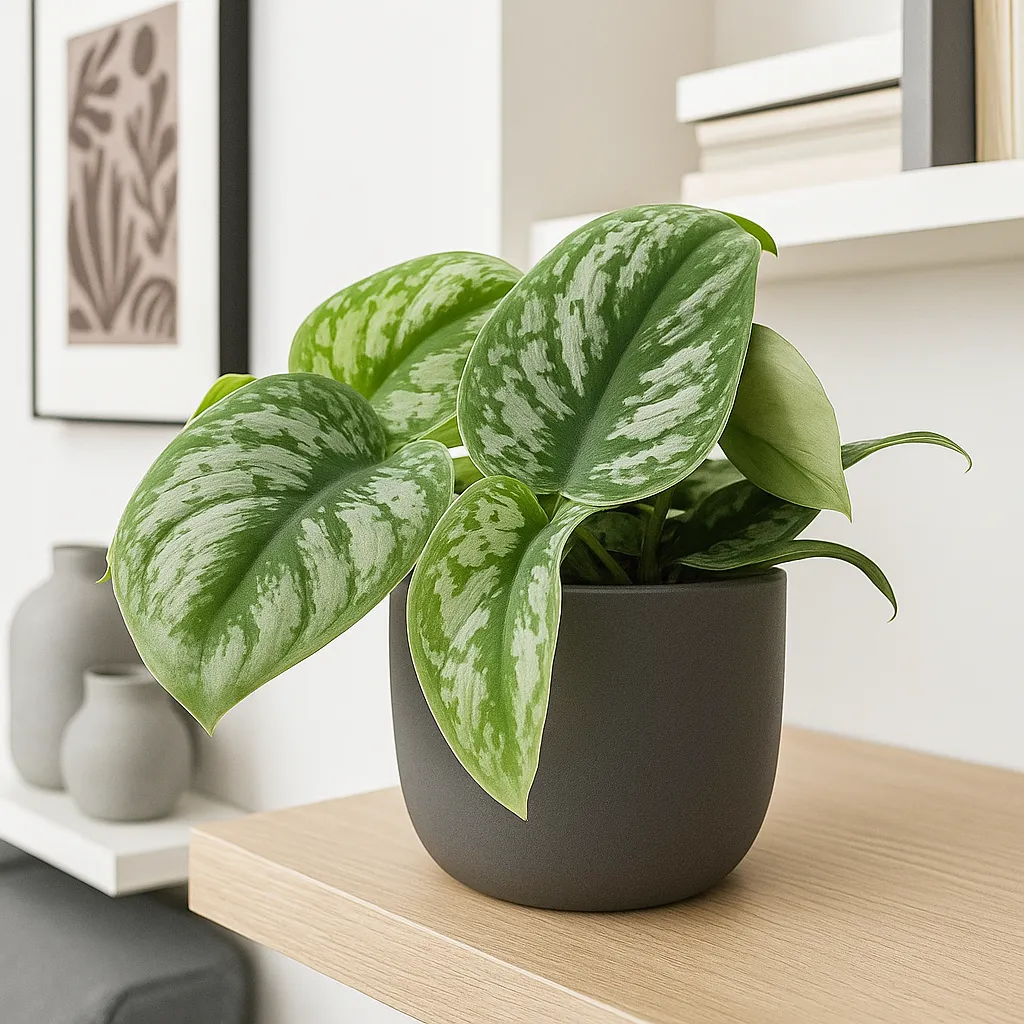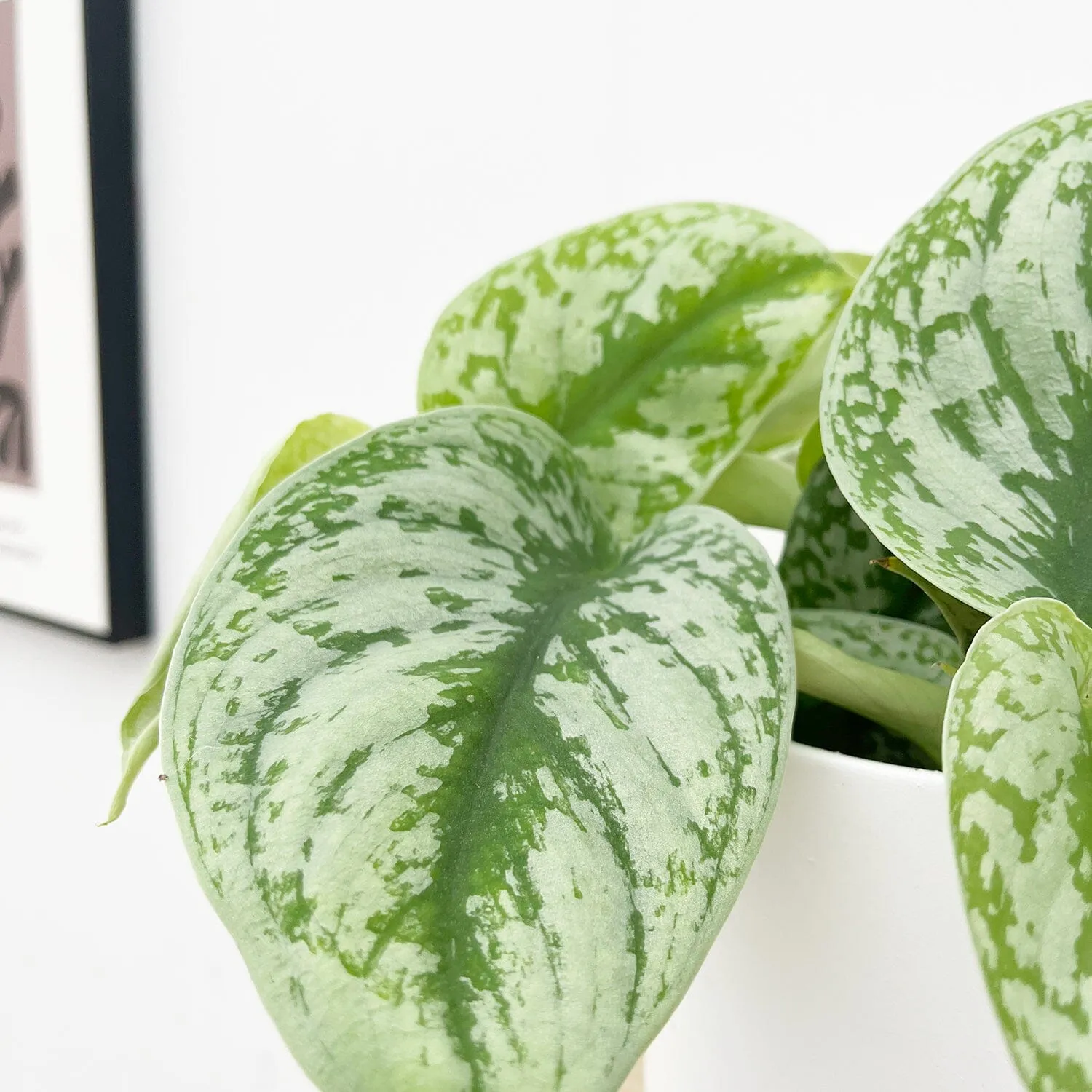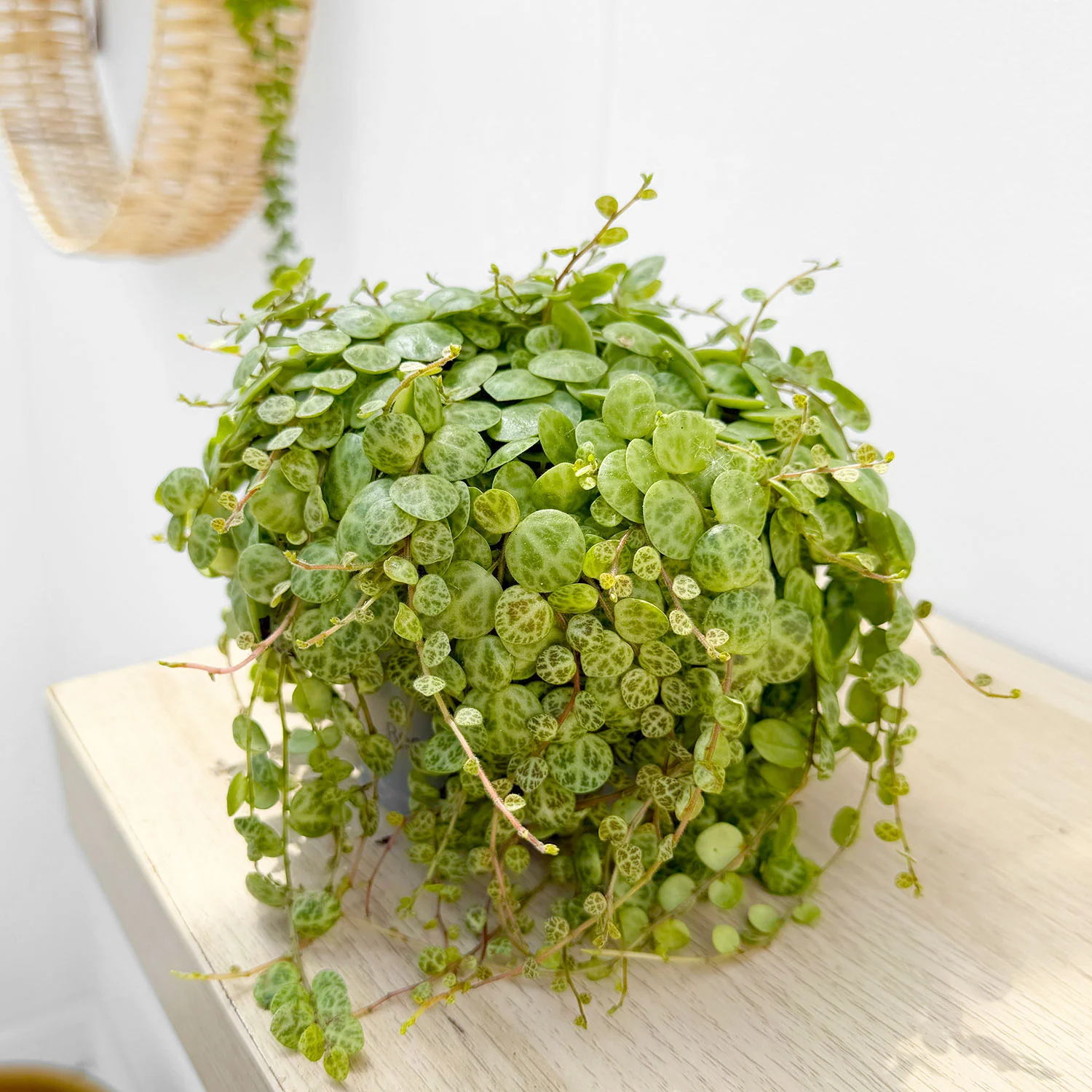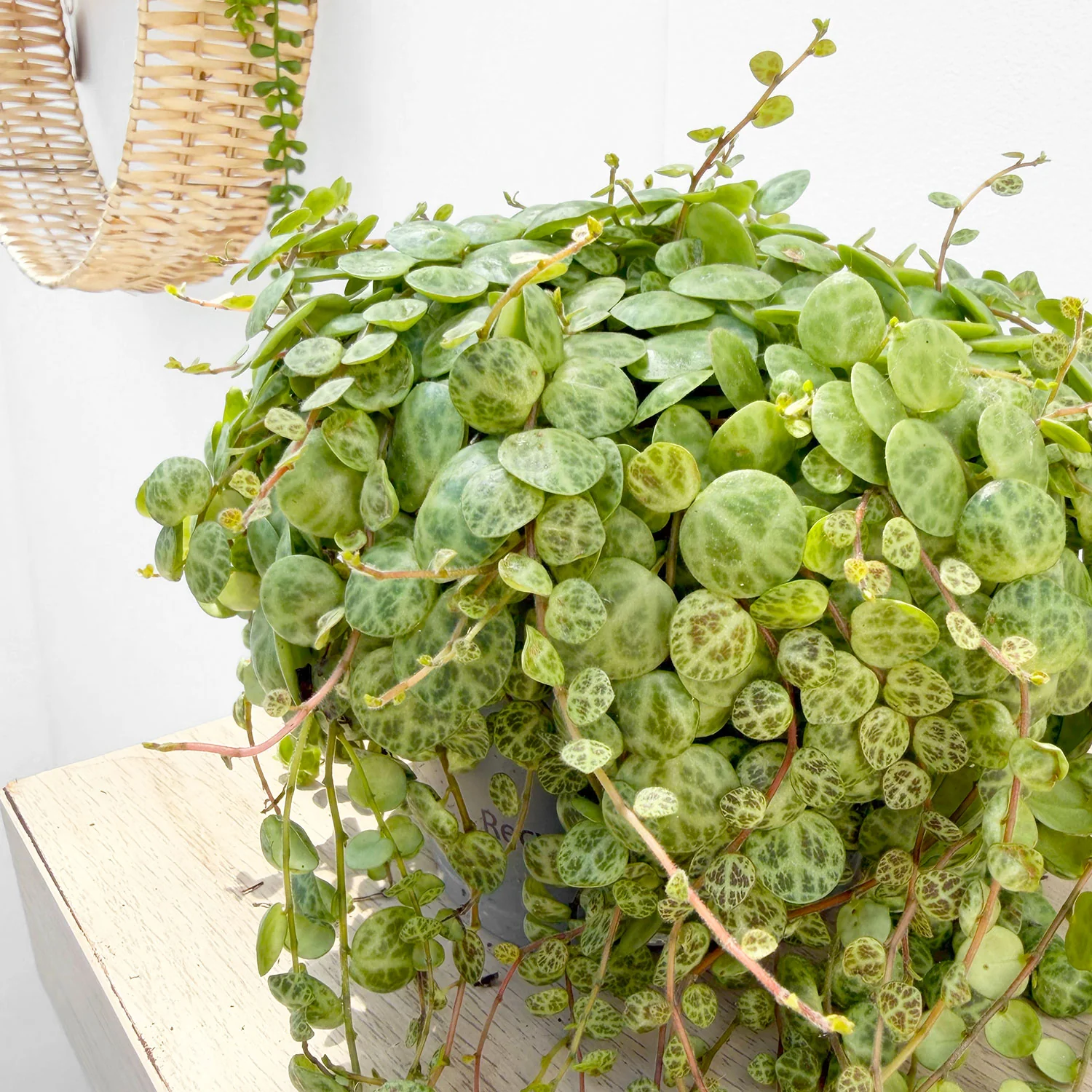

Ultimate Labisia Collection (5 Plants) 10.5cm Pot House Plant
Ultimate Labisia Collection
Product Description
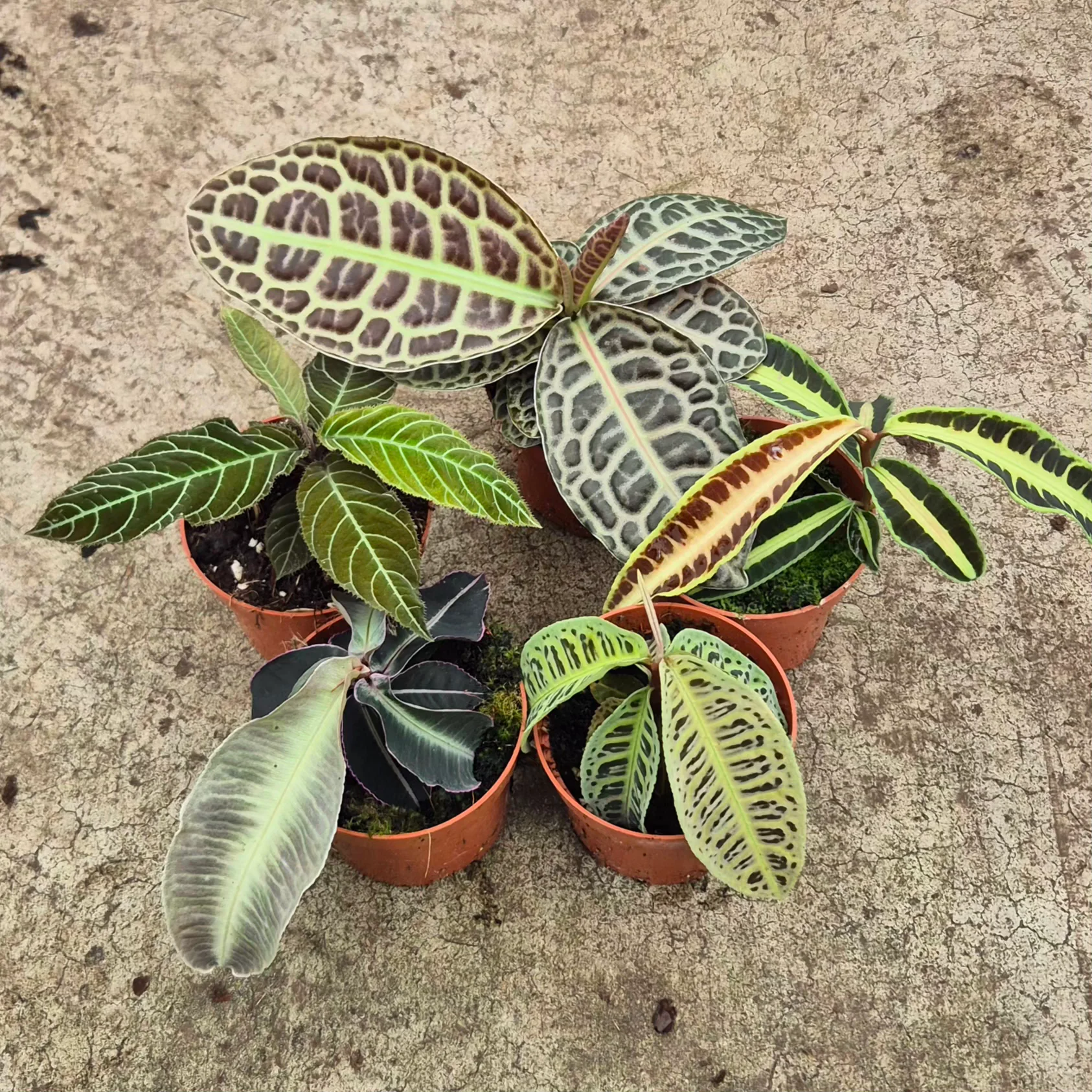
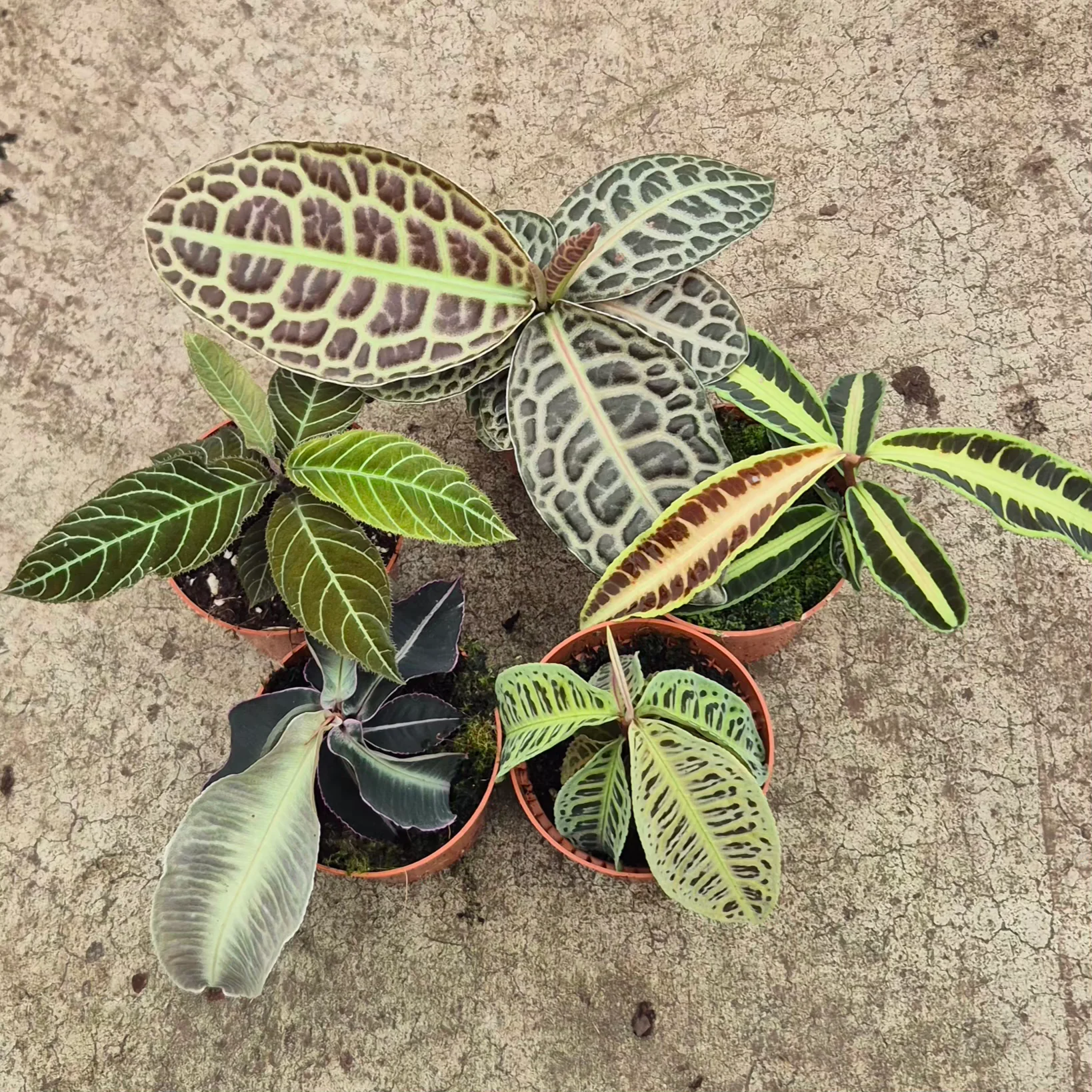
Our Ultimate Labisia Collection brings together five of the most sought-after and unusual Labisia varieties, making it the perfect collection for rare houseplant collectors and terrarium enthusiasts.
This collection includes:
-
Labisia japonica
-
Labisia ‘Turtle Back’
-
Labisia ‘No ID’
-
Labisia gigantifolia
-
Labisia pumila
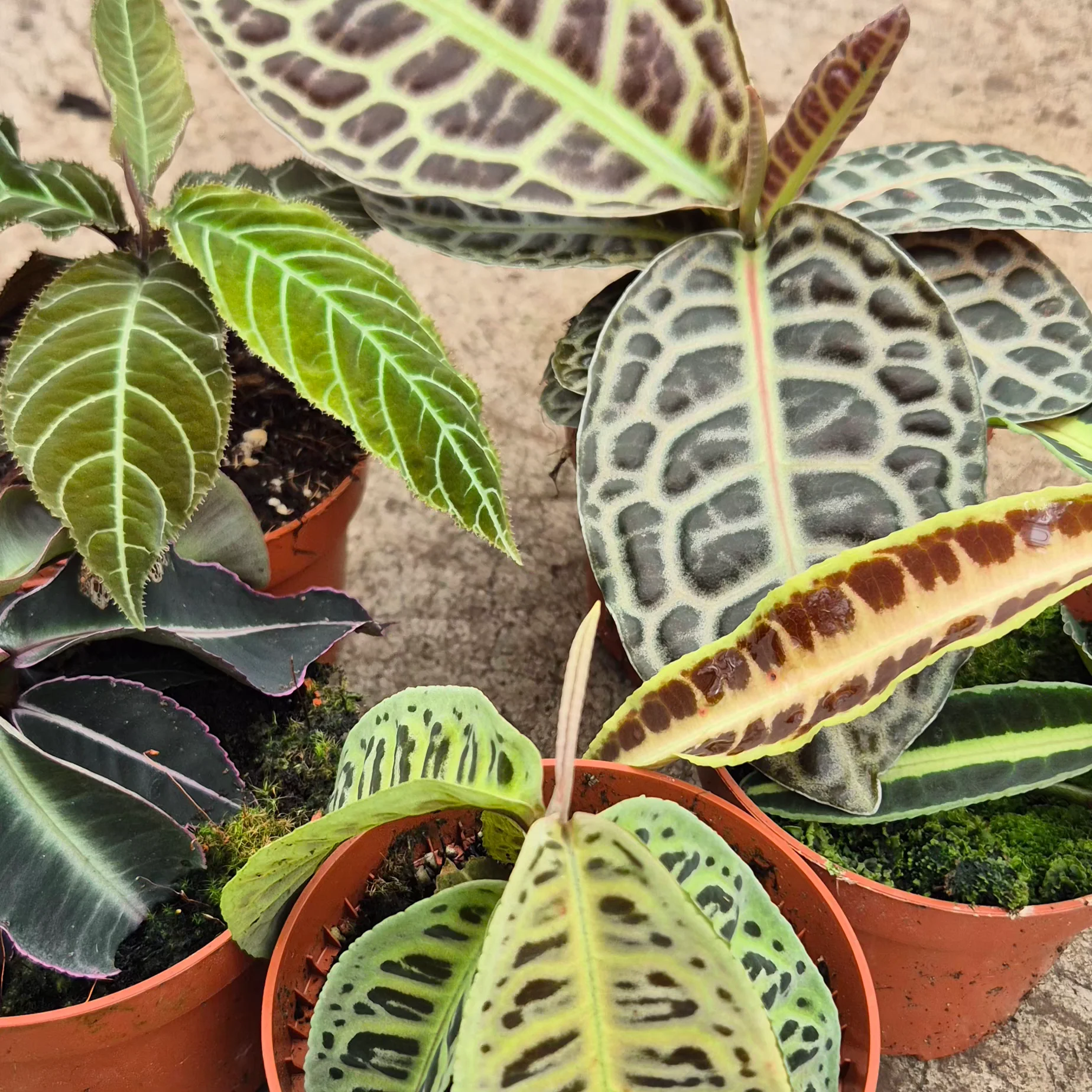
Each variety has its own distinctive leaf shape, texture and markings, creating a fascinating display of foliage. Labisia are prized for their unusual, often metallic-looking leaves, intricate veining and compact growth habit. They are slow growing plants, but their unique appearance makes them especially rewarding to grow.
Labisia japonica is admired for its elegant foliage and subtle patterning, whilst Labisia ‘Turtle Back’ is known for its textured, almost shell-like leaf pattern. Labisia ‘No ID’ is an unusual unidentified form with its own distinctive markings, making it an exciting addition for collectors. Labisia gigantifolia features larger, broader leaves than many other species, whilst Labisia pumila stays more compact and is valued for its attractive foliage and tidy habit.
Together, these five plants create an impressive and varied collection with a mix of different leaf sizes, colours and textures. They look particularly striking displayed together in a cabinet, terrarium or grouped on a shelf where their intricate foliage can be appreciated up close.
Please note that Labisia are delicate plants with naturally thin leaves. It is normal for some plants to arrive with the occasional blemish, small mark or slight browning on an older leaf, particularly after transport. This is purely cosmetic and new growth will continue to emerge as the plant settles into its new home.
As with all rare foliage plants, every plant is unique. The exact leaf shape, colour intensity and markings may vary slightly from the plants shown.
Care Guide
Light
Labisia prefer bright, indirect light. They naturally grow on the forest floor beneath the canopy, so they thrive in filtered light rather than direct sun.
Place them near a bright window out of direct sunlight, or under grow lights. Too much direct sun can scorch the leaves and cause the foliage to lose some of its colour and markings.
Watering
Keep the compost lightly moist, but never waterlogged. Allow the top layer of the soil to begin drying slightly before watering again.
Labisia dislike sitting in wet compost, but they also do not like to dry out completely. Aim for consistent moisture without letting the roots remain soggy.
Use rainwater or filtered water where possible, especially if you live in a hard water area, as Labisia can be sensitive to minerals and chemicals in tap water.
Humidity
These plants thrive in high humidity and are ideal for terrariums, indoor greenhouses or cabinets.
Aim for humidity levels of at least 60%, with 70–80% being ideal. In lower humidity, the leaf edges may become dry or crispy.
If grown in a normal room environment, placing the plants near a humidifier can make a big difference.
Temperature
Keep your Labisia collection warm, ideally between 18°C and 26°C.
Avoid temperatures below 15°C, cold draughts and sudden temperature changes.
Soil
Use a loose, airy and moisture-retentive mix. A blend designed for terrarium or tropical understory plants works best.
A suitable mix may include:
-
Fine bark
-
Perlite
-
Coco coir or peat-free compost
-
Sphagnum moss
The soil should stay lightly moist whilst still allowing good airflow around the roots.
Feeding
Feed lightly during spring and summer with a diluted houseplant fertiliser once every 4–6 weeks.
Labisia are slow growing and do not need heavy feeding. Too much fertiliser can damage the roots or mark the leaves.
Growth Habit
Labisia are naturally compact, slow growing plants. They do not climb and are best grown in shallow pots, terrariums or decorative planters.
Over time, they may gradually spread and form a small clump of foliage.
Leaf Marks and Browning
Because Labisia have delicate leaves, some slight browning, tiny marks or imperfections on older foliage can occasionally occur. This is especially common after shipping or changes in humidity.
Minor imperfections are normal and do not affect the long-term health of the plant. Once established in the right conditions, the plants will continue to produce fresh new growth.
Pet Safety
Labisia are generally considered non-toxic, but we would still recommend keeping them out of reach of pets and children.
Original: $112.17
-70%$112.17
$33.65Product Information
Product Information
Shipping & Returns
Shipping & Returns
Description
Ultimate Labisia Collection
Product Description
Our Ultimate Labisia Collection brings together five of the most sought-after and unusual Labisia varieties, making it the perfect collection for rare houseplant collectors and terrarium enthusiasts.
This collection includes:
-
Labisia japonica
-
Labisia ‘Turtle Back’
-
Labisia ‘No ID’
-
Labisia gigantifolia
-
Labisia pumila
Each variety has its own distinctive leaf shape, texture and markings, creating a fascinating display of foliage. Labisia are prized for their unusual, often metallic-looking leaves, intricate veining and compact growth habit. They are slow growing plants, but their unique appearance makes them especially rewarding to grow.
Labisia japonica is admired for its elegant foliage and subtle patterning, whilst Labisia ‘Turtle Back’ is known for its textured, almost shell-like leaf pattern. Labisia ‘No ID’ is an unusual unidentified form with its own distinctive markings, making it an exciting addition for collectors. Labisia gigantifolia features larger, broader leaves than many other species, whilst Labisia pumila stays more compact and is valued for its attractive foliage and tidy habit.
Together, these five plants create an impressive and varied collection with a mix of different leaf sizes, colours and textures. They look particularly striking displayed together in a cabinet, terrarium or grouped on a shelf where their intricate foliage can be appreciated up close.
Please note that Labisia are delicate plants with naturally thin leaves. It is normal for some plants to arrive with the occasional blemish, small mark or slight browning on an older leaf, particularly after transport. This is purely cosmetic and new growth will continue to emerge as the plant settles into its new home.
As with all rare foliage plants, every plant is unique. The exact leaf shape, colour intensity and markings may vary slightly from the plants shown.
Care Guide
Light
Labisia prefer bright, indirect light. They naturally grow on the forest floor beneath the canopy, so they thrive in filtered light rather than direct sun.
Place them near a bright window out of direct sunlight, or under grow lights. Too much direct sun can scorch the leaves and cause the foliage to lose some of its colour and markings.
Watering
Keep the compost lightly moist, but never waterlogged. Allow the top layer of the soil to begin drying slightly before watering again.
Labisia dislike sitting in wet compost, but they also do not like to dry out completely. Aim for consistent moisture without letting the roots remain soggy.
Use rainwater or filtered water where possible, especially if you live in a hard water area, as Labisia can be sensitive to minerals and chemicals in tap water.
Humidity
These plants thrive in high humidity and are ideal for terrariums, indoor greenhouses or cabinets.
Aim for humidity levels of at least 60%, with 70–80% being ideal. In lower humidity, the leaf edges may become dry or crispy.
If grown in a normal room environment, placing the plants near a humidifier can make a big difference.
Temperature
Keep your Labisia collection warm, ideally between 18°C and 26°C.
Avoid temperatures below 15°C, cold draughts and sudden temperature changes.
Soil
Use a loose, airy and moisture-retentive mix. A blend designed for terrarium or tropical understory plants works best.
A suitable mix may include:
-
Fine bark
-
Perlite
-
Coco coir or peat-free compost
-
Sphagnum moss
The soil should stay lightly moist whilst still allowing good airflow around the roots.
Feeding
Feed lightly during spring and summer with a diluted houseplant fertiliser once every 4–6 weeks.
Labisia are slow growing and do not need heavy feeding. Too much fertiliser can damage the roots or mark the leaves.
Growth Habit
Labisia are naturally compact, slow growing plants. They do not climb and are best grown in shallow pots, terrariums or decorative planters.
Over time, they may gradually spread and form a small clump of foliage.
Leaf Marks and Browning
Because Labisia have delicate leaves, some slight browning, tiny marks or imperfections on older foliage can occasionally occur. This is especially common after shipping or changes in humidity.
Minor imperfections are normal and do not affect the long-term health of the plant. Once established in the right conditions, the plants will continue to produce fresh new growth.
Pet Safety
Labisia are generally considered non-toxic, but we would still recommend keeping them out of reach of pets and children.