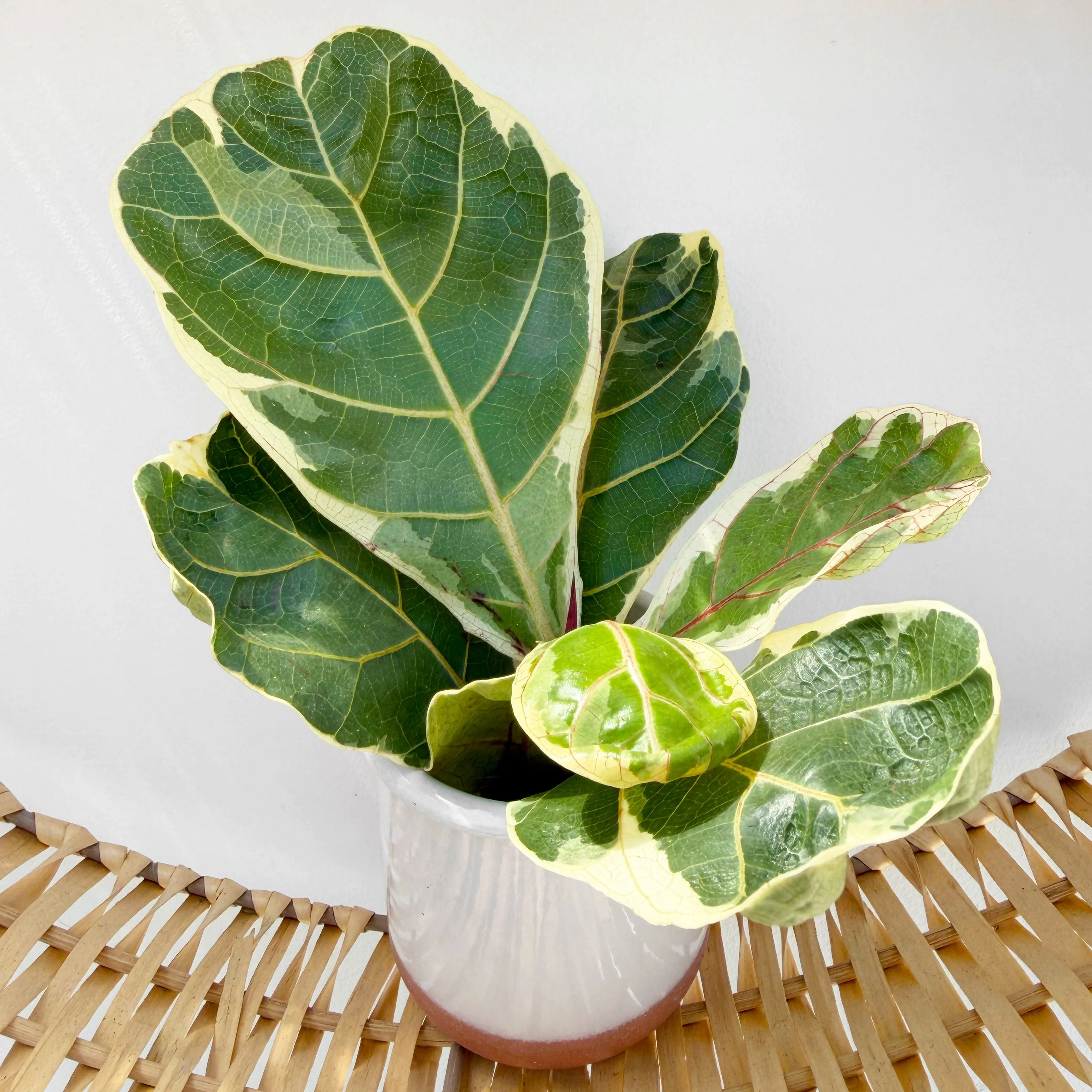


Variegated Ficus Lyrata House Plant 6cm Net
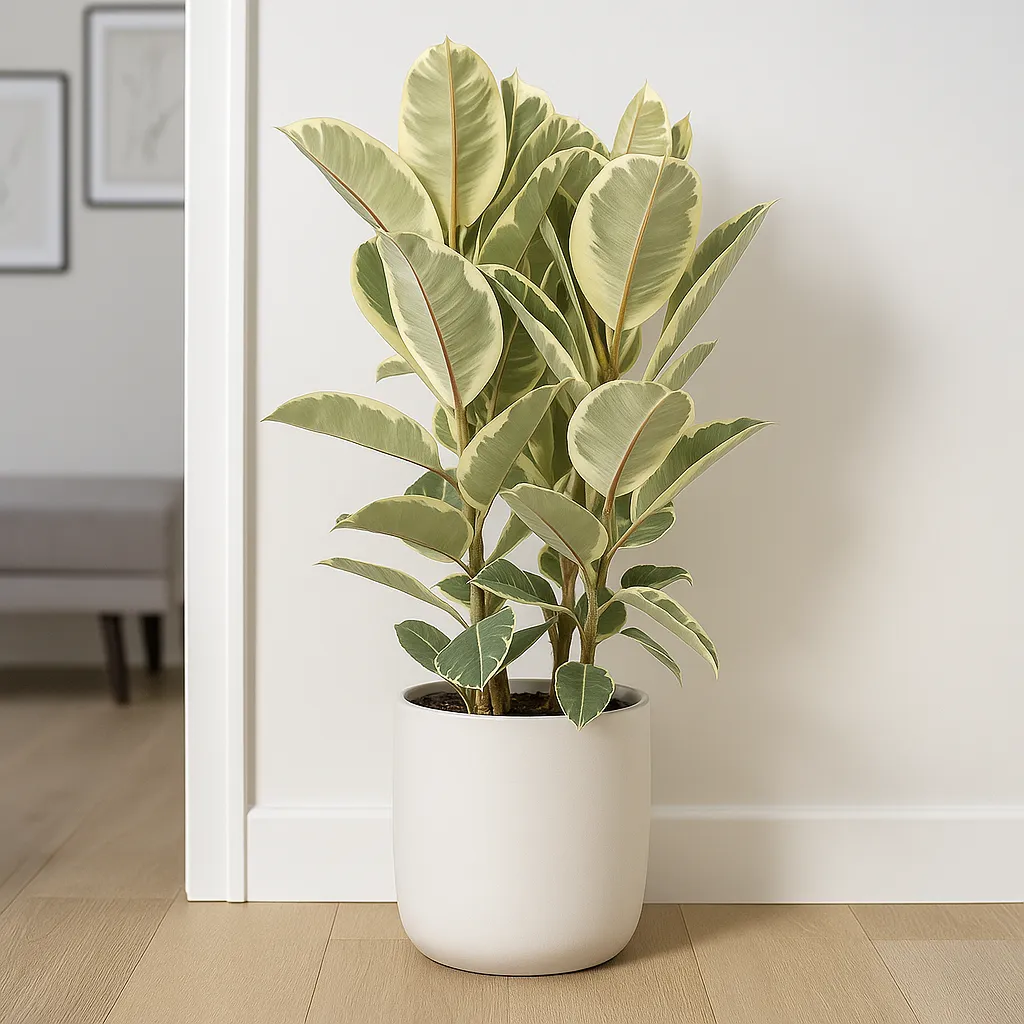
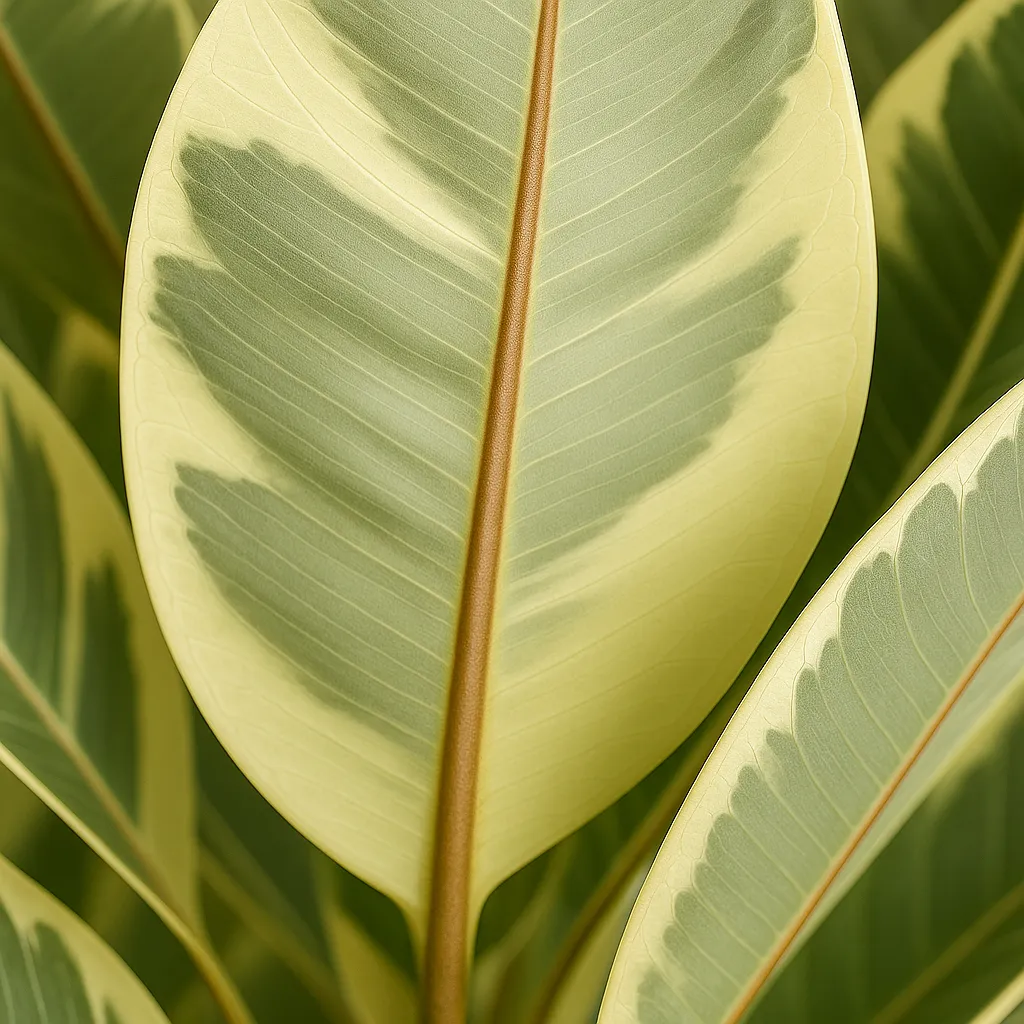
The Variegated Ficus lyrata is a rare and highly sought-after cultivar of the classic Fiddle Leaf Fig. It is prized for its large, violin-shaped leaves adorned with striking patterns of creamy white, pale yellow and deep green variegation. Each leaf is unique, creating a dramatic and architectural appearance that makes this plant a true statement piece in any home, office or conservatory.
Unlike the standard green Ficus lyrata, the variegated form grows more slowly due to the reduced chlorophyll in its cream-coloured foliage. This slower growth is compensated for by its exceptional ornamental value, with mature specimens becoming impressive indoor trees over time.
Native to the tropical rainforests of West Africa, Ficus lyrata naturally grows in warm, humid conditions beneath the forest canopy. Replicating these conditions indoors will help ensure healthy growth and vibrant variegation.
Plant Characteristics
- Botanical Name: Ficus lyrata 'Variegata'
- Common Name: Variegated Fiddle Leaf Fig
- Plant Type: Evergreen tropical tree
- Growth Habit: Upright, branching tree
- Mature Indoor Height: 1.5–3 metres
- Growth Rate: Slow to moderate
- Difficulty Level: Moderate
- Pet Friendly: No – toxic if ingested
Variegated Ficus lyrata Care Guide
Light Requirements
Bright indirect light is essential for maintaining healthy growth and strong variegation.
Place your Variegated Ficus lyrata:
- Near a bright south or west-facing window
- In a location receiving several hours of bright filtered light daily
- Away from dark corners and heavily shaded rooms
The white sections of the leaves cannot photosynthesise, meaning the plant requires significantly more light than the standard green variety.
Avoid prolonged exposure to harsh midday sun, which may scorch the pale areas of the foliage.
Watering
Allow the top 5–8cm of soil to dry before watering thoroughly.
When watering:
- Water evenly until excess drains from the bottom.
- Empty any decorative pot or saucer afterwards.
- Never leave the roots sitting in water.
Overwatering is the most common cause of problems and can quickly lead to root rot.
Signs of Overwatering
- Yellowing leaves
- Brown spots
- Leaf drop
- Soft stems
Signs of Underwatering
- Dry, crispy leaf edges
- Curling foliage
- Drooping leaves
Humidity
Variegated Ficus lyrata thrives in moderate to high humidity.
Ideal humidity levels:
- 50–70%
To increase humidity:
- Use a humidifier nearby
- Group plants together
- Place on a pebble tray
- Position in naturally humid rooms
Low humidity can cause brown leaf edges and slower growth.
Temperature
Maintain temperatures between:
- 18°C–26°C
Avoid:
- Temperatures below 12°C
- Cold draughts
- Sudden temperature fluctuations
- Placement near radiators or air conditioning units
Consistency is key to preventing leaf drop.
Soil Requirements
Use a free-draining, airy potting mix.
A suitable mix consists of:
- 60% quality houseplant compost
- 20% perlite
- 20% orchid bark
This combination improves drainage while maintaining sufficient moisture around the roots.
Feeding
Feed during the growing season from March to September.
Use:
- Balanced liquid houseplant fertiliser
- Half-strength dosage
- Every 4–6 weeks
Reduce or stop feeding during autumn and winter when growth naturally slows.
Repotting
Repot every 2–3 years or when roots begin emerging from the drainage holes.
When repotting:
- Increase pot size by only one size at a time
- Refresh the growing medium
- Ensure excellent drainage
Oversized pots can retain excessive moisture and increase the risk of root problems.
Pruning
Pruning can help maintain shape and encourage branching.
Remove:
- Damaged leaves
- Yellowing foliage
- Leggy growth
Always use clean, sterilised tools and wear gloves, as the sap can irritate skin.
Common Problems
Brown Patches on Leaves
Usually caused by:
- Overwatering
- Root stress
- Sudden environmental changes
Crispy White Areas
Often the result of:
- Direct sunlight
- Low humidity
Leaf Drop
Common causes include:
- Moving the plant
- Temperature fluctuations
- Overwatering
- Underwatering
Fading Variegation
Typically caused by insufficient light.
Move the plant to a brighter position to maintain strong leaf colouring.
Toxicity
Like all Ficus varieties, Variegated Ficus lyrata produces a milky latex sap that can irritate skin and is toxic if ingested by pets or humans. Keep out of reach of children and animals.
Quick Care Summary
| Care Aspect | Requirement |
|---|---|
| Light | Bright indirect light |
| Water | Allow top soil to dry between waterings |
| Humidity | 50–70% |
| Temperature | 18–26°C |
| Soil | Free-draining houseplant mix |
| Feeding | Every 4–6 weeks in spring and summer |
| Growth Rate | Slow to moderate |
| Difficulty | Moderate |
| Pet Safe | No |
The Variegated Ficus lyrata is an exceptional collector's plant that rewards consistent care with stunning marbled foliage and an elegant tree-like form. Given plenty of light, stable temperatures and careful watering, it can become one of the most impressive feature plants in your indoor jungle. 🌿
Original: $26.38
-70%$26.38
$7.91Product Information
Product Information
Shipping & Returns
Shipping & Returns
Description
The Variegated Ficus lyrata is a rare and highly sought-after cultivar of the classic Fiddle Leaf Fig. It is prized for its large, violin-shaped leaves adorned with striking patterns of creamy white, pale yellow and deep green variegation. Each leaf is unique, creating a dramatic and architectural appearance that makes this plant a true statement piece in any home, office or conservatory.
Unlike the standard green Ficus lyrata, the variegated form grows more slowly due to the reduced chlorophyll in its cream-coloured foliage. This slower growth is compensated for by its exceptional ornamental value, with mature specimens becoming impressive indoor trees over time.
Native to the tropical rainforests of West Africa, Ficus lyrata naturally grows in warm, humid conditions beneath the forest canopy. Replicating these conditions indoors will help ensure healthy growth and vibrant variegation.
Plant Characteristics
- Botanical Name: Ficus lyrata 'Variegata'
- Common Name: Variegated Fiddle Leaf Fig
- Plant Type: Evergreen tropical tree
- Growth Habit: Upright, branching tree
- Mature Indoor Height: 1.5–3 metres
- Growth Rate: Slow to moderate
- Difficulty Level: Moderate
- Pet Friendly: No – toxic if ingested
Variegated Ficus lyrata Care Guide
Light Requirements
Bright indirect light is essential for maintaining healthy growth and strong variegation.
Place your Variegated Ficus lyrata:
- Near a bright south or west-facing window
- In a location receiving several hours of bright filtered light daily
- Away from dark corners and heavily shaded rooms
The white sections of the leaves cannot photosynthesise, meaning the plant requires significantly more light than the standard green variety.
Avoid prolonged exposure to harsh midday sun, which may scorch the pale areas of the foliage.
Watering
Allow the top 5–8cm of soil to dry before watering thoroughly.
When watering:
- Water evenly until excess drains from the bottom.
- Empty any decorative pot or saucer afterwards.
- Never leave the roots sitting in water.
Overwatering is the most common cause of problems and can quickly lead to root rot.
Signs of Overwatering
- Yellowing leaves
- Brown spots
- Leaf drop
- Soft stems
Signs of Underwatering
- Dry, crispy leaf edges
- Curling foliage
- Drooping leaves
Humidity
Variegated Ficus lyrata thrives in moderate to high humidity.
Ideal humidity levels:
- 50–70%
To increase humidity:
- Use a humidifier nearby
- Group plants together
- Place on a pebble tray
- Position in naturally humid rooms
Low humidity can cause brown leaf edges and slower growth.
Temperature
Maintain temperatures between:
- 18°C–26°C
Avoid:
- Temperatures below 12°C
- Cold draughts
- Sudden temperature fluctuations
- Placement near radiators or air conditioning units
Consistency is key to preventing leaf drop.
Soil Requirements
Use a free-draining, airy potting mix.
A suitable mix consists of:
- 60% quality houseplant compost
- 20% perlite
- 20% orchid bark
This combination improves drainage while maintaining sufficient moisture around the roots.
Feeding
Feed during the growing season from March to September.
Use:
- Balanced liquid houseplant fertiliser
- Half-strength dosage
- Every 4–6 weeks
Reduce or stop feeding during autumn and winter when growth naturally slows.
Repotting
Repot every 2–3 years or when roots begin emerging from the drainage holes.
When repotting:
- Increase pot size by only one size at a time
- Refresh the growing medium
- Ensure excellent drainage
Oversized pots can retain excessive moisture and increase the risk of root problems.
Pruning
Pruning can help maintain shape and encourage branching.
Remove:
- Damaged leaves
- Yellowing foliage
- Leggy growth
Always use clean, sterilised tools and wear gloves, as the sap can irritate skin.
Common Problems
Brown Patches on Leaves
Usually caused by:
- Overwatering
- Root stress
- Sudden environmental changes
Crispy White Areas
Often the result of:
- Direct sunlight
- Low humidity
Leaf Drop
Common causes include:
- Moving the plant
- Temperature fluctuations
- Overwatering
- Underwatering
Fading Variegation
Typically caused by insufficient light.
Move the plant to a brighter position to maintain strong leaf colouring.
Toxicity
Like all Ficus varieties, Variegated Ficus lyrata produces a milky latex sap that can irritate skin and is toxic if ingested by pets or humans. Keep out of reach of children and animals.
Quick Care Summary
| Care Aspect | Requirement |
|---|---|
| Light | Bright indirect light |
| Water | Allow top soil to dry between waterings |
| Humidity | 50–70% |
| Temperature | 18–26°C |
| Soil | Free-draining houseplant mix |
| Feeding | Every 4–6 weeks in spring and summer |
| Growth Rate | Slow to moderate |
| Difficulty | Moderate |
| Pet Safe | No |
The Variegated Ficus lyrata is an exceptional collector's plant that rewards consistent care with stunning marbled foliage and an elegant tree-like form. Given plenty of light, stable temperatures and careful watering, it can become one of the most impressive feature plants in your indoor jungle. 🌿