Variegated Hoya Kerri Heart House Plant 6cm Pot
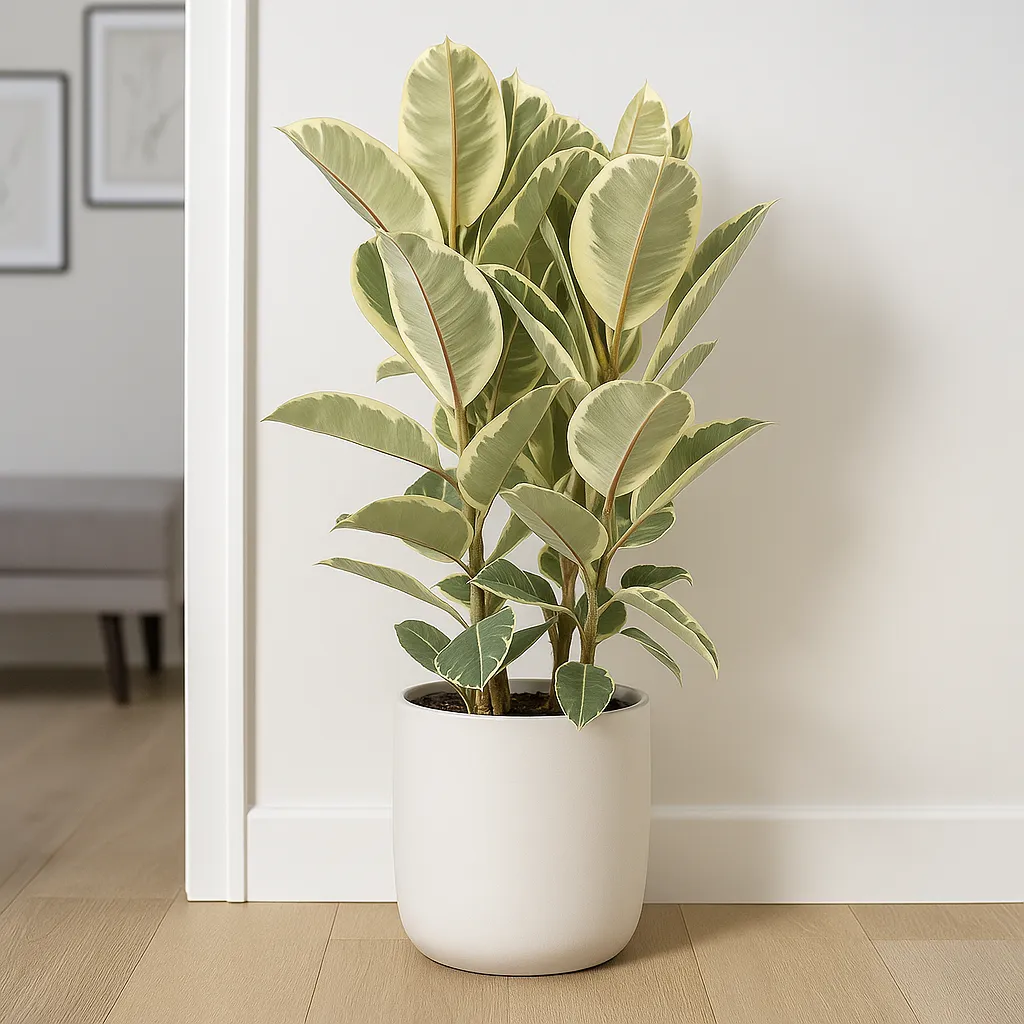
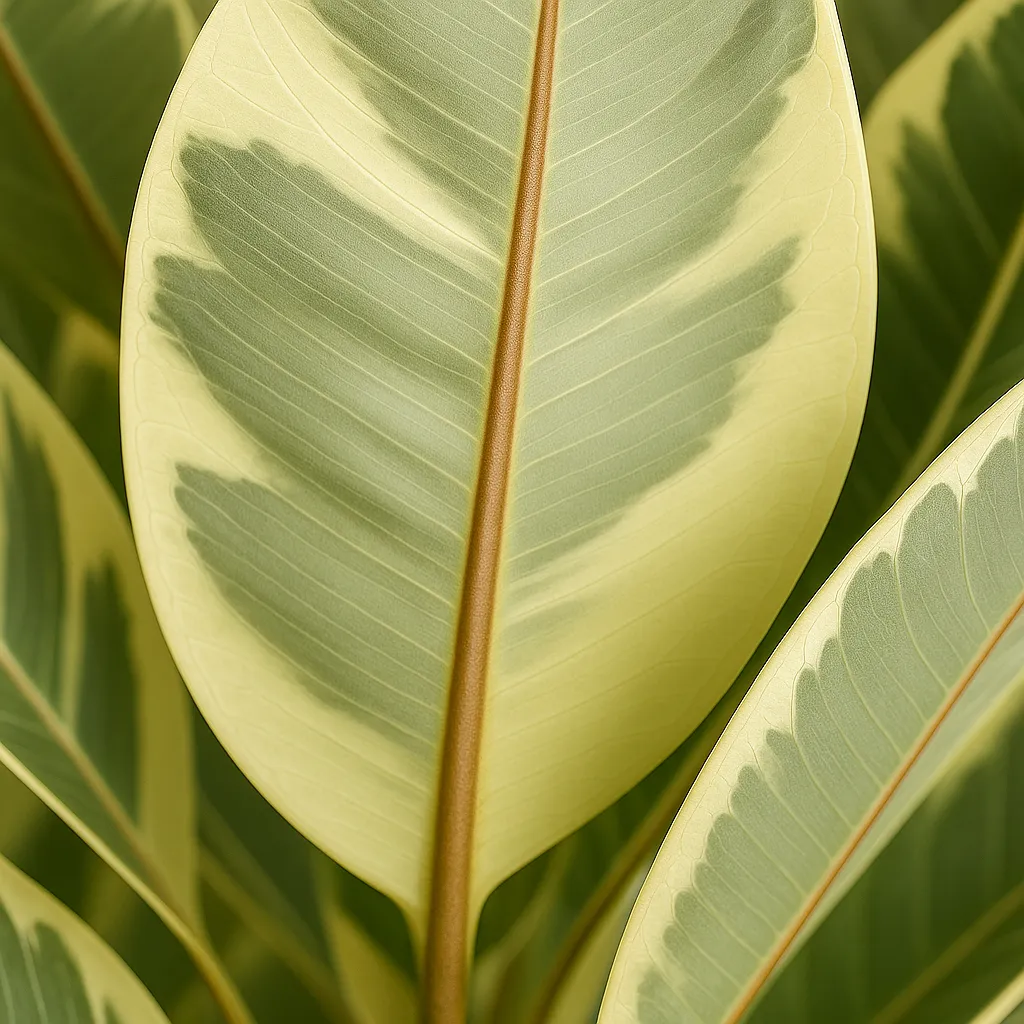
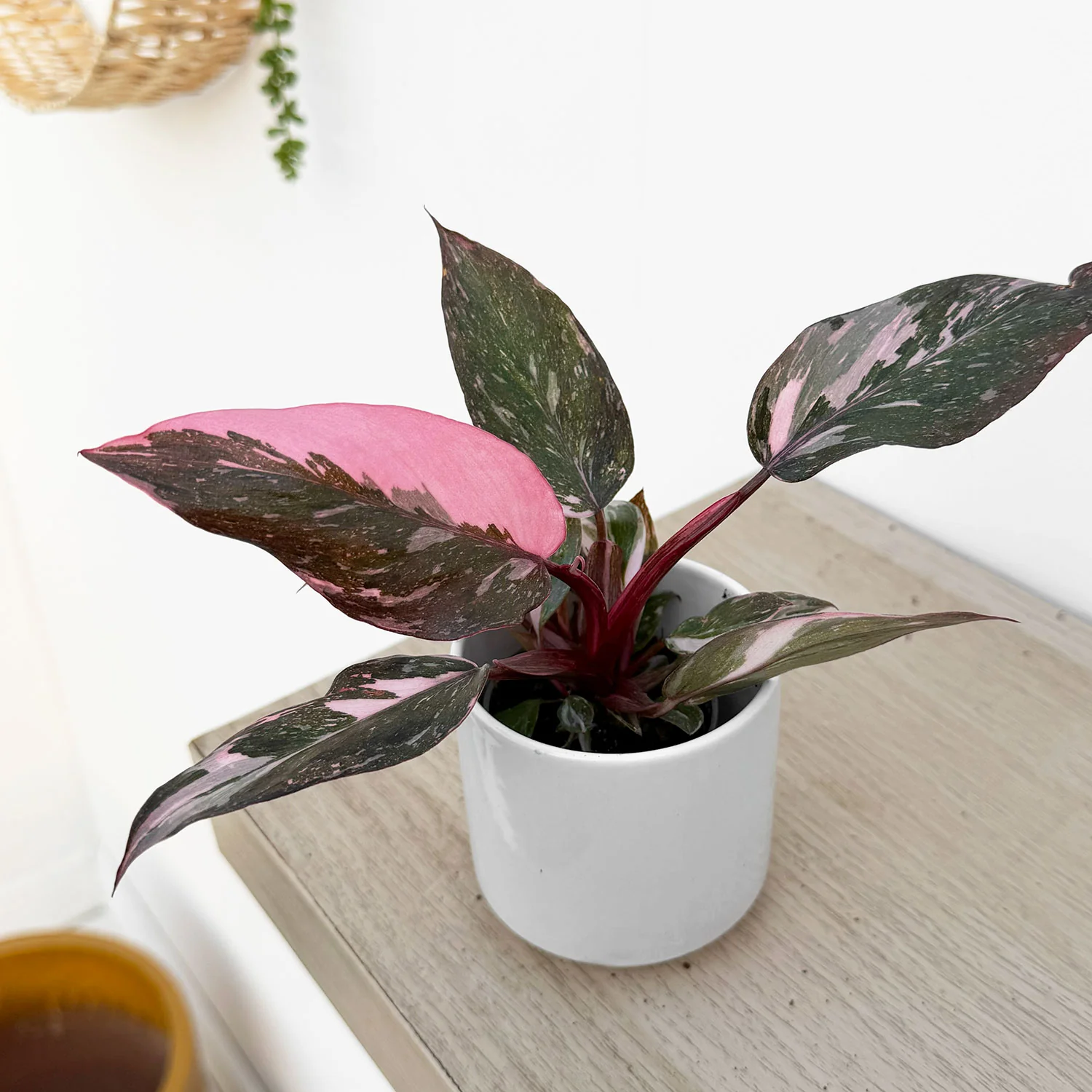
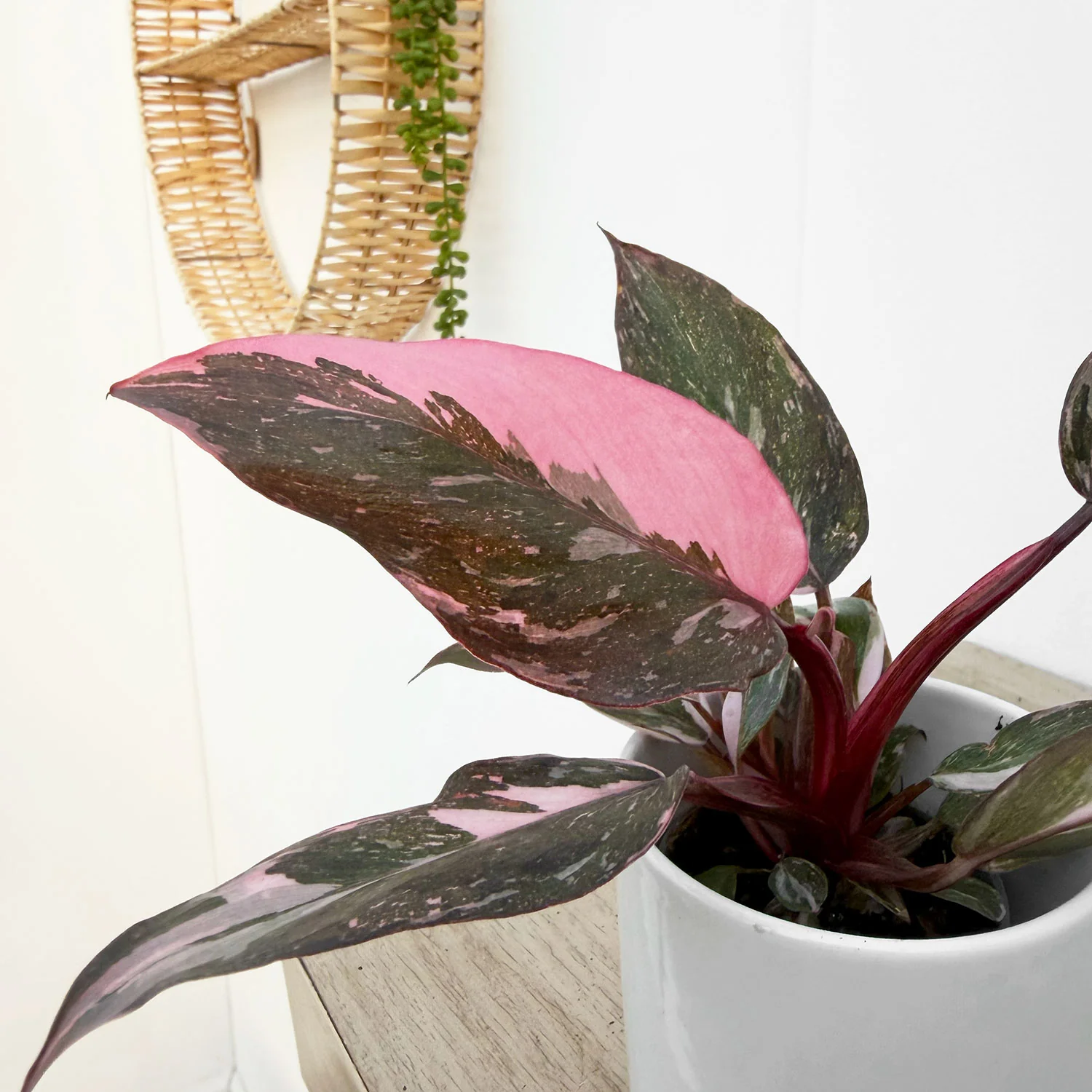
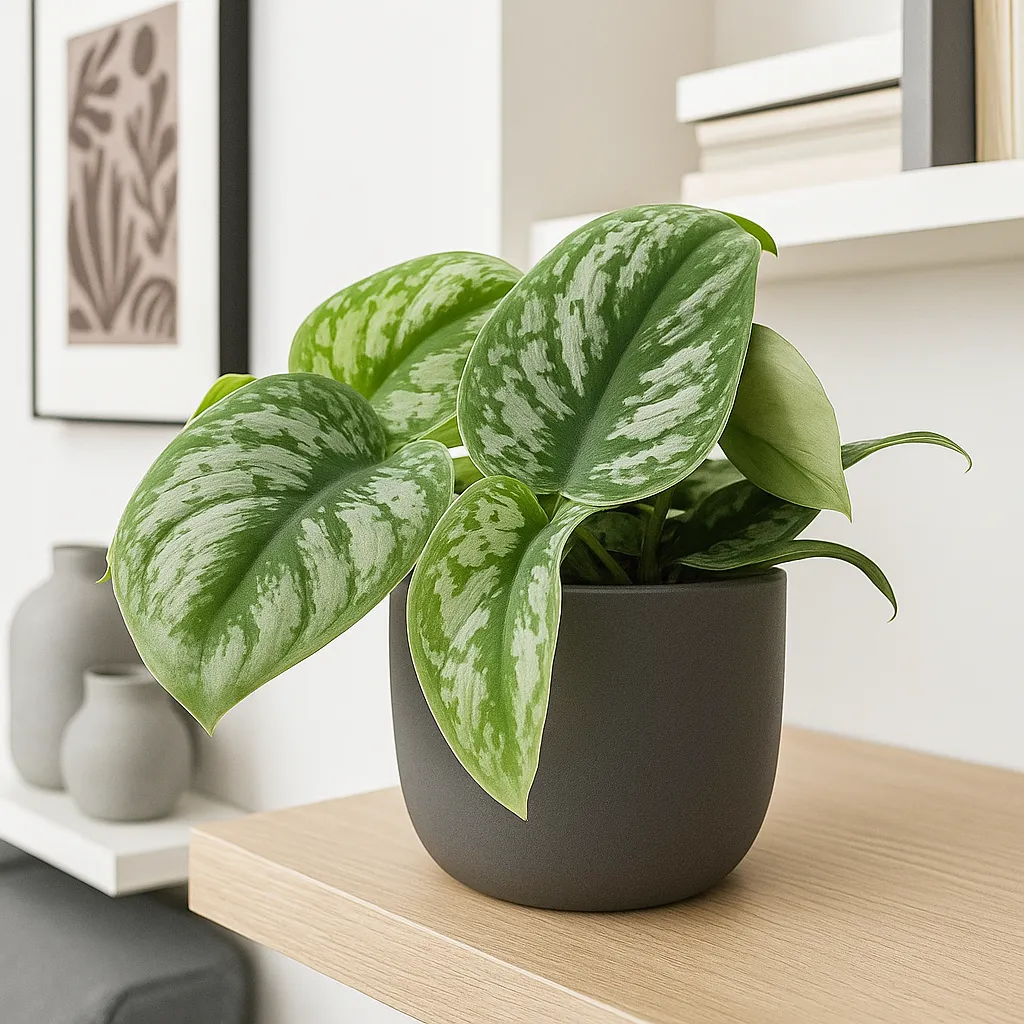
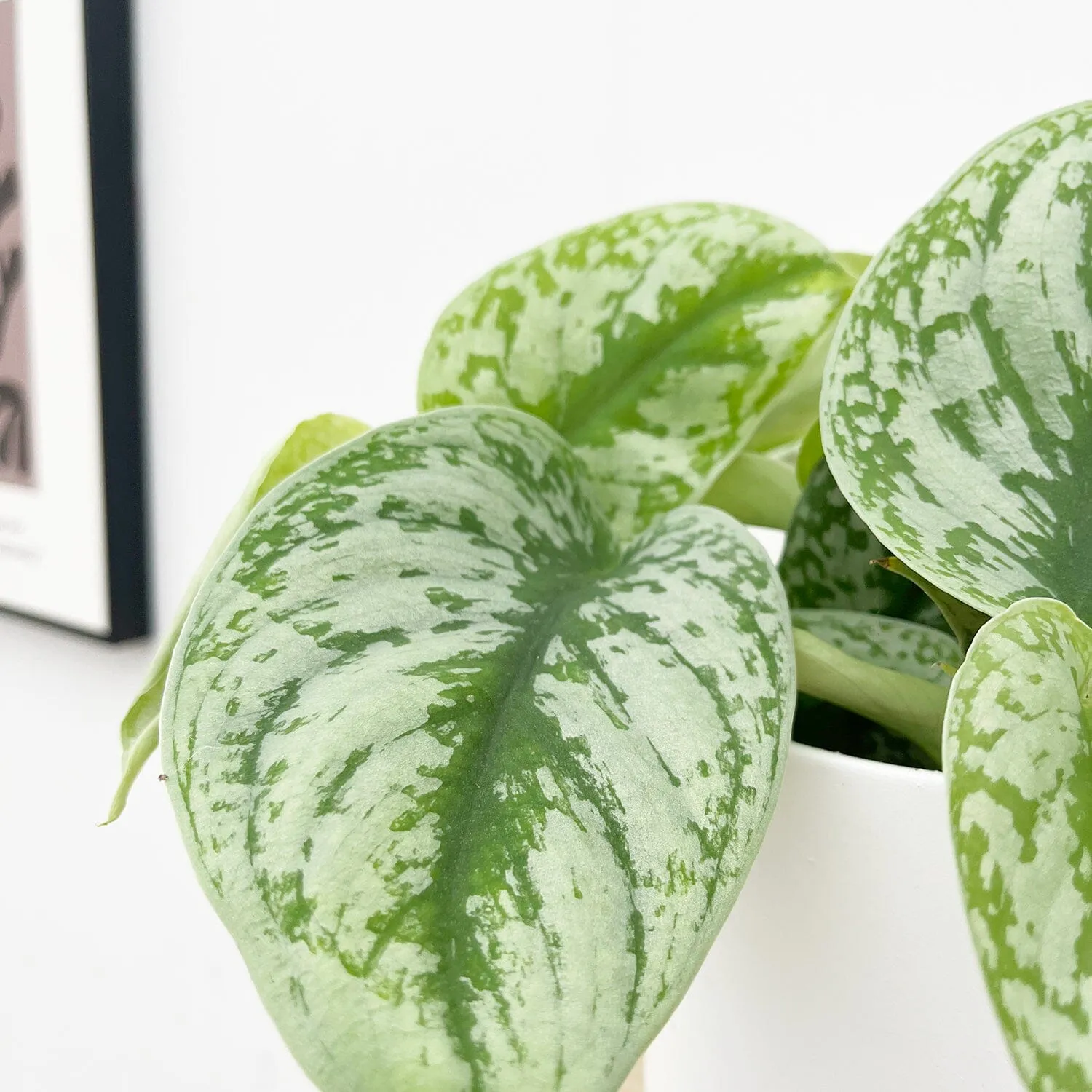
The Variegated Hoya kerrii is a stunning and unusual trailing houseplant known for its thick, heart-shaped leaves decorated with creamy white, yellow and green variegation. Often referred to as the Variegated Sweetheart Plant, it is one of the most recognisable Hoyas and makes a beautiful addition to any indoor plant collection.
Native to Southeast Asia, Hoya kerrii is an epiphytic plant that naturally grows on trees in tropical forests, where it receives bright filtered light and excellent air circulation. Its succulent-like leaves allow it to store water, making it more drought-tolerant than many tropical houseplants.
Unlike the single-leaf heart plants commonly sold as novelty gifts, mature Variegated Hoya kerrii plants develop long climbing or trailing vines that can eventually produce clusters of fragrant star-shaped flowers under the right conditions.
Plant Characteristics
- Botanical Name: Hoya kerrii 'Variegata'
- Common Names: Variegated Sweetheart Plant, Variegated Valentine Hoya
- Plant Type: Evergreen trailing vine
- Growth Habit: Climbing or trailing
- Mature Length: 1–3 metres indoors
- Growth Rate: Slow
- Difficulty Level: Easy to moderate
- Pet Friendly: Generally considered non-toxic to pets
Variegated Hoya kerrii Care Guide
Light Requirements
Bright indirect light is essential for maintaining healthy growth and vibrant variegation.
Position your plant:
- Near a bright east, south or west-facing window
- In a location with several hours of bright filtered light daily
- Away from dark corners
A small amount of gentle morning or late afternoon sun can be beneficial. However, prolonged intense midday sun may scorch the pale sections of the leaves.
Insufficient light can result in:
- Slower growth
- Reduced variegation
- Leggy stems
Watering
Variegated Hoya kerrii prefers to dry out between waterings.
Allow at least the top half of the compost to dry before watering thoroughly.
When watering:
- Water deeply until excess drains away.
- Empty saucers or decorative pots afterwards.
- Allow the compost to dry before watering again.
The thick leaves store moisture, making this plant much more tolerant of occasional neglect than overwatering.
Signs of Overwatering
- Yellow leaves
- Soft stems
- Root rot
- Leaf drop
Signs of Underwatering
- Wrinkled leaves
- Thin or flexible foliage
- Slower growth
Humidity
Variegated Hoya kerrii enjoys moderate humidity but adapts well to most homes.
Ideal humidity:
- 40–60%
Higher humidity can encourage stronger growth and flowering, but excessive humidity without airflow should be avoided.
Temperature
Maintain temperatures between:
- 18°C–28°C
Avoid:
- Temperatures below 10°C
- Cold draughts
- Sudden temperature changes
Warm, stable conditions encourage healthy growth throughout the year.
Soil Requirements
As an epiphyte, Hoya kerrii requires a very free-draining growing medium.
A suitable mix may contain:
- 40% houseplant compost
- 30% orchid bark
- 20% perlite
- 10% horticultural charcoal
The roots prefer plenty of airflow and should never remain waterlogged.
Feeding
Feed during spring and summer when actively growing.
Use:
- Balanced liquid houseplant fertiliser
- Half-strength dosage
- Every 4–6 weeks
Reduce feeding during autumn and winter.
Repotting
Hoyas prefer being slightly root-bound and do not require frequent repotting.
Repot every:
- 2–4 years
- When roots completely fill the pot
Always choose a pot with drainage holes.
Flowering
Mature plants may produce clusters of small star-shaped flowers.
Flowers are typically:
- Pale pink, cream or white
- Highly fragrant
- Produced from permanent flower spurs
Do not remove flower spurs after blooming, as future flowers will develop from the same locations.
Support
As the plant matures, stems can be:
- Allowed to trail naturally
- Trained around a hoop
- Climbed up a moss pole or trellis
Providing support often encourages larger leaves and stronger growth.
Common Problems
Yellow Leaves
Usually caused by:
- Overwatering
- Poor drainage
- Cold conditions
Wrinkled Leaves
Typically caused by:
- Underwatering
- Dehydrated roots
- Severely dry compost
Leggy Growth
Usually indicates:
- Insufficient light
Move the plant to a brighter position.
Loss of Variegation
Often caused by:
- Low light levels
Variegated varieties require brighter conditions than fully green forms.
Toxicity
Variegated Hoya kerrii is generally considered non-toxic to cats and dogs, making it a popular choice for pet-friendly homes. However, it is always best to prevent pets from chewing houseplants.
Quick Care Summary
| Care Aspect | Requirement |
|---|---|
| Light | Bright indirect light |
| Water | Allow soil to dry between waterings |
| Humidity | 40–60% |
| Temperature | 18–28°C |
| Soil | Very free-draining epiphytic mix |
| Feeding | Every 4–6 weeks in spring and summer |
| Growth Rate | Slow |
| Difficulty | Easy to moderate |
| Pet Safe | Generally yes |
With its unique heart-shaped foliage and beautiful cream and green variegation, the Variegated Hoya kerrii is a charming, low-maintenance houseplant that can thrive for many years. Given plenty of light, a well-draining soil mix and careful watering, it will reward you with healthy growth and potentially fragrant blooms as it matures. 🌿💚
Original: $10.55
-70%$10.55
$3.17Product Information
Product Information
Shipping & Returns
Shipping & Returns
Description
The Variegated Hoya kerrii is a stunning and unusual trailing houseplant known for its thick, heart-shaped leaves decorated with creamy white, yellow and green variegation. Often referred to as the Variegated Sweetheart Plant, it is one of the most recognisable Hoyas and makes a beautiful addition to any indoor plant collection.
Native to Southeast Asia, Hoya kerrii is an epiphytic plant that naturally grows on trees in tropical forests, where it receives bright filtered light and excellent air circulation. Its succulent-like leaves allow it to store water, making it more drought-tolerant than many tropical houseplants.
Unlike the single-leaf heart plants commonly sold as novelty gifts, mature Variegated Hoya kerrii plants develop long climbing or trailing vines that can eventually produce clusters of fragrant star-shaped flowers under the right conditions.
Plant Characteristics
- Botanical Name: Hoya kerrii 'Variegata'
- Common Names: Variegated Sweetheart Plant, Variegated Valentine Hoya
- Plant Type: Evergreen trailing vine
- Growth Habit: Climbing or trailing
- Mature Length: 1–3 metres indoors
- Growth Rate: Slow
- Difficulty Level: Easy to moderate
- Pet Friendly: Generally considered non-toxic to pets
Variegated Hoya kerrii Care Guide
Light Requirements
Bright indirect light is essential for maintaining healthy growth and vibrant variegation.
Position your plant:
- Near a bright east, south or west-facing window
- In a location with several hours of bright filtered light daily
- Away from dark corners
A small amount of gentle morning or late afternoon sun can be beneficial. However, prolonged intense midday sun may scorch the pale sections of the leaves.
Insufficient light can result in:
- Slower growth
- Reduced variegation
- Leggy stems
Watering
Variegated Hoya kerrii prefers to dry out between waterings.
Allow at least the top half of the compost to dry before watering thoroughly.
When watering:
- Water deeply until excess drains away.
- Empty saucers or decorative pots afterwards.
- Allow the compost to dry before watering again.
The thick leaves store moisture, making this plant much more tolerant of occasional neglect than overwatering.
Signs of Overwatering
- Yellow leaves
- Soft stems
- Root rot
- Leaf drop
Signs of Underwatering
- Wrinkled leaves
- Thin or flexible foliage
- Slower growth
Humidity
Variegated Hoya kerrii enjoys moderate humidity but adapts well to most homes.
Ideal humidity:
- 40–60%
Higher humidity can encourage stronger growth and flowering, but excessive humidity without airflow should be avoided.
Temperature
Maintain temperatures between:
- 18°C–28°C
Avoid:
- Temperatures below 10°C
- Cold draughts
- Sudden temperature changes
Warm, stable conditions encourage healthy growth throughout the year.
Soil Requirements
As an epiphyte, Hoya kerrii requires a very free-draining growing medium.
A suitable mix may contain:
- 40% houseplant compost
- 30% orchid bark
- 20% perlite
- 10% horticultural charcoal
The roots prefer plenty of airflow and should never remain waterlogged.
Feeding
Feed during spring and summer when actively growing.
Use:
- Balanced liquid houseplant fertiliser
- Half-strength dosage
- Every 4–6 weeks
Reduce feeding during autumn and winter.
Repotting
Hoyas prefer being slightly root-bound and do not require frequent repotting.
Repot every:
- 2–4 years
- When roots completely fill the pot
Always choose a pot with drainage holes.
Flowering
Mature plants may produce clusters of small star-shaped flowers.
Flowers are typically:
- Pale pink, cream or white
- Highly fragrant
- Produced from permanent flower spurs
Do not remove flower spurs after blooming, as future flowers will develop from the same locations.
Support
As the plant matures, stems can be:
- Allowed to trail naturally
- Trained around a hoop
- Climbed up a moss pole or trellis
Providing support often encourages larger leaves and stronger growth.
Common Problems
Yellow Leaves
Usually caused by:
- Overwatering
- Poor drainage
- Cold conditions
Wrinkled Leaves
Typically caused by:
- Underwatering
- Dehydrated roots
- Severely dry compost
Leggy Growth
Usually indicates:
- Insufficient light
Move the plant to a brighter position.
Loss of Variegation
Often caused by:
- Low light levels
Variegated varieties require brighter conditions than fully green forms.
Toxicity
Variegated Hoya kerrii is generally considered non-toxic to cats and dogs, making it a popular choice for pet-friendly homes. However, it is always best to prevent pets from chewing houseplants.
Quick Care Summary
| Care Aspect | Requirement |
|---|---|
| Light | Bright indirect light |
| Water | Allow soil to dry between waterings |
| Humidity | 40–60% |
| Temperature | 18–28°C |
| Soil | Very free-draining epiphytic mix |
| Feeding | Every 4–6 weeks in spring and summer |
| Growth Rate | Slow |
| Difficulty | Easy to moderate |
| Pet Safe | Generally yes |
With its unique heart-shaped foliage and beautiful cream and green variegation, the Variegated Hoya kerrii is a charming, low-maintenance houseplant that can thrive for many years. Given plenty of light, a well-draining soil mix and careful watering, it will reward you with healthy growth and potentially fragrant blooms as it matures. 🌿💚